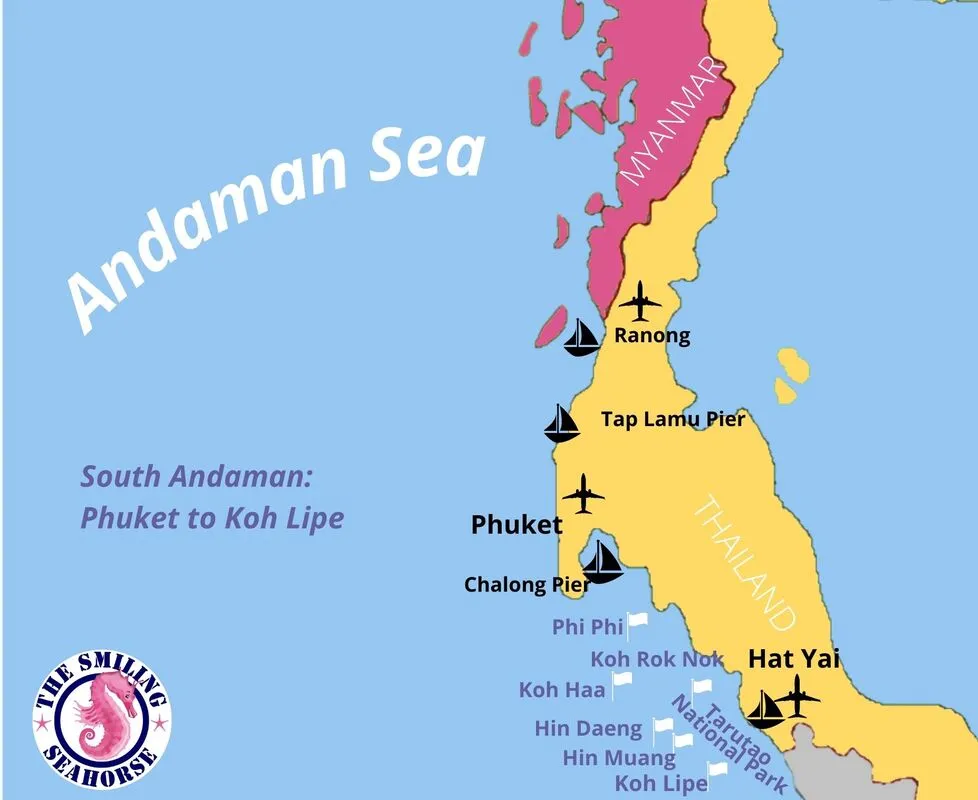
Dive the best of the South Andaman: Thailand has many amazing dive sites; the South Andaman Sea between Phuket and the Malaysian border is no exception with amazing diving to be had.
The Best dive sites in Thailand’s Southern Andaman Sea are in two Marine National Parks:
Hin Daeng, Hin Muang and Koh Haa are the three most famous dive sites in Koh Lanta area. We will detail each one of them below.
Koh Lipe is a paradisiac islands in Tarutao National Park, with small resorts and nearby dive sites, the most famous is surely 8 Miles Rock
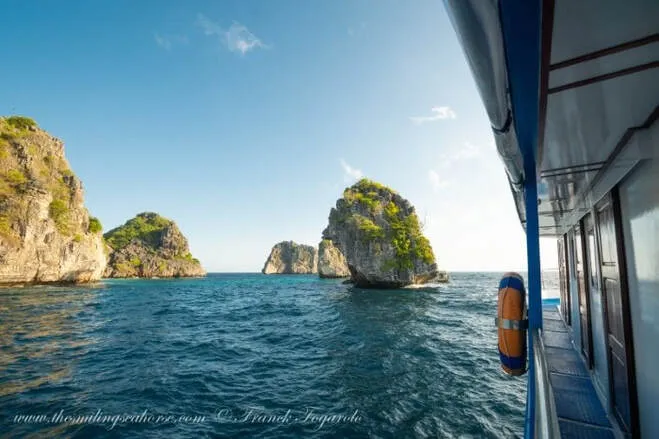
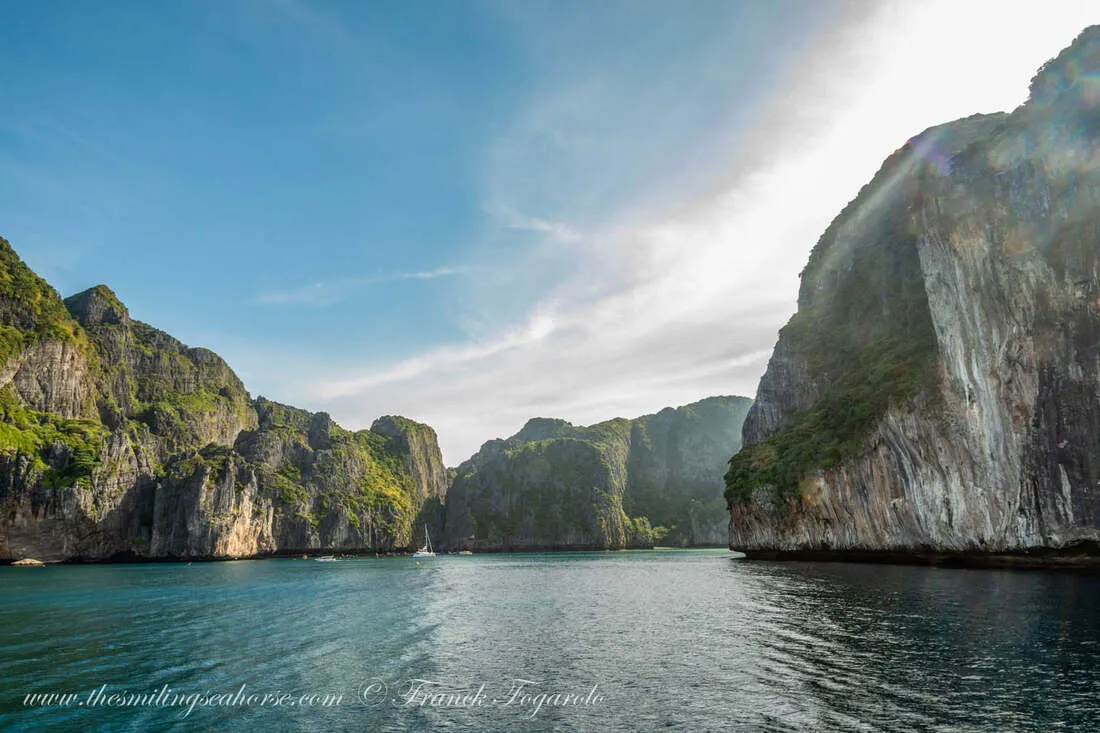
Still part of Phang-Nga province, about 45 km East of Phuket, the Phi Phi Islands were really made famous by the movie “The Beach”, starring Leonardo DiCaprio. While the view above the water is absolutely stunning with limestone cliffs and white sand beaches, the underwater world is teeming with life!
Most dive sites are limestone wall dives covered in coral and meeting the sand between 15 and 25 meters.
Some fun swim-throughs and beautiful Gorgonian seafans make a perfect photo prop!
Watch out for zebra sharks and blacktip reef sharks often seen in the area!
Koh Haa, Hin Daeng and Hin Muang are part of Koh Lanta National Marine Park.
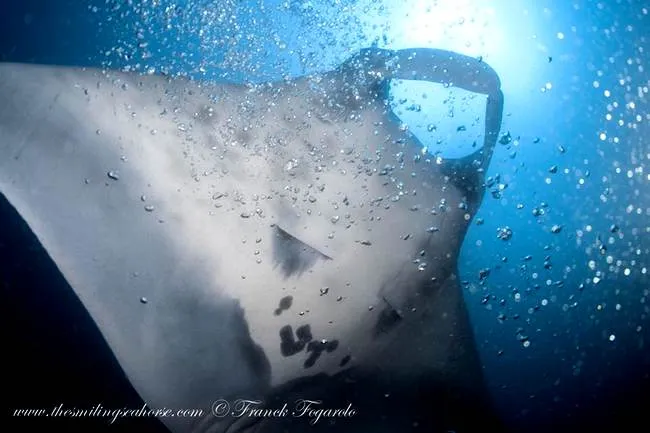
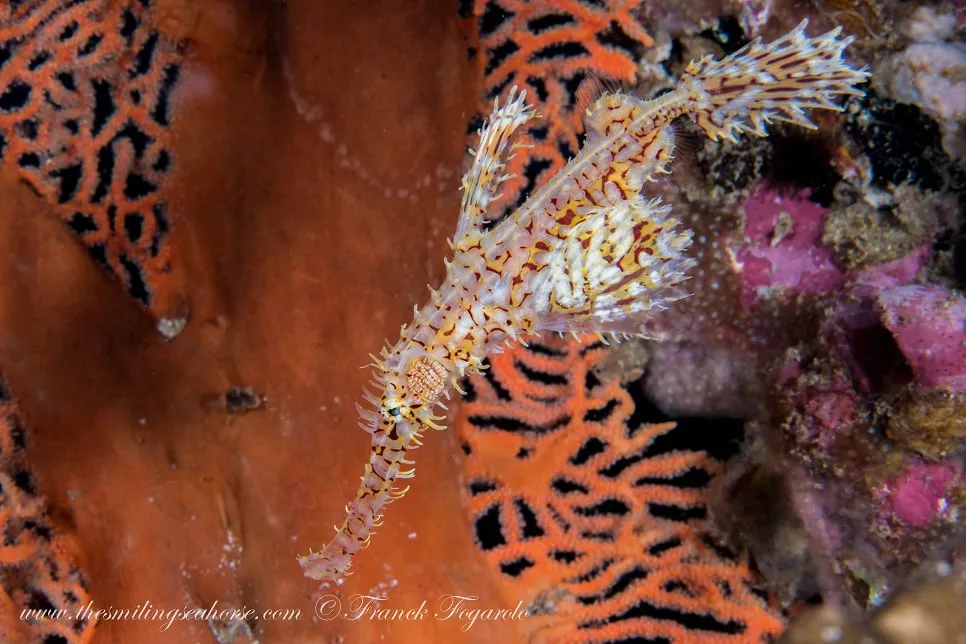
Koh Haa (number 5 in the Thai language) is a group of 5 islands sitting together between Hin Daeng and Phi Phi and is part of the Ko Lanta National Marine Park. We may dive to Ko Haa Lagoon, Ko Haa Neua, and Ko Haa Yai, where we may pass through more swim-throughs and encounter plenty of marine life from small to big: Seahorses and ornate ghost pipefish will make macro maniacs happy, and morays, eels, octopuses, hawksbill turtles, and marble rays will entertain everyone, and if you are lucky, you might meet a leopard shark or an Oceanic Manta Ray!
Hin Daeng & Hin Muang are two pinnacles in the open ocean, surrounded by deep waters. The visibility on these two sites is usually excellent, and the dramatic underwater landscape makes a perfect setting for the many creatures we come to encounter here.
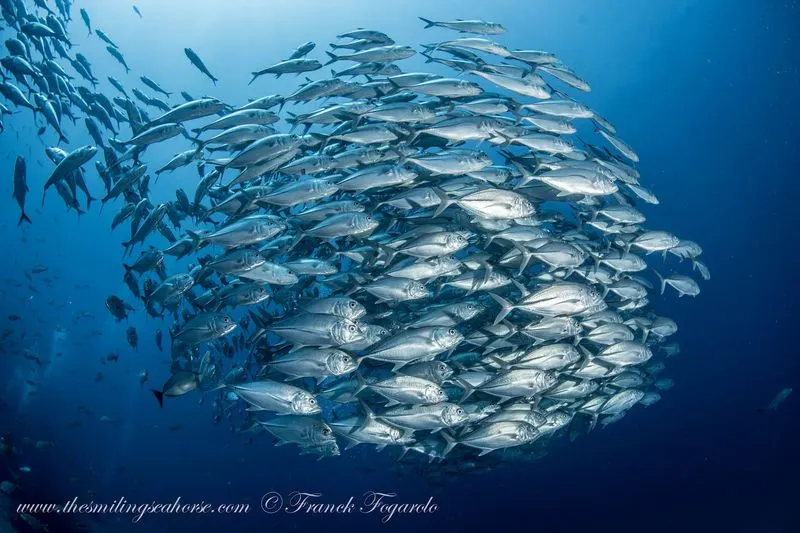
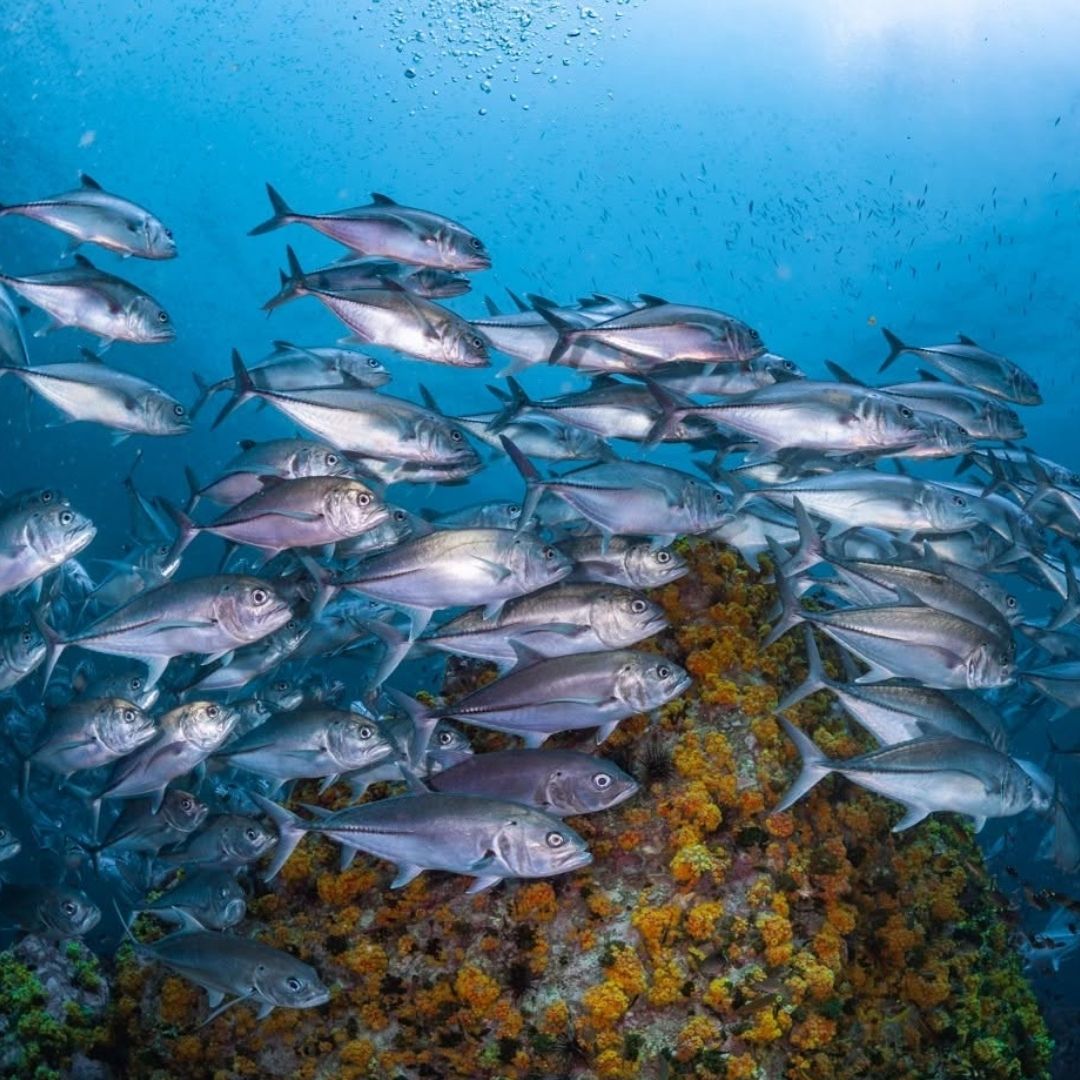
The main attractions here are pelagic sightings such as manta rays and whale sharks. The site still has plenty of things to see beside the gentle giants, such as schools of barracudas, millions of fusiliers, cuttlefish, bluefin trevally, snappers and more.
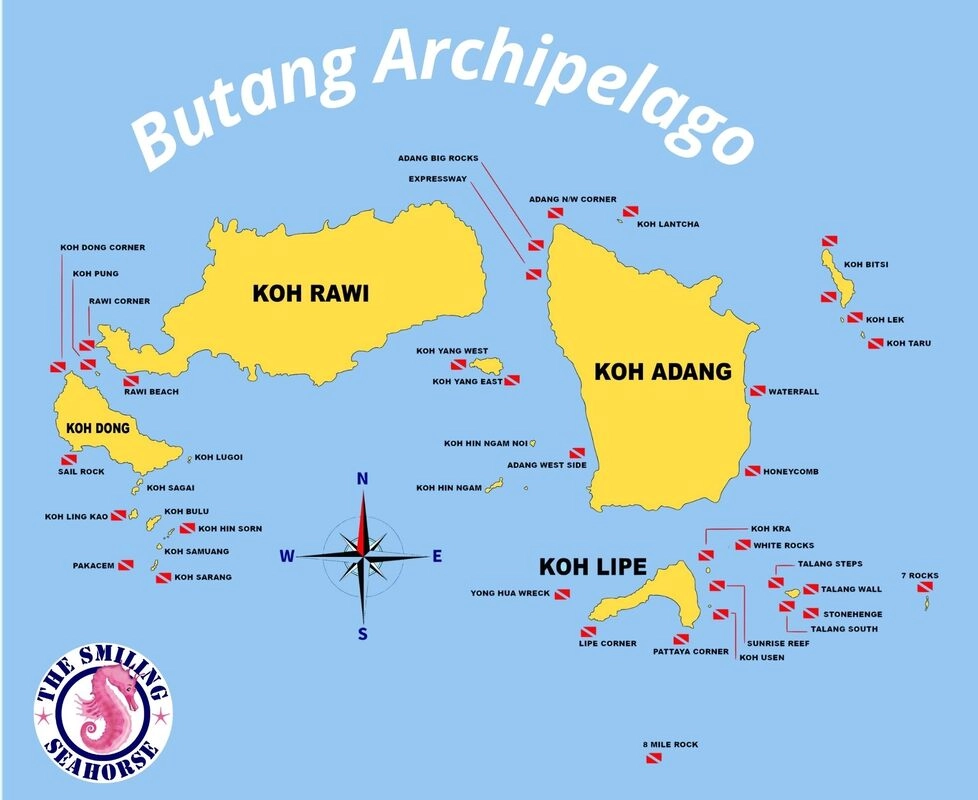
Tarutao National Marine Park in the southern Thailand territory of Satun counts over 70 islands (the Butang Islands). Not far from the Malaysian border, and only 30 nautical miles north of Langkawi, this preserved territory is still pretty undiscovered, and very few liveaboards venture all the way there.
Koh Lipe is the only inhabited island in the Butang group of islands, making Tarutao National Park. Home to the Chao Ley (a tribe of Sea Gipsies), a few resorts and many types of birds. It is surrounded by white sand beaches and beautiful nearby dive sites.
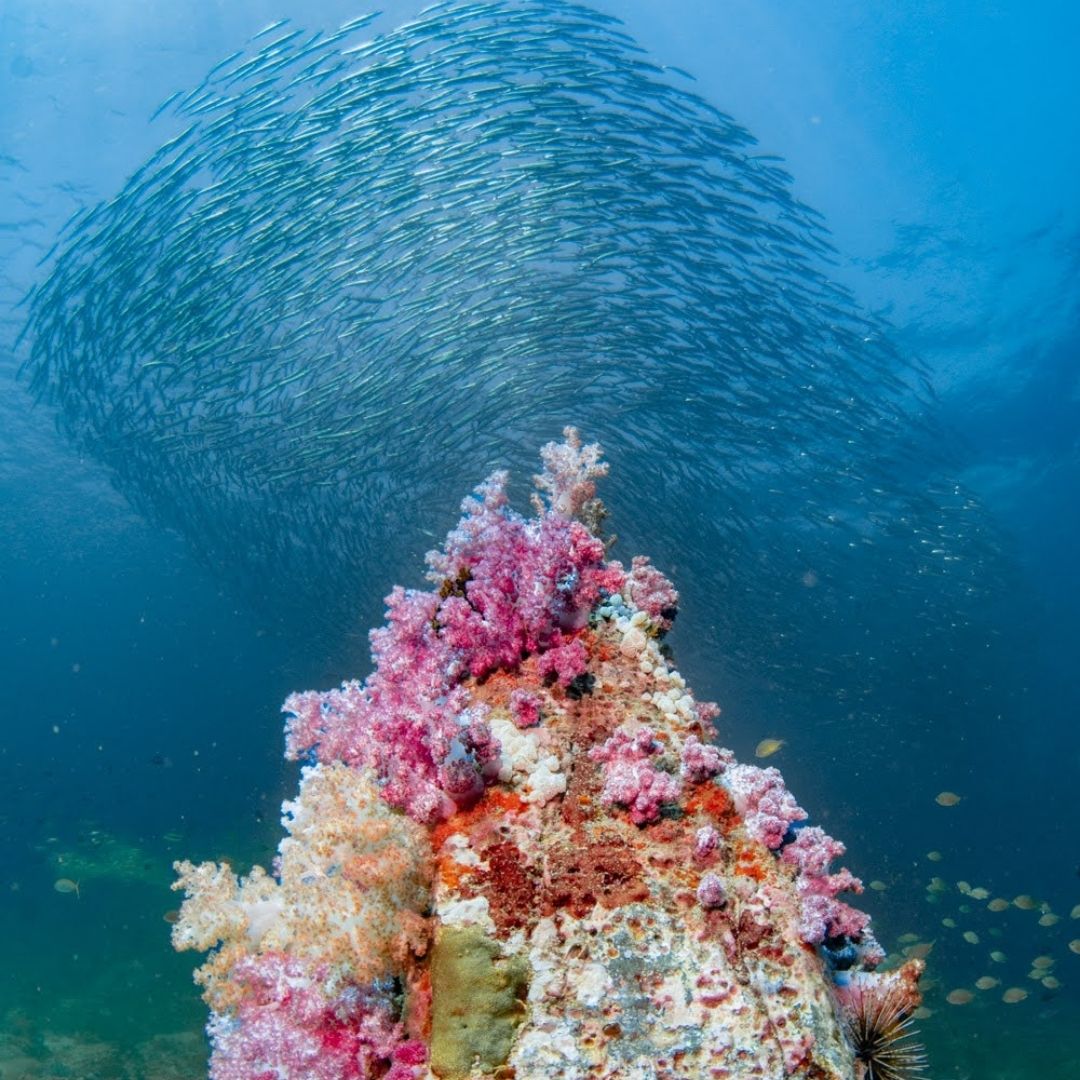
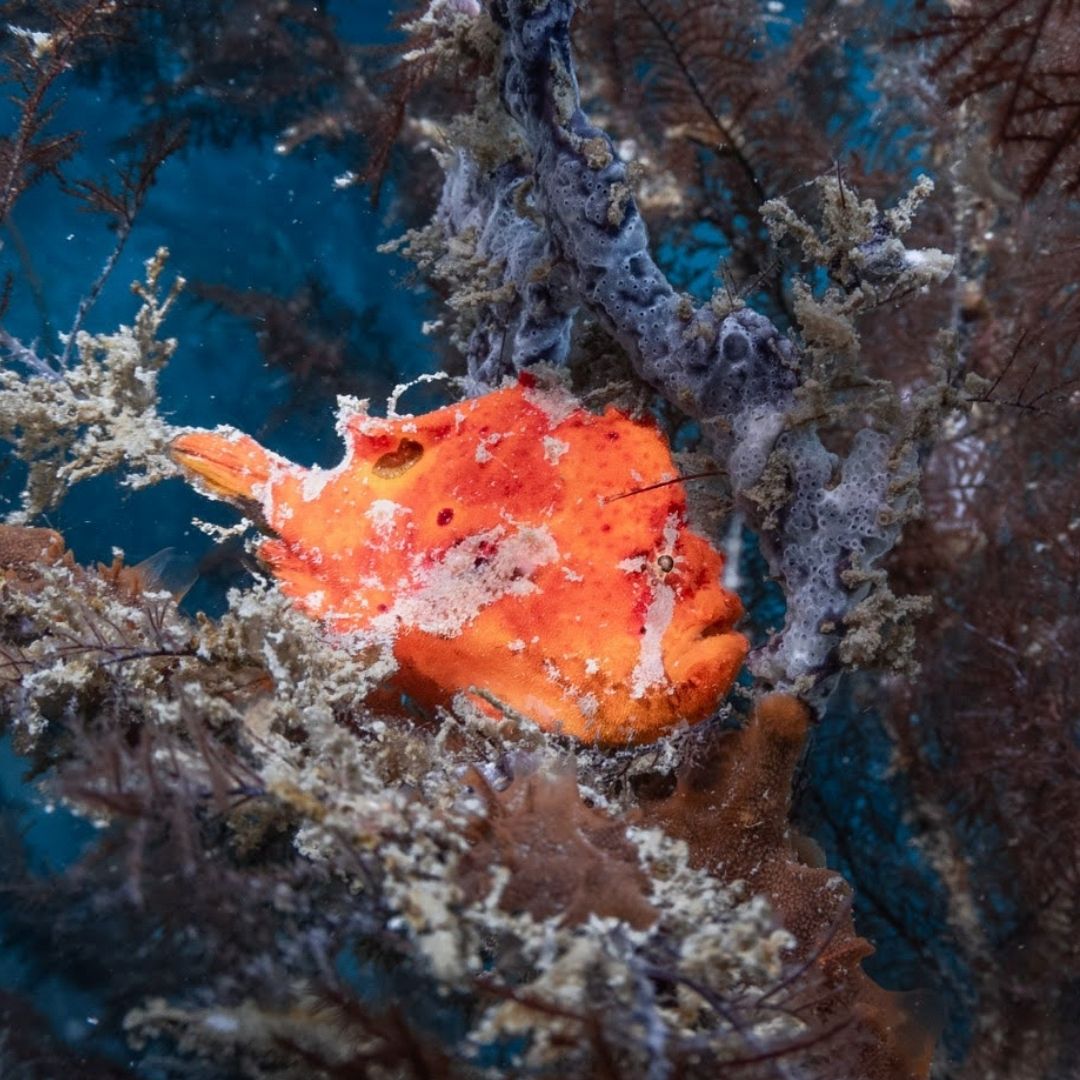
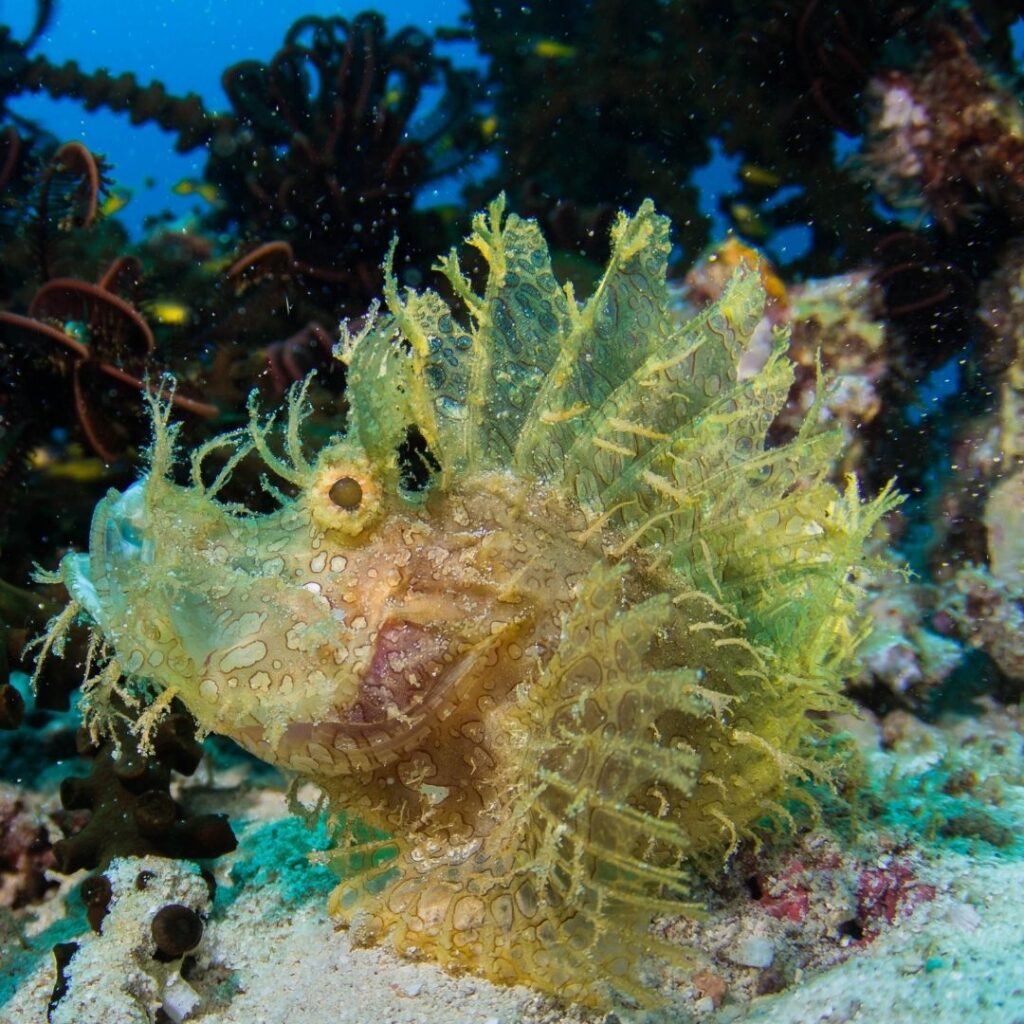
8 miles Rock, the most famous of these dive sites, is a submerged pinnacle with a top sitting at 15 meters below the surface and surrounded by depths of 50 meters. It is covered in colourful soft corals, mostly purple and pink. The marine life is both diverse and plentiful here, with regular sightings of whale sharks, leopard sharks, barracudas and nudis of all shapes and colours and frogfish in hiding.
A few miles North, lies Hin Chabang, another interesting coral garden to discover with plenty of Marine life common to the Andaman Sea. Accessible to open water divers (it is a pinnacle but the top is only a few meters below the surface and it would be hard to go deeper than 16 meter deep without a shovel…).
As most dive sites in the Andaman Sea, Hin Chabang is subject to tidal current, but it is usually possible to find shelter on one side or the other. The current is not only a basic thing, as it brings the nutrients the corals need, and they do strive for this dive site! It also brings the pelagic, and it is not uncommon to encounter tunas or even manta rays here.
Hin Chabang is one of Thailand’s prettiest dive site with Sandy patches covered by whip coral in which you can find some commensal shrimps, seahorses and weird Muck diving critters and very dense coral covering the rocks.
West of that, you can dive a corridor between Koh Rawi and Koh Adang, a site known for strong current giving it its nickanme of “Super Highway drift” and often visited by large schools of stingrays. It is possible to drift for 3 km in a dive but it is also possible to stop in a few sheltered areas with plenty of hard corals and reef fishes to look at such as the very cute Clown trigger fish, big eye trevallis or emperors.
Stonehenge is another fantastic sites we would like to show you often visited by leopard sharks and Eagle rays. It is very diversified landscape. It name comes from the pinnacle ressembling Stonehenge in Great britain often covered in glassfish and colorful basslets. One of its side is covered in sponges with pufferfish hiding in barrel sponges and plenty of butterfly fish and angel fish roaming around. Another side is coveered in table coral and staghorn making a lovely fish nursery. The boulders on the East side hide massive Moray eels and groupers.
There is also a wreck to explore in the area, Yong Hua lying on its side between 28 and 42 meters. Visibility here is rarely excellent but it is still a lively dive site.
On the Western border of Taruato National park, Koh Sawang is a rocky dive site with several anemone patches and reef covered in feather stars and clams.
This is a dive site is surrounded by very deep waters frequented by devil rays with a fantastic visibility from November to April.
The best time to dive around Koh Lanta National Park and Koh Lipe is from November to April.
Koh Phi Phi is usually more sheltered and can be dives all year long when the weather allows.
Meeting point: we will embark at 17:00, followed by dinner onboard.
We will schedule up to 4 dives per day: 3-day dives and sunset or night dive.
A typical day looks like this:
Explore the Surin Islands, Richelieu Rock and the Similan Islands.
Prices in Thai baht (THB), per diver. The 10% discount is already applied.