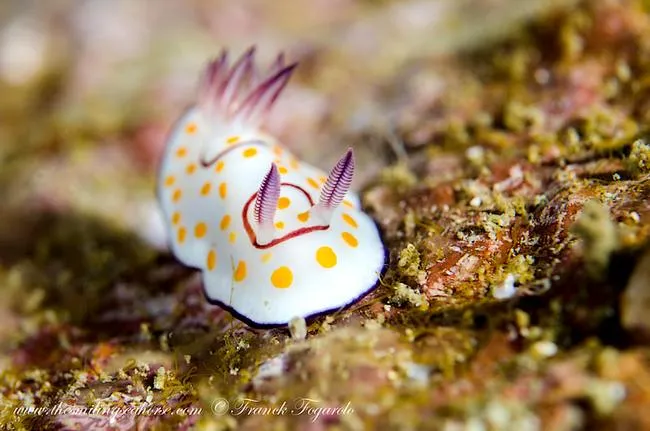
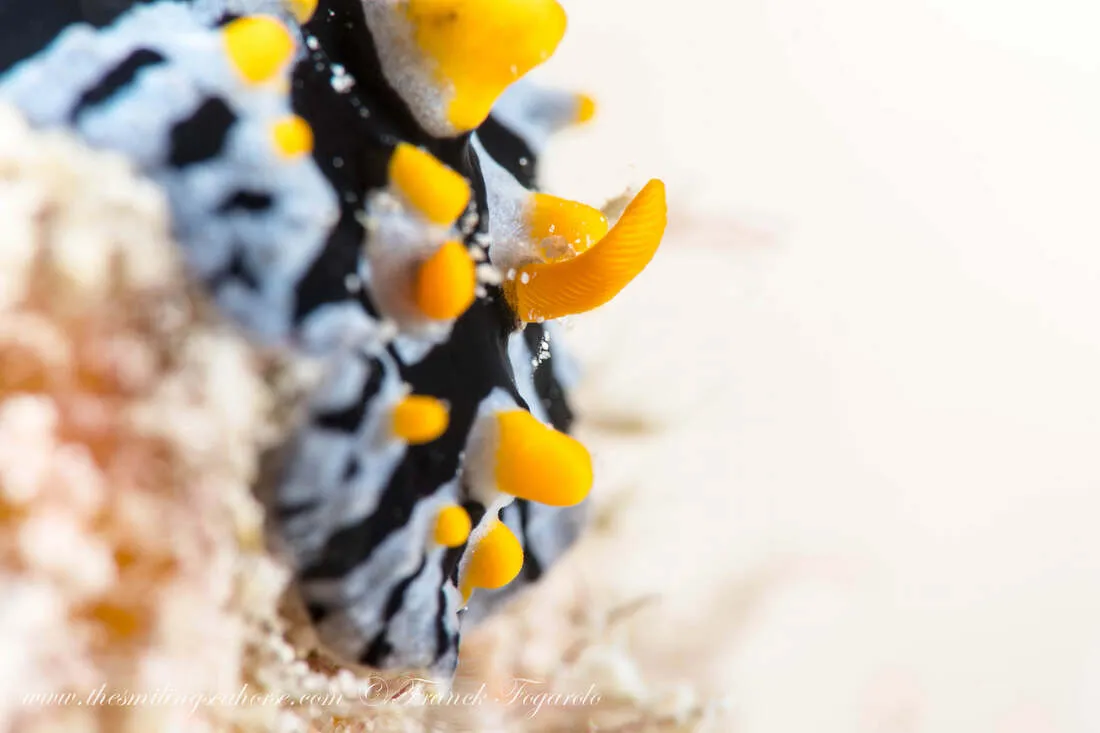
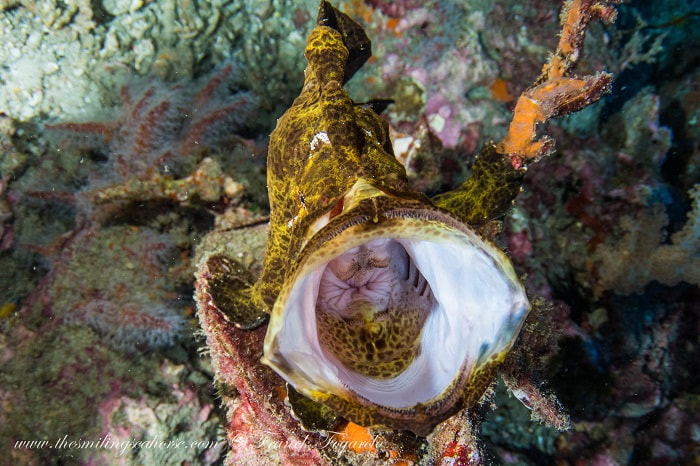
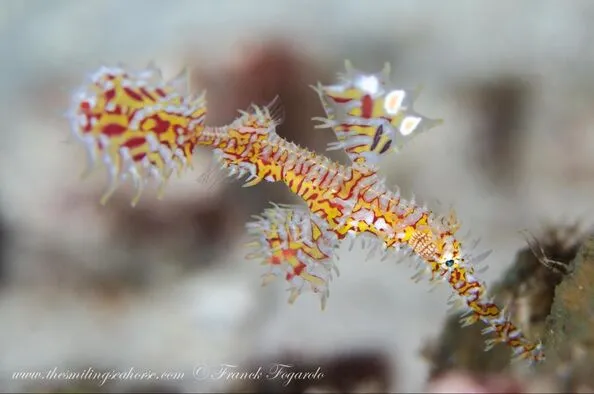
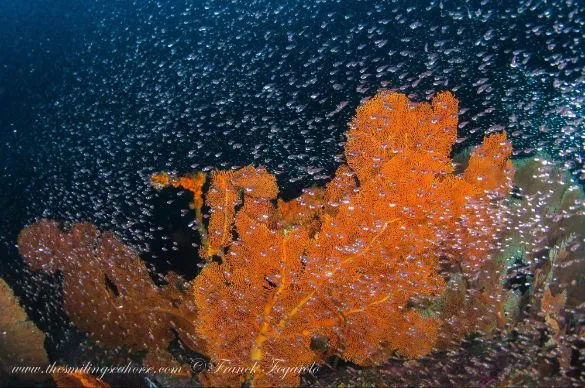
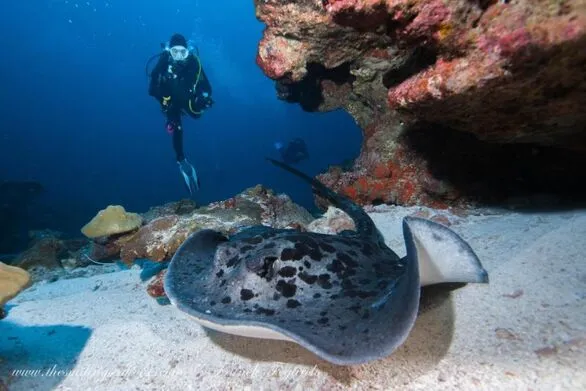
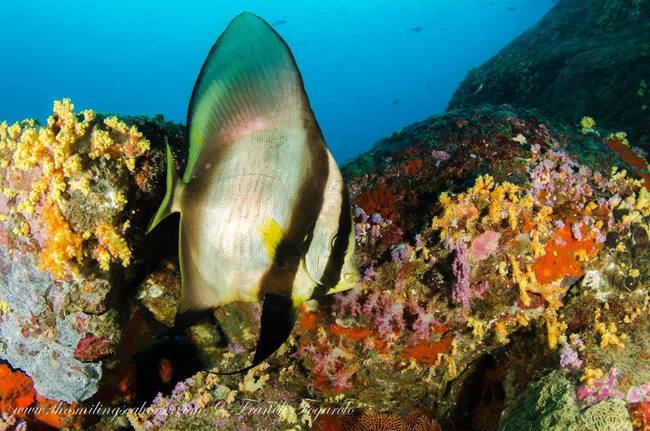
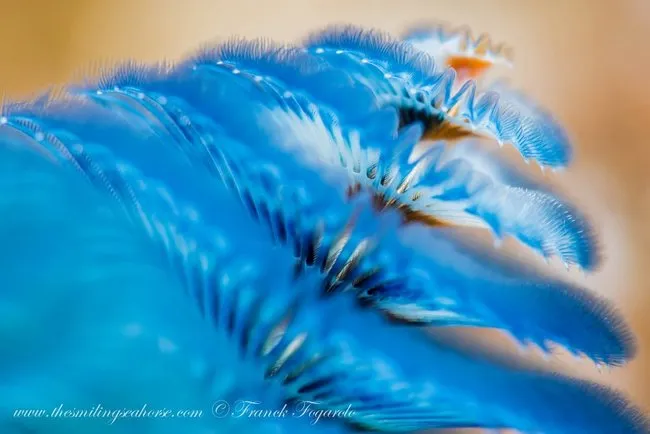
Do you want to escape the mainland on an exciting ocean adventure to discover and photograph a vast array of colorful and exotic aquatic species? Do you want to seek glimpses of whale sharks and Manta rays? Let us guide you on a unique experience through the Thai waters of the Andaman Sea…
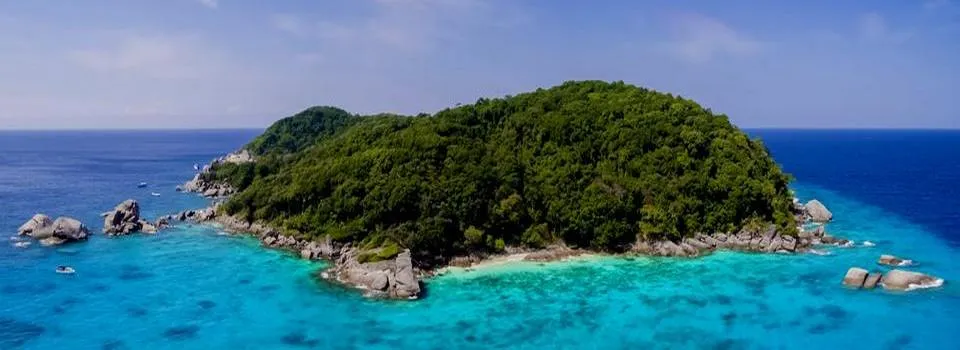
Similan and Surin Islands National Park is an archipelago in the Andaman Sea in the Phang Nga province, in the south of Thailand. Originally compiled of 9 islands, the parks have expanded to 11 unique destinations.
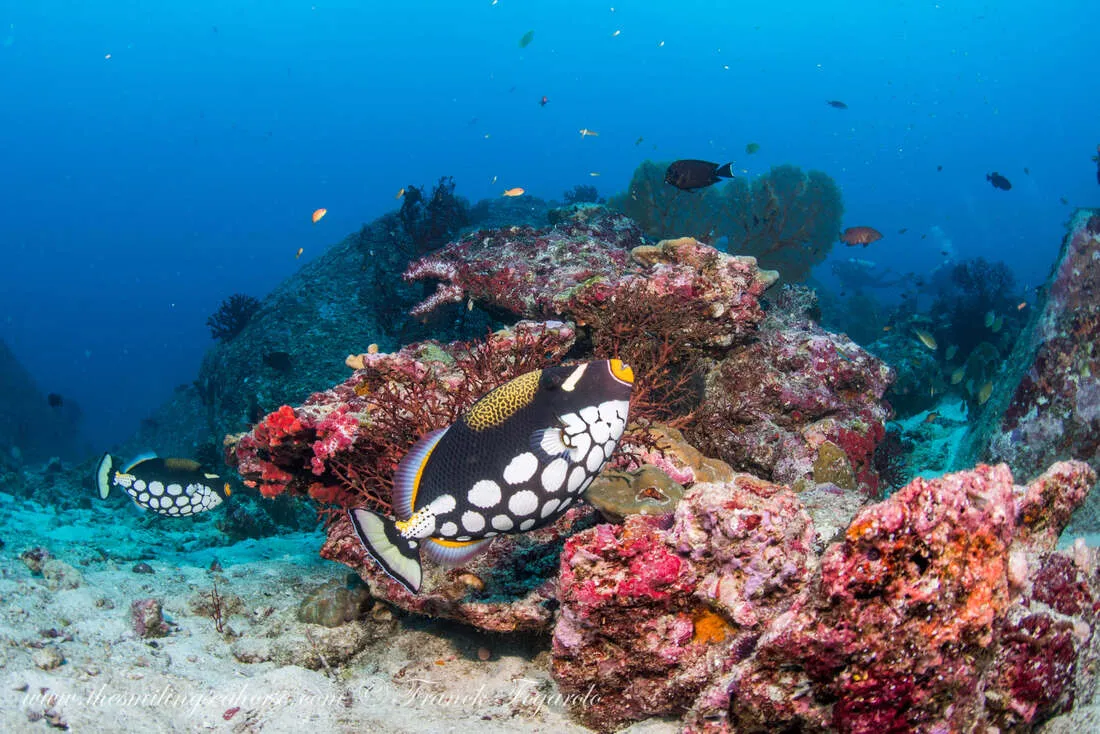
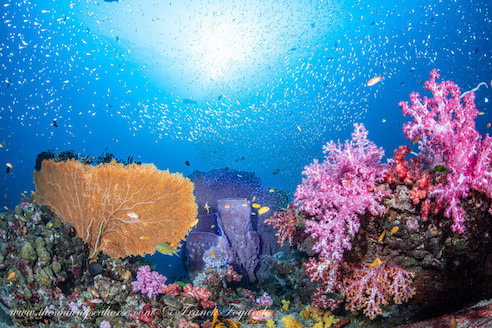
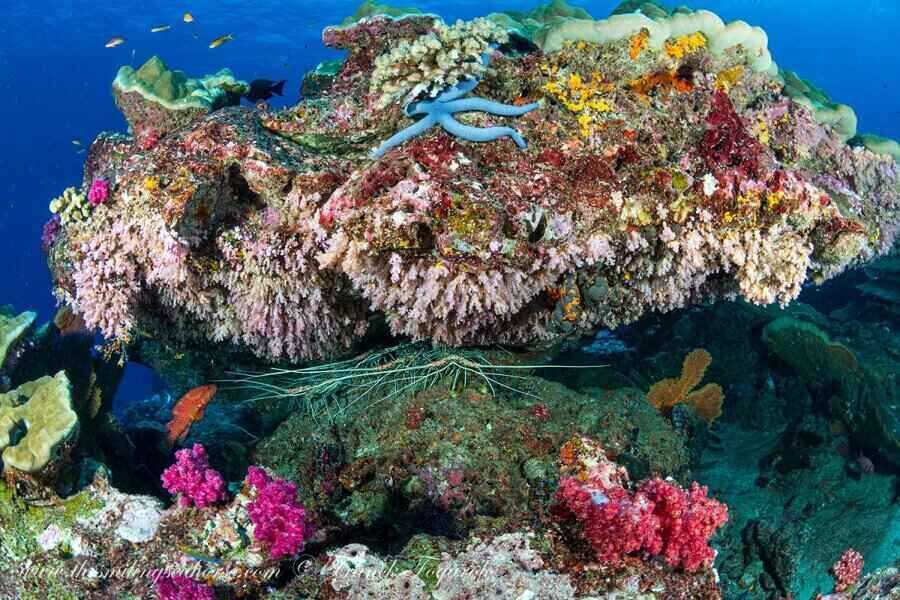
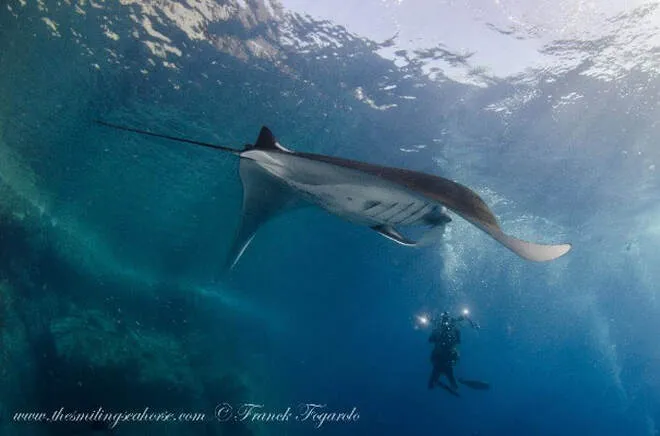
Among the islands, Koh Tachai, and Koh Bon (a well known Manta hot spot) are must-see destinations. These paradises on earth are rarely visited, so you can enjoy most dives undisturbed by others, making them both peaceful and especially appealing for photographers. From steep limestone walls and pinnacles to white granite rock, the variety of habitats offer a wide range of marine life species to be encountered.
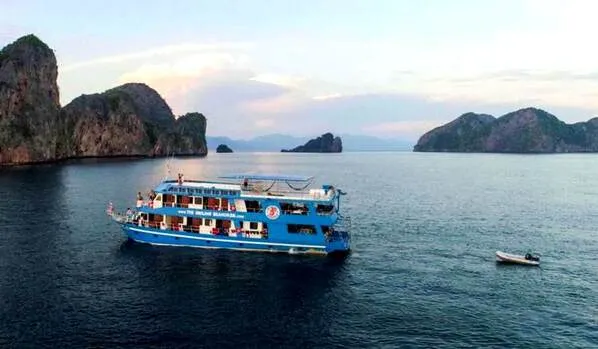
Far from civilization, the best way to discover these special places is with us on the MV Smiling Seahorse. Between dives, you will be able to cruise through clear deep waters, relax on our brand-new boat, and taste Thai specialties crafted by our chefs.
We will help you plan everything you need for your trip, ensuring it will be the best you’ve ever experienced!
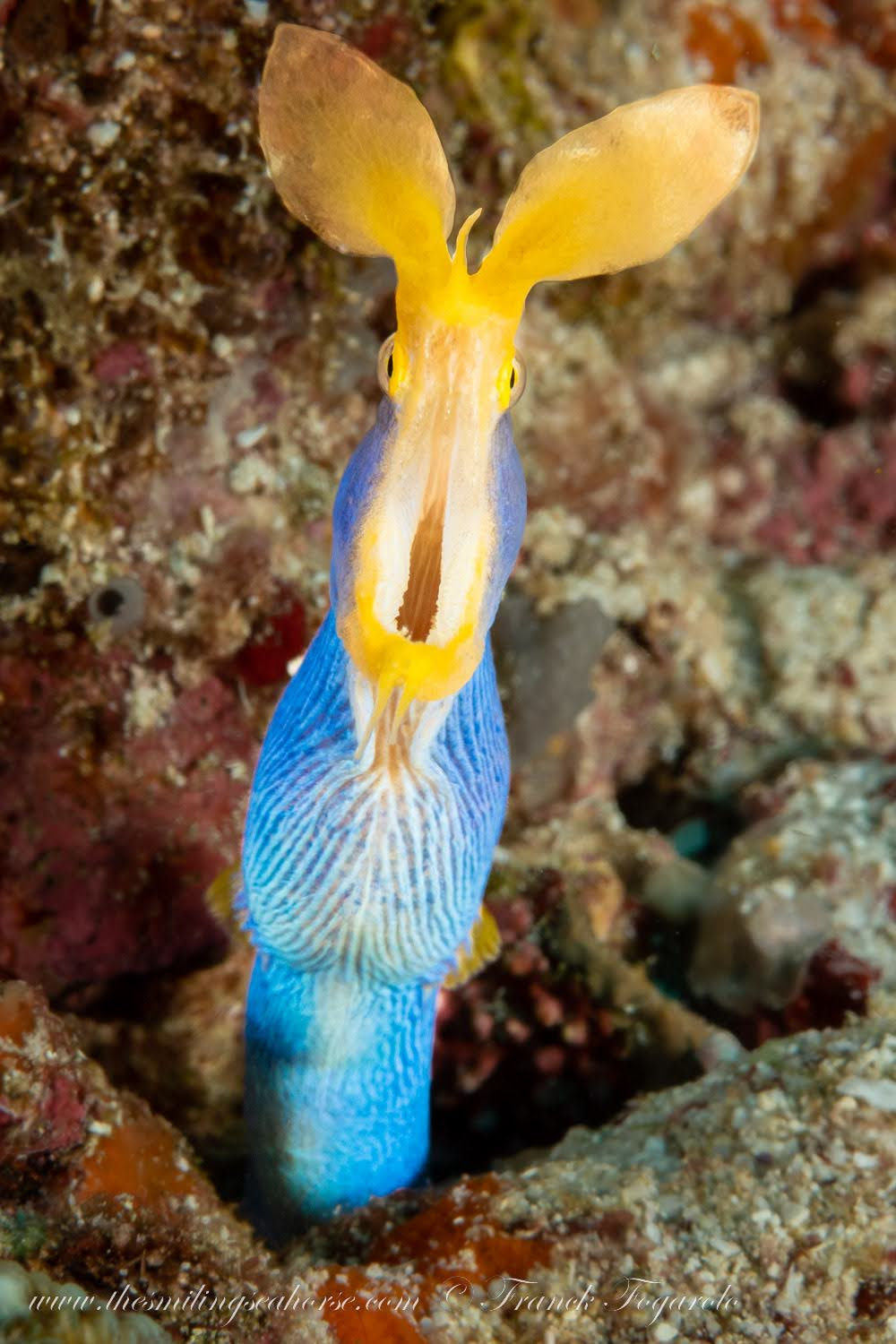
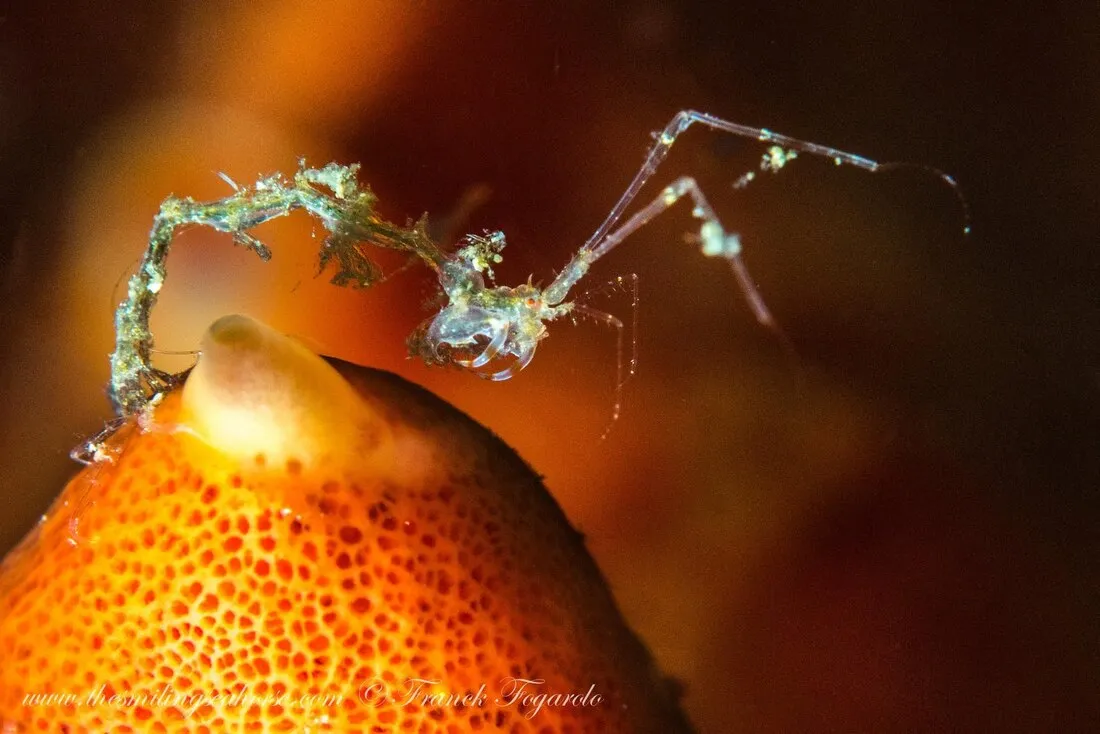
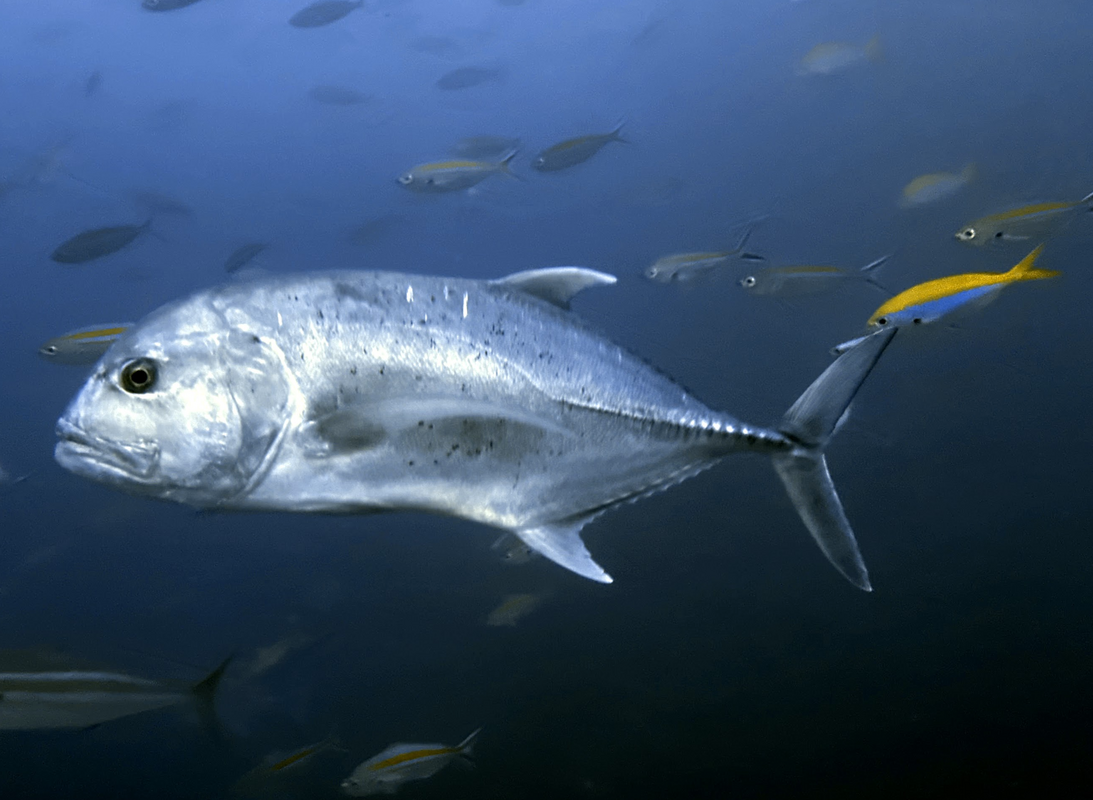
Here are just a few of the common critters we see on our cruises:
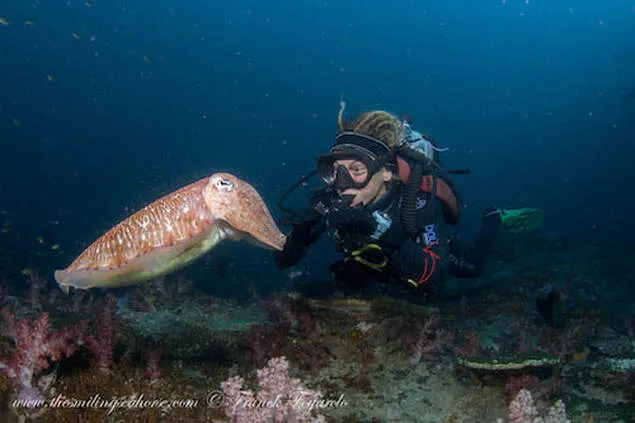
Cuttlefish: belonging to the octopus family, cuttlefish have large, W-shaped pupils, eight arms, and two tentacles furnished with denticulated suckers. They measure between 15 and 25 centimeters.
Octopuses: the well-known largest genus of octopuses.
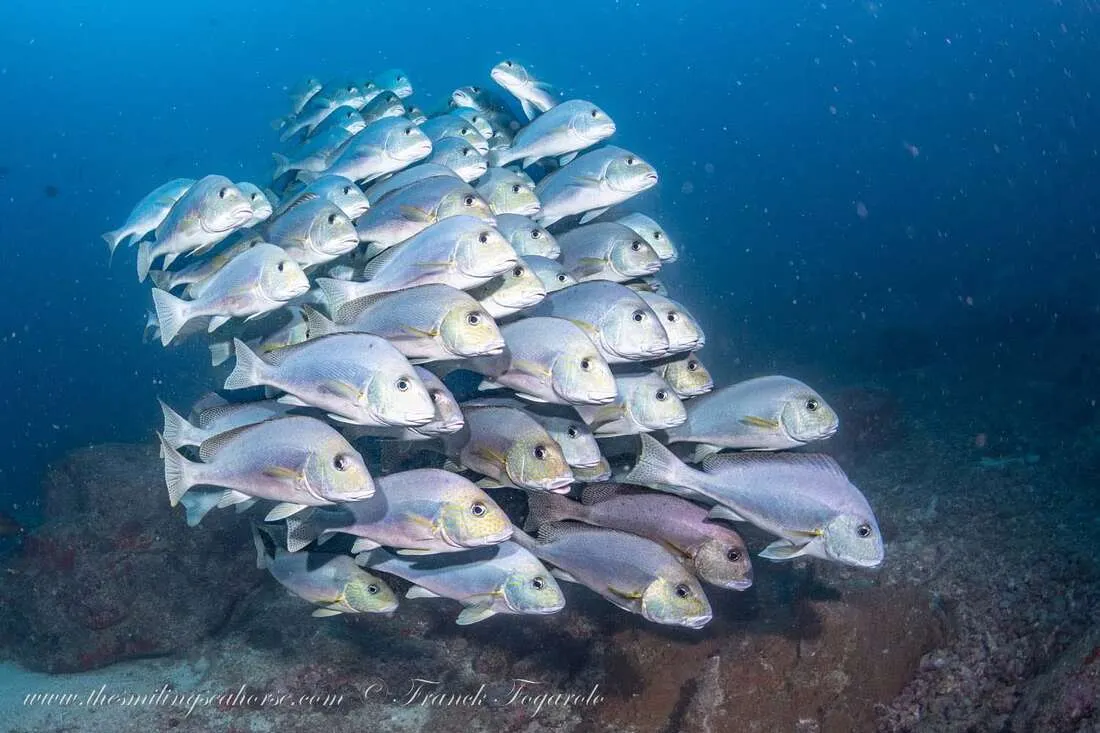
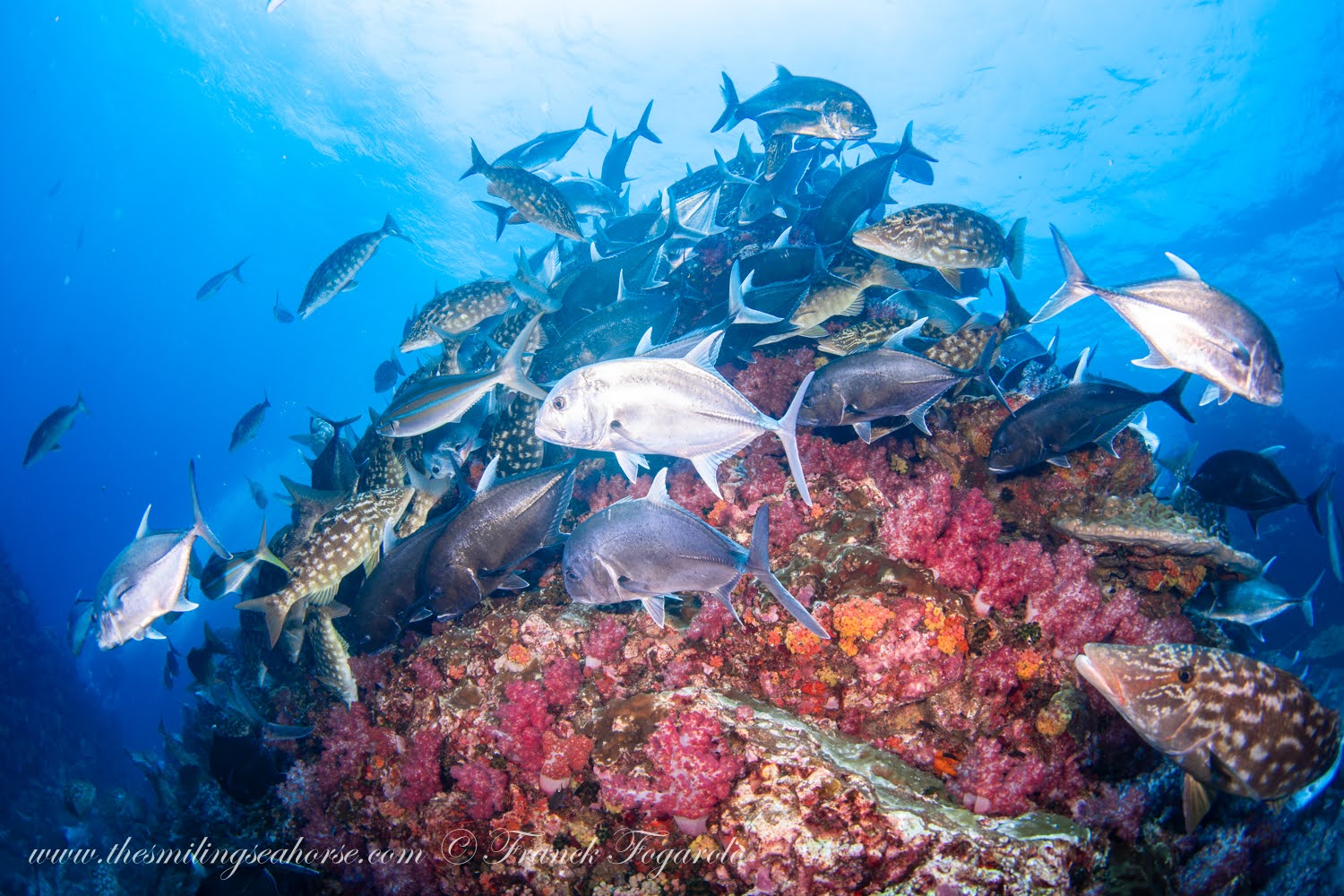
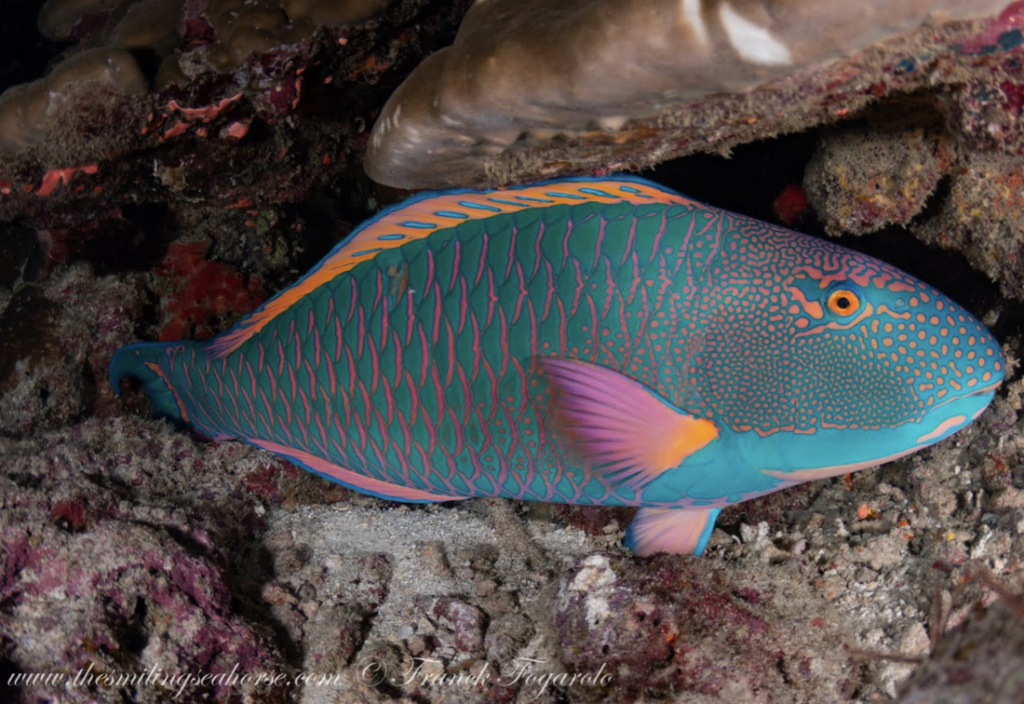
Schools of fish: we will encounter them in many places, each site offering a variety of possible species.
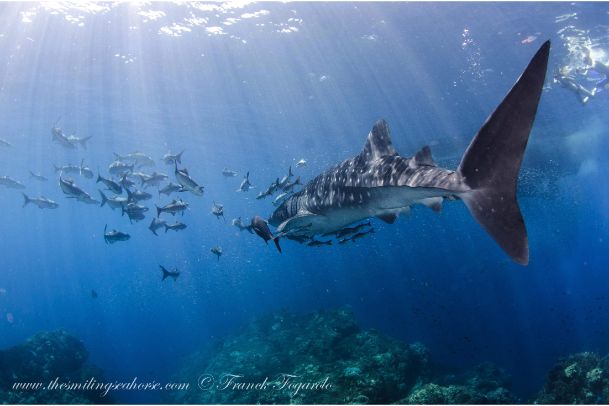
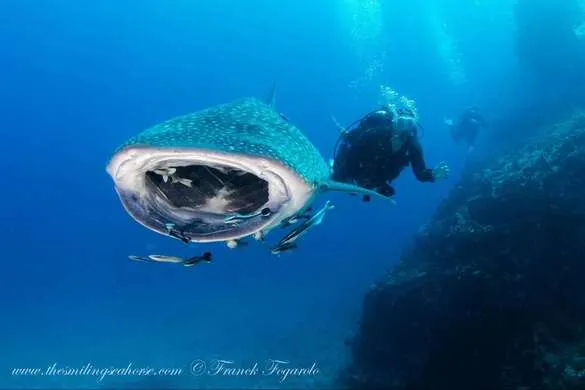
Whale sharks: it’s a lucky day of diving when you encounter one of these behemoths! Slow moving, filter feeding sharks, they are the largest fish on the planet.
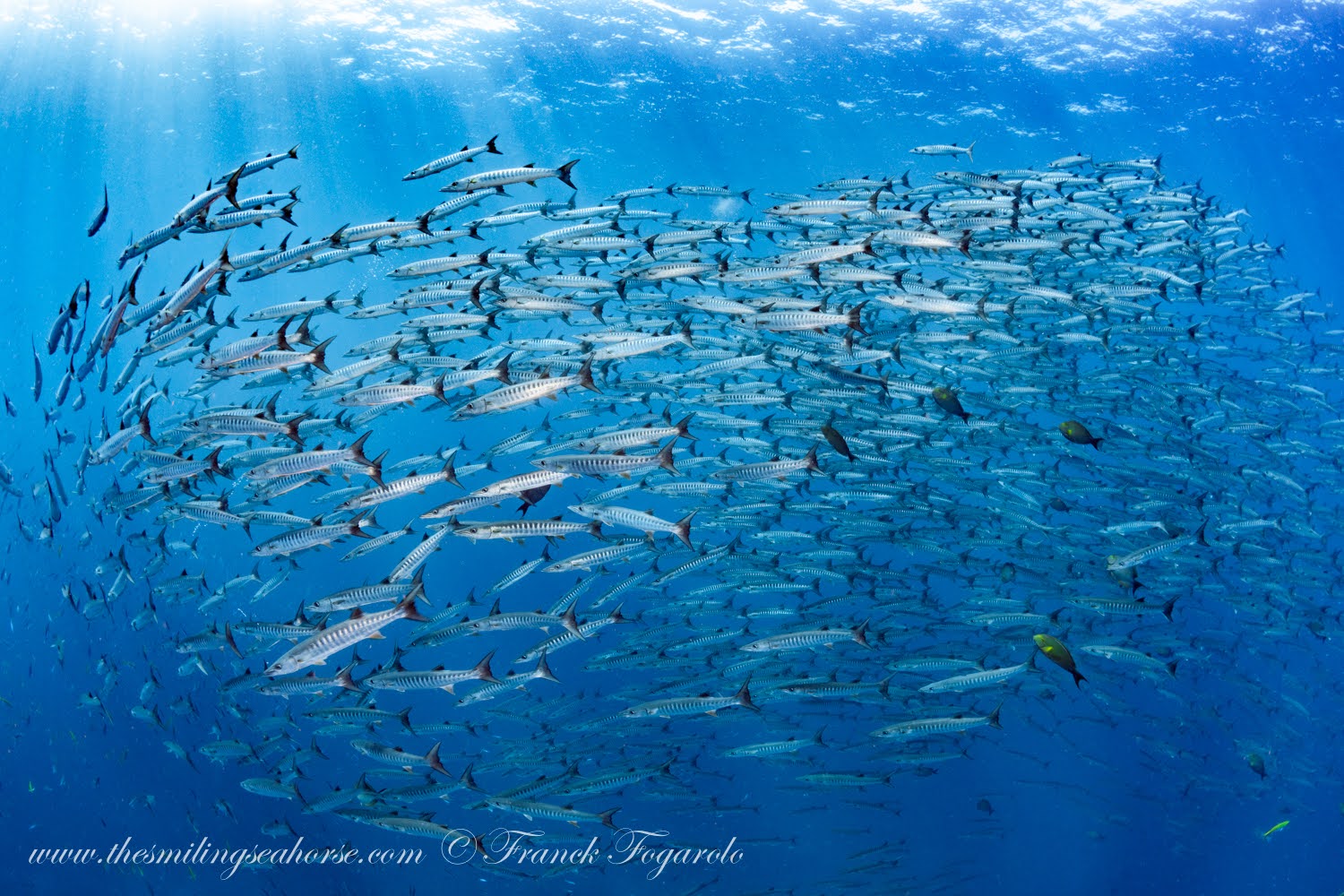
Barracudas: they often live alone when they are adults, but when they are younger, they live in schools. Barracudas are hunters and use surprise tactics in action.
Where? In the Andaman Sea, Indian Ocean, 60 kilometers from the mainland, in the Phang Nga province.
Language? Thai
Currency? THB – Thai Baht
Time Zone? UTC+7
Water temperature? 27-29°C
Diving experience level? To protect the coral life, it is not allowed to train open water students in Similan National park. Also most dive sites have interesting things to see below 18 meters, hence an Advanced Open Water is advised.
Photography Experience Level? Beginner to advanced: there are photo subjects suitable for all levels.
The ideal starting point for your adventure is departing from Ranong, Thailand. This city is easily accessible from all major Thai cities and is preferred by most over entering Myanmar through the city of Kawthaung in the south.
Ranong has a domestic airport with 3 daily flights from Bangkok at the time of writing this article and it is only 300km north of Phuket international airport.
Before choosing the best vessel for you, you need to consider many factors, especially if you want to take the best photos during your trip.
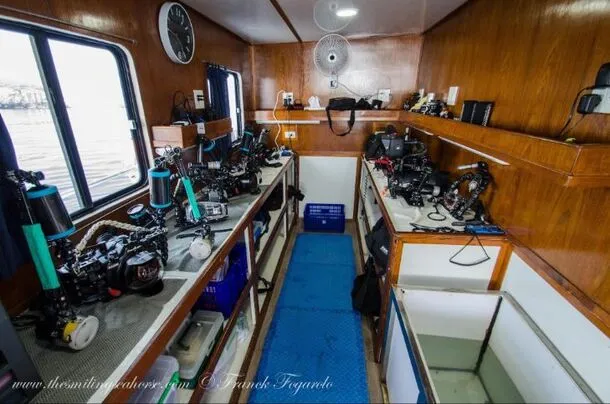
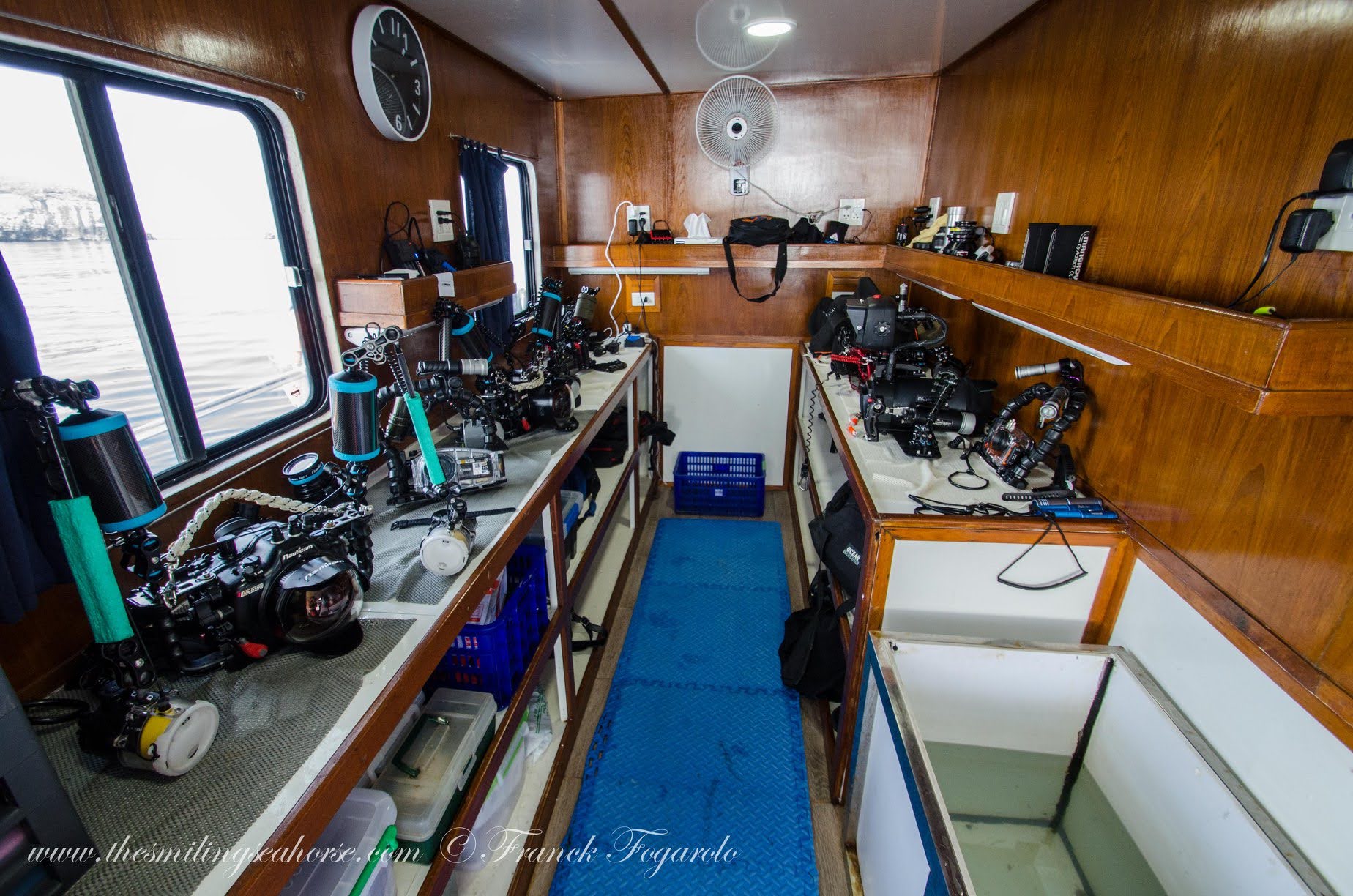
There is a designated room aboard the MV Smiling Seahorse that we are immensely proud of: the camera room.
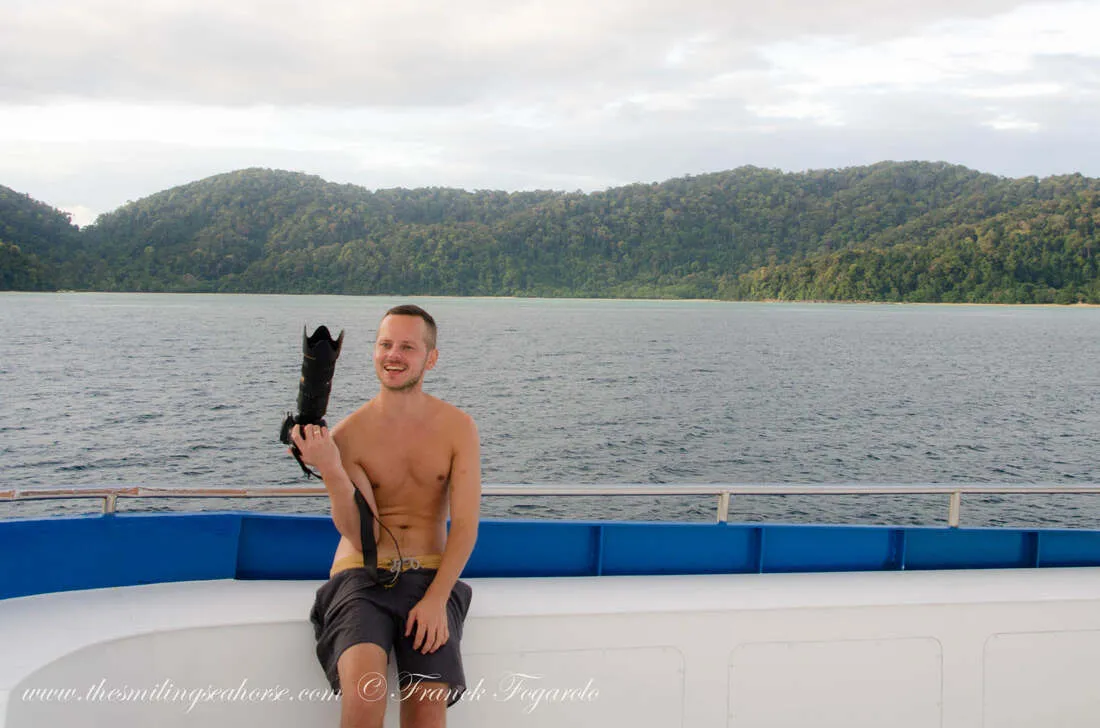
Franck, our most regular cruise director, uses his extensive knowledge and experience as a photographer to provide everything our diver-artists need to take wonderful pictures and to properly maintain equipment.
This room has a flawless design and is specially conceived to set up your cameras: spacious and bright, you’ll never bump elbows with your neighbor! Do you need to stow away the lenses that won’t be used on today’s dive? Ample storage is available above and below the counter. Moreover, you will be able to plug your devices into the numerous power outlets throughout the room. We also maintain an electronics-specific dunk tank.
We want you to have the most seamless cruise ever, so if you need any help, an expert will be here to help you with everything from technical problems to lens settings.
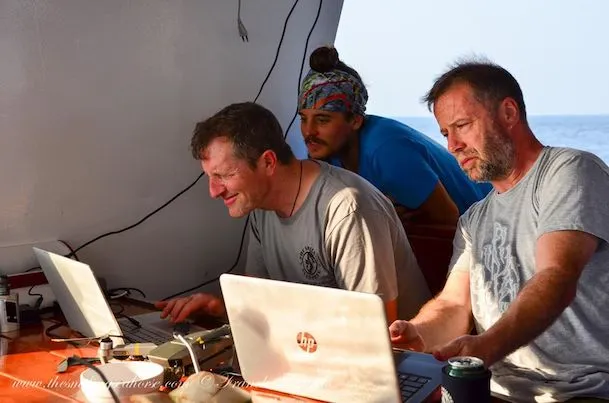
Moving upstairs to the common area, you will find a sound and image system where you can watch group photos or your edited footage photographed during your dives. There are many tables and comfy couches where you can set yourself up and edit pictures in peace.
The open-air deck with its soft breeze will help inspire you and is also amply supplied with power outlets for all your devices. And don’t worry—if a storm breaks out, we are well-equipped with heavy-duty curtains. If you prefer solitude, you can also cuddle yourself up into one of our beautiful cabins, also well equipped with outlets, so you never have to worry that your computer will expire mid-upload.
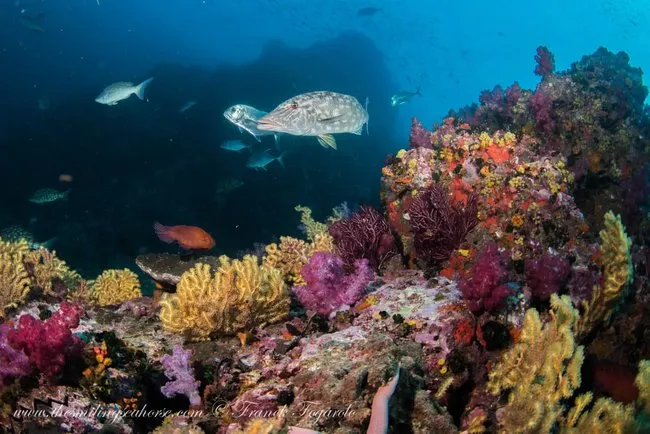
During your cruise in the Surin and Similan Islands, you will have the chance to visit the most unspoiled dive sites in the area, showcasing a variety of both seascapes and marine life.
We understand that ease of travel and luggage fees can create problems in selecting the right gear to bring, especially when your goal is to take the maximum number of pictures possible!
The best way for you to travel light is to take a digital compact camera and underwater housing. It will be convenient to carry through a dive with strong currents, and it takes up little space. Moreover, in order to achieve different artistic goals, they can be paired with diverse attachments and usually have built-in underwater settings. For example, you can use them with a wet wide-angle lens to capture larger animals or schools of fish, but also without the lens for close-up shots.
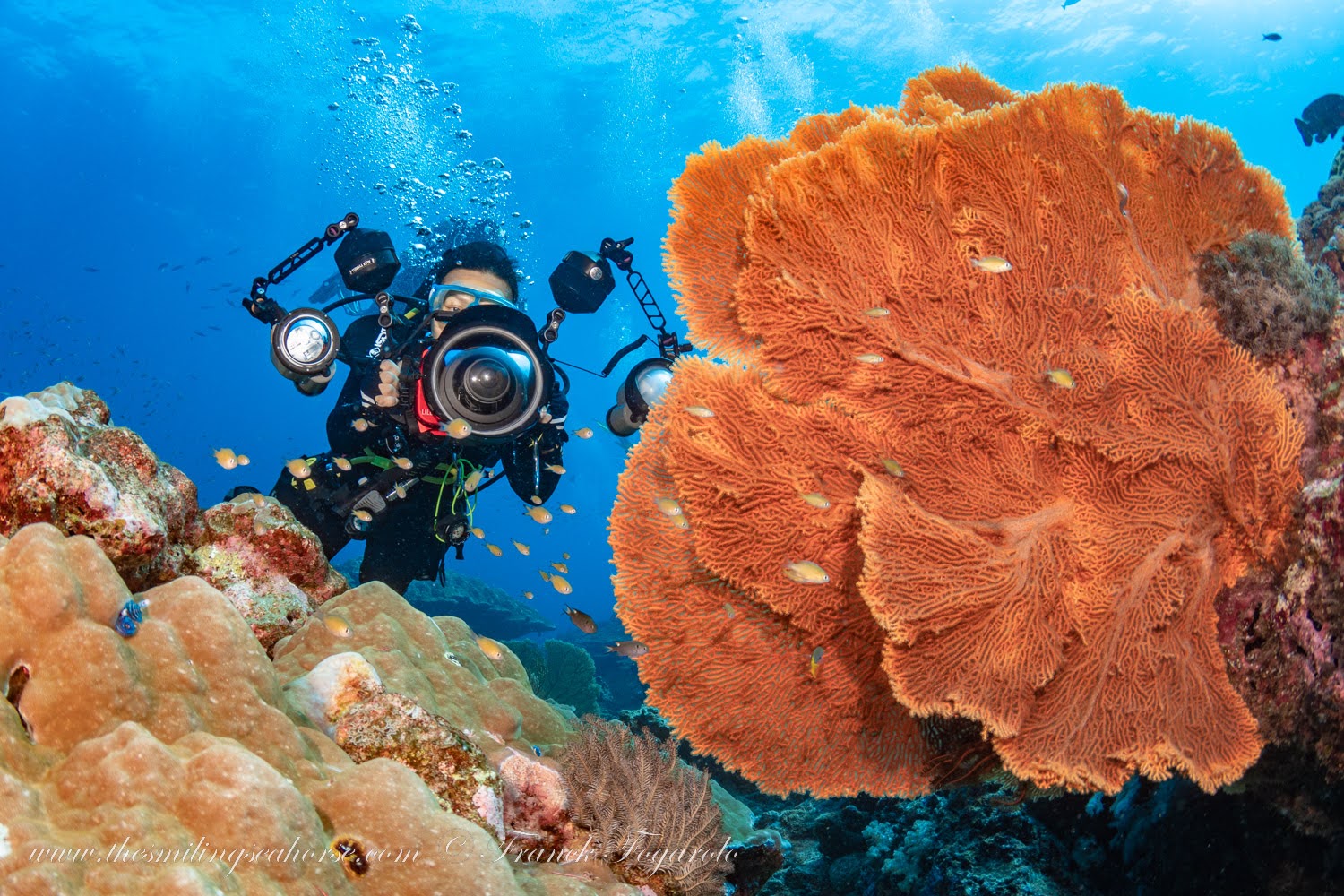
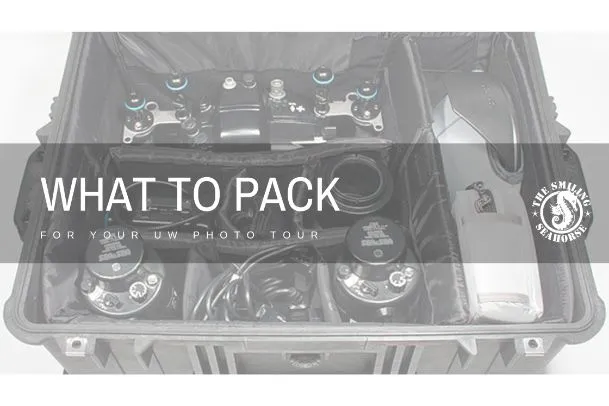
If you consider yourself as more of a pro, the best equipment you can carry is a mirrorless or DSLR camera, which is equipped with both a 60mm or 105mm macro lens and a wide-angle lens of 10-17mm or 10.5mm. It will be more comfortable for you to have both lenses, and you will be able to adapt to your target, depending on the dive, the site, and its conditions.
Don’t forget that the most important thing, whether you have a simple go-pro or a Pelican case full of expensive toys, is to always consider your lighting. What will always be helpful are strobes. With strobes, your photos will come out with the highest quality, containing the entire color spectrum. Moreover, you can carry a focus light that will compensate for low-light spots and will be helpful during night dives.
If you consider yourself a mega pro, we may recommend you bring a wet diopter for good measure. Being able to switch between macro and super macro will be super convenient for you when you discover the tiniest (and often the most unique) creatures. We can also recommend you bring a 1.4 teleconverter to pair with your 10.5mm wide-angle fisheye lens. This great option will offer you the capability to shoot from the smallest nudibranch to the mighty Manta ray.
One last piece of advice that we must give you is to bring reef hooks, even if they are not specific to photographers. Certain areas are sheltered and have mild currents, but some spots can bring stronger currents depending on your position on the site and the moon phase. Reef hooks can help secure yourself to line up your shots by attaching yourself to the reef. However, you must be careful when attaching yourself because the corals are fragile, and you do not want to damage them. Moreover, remember to tuck the hooks into your pocket when you are not using them to avoid entanglement.

1-Always be ready!
As much as you can expect to see mantas and whale sharks during your dives, you can never predict the exact moment or for how long it will last. You should always be vigilant and ready to shoot in case the magical moment arises when a manta soars out of the blue before your eyes.
2-Pre-set your camera for the lens you use before getting in:
I have often seen an eagle ray as soon as I jumped in. The difference between the perfect shot and a missed opportunity? preparation!
3 – Test out your settings as soon as you enter the water, adjust your lighting and test shoot.
My standard settings for 10.5mm are ISO 200, F 8, 1/200 but of course they always need adjustment throughout the dive.
4- Always think and try to shoot upward, this way you will get some light. The blue water in the background makes for much better pictures.
1- Stop, breathe, think, act! Does that remind you of something?
The idea is that when you or your guide spots a little critter, always be sure to give your subject a little breathing room so you don’t scare it before getting your chance to capture it on camera. So, STOP and think of a few things before snapping the shot. Are your settings appropriate for this subject? What will the best angle be? Now you can approach slowly trying to keep your subject in the viewfinder until you are close enough to capture even the smallest detail and texture.
2- When you think you are close, get closer!
My standards settings for 60 mm macro are ISO 100, F 22, 1/160
Here you will feel like you are floating in the mountains. An abundance of submarine life is all you need to enjoy this place at its best. Its name comes from rocks that resemble a partially submerged elephant. Here you’ll want to consider taking a flashlight to see inside the many curious dark spots.
Located in the north of the Similan Islands, these are some of the most widely known dive sites in the whole world. Waters here are so clear that you have a near constant good visibility.
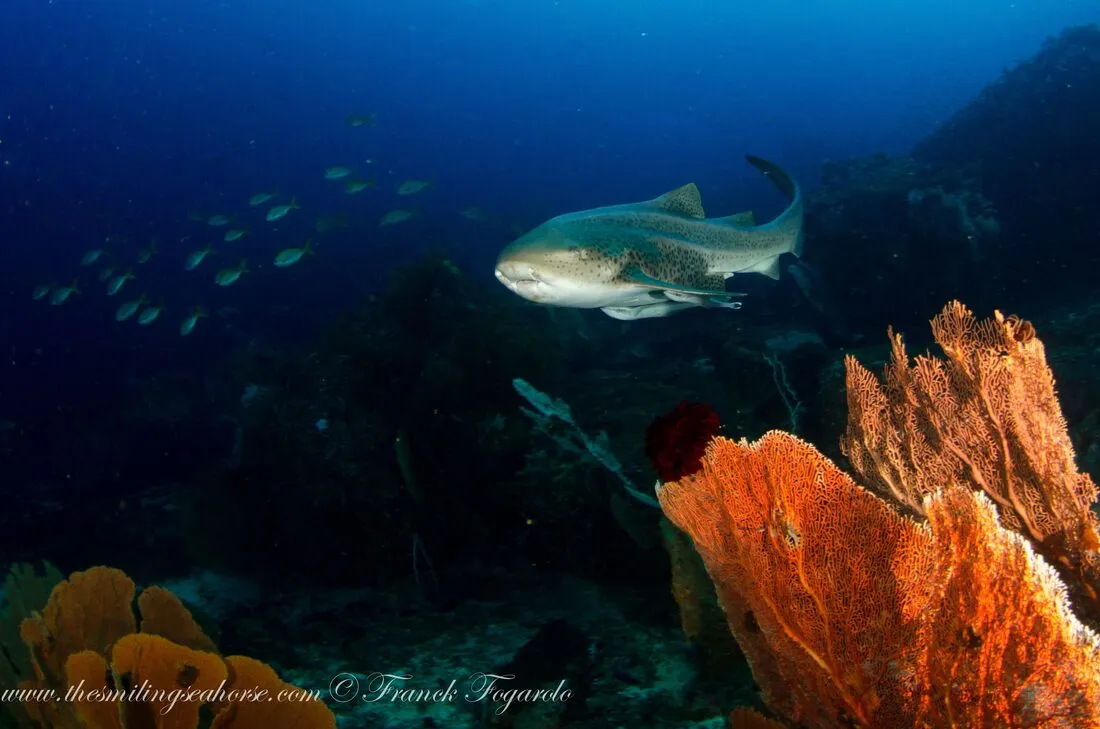
Koh Bon offers an especially rare terrain: a 33-meter vertical wall where you can observe famous manta rays and leopard sharks. Moreover, the corals in Koh Bon are distinguished for their vibrant colors and diversity. We’ve never seen corals this lush and vivid.
25 kilometers north of Koh Bon, Koh Tachai allows us to discover a spectacular submarine landscape and large schools of fish. You can even have the chance to see a Whale Shark here – the biggest fish species living on Earth!
The compulsory:
To surface safely, a surface marker buoy (SMB) is necessary, especially if you are separated from your diving buddies.
A dive computer will be needed to monitor your dive time and no deco time. We will be diving 4 times per day and most often deeper than 20m, so you will be at a high residual nitrogen level that your computer can help monitor for you.
Remember to bring exposure protection, especially for several days of diving. We generally recommend a full 3mm wetsuit but you should also consider your photo objectives and tolerance to temperature. For example, if you are a bit chilly and you want to focus on macro photography, at the end of the dive you will be pleased to have brought extra layers, a thicker wetsuit or a hood.
The strongly recommended:
The average depth of the sites we will visit is 25m, and if you do not want to cut the dive short due to low NDL, you should dive using enriched air (Nitrox) to enjoy the most dives per day at the highest energy levels. We offer this brief course on-board if you are not yet certified.
A diving torch (flashlight) is always useful, as some spots are not exposed to sunlight or have hidden crevasses to explore or to participate in night dives.
To conclude, we advise you to have your own equipment that you are comfortable in and fits you well.
The optional:
During your cruise you will also enjoy time out of the water and will be able to see wonderful landscapes and wildlife, like birds (sea eagles), turtles, dolphins, whales or even hunting schools of fish from the surface. So consider bringing another camera that will stay dry and handy on board!
How to get to our boat departure location?
If you are traveling from Bangkok, the easiest is to reach Ranong by plane with 3 daily flights from Bangkok on Nok Air and Air Asia. Boats leaving from Ranong are the most convenient because of the airport proximity, but Ranong is also the closest departure point to Richelieu Rock: the best dive site in Thailand.
When to go?
The best time to dive Surin and Similan National Parks is from early November to late April, with the best conditions generally found in February-March. However, these unique national parks are open for admittance from mid-October to mid-May, the other 5 months being monsoon season.
Who to go with?
The Smiling Seahorse has been running cruises in Thailand and Myanmar since 2012.
Our in house Underwater Photographer is present on most cruises. Not only is he available to give your tips and tricks for your photography, but he also gives his own photography to all guests at the end of every trip.
If you are a single diver, don’t fret! We will match all divers into small groups based on skill level and interests, so you can have fun and make friends along the way!
Explore the Surin Islands, Richelieu Rock and the Similan Islands.
Prices in Thai baht (THB), per diver. The 10% discount is already applied.