
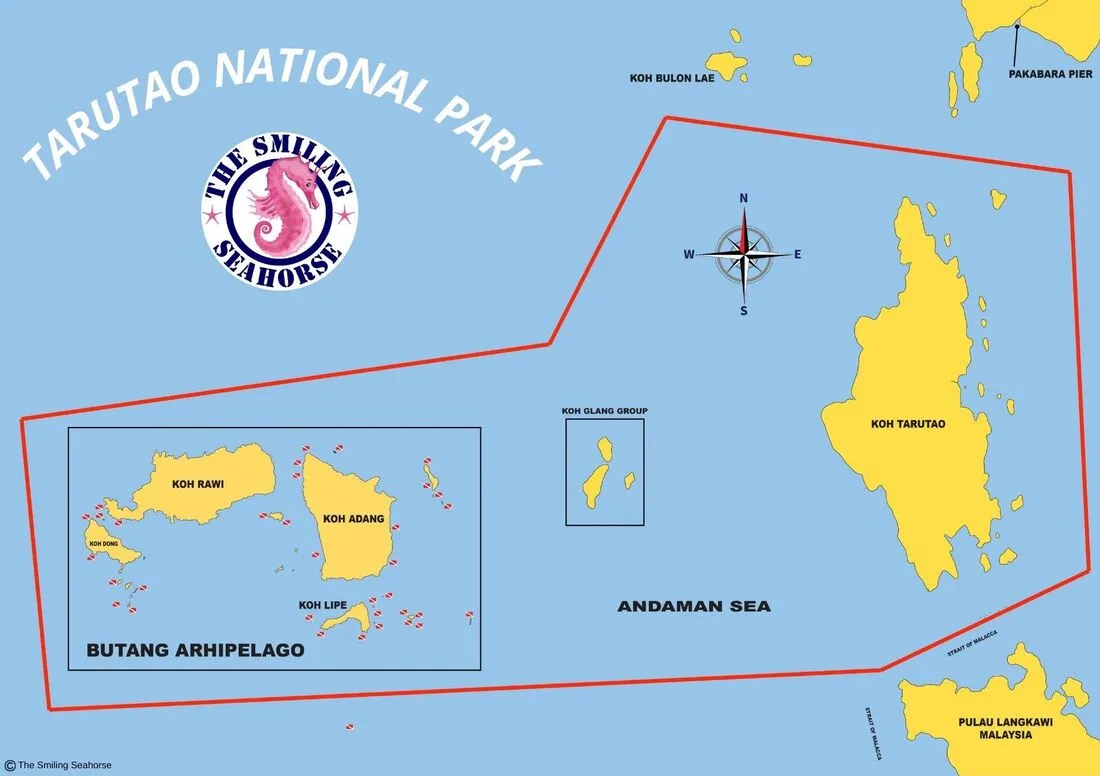
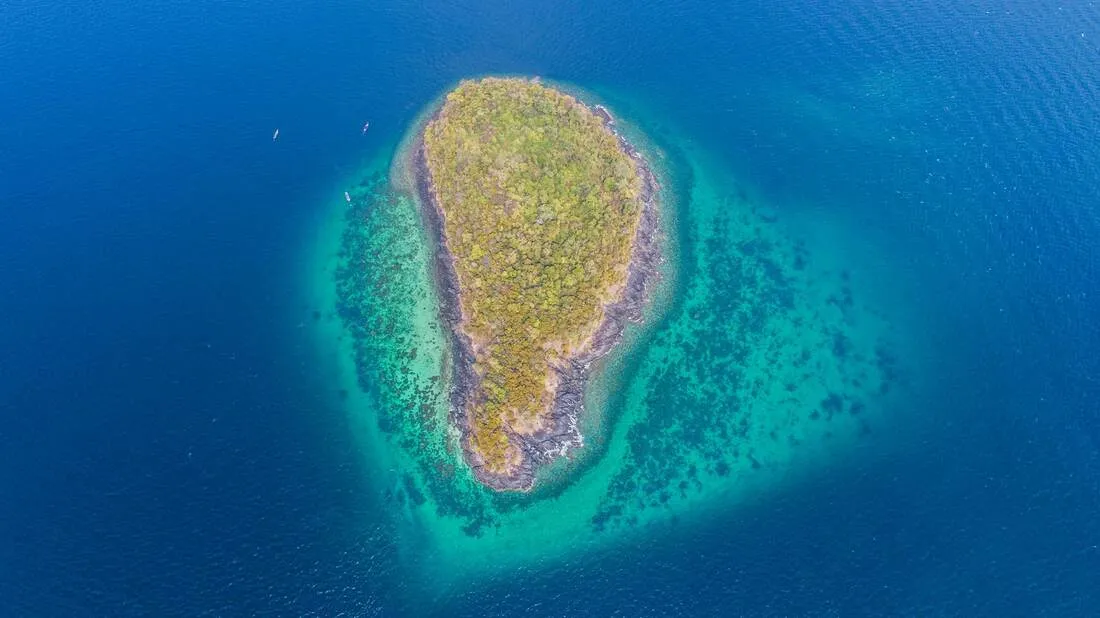
The Tarutao National Marine Park, situated in the southernmost province of Thailand, Satun province, is a pristine sanctuary boasting over 70 islands, including Koh Lipe, the most well-known.
One of the main particularities of Tarutao National Park is that it is the oldest and largest marine national park in Thailand, covering an area of approximately 1,490 square kilometers. Despite its age and proximity to the Malaysian border, it remains relatively undiscovered by tourists and is a new diving destination that very few liveaboards recently started exploring.
While the park headquarters are located on Koh Tarutao in the East, the best dive sites can be found in the West of the park in what is known as the Butang Archipelago.
Of all the islands in the Butang group, Koh Lipe is the only one that is inhabited, and its visitors can encounter the Chao Ley, a tribe of sea gypsies, as well as a variety of interesting bird species. The island is surrounded by magnificent white sand beaches and an abundance of stunning dive sites that offer an unparalleled glimpse into the diverse marine life of the Andaman Sea.
The biggest islands in the Butang Archipelago are called Koh Adang and Koh Rawi, which is why some people refer to the Adang-Rawi Archipelago.
Tarutao National Marine Park is quite far from the mainland, with islands scattered from 20 to 70 kilometers’ distance from the southwesternmost point of mainland Thailand; maybe this remoteness is what preserved the diverse marine life and beautiful underwater landscapes you can find in the area.
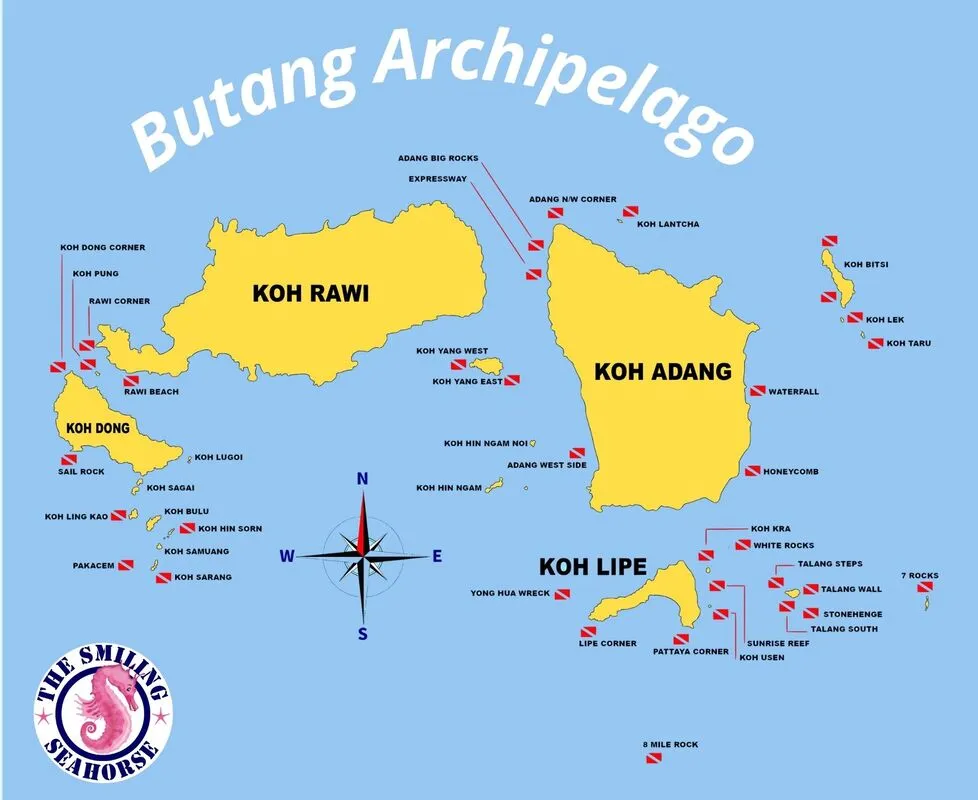
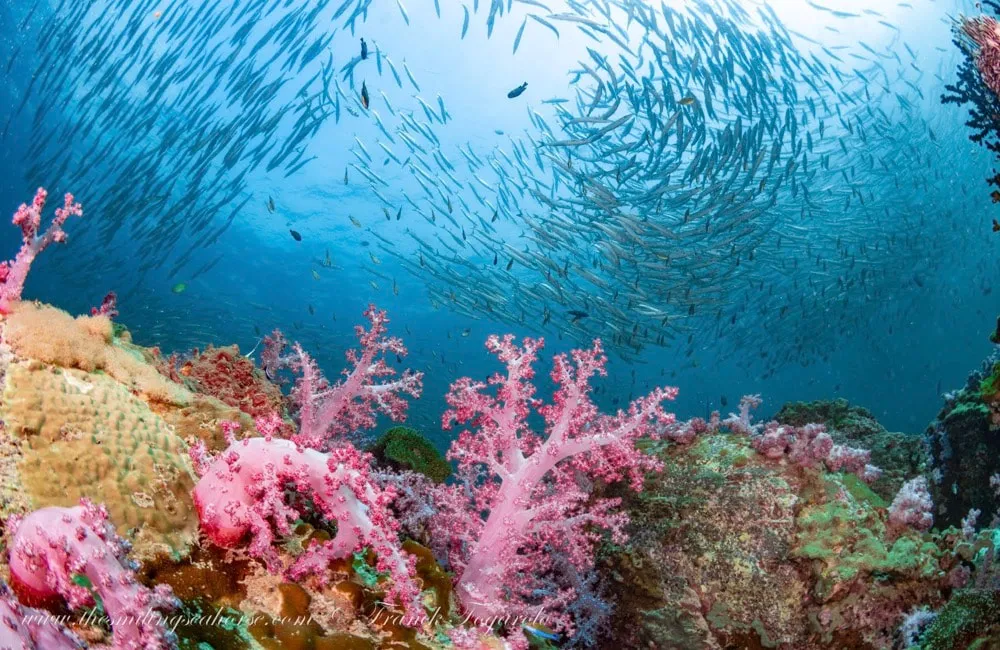
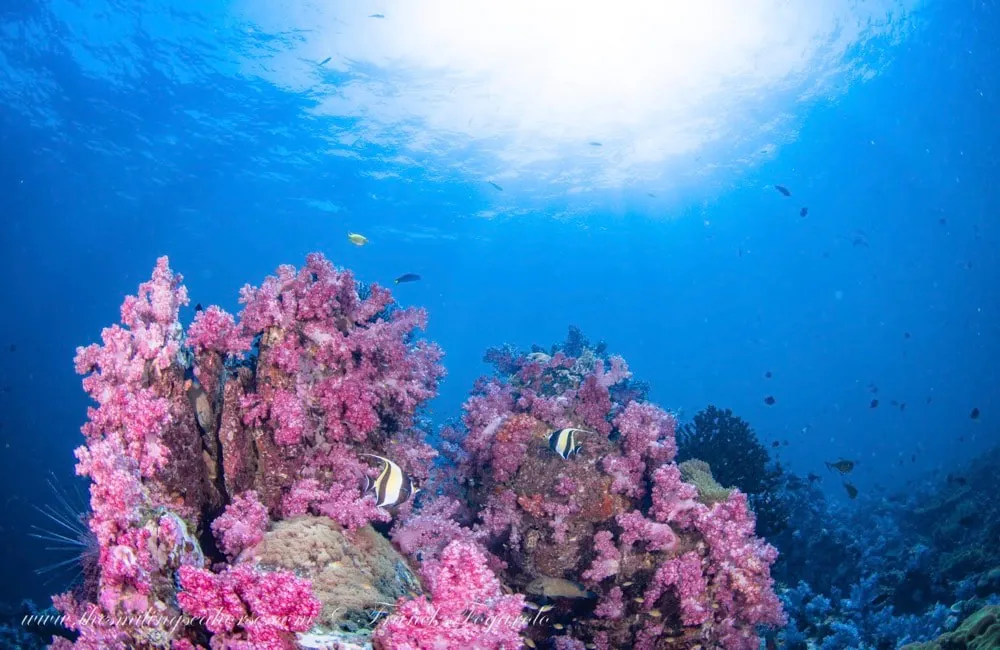
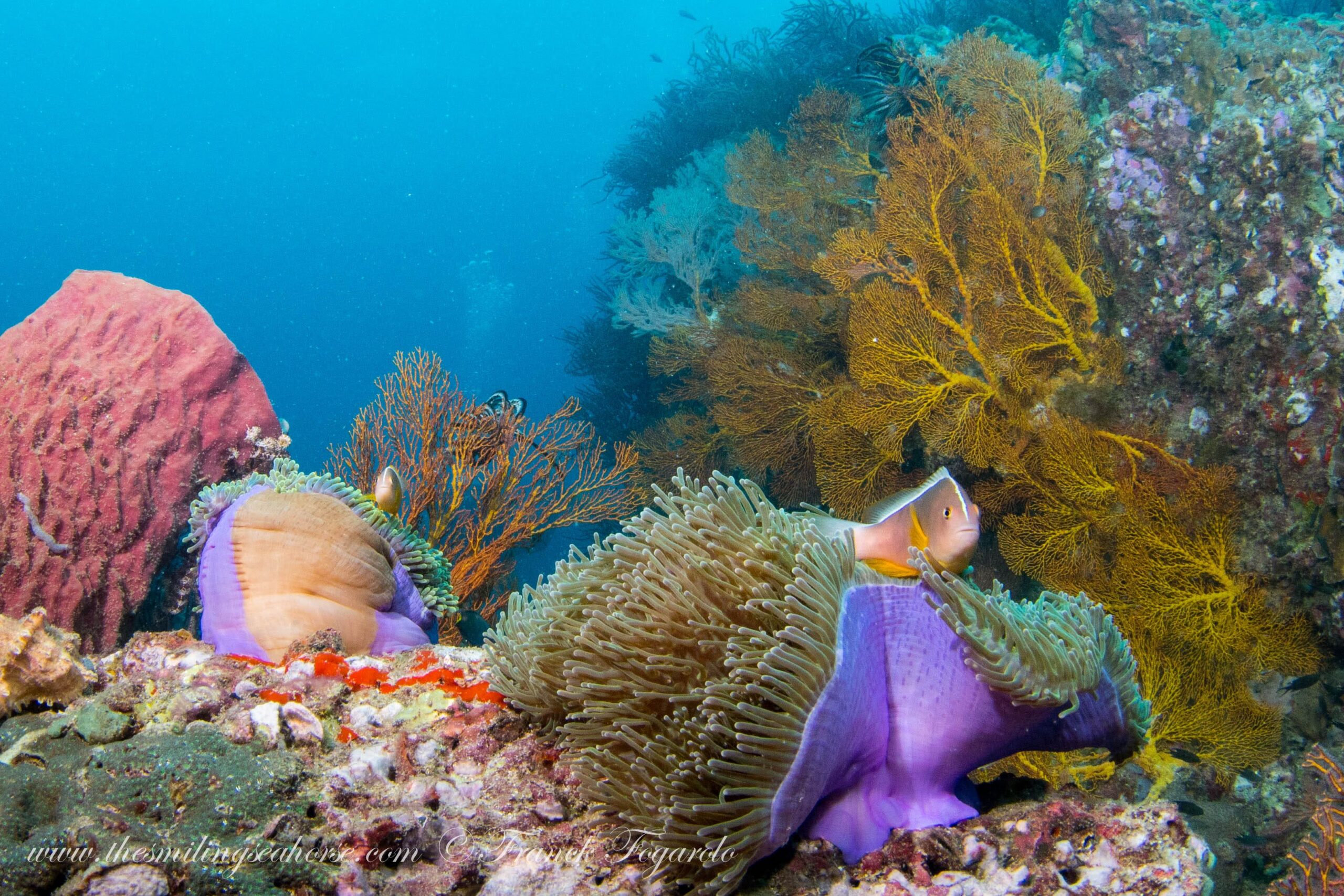
Stonehenge is one of Thailand’s most stunning coral gardens that is perfect for underwater photography, but the currents can get strong around here, so you better plan your dive time right. The current is also what gives the site such a stunning appearance, as it is covered in healthy soft coral that can only thrive in the current, and in the middle of it you will find a picture-perfect mix of barrel sponges and anemones with all types of clownfish hovering over them: tomato, clark, skunk, and more. They can all be seen here.
Don’t worry too much about the current thought, as there’s always a place to hide from the current, and take time to look for small things such as the little crabs and gobies on the whip corals and the ornate ghost pipefish. Stonehenge can also be a good drift dive, looking at the magnificent seafans and enjoying the colorful scenery.
Much of the reef consists of purple, white, and pink soft corals, and there are many bright blue tunicates. The site got its name after the prehistoric monument in England because of the striking resemblance between the two. Just like the original Stonehenge, the dive site has large rocks and boulders arranged in a circular formation, surrounded by sandy patches and soft coral gardens. The multicolour coral covering the rocks gives them a weathered and ancient appearance that further enhances the comparison to the real Stonehenge.
Tarutao National Park
8 Miles Rock is an awe-inspiring underwater pinnacle located over 8 nautical miles south of Koh Lipe. This dive site is a must-visit for any advanced open-water diver seeking an unforgettable underwater experience. The top of the pinnacle is at 16 meters, and you could find more than 40 meters, but there is plenty to see above 30 meters.
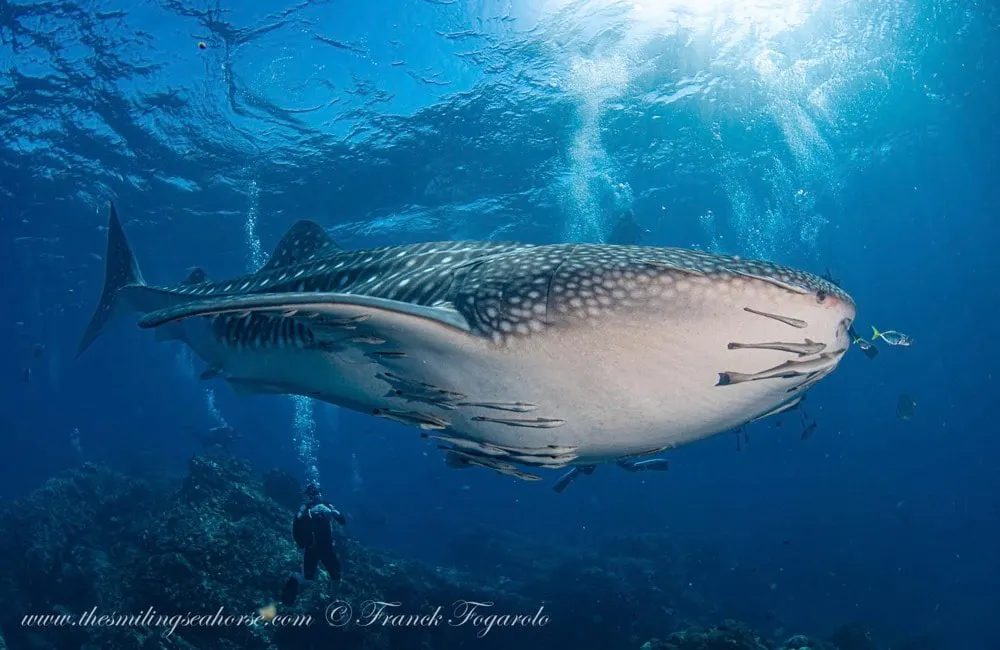
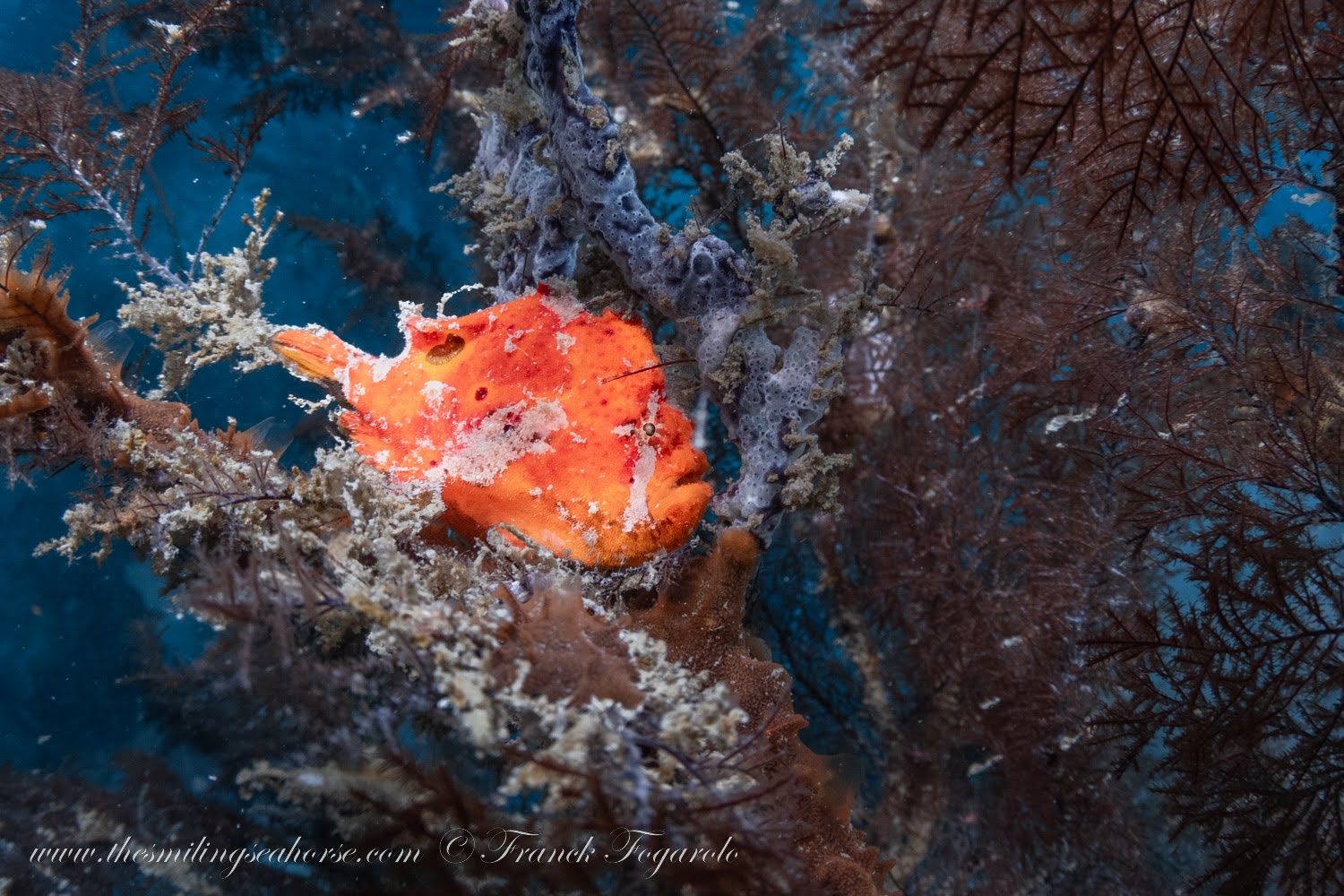
Famous for frequent whale shark and mobula sightings, 8 Miles Rock is also home to a diverse range of marine life that makes it an excellent dive site for all to enjoy. The site is situated in open water, which attracts pelagic fish such as huge schools of batfish, trevallies, mackerel, and barracuda, as well as some big tunas passing on top of the pinnacle. You can also expect to see a variety of reef fish like snappers, fusiliers, lionfish, and scorpionfish, and if your guide knows where they hide, you may see a frogfish or two.
Whale sharks are frequently seen at 8 Miles Rock, and if you’re lucky, you might catch a glimpse of a leopard shark or an enormous giant grouper emerging from the depth. If you’re really fortunate, you may even witness a school devil ray gathering in large numbers.
To increase the chances of spotting something special, it is recommended to plan for 2 dives at 8 Mile Rock. The top of the pinnacle starts at 12 meters, making it a deep dive that can pass way too quickly. Watch your bottom time and air consumption carefully. Even if the dive might be a bit shorter than shallower sites, there’s plenty to see. If you are an experienced diver, it is great to dive it with strong currents, as that will attract even more fish and get them closer to the reef. Surface conditions can be choppy, so this site may not always be suitable for nervous swimmers.
Overall, 8 Mile Rock is a fantastic dive site that offers an incredible underwater adventure for advanced open-water divers seeking an unforgettable experience.
Tarutao National Park
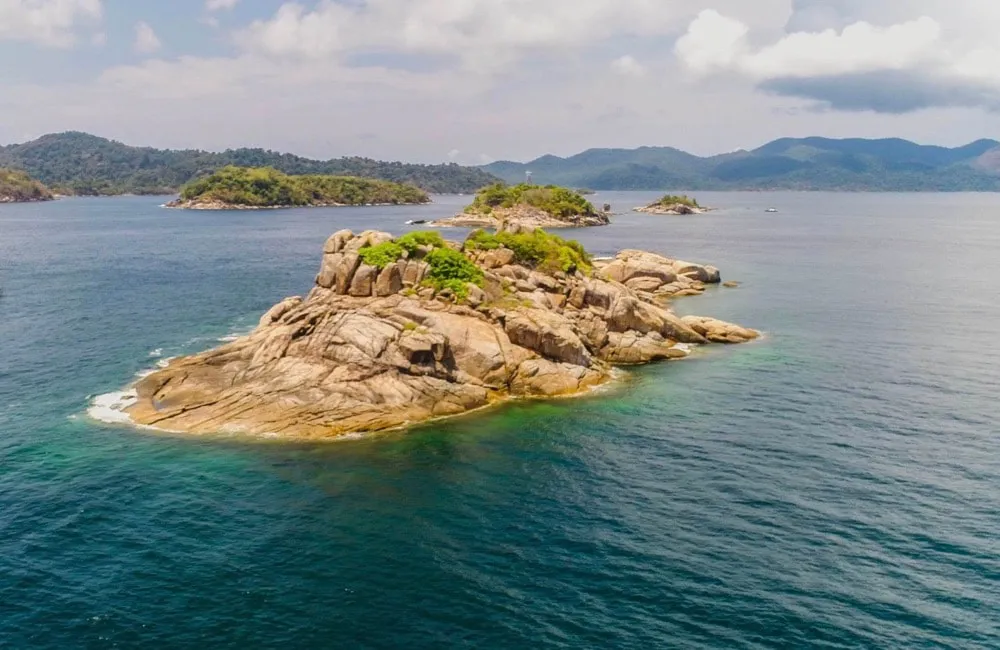
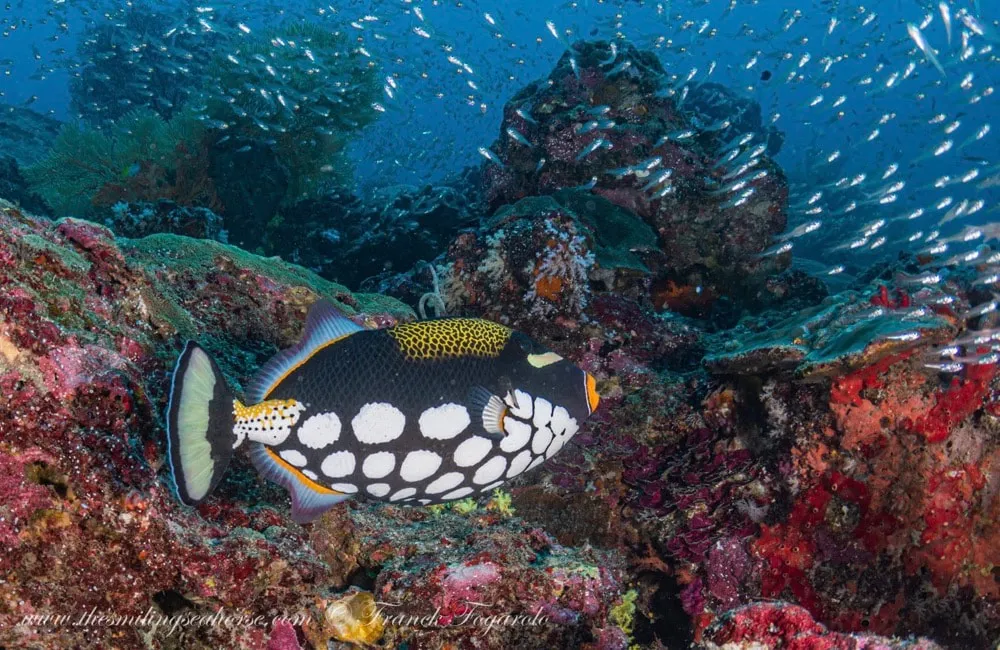
Koh Sarang is a popular dive site in the Tarutao National Park. This site offers diverse marine life, making it a must-visit for scuba diving enthusiasts. The maximum depth of the site is 30 meters, and Open Water Diver certification is required to dive here.
The shallow waters of Koh Sarang feature a pristine hard coral reef, while the deeper parts of the site boast huge gorgonian sea fans, as well as hard and soft corals. The pinnacles are famous for their beautiful soft coral covering in purple, orange, white, and pink hues. The most famous pinnacle, the Christmas tree pinnacle, is named after its unique shape.
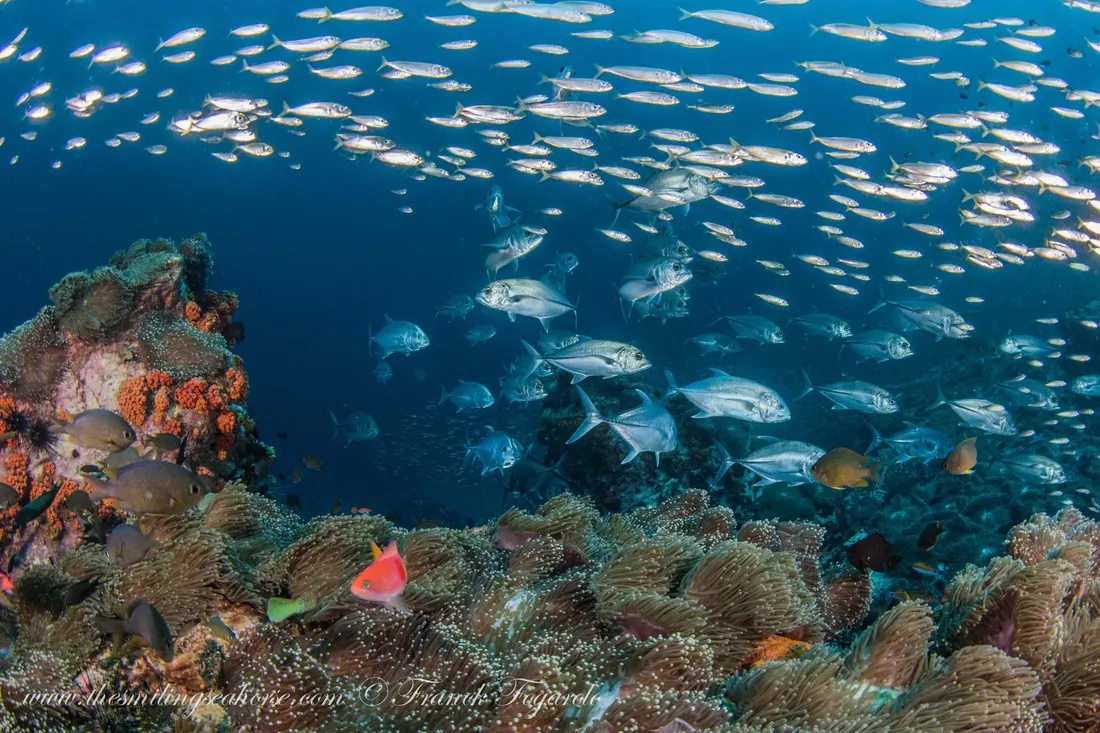
During the dive, divers can encounter a variety of marine life, including big schools of trevallies, snappers, fusiliers, and damsels. The site is also home to lionfish, scorpionfish, clownfish, triggerfish, flute-mouth fish, trumpet fish, and many other reef fish. For those who prefer the smaller stuff, Nudibranchia and shrimps can be found in the area.
Koh Sarang is perfect for underwater photography enthusiasts, as well as divers looking to take specialty courses such as fish identification, deep diving, and advanced courses. Divers can also expect to encounter unique marine life, making it an ideal location for exploration and discovery.
Tarutao National Park
Koh Pung is a must-visit dive site that offers an exhilarating experience for divers. With a maximum depth of 35m and easy conditions, it’s a great option for novice and experienced divers alike.
One of the most notable features of Koh Pung is its strong currents, which are especially prevalent during full moon and black moon periods. These currents make it an excellent drift dive, allowing divers to fly over rocky boulders that are covered in stunning purple, pink, white, and orange soft corals. As you round the island, the current slows down, and you can take time to explore the area in more detail.
Koh Pung is teeming with marine life, including colorful schools of fish swimming above the reef as well as moray eels, scorpionfish, and more. Macrolife lovers will also love discovering various cleaner shrimps and nudibranches on the reef.
If you’re planning to visit Koh Pung, it’s important to keep in mind the strong currents that can make diving more challenging and follow your guide’s advice to make the most out of the experience.
Tarutao National Park
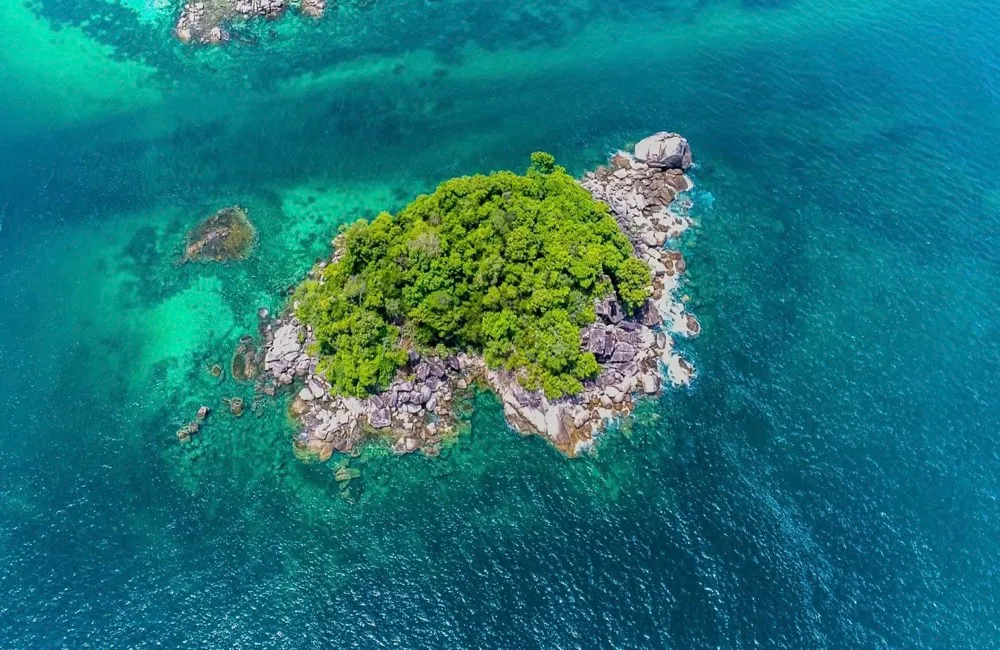
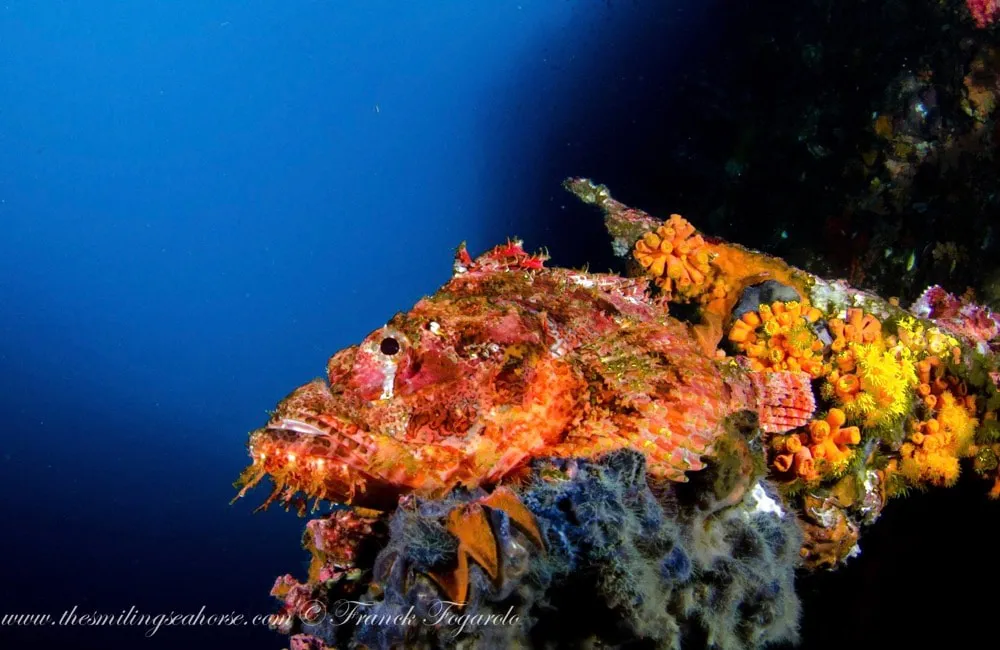
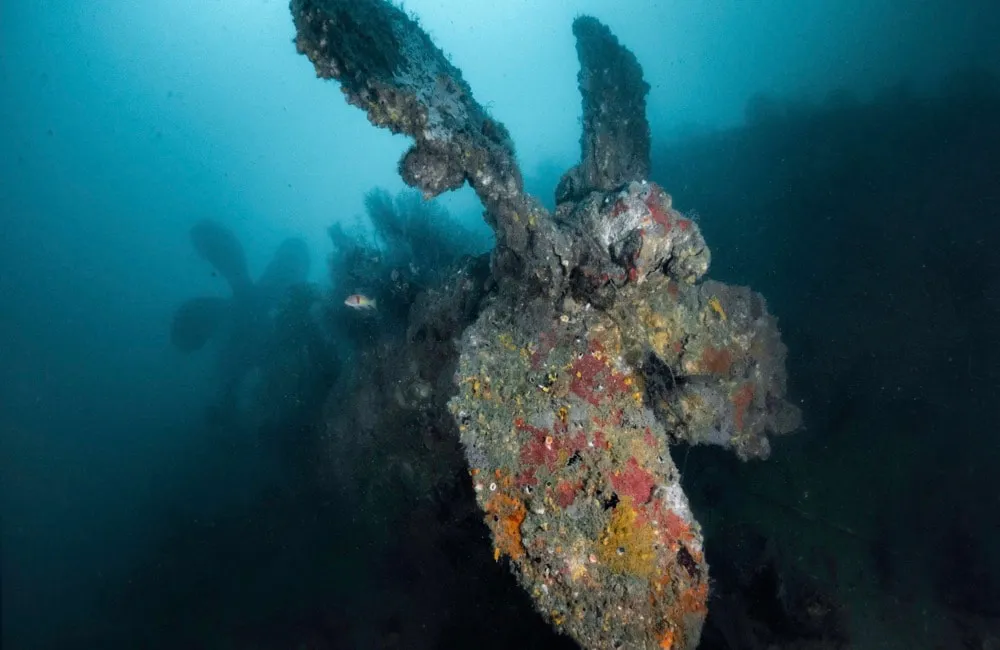
The Yong Hua Chinese Wreck is a fascinating dive site that attracts experienced divers. This cargo ship sank around the end of the 1990s and now rests on a sandy bottom at 42m. The top of the wreck is around 28 m, so you must be certified as an Advanced Open Water Diver to dive this wreck.
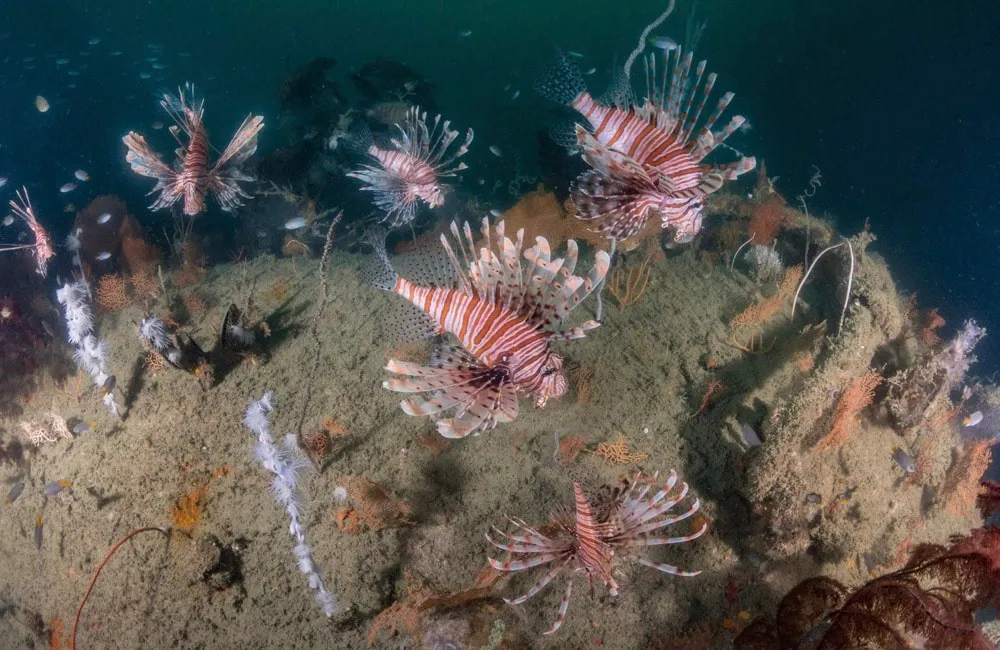
The Yong Hua is teeming with marine life, including giant barracudas, fusiliers, and snappers. Lionfish and scorpionfish are also commonly found near the wreck. The top of the wreck is covered in soft corals, black corals, and gorgonians. And if you’re lucky, you might spot the huge, giant grouper that calls this place home.
Despite the strong currents that often affect this area, divers are drawn to the Yong Hua for its unique challenges and rewarding atmosphere. Once you reach the bottom and take shelter behind the wreck, the currents become less noticeable, and there is plenty to see. However, the sand stirred up by the currents often means reduced visibility, so don’t expect 40 meters viz here.
Tarutao National Park
Talang Steps is a fascinating dive site that features a series of rocky outcrops carved out by the tides, forming a unique staircase structure that descends gradually to a maximum depth of 25 meters. This site is accessible to open-water divers and is an excellent destination for divers looking to explore a diverse range of marine life.
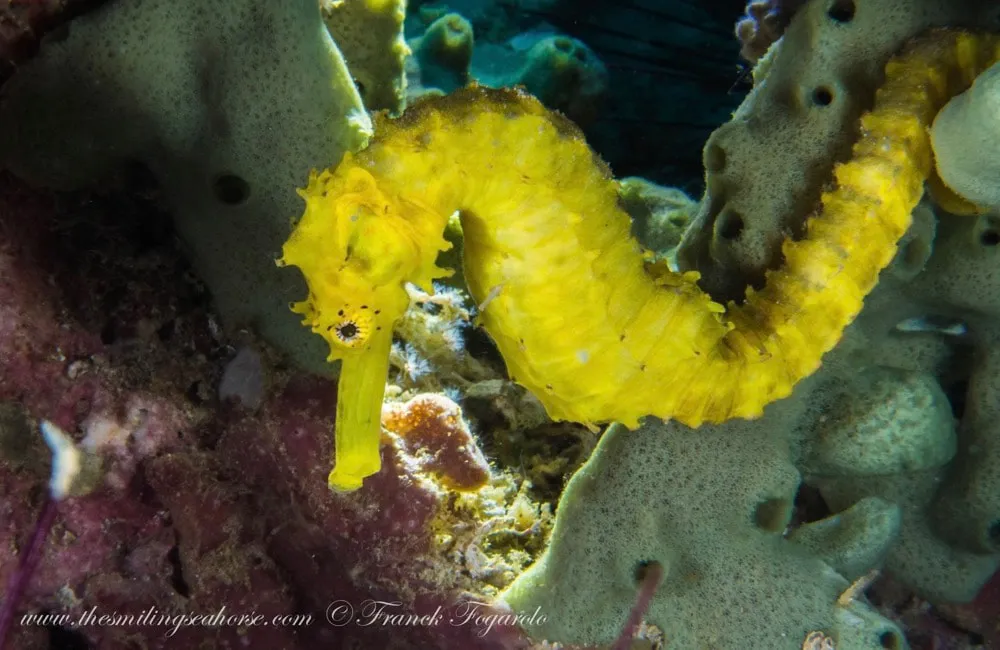
As you descend from one step to the next, you will encounter an array of aquatic creatures, including a variety of Nudibranchia Flabelinas and the occasional flounder camouflaged in the sand. Underwater photographers will particularly enjoy shooting coral cat sharks hiding in crevices and under flat rocks and tigertail seahorses perfectly camouflaged in yellow seafans on the reef as an abundant army of Durban dancing shrimp in every crack and host frogfish, razorfish, and more.
The rocky steps at Talang are covered in beautiful barrel sponges and gorgonian fans, providing a haven for many species, such as giant morays and lionfish, which can be observed hunting their prey. The variety of marine life that can be seen here makes Talang Steps an unforgettable dive experience.
Tarutao National Park


 Trustindex verifies that the original source of the review is Google.
 Trustindex verifies that the original source of the review is Google.
 Trustindex verifies that the original source of the review is Google.
 Trustindex verifies that the original source of the review is Google.
 Trustindex verifies that the original source of the review is Google.
 Trustindex verifies that the original source of the review is Google.
 Trustindex verifies that the original source of the review is Google.
 Trustindex verifies that the original source of the review is Google.
 Trustindex verifies that the original source of the review is Google.
 Trustindex verifies that the original source of the review is Google.


 Verified
 Verified
 Verified
 Verified
 Verified Verified
 Verified
 Verified Verified
 Verified