
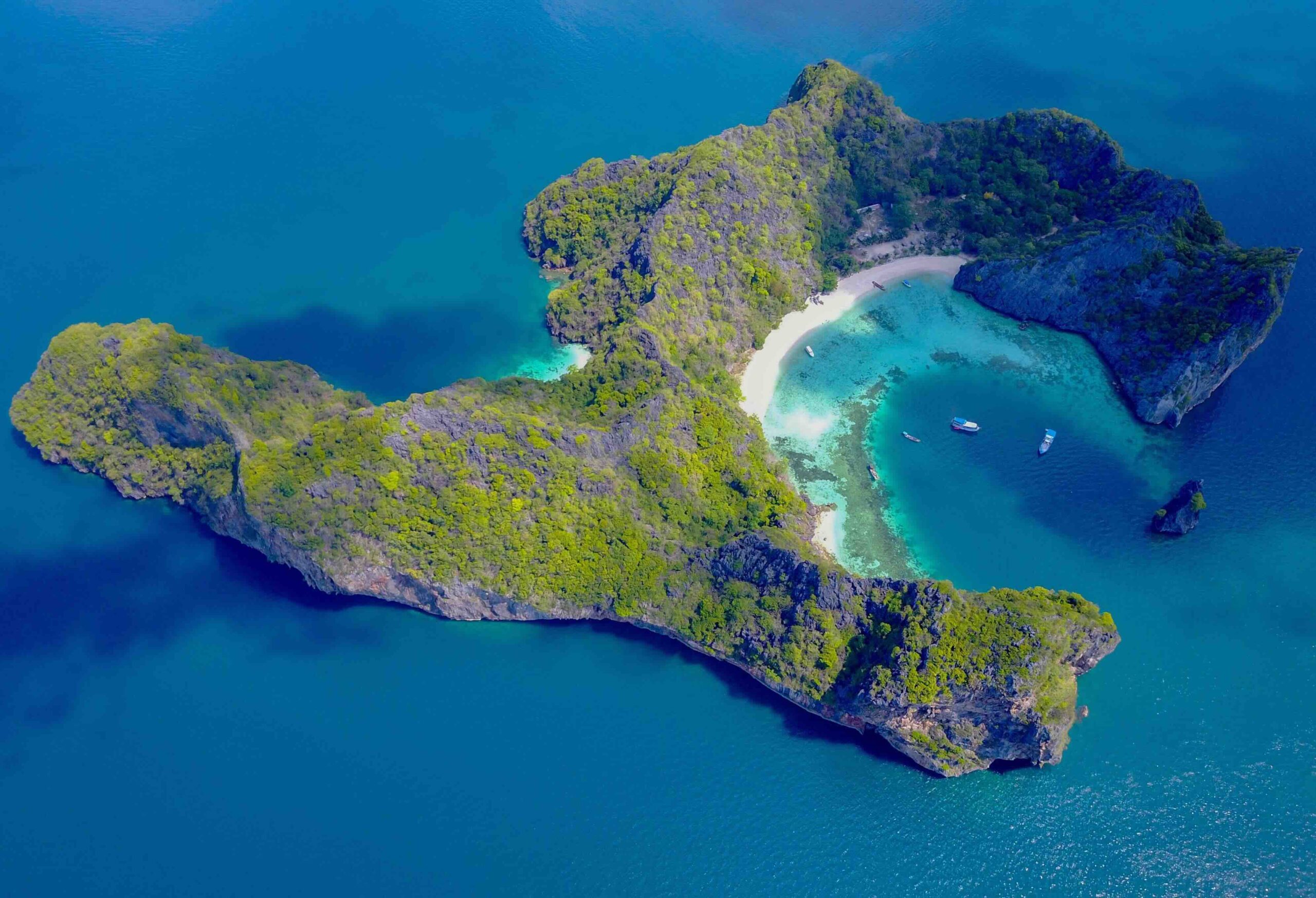
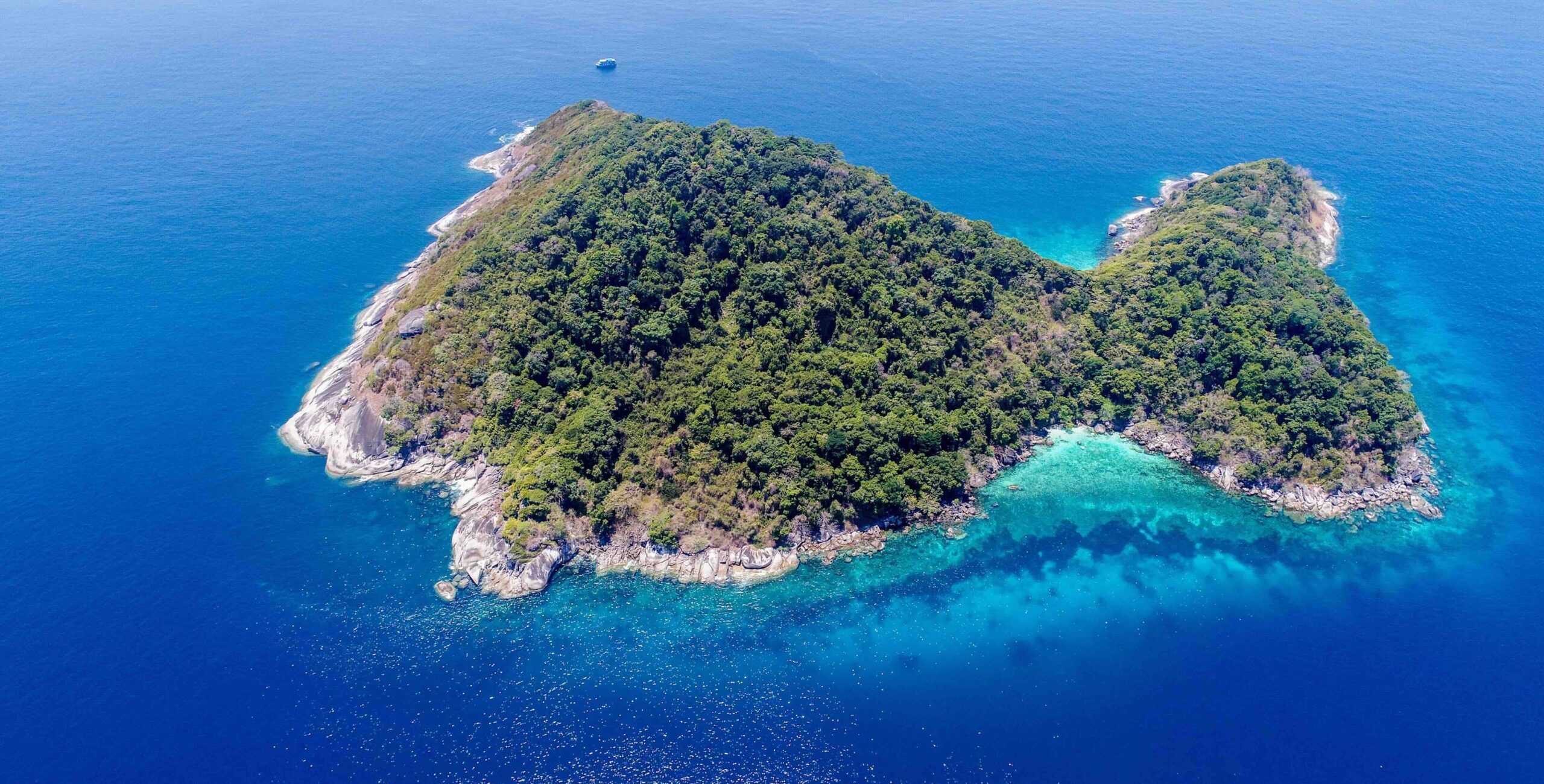
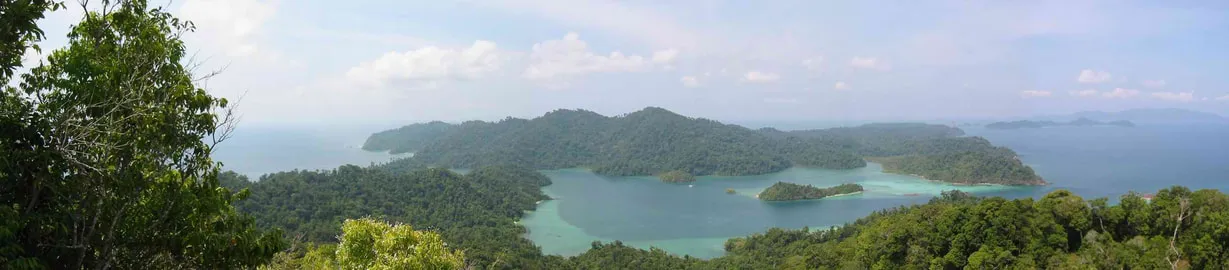
Scattered like pearls on a blue velvet bedsheet are a bunch of 800 islands scattered over the Andaman Sea just off the eastern coast of Myanmar. This is Burma’s tropical paradise of the Mergui Archipelago. The British colonial name of “Mergui” still remains as opposed to the Burmese “Myeik”.
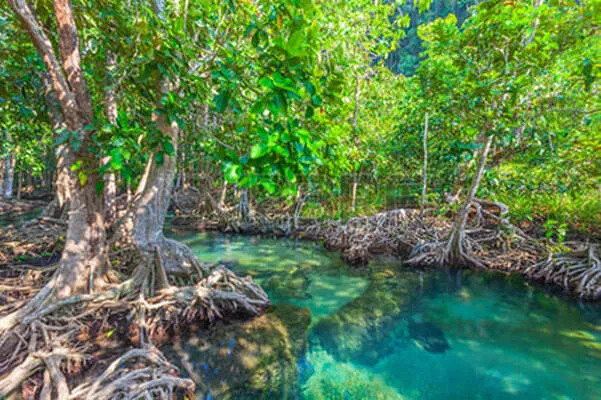
Myanmar has got turquoise waters, palm-fringed white sand beaches, amazing dive sites, rich wildlife, and mangrove forests, but despite the fact that there are only a few islands in Thailand, comparatively, Mergui Archipelago is far less famous than its Andaman Sea neighbour, the Surin and Similan Islands.
In fact, Myeik Archipelago is one of the world’s best-kept secrets due to the fact that it was only opened to tourism in 1997 and is still under quite a strict regulation.
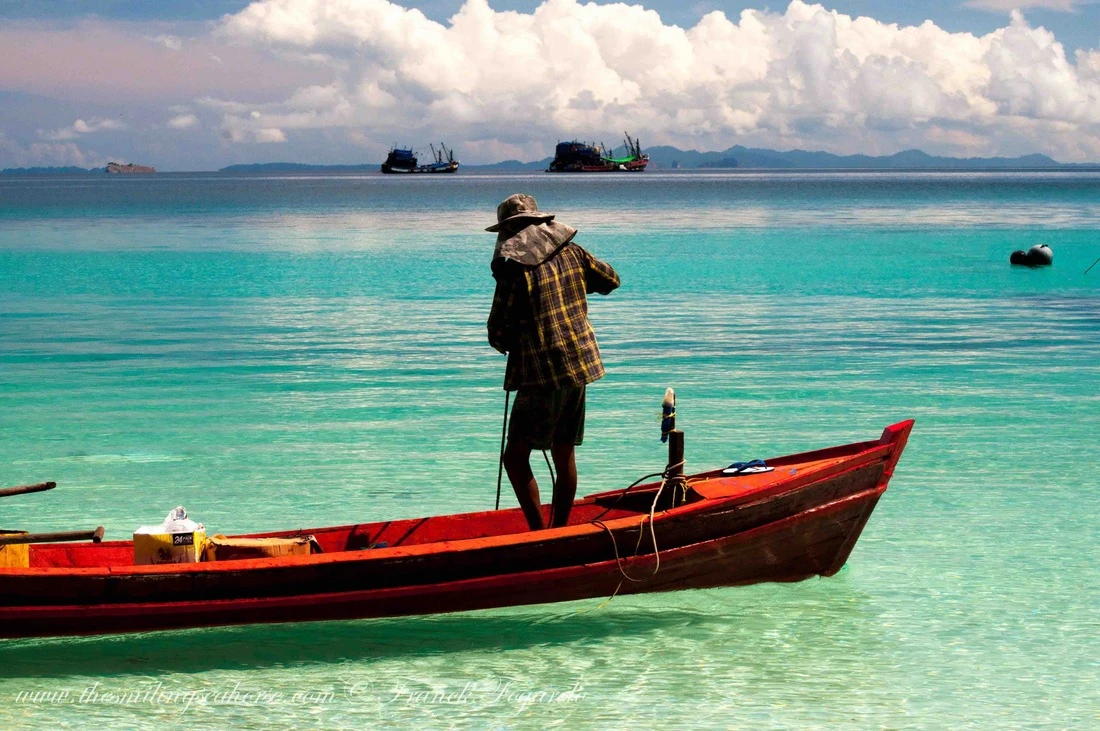
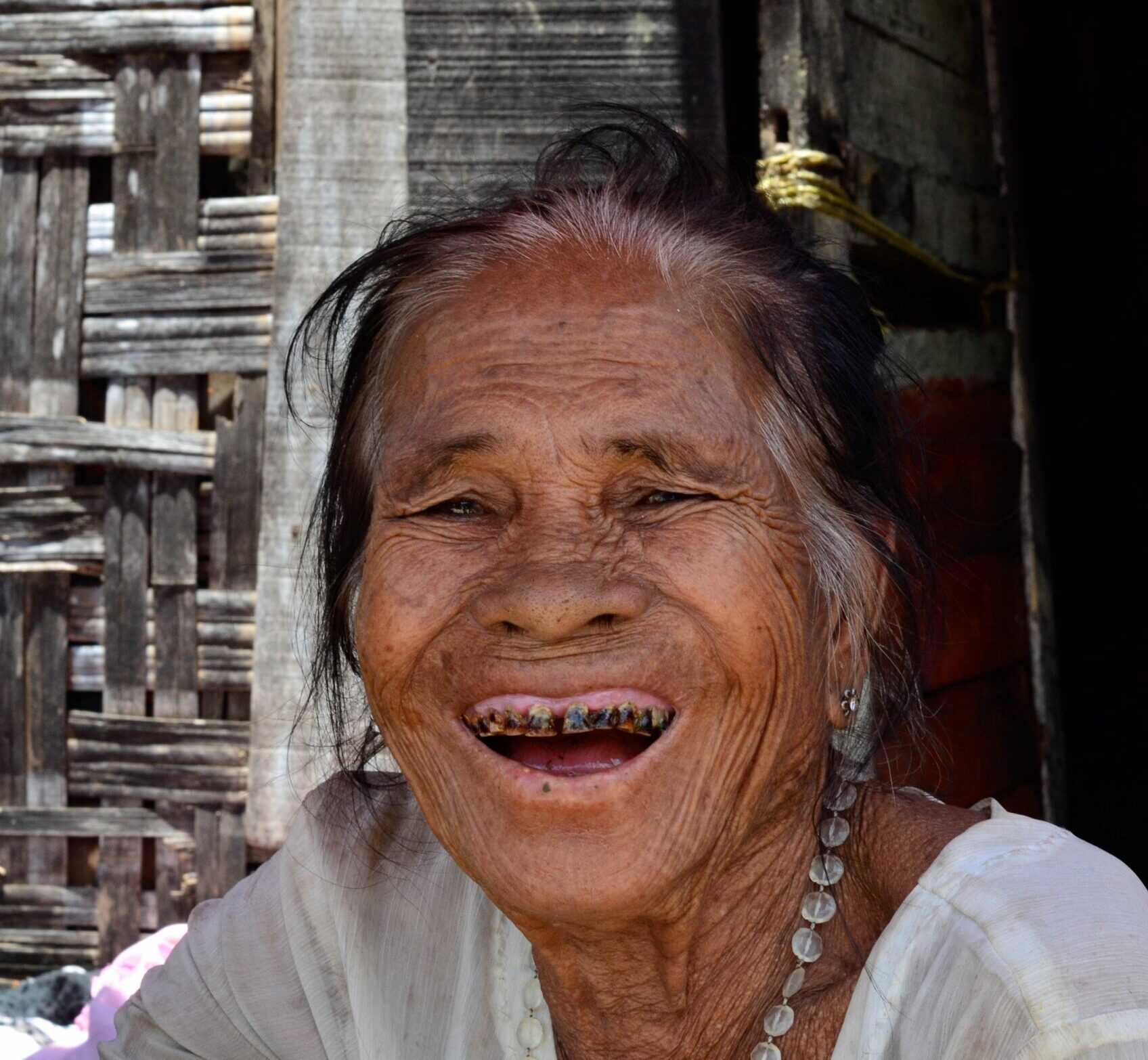
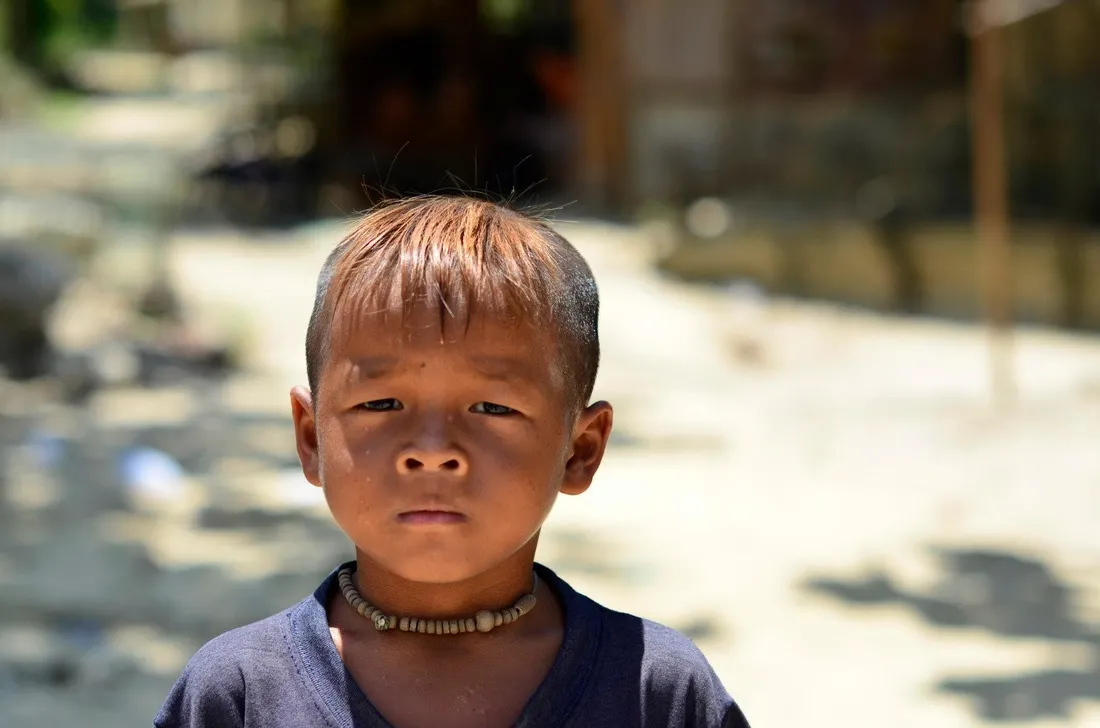
Still pretty unknown to the world, the Moken are a shy, peace-loving tribe also known as the “Sea-Gipsies”. These people numbering just under 3000 are the indigenous people of the Mergui Archipelago. They have been sustaining themselves on the land and sea in the same manner as they have done for centuries. They are expert natural divers even if they have never heard of decompression tables…
Few people have the sense of the sea as the Moken do. In 2004, the Moken read the sea correctly just before the deadly Indian Ocean tsunami swept in. They headed for higher ground, and hardly any of them were killed when elsewhere the monster wave took over a hundred thousand lives.
Most of them still live on their boat and continue to roam around the archipelago, but some have established themselves in a village on Lampi island.
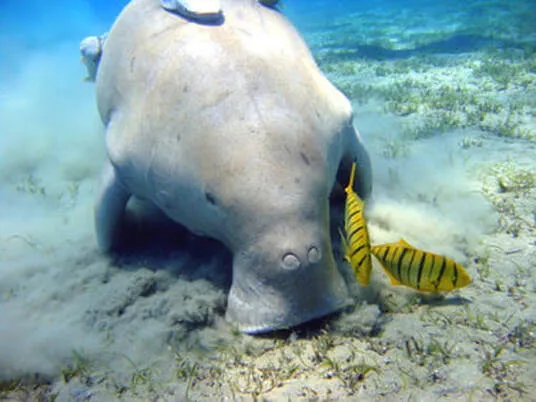
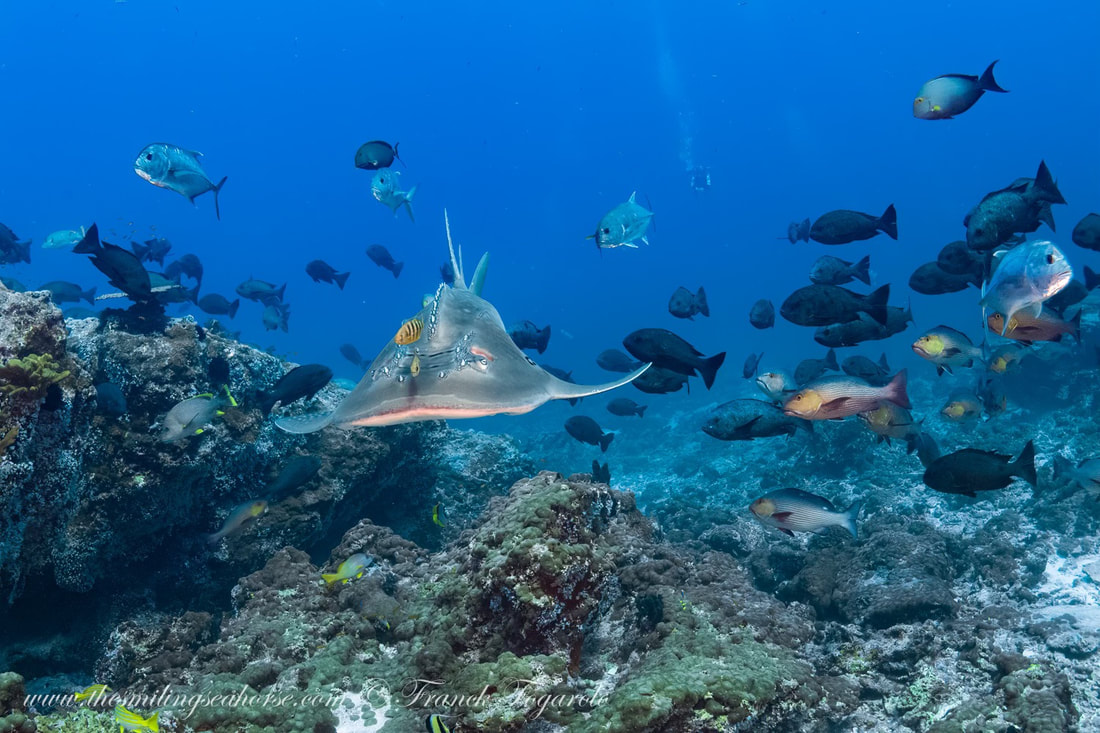
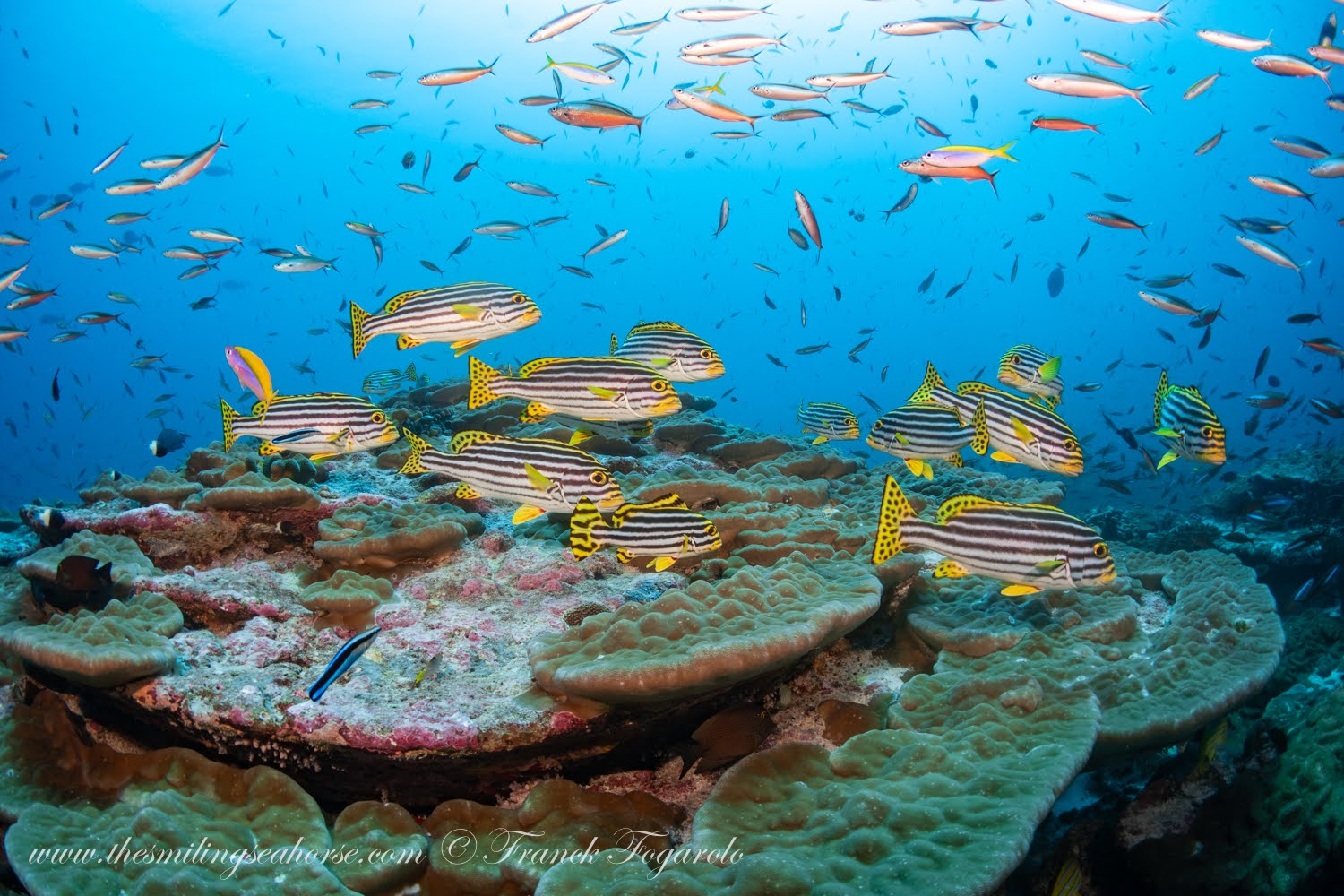
The clear waters are a dream for divers and snorkelers wanting to get a feel of the diverse marine life below.
The Myanmar government is slowly waking up to the immense possibilities the Mergui Archipelago holds out as a tourist goldmine and as an alternative to the overexploited holiday destination of Phuket in neighboring Thailand.
Situated at the southernmost tip of Myanmar is the port town of Kawthaung. A 40 km Andaman Sea boat ride to the northwest of Kawthaung will take one to the island of 115, a very popular destination for tourists visiting the Mergui Archipelago. On one side of the island you can find the bird nest cave, where thousands of birds are making their nests, and on the other side you can find the dive site we call Volcano, home to many seahorses and blacktip reef sharks. The area is finally a place protected by some marine conservation projects.
You’ll find below a quick overview of our favorite dive sites in the Mergui Archipelago. If you want a more complete description, we have one here: Myanmar’s best dive sites. If you want to read about the wonderful marine life we have here, head over here: Myanmar Marine Life.
Western Rocky is one of Mergui archipelago’s southernmost dive sites and perhaps one of its most exciting in terms of the breadth of diving on offer. Western Rocky itself is a small island, sporting a diveable passage right…
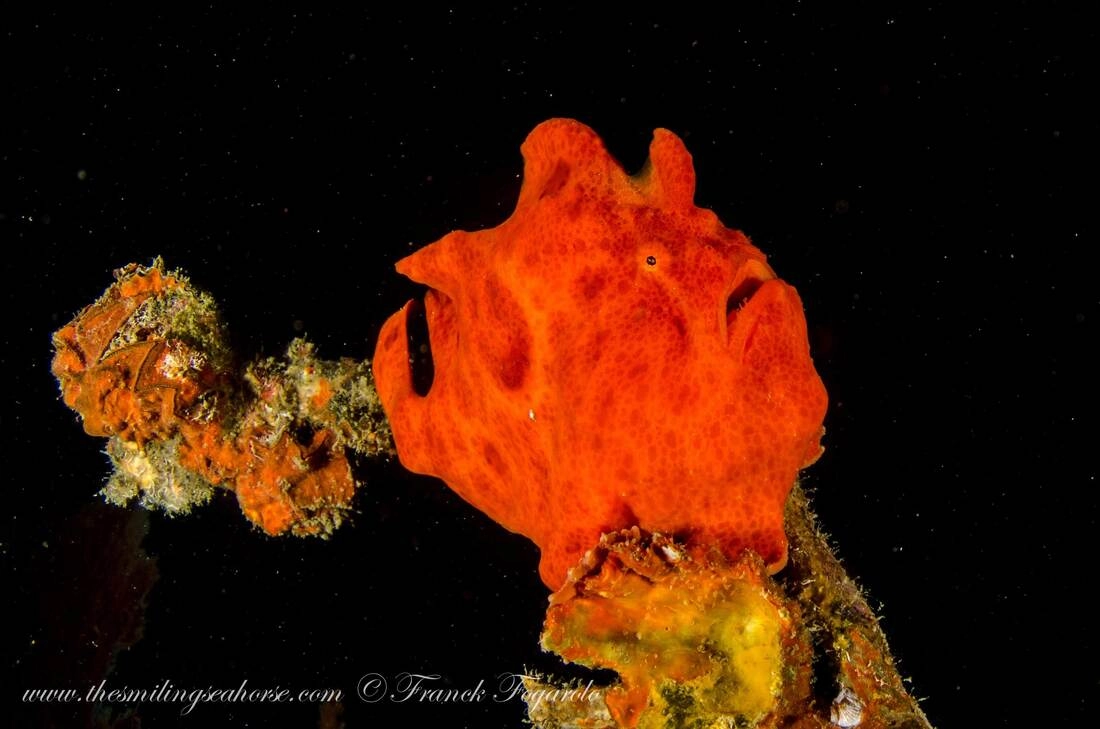
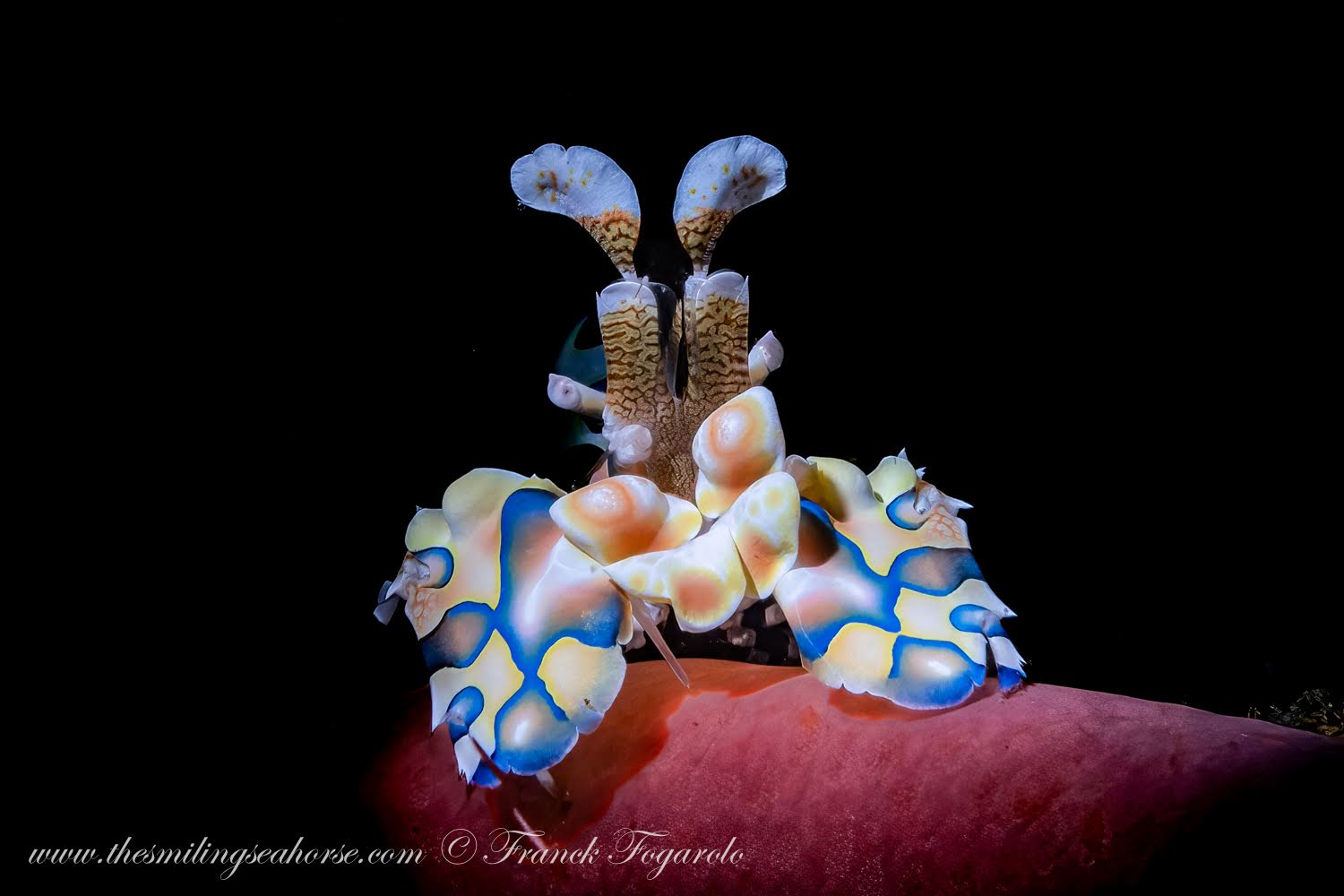
Black Rock is a small rock in the middle of Mergui Archipelago we had some incredible dives there….
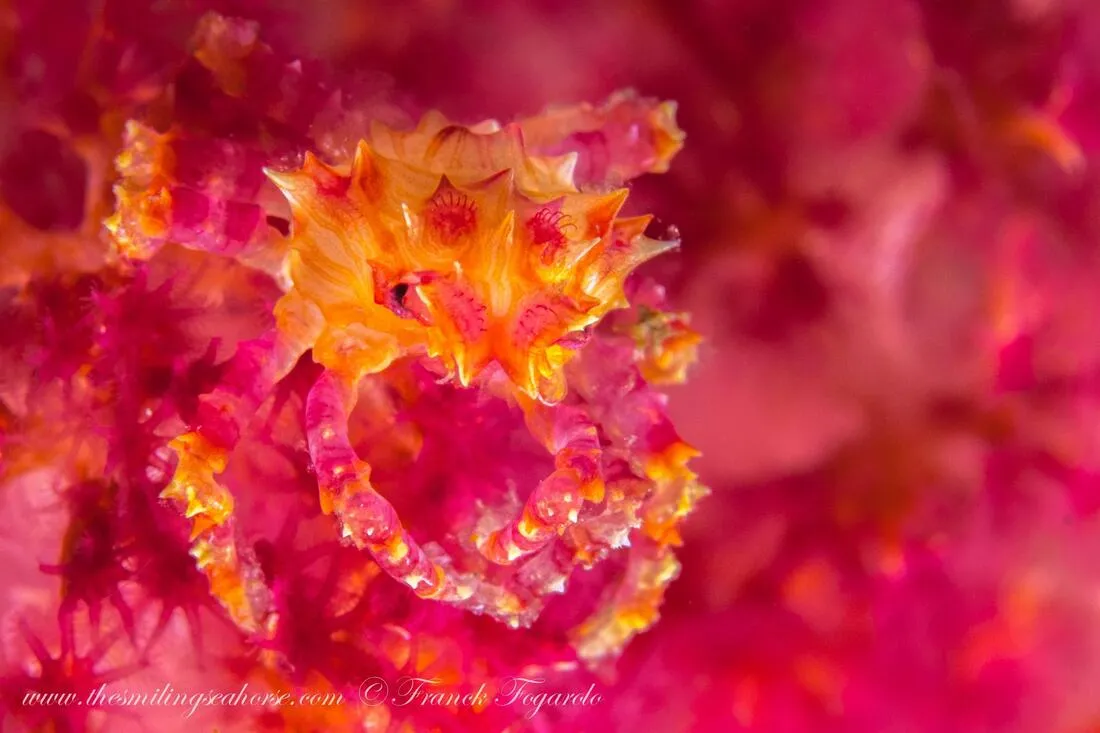
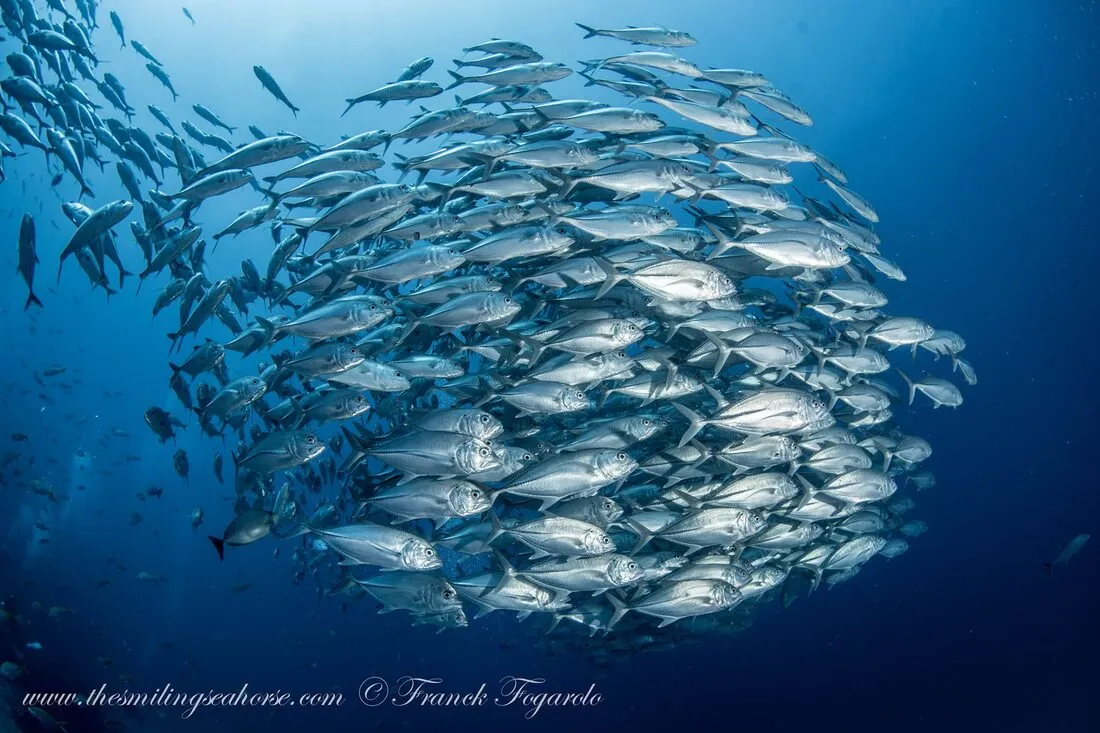
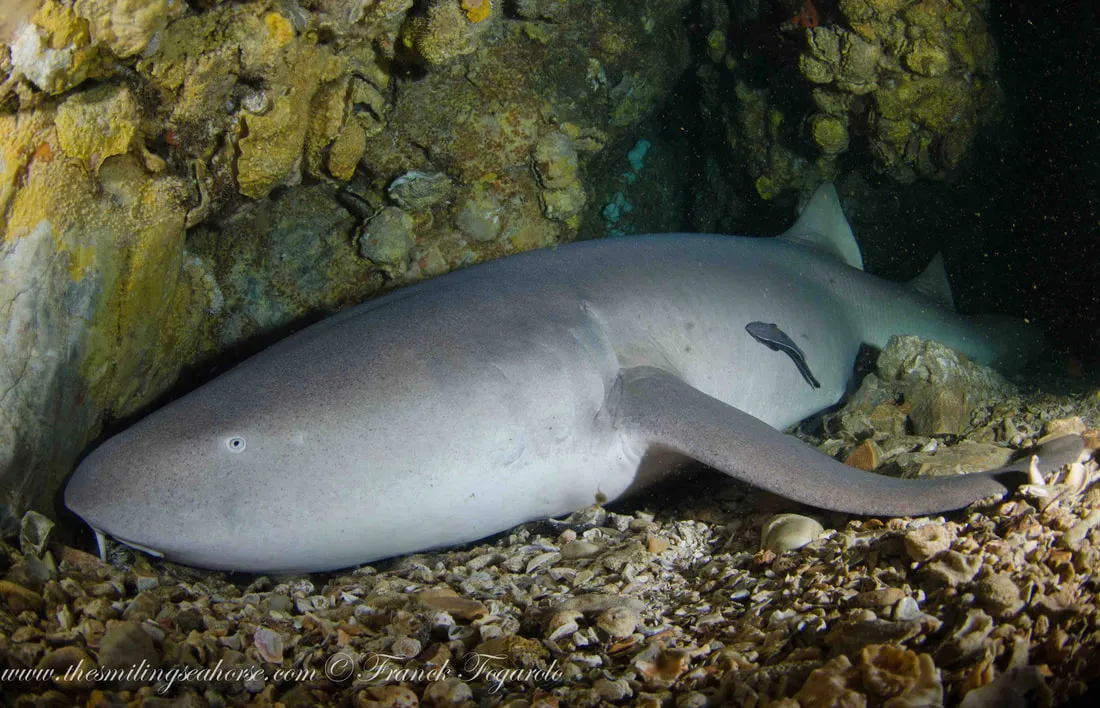
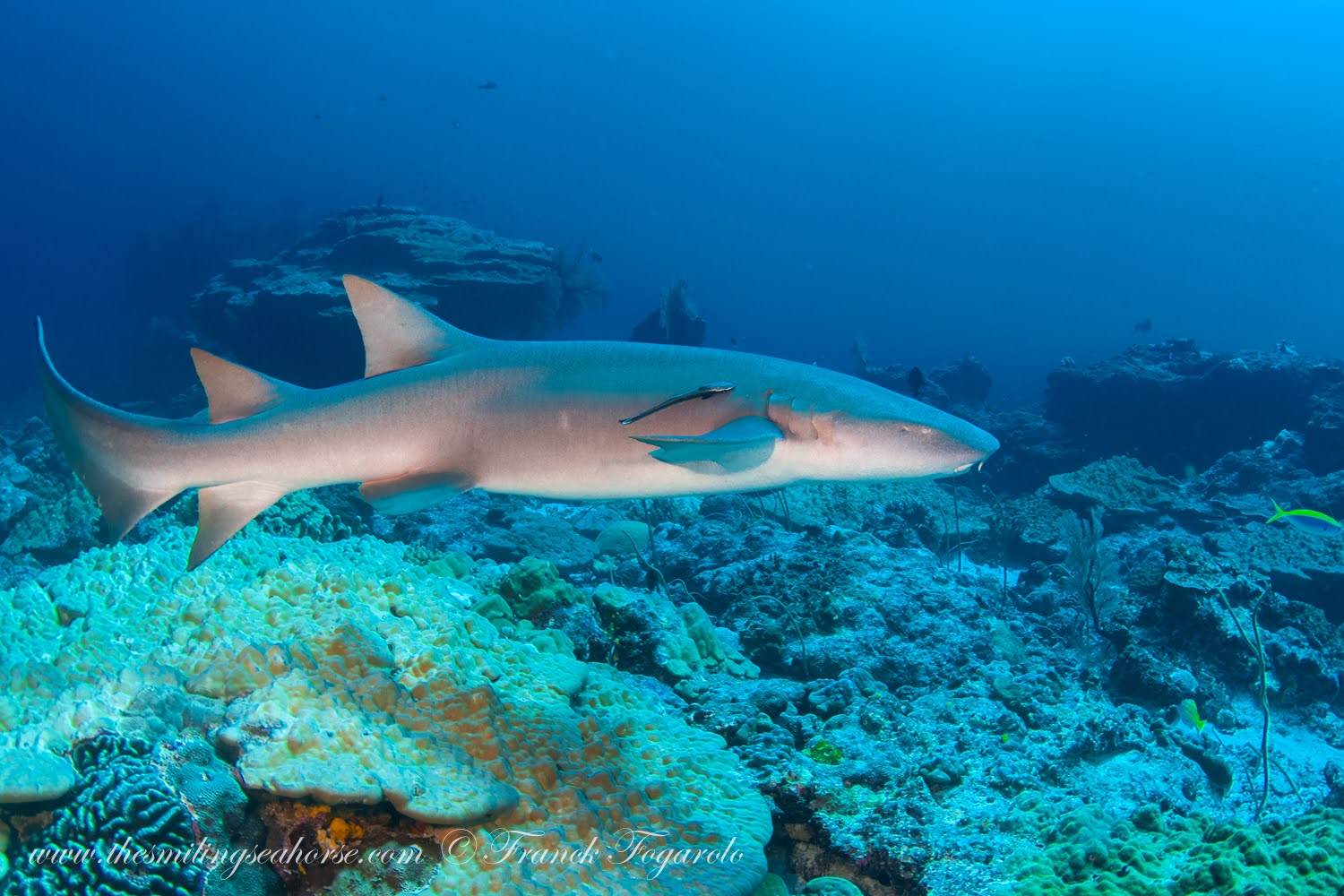
Mergui Archipelago is made out of limestone, giving us plenty of beautiful caves in the area. Shark Cave is home to a group of nurse sharks…
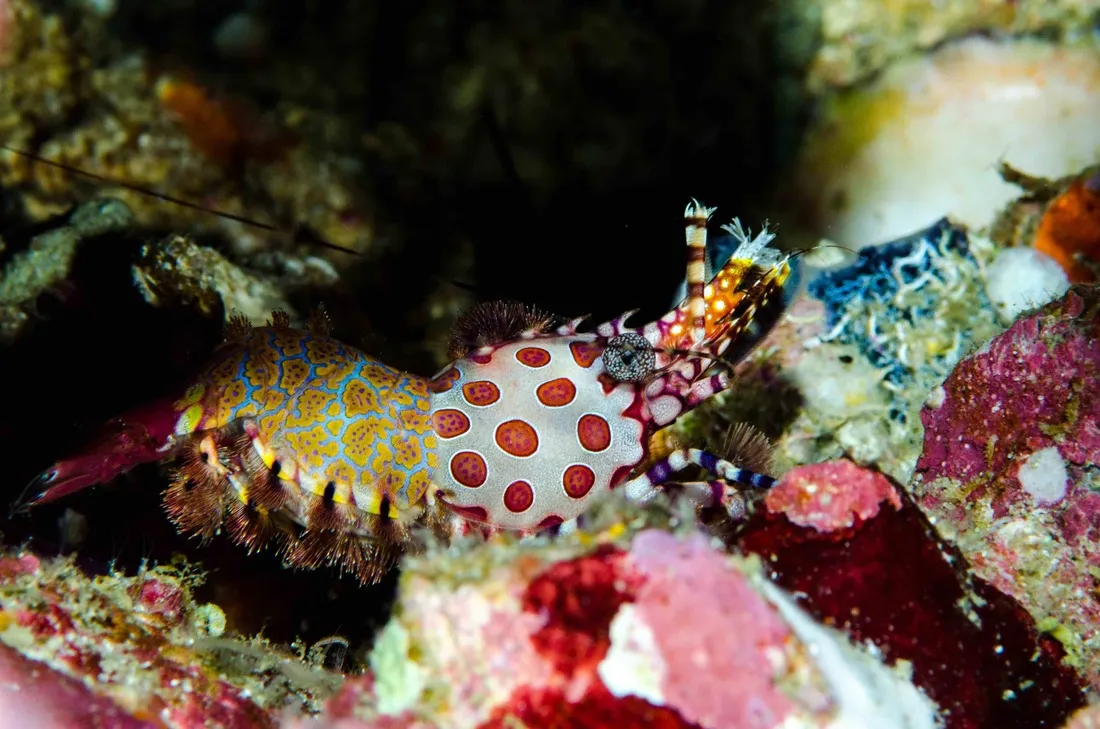
Few live-aboards make it to the northern extreme of the Mergui Archipelago region, but those that do are in for a delight. Tower Rock features breathtaking topography with walls studded with corals and fans providing shelter for spiny lobsters, banded shrimps, oysters and clams, while manta rays and schools of modulas glide silently past the impressive backdrop.
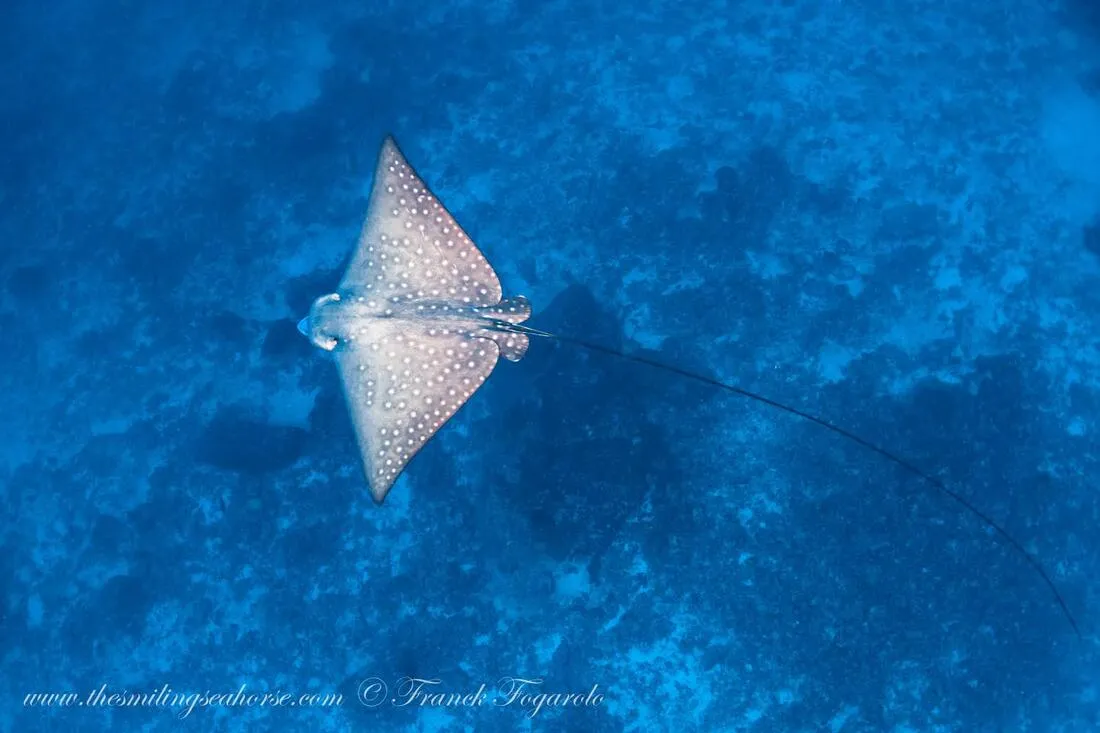
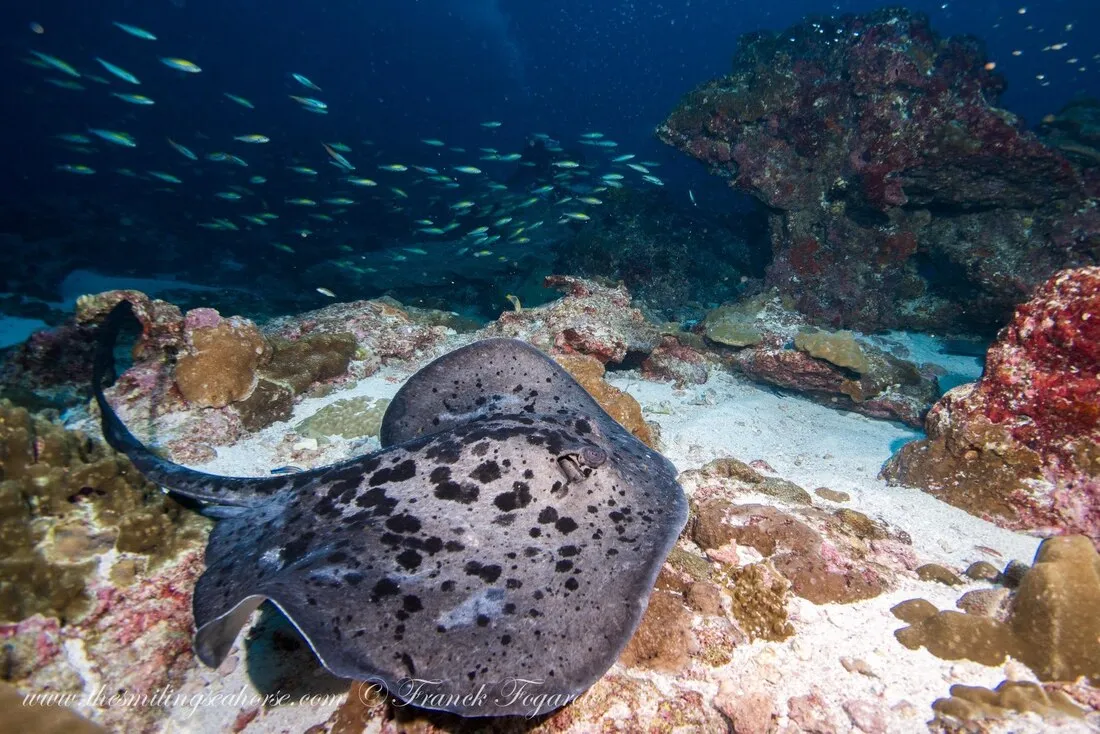
Until the ’90s the Burma banks were only known to some fishermen and boat captains, but their exact location remained undocumented. Pioneering scuba divers at this time couldn’t quell their curiosity and began visiting these sites more regularly. Before then, tourism was not widely practised in Myanmar, but with the surrounding countries becoming more and more trodden by foreign visitors, it became an increasingly popular destination for those seeking an exclusive diving experience.


 Trustindex verifies that the original source of the review is Google.
 Trustindex verifies that the original source of the review is Google.
 Trustindex verifies that the original source of the review is Google.
 Trustindex verifies that the original source of the review is Google.
 Trustindex verifies that the original source of the review is Google.
 Trustindex verifies that the original source of the review is Google.
 Trustindex verifies that the original source of the review is Google.
 Trustindex verifies that the original source of the review is Google.
 Trustindex verifies that the original source of the review is Google.
 Trustindex verifies that the original source of the review is Google.


 Verified
 Verified
 Verified
 Verified
 Verified Verified
 Verified
 Verified Verified
 Verified