
Looking for a break after months of editing? Ready to dive back into adventure? Mergui Archipelago, one of Myanmar’s premier diving destinations, offers unforgettable underwater experiences for divers and underwater photographers alike. Located in Southeast Asia, this hidden gem is home to diverse marine life, from macro critters to majestic pelagics, all waiting to be captured by your lens. Top dive sites like Western Rocky and Black Rock promise a variety of stunning encounters, making the Mergui Archipelago a must-visit for ocean explorers. Plan your next diving getaway and immerse yourself in the marine wonders of Myanmar!
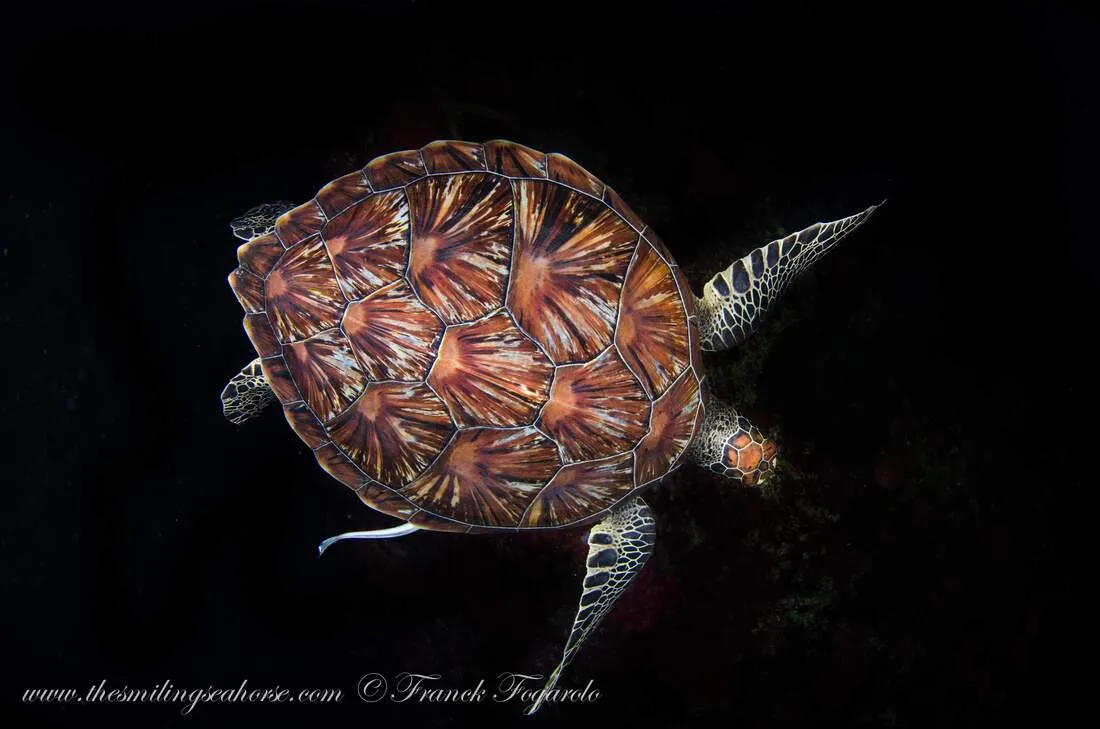
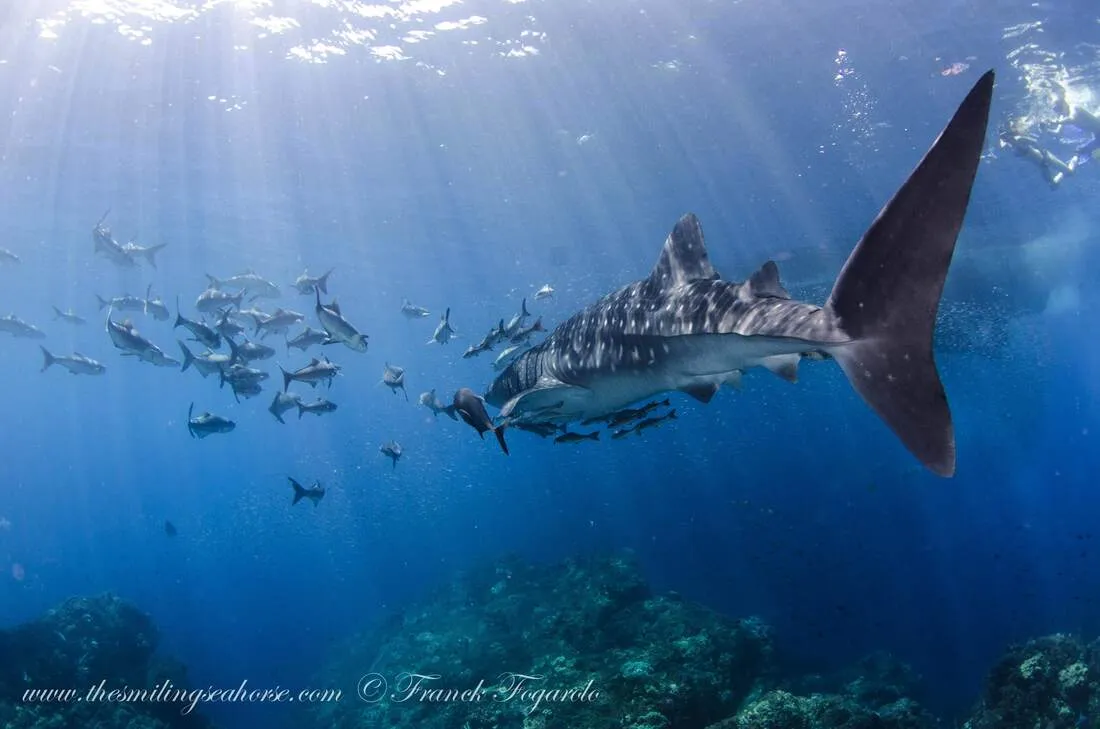
Discover the hidden gem of the Indian Ocean—the Mergui Archipelago. This undiscovered paradise boasts over 800 islands surrounded by pristine reefs and pinnacles teeming with vibrant marine life. With its breathtaking underwater scenery and rich biodiversity, the Mergui Archipelago is a dream destination for divers and underwater photographers alike. What truly sets this area apart is its sense of exclusivity. On our liveaboard dive cruises with The Smiling Seahorse, you’ll rarely encounter other boats, ensuring you enjoy uninterrupted dives without the worry of unwanted photobombers in your shots.
For photographers, the Mergui Archipelago offers unmatched opportunities to capture everything from elusive macro critters to majestic pelagics in crystal-clear waters. To reach these remote dive sites—far from civilization’s grasp—the best way is on a liveaboard dive cruise. Once you’ve decided to embark on this extraordinary adventure, preparing yourself properly is key, especially for those bringing underwater camera gear.
Whether you’re a seasoned diver or a photography enthusiast, we understand the unique needs of underwater photographers. That’s why we’ve compiled this comprehensive guide to help you prepare for your once-in-a-lifetime dive trip to Burma’s best dive sites. From equipment essentials to tips on capturing the beauty of Myanmar’s marine life, this guide has everything you need to ensure a seamless and unforgettable experience.
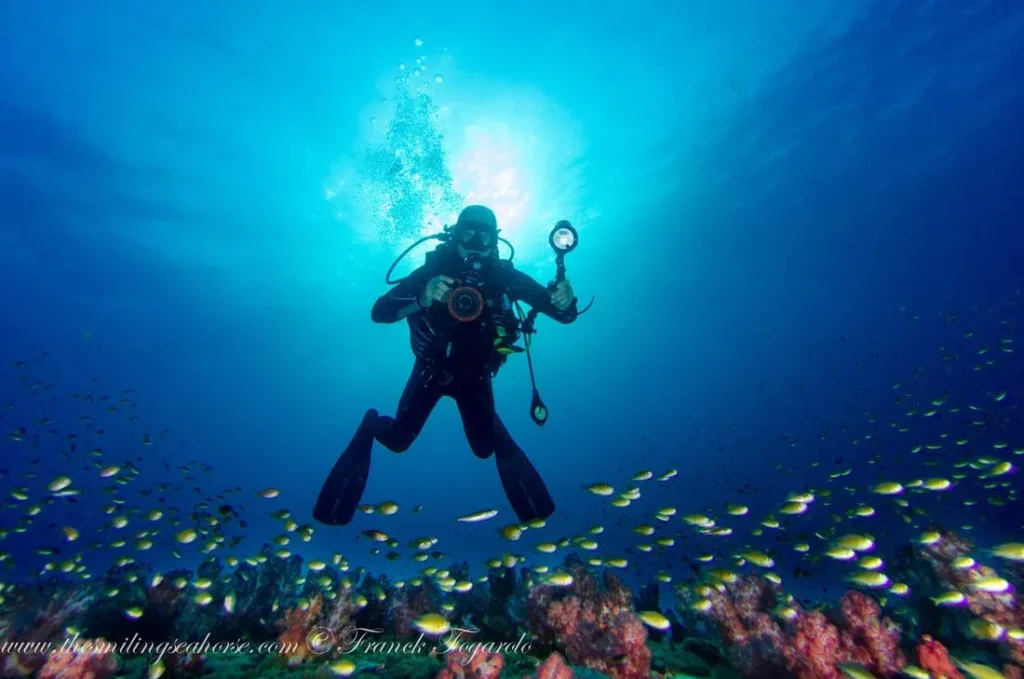
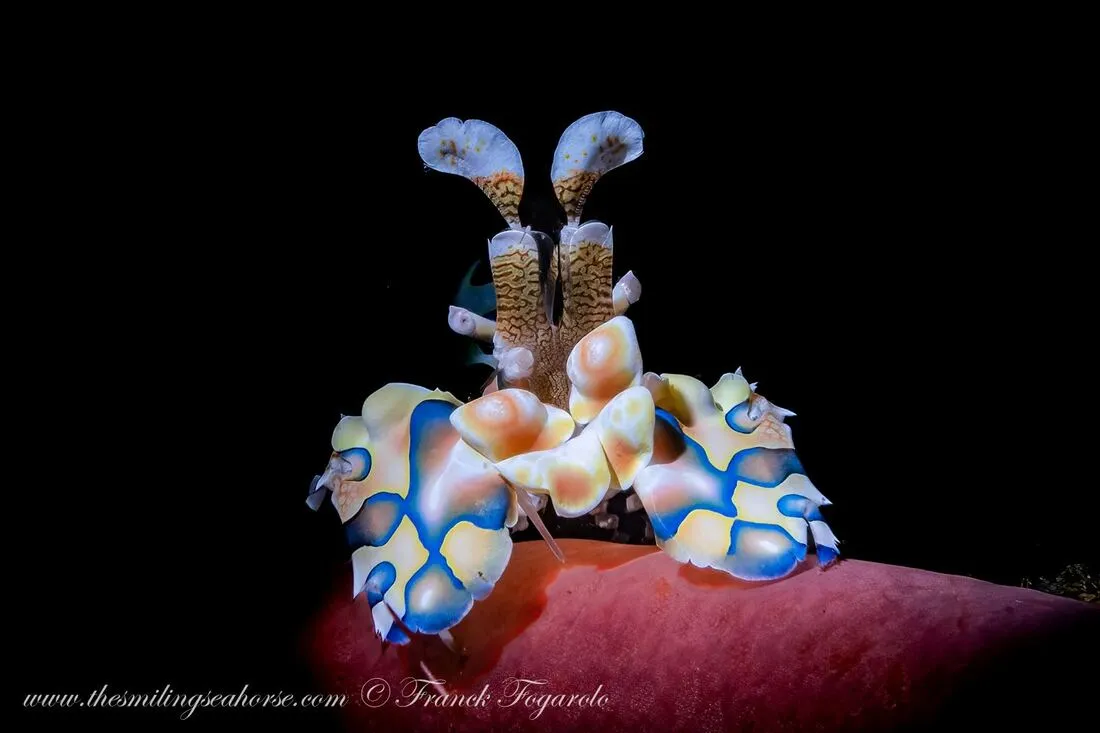
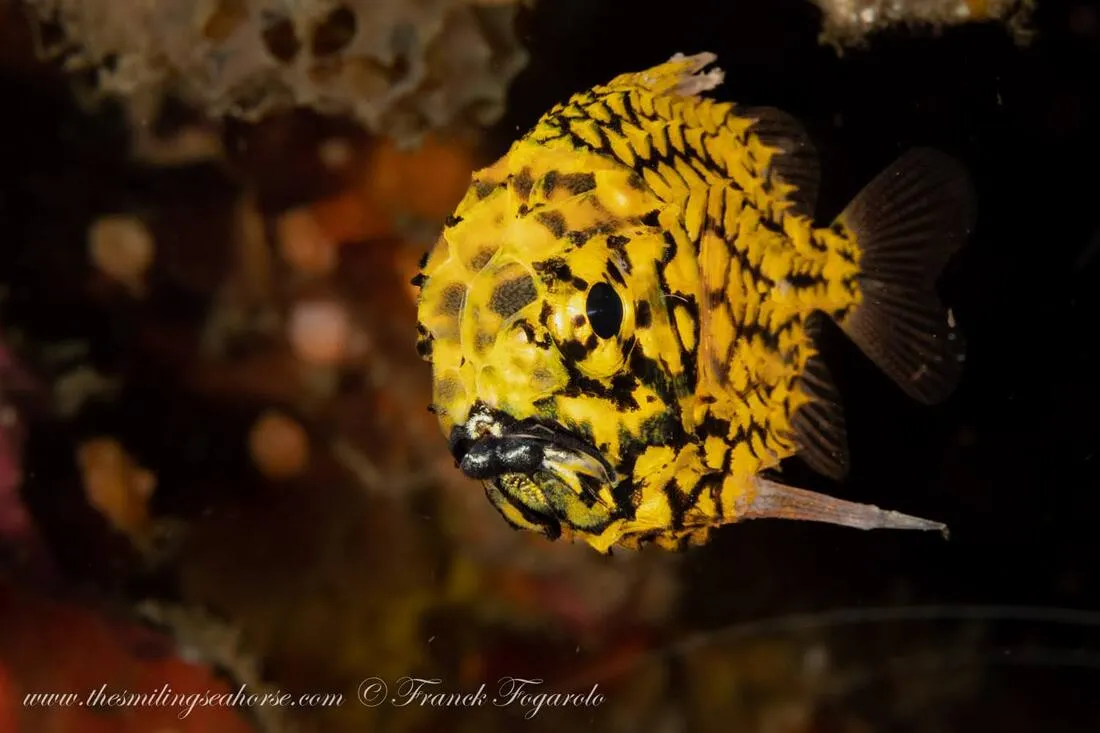
Whether you’re drawn to the challenge of photographing tiny critters or prefer the thrill of hovering in the blue surrounded by schools of fish, the Mergui Archipelago in Burma has everything a diver’s heart could desire. From elusive macro life to breathtaking encounters with larger pelagic species, this remote diving destination offers endless opportunities for underwater photographers and marine life enthusiasts.
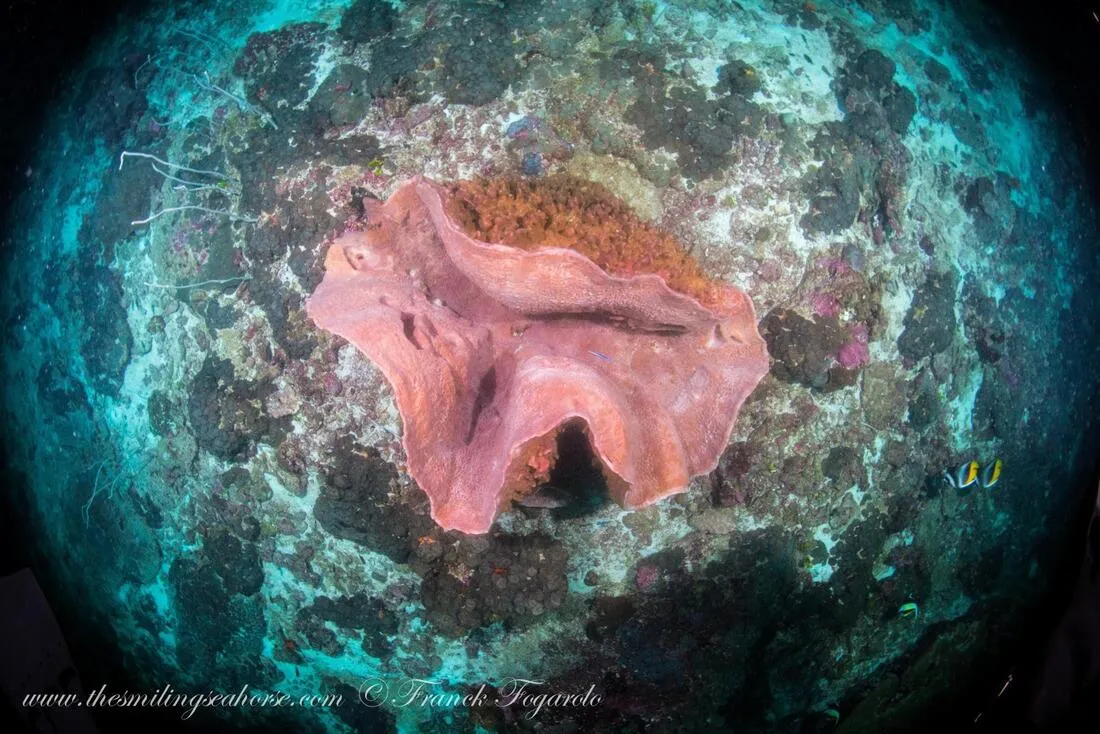
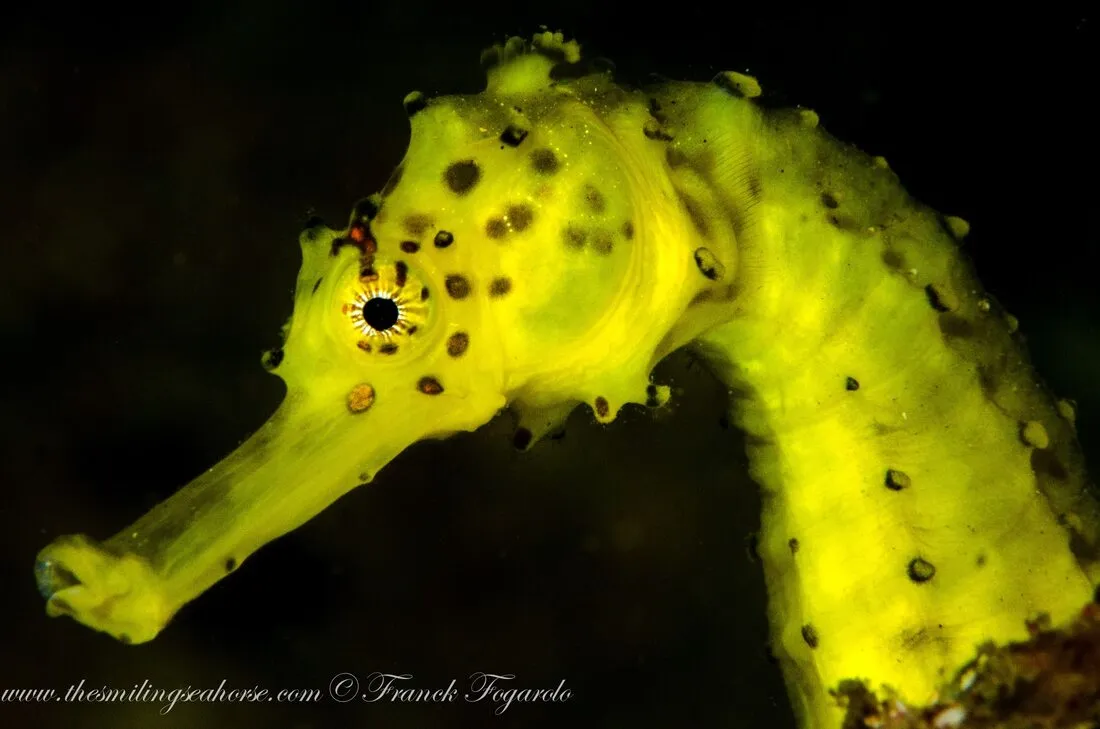
For fans of macro photography, the Mergui Archipelago teems with small marine creatures. You’ll encounter various types of shrimp, crabs, nudibranchs, cowries, flatworms, and sea slugs in every imaginable size, texture, and color. Keep your eyes peeled for seahorses, pipefish, frogfish, and a range of other coral-dwelling animals. Two of the most photogenic species you might spot include the elusive ghost pipefish and the vibrant harlequin shrimp.
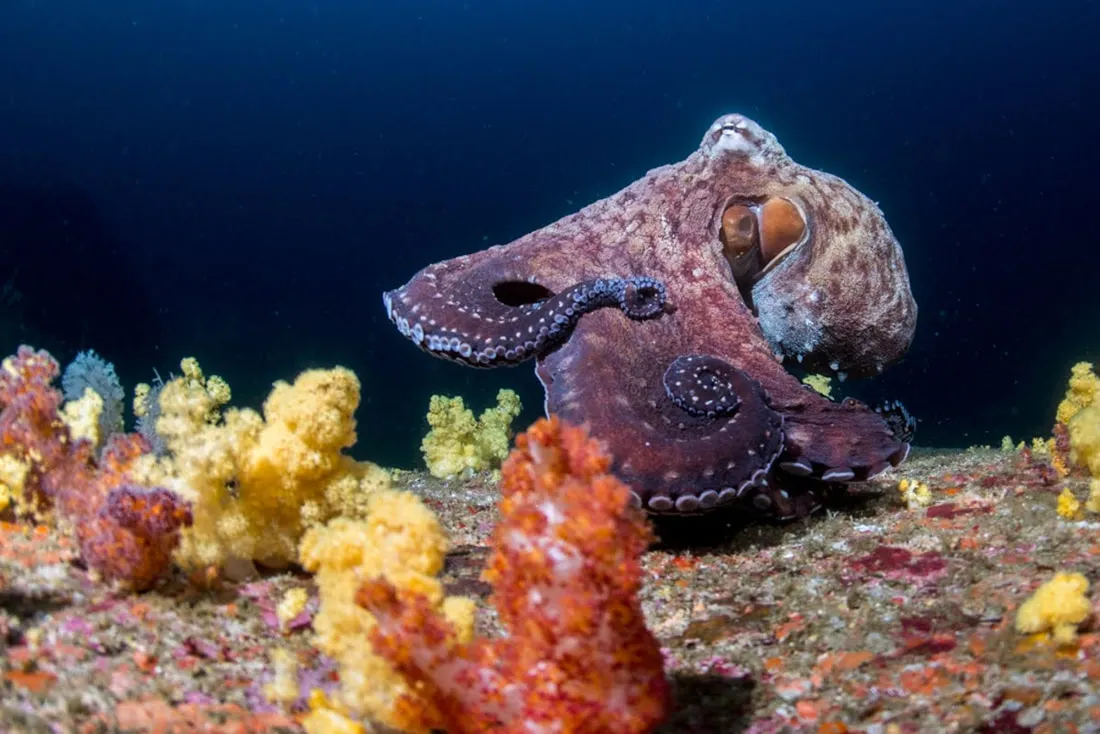
In addition to macro life, the Mergui Archipelago is home to a wide array of fish species. Divers can regularly spot moray eels, scorpionfish, stonefish, and cephalopods such as octopus and cuttlefish. You’ll also be surrounded by schools of predatory fish like barracuda, cobia, and many species of tropical fish.
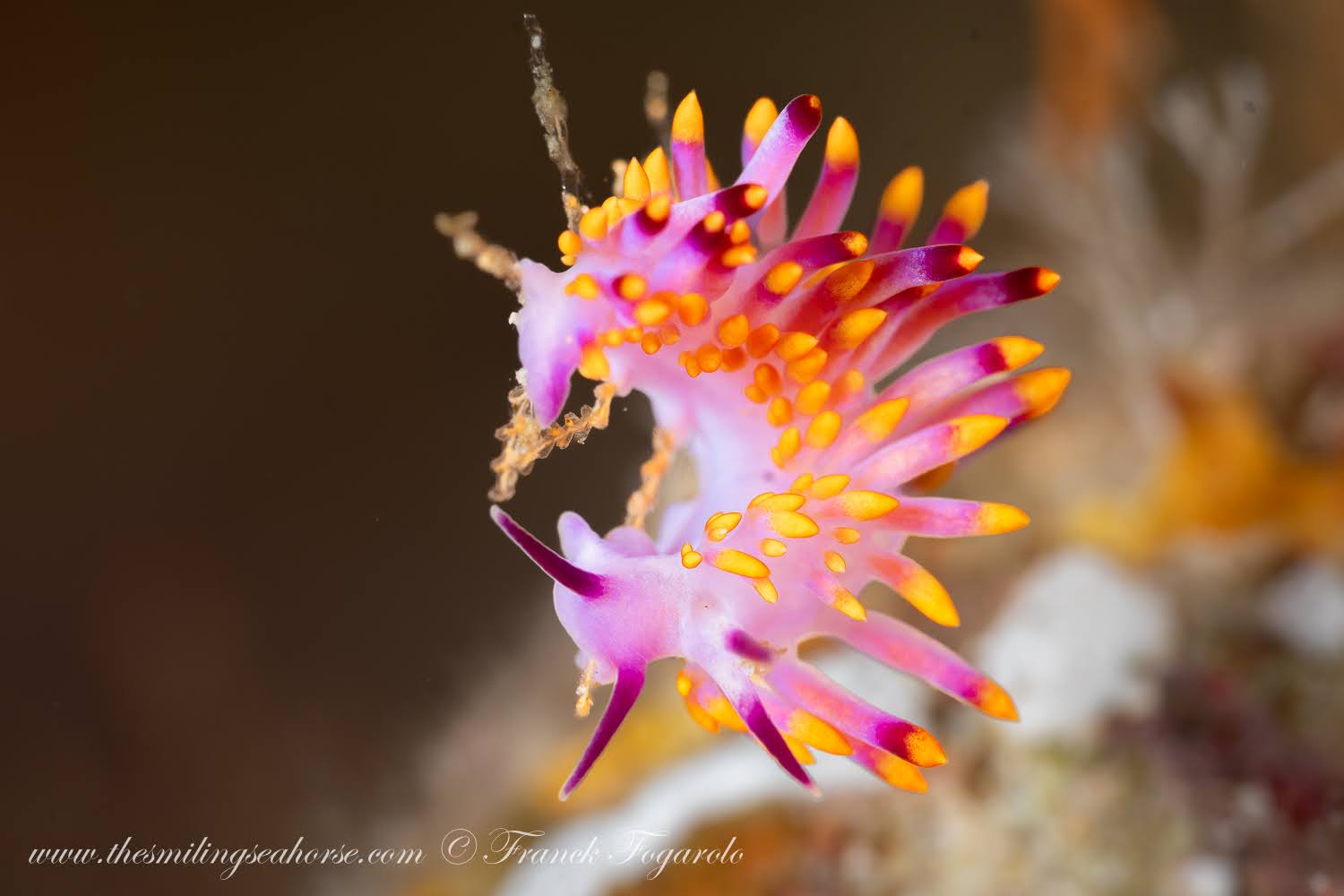
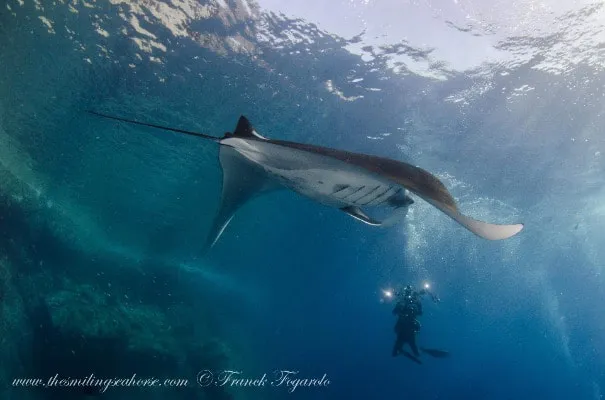
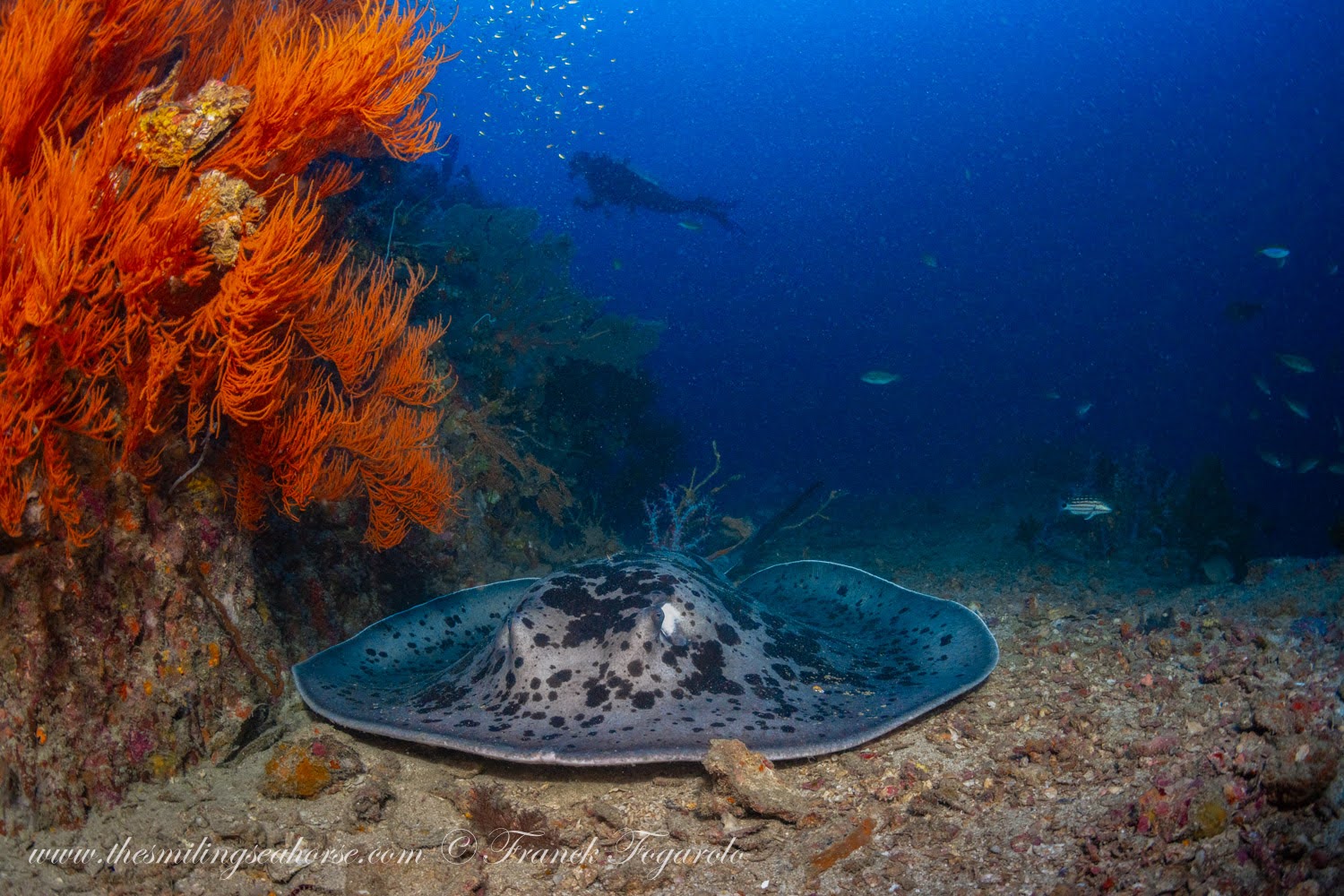
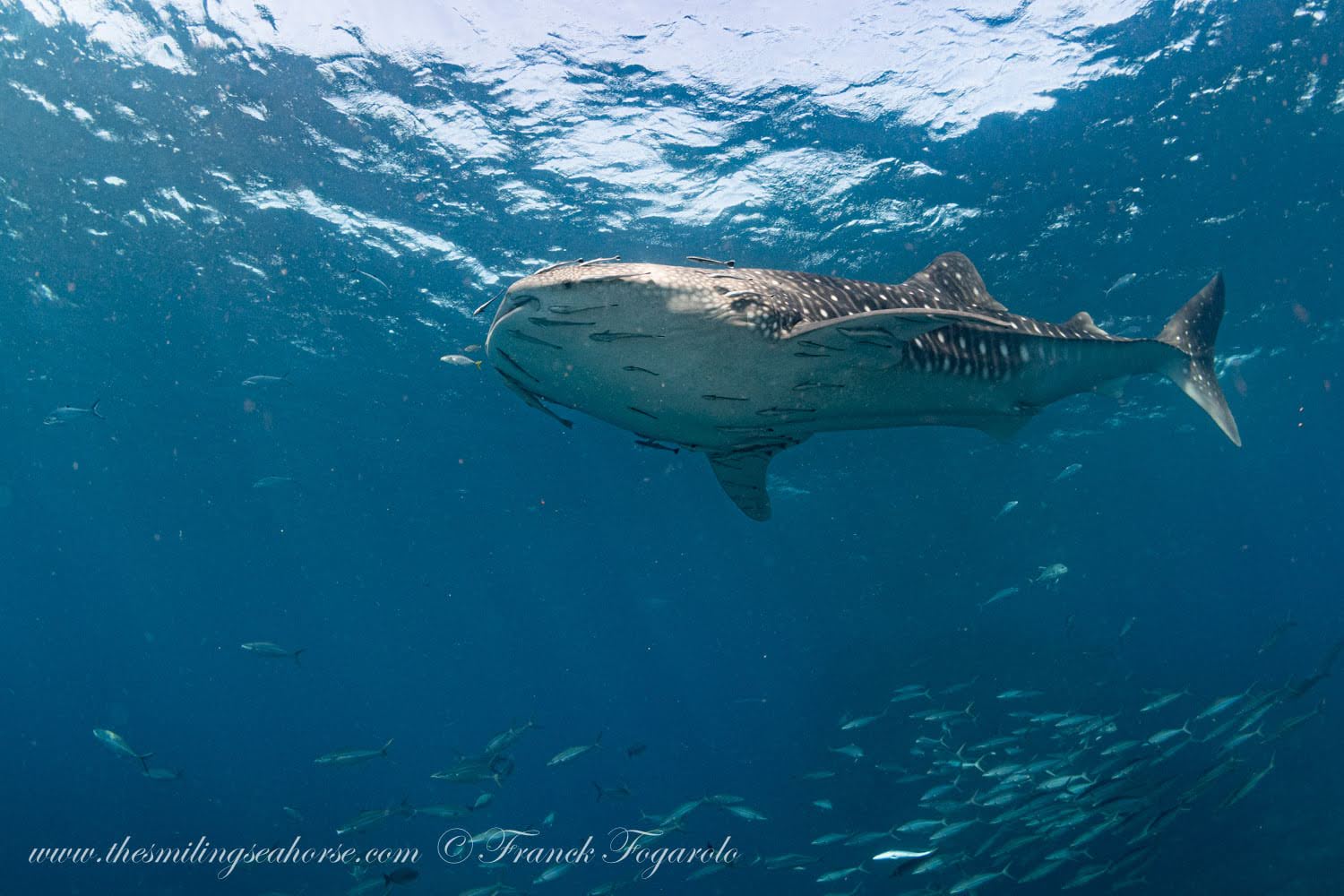
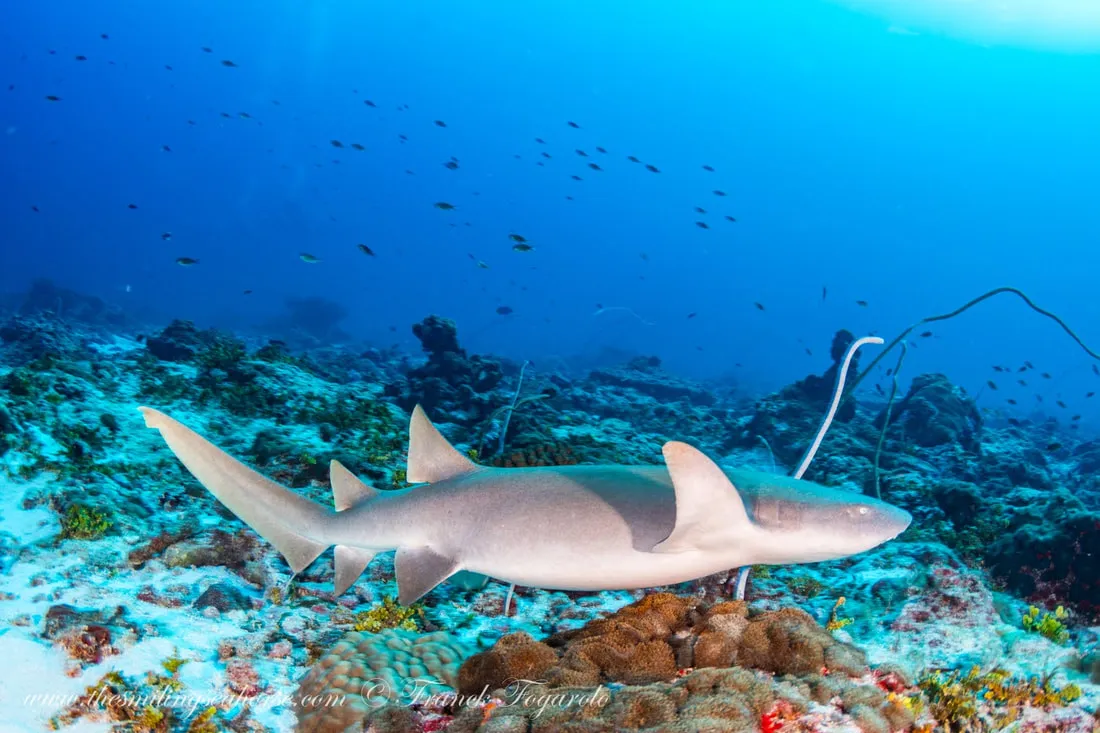
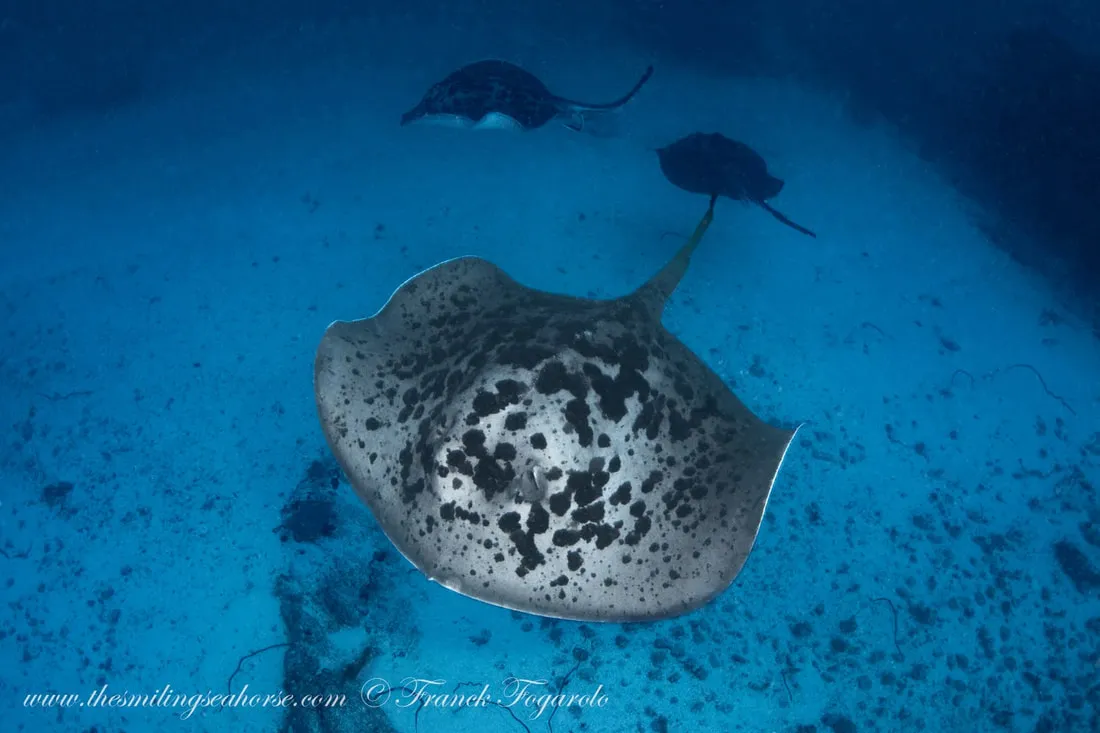
For those seeking larger marine encounters, the Mergui Archipelago also has plenty. Expect to see various types of rays, from the shy marble ray to the majestic manta ray. Sharks are also a highlight, including nurse sharks, reef sharks, and, if you’re lucky, the gentle whale shark.
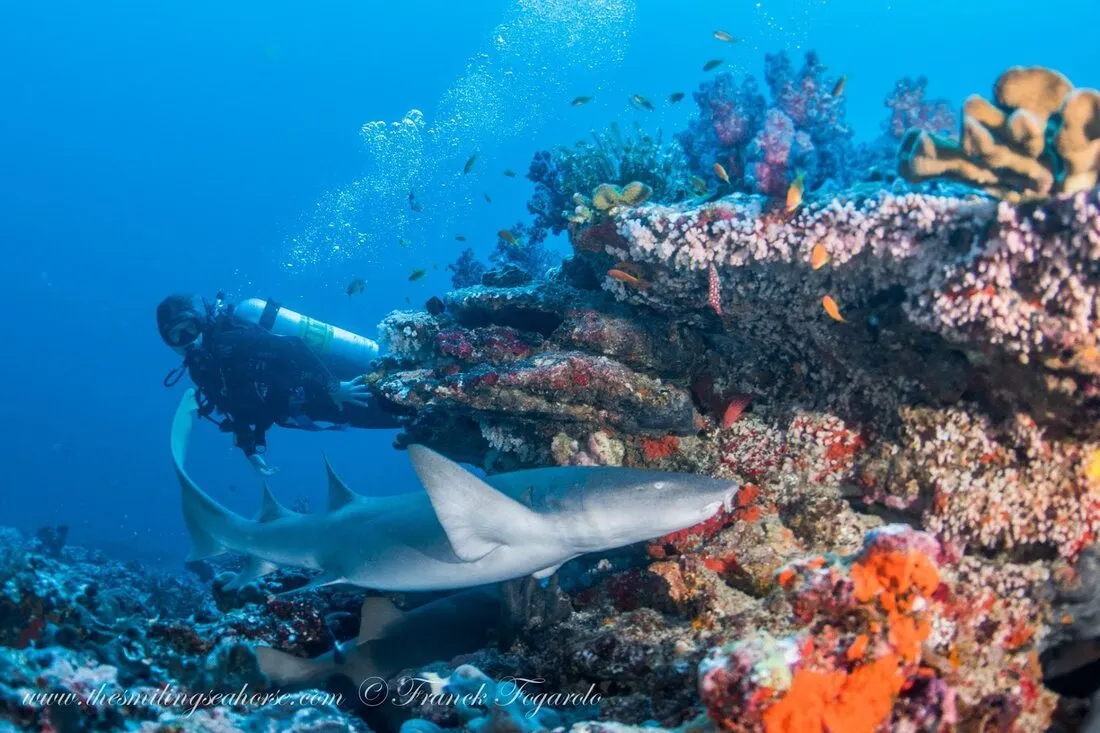
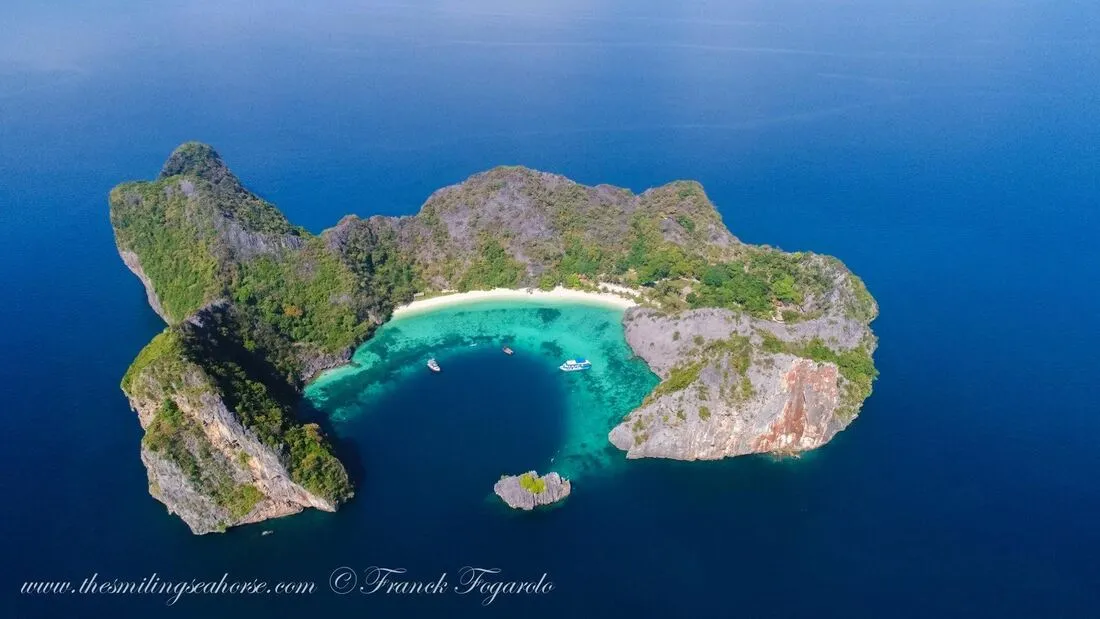
The diving season in Burma’s Mergui Archipelago runs from October to May. Outside of this period, the region is hit by monsoon rains and strong winds, making it too dangerous to navigate the seas. However, during the rest of the year, divers can enjoy calm, clear waters, sunny skies, and a refreshing sea breeze—perfect conditions for underwater exploration.
Water temperatures in the Mergui Archipelago remain consistently comfortable, ranging from 27°C to 30°C. Visibility typically varies from 10 to 40 meters, depending on the dive site and conditions of the day. On days with great visibility, you can capture stunning wide-angle shots, while on lower-visibility days, it’s a great opportunity to focus on macro photography and explore the intricate details of the reefs.
Currents in Burma’s dive sites are something to be aware of, especially at more exposed locations like the Burma Banks. These areas showcase the ocean’s raw power, while other dive spots offer more sheltered environments for a relaxed experience. Fortunately, the Mergui Archipelago doesn’t typically experience up or down currents, and the risk of being swept away is minimal. In the event of strong currents or a pursuit of marine life into the blue, simply deploy your SMB, and the boat will collect you from your surfacing point.
The strength of the currents in the Mergui Archipelago is highly predictable based on the lunar cycle. Full and new moon phases bring stronger currents, while mid-moon cycles offer more relaxed diving conditions. Although stronger currents can be more technical, they often attract larger marine species such as whale sharks and manta rays.
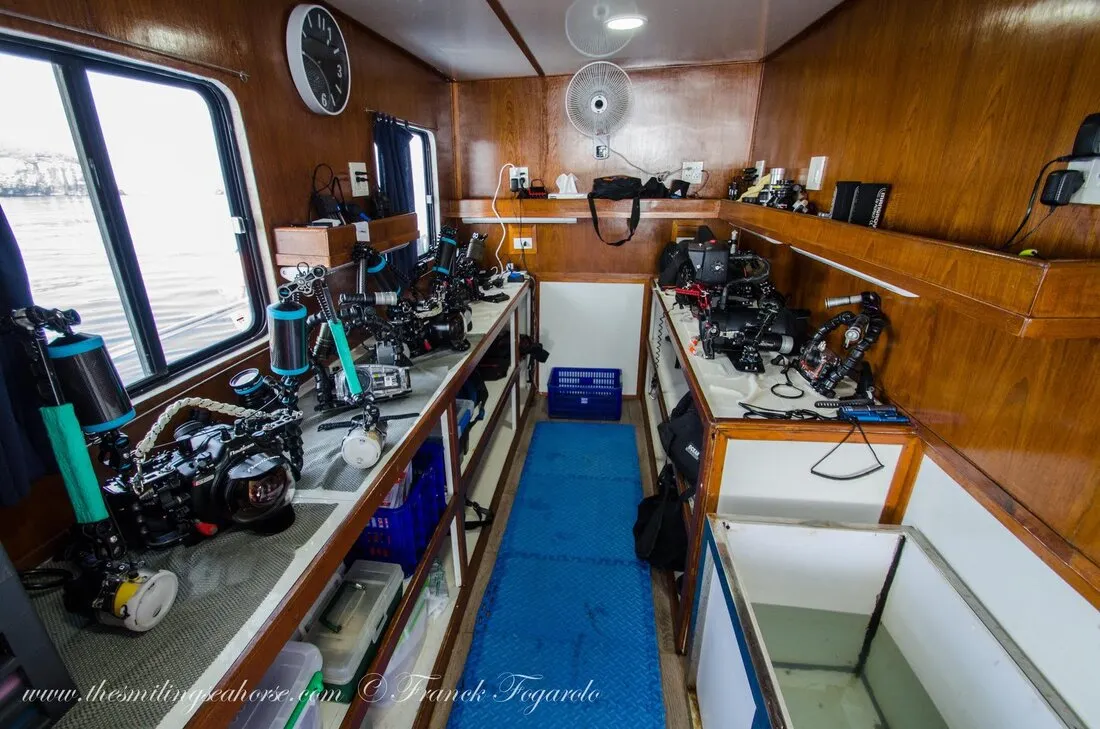
When selecting the best liveaboard for underwater photography, there are many factors to consider, and the MV Smiling Seahorse offers top-tier amenities designed with photographers in mind. With photography-focused features and a space designed by cruise director Franck, a seasoned photographer, the MV Smiling Seahorse ensures you’ll have everything you need to capture stunning images during your dive trip.
One of the highlights of the MV Smiling Seahorse’s dive deck is the custom-designed camera room. This naturally lit workspace provides ample counter space, allowing you to prepare your equipment without bumping elbows with fellow photographers. Above and below the counter, you’ll find plenty of storage space for lenses and other gear not in use during your dives. There’s also a dedicated rinsing tank for electronics, along with multiple power outlets conveniently located throughout the room for charging your cameras and accessories.
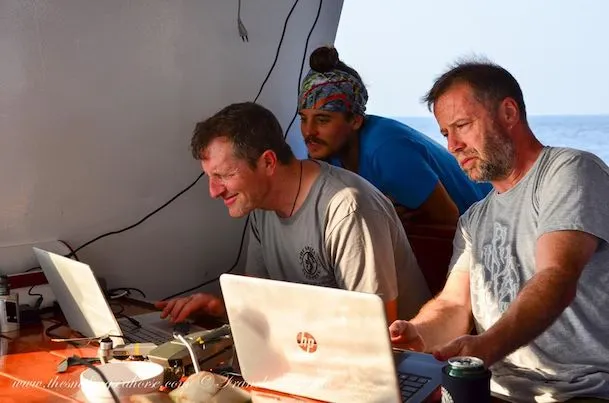
As a unique feature, you’ll have access to expert advice from our onboard team. Franck, our co-owner and cruise director, is a photographer and always available to help with questions about camera settings, lenses, or even tips for getting the best shot at various dive sites.

Planning a dive trip to the Mergui Archipelago means you’ll encounter some of the most pristine and diverse dive sites in the region. Whether you’re aiming to capture wide-angle shots of schools of fish or detailed macro images of tiny marine critters, selecting the right underwater photography gear is essential. However, balancing your need for equipment with ease of travel and luggage restrictions can be tricky. Here’s what you should consider packing for your underwater photography adventure in Burma.
If you’re looking to travel light, a digital compact camera with underwater housing can be an excellent option. Compact cameras fit easily into carry-on luggage and are more manageable to handle during dives with strong currents. Most compact models come with built-in underwater settings and can be paired with wet lenses for versatility. For example, a wet wide-angle lens can be attached to your housing for capturing large marine animals or schools of fish, making this setup both portable and adaptable.
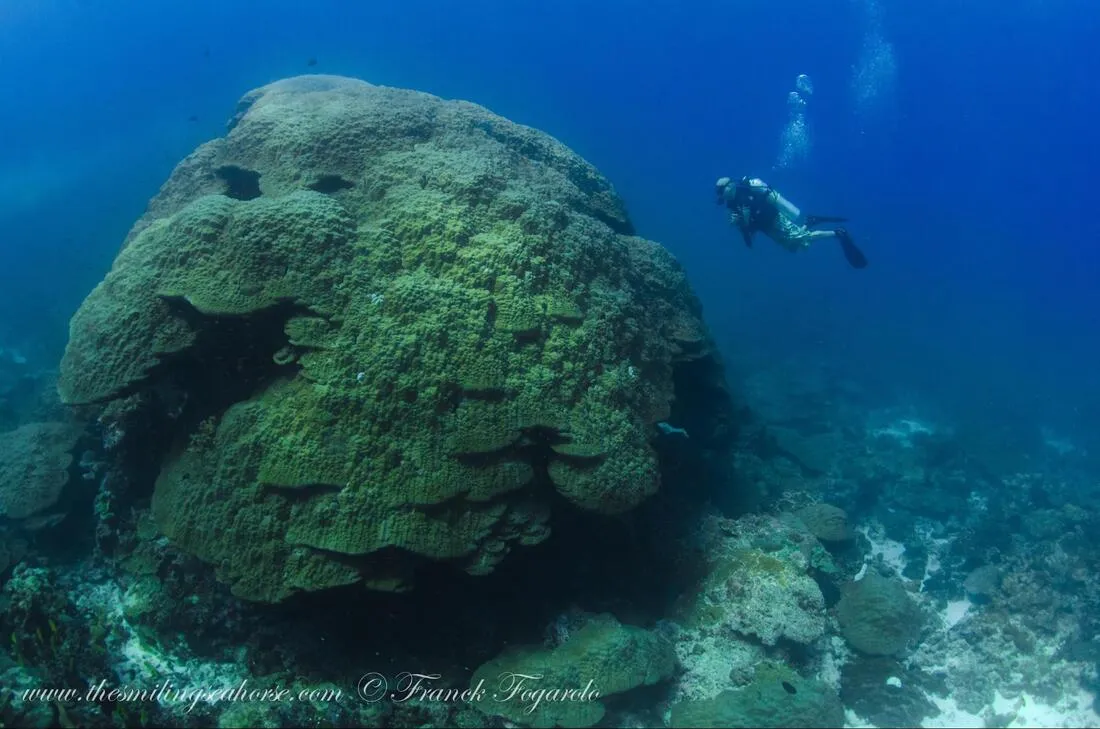
For professional underwater photographers, the ideal gear setup includes a DSLR or mirrorless camera with a variety of lenses. Consider bringing both a 60mm or 105mm macro lens for detailed close-ups and a 10-17mm or 10.5mm wide-angle lens for expansive shots of larger subjects. Having both options allows you to switch based on the dive site and conditions, ensuring you’re prepared for underwater photography no matter what marine life appears.
Regardless of whether you’re using a compact camera, GoPro, or professional DSLR, lighting is key to capturing vibrant underwater images. Strobes are essential for enhancing the colors of your shots, while a focus light can improve visibility in low-light conditions or during night dives. For photographers aiming for macro shots, a wet diopter offers the convenience of toggling between macro and super-macro photography, helping you capture the tiniest creatures with clarity.
If versatility is a priority, consider packing a 1.4 teleconverter to pair with your wide-angle lens. This accessory extends the range of your lens, enabling you to photograph everything from small nudibranchs to large pelagics like manta rays.
Other important gear Although not specific to photography, reef hooks can be invaluable when diving in areas with strong currents, such as some of the more exposed sites in Burma. A reef hook allows you to securely position yourself while lining up the perfect shot, without damaging the reef. Remember to use reef hooks responsibly and tuck them away when not in use to avoid any risk of entanglement.
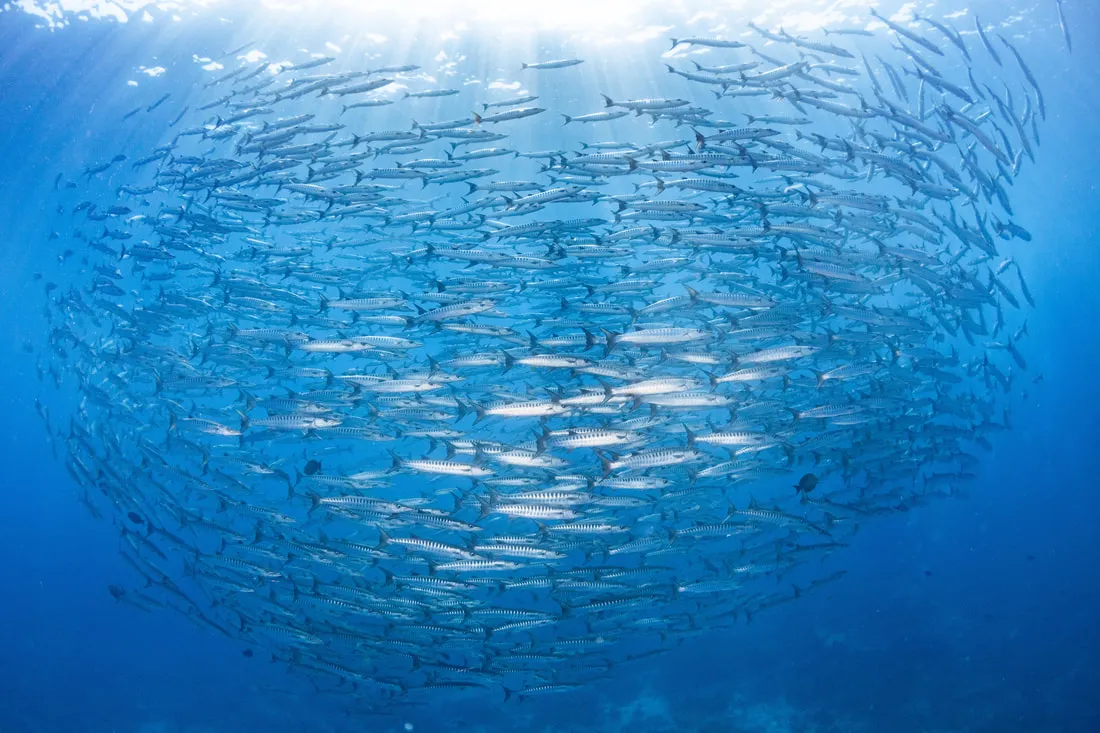
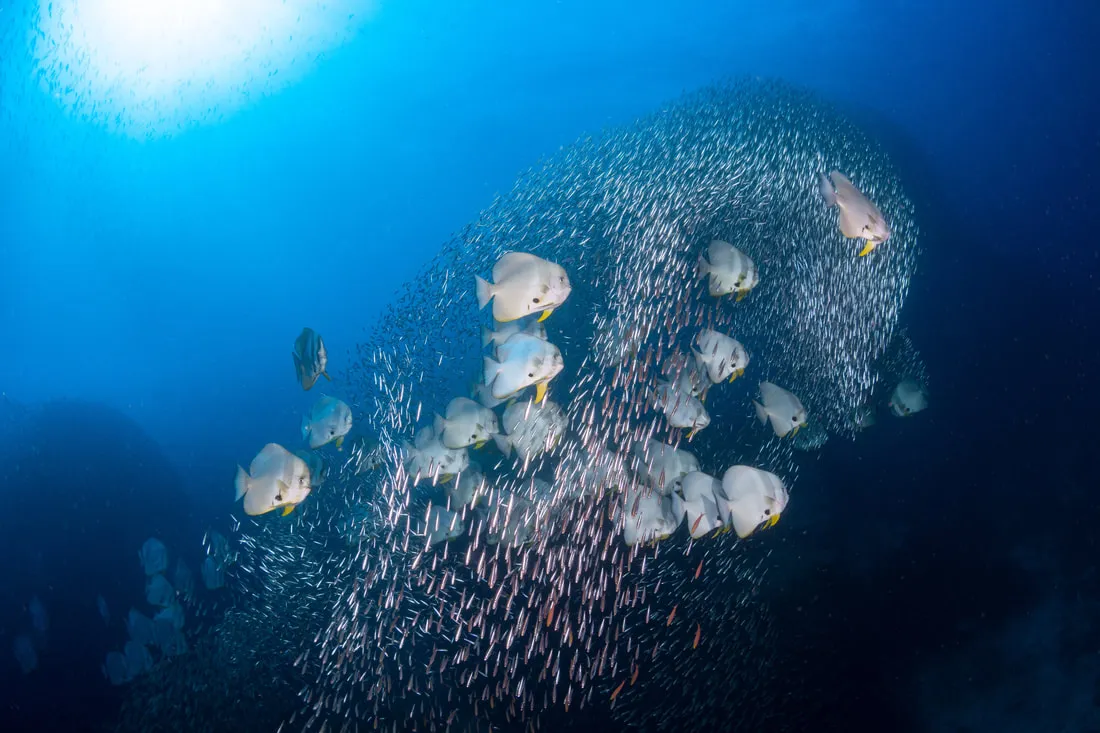
When diving in the Mergui Archipelago or other stunning dive locations, mastering wide-angle photography is key to capturing breathtaking shots of manta rays, whale sharks, and expansive marine life scenes. Here are essential tips to help you perfect your wide-angle shots and never miss that magical moment.
While you can often expect to encounter mantas, whale sharks, or eagle rays during your dives, you can never predict the exact moment they will appear. The best way to avoid missing the shot of a lifetime is to remain vigilant and keep your camera ready at all times. If you’re prepared, you’ll be able to snap that perfect image when a manta ray suddenly glides into view.
Preparation is everything. Before jumping into the water, ensure your camera settings are optimized for the lens you’re using. Whether it’s a wide-angle lens or a fisheye lens (such as the 10.5mm), having your camera pre-set can be the difference between capturing a majestic eagle ray on film or missing the opportunity entirely.
Once in the water, quickly test your camera settings and lighting. Adjust them as needed to match the conditions of the dive site. For wide-angle underwater shots, my go-to settings with a 10.5mm lens are typically ISO 200, F8, and 1/200 shutter speed. However, remember that conditions can change, so be prepared to adjust throughout the dive.
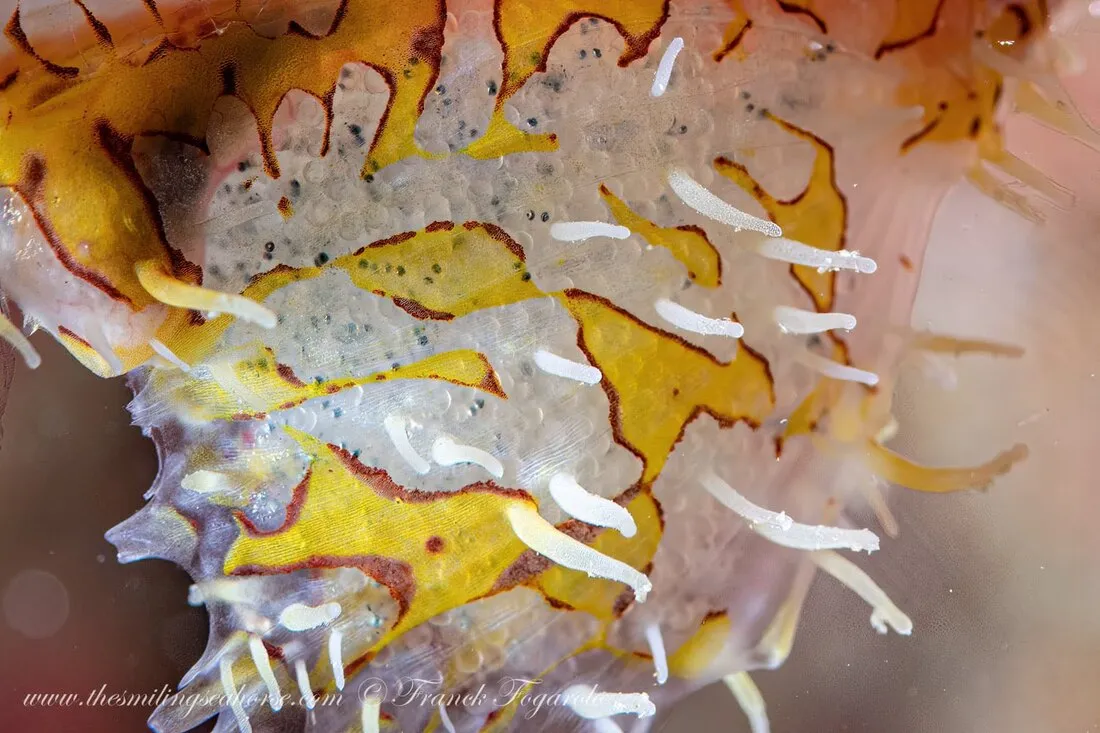
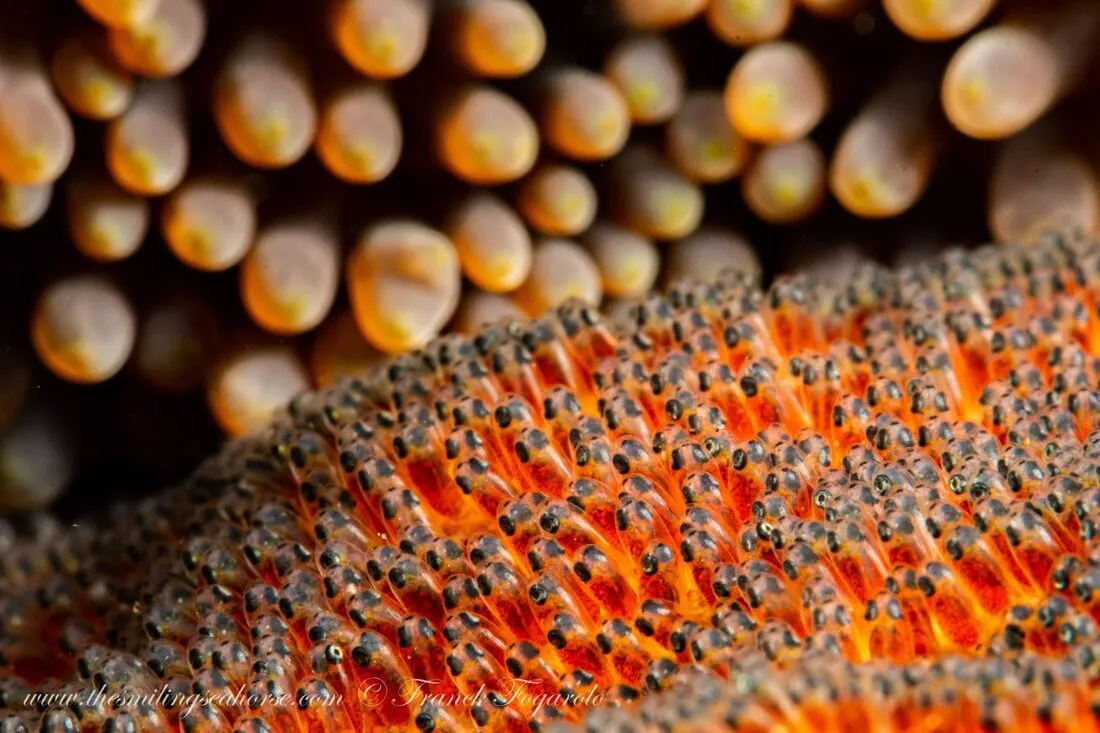
Capturing the intricate details of small marine creatures requires patience and precision. Whether you’re diving in the Mergui Archipelago or another stunning location, these essential macro underwater photography tips will help you enhance your skills and capture the beauty of tiny critters.
When you or your dive guide spot a small critter, remember the mantra: Stop, Breathe, Think, Act. This approach is crucial for successful macro photography. Give your subject some space to avoid startling it. Before snapping the shot, take a moment to consider the following:
Once you’ve assessed these factors, approach slowly while keeping your subject in the viewfinder. This technique will help you capture the finest details and textures of the creature without causing it to flee.
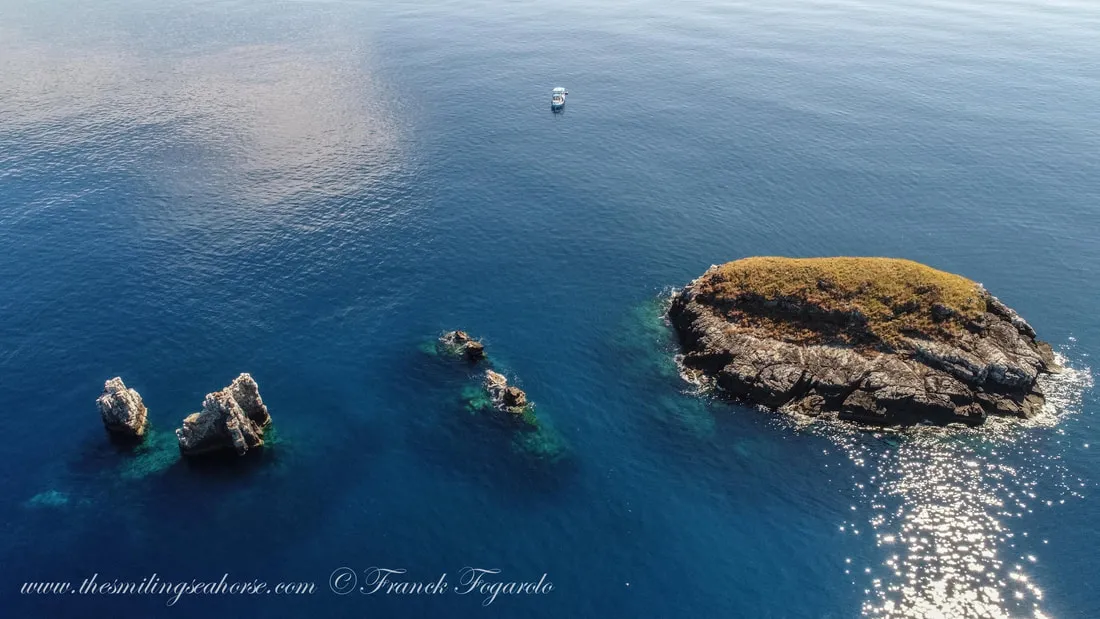
Type of dive: Wall dive, cave dive, coral garden
Depth: 5 meters / Maximum 35 meters
Visibility: 15 – 25 meters
Difficulty: Intermediate
Currents: Moderate to strong
Marine life: ★★★
Lens recommendation: Wide-angle (day) and macro (night)
Overall note: ★★★★★
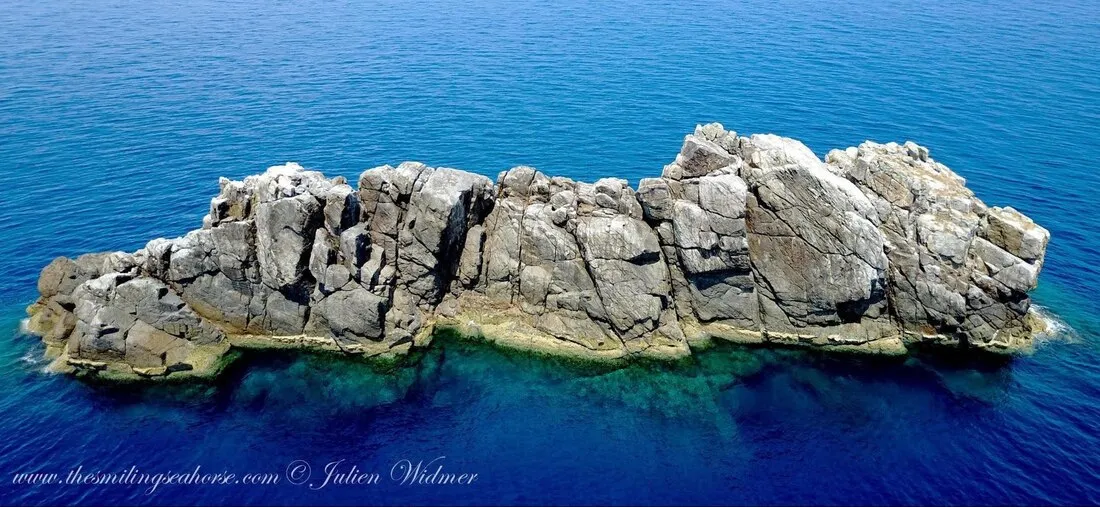
One of our go-to favorite sites is Western Rocky in the southwest. This destination is huge and offers the opportunity to have multiple unique dives in the range of 20-40m on one site. We are particularly fond of the star feature of this site: a wide tunnel that sits at 20 m depth and passes through the 50 m of the main island.
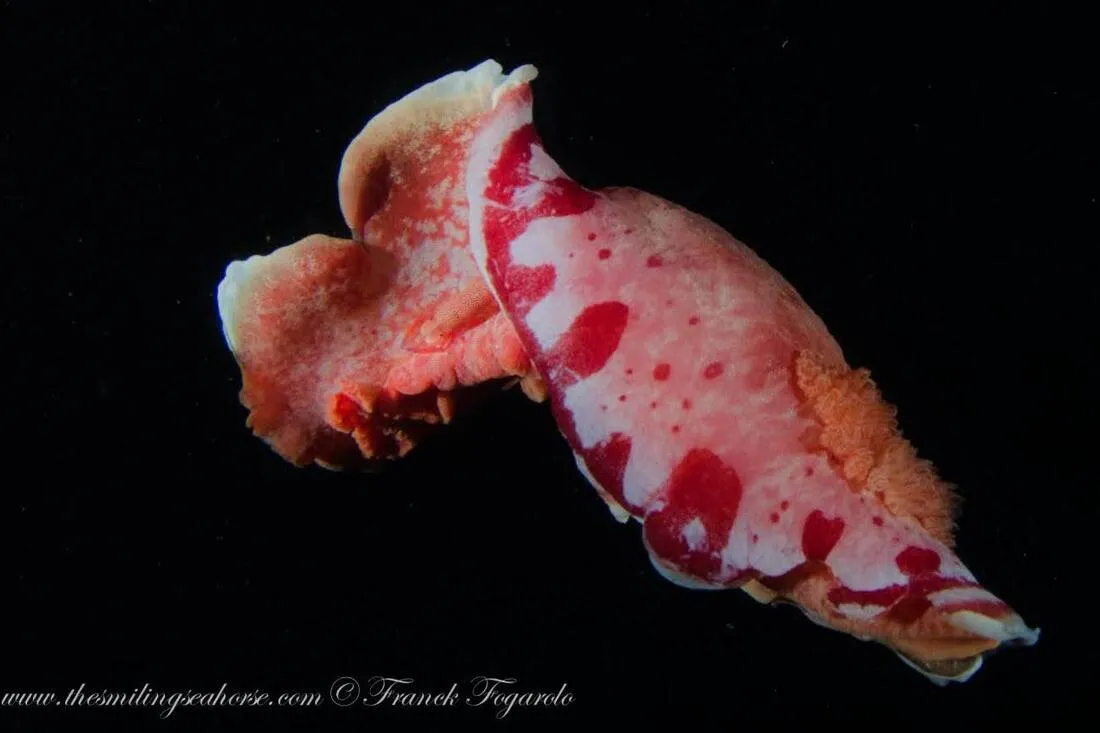
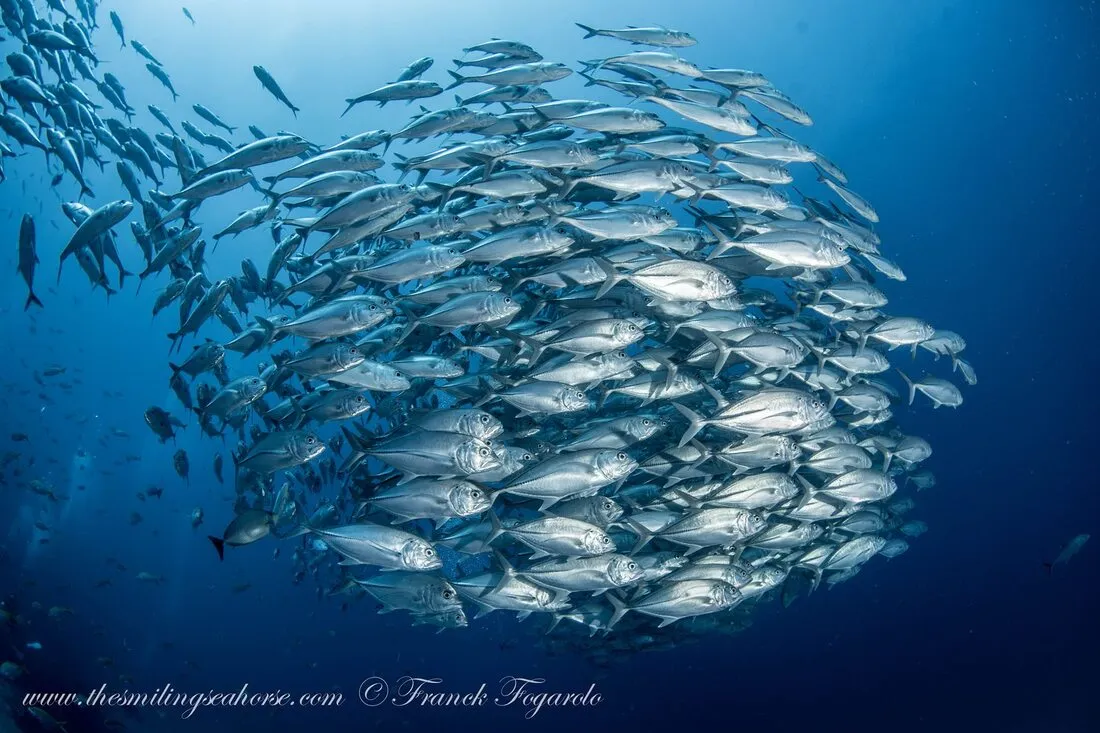
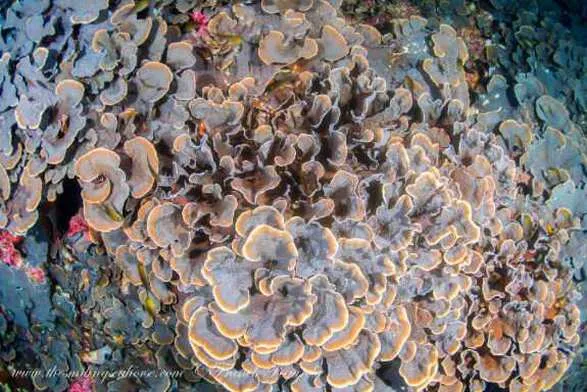
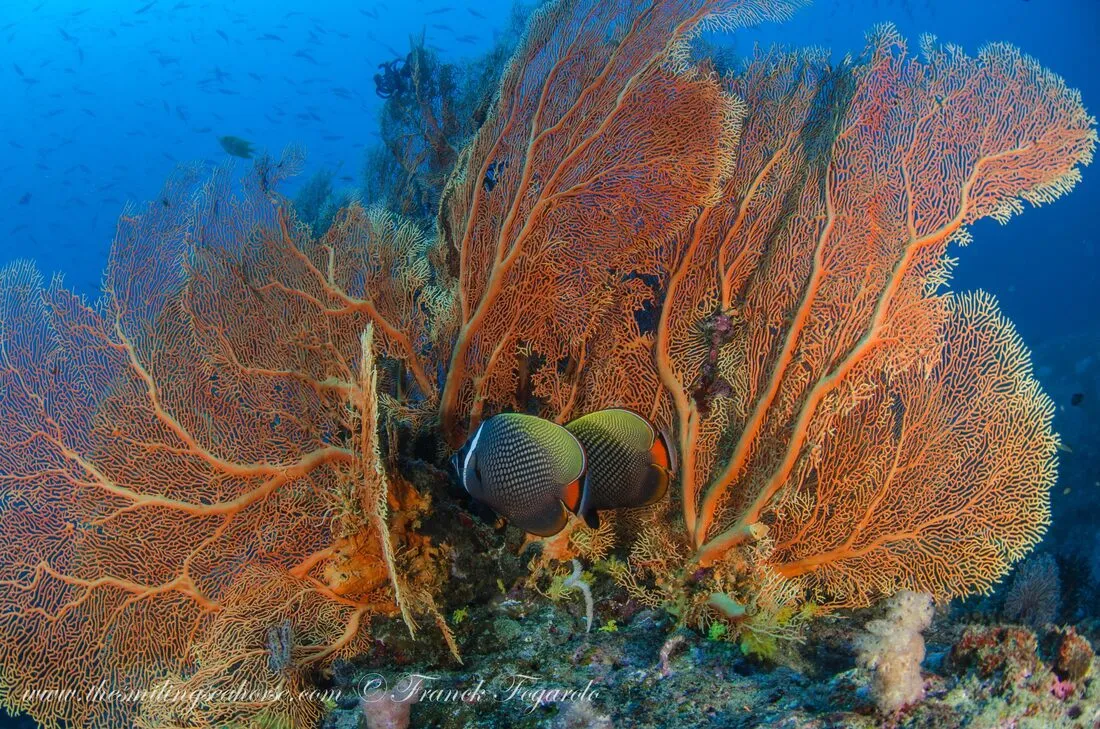
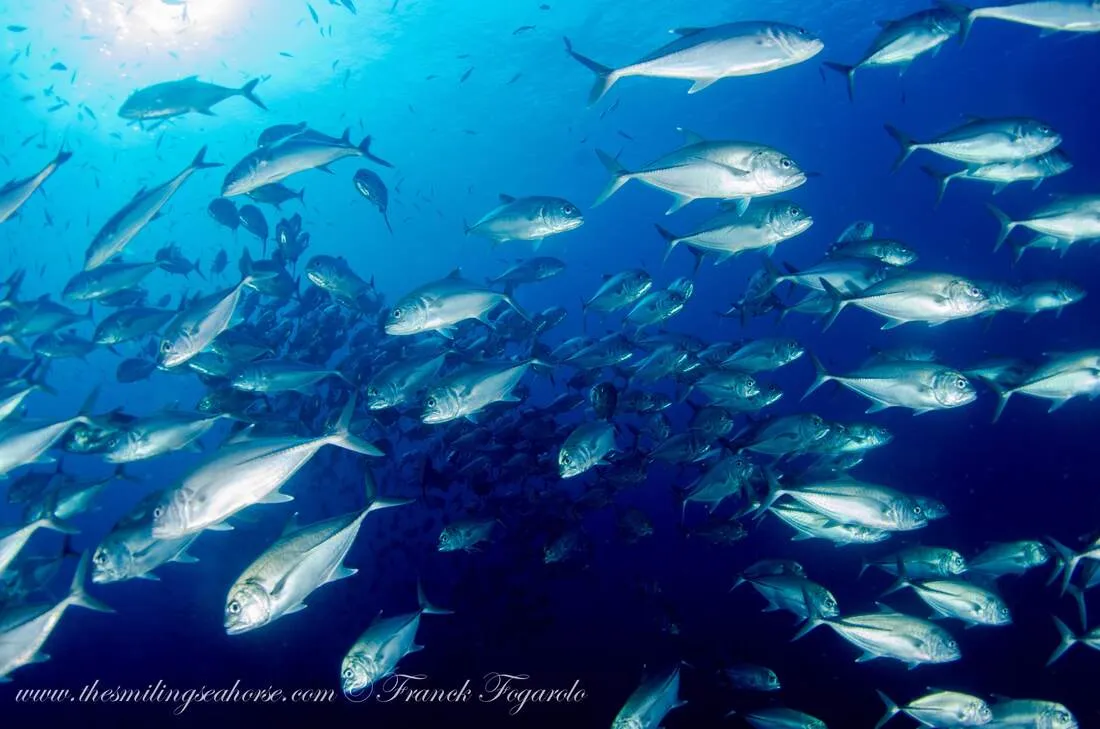
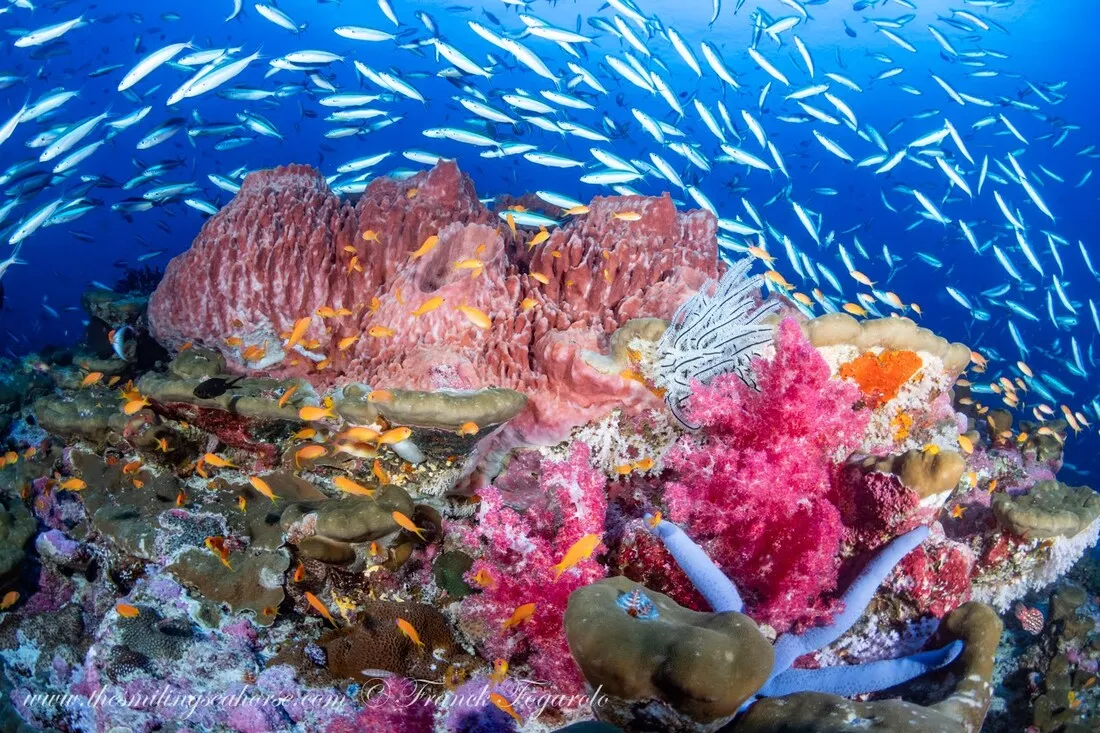
Here we regularly see a few resident eagle rays, as well as schools of emperor fish, barracuda, jack, and sometimes even cobia, wahoo, and whale sharks. This extremely biodiverse reef is dense with soft coral and sea fans, which provides perfect hiding spots for frogfish, seahorses, ghost pipefish, nudibranchs, Spanish dancers, harlequin shrimp, turtles, octopus, etc…
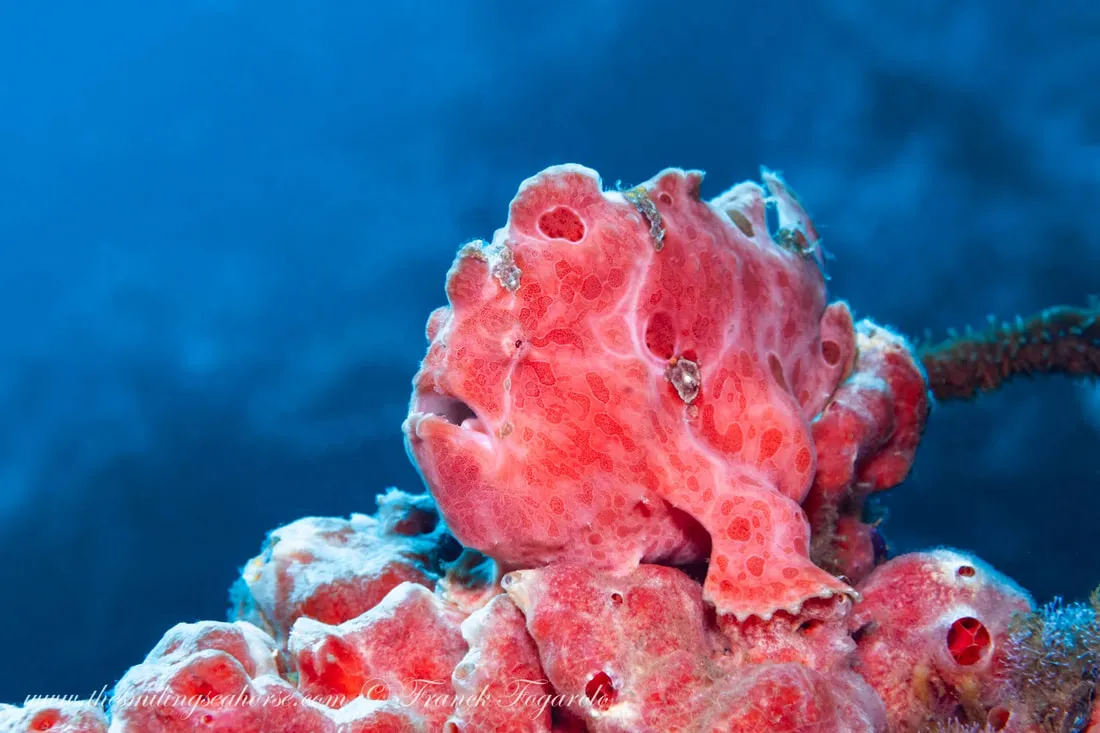
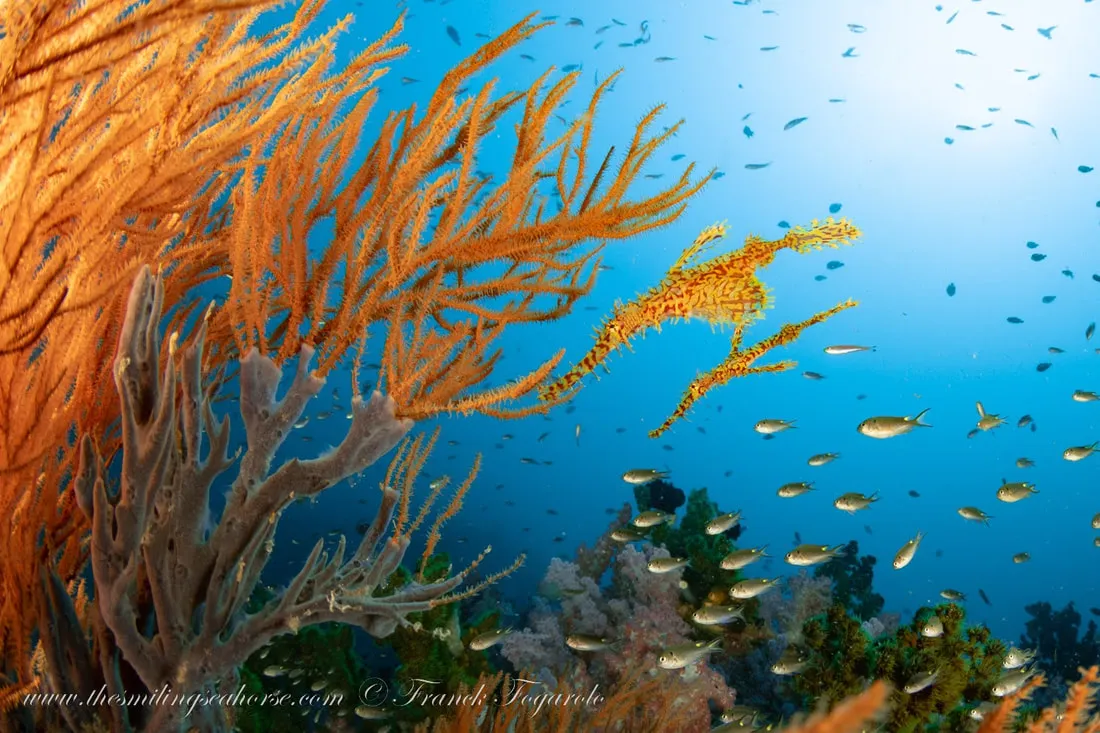
Western Rocky is a photographer’s playground and can offer opportunities for amazing shots with any kind of lens.
We recommend using your wide-angle lens during the day to capture the topography and breathtaking displays in the blue and a macro lens during your night dive to best shoot turtles and Spanish dancers.
Type of dive: Wall dive, cave dive, coral garden
Depth: 5 meters / Maximum 35 meters
Visibility: 15 – 30 meters
Difficulty: Intermediate / Advanced
Currents: Moderate to strong
Marine life: ★★★ for Mantas
Lens recommendation: Any lens for any dive
Overall note: ★★★★★
Type of dive: Wall dive, cave dive, coral garden
Depth: 5 meters / 40 meters
Visibility: 10 – 30 meters
Difficulty: Intermediate / Advanced
Currents: Moderate to strong
Marine life: ★★★ for schools of fish
Lens recommendation: Any lens for any dive
Overall note: ★★★★★
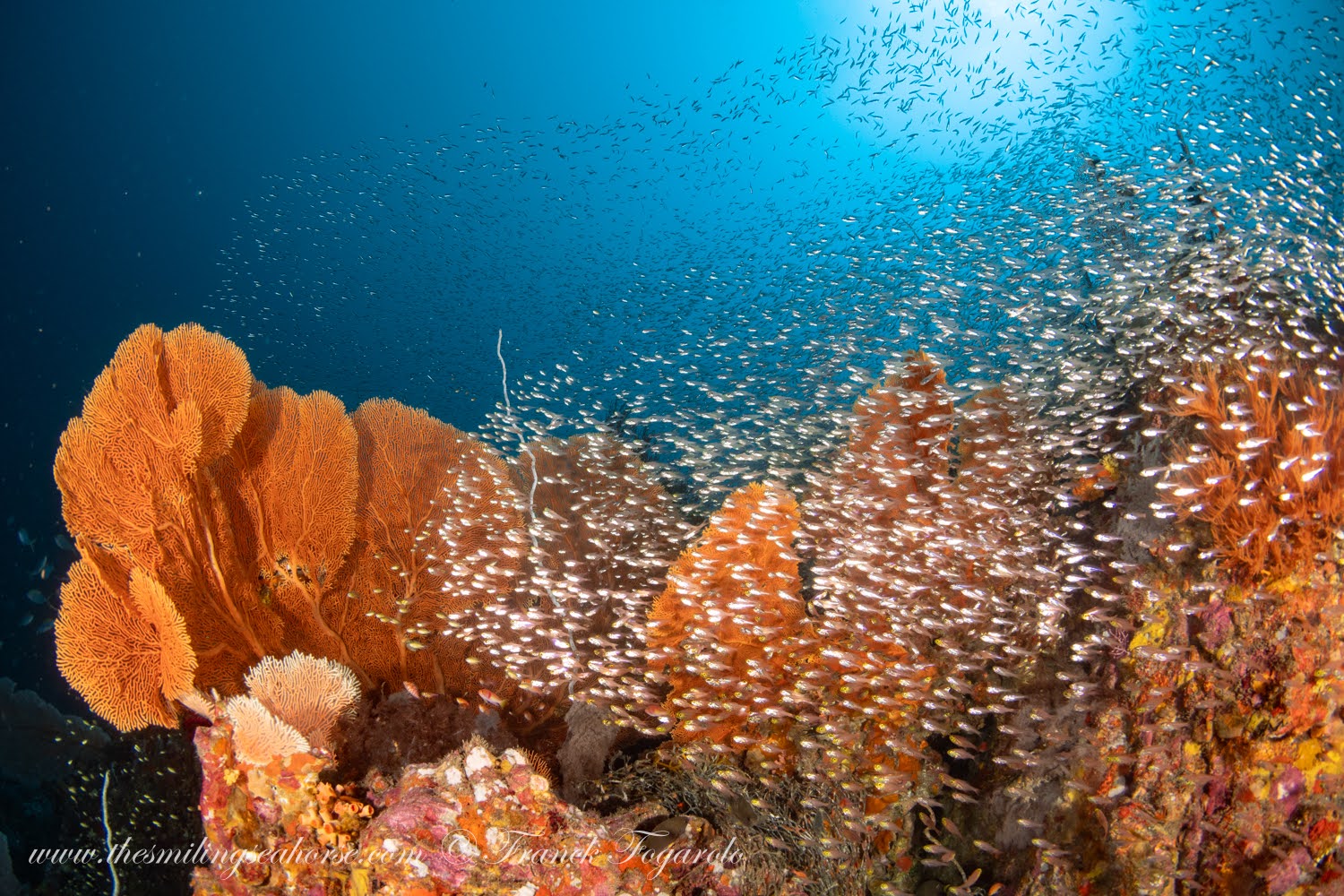
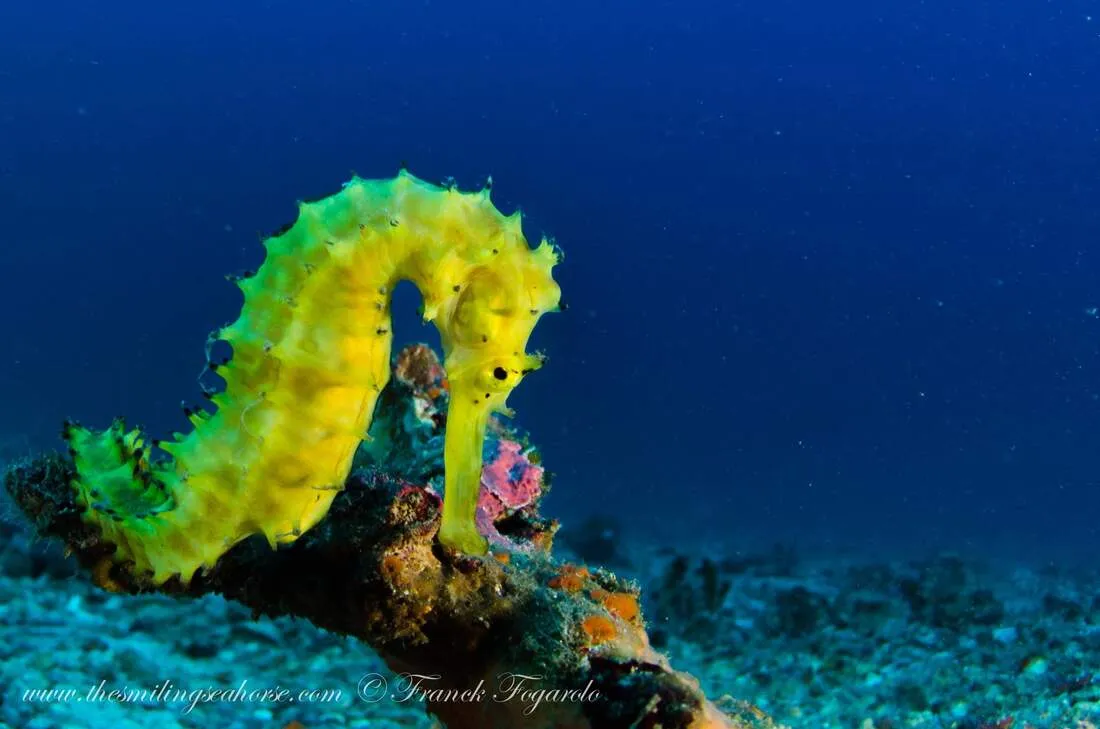
Type of dive: Wall dive, cave dive, coral garden
Depth: 5 meters / 25 meters
Visibility: 15 – 30 meters
Difficulty: Intermediate / Advanced
Currents: Moderate to strong
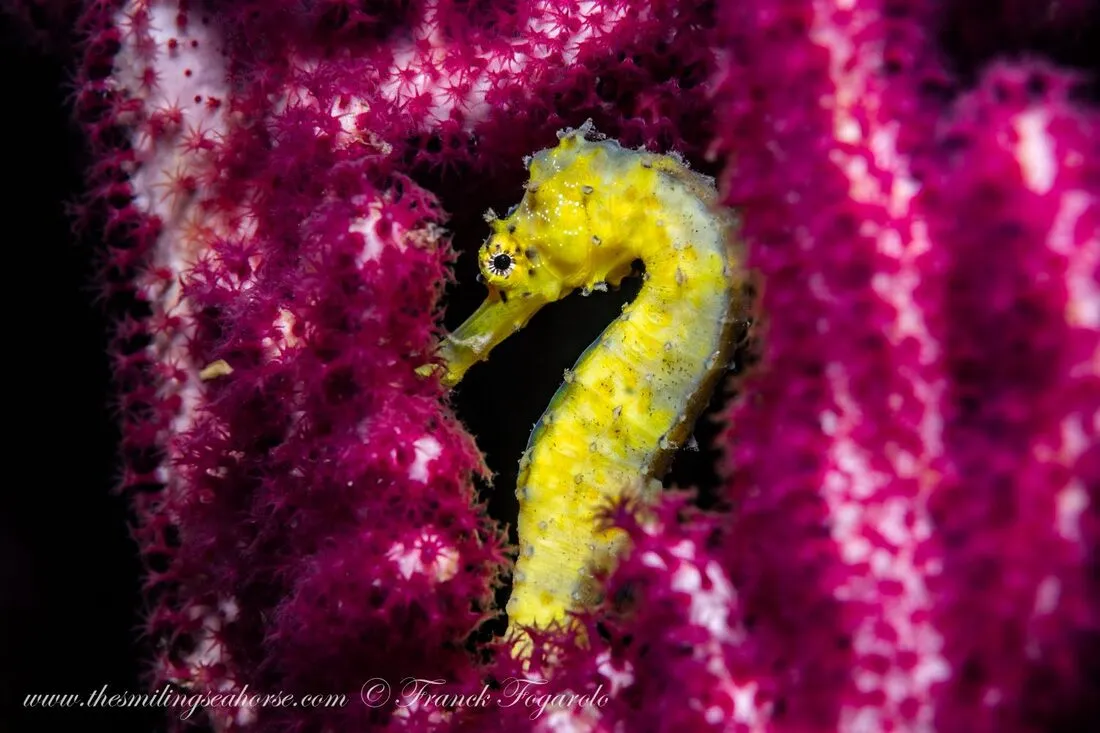
Marine life: ★★★ for macro seahorses guaranteed
Lens recommendation: Day: Macro lens / Night: Macro or wide-angle
Overall note: ★★★★★
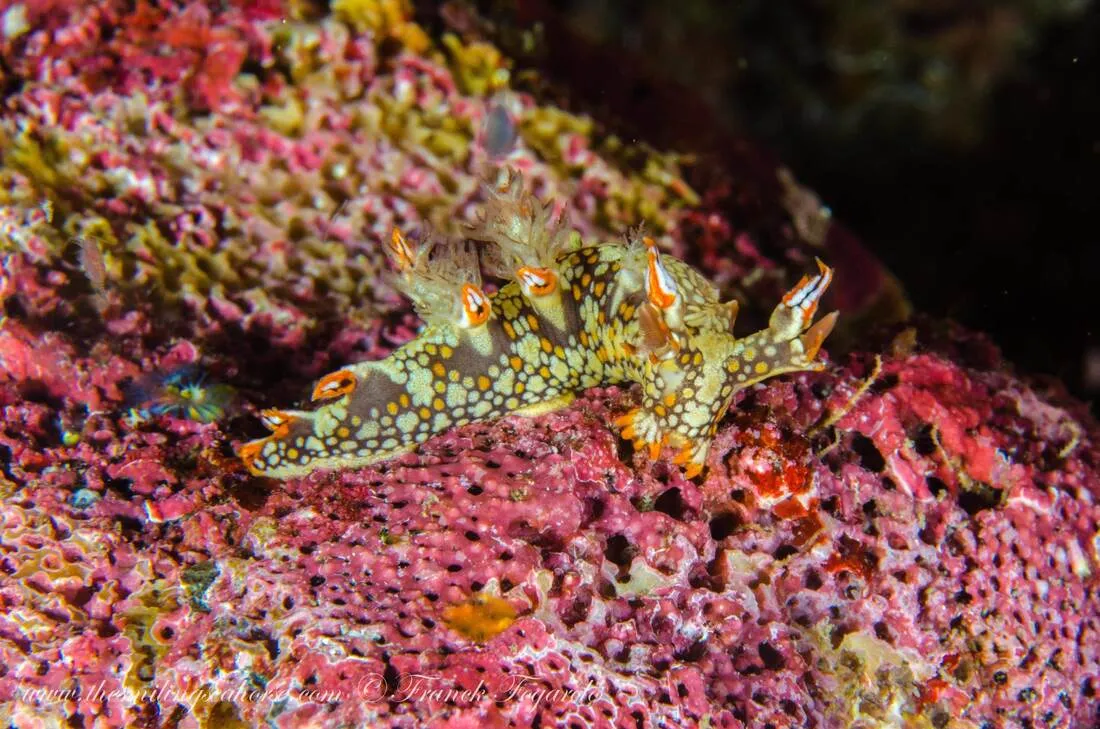
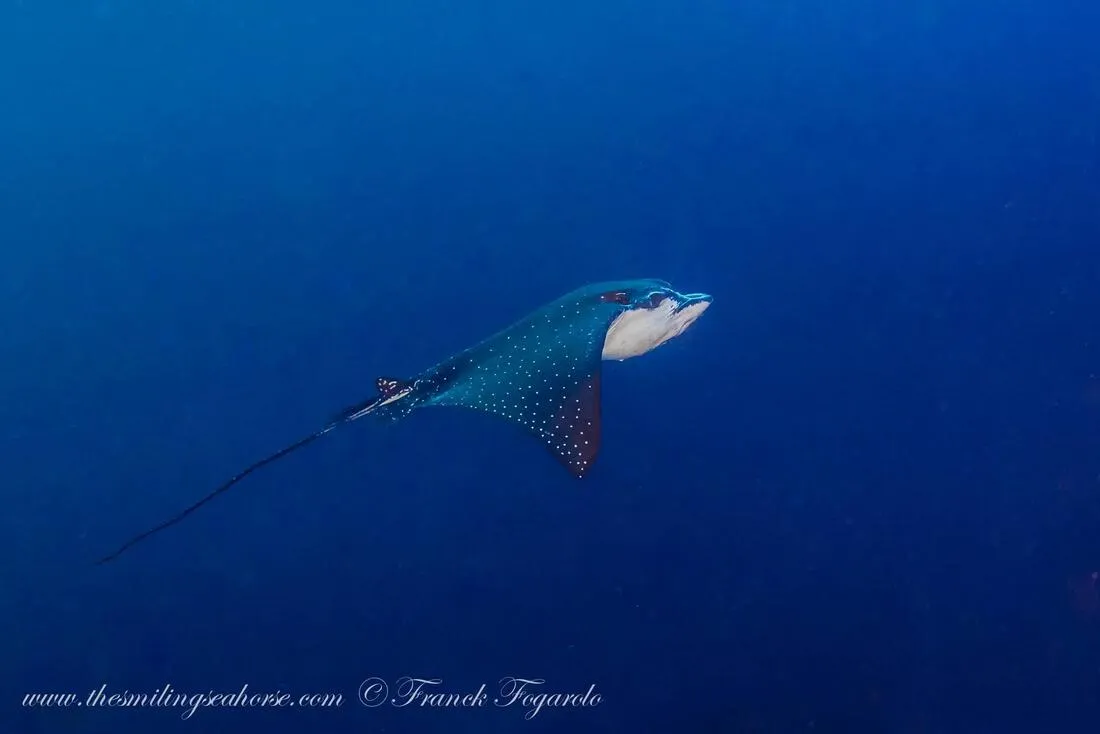
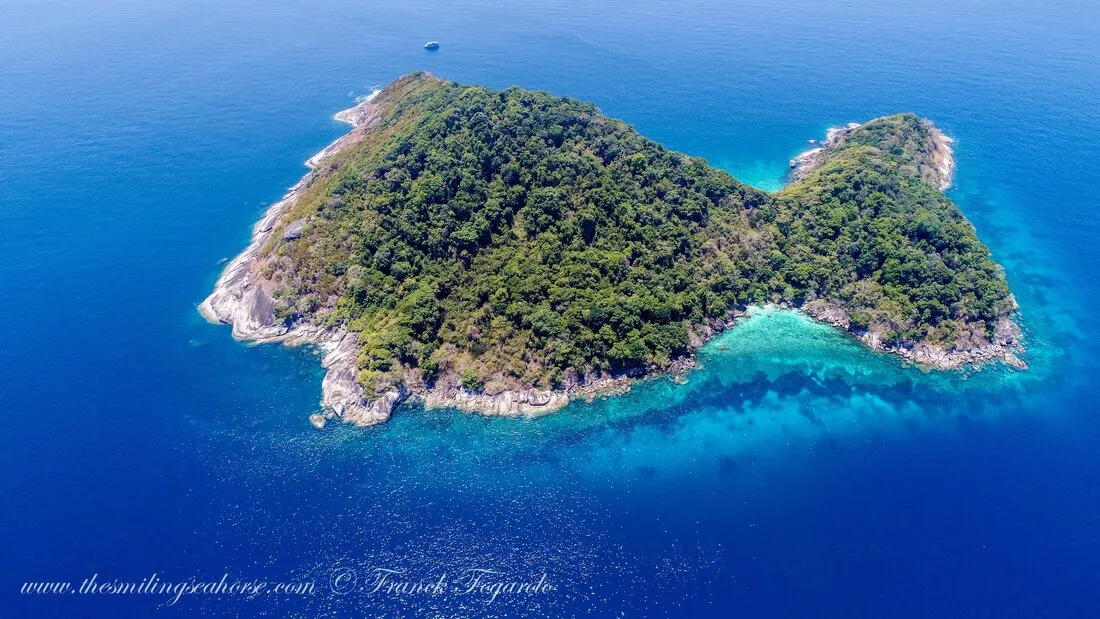
Type of dive: Wall dive, cave dive, coral garden
Depth: 5 meters / 30 meters
Visibility: 15 – 30 meters
Difficulty: Intermediate / Advanced
Currents: Moderate to strong
Marine life: ★★★ for pelagics
Lens recommendation: Day: wide-angle / Night: macro or super-macro lens
Overall note: ★★★★★
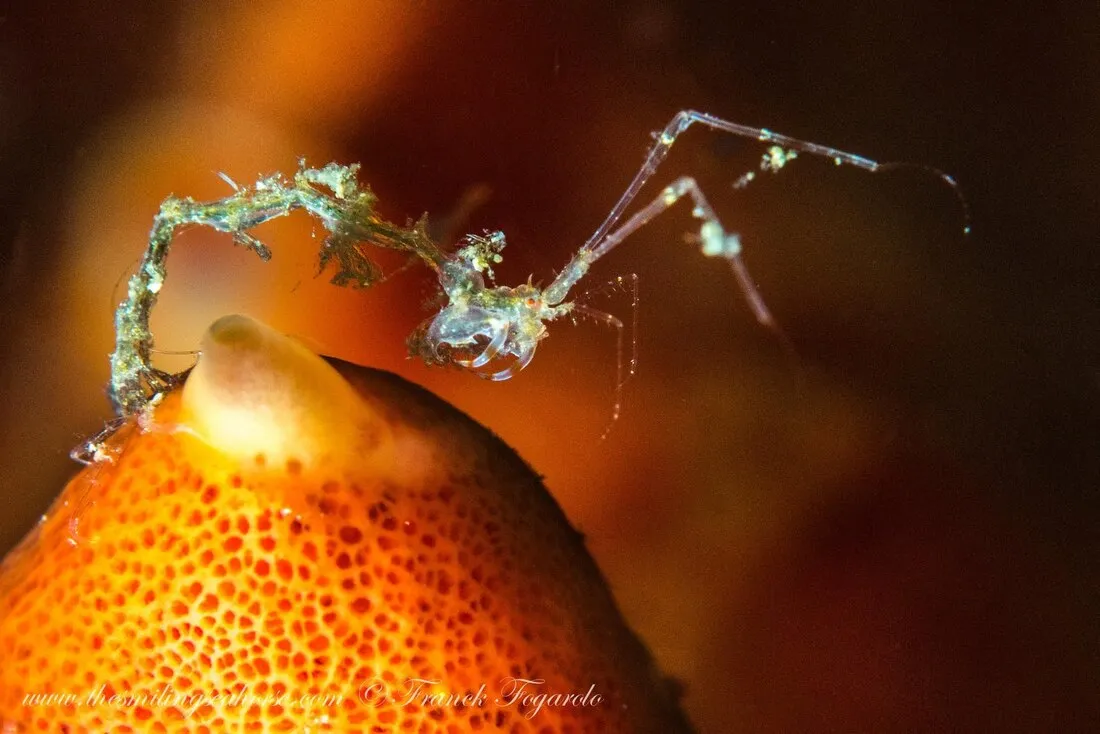
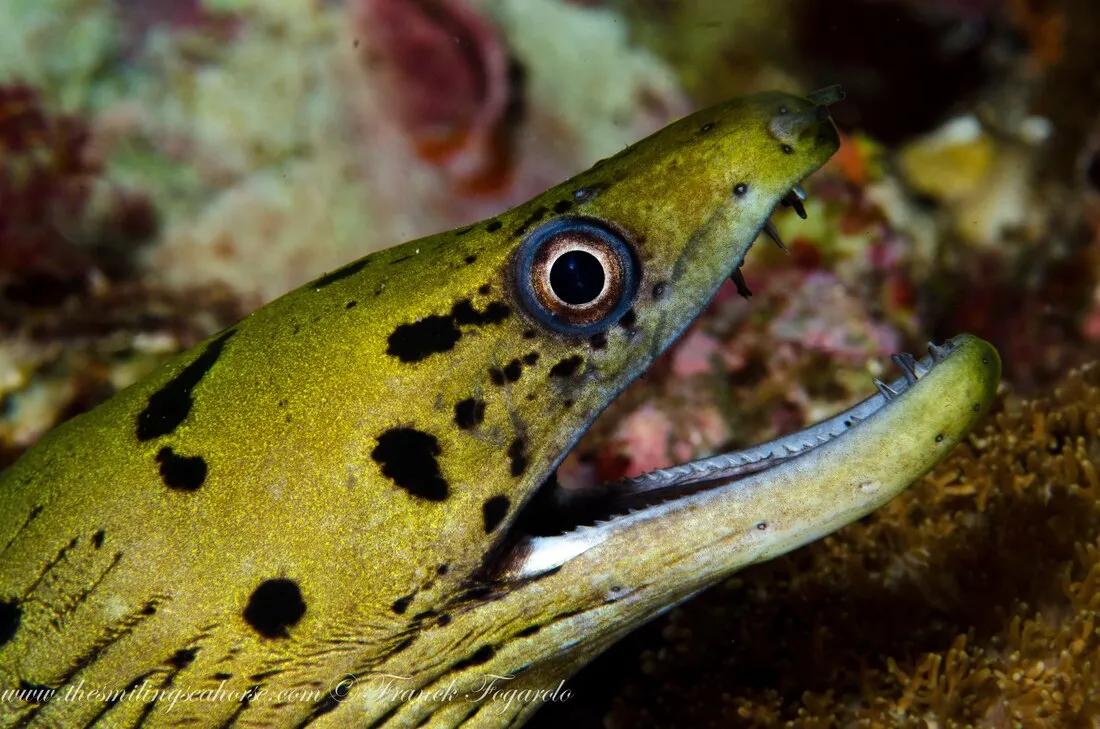
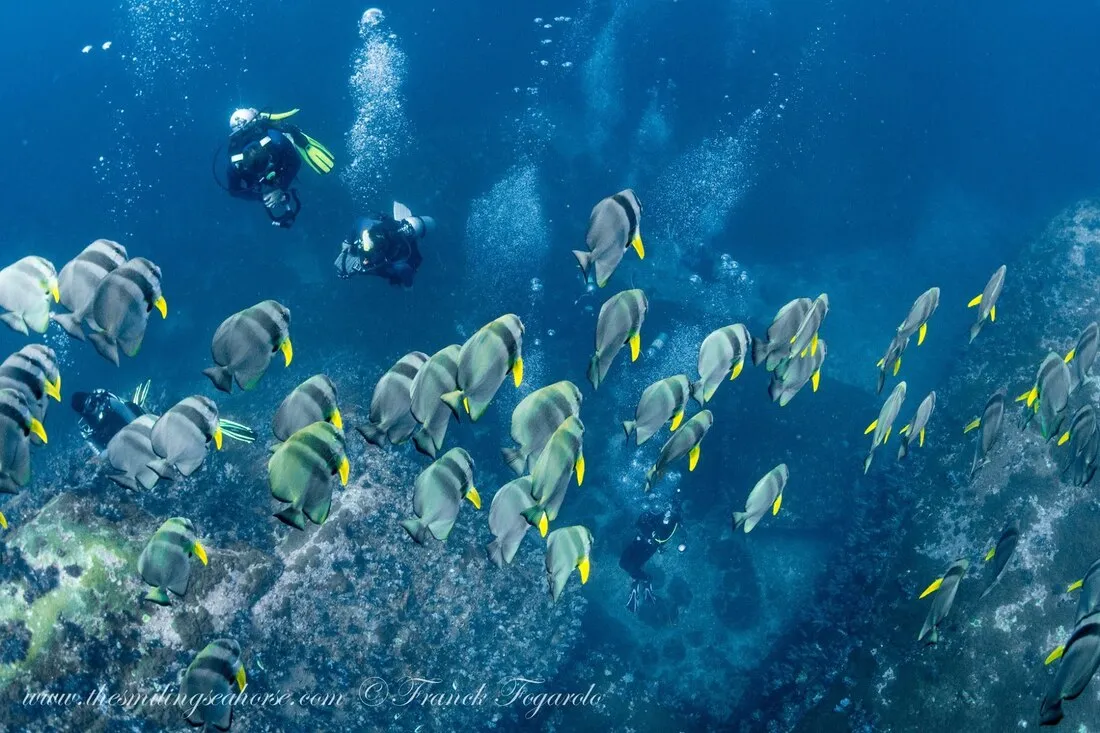
Type of dive: Coral garden
Depth: 20 meters / 35 meters
Visibility: 15 – 30 meters
Difficulty: Intermediate / Advanced
Currents: Moderate to strong
Marine life: ★★★ for sharks
Lens recommendation: Wide-angle
Overall note: ★★★★★
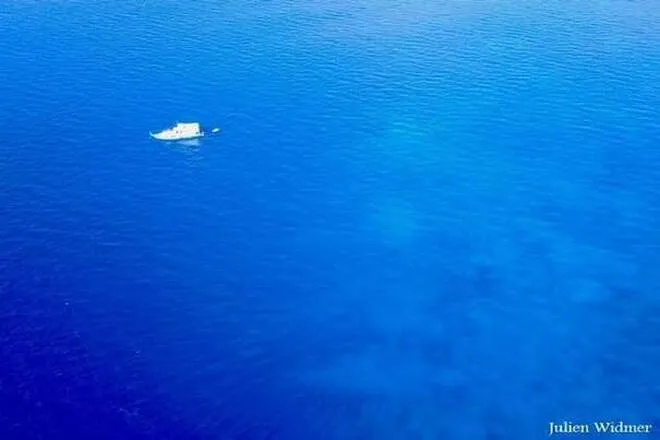
If you’re considering a dive trip to the Mergui Archipelago, here are some essential facts to know before you go:
The Mergui Archipelago is located in the Andaman Sea, off the west coast of Myanmar. Geographically, it lies just north of the renowned Surin and Similan National Parks in Thailand, making it an ideal destination for divers seeking adventure away from the crowds.
While the official language is Burmese, English is widely understood in the dive industry, ensuring smooth communication during your diving excursions.
The local currency is the Myanmar Kyat (MMK). But you won’t need MMK for your trip, and even the local market accept USD or Thai Bahts.
Myanmar operates on GMT+6:30, which is 30 minutes ahead of Thailand. Adjust your schedule accordingly to make the most of your diving experience.
Expect pleasant water temperatures ranging from 27°C / 80°F to 29°C / 84°F, ideal for comfortable diving conditions throughout the year. A 3mm wetsuit is comfortable for most divers.
Preparing for a diving expedition in the Mergui Archipelago requires careful consideration of your equipment. Here’s a comprehensive list of essential, recommended, and optional gear to ensure a safe and enjoyable experience.
Optional Equipment
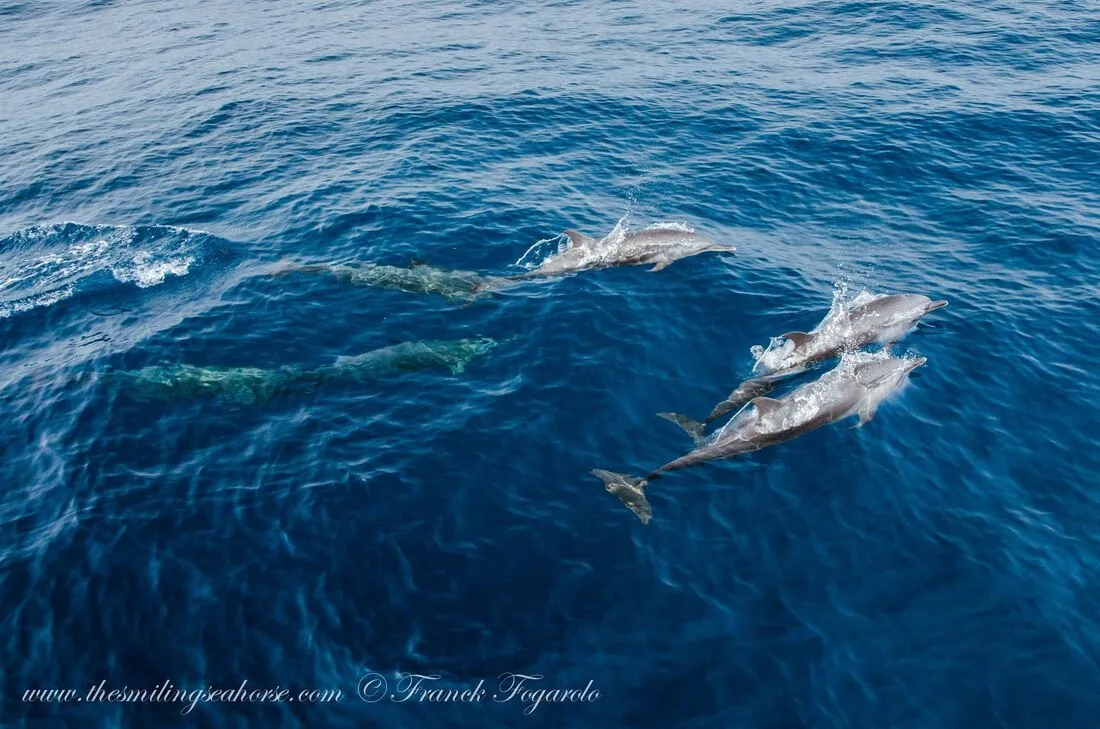
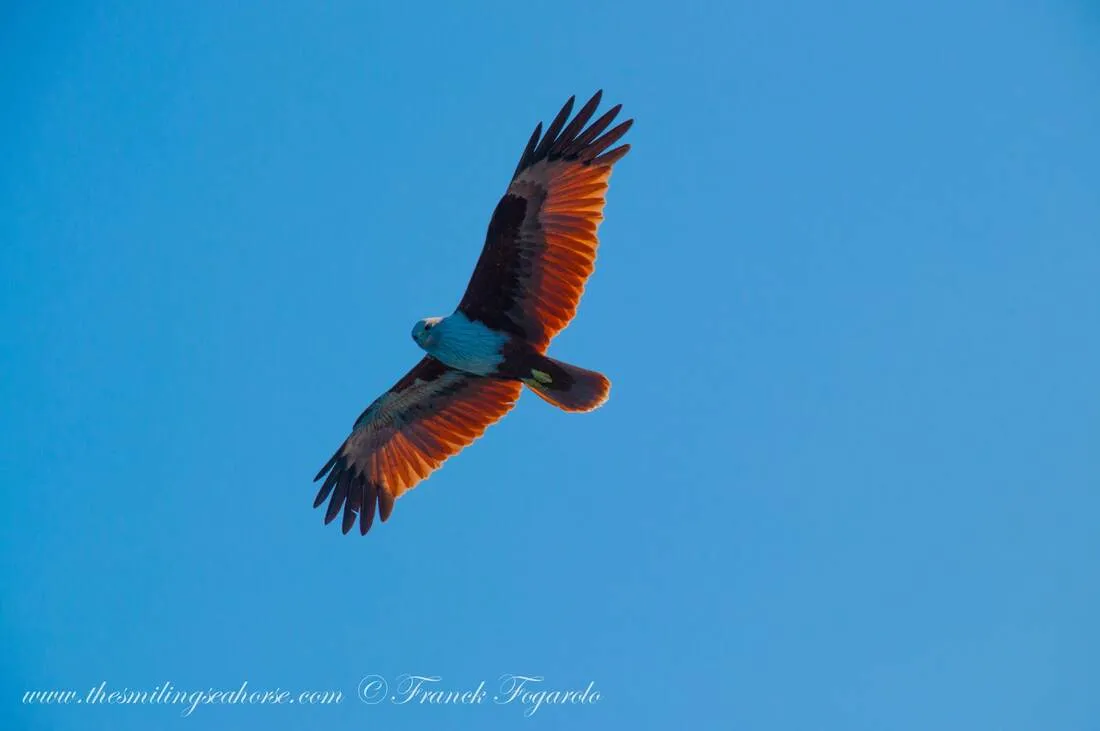
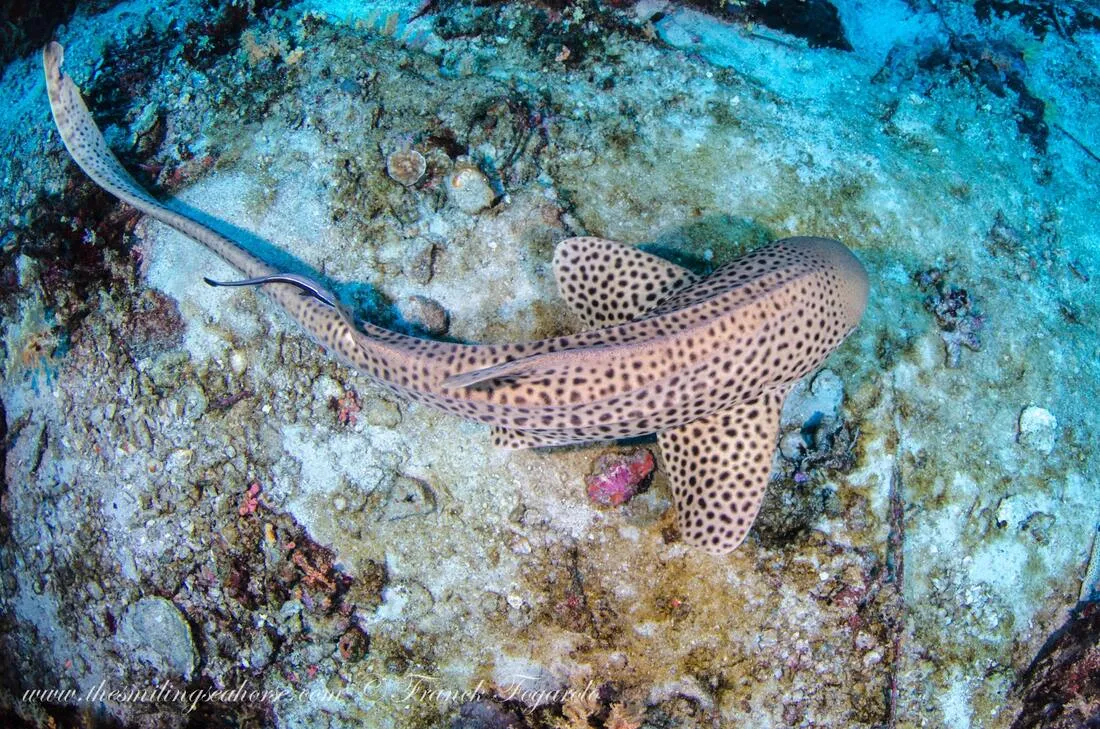
Grab your cameras… Ready? Set? Go!
Explore the Surin Islands, Richelieu Rock and the Similan Islands.
Prices in Thai baht (THB), per diver. The 10% discount is already applied.