
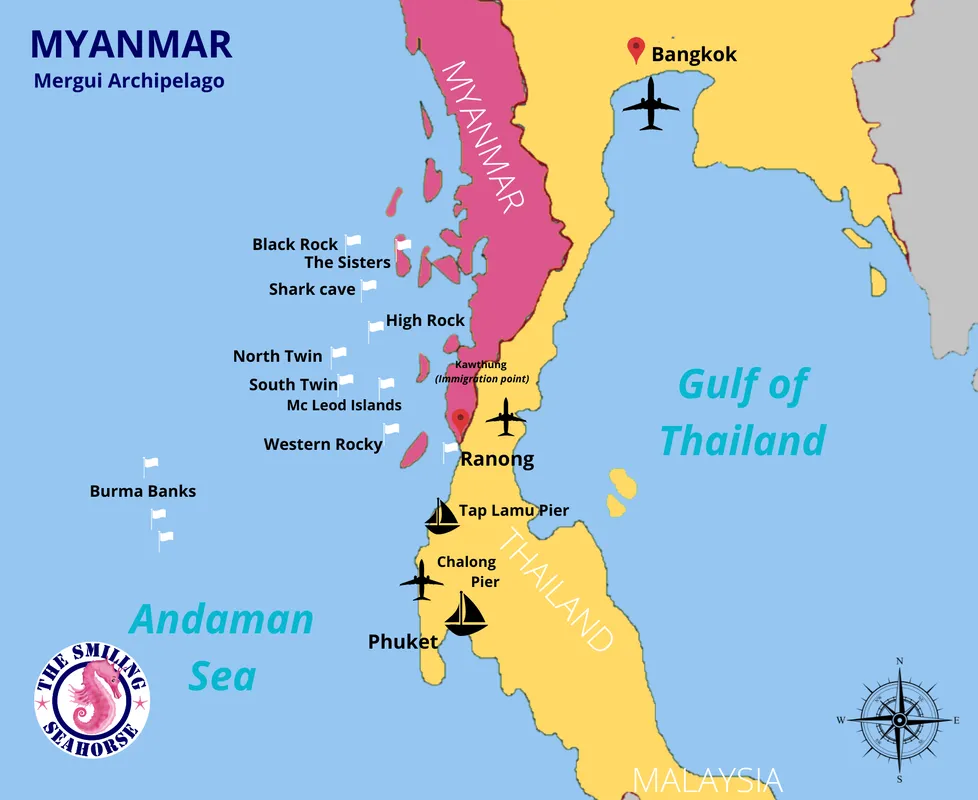
An undiscovered paradise in the Indian Ocean, the Mergui Archipelago is the home of 800 islands surrounded by immaculate reefs and pinnacles bustling with life. Along with the abundance of gorgeous scenery and impressive marine life, one of the reasons we love this area so much is its air of exclusivity. Particularly appealing for a photographer, our boat rarely crosses paths with another while we cruise the crystal-clear seas, and being alone on the dive sites makes it so you will never get an unwanted photobomber finning through your frame.
As your research has concluded, the best way to reach these coveted dive spots far from the clutches of civilization is on a liveaboard dive cruise with The Smiling Seahorse. Now that you’ve made the decision to embark on a magnificent adventure with us, you need to think about how to best prepare yourself.
Mergui Archipelago
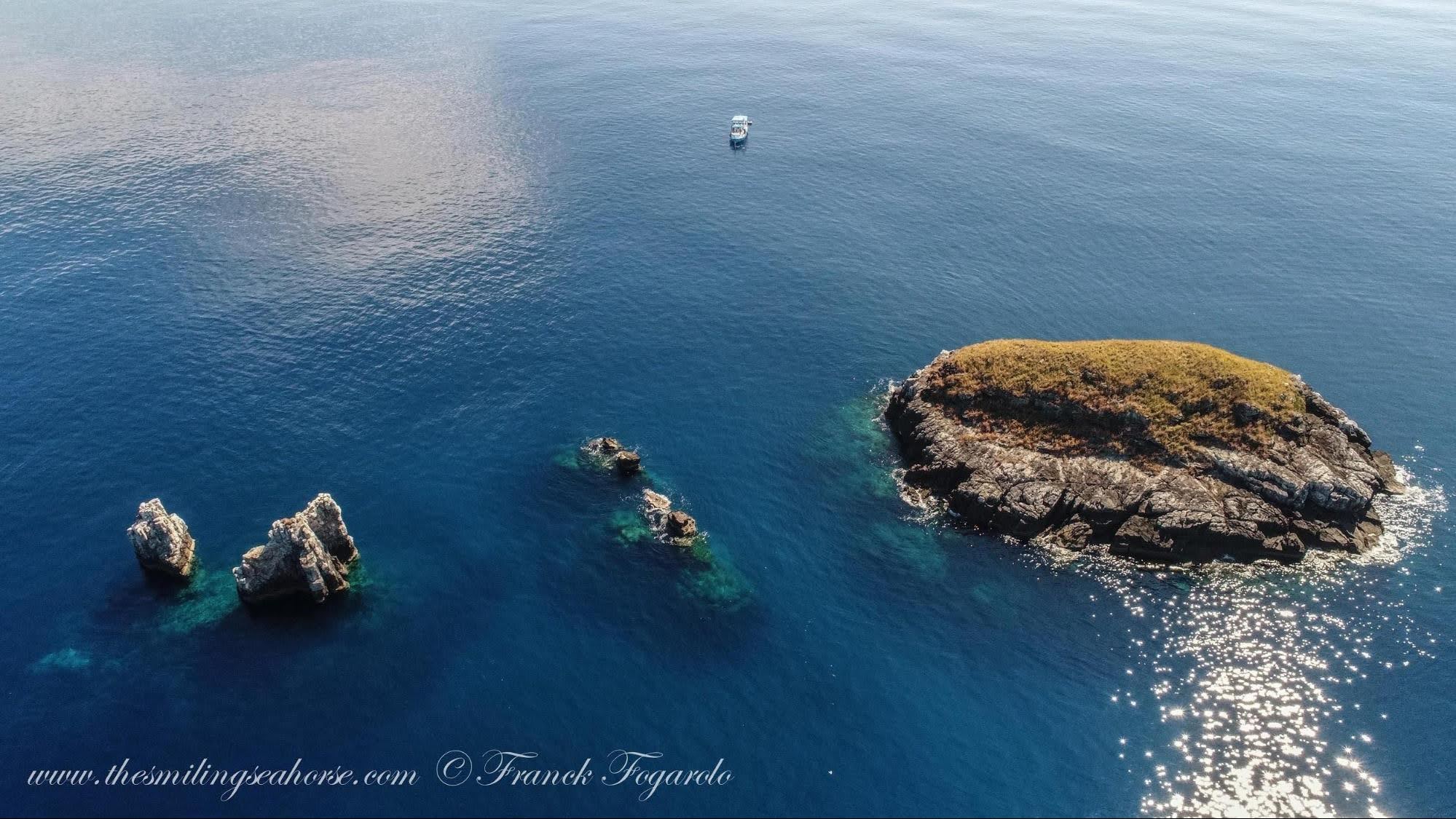
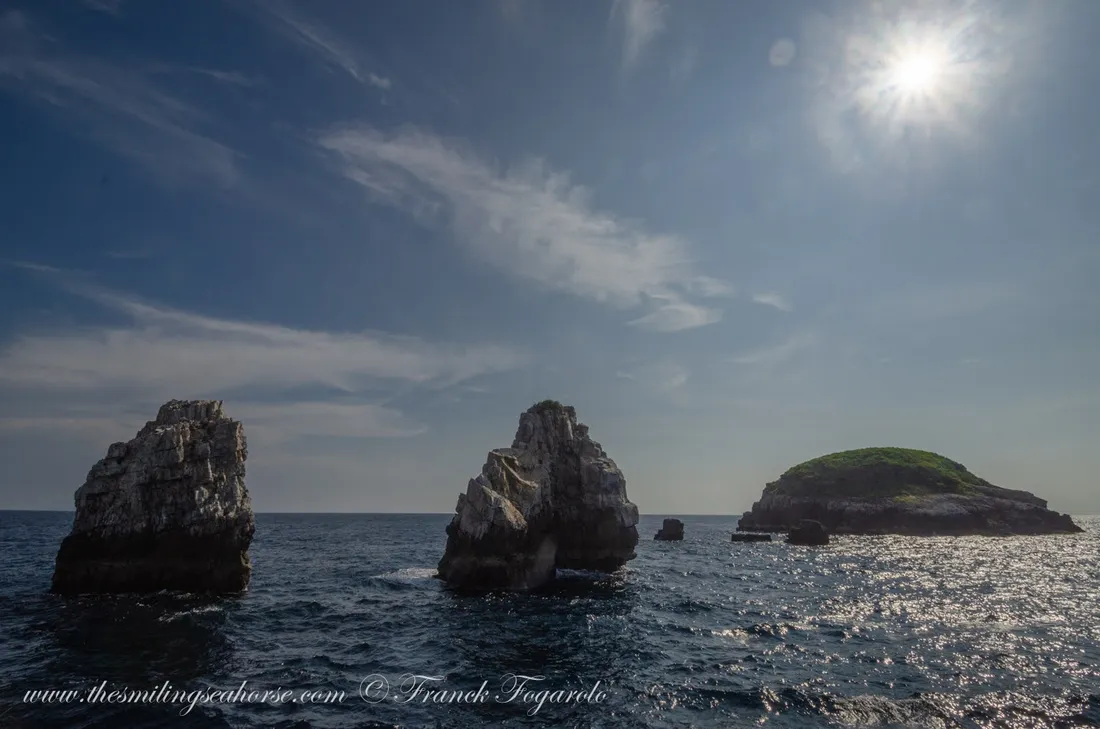
Western Rocky is one of Burma’s most southern dive sites and perhaps one of its most exciting in terms of the breadth of diving on offer.
Western Rocky itself is a small island, sporting a dive passage right through its heart that just manages to be lit by daylight all the way through.
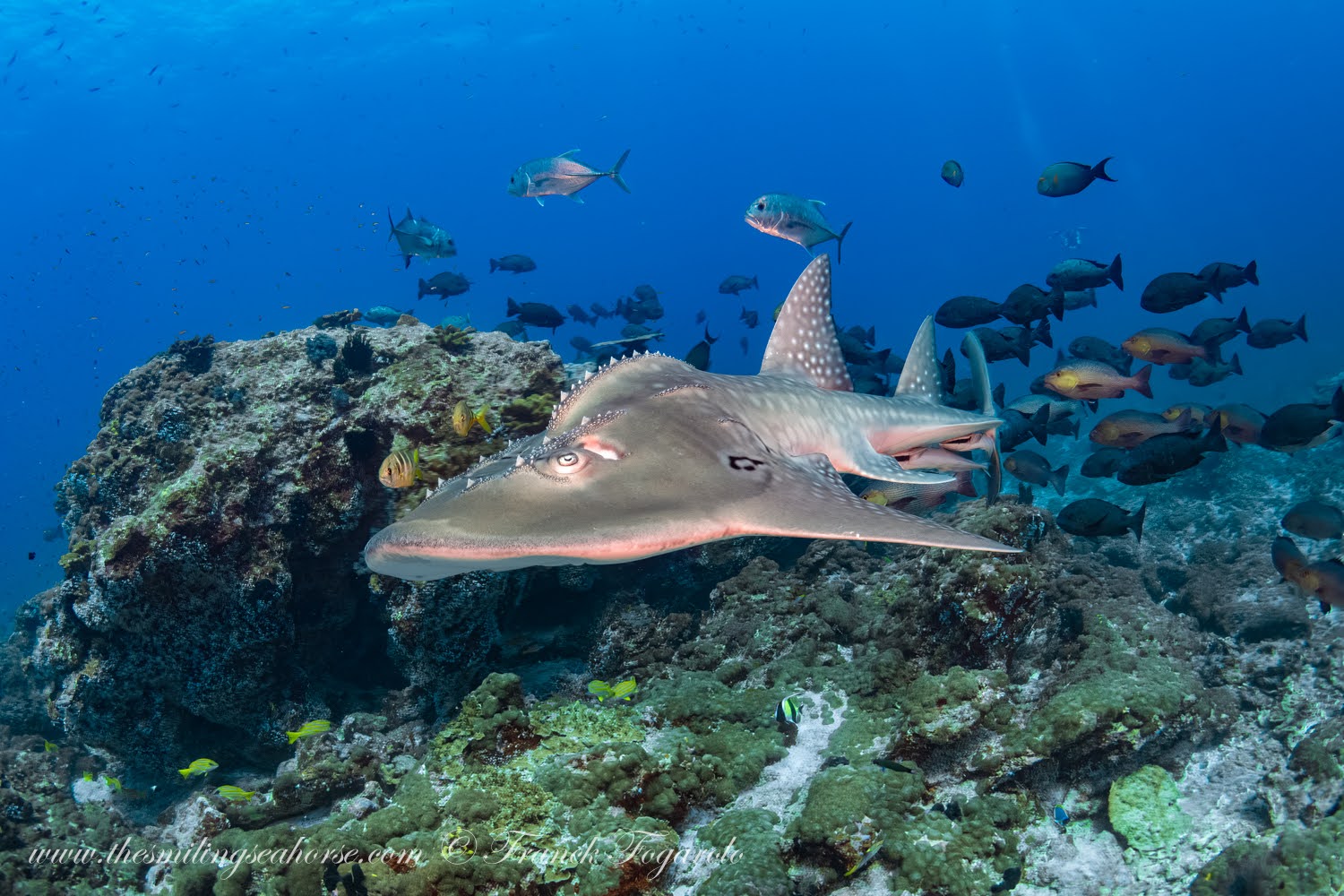
This is a well-known area where whale sharks can randomly be sighted; we had the extraordinary encounter of a Bowmouth Guitar fish there too, as well as the occasional bull shark. Harlequin shrimp, frogfish, and seahorses are not rare but always well hidden, while the anemone-lined cavity is full of critters like shrimps, nudibranchs, and crabs of all sorts.
The four islets off shore are worth a dive on their own, their walls blanketed with clams and colorful sponges and busy with big reef squid and chevron barracuda.
The highlights are either a breathtaking sunset dive for the schooling fish action or the night dive for its teeming reef with all the nocturnal critters.
Mergui Archipelago
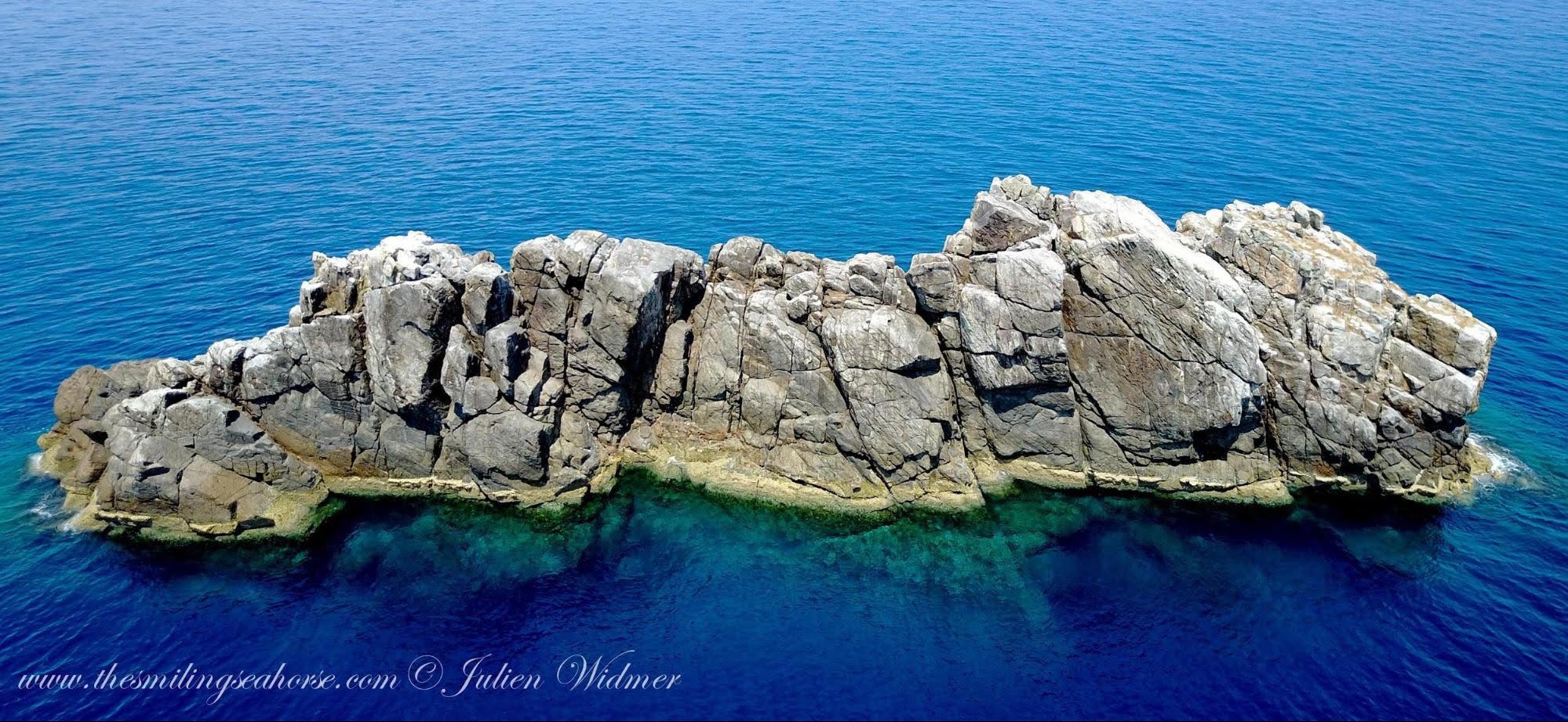
The islet of Black Rock is a small rock in the middle of Myanmar’s ocean. The isolation of the Rock makes it a real fish magnet with its own ecosystem attracting all sorts of life from the smallest shrimps to the largest fish in the ocean, characterized by rugged boulder formations and fine soft coral.
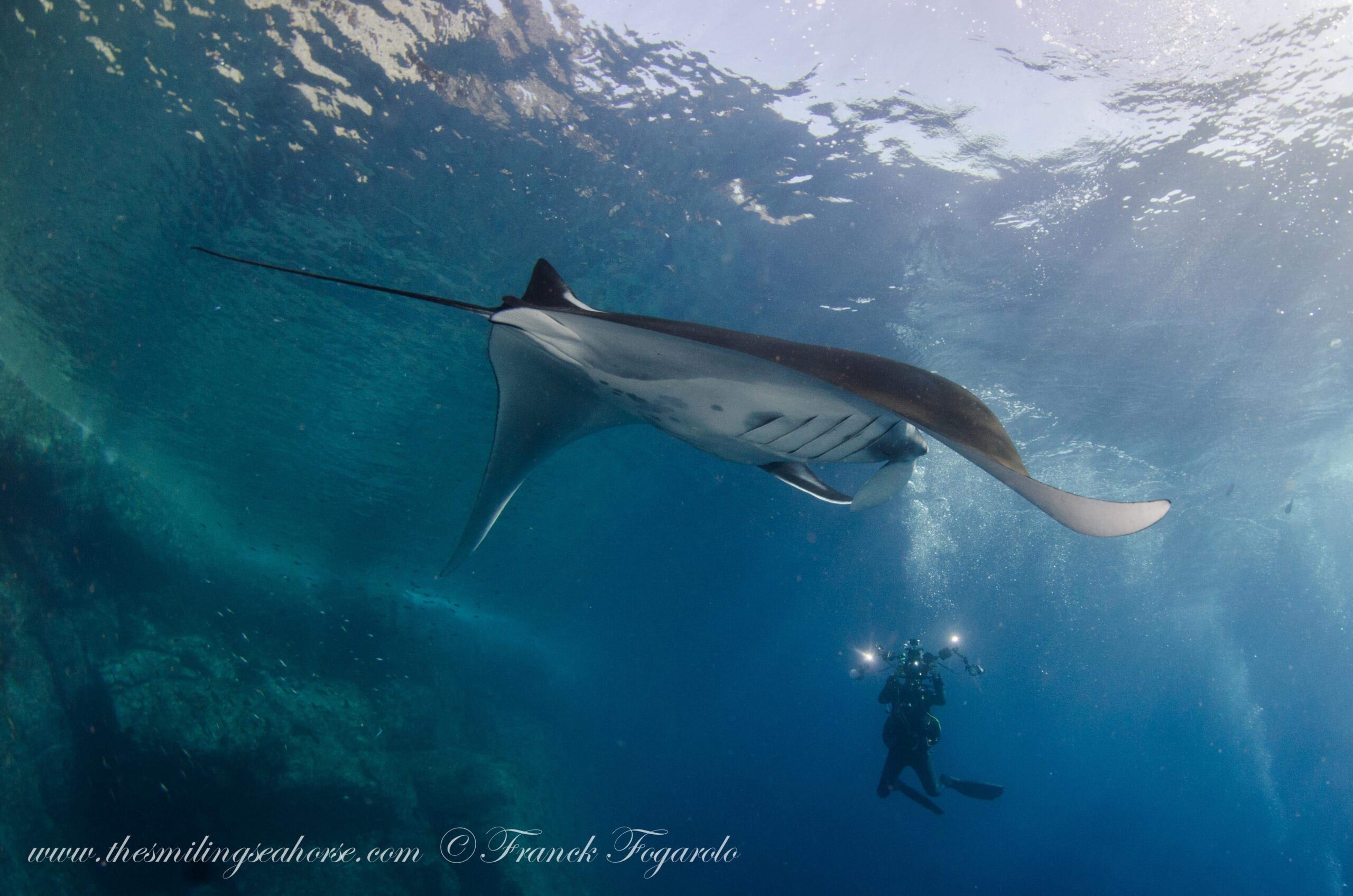
For an idea of its splendor, Andrea Marshall, the Queen of Mantas, has said she had the best dive of her life at Black Rock, and the conservation initiative Ray of Hope Expeditions has recorded 52 individual mantas over only 3 days of the yearly mating gathering in March.
The south side of the rock features a 40m vertical wall where the north side’s gentle slope descends to 25m. This difference in topography affects water movement and allows you to choose from a more exposed dive in the current to the south or to relax in the shelter of the north depending on where the current comes from.
A shallow section of tube corals is home to a bevy of miniature sea creatures, where sea urchins bask and busy crabs and shrimps clatter about their business.
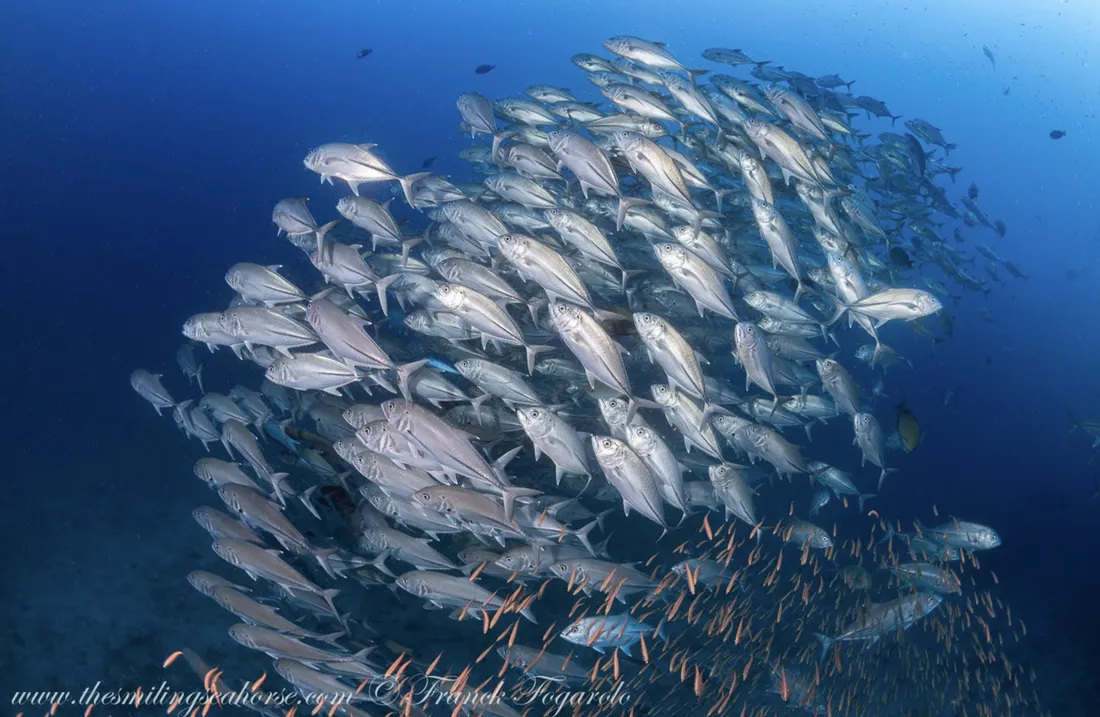
Many consider Black Rock to be the finest dive spot in Burma. Its crystal-clear waters offer 35-meter visibility, providing breathtaking views past the rock walls to the ongoing procession of barracuda, tuna, mackerel, rays, reef sharks, whale sharks and eagle rays.
Mergui Archipelago
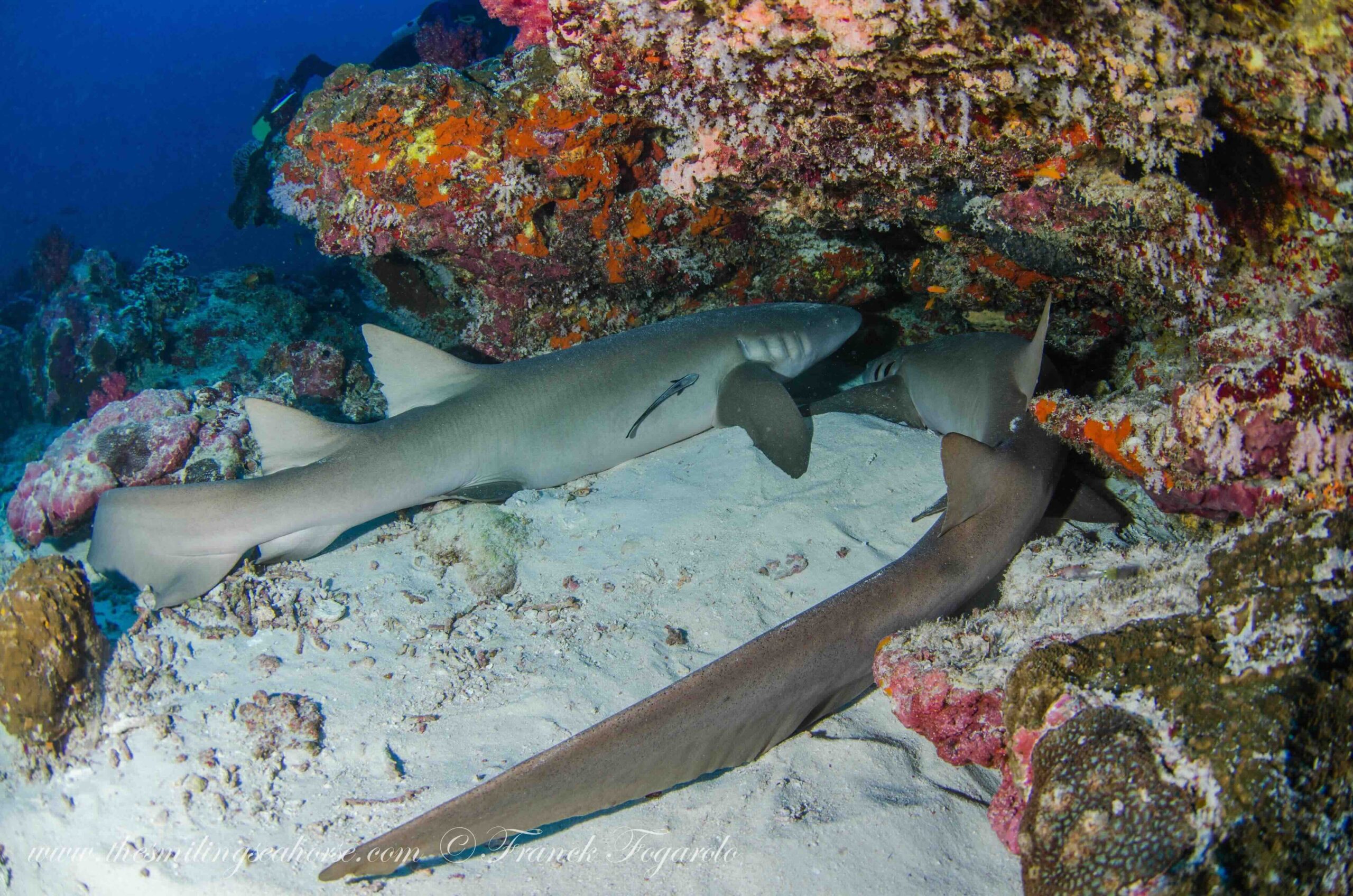
Shark Cave used to be the regular home to a group of nurse sharks, hence its name.
Now as much as the cave remains, it is more of a challenging, colorful path through the rock.
Take the time to look around, you will also see a floor covered in yellow sponges, a ceiling of marigold cup corals, and a whole host of marine delights…
Don’t be fooled by tiny Square Rock, as this site is exceptionally rich in marine life, particularly famous for its seahorse population.
Likewise, when you jump into the water at Submarine, you will find yourself in a fish-nado. We are sure that you’ll agree that this is one of the fishiest places you’ve ever been.
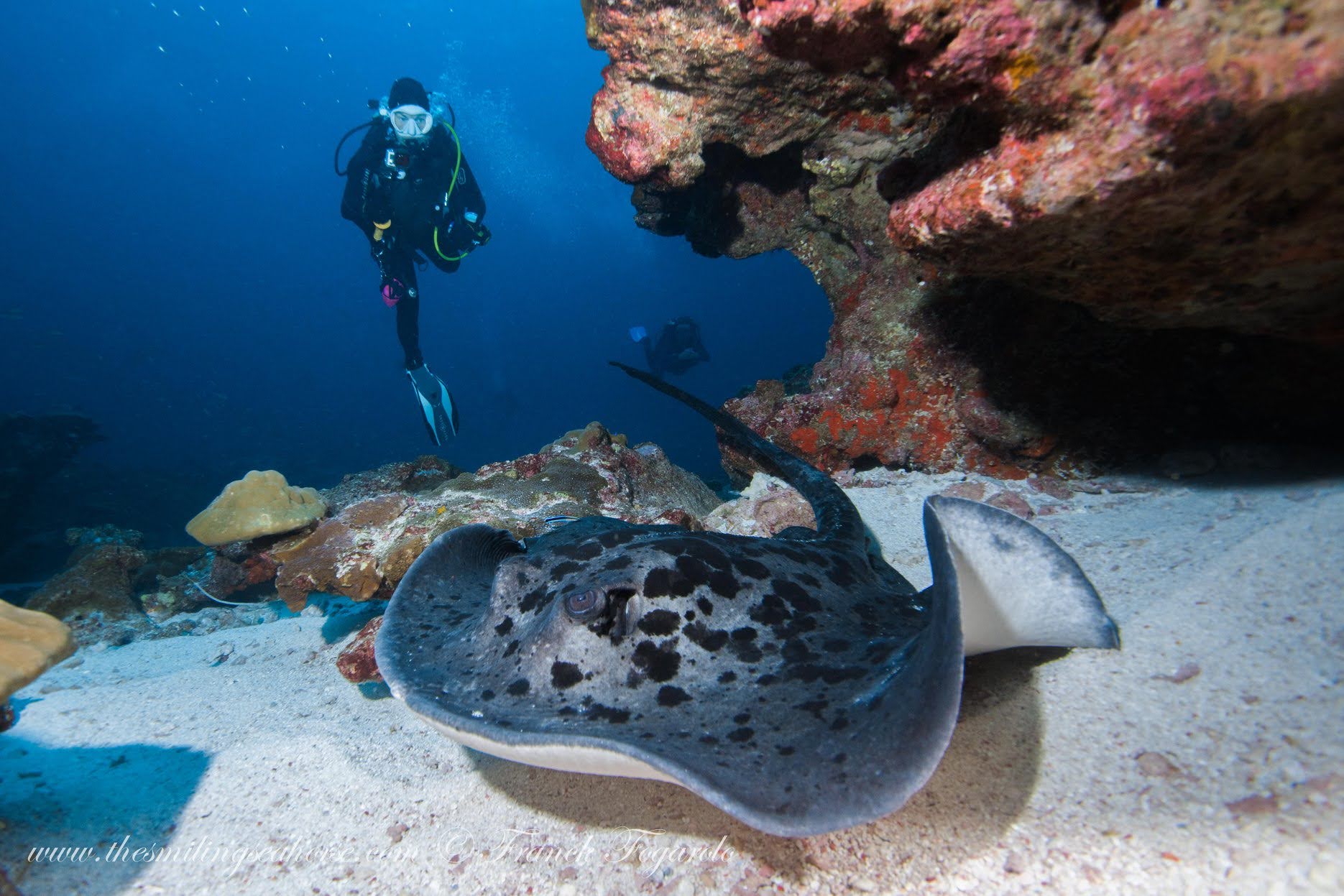
The area is a popular place to spot ghost pipefish and seahorses, but you can also see harlequin shrimp, pineapple fish, marble rays, bamboo sharks and whale sharks.
Mergui Archipelago
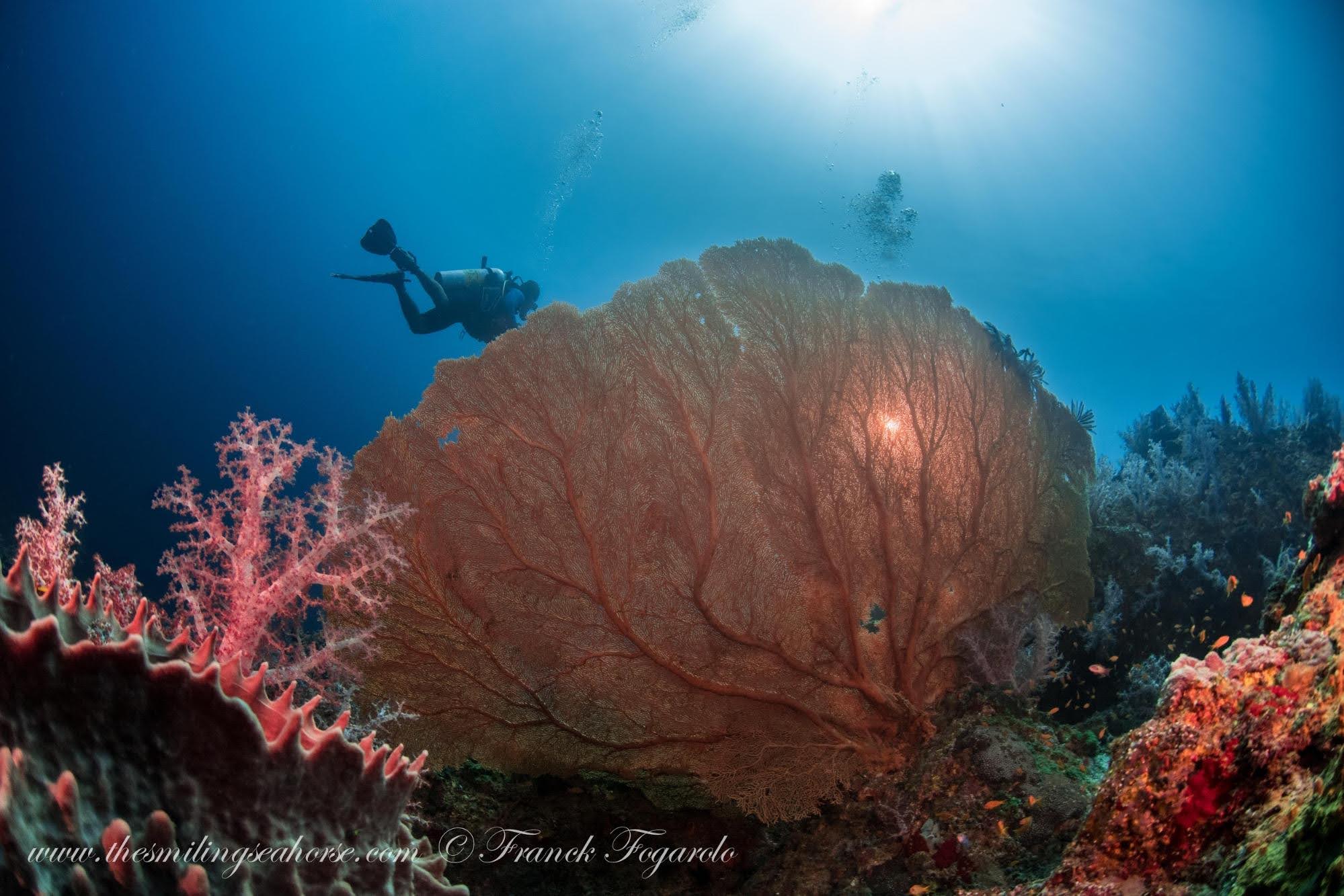
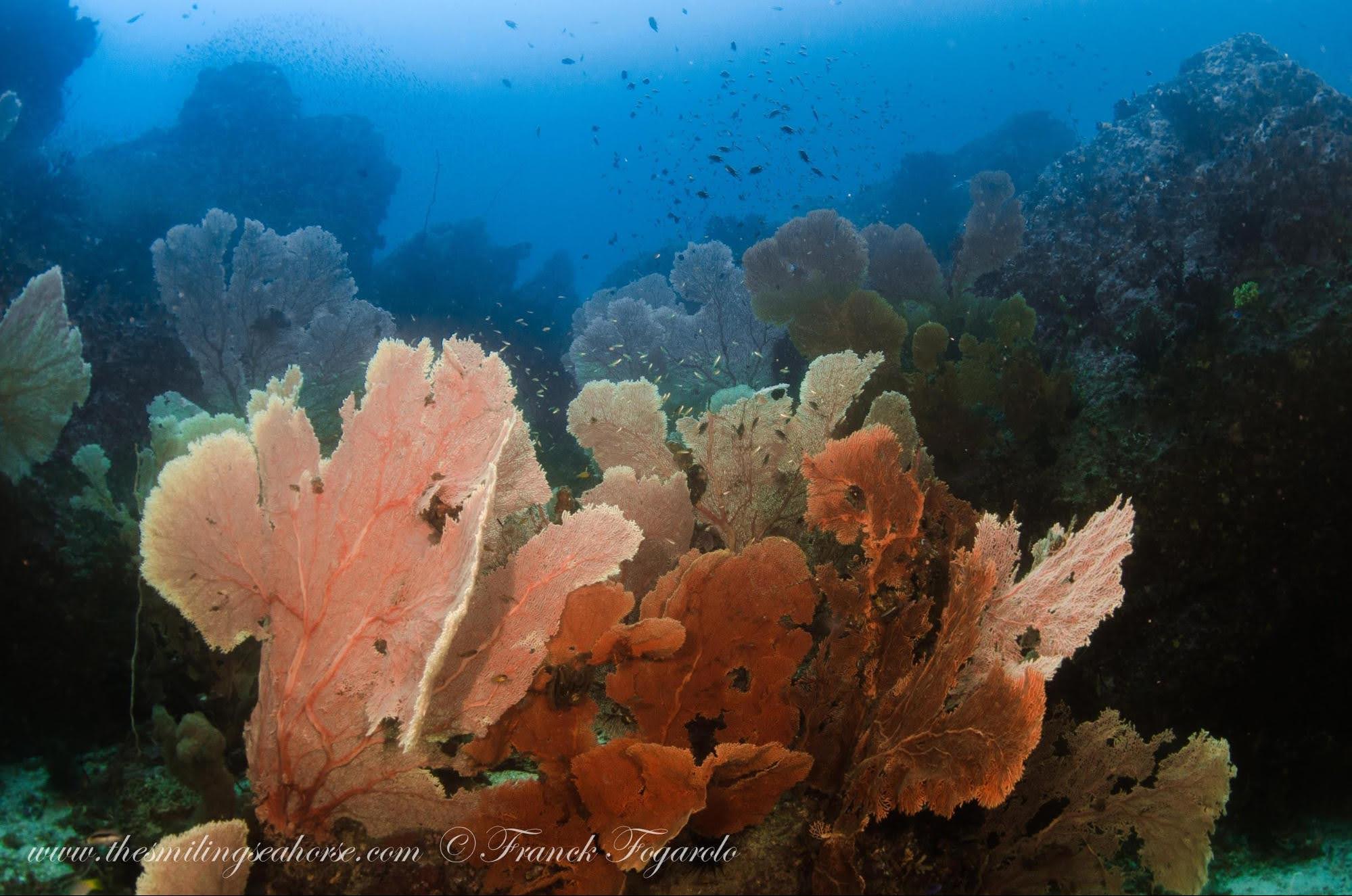
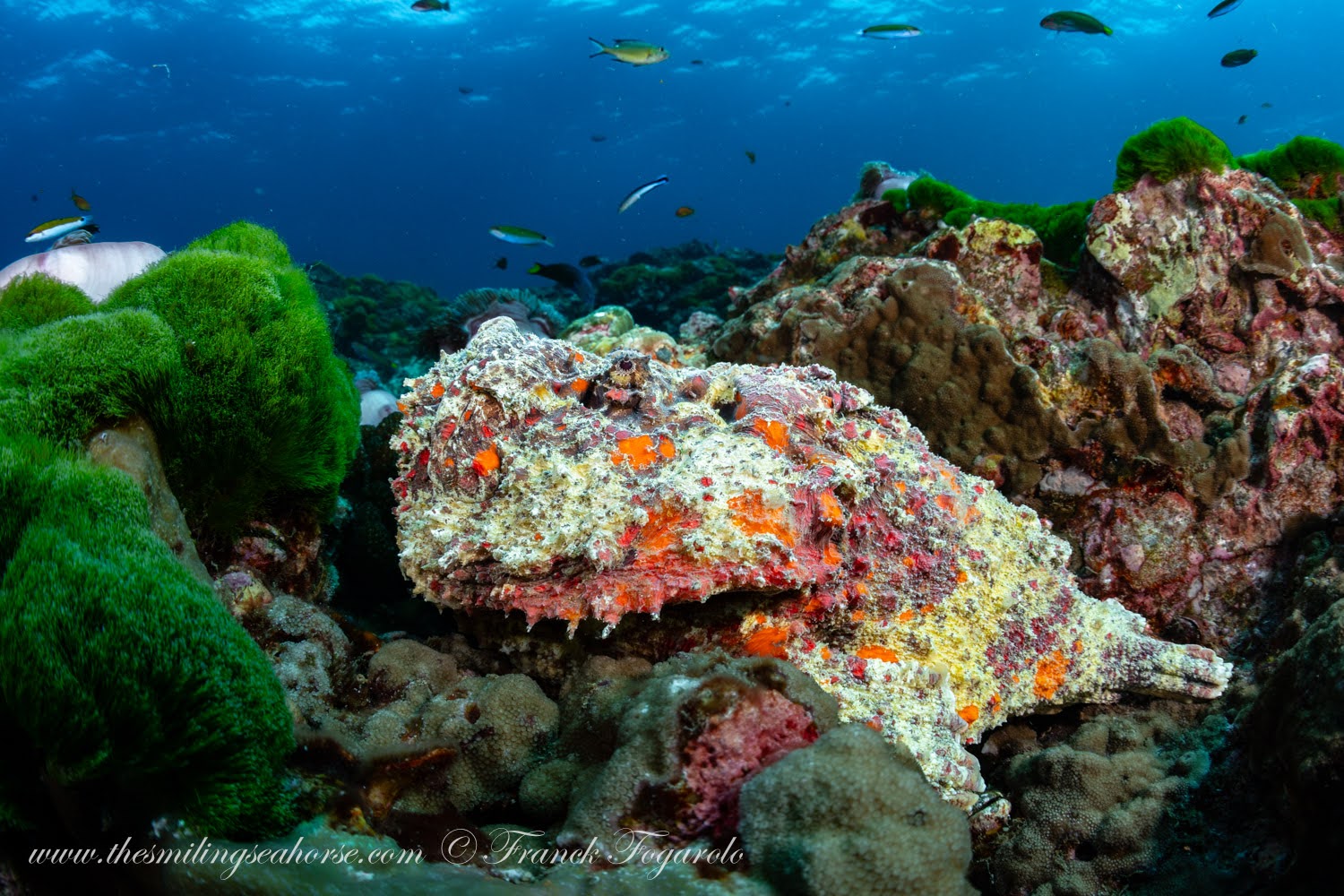
The limestone formations proudly display their wonders between 50 and 8 m depth.
and are home to many creatures, including giant frogfish, stonefish, seahorses, and nudibranchs and more.
There is also a lovely sandy area bordered by purple soft coral that is a popular spot to see MacCosker’s flashing wrasse.
We have seen whale sharks regularly on Seafan Forest last season, and in particular, groups of adolescents (up to 4 at a time). One was particularly curious about us and our boat and kept circling around, which gave an opportunity for great pictures.
Mergui Archipelago
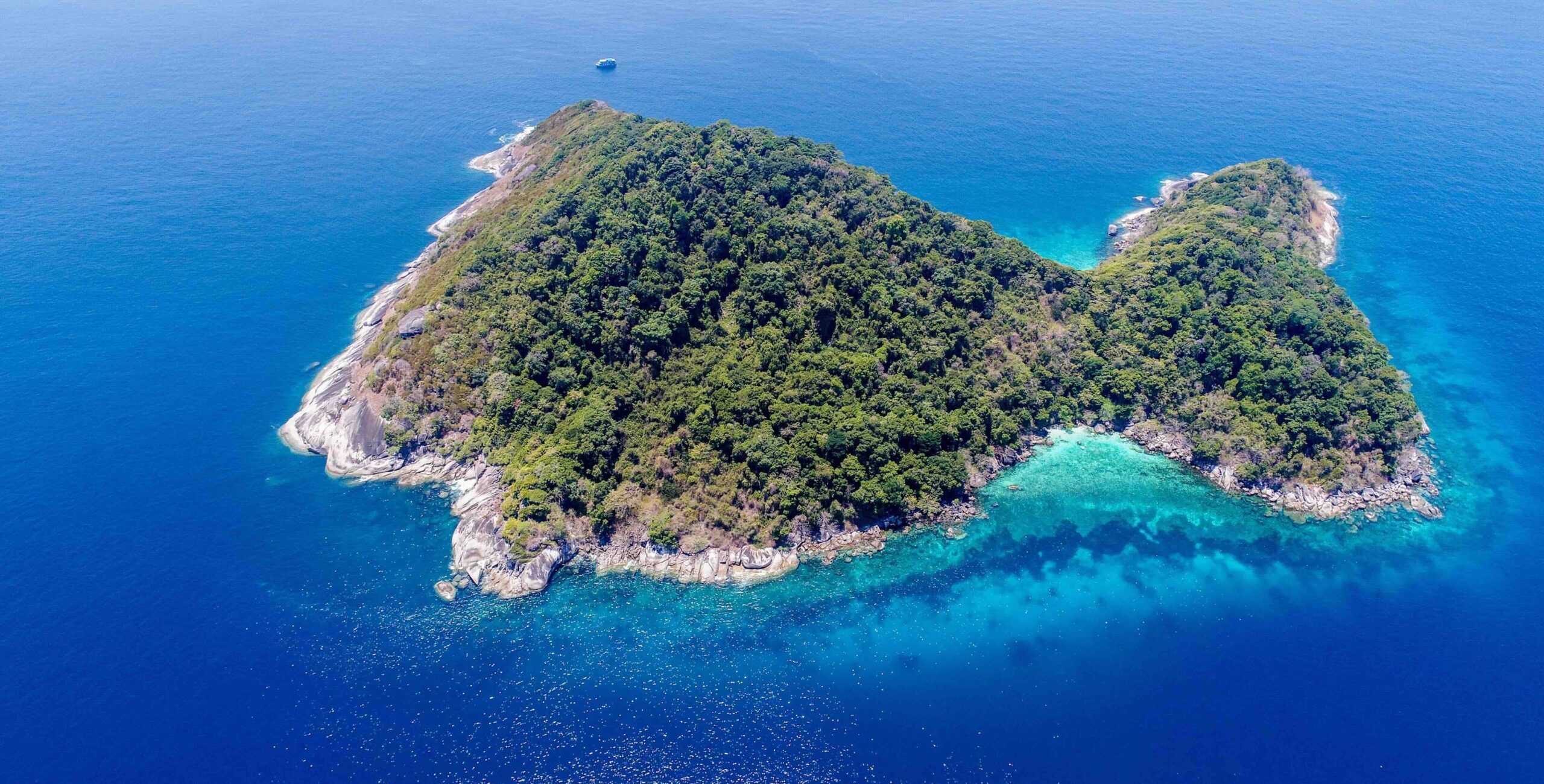
North and South Twin are sister islands crafted by nature out of granite. This creates a fairly unique seascape, as most of the Mergui Archipelago is rich in limestone.
The sea has battered these rocks over time to carve out impressive boulder formations both above and below the surface. This creates beautiful swim-throughs and thriving valleys full of soft corals and sea fans.
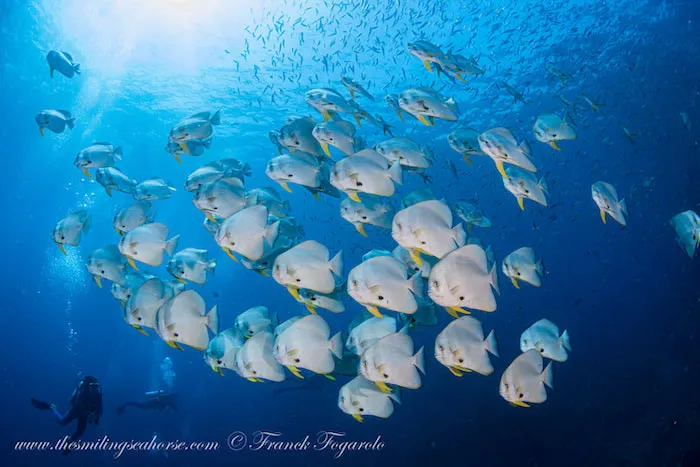
Several miles off shore, North Twin is a Burma dive site that offers a unique dive experience within the archipelago, typified by large granite boulders covered in gorgonian sea fans and soft corals. This is the place to spot schools of goatfish, batfish, and snapper in the shallow waters and a popular manta cleaning station at around 22 meters, giving way to yellow-tailed barracudas, big-eye trevally, tuna and eagle rays appearing from the deep blue depths.
Mergui Archipelago
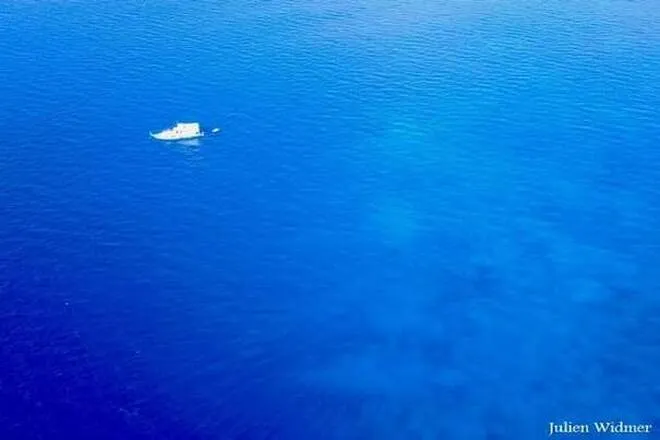
When you reach the Burma Banks, there won’t be another boat or piece of land.
As far as the eye can see. The fact that it’s so far off and exposed does make it so currents are no longer tidal but oceanic, which makes them rather unpredictable here.
But this creates the perfect conditions for encounters with massive pelagic animals and schools of thousands of fish.
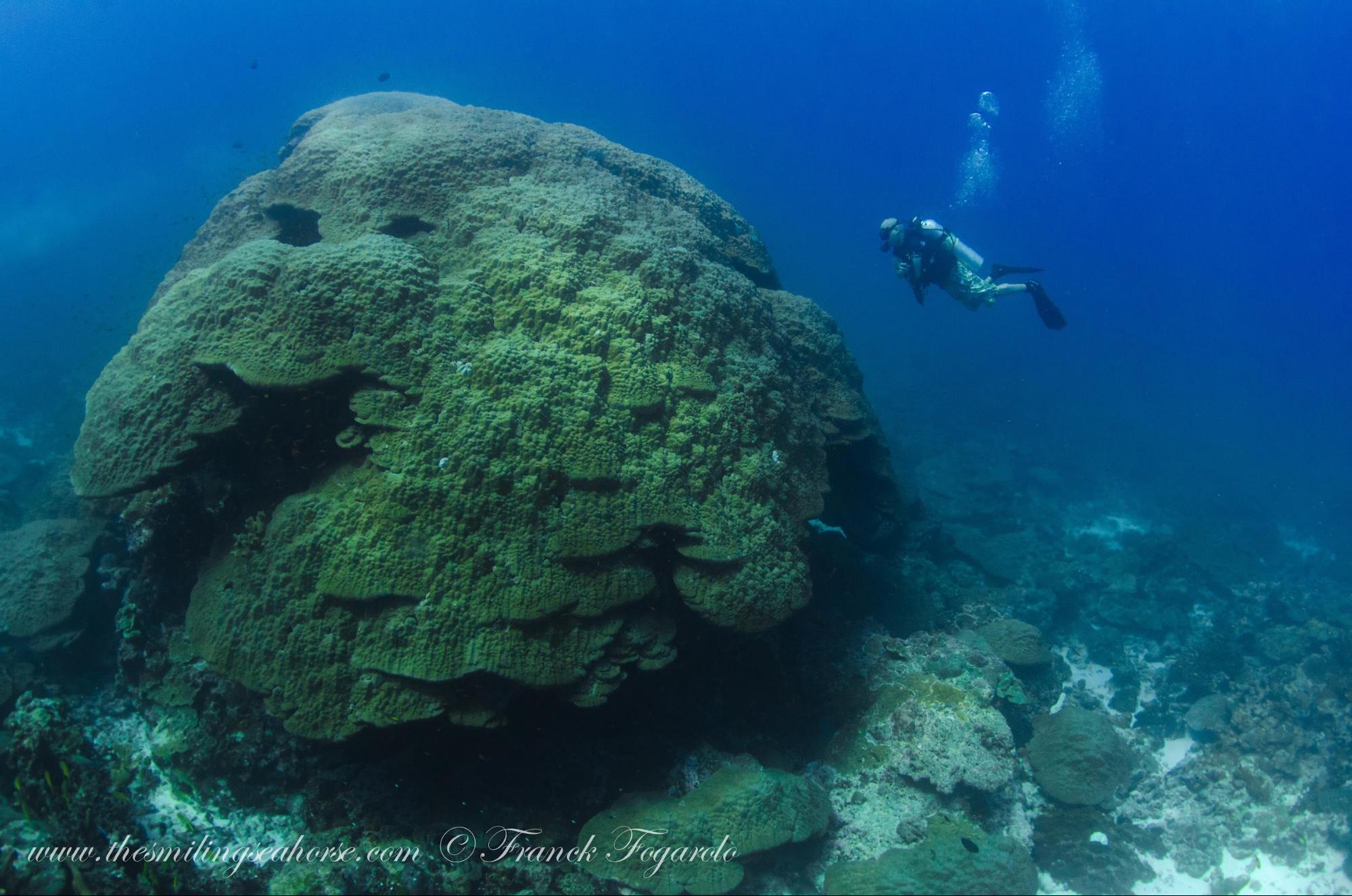
The Burma Banks are a collection of underwater mountains with sloping sand dune-like sides covered with massive bommies and barrel sponges.
Sitting roughly 100 nautical miles (180 km) west of Kawthaung, the Burma banks are enormous.
The visibility is often close to 40 m, and being so exposed, there are often strong currents, making it a great spot to experience drift dives.
This is known as a nursery ground for nurse sharks and other rarer kinds of sharks and rays.
coming up from the depths.
Beside the sharks, the Burma banks are also home to beautiful
tropical creatures such as the honeycomb moray eel and the clown triggerfish and
the leopard blenny, which is seldom encountered in the rest of the Mergui Archipelago.
One of the closest dive sites to Ranong, High Rock, and neighboring sites hide treasures that will set the tone for the rest of the trip: caves, coral, sharks, and a very special “Spanish Garden” where we find Spanish Dancers and rare crab species on most night dives.


 Trustindex verifies that the original source of the review is Google.
 Trustindex verifies that the original source of the review is Google.
 Trustindex verifies that the original source of the review is Google.
 Trustindex verifies that the original source of the review is Google.
 Trustindex verifies that the original source of the review is Google.
 Trustindex verifies that the original source of the review is Google.
 Trustindex verifies that the original source of the review is Google.
 Trustindex verifies that the original source of the review is Google.
 Trustindex verifies that the original source of the review is Google.
 Trustindex verifies that the original source of the review is Google.


 Verified
 Verified
 Verified
 Verified
 Verified Verified
 Verified
 Verified Verified
 Verified