All About the Sexy Shrimp: The Tiny Dancer of the Reef

All About the Sexy Shrimp: The Tiny Dancer of the Reef

All about sexy Shrimp

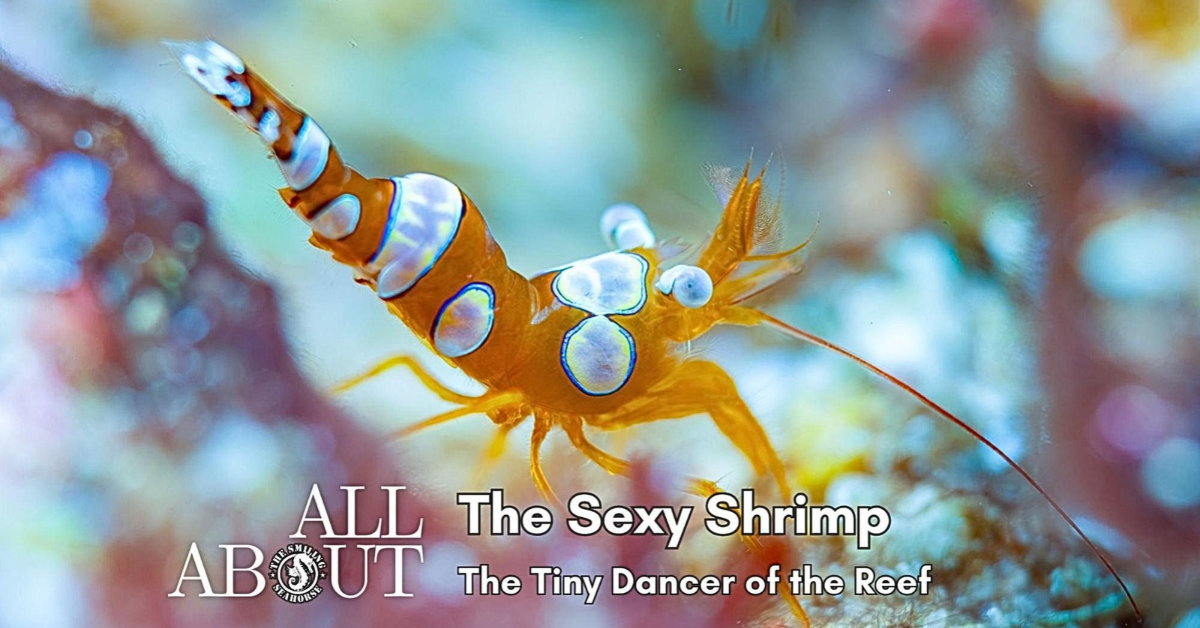
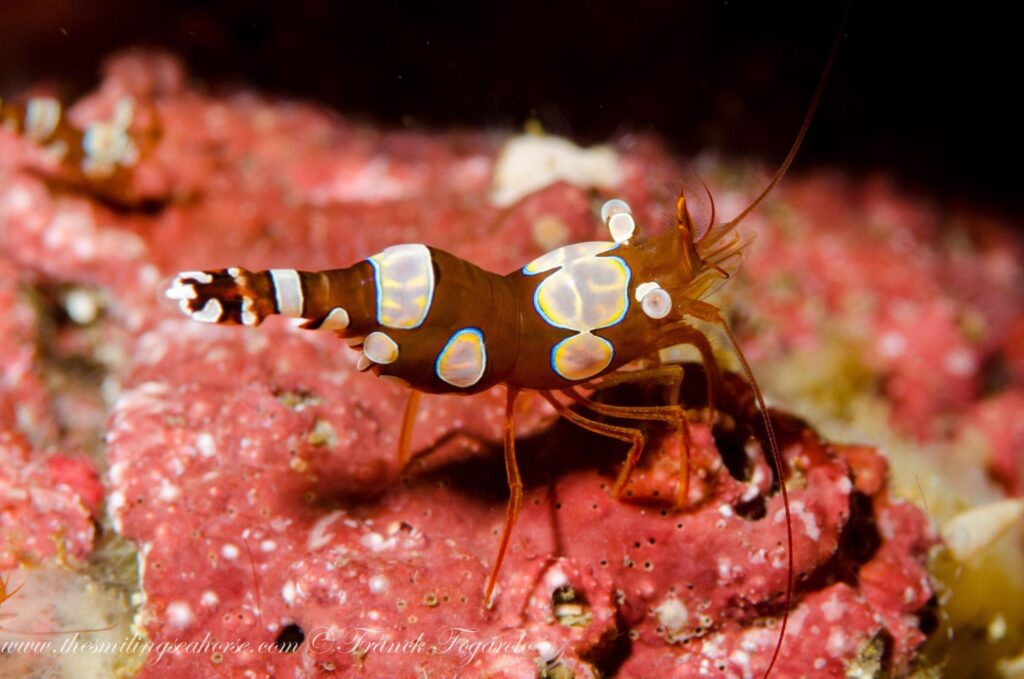
When it comes to eye-catching critters on the reef, few can compete with the Sexy Shrimp — scientifically known as Thor amboinensis. These pint-sized crustaceans may be small (typically no larger than 2 cm), but they’ve got big personality and unmistakable moves that have earned them their cheeky name.

If you’ve been diving with us in the Andaman Sea, chances are you’ve seen one (or a whole group!) of these little show-offs nestled in an anemone or swaying in rhythm on coral rubble. But there’s more to the Sexy Shrimp than just their famous booty wiggle. Let’s take a deep dive into what makes them one of our favorite underwater residents.

💃 Why Are They Called “Sexy” Shrimp?

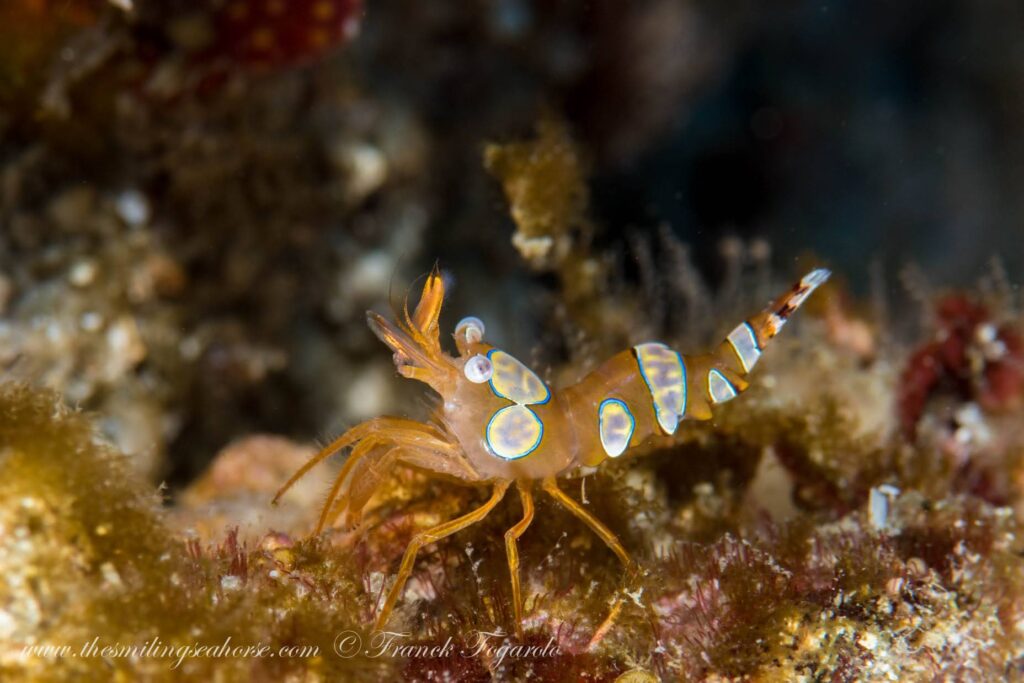
Sexy shrimp in Andaman sea

The name might sound like a gimmick, but it’s actually quite descriptive!

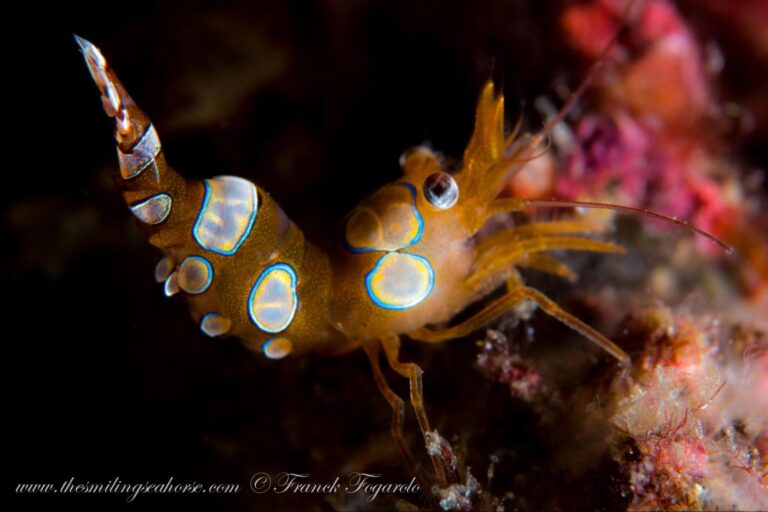
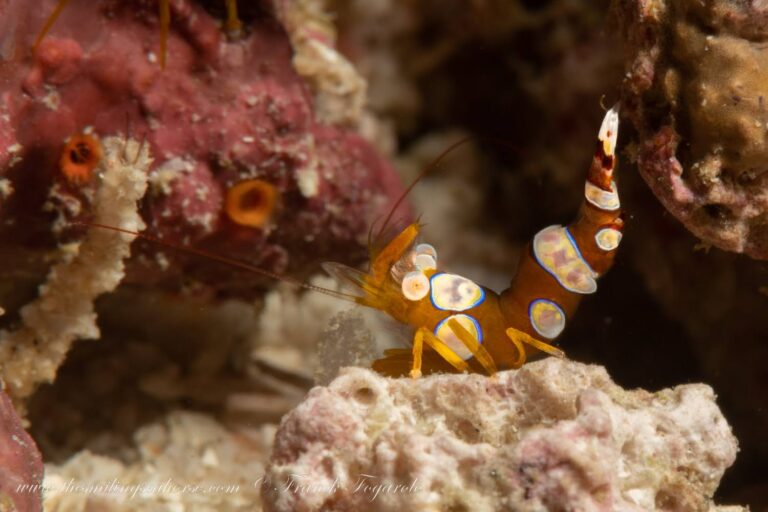
Sexy Shrimp are famous for their exaggerated rear-end-wiggling behavior. As they move, they hold their curled abdomen high in the air, swaying side to side like they’re performing on an underwater dance floor. This constant shimmy is thought to help them communicate and attract mates, but it also just makes them super entertaining to watch.

Divers and underwater photographers love them for their vibrant appearance and animated movements — they’re basically the cabaret performers of the reef!

🤝 Partners in Protection: Sexy Shrimp & Their Anemone Hosts

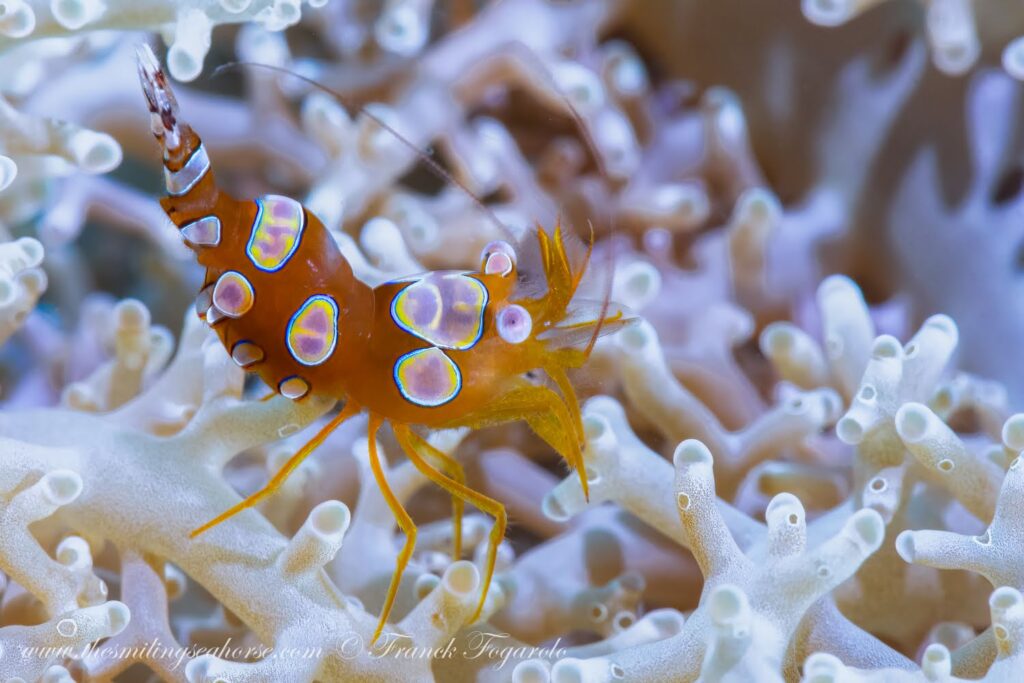
Sexy shrimps association with sea anemones and other cnidarian hosts

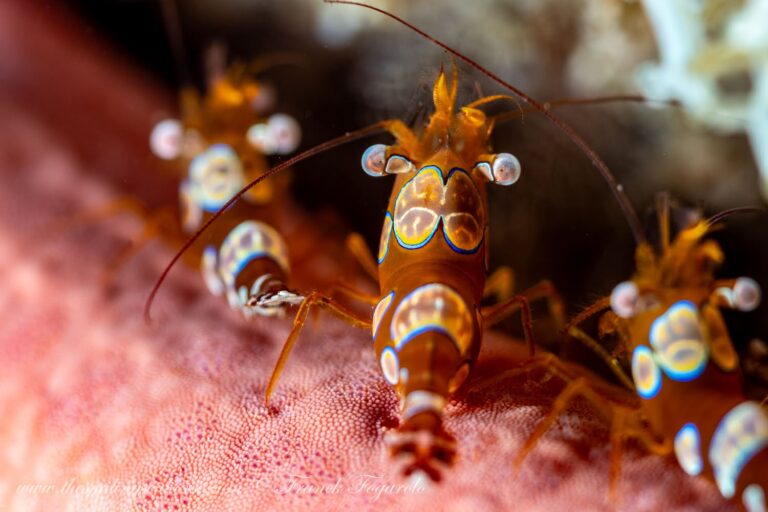
One of the most fascinating aspects of Thor amboinensis is its close association with sea anemones and other cnidarian hosts. These tiny crustaceans often form aggregations among stinging invertebrates, where they find shelter, camouflage, and food. Unlike clownfish, however, Sexy Shrimp do not form lifelong bonds with a single host, relying instead on their hosts more opportunistically.

Some scientists suggest that these tiny crustaceans thrive alongside stinging invertebrates in a commensal symbiosis—where the shrimp benefit while the host remains unaffected. Others argue that the relationship is more mutualistic: the shrimp community consumes parasites that could otherwise harm the anemone, while the anemone not only provides food but also protects the shrimp with its stinging tentacles. However, when food becomes scarce, the shrimp may resort to feeding on the anemone’s protective mucus, shifting the balance from symbiosis to parasitism.

🪸 Preferred Hosts

Sexy Shrimp most commonly associate with smaller, less aggressive anemones and soft-bodied cnidarians. Here are their favorite reef roommates:

🪸 Host Species

💬 Description

Branching Anemone (Actinodendron glomeratum)

A top favorite! Found in sandy rubble, often hosting whole colonies of shrimp.

Rock Flower Anemones (Phymanthus spp.)

Radial tentacles and wide oral discs offer great cover for shy shrimp.

Bubble Coral 

(Plerogyra sinuosa)

Technically not anemones, but Sexy Shrimp love hiding among their inflated vesicles.

Tube-dwelling Anemones (Ceriantharia)

Tube-dwelling anemones actually belong to a distinct group called Ceriantharia—solitary marine cnidarians that inhabit soft sediments within self-secreted tubes.

Sexy Shrimp most commonly associate with smaller, less aggressive anemones and soft-bodied cnidarians.

🛡️ A Safe Haven

The stinging tentacles of their hosts deter most predators. Sexy Shrimp, however, are protected by a specialized mucus layer that prevents them from being stung — allowing them to live safely among the tentacles, feeding, breeding, and socializing.

🍽️ An Opportunistic Diner

Sexy Shrimp dine on parasites that get caught in the tentacles of their host anemone. When parasites are scarce, they search the anemone for leftover scraps. If food becomes very limited, they may even consume the anemone’s protective mucus. At that point, the relationship shifts from symbiosis to parasitism—turning the sexy shrimp into the parasite itself.

While not true cleaners, they help keep the area tidy, making them efficient (if unintentional) reef caretakers.

🧍‍♂️ Not Alone in the Tentacles

Sexy Shrimp often share their hosts with other reef critters, such as:

  • 🦀 Porcelain crabs


  • 🦐 Anemone shrimp (Periclimenes spp.)


  • 🐟 Juvenile commensal fish (occasionally)


Each species usually occupies its own “zone” to reduce conflict — turning the anemone into a miniature reef metropolis.

Sexy Shrimp dine on parasites that get caught in the tentacles of their host
Sexy Shrimp

🧬 A Closer Look: Sexy Shrimp Facts

Category

Details

Scientific Name

Thor amboinensis

Size

1.5–2 cm

Lifespan

~1–2 years

Behavior

Communal, shy but active

Diet

Detritus, algae, plankton, small bits of food from hosts

Hosts

Various anemone species, bubble coral, cnidarians.

Found in

Indo-Pacific region (including Thailand and Myanmar)

📸 A Macro Photographer’s Dream

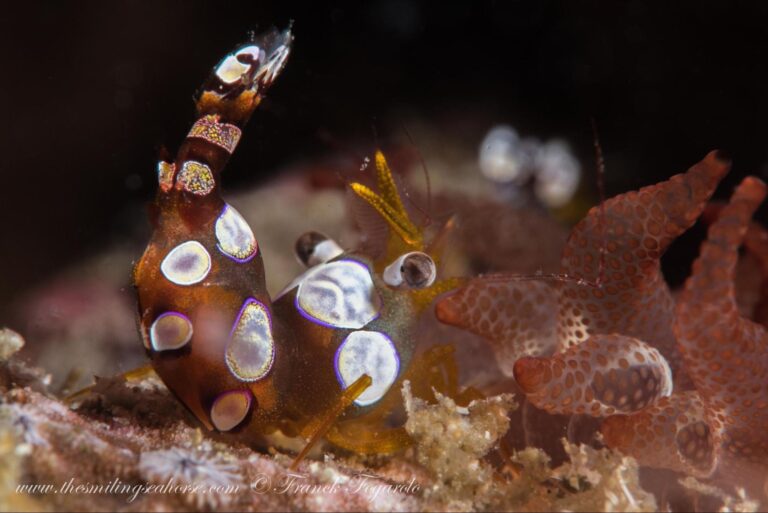
Sexy shrimp portrait by Franck Fogarolo

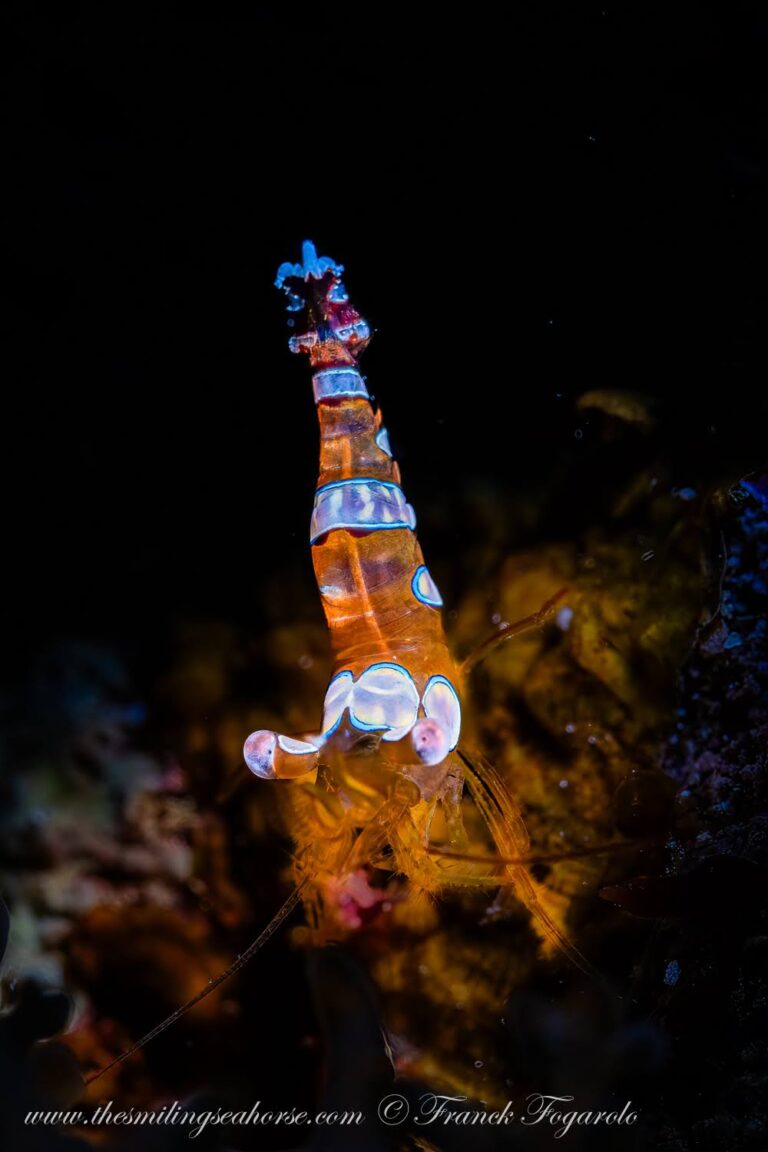
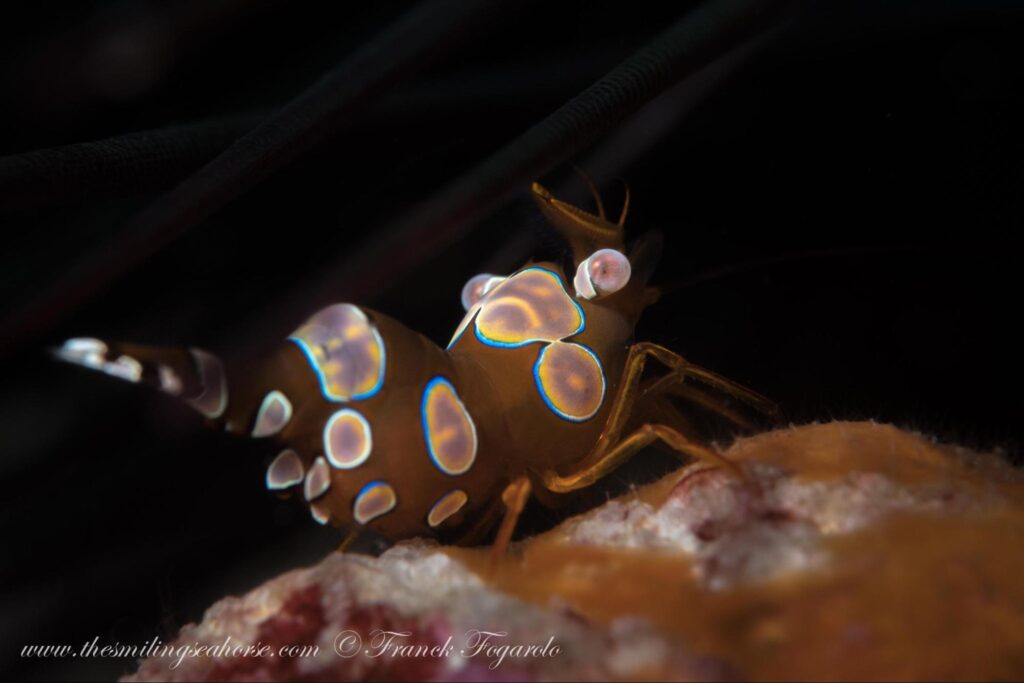
With translucent bodies, bold white spots, and orange patterns, Sexy Shrimp are a macro photographer’s delight. They’re also relatively cooperative, especially when hanging out on stationary hosts.

Pro tip: Move slowly, look around anemones and bubble coral, and wait for the signature tail-wiggle — it’s a dead giveaway!

🧬 Social Life, Behavior & Reproduction: The Sexy Shrimp's Clever Game Plan

Sexy shrimp, night dive, Andaman Sea

Despite their size, Sexy Shrimp have a surprisingly sophisticated social structure and a flexible reproductive strategy that keeps their populations thriving.

🫂 Small Colonies, Big Drama

These shrimp live in small, structured groups, often led by a dominant female, surrounded by multiple smaller males. It’s peaceful, but highly hierarchical — and when social dynamics shift, so do the shrimp themselves.

⚧ Nature’s Gender-Bending Strategy

Sexy Shrimp are protandric hermaphrodites:

  • Born male
  • Largest male can transform into a female if needed
  • Ensures there’s always a breeding female in the colony

This smart adaptation guarantees reproductive continuity, even in unstable conditions.

♻️ The Cycle of Resilience

Sexy Shrimp thrive thanks to:

  • ✅ Rapid sexual maturity

  • ✅ Flexible gender roles

  • ✅ Frequent reproduction

  • ✅ Wide larval dispersal

Packed into a dazzling 2 cm body, this shrimp is proof that small can be mighty in the reef ecosystem.

Les tentacules urticants de l'anémone offrent une protection idéale à la crevette contre ses prédateurs,

🛟 Why They're Important to the Reef

🌊 Sexy shrimp (Thor amboinensis) may be tiny, but they play an important role in reef ecosystems. Here are some key reasons why they matter:

  1. Parasite Control
    Sexy shrimp often feed on parasites and other small organisms that become trapped in the tentacles of their host anemones. By doing this, they help reduce parasite loads that could otherwise stress or harm their cnidarian hosts.
  2. Nutrient Cycling
    By consuming parasites, detritus, and leftover organic matter, they recycle nutrients back into the reef system. This contributes to the overall balance and productivity of reef ecosystems.
  3. Host Health and Protection
    Their cleaning activity benefits the host anemone, which health is equally important as  they help stabilize reef structures and provide living space for other organisms.
  4. Biodiversity and Trophic Links
    Sexy shrimp are part of the complex food web:
    • They are prey for larger reef fish and invertebrates.
    • They serve as a link between micro-organisms/parasites and higher predators.
      Their presence adds to the biodiversity that makes coral reefs so rich and resilient.
  5. Indicator Species
    Because they are sensitive to environmental changes, their presence (or absence) can provide clues about reef health and stability.

✨ In short, sexy shrimp help maintain host health, recycle nutrients, support biodiversity, and form an important piece of the reef’s intricate ecological puzzle.

💙 Final Thoughts: Small but Unforgettable

Sexy shrimps are sensitive to environmental changes, their presence (or absence) can provide clues about reef health and stability

They may not be the reef’s largest or flashiest stars, but Sexy Shrimp are some of the most entertaining, photogenic, and ecologically interesting critters you’ll encounter underwater.

So next time you’re diving with The Smiling Seahorse, take a moment to peer closely at that anemone — and if you see a little tail wagging proudly in the current, you’ve found reef royalty in miniature form.

📩 Want to See the Sexy Shrimp Up Close?

Join us on one of our cruises — and let us help you discover the small wonders that make diving in the Andaman Sea truly magical.

🛳️ Check out our upcoming trips »

Leave a Reply

Your email address will not be published. Required fields are marked *

Categories

Archives

Our latest blogposts