
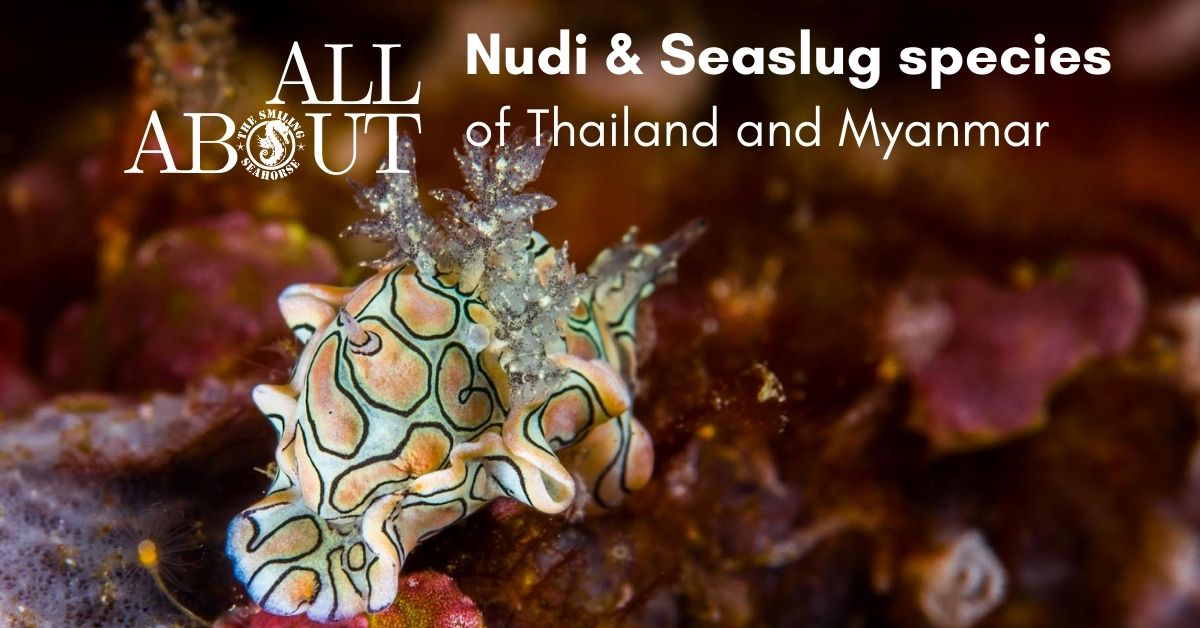
For Me, Nudi-Hunting Is Like Collecting Stamps…
You always want to find new ones for your private collection.
I remember the first time someone pointed out a nudibranch to me during a dive, gesturing towards a rock and signalling, “Look, something small.” What felt like minutes went by as I squinted and shifted focus, trying to figure out exactly what I was looking at.
Then suddenly, a tiny piece of what appeared to be algae moved and I noticed it was actually alive! It couldn’t have been longer than a centimetre or so and was pink, with beautiful blue and yellow tentacles sticking out all over its worm-like body and head.
What was that thing? And how in the world had the dive guide seen something so minuscule and hidden?
Now, I am the type of diver who can usually be found hovering in one place for minutes at a time, treasure hunting with my mask a short distance from the reef or seafloor.
Many people don’t know that the biodiversity in a square metre of coral reef is unmatched by any other ecosystem on the planet, a rule to which the Andaman Sea in Thailand and Mergui Archipelago in Myanmar (Burma) are no exception.
The regions are filled with a cornucopia of colours, shapes and textures. If you take your time and look closely, you can find some bizarre little rarities that can bring a tear to your eye…
What Exactly Is a Nudibranch?
Today there are somewhere around 3,000 documented species of these incredible molluscs, which can range from a mere 4 mm to a hefty 60 cm.
Nudibranchs are invertebrates that spend a certain stage of development with a shell. They will always shed this shell at some point before adulthood. All nudibranchs are members of the sea-slug family, however not all sea slugs are nudibranchs.
These “sea slugs” are hermaphroditic, which means that each individual has both female and male reproductive organs on the right side of their body. They can lay up to 25,000 eggs at a time in a mucous, ribbon-like formation that will take roughly a week to hatch.
Because they have both male and female sexual organs, a pair can inseminate each other, so you have two pregnancies instead of one. However, nudis still need to find a mate. They cannot impregnate themselves!
Nudibranchs are carnivorous and love to eat sponge, hydroids, algae, coral, anemones and even other nudibranchs. They can be found mostly in shallow reefs in warm salt water, but there are some species that live in deeper or cold waters, and some can even survive the lower salinity of brackish water.
They are found in great abundance at any of the dive sites of the Mergui Archipelago in Burma.
What Is So Special About Nudibranchs?
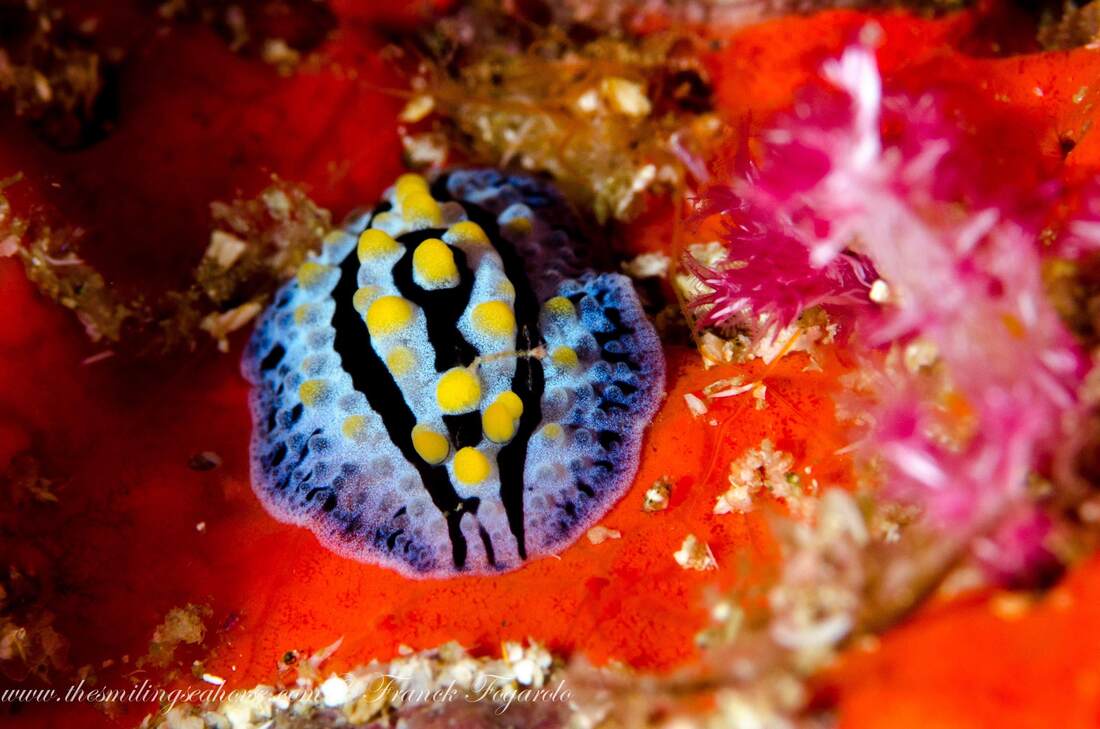
Although they are small, they have developed some very industrious techniques to protect themselves. Many nudibranchs display bright colours for a multitude of reasons.
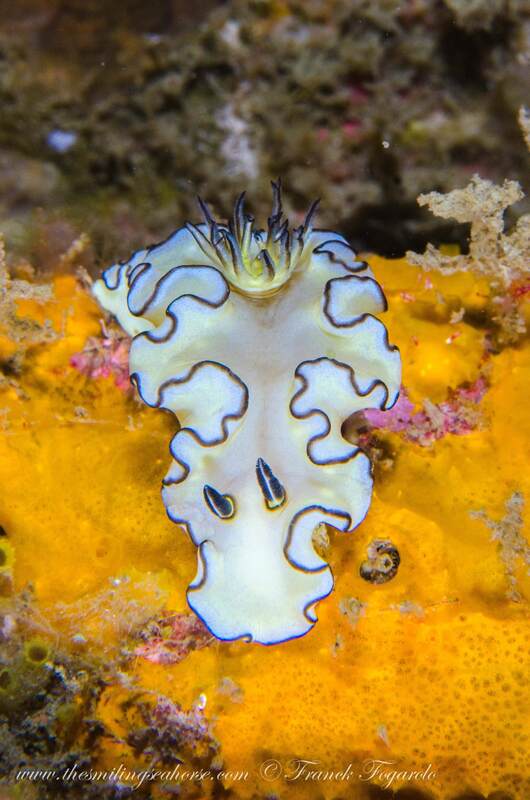
Some practise what’s called aposematism, which is colouration used to suggest to predators that they aren’t tasty or can be toxic. This is a technique used by the Phyllidiidae family that we often see in the Indo-Pacific.
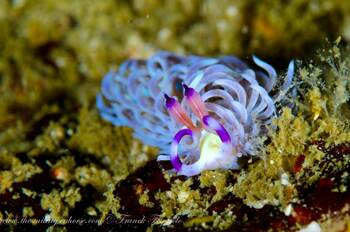
Some nudibranchs that feed on the stinging cells of jellyfish or hydroids can actually recycle them and use them as weapons.
Glaucus atlanticus, or the Blue dragon nudi, can be found floating near the surface and feeds on the nematocysts of the Portuguese man o’ war jellyfish and similar species.
It will eat the stinging cells and pass them harmlessly through its body, where they can then be displayed on its skin or in appendages called cerata, making them harmful to predators.
Some nudibranchs that eat sponge will also use the same chemicals that their prey use to defend themselves, making them taste foul to their own predators.
Some can also make their own chemicals, regardless of what they eat or where they live, to serve similar purposes or can even secrete an acidic mucus when disturbed.
Some nudibranchs will feed on plant cells and use them to create their own food sources.
A particular group of sacoglossan sea slugs will eat certain algae found in soft corals and recycle their chloroplasts so they can create their own nutrients through photosynthesis.
This means that once it has eaten enough, it doesn’t need to eat any longer. The algae in its body will use sunlight to create enough nutrients for its host to survive.
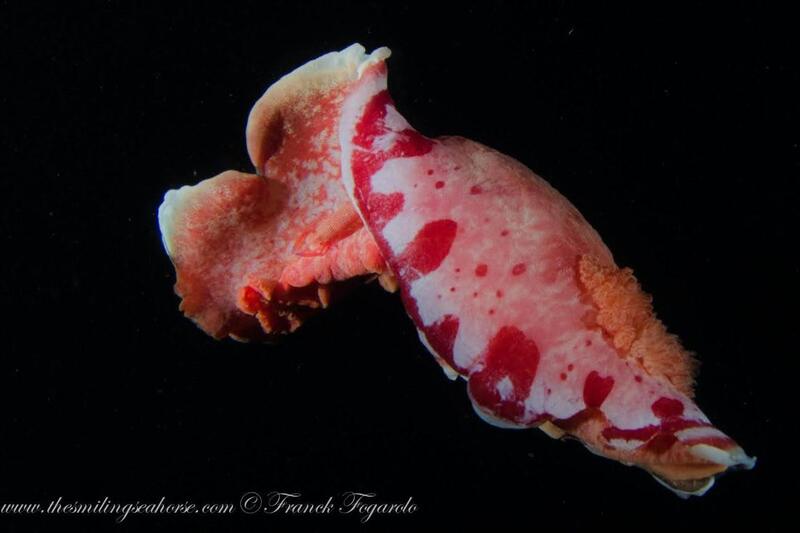
The Spanish Dancer
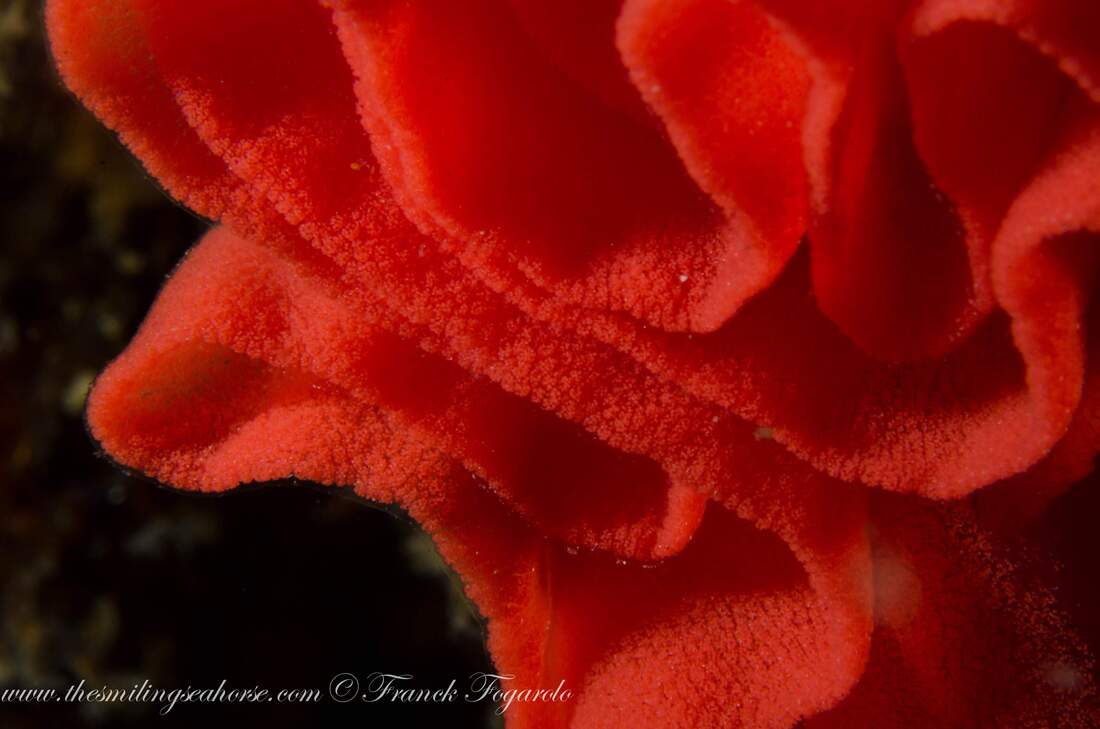
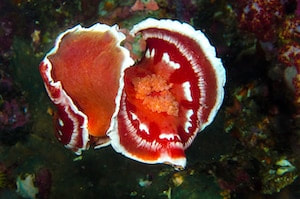
One of the world’s most famous nudibranchs is the Spanish dancer, or Hexabranchus sanguineus. It is also one of the world’s biggest, growing up to 40 cm long!
These are nocturnal and can often be found during a night dive. If you are lucky, you can even see one swimming in a mesmerising, undulating movement.
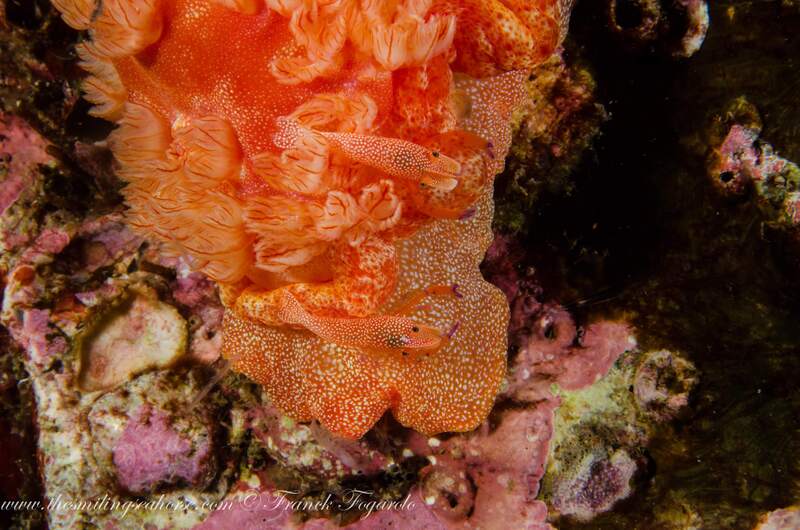
It is potently chemically defended and advertises this with its bright red colour. They also often have small symbiotic emperor shrimp which ride along on their backs.
How Do You Identify a Nudibranch?
Nudibranchs have complicated names which can be very daunting to someone just starting to learn about them. They often have common names which can be easier to remember, but they can also cause confusion.
For example, some people call the same nudi different names depending on where they dive and what the locals refer to them as. Sometimes a distinguishing feature that led people to give it a common name is not specific to that species, leading different nudis to be called the same thing.
Using their scientific names is the best way to accurately identify nudibranchs, even if it can be a bit of a mouthful.
Taxonomy is the way we classify living things in biology and it is an intricate science. Basically speaking, plants and animals are divided into family trees that get more specific as you travel downwards, eventually allowing you to name individuals.
There are four main nudibranch families: Doridoida, Aeolida, Dendronotida and Euarminida.
The most common families are Aeolids and Dorids, which each have specific identifiable features.
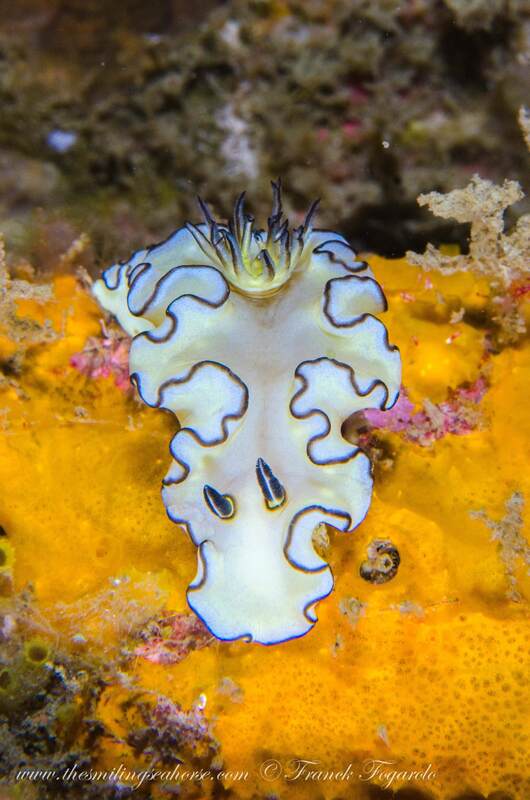
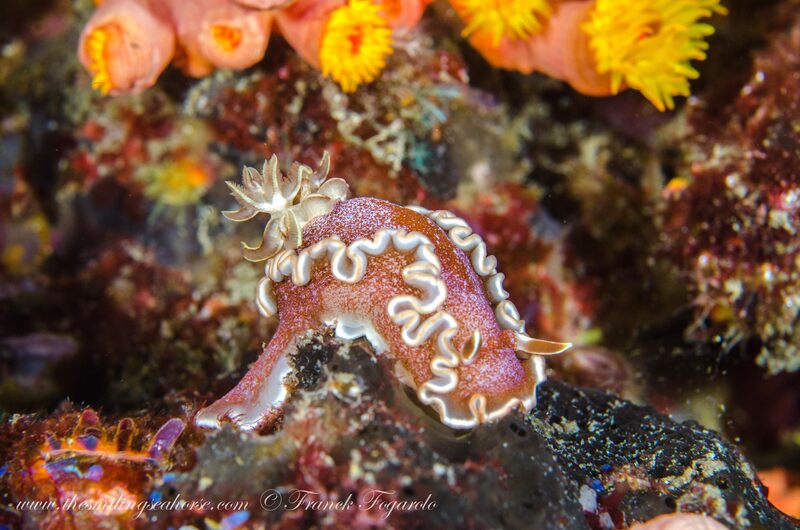
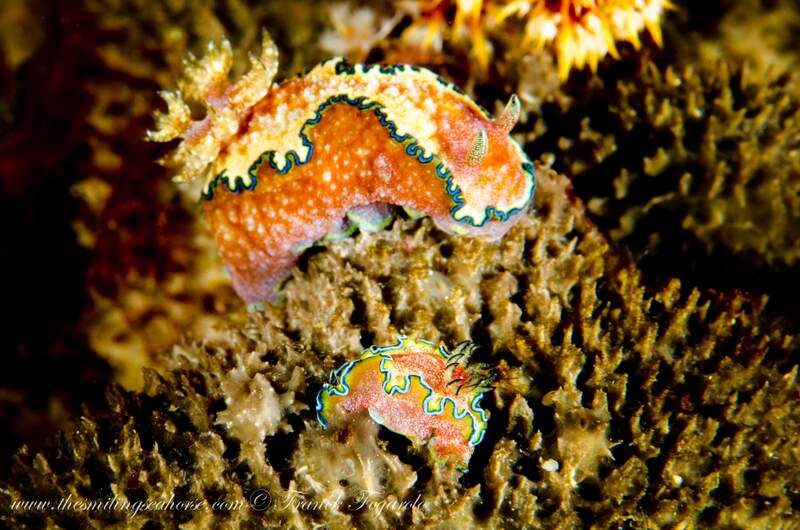
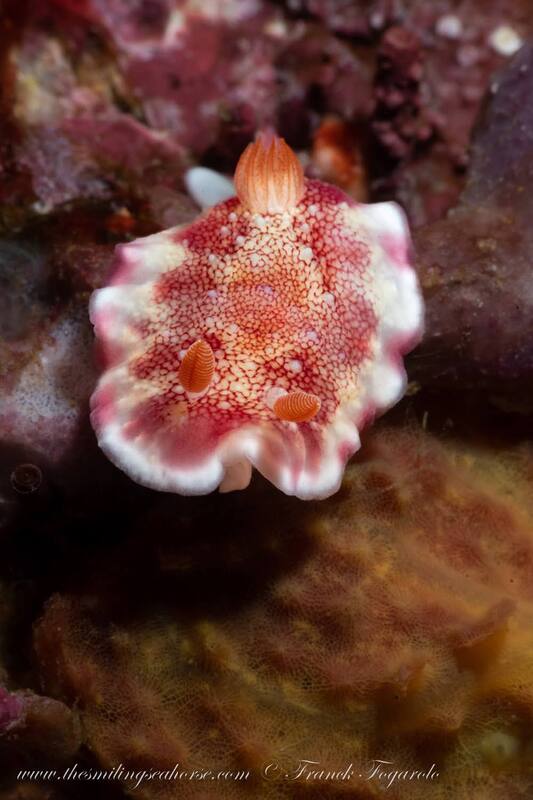
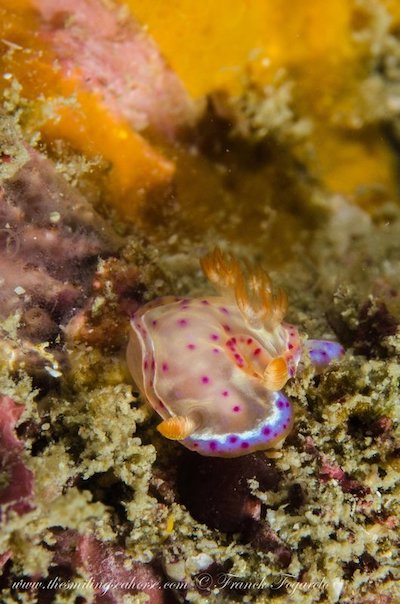
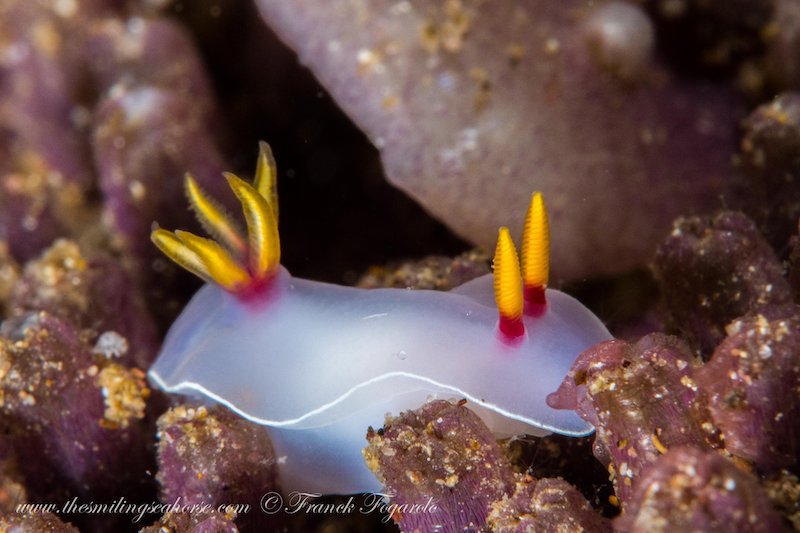
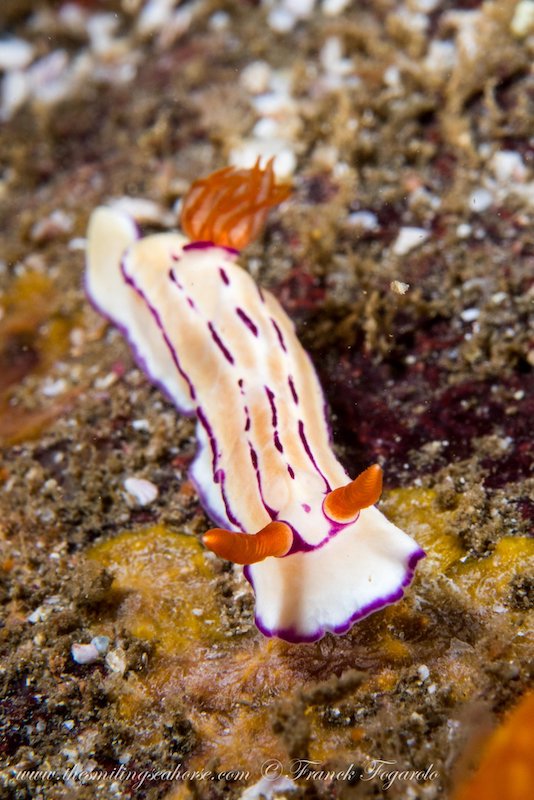
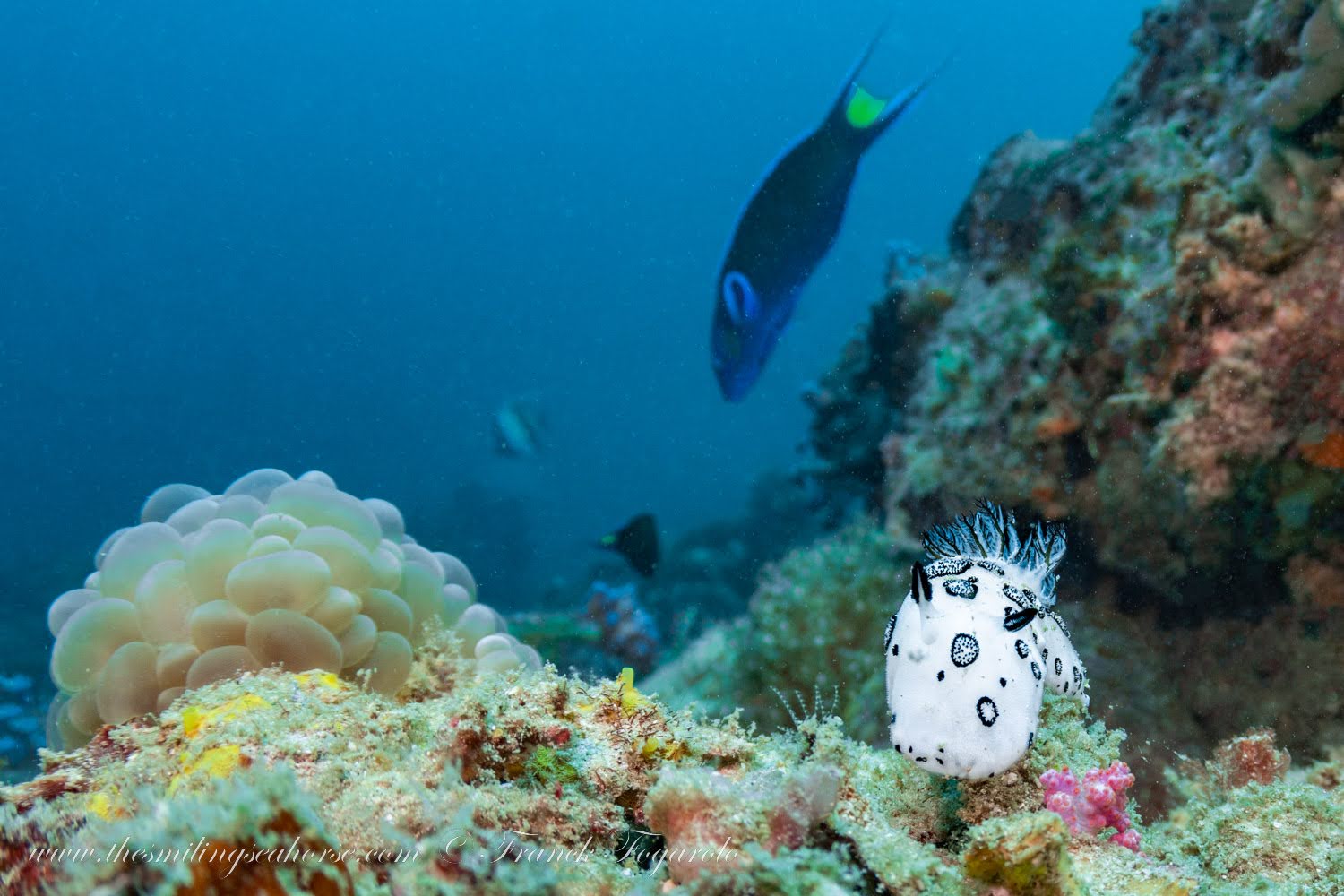
Dorids all have a distinguishable branchial plume on their back end which they use to breathe. Their mantles are often smoother and more regularly shaped than Aeolids, which are typically much spikier.
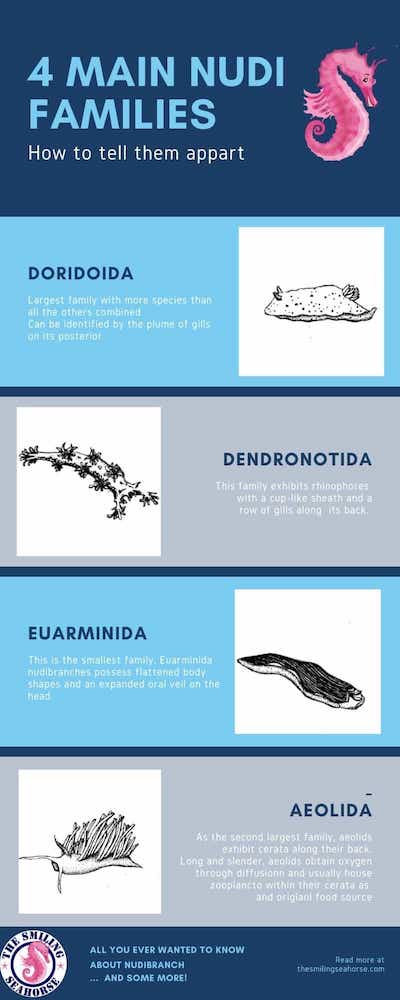
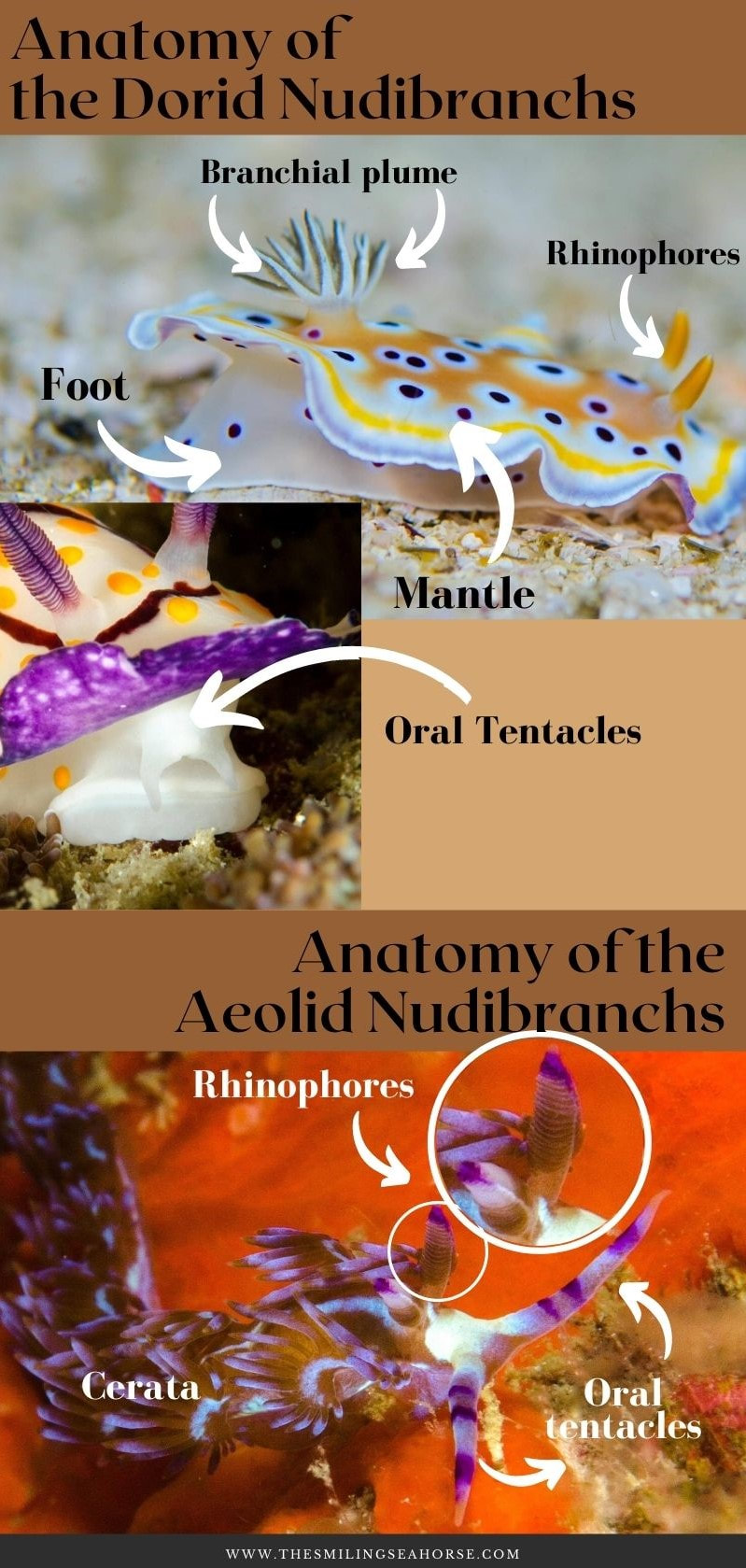
Instead of branchial plumes, Aeolid nudibranchs are covered in appendages called cerata, which increase surface area for gas exchange and can also be used to display ingested chemicals or stinging cells for defence.
Understanding the difference between the different species is a great place to start, but there are other things to consider when identifying a special slug you found on the reef.
Looking at its body shape can be very helpful, as well as its colouration and any markings like stripes or polka dots.
Also, when in doubt, there are many resources available to you, like marine species identification books or public forums on social media.
Some of my favourites are ID Please (Marine Creature Identification) and Nudibranch Central on Facebook.
What Kind of Nudibranchs Can We Find in Thailand and the Mergui Archipelago?
The marine life in the Mergui Archipelago and Thailand is so diverse that it has something to offer to any diver.
Macro lovers rejoice in Burma, and especially those with an affinity for nudibranchs.
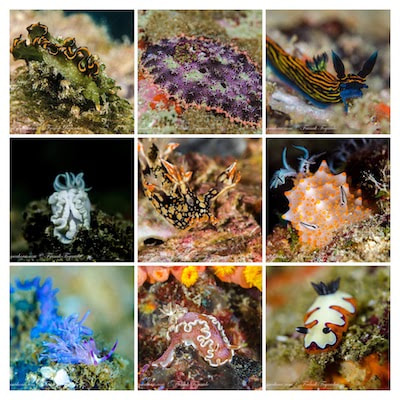
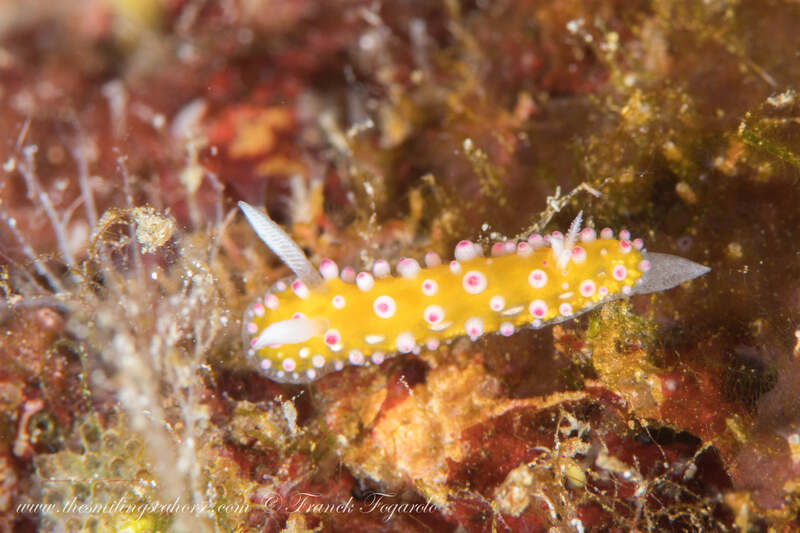
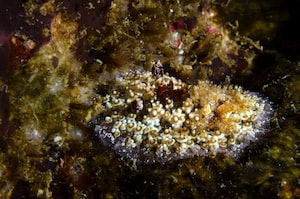
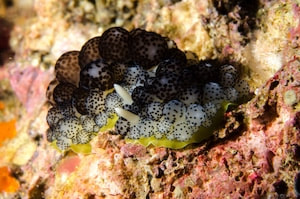
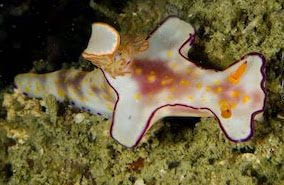
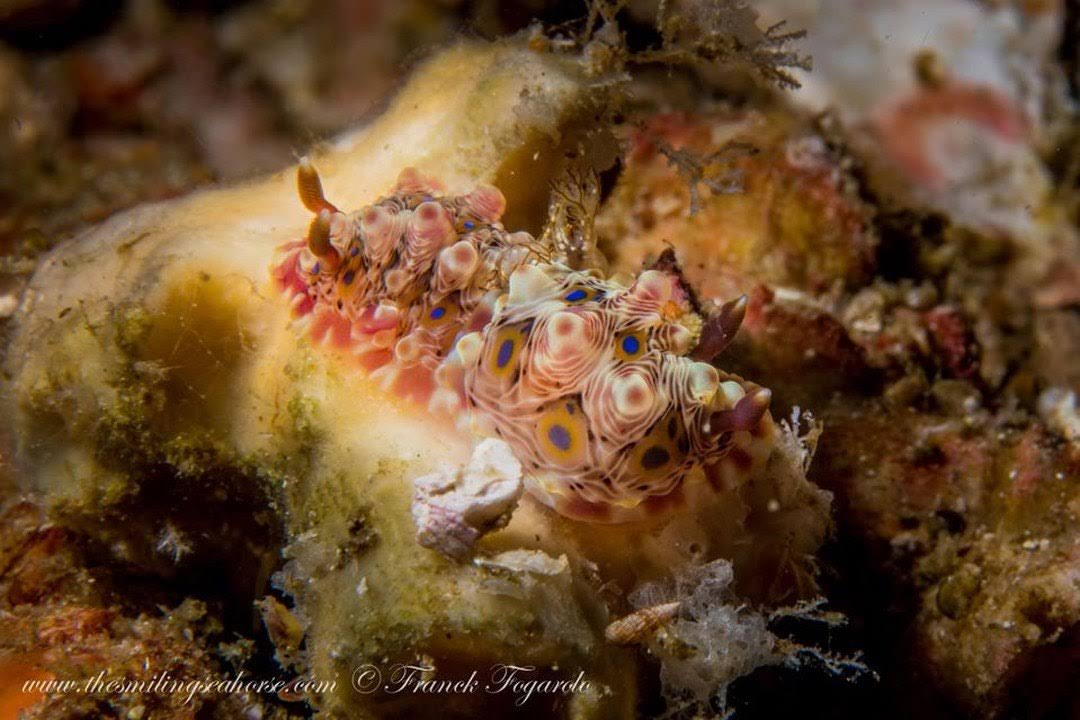
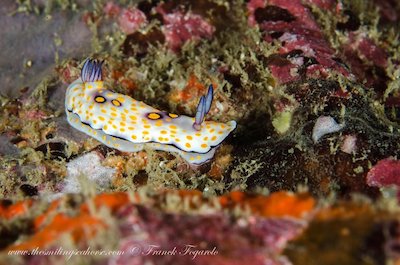
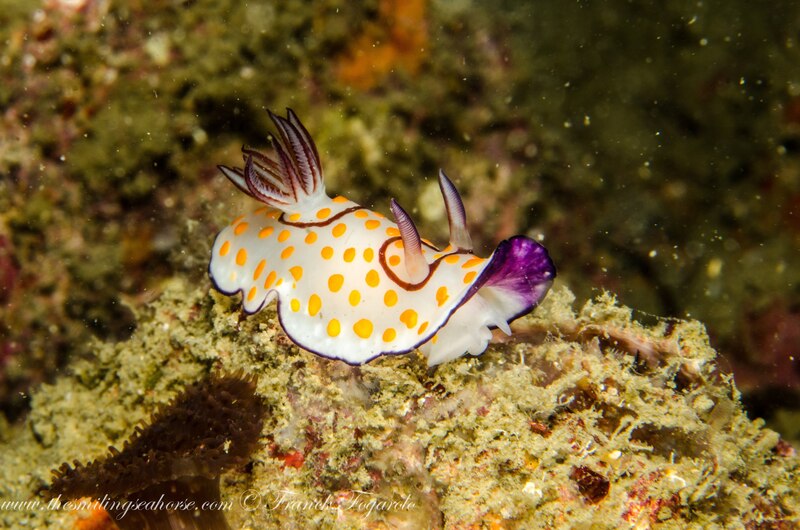
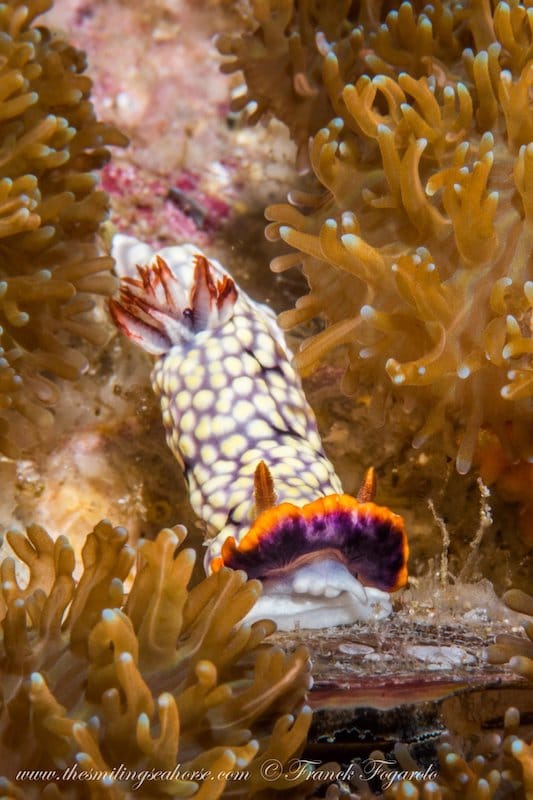
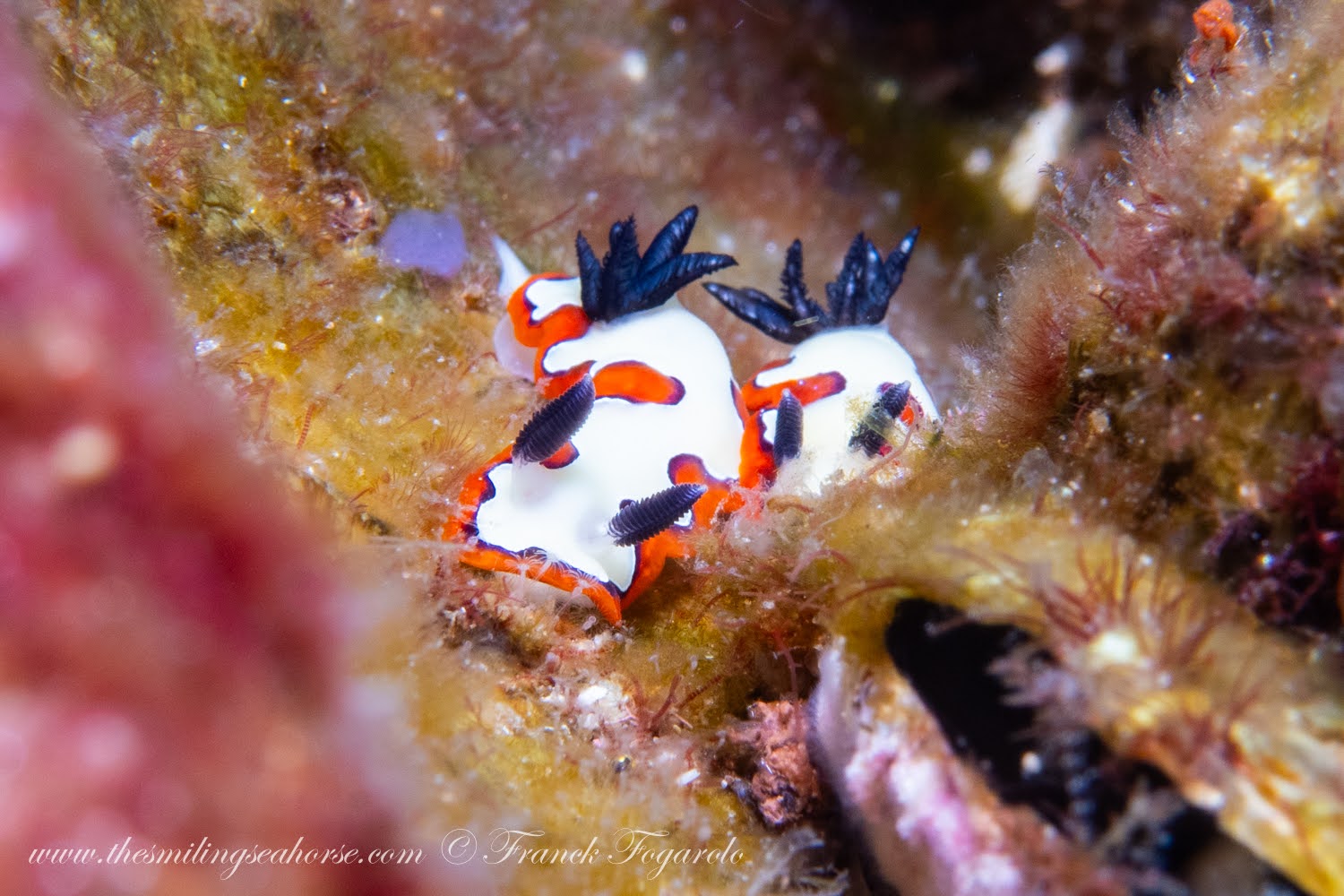
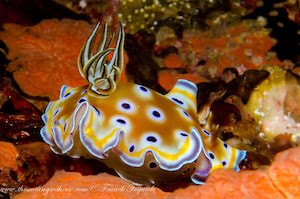
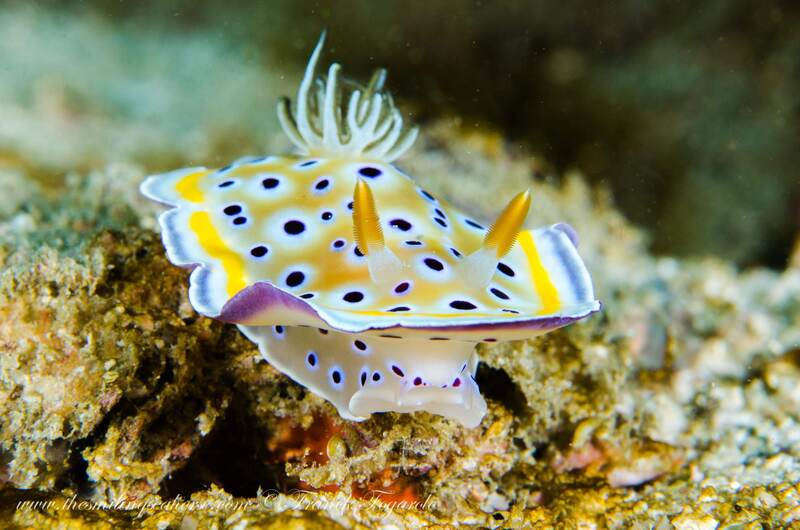
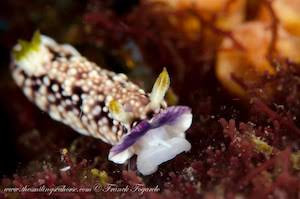
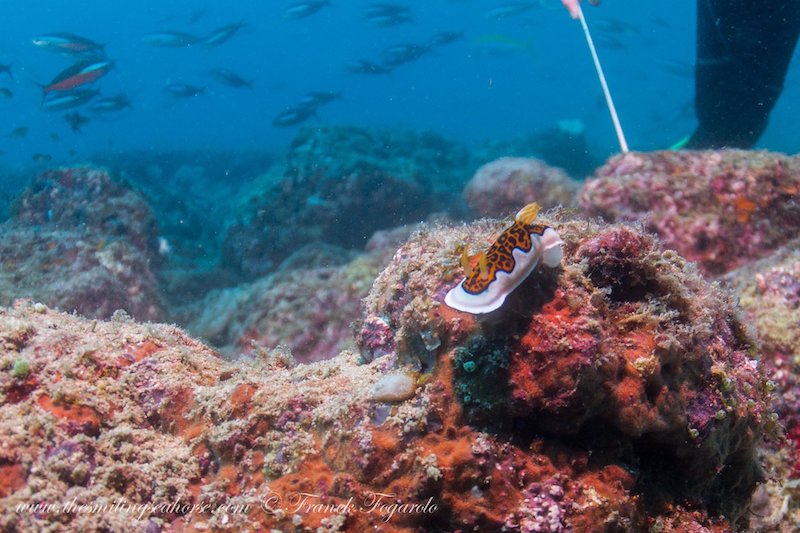
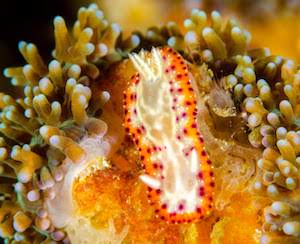
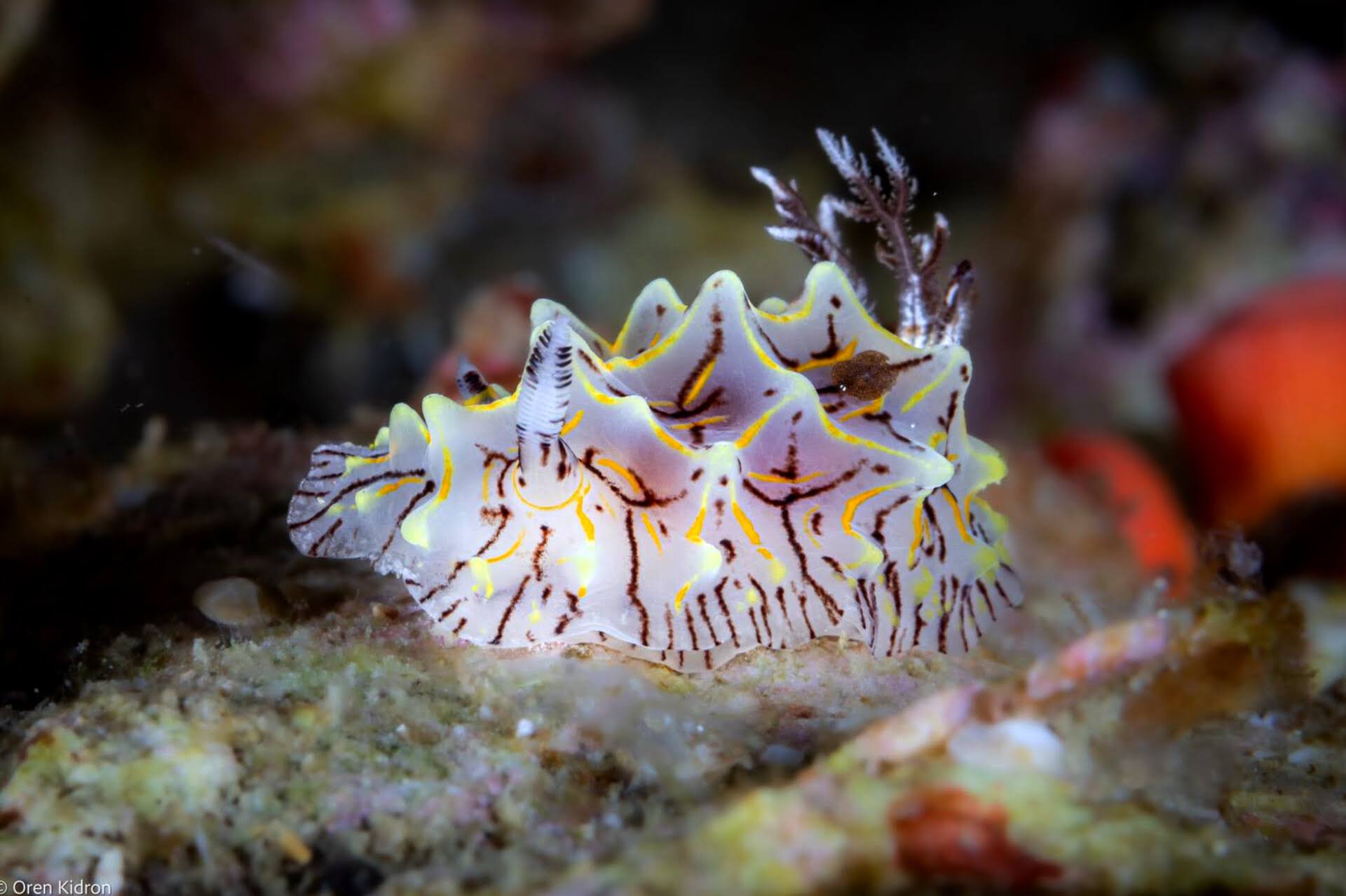
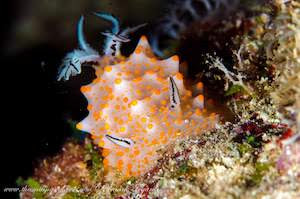
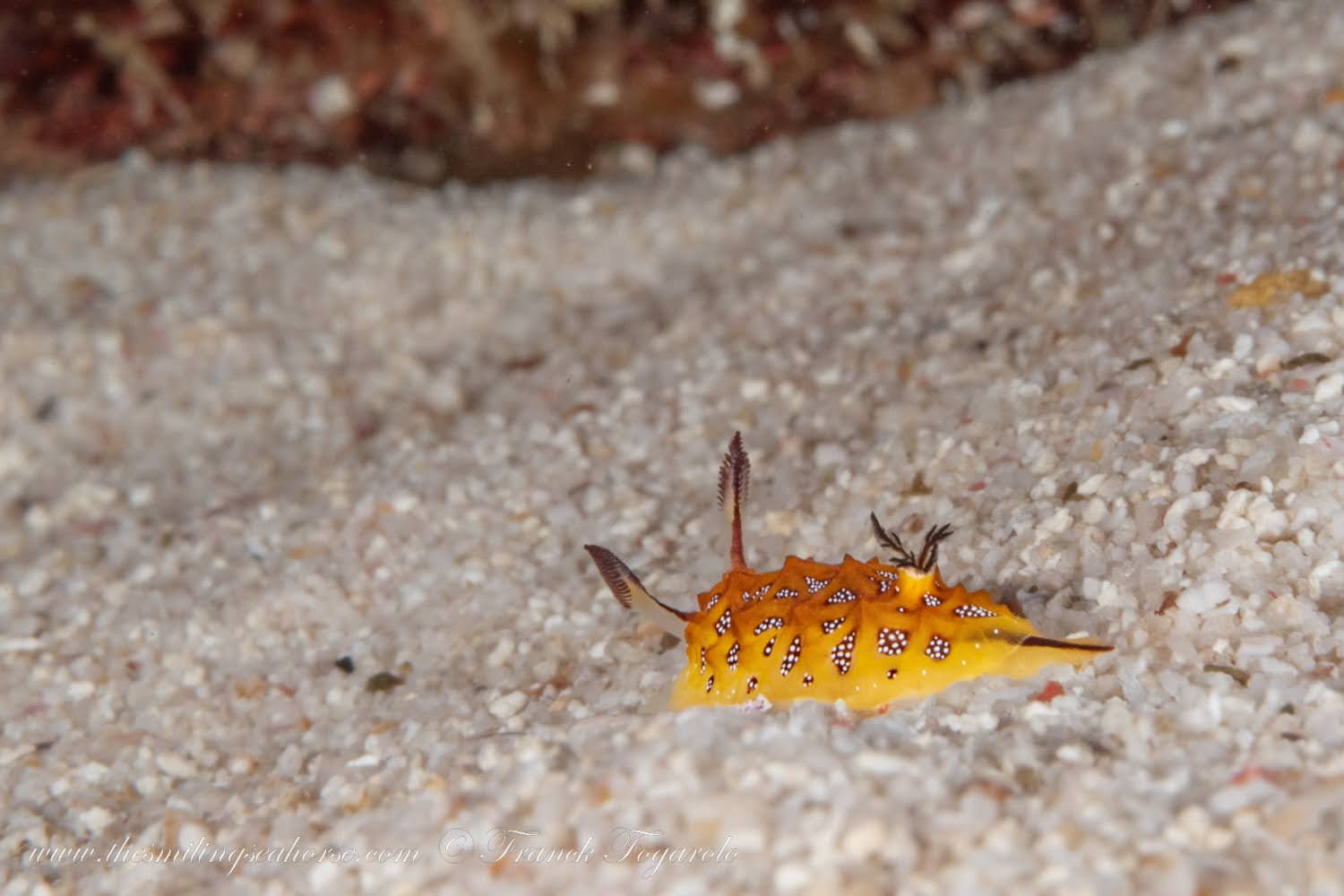
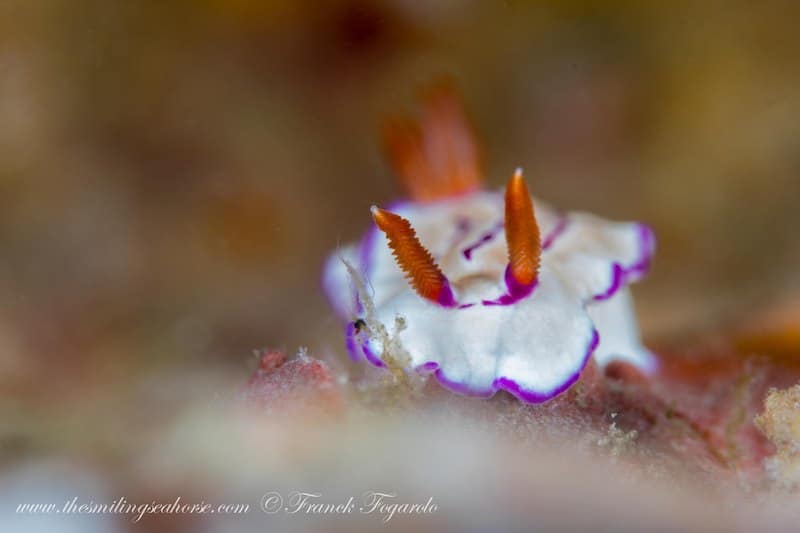
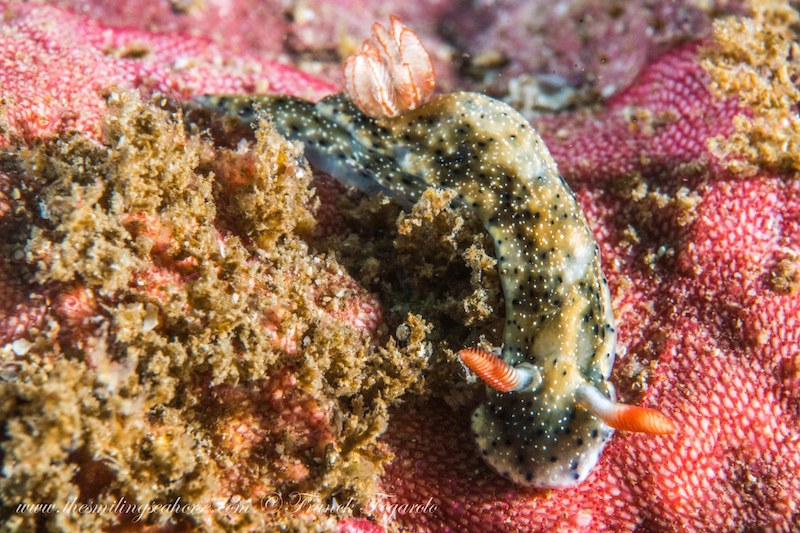
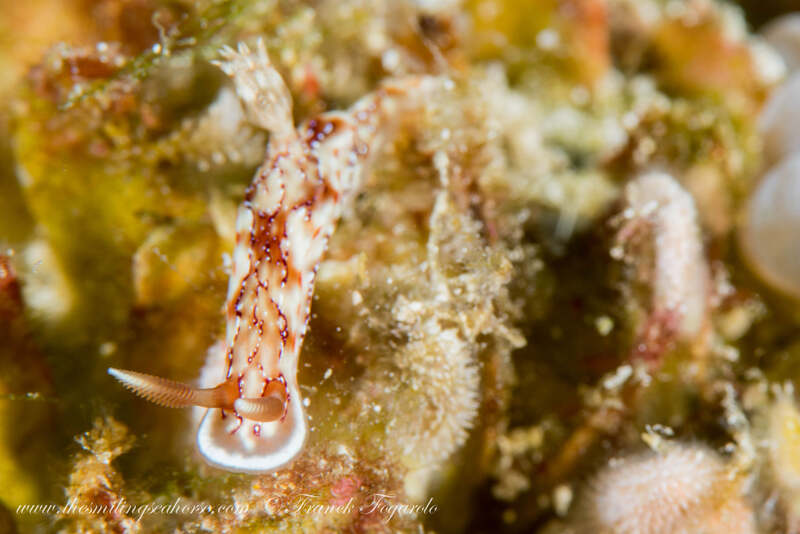
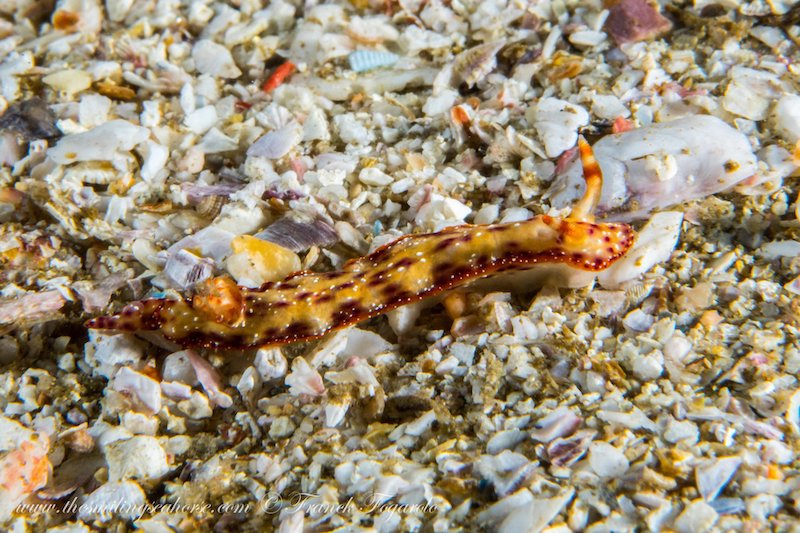
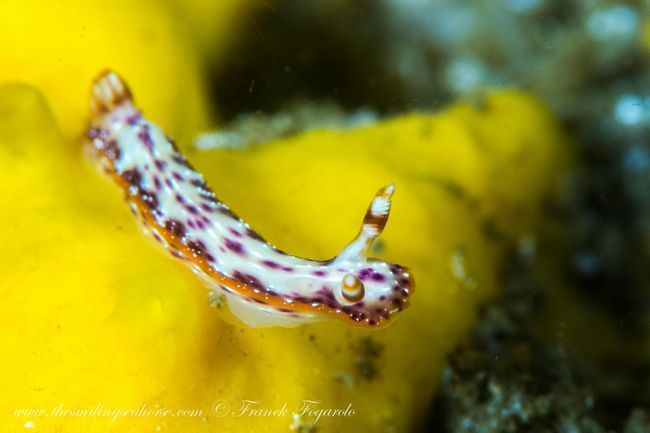
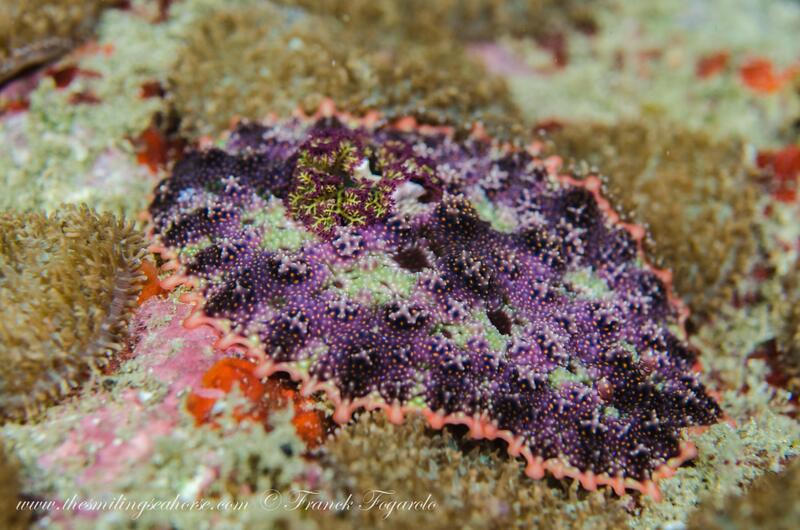
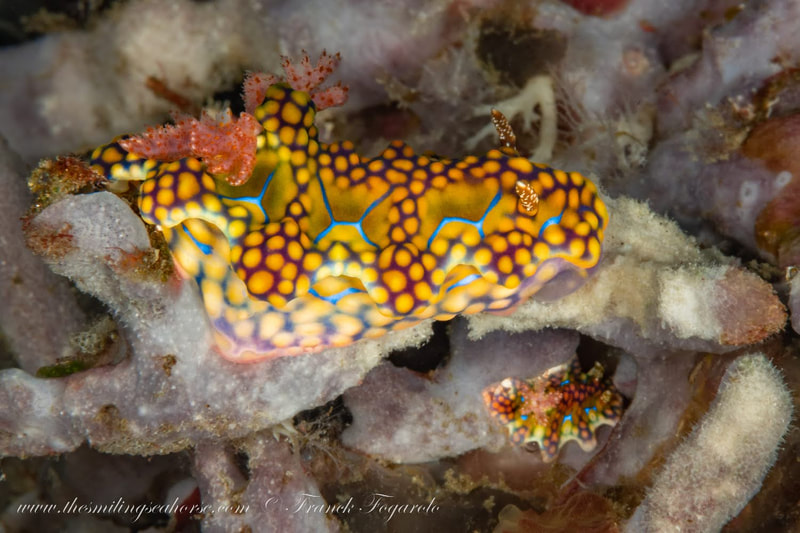
Behold some mesmerising little beauties that we have found on our cruises.
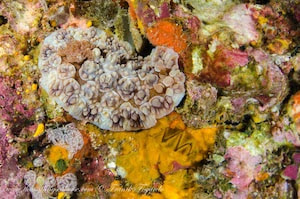
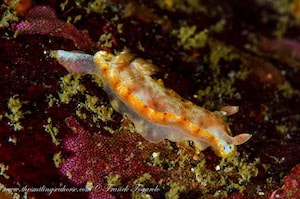
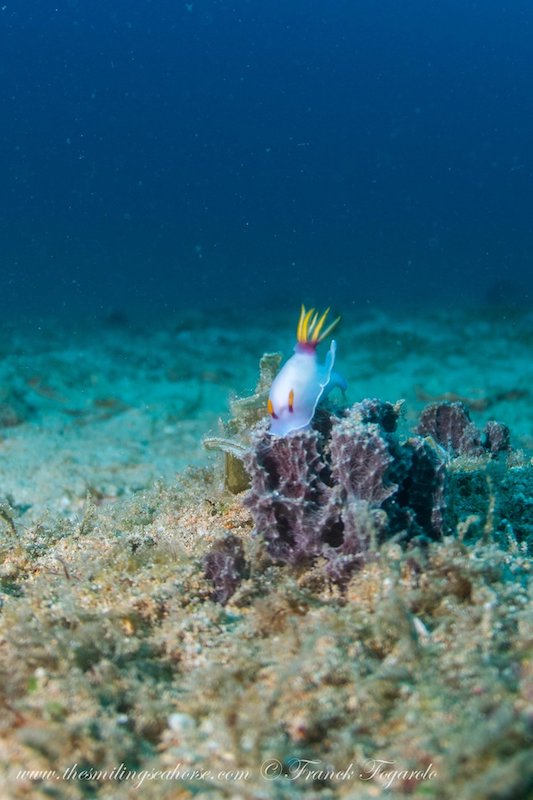
A Selection of the Prettiest Nudis We Found in Thailand and Myanmar
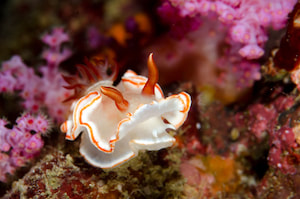
Doridoida
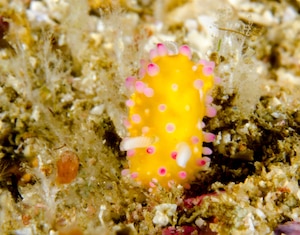


Dendronotida

Aeolidida


Other Sea Slugs and Non-Nudibranchs


Thanks to the Authors and Contributors!
This blog post was written by Katie O. with the help of Camille L. and several Facebook groups who could identify some less common nudis.





One Response
Thank you for your Post! It was very informative. I also really love observing Nudibranch and I’m planning a trip to Thailand. Where exactly would you recommend for me to go?
Merci!