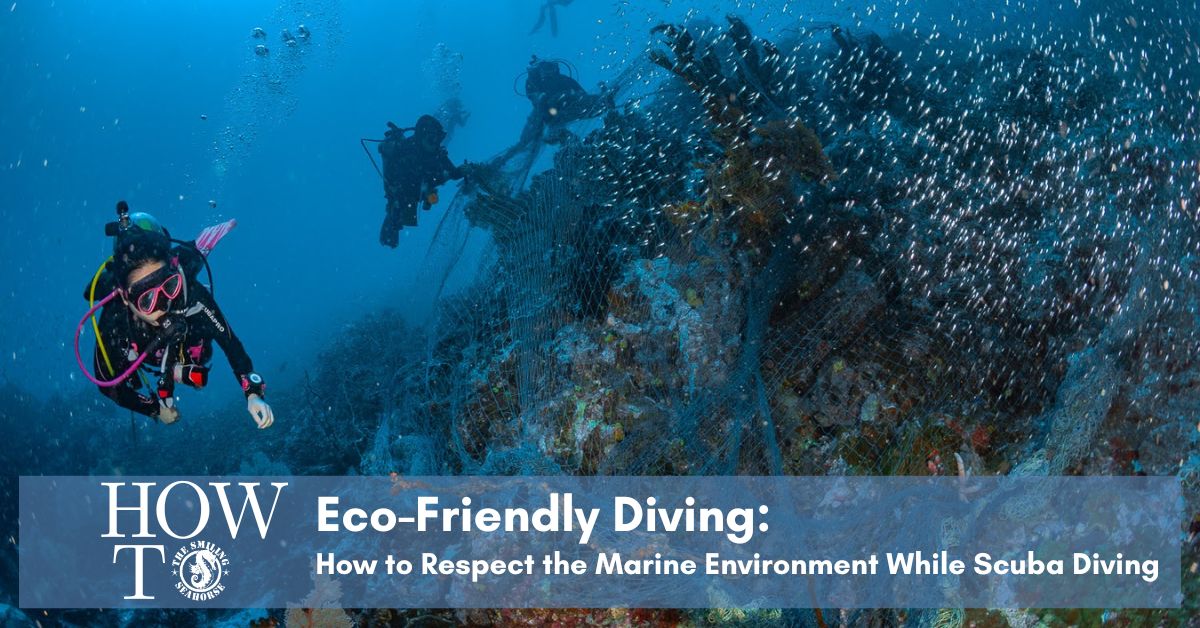
Eco-Friendly Diving: How to Respect the Marine Environment While Scuba Diving
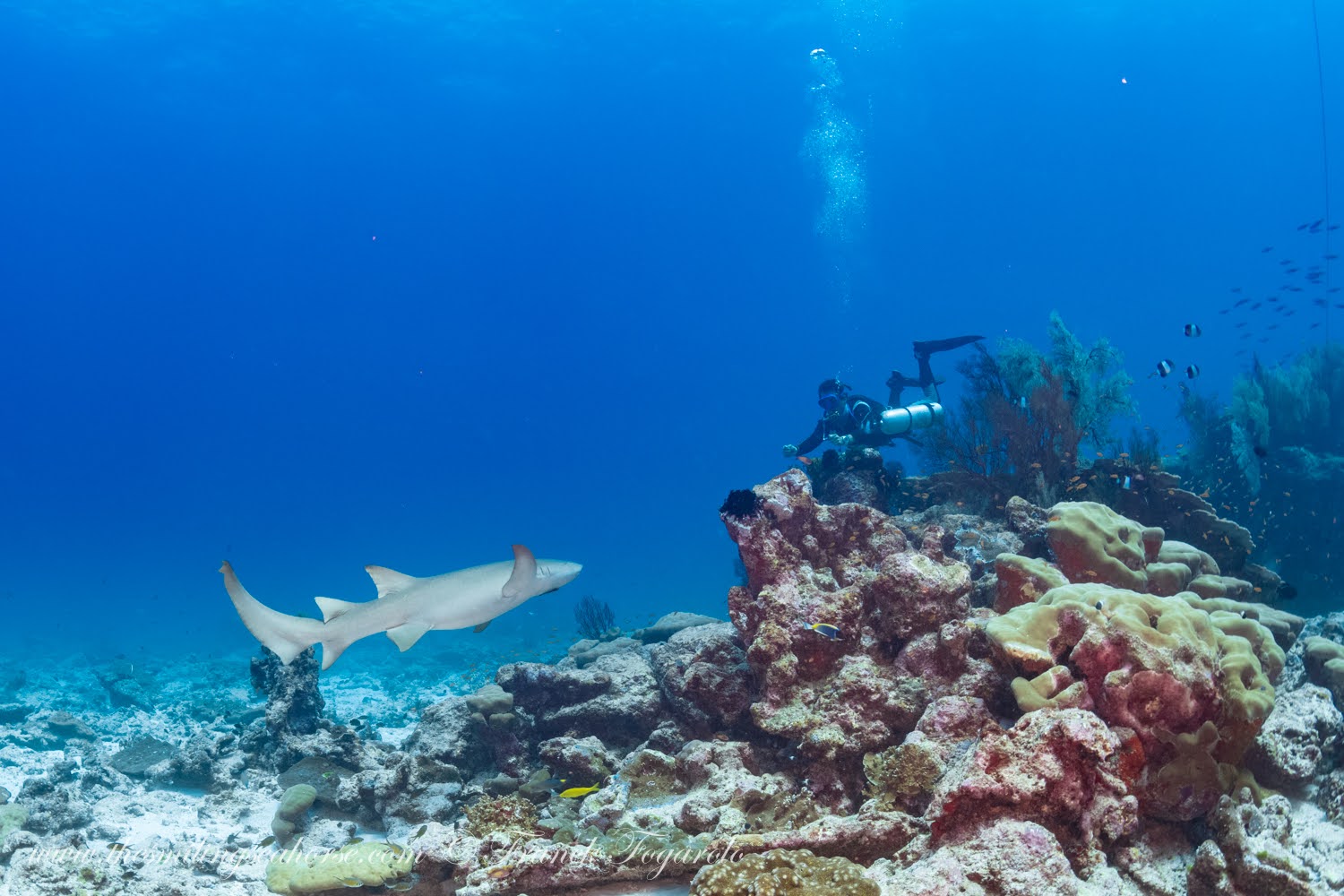
Scuba diving gives us the privilege of exploring some of the most beautiful ecosystems on Earth. Coral reefs, reef sharks, turtles, and countless marine species welcome us into their underwater world—but only for a moment.
As divers, we are guests in a fragile environment. Practicing responsible diving is essential to protect coral reefs and ensure future generations can enjoy them too.
At The Smiling Seahorse, we are committed to sustainable diving practices across our liveaboard trips in Thailand and Myanmar, and we encourage every diver to do the same.
Here’s how you can become a more eco-friendly diver before, during, and after your dives.
Why Eco-Friendly Diving Matters
Coral reefs are among the most diverse ecosystems on the planet—but also among the most fragile.
They are threatened by:
- Physical damage from fins and equipment
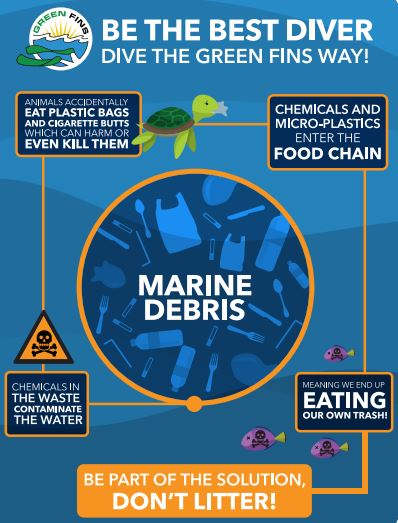
- Pollution and sunscreen chemicals
- Overcrowding at dive sites
- Climate change and rising ocean temperatures
Even small actions from divers can make a big difference. Responsible diving helps:
- Preserve coral reefs
- Protect natural marine life behavior
- Maintain healthy dive sites for the future
Before Your Dive: Preparation Matters
Eco-friendly diving starts before you even enter the water.
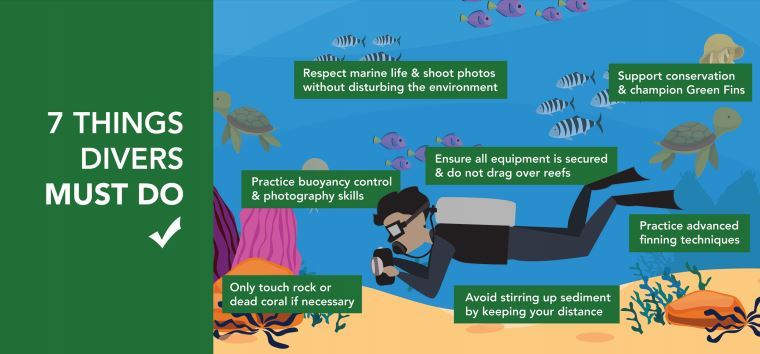
✔ Choose Reef-Safe Equipment
Avoid gear that drags or hangs loosely, especially:
- Octopus hoses not secured
- Dangling gauges or cameras
- Loose fins or straps
Secure your equipment so nothing touches the reef accidentally.
✔ Use Reef-Safe Sunscreen
Many sunscreens contain chemicals harmful to coral reefs.
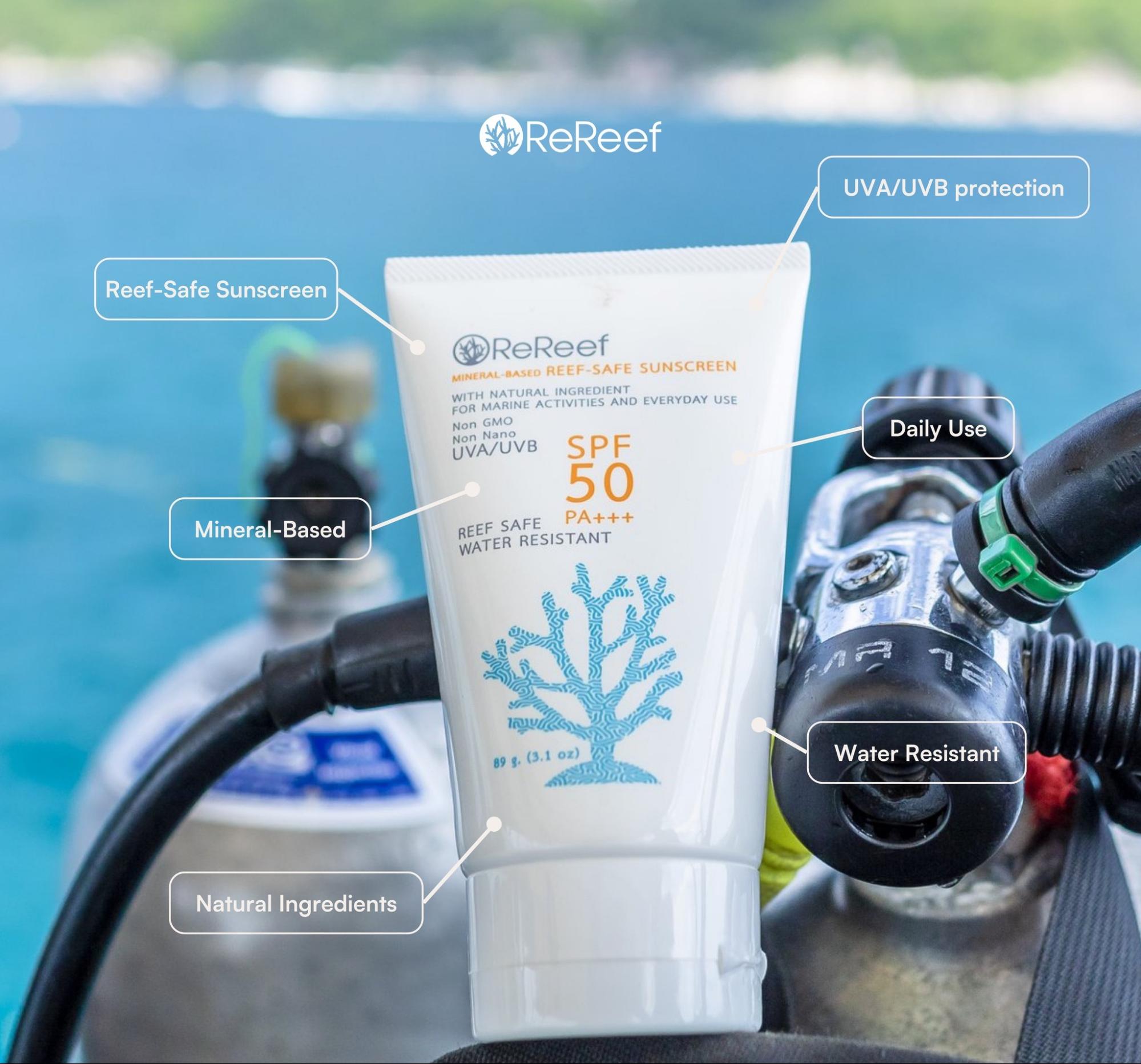
Choose:
- Oxybenzone-free sunscreen
- Reef-safe certified products
- Or better: wear a rash guard to reduce sunscreen use
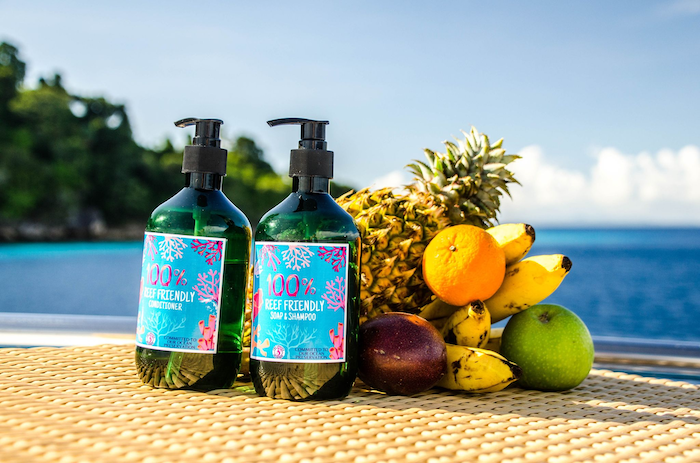
- Biodegradable, eco-friendly toiletries on liveaboards to keep marine waters pristine
✔ Check Your Buoyancy Skills
Good buoyancy control is one of the most important skills in responsible diving.
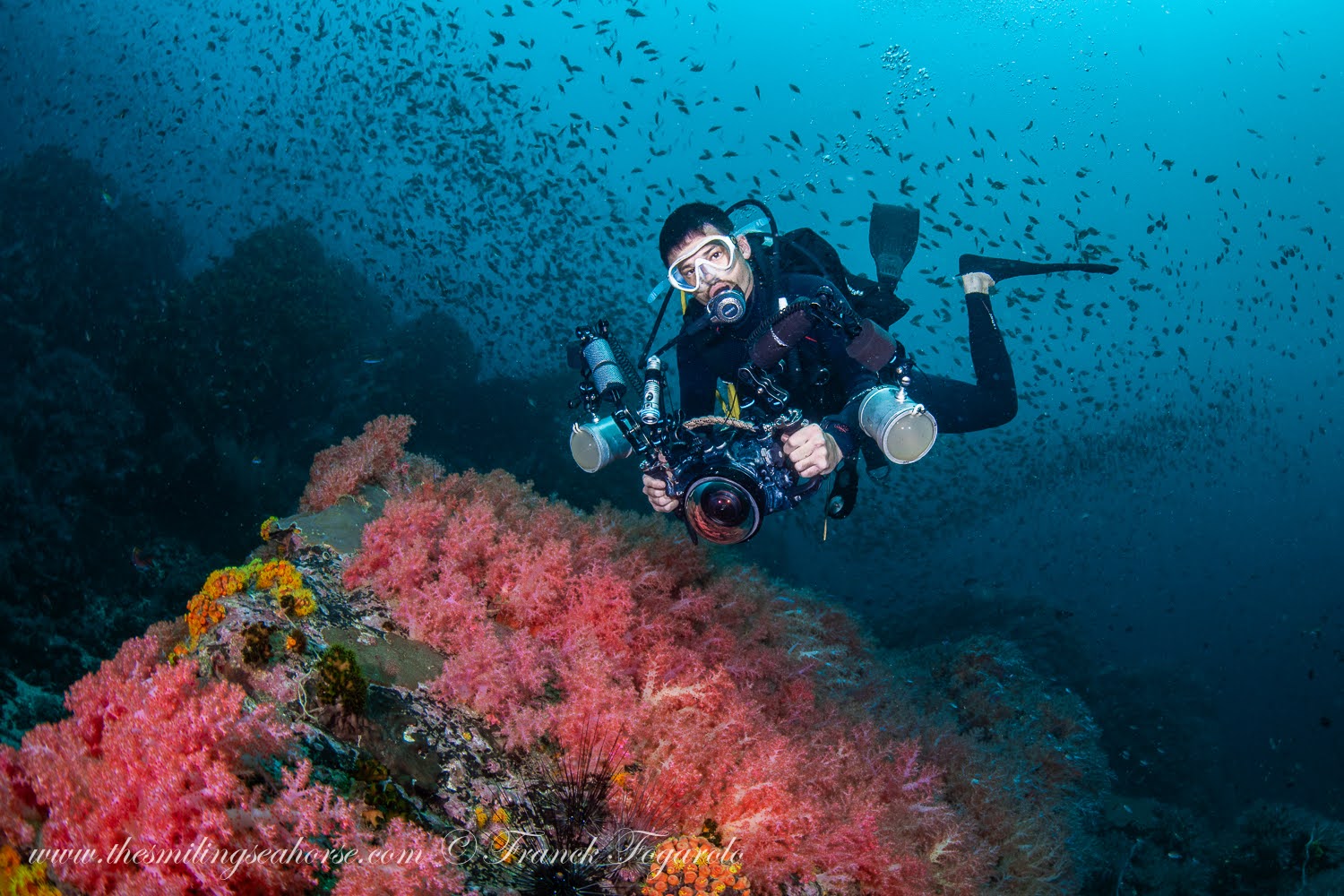
If you are not fully confident:
- Practice in shallow water
- Ask your dive guide for tips
- Consider a buoyancy control specialty course to refine your trim and weighting
During Your Dive: Be a Responsible Guest
Once underwater, your awareness is key.
✔ Master Your Buoyancy
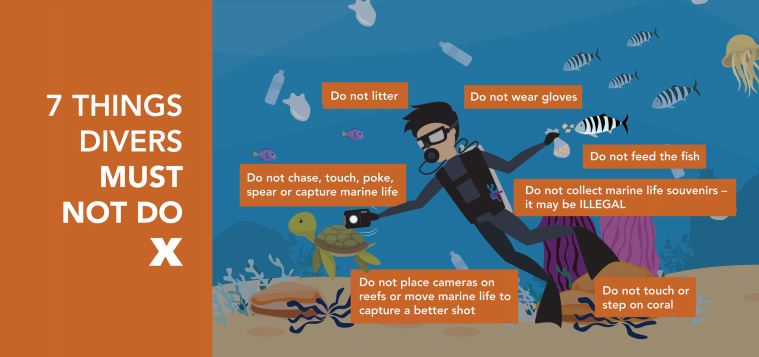
The golden rule of eco-diving: If you don’t touch the reef, you don’t damage the reef.
Stay neutrally buoyant and avoid:
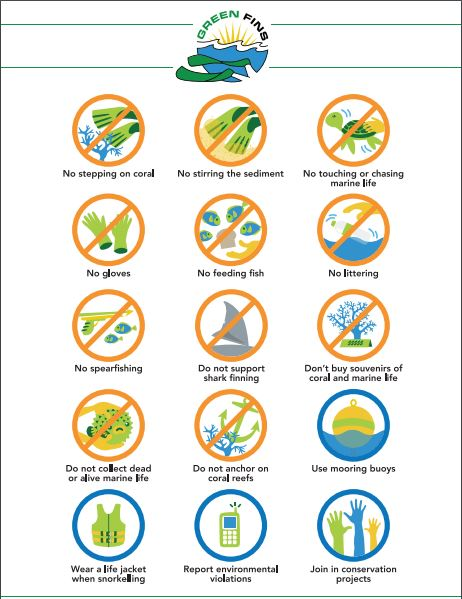
- Kneeling on coral
- Holding onto reef structures
- Uncontrolled ascents or descents
✔ Control Your Fins
Poor fin control is one of the biggest causes of reef damage.
Be careful not to:
- Kick coral
- Stir up sand, which reduces visibility and smothers reefs
- Move too quickly in tight spaces
✔ Keep a Respectful Distance from Marine Life
Never chase or touch marine animals.
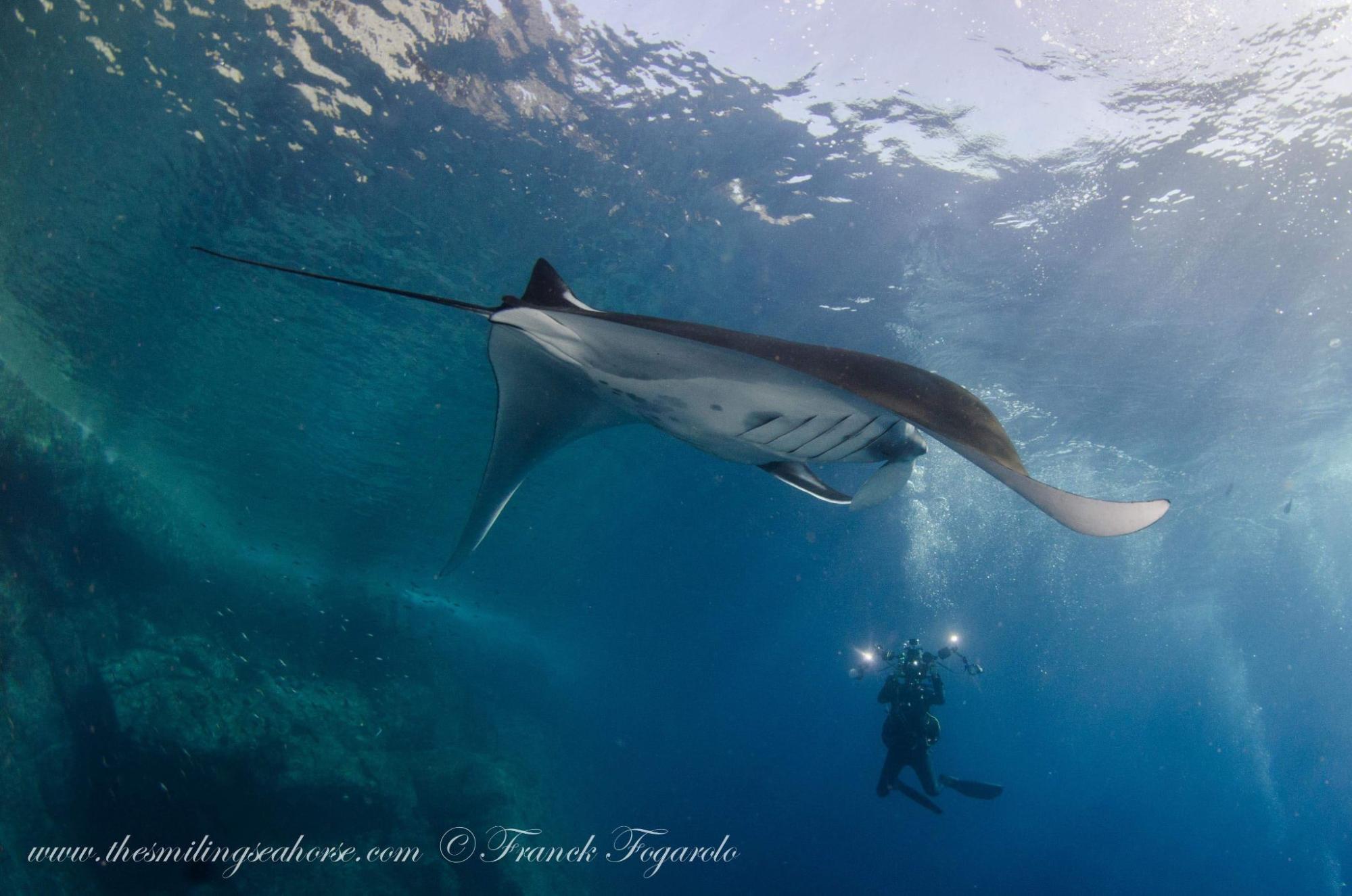
Respect:
- Sea turtles
- Reef sharks
- Manta rays
- Nudibranchs and macro life
Let animals behave naturally without interference.
✔ Don’t Feed Marine Life
Feeding fish:
- Disrupts natural behavior
- Creates dependency on humans
- Can make animals aggressive
Observe, photograph, and enjoy—but never feed.
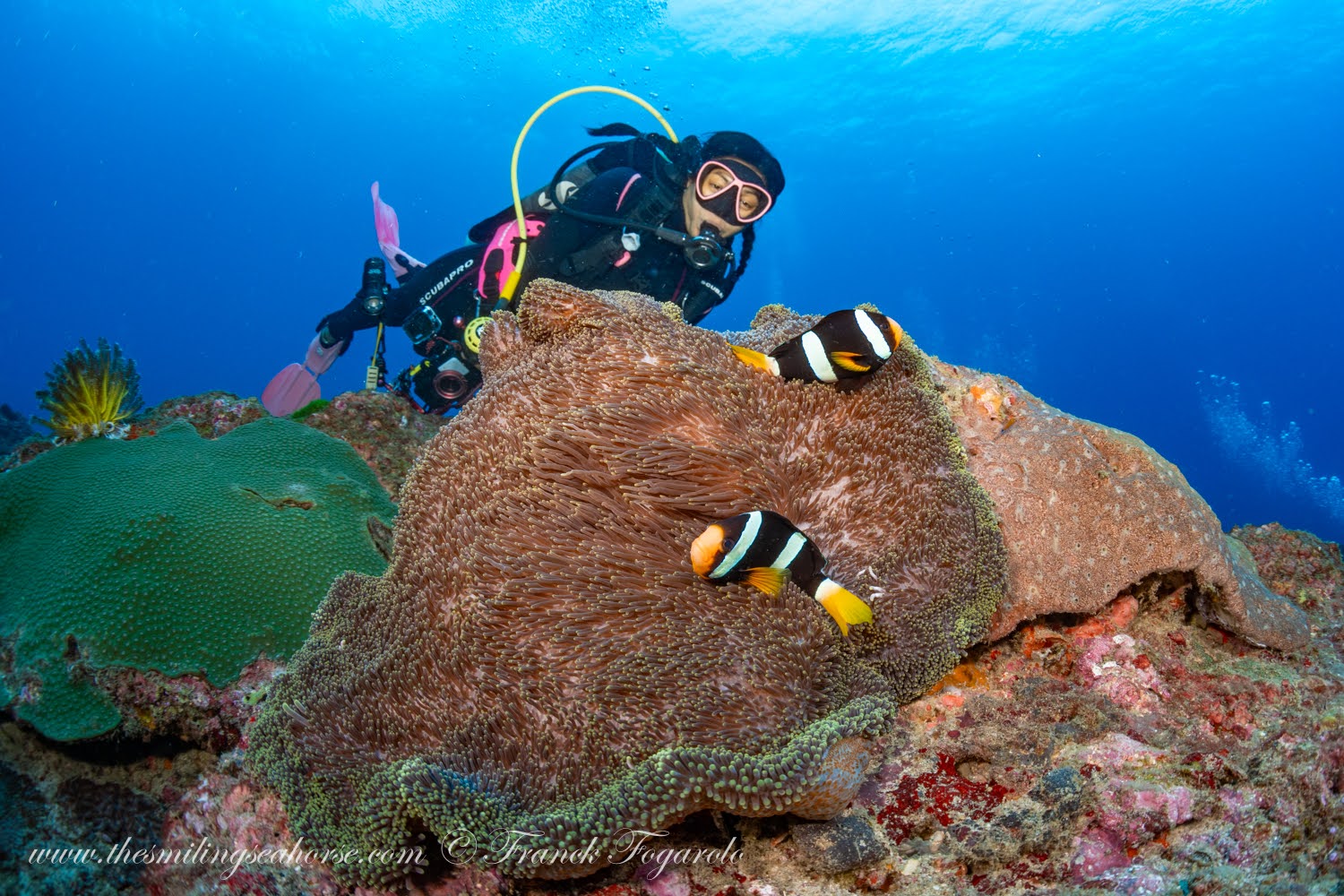
✔ Avoid Touching Anything
Even “harmless” contact can:
- Remove protective mucus from fish
- Damage coral polyps
- Stress marine organisms
Look, but don’t touch.
Responsible Underwater Photography Tips
If you are using a camera, consult our underwater photo guide and keep these rules in mind:
- Secure all gear properly
- Avoid chasing subjects for the perfect shot
- Do not rest on coral for stability
- Be aware of your surroundings while framing images
A great photo is never worth damaging a reef.
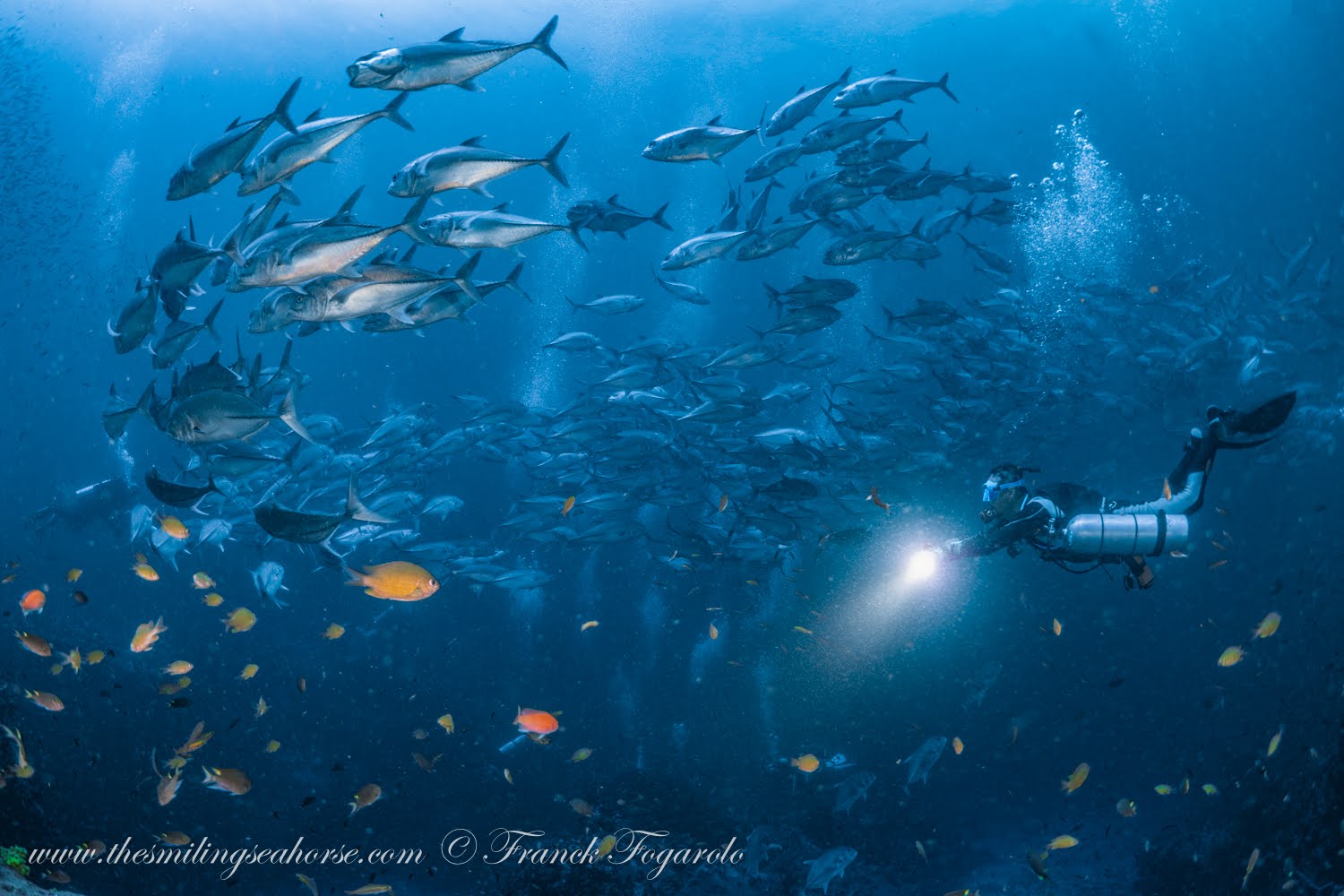
After Your Dive: Keep Protecting the Ocean
Eco-friendly diving doesn’t stop when you surface.
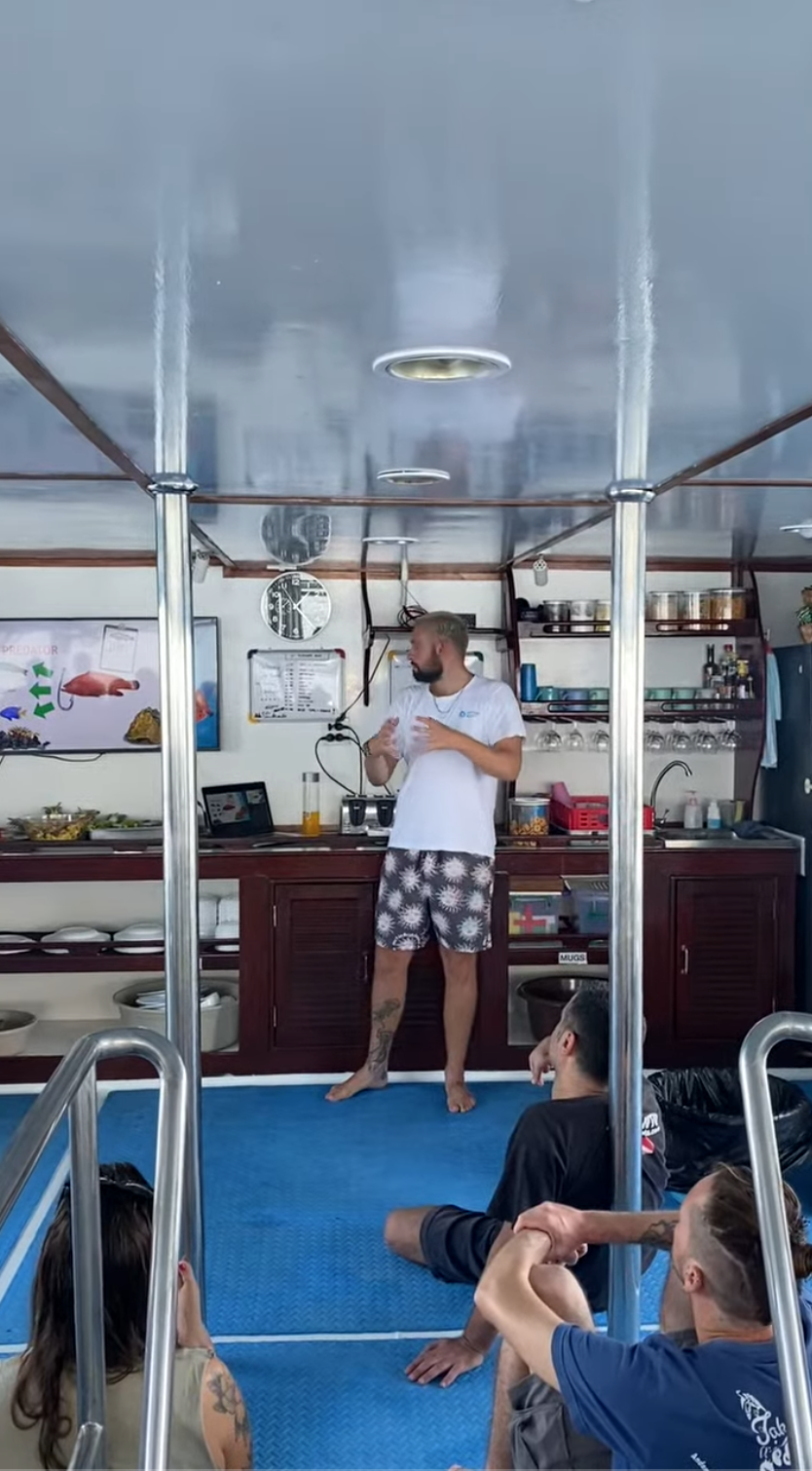
✔ Review Your Dive Behavior
Ask yourself:
- Did I maintain good buoyancy?
- Did I avoid contact with the reef?
- Can I improve next time?
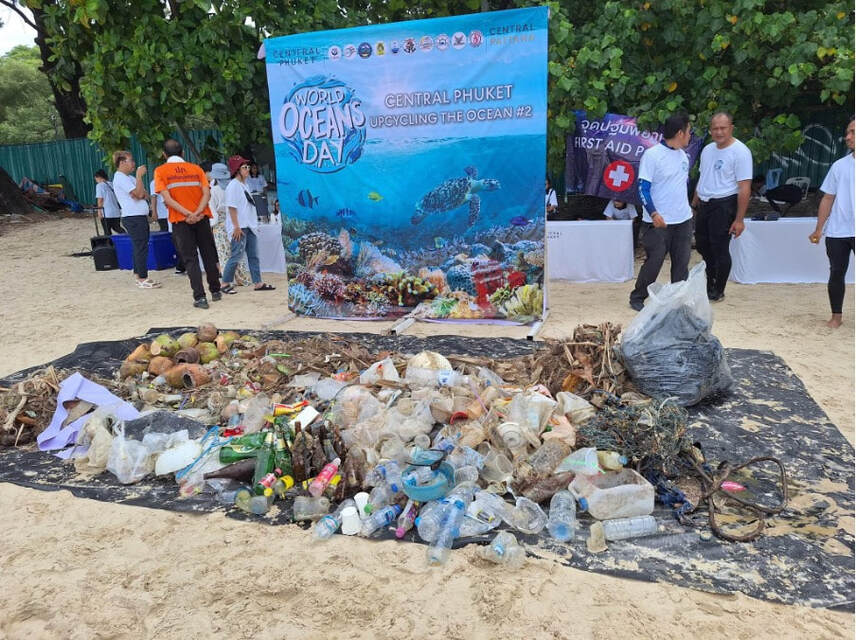
✔ Support Conservation Efforts
You can contribute by:
- Choosing responsible dive operators
- Supporting marine conservation projects
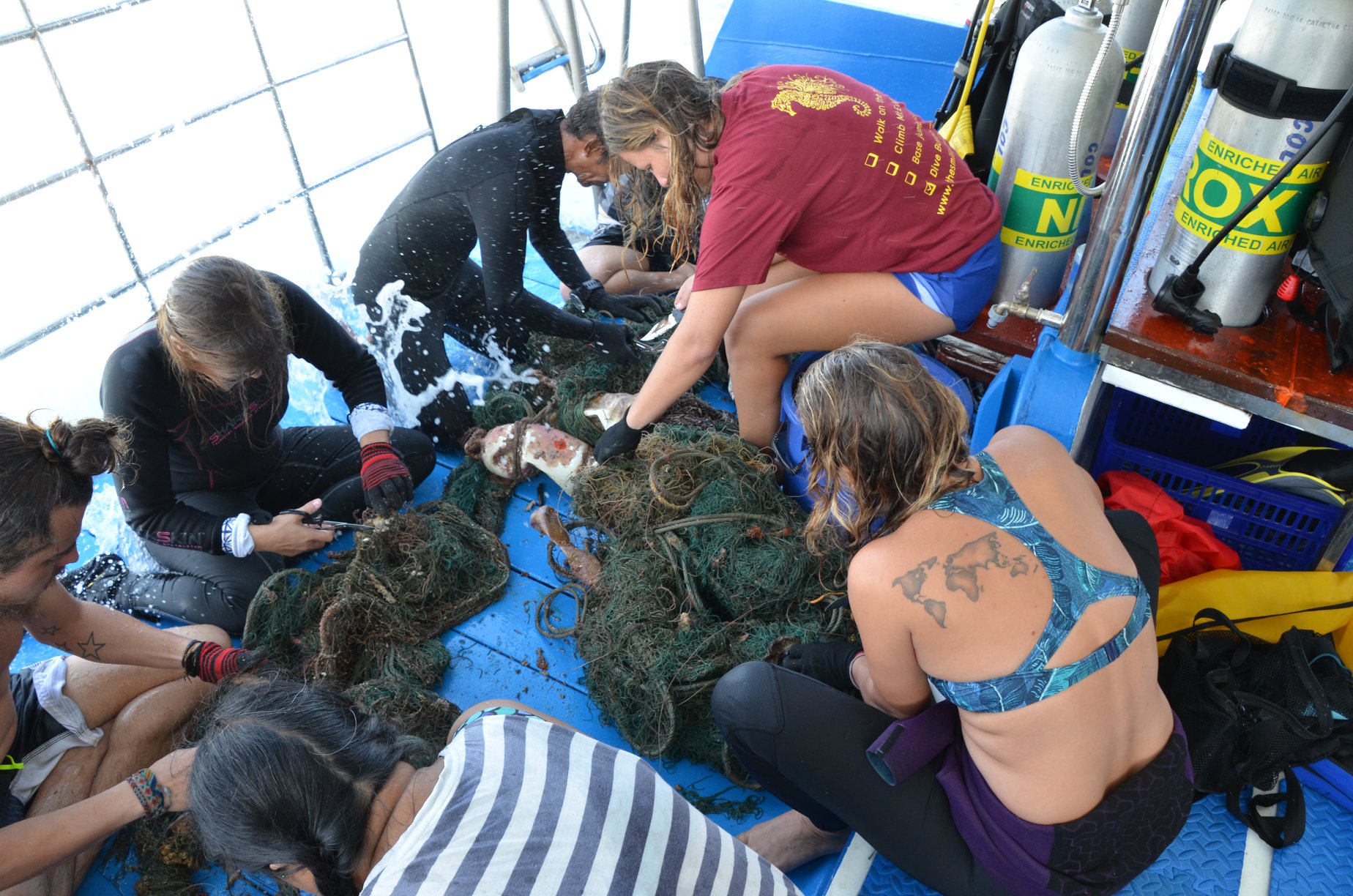
- Participating in reef cleanups when available
✔ Share Awareness
One of the most powerful tools is education.
Share what you learned with:
- Fellow divers
- New divers
- Social media communities
The more people care, the better protected our oceans become.
Our Commitment at The Smiling Seahorse
At The Smiling Seahorse, sustainability is at the heart of everything we do.
On our liveaboard trips in Thailand and Myanmar, we:
- Promote low-impact diving practices
- Educate divers about marine conservation
- Respect marine life and habitats
- Support healthy reef ecosystems
We believe unforgettable diving experiences should never come at the expense of the ocean.
Frequently Asked Questions (FAQ)
What is eco-friendly diving?
Eco-friendly diving means practicing behaviors that minimize impact on marine ecosystems, especially coral reefs and marine life.
Why is buoyancy control important for reef protection?
Poor buoyancy can cause accidental contact with coral, which can break or damage fragile reef structures that take decades to recover.
Is sunscreen really harmful to coral reefs?
Yes, chemicals like oxybenzone in traditional sunscreens can contribute to coral bleaching and deform coral larvae. Reef-safe mineral alternatives or rash guards are strongly recommended.
How can I become a more responsible diver?
Improve your buoyancy, avoid touching marine life, control your equipment, practice clean fin kicks, and choose eco-conscious liveaboard operators.
Final Thoughts
Every diver has the power to protect the ocean simply by diving more mindfully. Small actions—like improving buoyancy or avoiding contact with coral—create a lasting impact.
By choosing responsible diving practices, you help preserve the beauty of our oceans for future generations.
We look forward to welcoming you aboard for more eco-friendly adventures in Thailand and Myanmar! check out our schedule here!