
World Ocean Day: Protecting Our Oceans Through Reef and Beach Clean-Ups
 |
IntroductionThe world’s oceans are a magnificent gift that nourishes life in countless ways. They provide us with food, oxygen and breathtaking beauty. Unfortunately, they are also under increasing pressure from pollution and human activities. For World Ocean Day, a group of dedicated people came together to make a difference. We embarked on an ocean clean-up adventure, focusing on Kata Beach in Phuket and its nearby reefs. World Ocean Day is a great opportunity to talk about the importance of protecting our oceans, but conservation should not be limited to one day a year. Every piece of rubbish removed from a beach or reef is one less piece of pollution that can enter the marine environment.  |
Preserving Fragile Coral Reef Ecosystems
Coral reefs are among the most diverse and vibrant ecosystems on the planet, supporting an extraordinary variety of marine life. These underwater wonderlands are not only visually stunning but also crucial for coastal communities, as healthy reefs can help protect shorelines from storms and erosion.
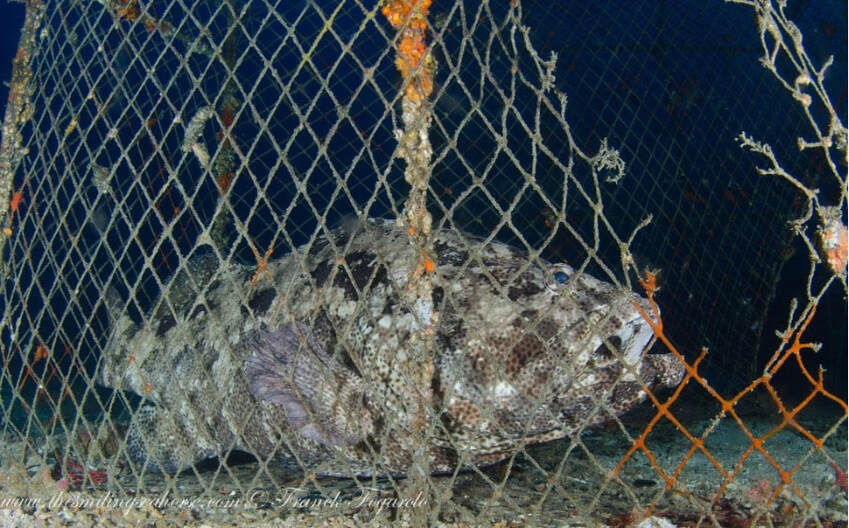
Unfortunately, coral reefs face severe threats from pollution, overfishing, habitat degradation and climate change. Marine debris is another very visible problem. Fishing lines, plastic, packaging and other rubbish can become entangled around marine animals or damage fragile corals.
Taking part in reef clean-ups is one practical way to reduce this pressure. Removing debris from the marine environment helps reduce the risk of entanglement and ingestion for marine animals and gives the reef a better chance to thrive.

Protecting Pristine Beaches
Beaches are the gateway to the ocean, where many people experience their first connection with the marine environment. Clean beaches provide a safer and more enjoyable experience for visitors, but they are also an important part of healthy coastal ecosystems.
Beach clean-ups help prevent rubbish and other harmful substances from eventually being carried into the sea. This is particularly important for coastal wildlife, including shorebirds, turtles and countless other marine creatures that depend on healthy beaches and shallow-water habitats.
Keeping beaches clean also protects the natural beauty that attracts visitors and supports local communities and tourism. A healthy ocean and a healthy coastline go hand in hand.

The Ripple Effect of Individual Actions
It is easy to underestimate the impact of our individual actions, but small efforts can create powerful ripples of change.
Participating in a local clean-up may seem like a small gesture, but every piece of rubbish picked up is one less item capable of harming the ocean. More importantly, taking part in these activities raises awareness and can inspire other people to get involved.
When individuals, local communities, businesses and organisations work together, these small actions can become part of a much larger movement for ocean conservation. Clean-ups are therefore not only about removing rubbish; they are also about changing the way we think about our relationship with the sea.

Encouraging Sustainable Practices
Clean-ups are not just about removing existing pollution; they are also about preventing future harm. By getting involved, we highlight the importance of responsible waste management, recycling and reducing our dependence on single-use plastics.
Education and community involvement are essential parts of this process. The more people understand how their everyday choices affect the marine environment, the easier it becomes to make more sustainable decisions.
For divers, this responsibility is particularly important. We spend our time exploring some of the world’s most beautiful underwater environments, so we also have a responsibility to protect them. Simple actions such as carrying reusable items, reducing plastic waste, never touching marine life and respecting coral reefs can make a real difference.

Our Commitment to Ocean Conservation
At The Smiling Seahorse, conservation is not something we want to talk about only on World Ocean Day. As divers and ocean lovers, we depend on healthy marine ecosystems every time we go to sea, and we believe that protecting them is part of our responsibility.
Our conservation efforts include supporting clean-up activities and encouraging responsible behaviour both above and below the surface. We also believe that education and awareness are powerful conservation tools. Every time divers learn more about the animals they encounter, the threats facing reefs and the importance of responsible diving, they have an opportunity to become better ambassadors for the ocean.
Our work in marine conservation is therefore closely connected to what we do every day: exploring the underwater world while encouraging people to appreciate, respect and protect it.
Because conservation does not have to mean doing something huge. Sometimes it means picking up a piece of plastic, joining a beach clean-up, refusing a single-use item, choosing responsible tourism or simply leaving a coral reef exactly as you found it.
Conclusion
World Ocean Day serves as a powerful reminder that our actions today help shape the future of our oceans. Reef and beach clean-ups are essential steps towards preserving these fragile ecosystems, and every small contribution counts.
By coming together and taking responsibility for our actions, we can create a positive impact on a much larger scale. Let us embrace the power of collective action, encourage sustainable practices and nurture a deep appreciation for the beauty and importance of our oceans.
Remember, every little bit helps make a significant difference in safeguarding our reefs, beaches and marine life for generations to come.
And you? What have you done today to celebrate World Ocean Day?





