
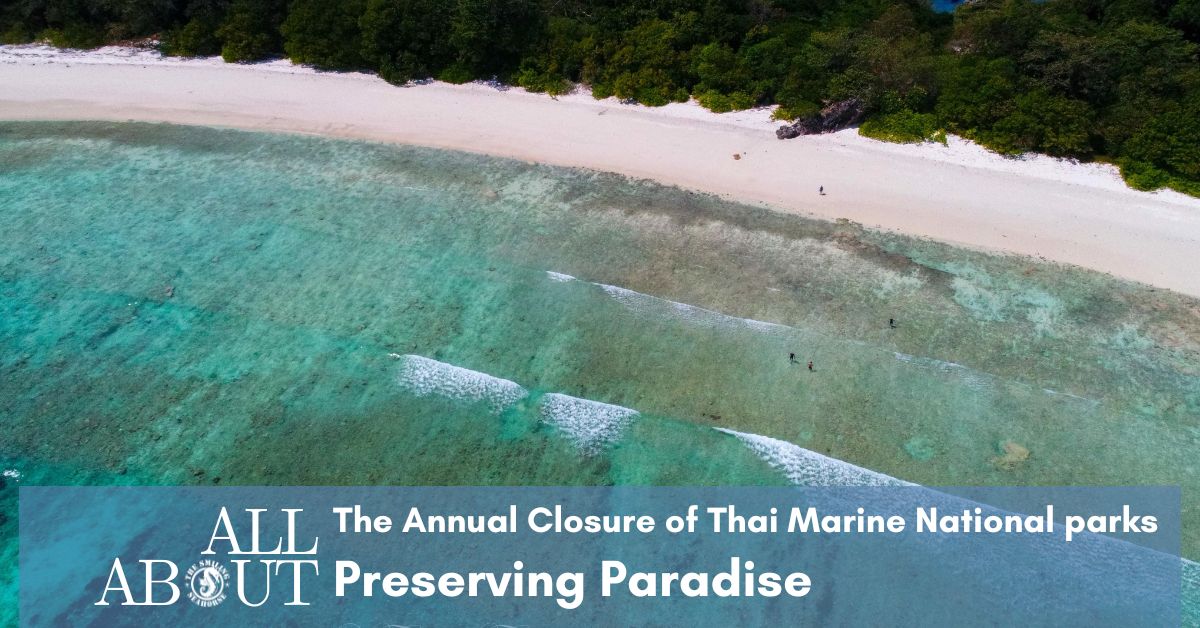
The Importance of Seasonal Closure of Marine National Parks in Thailand
Thailand is renowned for its crystal-clear waters, vibrant coral reefs, and diverse marine ecosystems. Its marine national parks, such as the Surin Islands and Similan Islands in the north, or Koh Phi Phi, Koh Lanta and Tarutao National Parks in the south, are among the top destinations for scuba divers and other nature lovers.
When Are Marine National Parks Closed in Thailand?
Thailand’s marine parks enforce seasonal closures primarily between mid-May and mid-October, coinciding with the monsoon season. This period brings strong winds and heavy rain, making it unsafe for visitors while also providing much-needed rest for the environment.
The following parks are among those affected:
- Similan Islands National Park: A diver’s paradise, temporarily closed to allow coral reefs and marine life to recover.
- Surin Islands: Known for pristine beaches and rich biodiversity, this park shuts down during the monsoon months.
- Hat Noppharat Thara-Mu Ko Phi Phi National Park: Home to the famous Maya Bay, which limits visitor access to protect fragile ecosystems.
- Mu Ko Lanta National Park: Iconic sites like Ko Rok Nai and Ko Rok Nok are off-limits during the rainy season.
- Tarutao National Park: Known for great diving around Koh Lipe, the park is closed from June 1st to September 30th.


While these closures may seem inconvenient, they are crucial for the long-term health of Thailand’s marine ecosystems.
Why Are Marine Parks Temporarily Closed?
Seasonal closures serve several critical purposes, balancing conservation efforts with sustainable tourism.
1. Protecting Wildlife and Biodiversity
Many marine species depend on undisturbed habitats for breeding and nesting. Seasonal closures help safeguard their survival by minimising human interference. For instance:
Sea turtles return to the exact beach where they were born to lay their eggs. However, if they detect human activity or disturbances, they may abandon their nesting attempt, which can significantly impact their population.
Fish populations flourish in quiet, healthy reefs, but excessive diving activity can create significant stress for marine species. Furthermore, divers’ bubbles and boat engines contribute to disruptive noise pollution that may affect migration patterns.
Migratory birds rely on secluded islands for rest during their long journeys. They are highly sensitive to human interaction, which can cause them to abandon crucial stopover sites, leading to exhaustion and lower survival rates.
2. Coral Reef Regeneration
Coral reefs are among the most delicate ecosystems on the planet. Activities like diving, snorkelling, and boat traffic can damage these fragile habitats. Seasonal closures allow corals to regenerate, improving their health and resilience. This ensures a more vibrant experience for visitors once the parks reopen.
3. Safety
This period corresponds to the monsoon season, with strong winds coming from the west and big waves forming between the Indian continent and Thailand’s west coast. While navigating might be possible on some days, it is usually not safe to do so.


I’m Visiting Thailand Between May and October. Where Can I Go Diving?
1. Explore Alternatives Near Phuket
Phuket, Thailand’s largest island, is an excellent starting point for exploring marine attractions. During the off-season, consider visiting:
- Racha Islands: These islands offer some of the best diving conditions in Thailand, even during the rainy season.
- Koh Yao Noi and Koh Yao Yai: Located in Phang Nga Bay, these islands remain serene and welcoming throughout the year.
2. Discover Year-Round Destinations
While the Andaman Sea’s national parks may be closed, other diving locations remain open all year round in the Gulf of Thailand:
- Koh Tao: A diver’s destination known for its calm waters and affordable diving, Koh Tao is the perfect place to refine your skills. With a variety of diving schools, you can take courses in underwater photography, technical diving, freediving, or even work towards becoming a Dive Master. The island’s fun atmosphere and affordable training options make it an ideal destination for divers of all levels.
- Koh Samui and Koh Phangan: Slightly bigger, these tropical islands offer excellent snorkelling opportunities, stunning beaches for relaxation, and diverse wildlife encounters. Beyond their natural beauty, they also boast a vibrant nightlife scene, making them an appealing destination for both adventure seekers and those looking to unwind.

Conclusion: Planning Your Trip Around Seasonal Closures
Thailand’s marine national parks are a treasure trove of natural wonders. While seasonal closures may require adjustments to your itinerary, they are essential for preserving the delicate balance of these ecosystems. By planning your visit carefully, you can enjoy the best of Thailand’s marine biodiversity, whether during the open season or through alternative destinations that stay open year-round.
From vibrant coral reefs to unique animals, these parks offer experiences that are well worth visiting. Respect the closures, travel responsibly, and prepare for an unforgettable journey into the heart of Thailand’s natural beauty.




