Mutualism in the Ocean: How Marine Species Help Each Other Survive
The ocean may look like a vast, competitive world, but beneath the surface it is also full of cooperation. In fact, many marine species do not simply coexist—they actively help each other survive.
This kind of teamwork is called mutualism: a type of symbiosis where both species benefit. In reality, however, these relationships are not always simple or easy to classify. Some partnerships blur the lines between mutualism, commensalism and parasitism, and occasionally they even involve more than two species at once.
From tiny shrimps to coral reefs, these partnerships are an essential part of life in the ocean—and some are surprisingly complex.
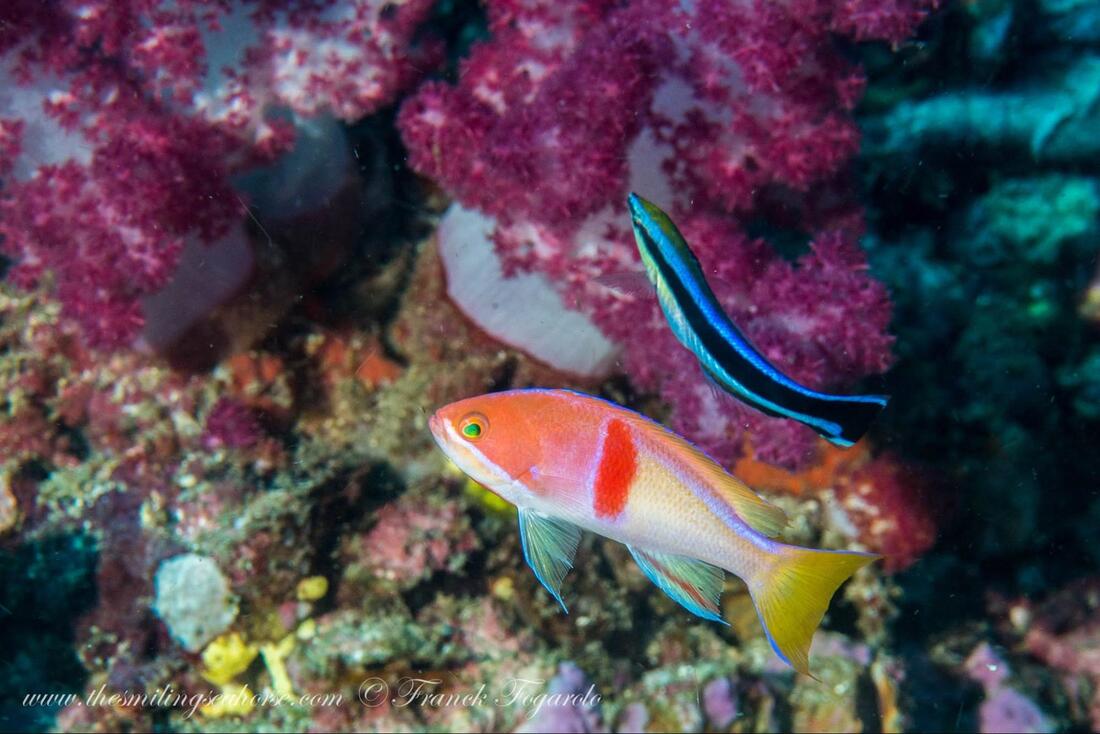
What Is Mutualism in the Ocean?
Mutualism is when two different species live or interact closely together and both gain something—whether it is food, protection or another survival advantage.
Think of it as the ocean’s version of:
“You help me, I help you.”
In some cases, the relationship is so important that one or both partners would struggle to thrive without the other.
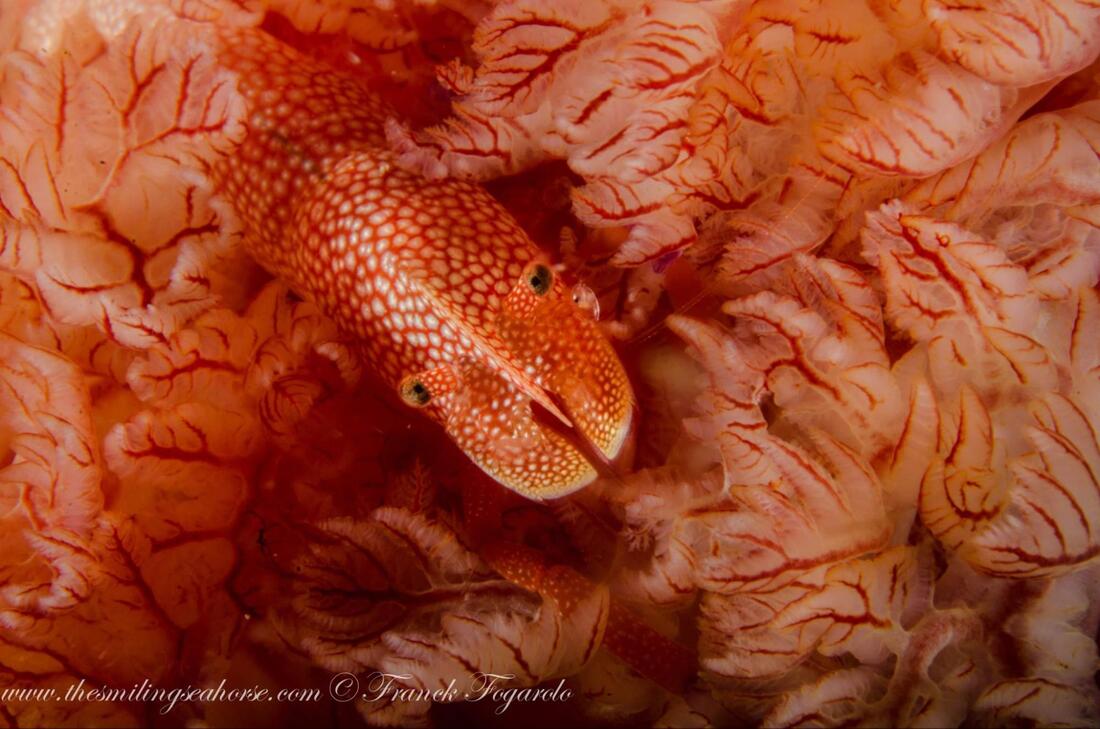
When Symbiosis Gets Complicated
Not all marine partnerships fit neatly into a single category. Symbiotic relationships between fish and other organisms can be difficult to define, and multi-species interactions are especially complex.
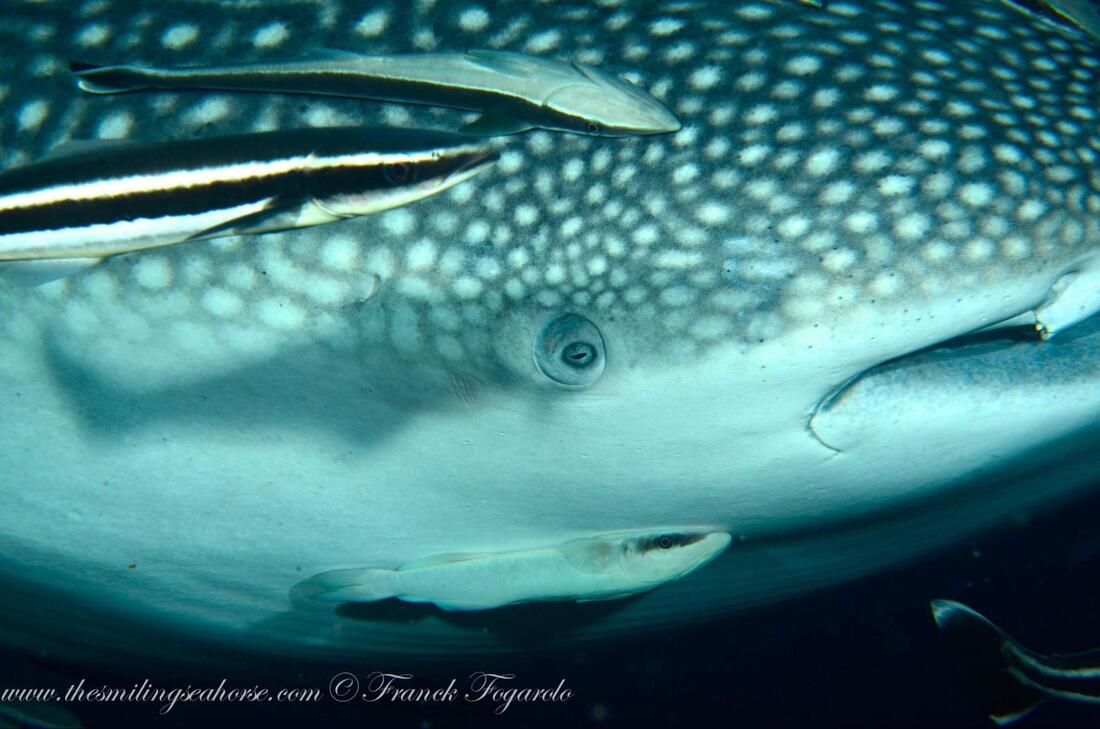
A fascinating example involves the whale shark, remoras, also called sharksuckers, and tiny parasitic copepods.
- Remoras and whale sharks: remoras attach themselves to whale sharks, gaining transport and feeding opportunities. They can eat parasites and other material from the shark’s body, which may benefit the host, but they may also take advantage of food opportunities around the shark.
- Copepods and whale sharks: parasitic copepods live on the whale shark and feed at the host’s expense, making this primarily a parasitic relationship.
- A three-way interaction: remoras may in turn feed on parasites such as copepods, indirectly benefiting the whale shark and creating a layered relationship where mutualism and parasitism can exist within the same system.
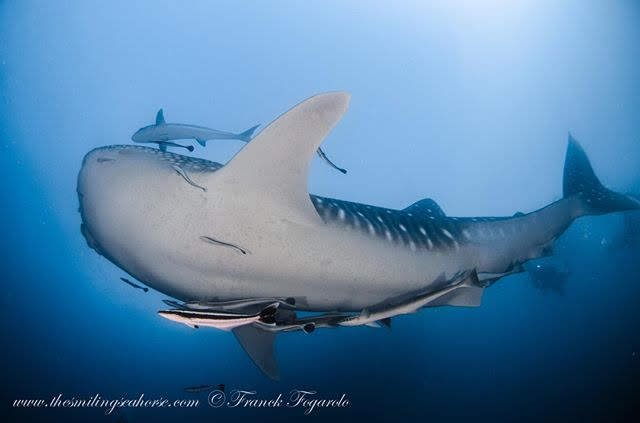
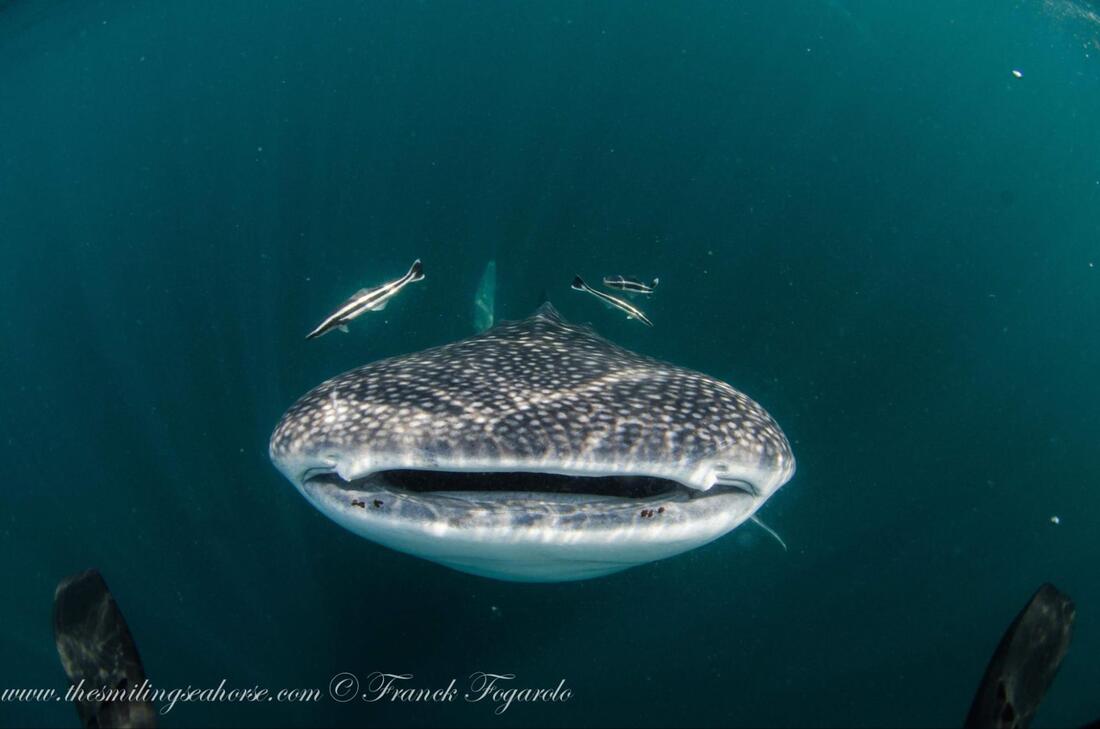
This example shows that relationships in the ocean are often fluid, context-dependent and interconnected, rather than fitting perfectly into simple “win-win” or “win-lose” categories.
Famous Ocean Partnerships You’ll Recognise
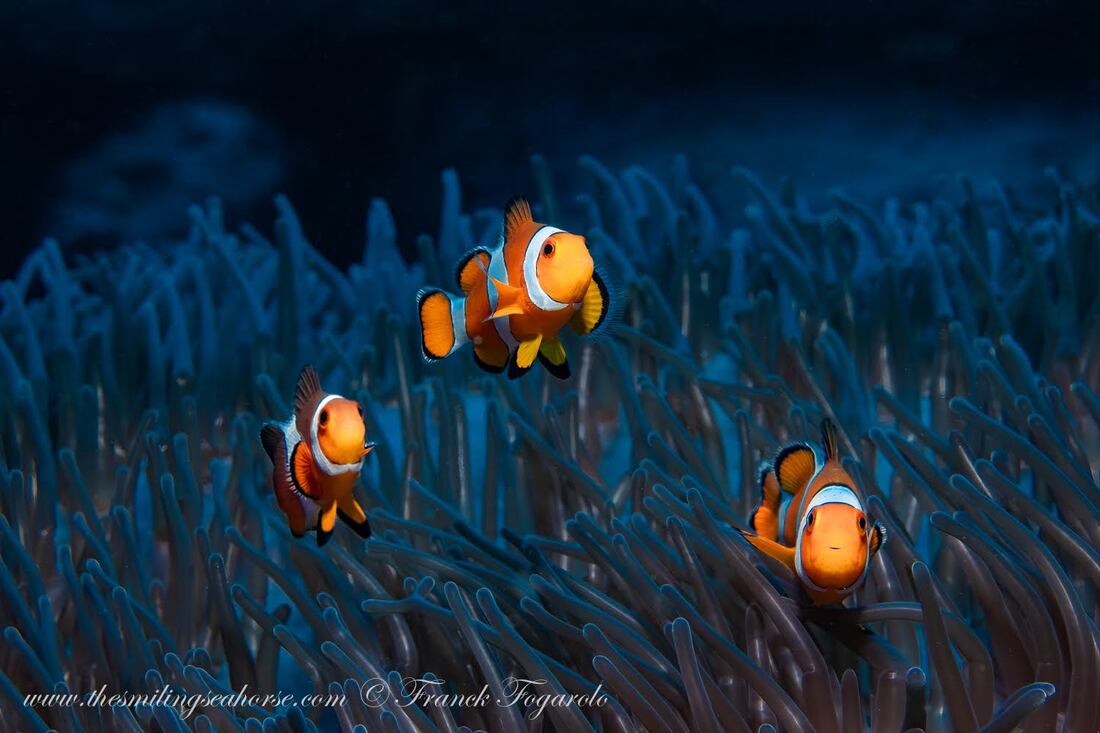
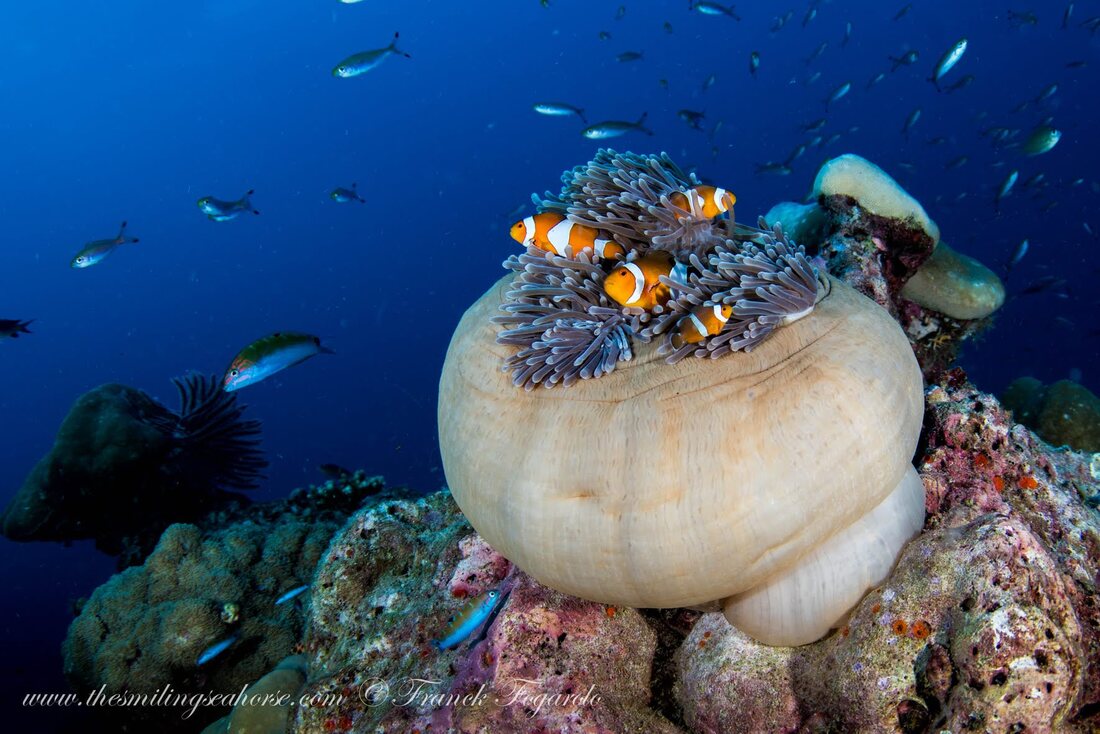
Clownfish and Sea Anemones
Probably the most iconic duo in the ocean.
- The clownfish gains protection from many predators by living among the anemone’s stinging tentacles.
- The anemone can benefit from nutrients, cleaning activity and increased water movement created by its resident fish.
- Clownfish will even defend their host ? yes, that tiny fish may actually try to fight you!
Cleaner Shrimp and Reef Fish
This is another classic sight on coral reefs.
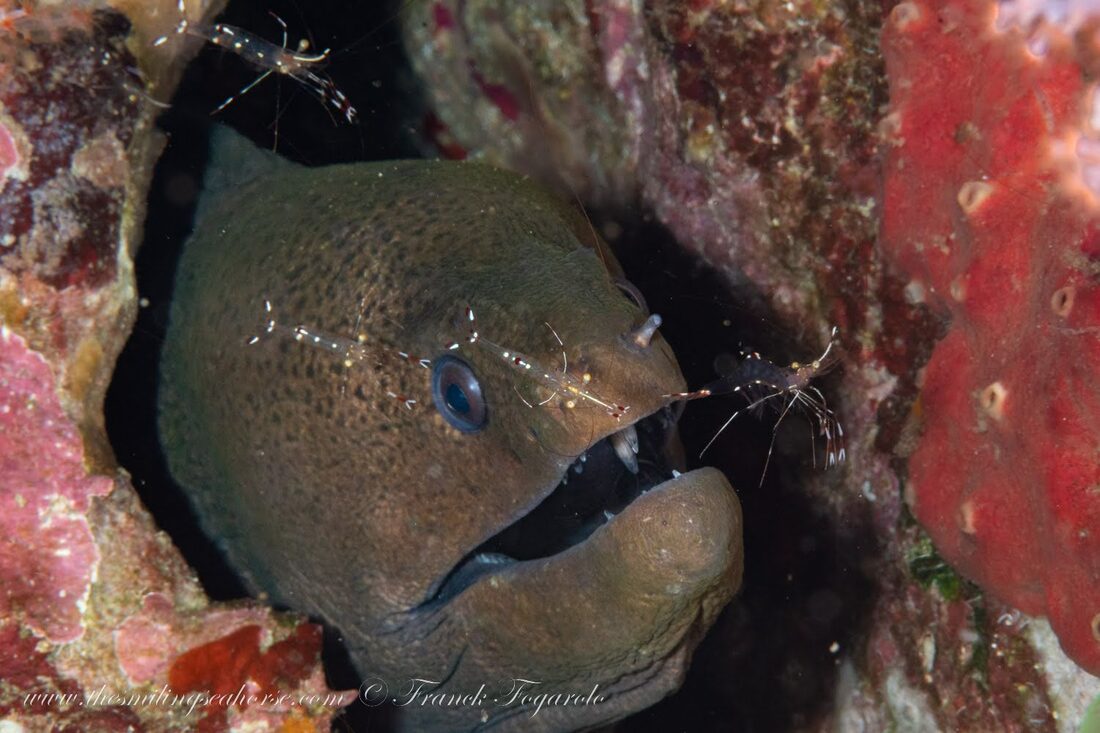
- Cleaner shrimp remove parasites, dead skin and debris from visiting fish.
- The fish receive a cleaning service while the shrimp gain a meal.
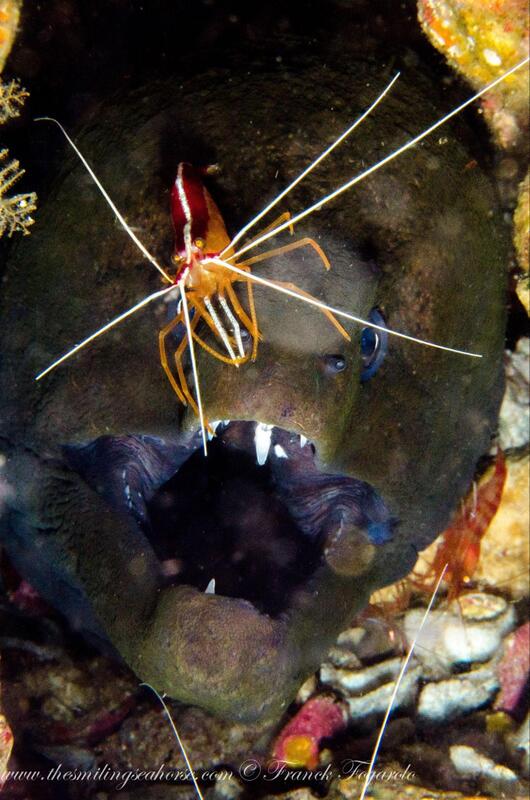
These “cleaning stations” are like underwater spa centres, and fish can literally queue for service.
Unexpected Roommates
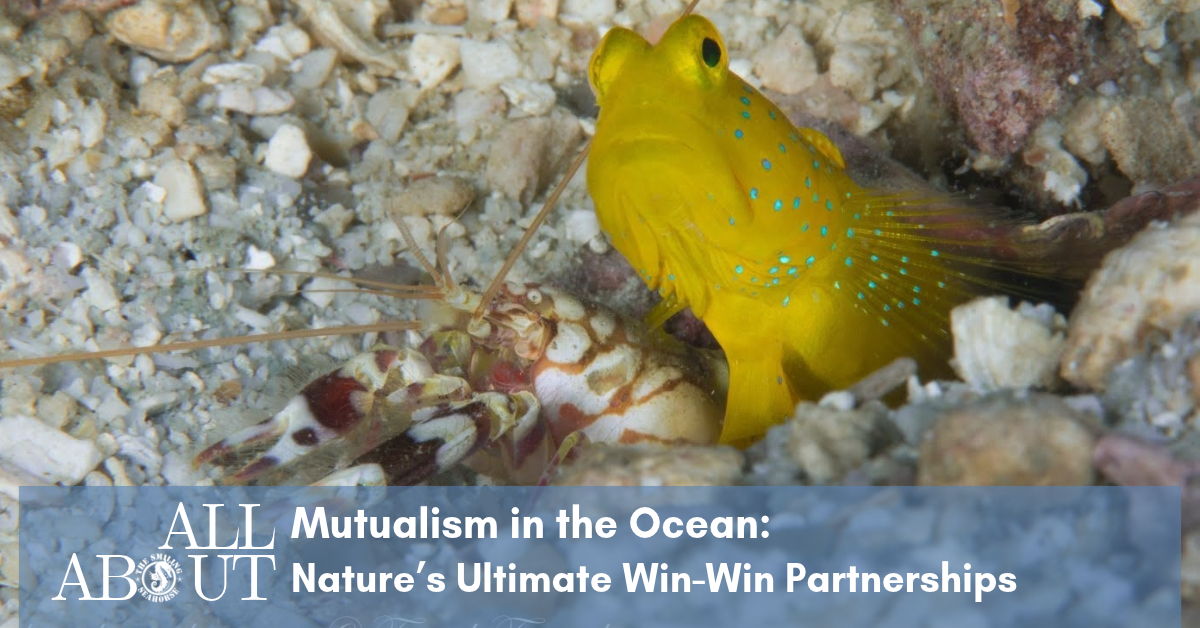
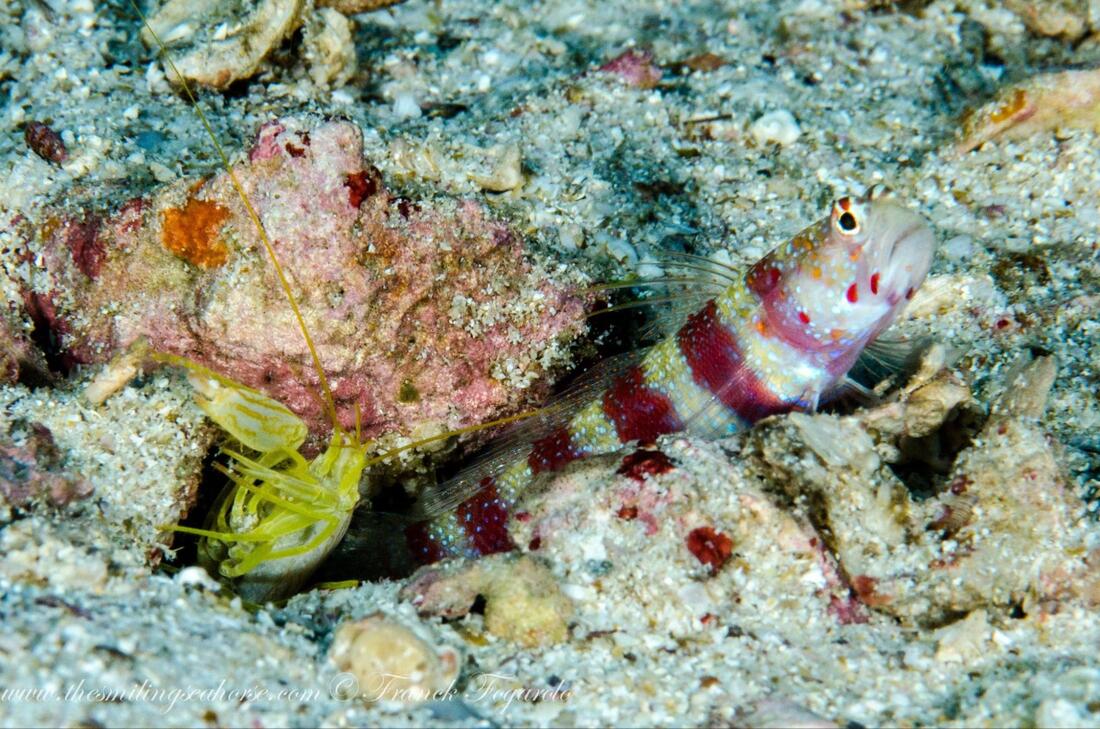
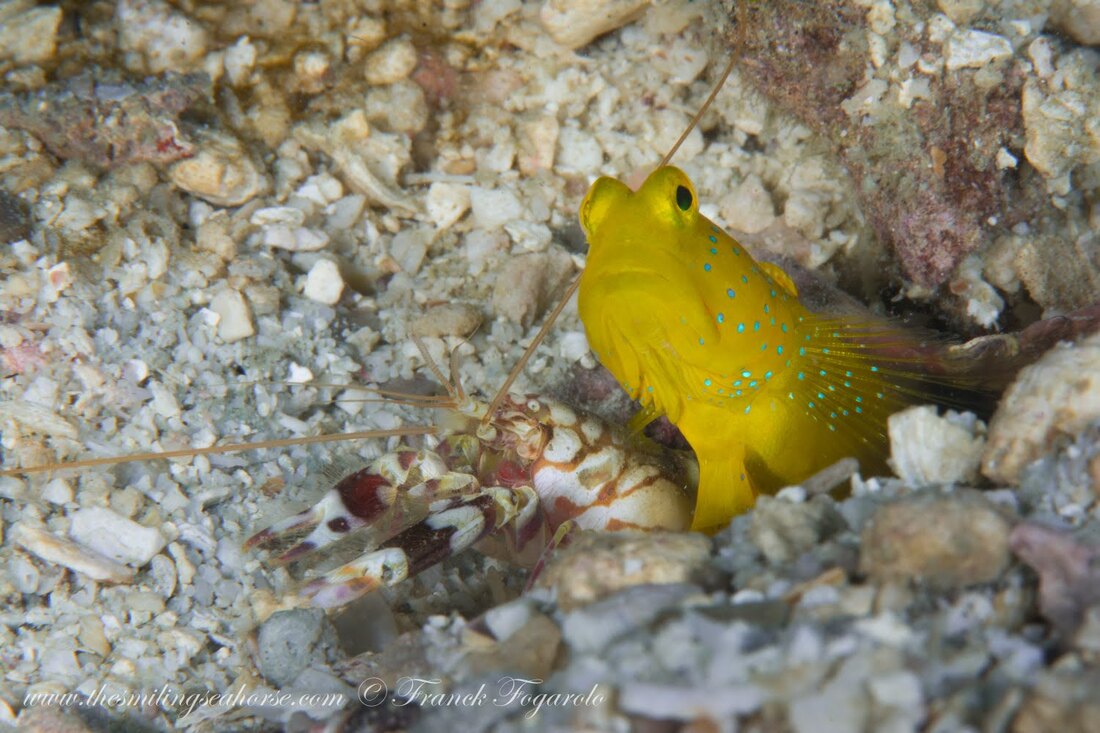
Pistol Shrimp and Gobies
This is one of the best examples of mutualism for divers to observe.
- The shrimp builds and maintains a burrow.
- The goby acts as a lookout and warns of approaching danger.
The shrimp has poor eyesight, so it often maintains contact with the goby using its antennae. If the goby signals danger, both animals can disappear into the burrow.
Total teamwork.
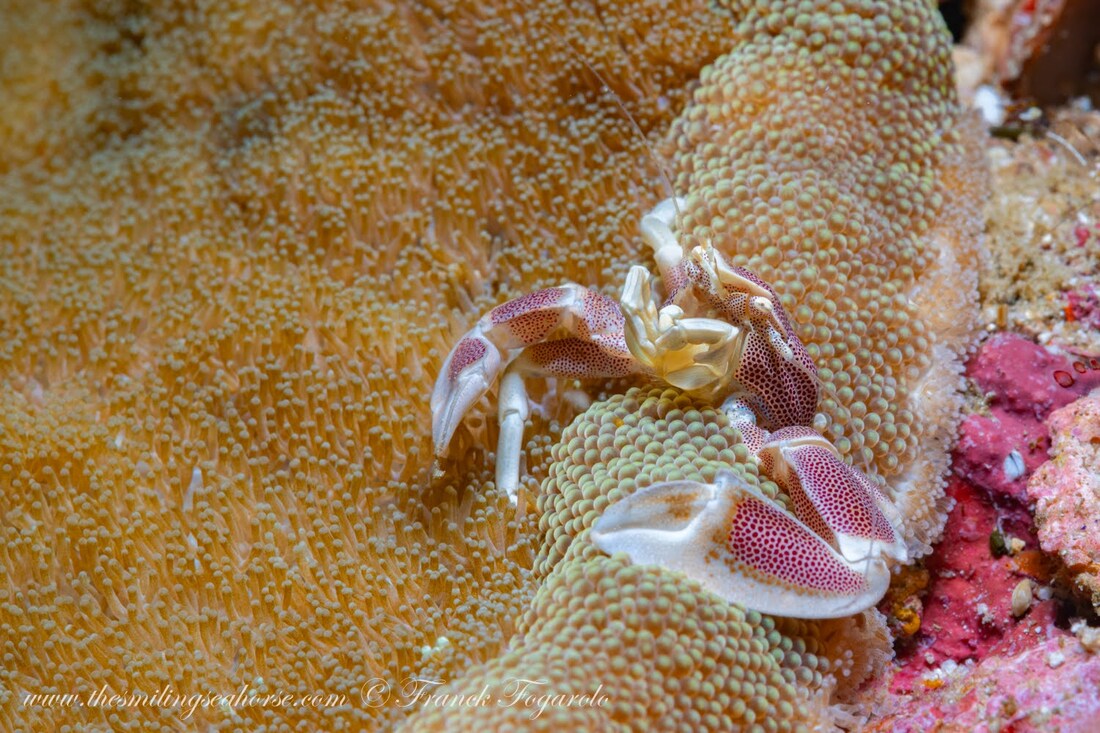
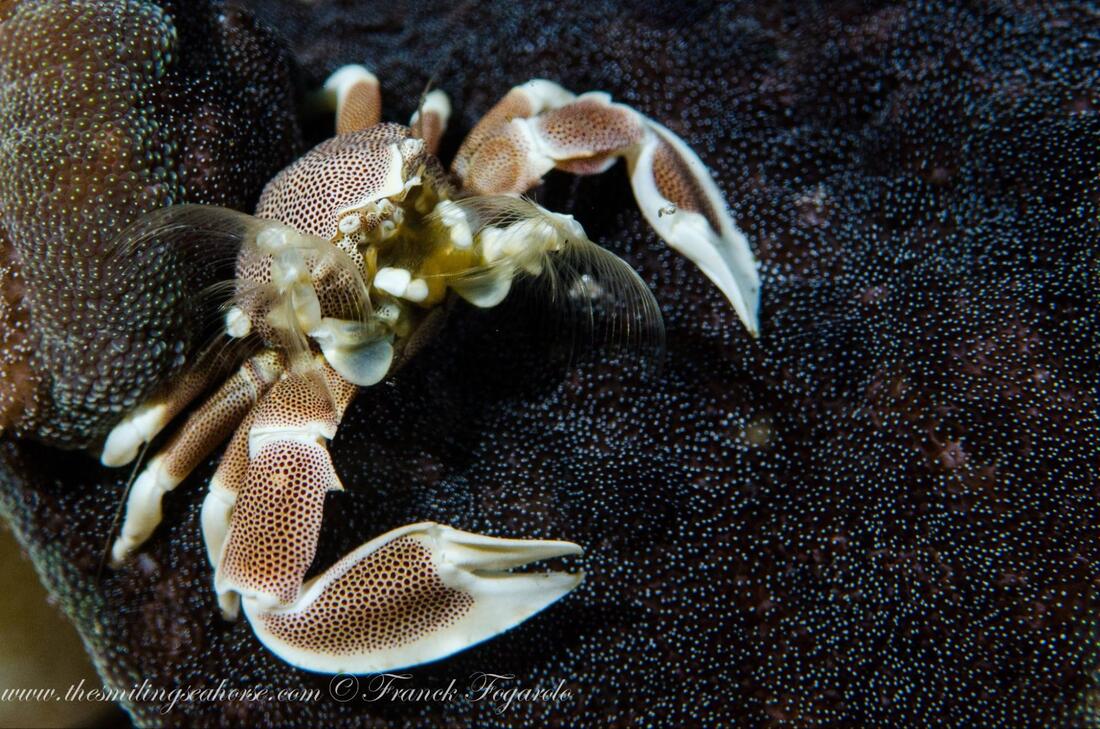
Porcelain Crabs and Anemones
- The porcelain crab gains protection by living among or close to the anemone’s stinging tentacles.
- The crab’s feeding and movement may return organic material to the area around its host.
Look closely inside anemones, you might find much more than just clownfish.
Creative Survival Strategies
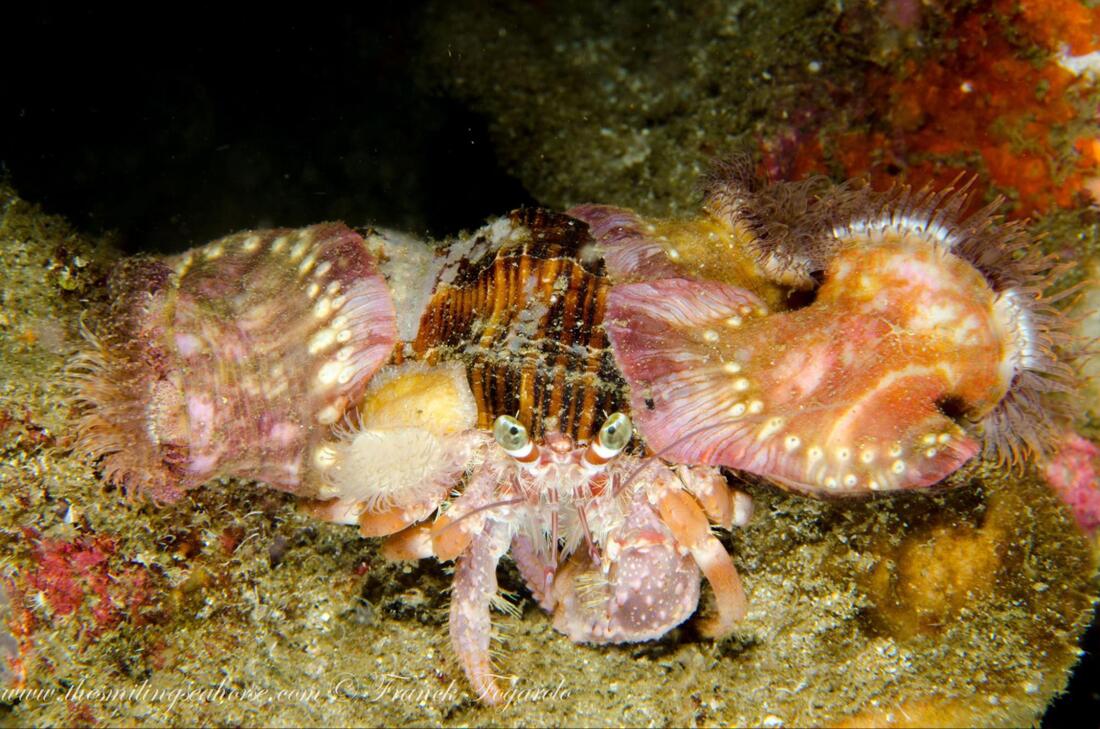
Crabs and Anemones
Some crabs take partnership to another level by carrying anemones with them.
- The crab uses the anemones’ stinging cells as a form of defense.
- The anemones gain mobility and potentially greater access to food.
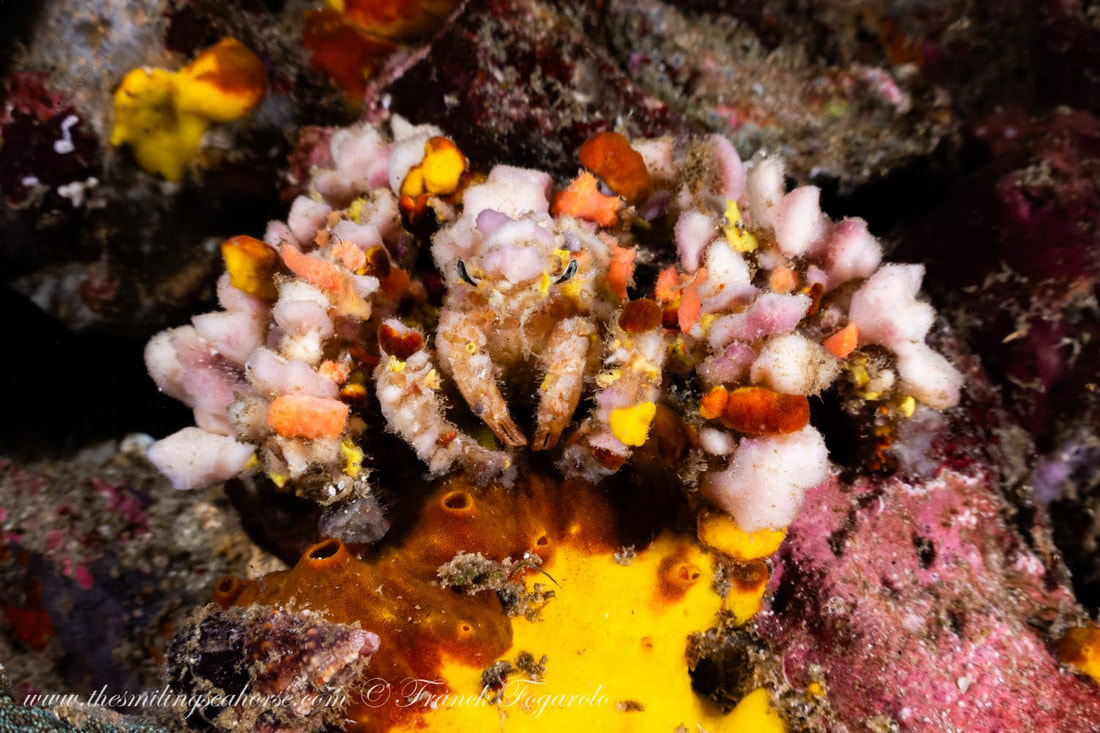
Decorator Crabs and Sponges
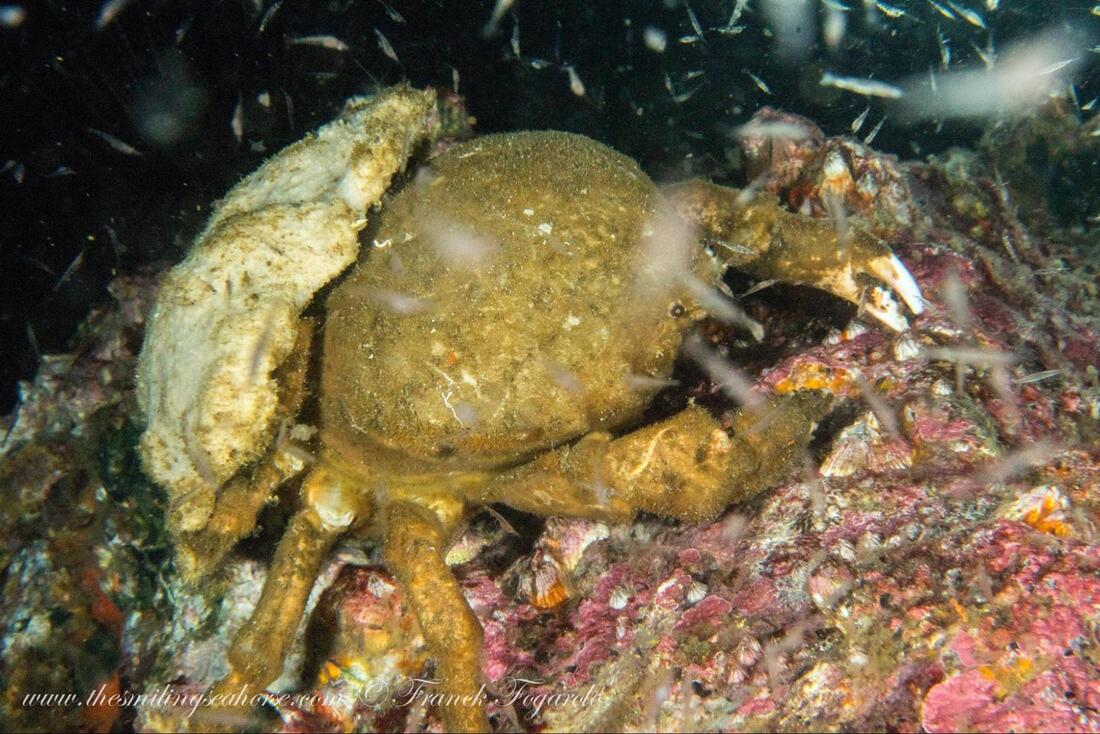
Decorator crabs use an equally creative survival strategy.
- The crab attaches pieces of sponge to its shell for camouflage.
- The sponge gains mobility and access to different feeding areas.
When Predators Team Up
Not all cooperation is about living together. Some marine species collaborate temporarily, especially when hunting.
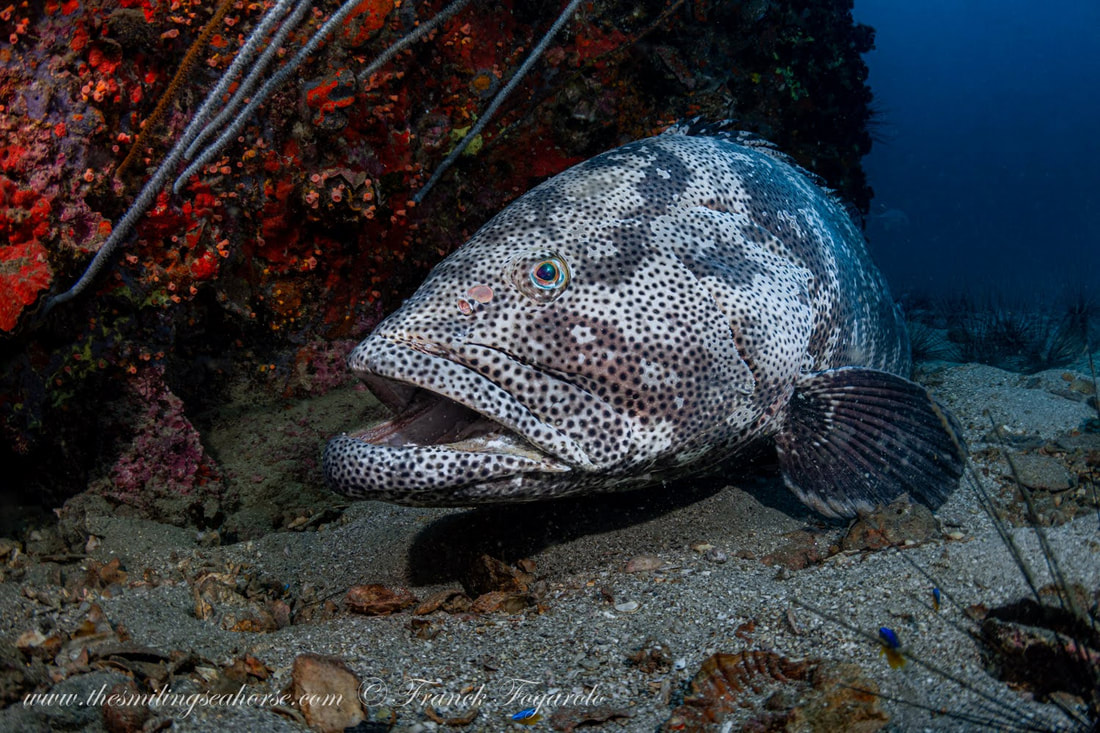
Groupers and Moray Eels
This is one of the most remarkable examples of cooperative hunting between different species.
- Groupers patrol open water but struggle to catch prey hiding deep inside reef crevices.
- Moray eels can enter narrow holes in the reef but are less effective at pursuing prey into open water.
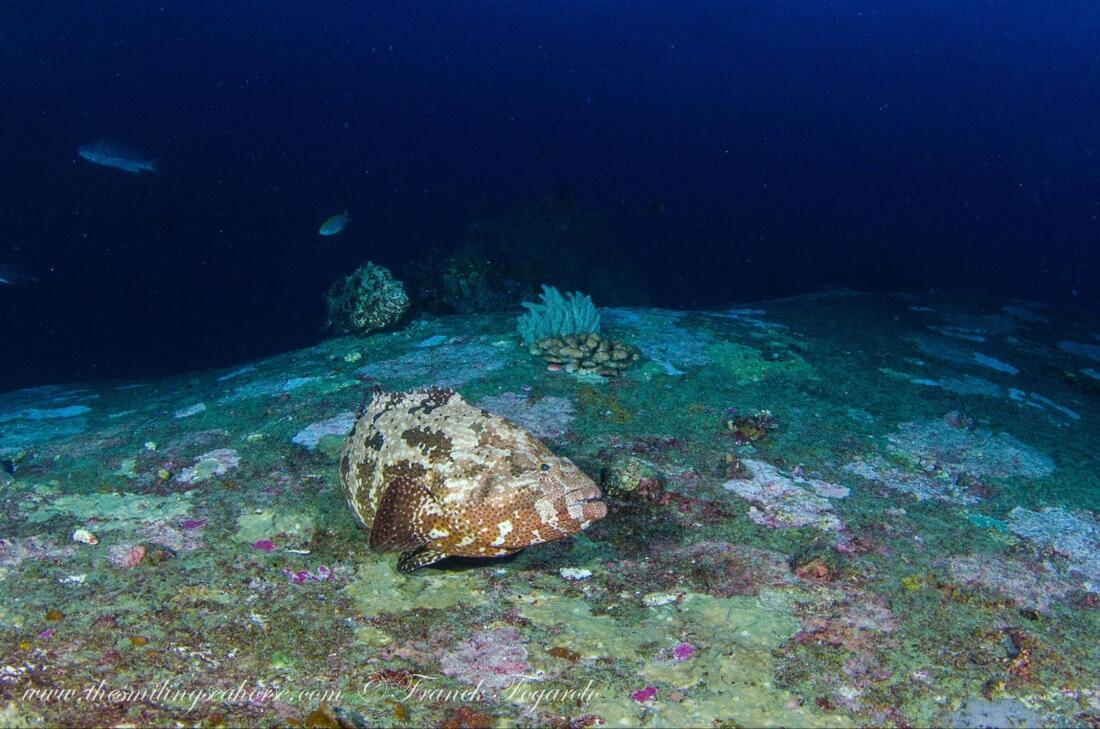
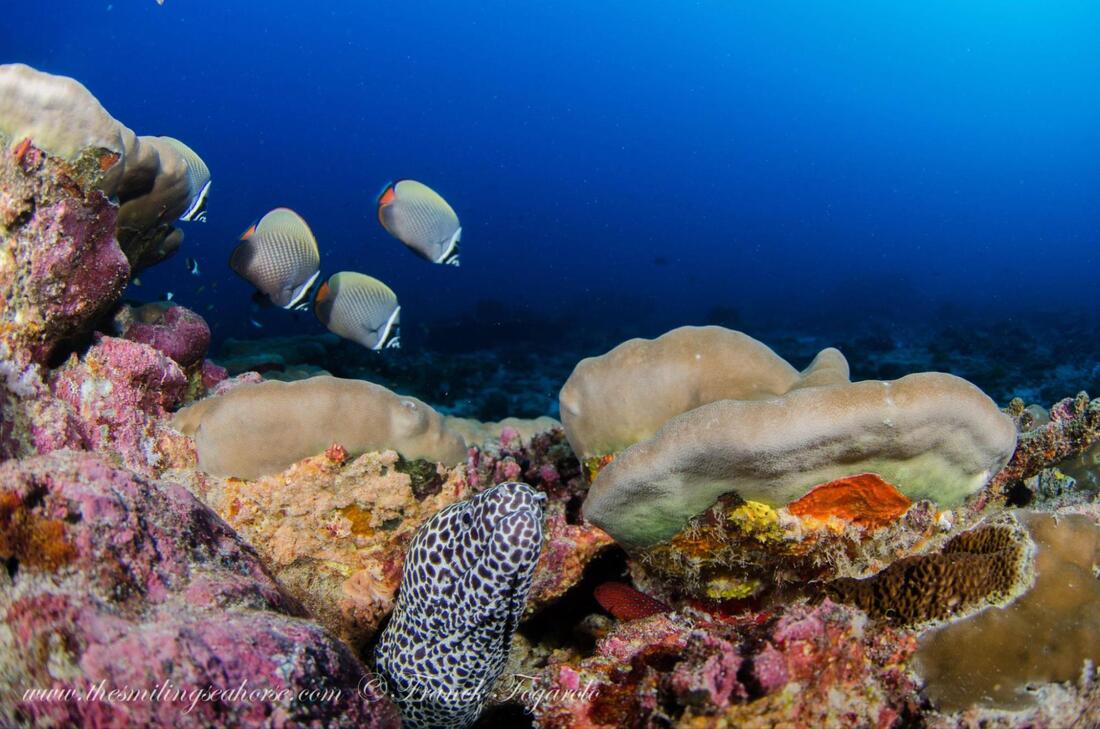
Together, they can form a powerful hunting team:
- The grouper may signal to the moray eel with head shakes or body movements.
- The eel can flush prey out from narrow hiding places.
- The grouper is well positioned to catch escaping prey in open water.
Both predators can increase their chances of success, making this a form of facultative mutualism: both benefit from cooperating, but neither depends entirely on the other for survival.
This partnership shows that cooperation in the ocean does not have to be permanent. Sometimes it appears only when working together provides an advantage.
The Most Important Partnership on Earth
Corals and Zooxanthellae
This relationship quite literally helps build coral reefs and supports some of the richest ecosystems in the ocean.
- The microscopic algae living within coral tissues produce energy through photosynthesis.
- The coral provides the algae with shelter and access to nutrients.
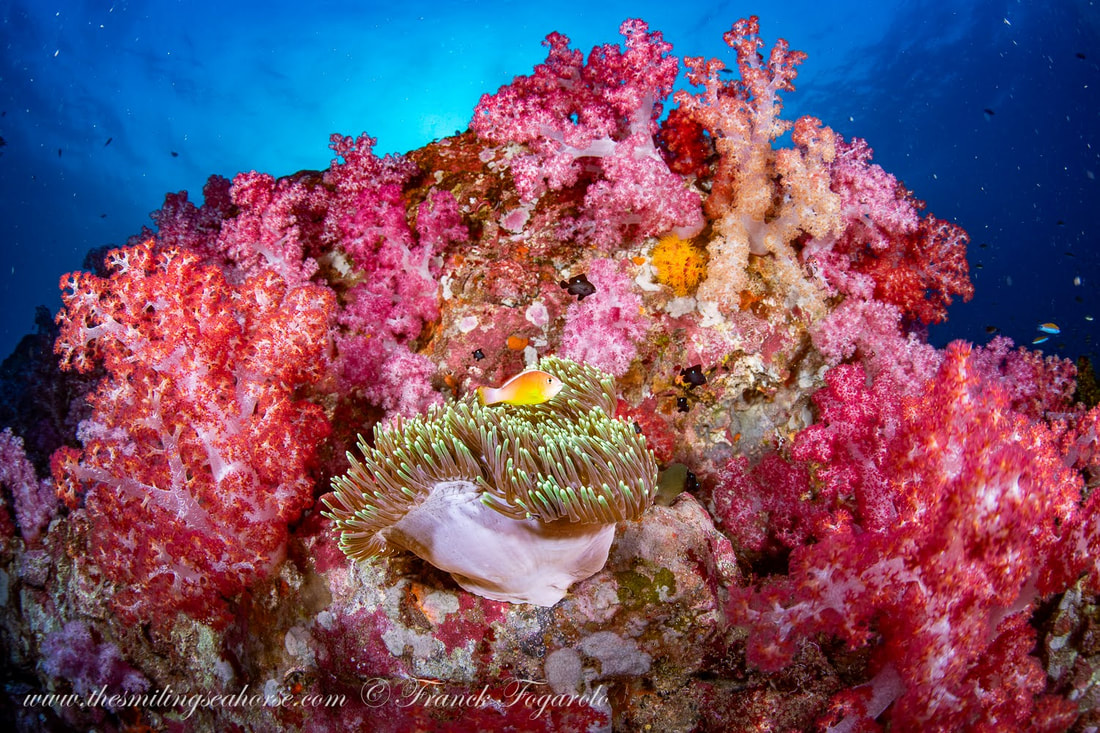
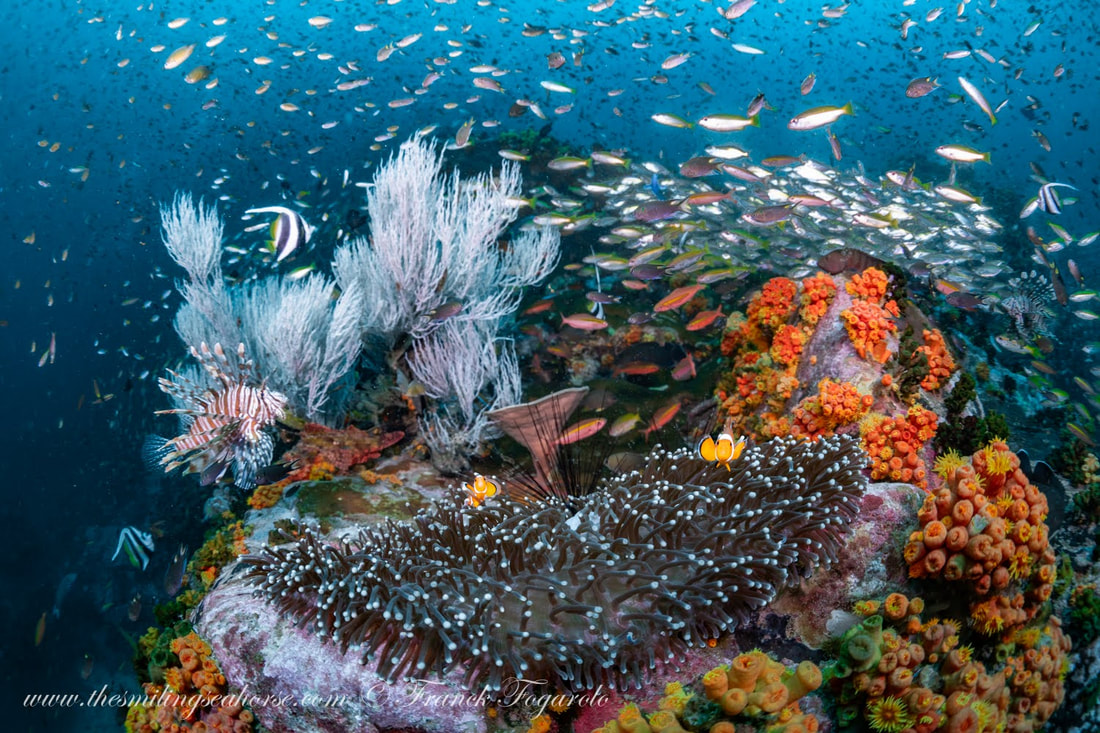
Corals can receive a very large proportion of their energy from these photosynthetic partners. When the relationship breaks down under environmental stress, particularly excessive heat, corals can expel their symbiotic algae and become bleached.
If stressful conditions continue for too long, coral mortality can follow, affecting the many other species that depend on healthy reef habitat.
Why Mutualism Matters
Mutualistic relationships are not simply interesting biological curiosities. They play important roles throughout marine ecosystems:
- They help species survive in competitive environments.
- They can improve access to food, shelter or protection.
- They influence interactions within reef communities.
- They contribute to the extraordinary biodiversity found throughout the ocean.
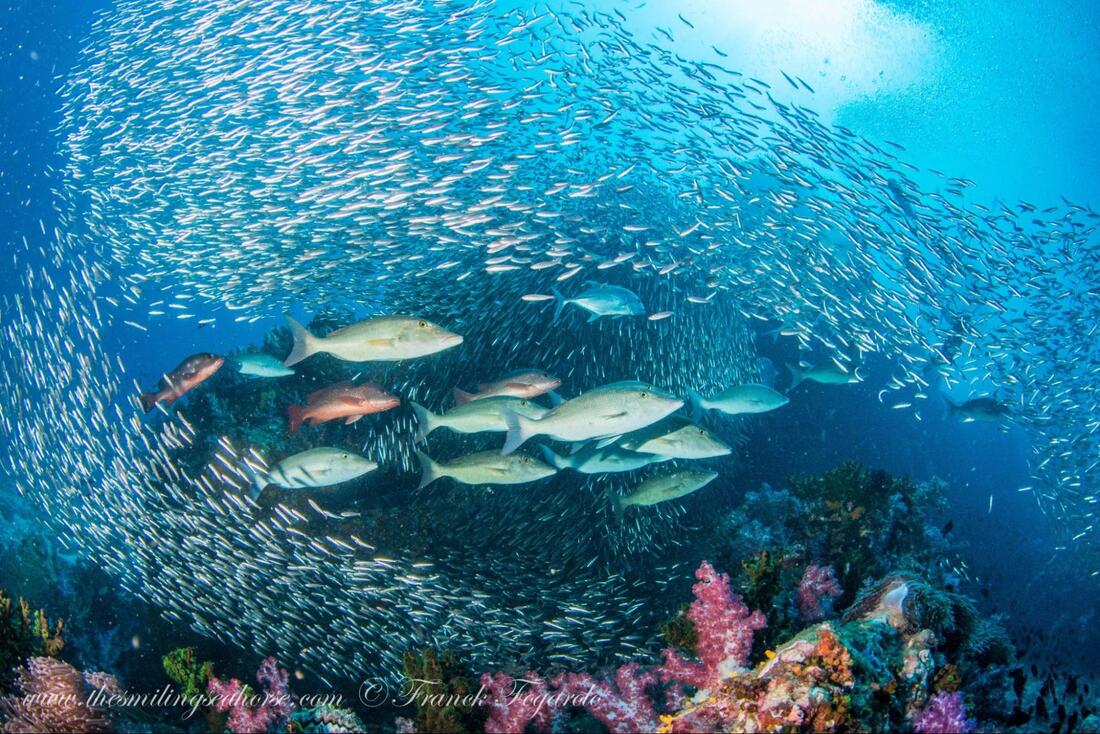
For divers, many of these partnerships are happening right in front of us. Once you start looking for them, an ordinary patch of reef can suddenly become much more interesting.
Mutualism, Commensalism and Parasitism
While mutualism describes a relationship in which both participants benefit, not every close interaction in the ocean is so balanced.
In commensalism, one species benefits while the other is neither significantly helped nor harmed.
In parasitism, one species benefits at the expense of the other. Parasites such as certain isopods, worms and small crustaceans can attach themselves to marine animals and feed on blood, tissues or other resources. Some even live inside the gills or mouths of their hosts.
Final Thought: The Ocean Runs on Cooperation
We often think of the ocean as a world dominated by predators and prey, but mutualism reveals another side of marine life — one built on cooperation, flexibility and interdependence.
From shrimp and gobies to clownfish, cleaner species, coral reefs and even complicated interactions involving parasites, these partnerships show that survival in the ocean is not simply about being the biggest, fastest or strongest.
Sometimes, it is about having the right partner — or even several.
Next time you dive, slow down and look closer.
That tiny shrimp beside a fish, the goby hovering outside a burrow, or a grouper waiting near a moray eel may be more than two animals sharing the same patch of reef. You might just be witnessing one of nature’s most fascinating teamwork stories.