How Do Coral Reefs Grow?
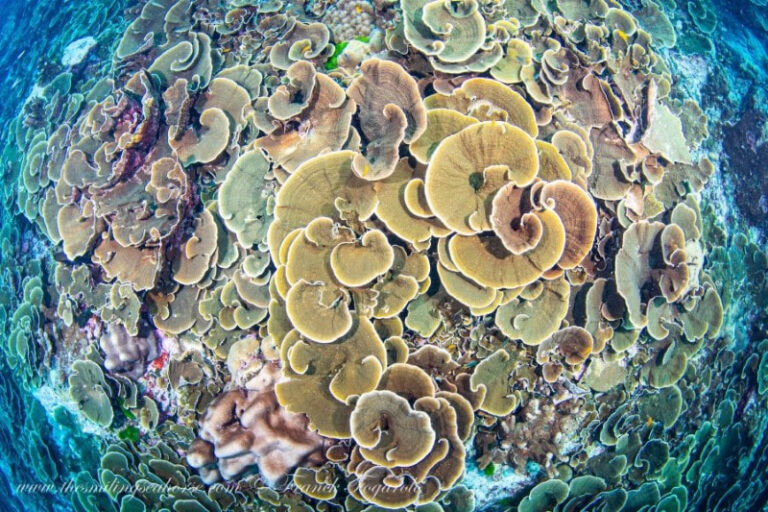
It is as simple as that: free-swimming coral larvae drift on ocean currents until they find a suitable hard surface. Once they settle down and attach themselves, the incredible process of forming a coral reef begins.
Each individual coral polyp secretes a protective calcium carbonate skeleton from the underside of its skin, dividing itself over time to make exact genetic copies. As millions of polyps accumulate together, a thriving coral colony develops. Eventually, the colony matures, reproduces, and continues the timeless cycle of life beneath the waves.
How Fast Do Corals Grow?
Different species grow at vastly different rates, heavily influenced by water temperature, salinity, turbulence, and food availability.
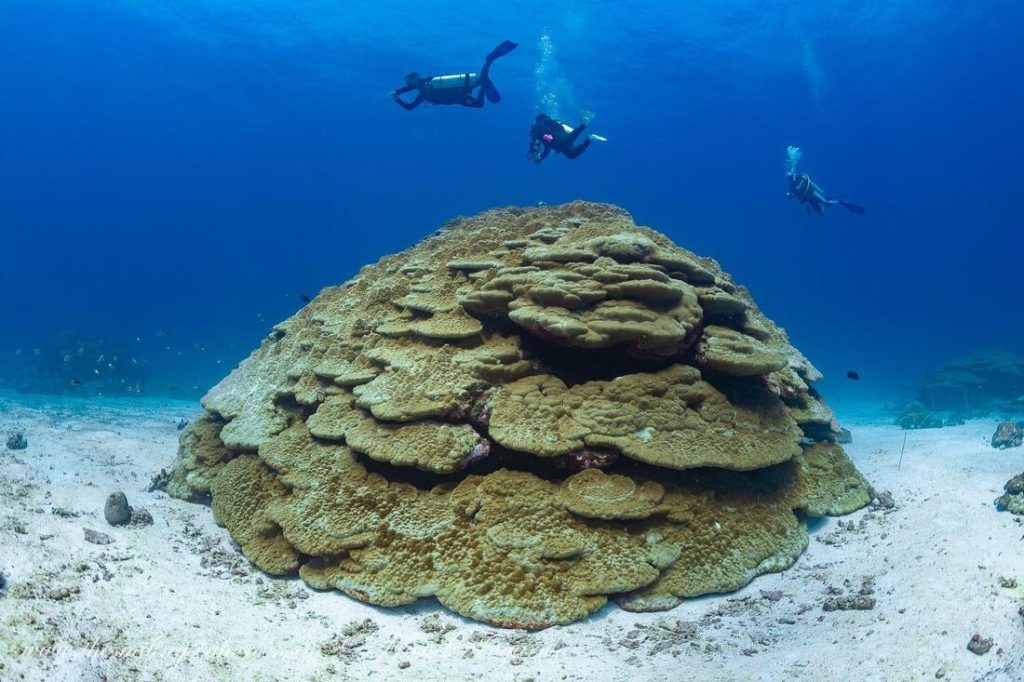
Massive boulder corals are the slow giants of the reef, expanding at rates between 5 and 25 mm per year, whereas delicate branching staghorn corals can add up to 20 cm to their branches annually.
What Are the Ideal Conditions for Corals?
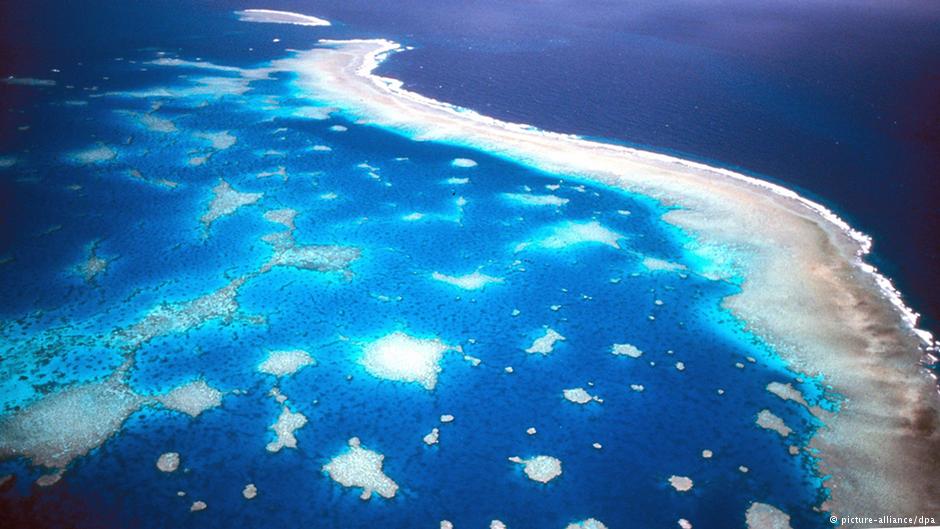
Corals thrive best in warm waters ranging from 21 to 29°C and require high-salinity seawater to survive. They prefer shallow, clear waters where sunlight can easily penetrate to reach the symbiotic algae (zooxanthellae) living inside their tissues, which provide them with vital energy to build their hard skeletons.
How Old Are Coral Reefs?
Geological records show that the ancient ancestors of modern coral reef ecosystems date back at least 240 million years! Most established modern reefs that divers marvel at today are between 5,000 and 10,000 years old.
What Is the World’s Largest Reef System?
The largest coral reef system on Earth is the Great Barrier Reef in Queensland, Australia. Spanning over 2,300 kilometres and composed of thousands of individual reefs and islands, it is so immense that astronauts can see it clearly from space.

Our Commitment as a Reef-Friendly Liveaboard
At The Smiling Seahorse, protecting the ocean is woven into everything we do. Operating sustainable dive cruises across the Andaman Sea means minimizing our ecological footprint at every turn. We use reef-safe products on board, eliminate single-use plastics, and practice strict waste management. Furthermore, we actively support grassroots environmental initiatives, including our dedicated Mergui Archipelago conservation project and comprehensive Sustainability promises to ensure our operations safeguard marine habitats.
What Can You Do to Protect Coral Reefs?
Every diver plays an active role in safeguarding marine ecosystems. You can minimize your personal impact on the reef by following these essential guidelines:
- Watch your fins carefully and maintain spatial awareness
- Master your buoyancy to avoid accidental contact
- Never touch, lean on, or stand on coral reefs
- Secure your camera gear, consoles, and hoses so nothing hangs loose
- Never break or damage any part of the reef structure
- Never collect coral or shells as souvenirs
- Never pollute or leave trash in the water
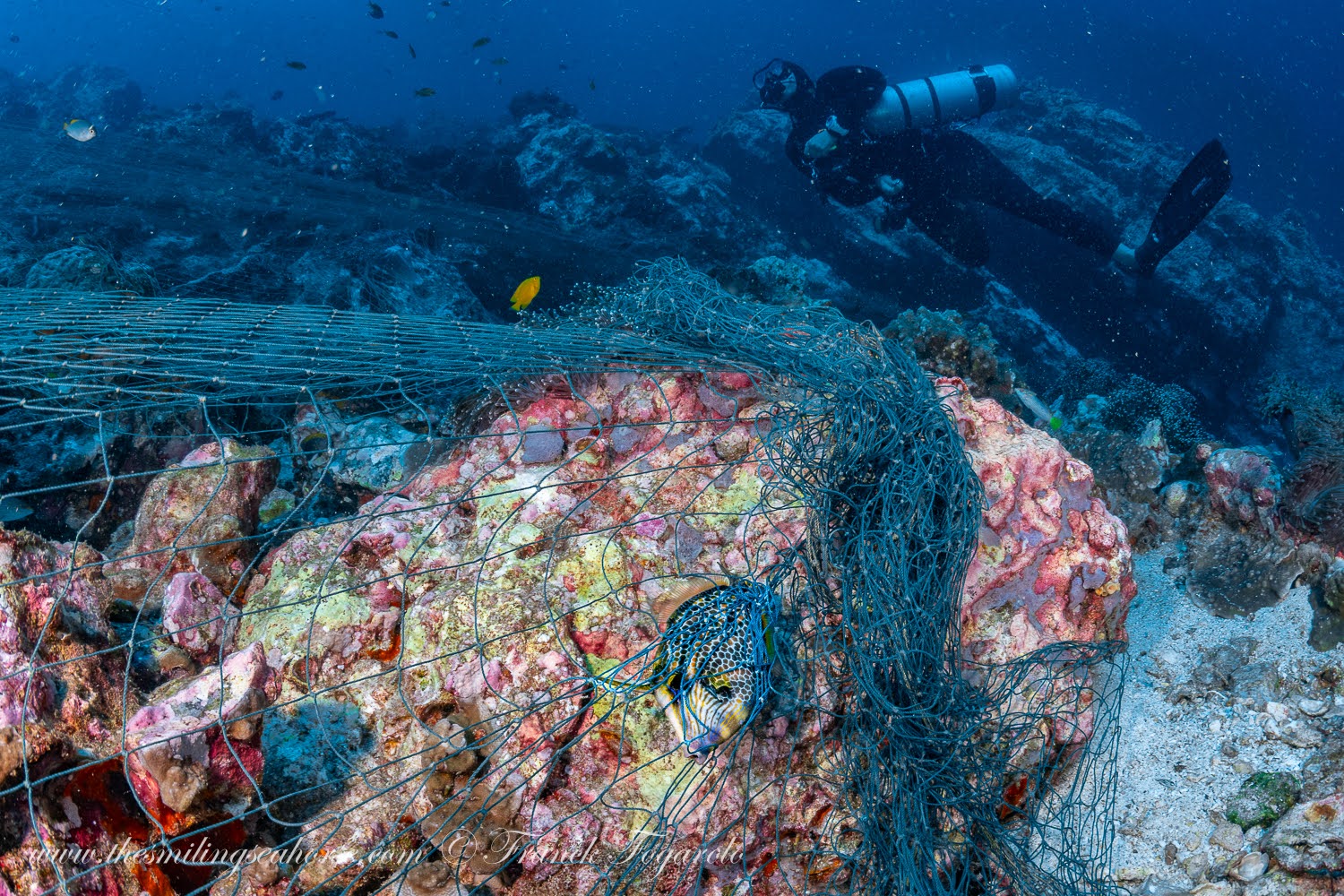
- help cleaning up trash on every dive whenever you can