
30 fun facts about marine life you won’t even believe!
The vastness of the ocean is still, in great part, a mystery to us.
Even the species we know continue to surprise us with their behavior. Check out these shocking facts about marine critters that you won’t believe…
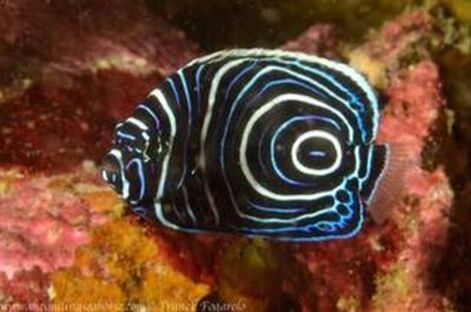
| 1. Angelfish mate for life: When angelfish choose a partner, it’s for life! If one of them dies, the other won’t breed with another mate for the rest of its life. |
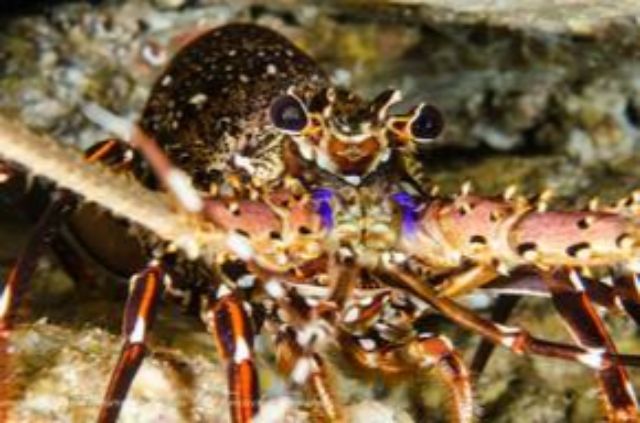
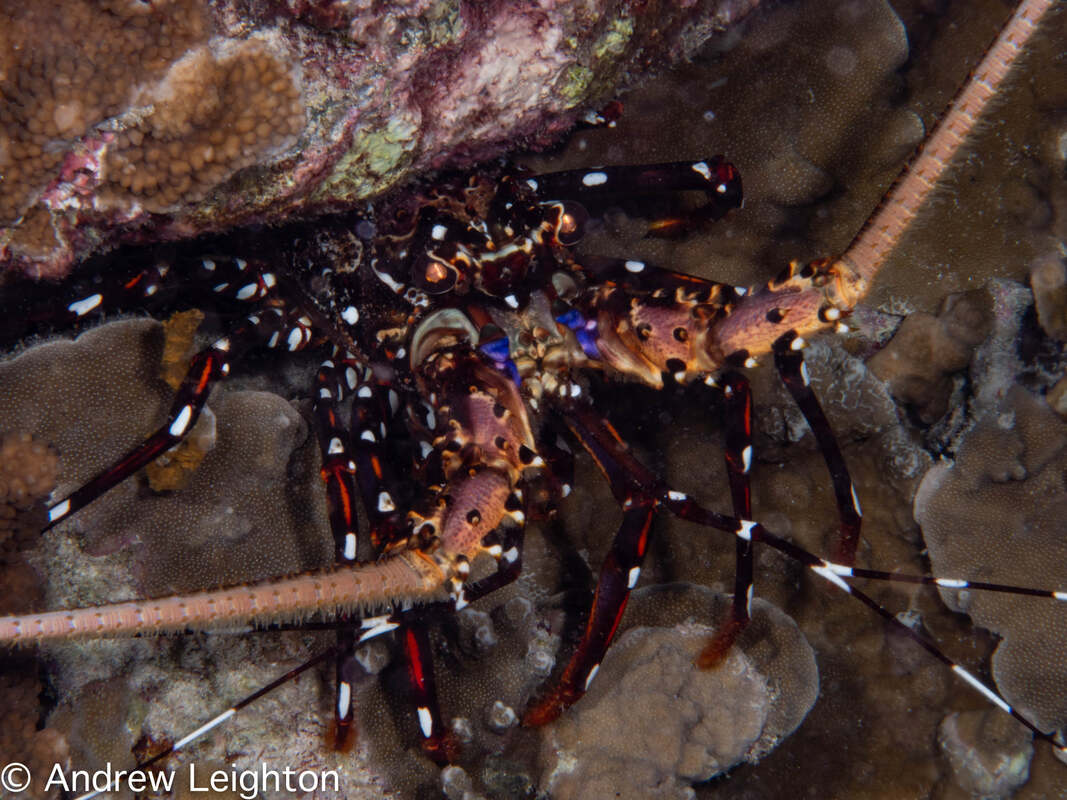
| 2. Lobsters pee out of their face and they pee on each other to communicate: The urine nozzles located under their eyes allow lobsters to communicate. Peeing on another lobster sends messages that are essential for survival. |
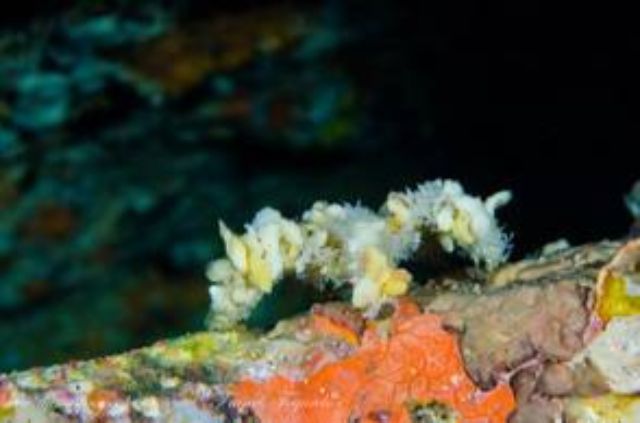
| 3. Spider crabs are the masters of disguise: To survive, spider crabs use sponges, seaweed, and anything else that helps them blend in as camouflage, attaching it to their carapace. |
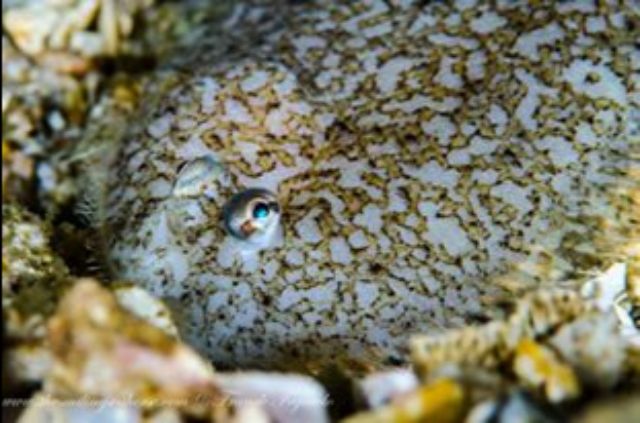
| 4. Flatfish are born like normal fish: All flatfish are born upright like other fish. As they grow, however, they gradually begin to flatten. |
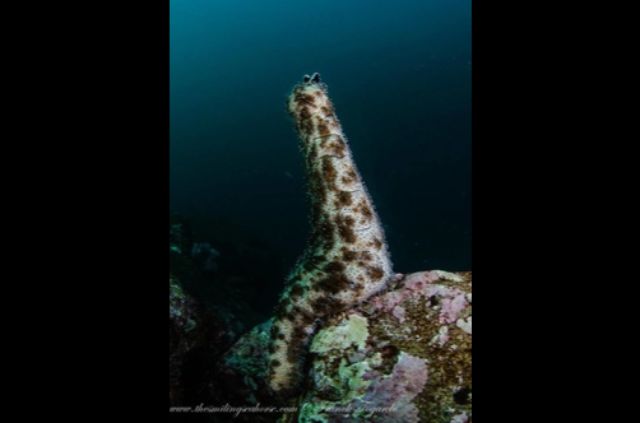
| 5. The digestive system of sea cucumbers cleans the ocean: Sea cucumbers’ diet consists of anything that sticks to the sand on the ocean floor. After extracting the food, they poop out the sand, clean and tidy. |
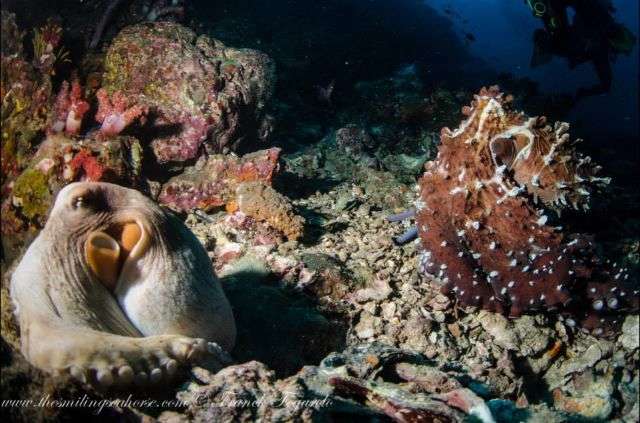
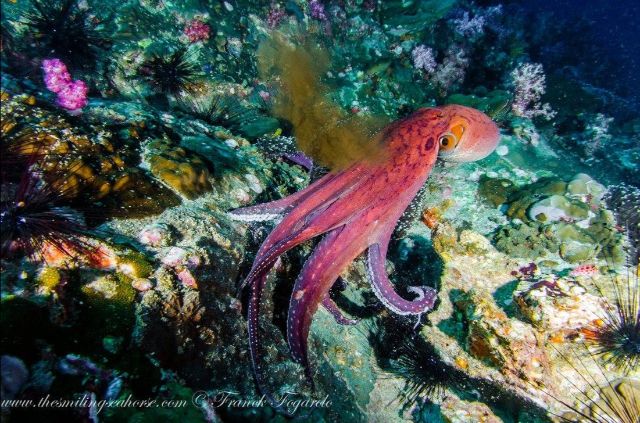
| 6. Mating leaves male octopi confused for life: When a male octopus mates with a female, he experiences chronic memory loss, similar to dementia, and thereafter swims around with no ability to remember. |
| 7. You enjoy walking on parrotfish poop: You know that soft, white sand on tropical islands that you dream about whenever you’re planning your winter vacation? It’s actually parrotfish poop, produced after they eat coral. |

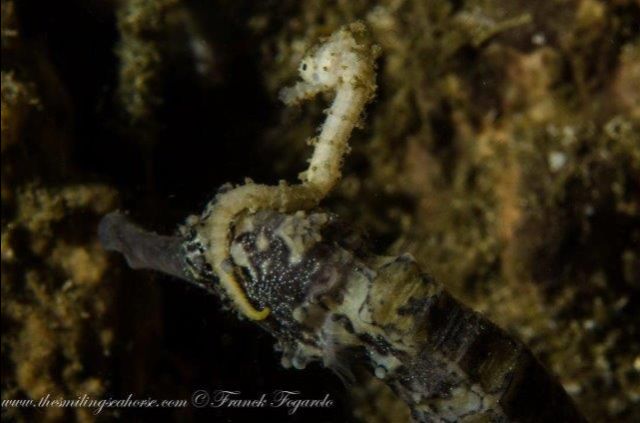
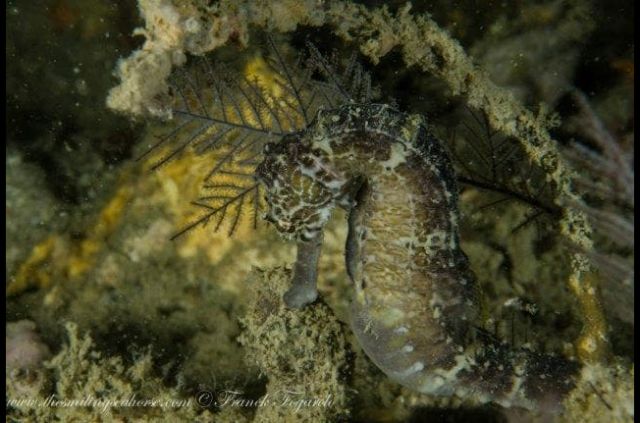
| 8. Seahorse males carry babies and give birth: Seahorses are the only animals on Earth in which the males, rather than the females, give birth. In this unique species, it is the males who get pregnant. |
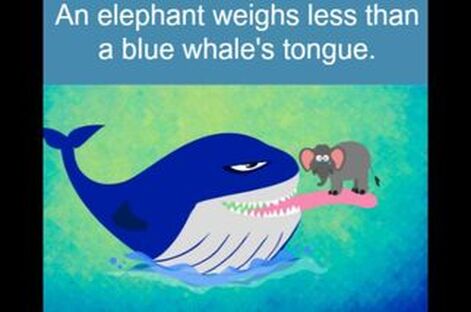
| 9. A blue whale’s tongue is heavier than an elephant: As the largest animal on Earth, the full-grown blue whale is so massive that just its tongue can weigh more than an entire elephant—that’s over 7,000 kilograms! |
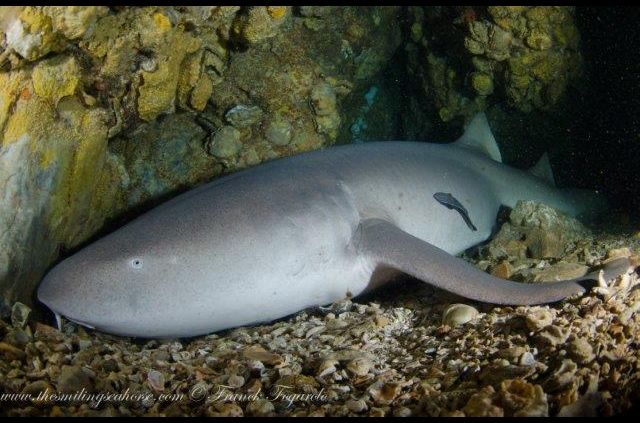
| 10. Shark teeth can grow back for their entire life: Shark teeth are not really teeth, but modified scales. Because of this, if they ever lose a tooth, another one will simply grow back. |
| 12. Scorpionfish eggs only take two days to hatch: Most animals endure painfully long pregnancies, but female scorpionfish don’t waste any time. They simply release their eggs into the water, where they are fertilized by the males and hatch within two days. |
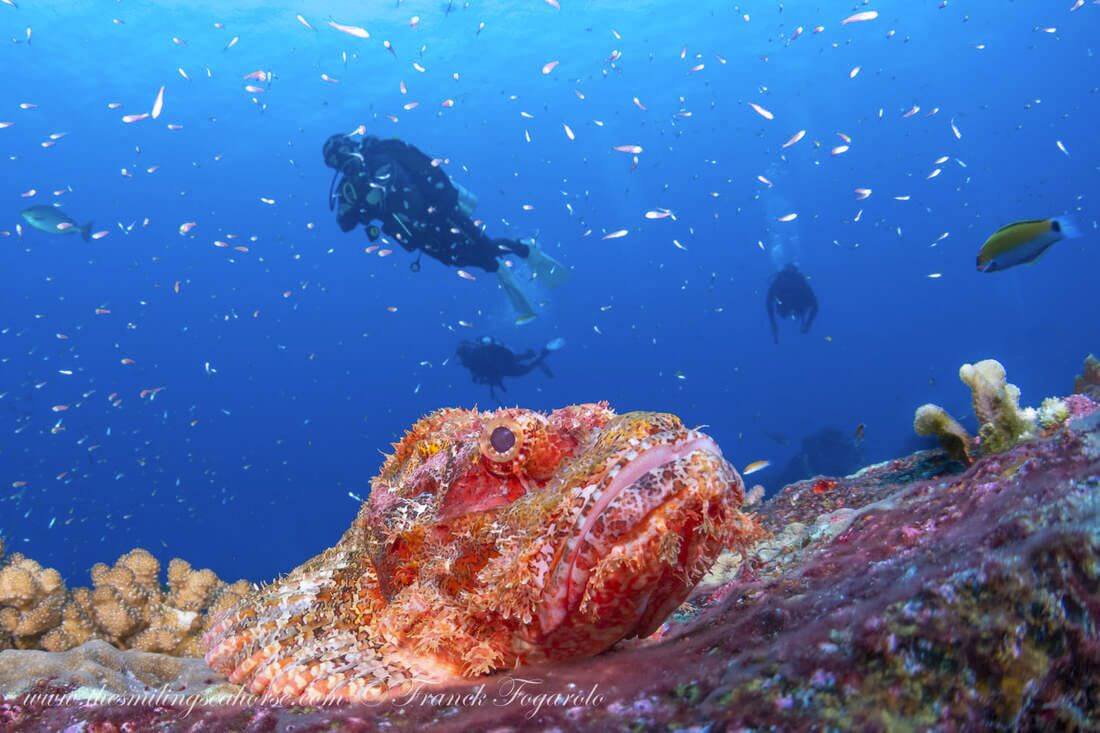
| 11. Frogfish can walk: Their pectoral fins are unique and can function like legs, which these fish sometimes use to walk along the sand. When you’re scuba diving, don’t be surprised to see these critters casually strolling along! |
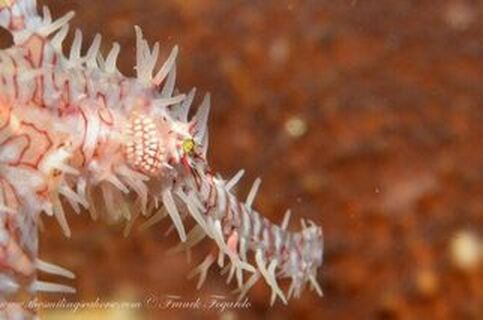
| 13. A ghost pipefish’s head makes up almost half of its body: This unique fish is incredibly difficult to spot. Once you do, however, its huge head will surprise you—it makes up 44% of its entire body! |
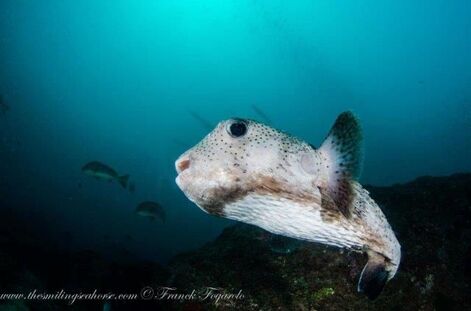
| 14. Eating puffer fish can kill you: The poison is found only in certain parts of the pufferfish’s body, which means that it can be not only edible but also delicious. Be careful, though! If the chef doesn’t cut the fish exactly the right way, this delicacy can be lethal. |
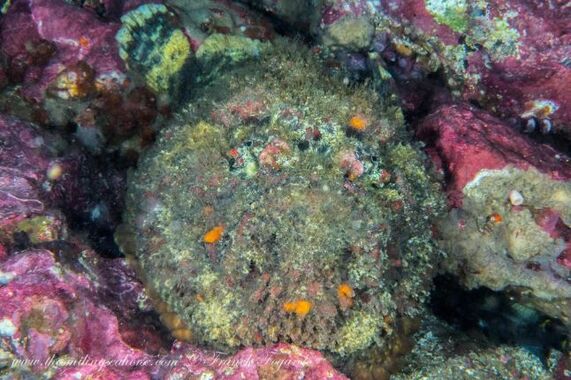
| 16. Stonefish are one of the most dangerous sea animals: Though not on the list of fearsome predators, the venom carried by stonefish is the most lethal of any fish in the ocean. Combine this with their incredible ability to camouflage, and you’ll understand why they are so feared. |
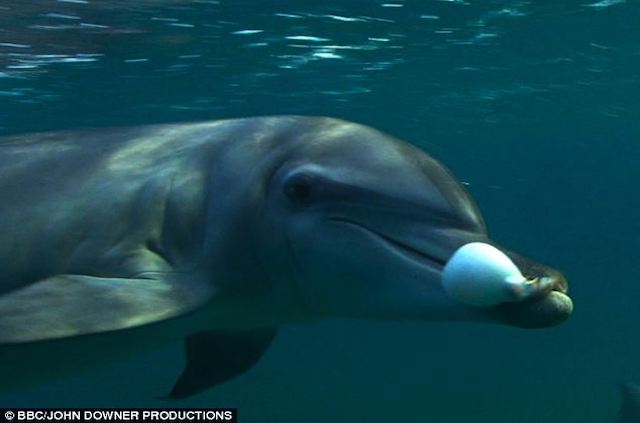
| 15. Dolphins enjoy getting high: Like many animals, dolphins find natural ways to get high. They use pufferfish to achieve this effect, and sometimes even do it in groups. |
| 17. Crab’s have tastebuds on their feet: Forget about putting food in your mouth! Crabs don’t waste time on formalities and simply use their feet to taste their food. |
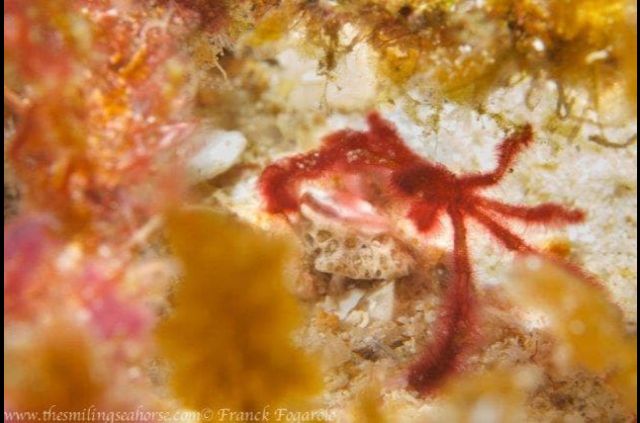
| 18. Blennies are one of the few aquatic species that can survive on land: These slimy fish have been blessed by evolution, as they can survive out of water as long as they stay damp. |
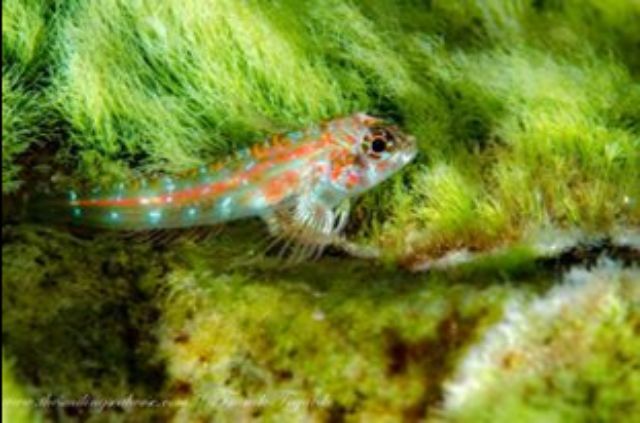
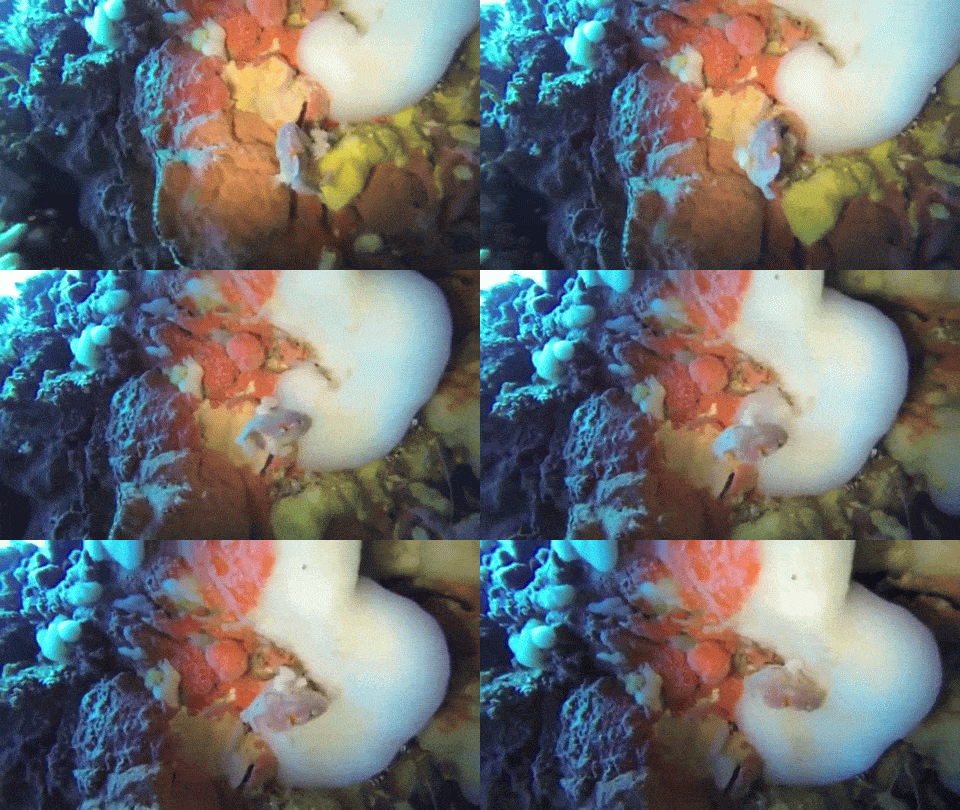
| 19. Shrimp are the nice guys of the ocean: Some species of shrimp have symbiotic relationships with fish and corals. They clean parasites from fish’s mouths and protect corals in exchange for food. (Can you spot the shrimp on this Spanish dancer?) |
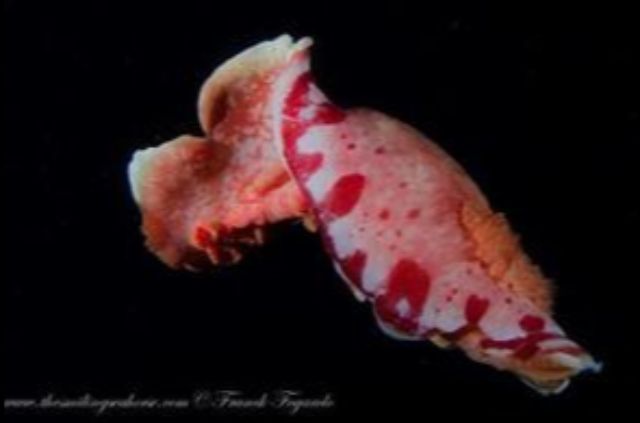
| 20. Lobster can re-grow an eye or an arm: Just like lizards and sea stars, lobsters can regrow an eye or a claw they’ve lost in the jaws of a predator! But the new one will be smaller than the original. |
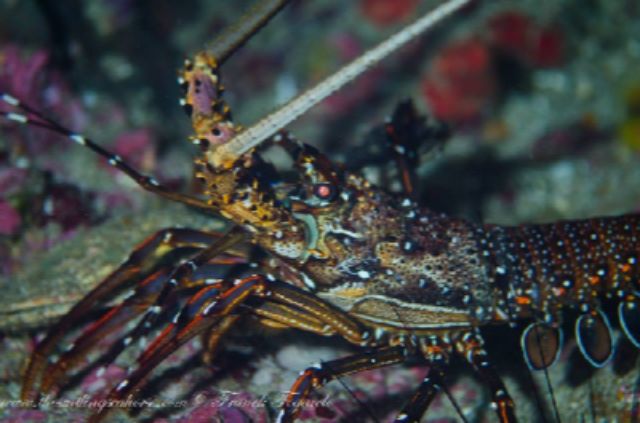
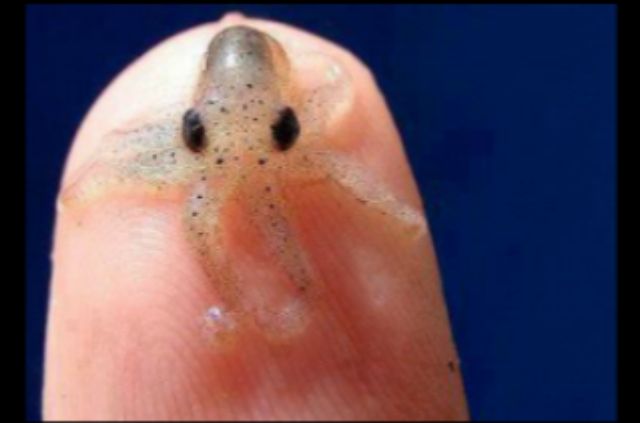
| 21. Octopuses are the most caring mums in the world!: Once a mother octopus has laid her eggs, she cares for them until they hatch, never leaving their side, not even to feed! It is believed that mother octopuses reach their limit and die soon after their babies swim away. When they hatch, baby octopuses are smaller than your fingertip yet fully functional. 22. Prisoners used to eat lobsters In the past, lobsters were considered to be at the bottom of the food chain, known as the “cockroaches of the sea.” They were used as bait or even fed to prisoners. |
 | 23. Seahorses are quite special
Seahorses have no teeth and no stomach, yet they are among the most vicious predators in the ocean. Their sneaky hunting techniques give them a 90% success rate when hunting prey. They are the only fish with a neck and a prehensile tail, which they can use to grab onto anything—grass, coral, or even a mating partner. Before mating, they perform a courtship dance that can last for days. Seahorses are also masters of disguise and can change the color and texture of their skin to blend into their surroundings. 24. Dolphins are sleepwalkers : Dolphins only sleep with half of their brain at a time, while the other half stays awake! They even keep one eye open while sleeping, allowing them to remain alert, surface to breathe, and watch out for potential dangers. |
| 25. Parrot fish use snort pillows: During a night dive, it’s common to see a parrotfish sleeping in a crack or crevice. But have you ever seen the bubble they create around their head, made from their own mucus? |
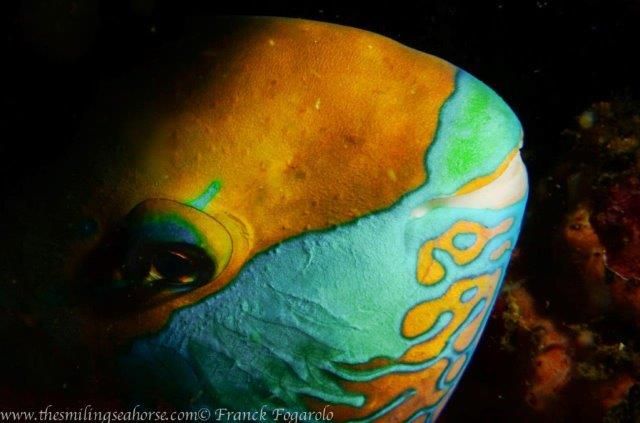
| 26. You would rather lose a leg than be stung by a Stone fish: While less venomous than a king cobra, the stonefish can still be deadly and is said to deliver one of the most painful stings a human can experience. People stung by a stonefish have reportedly begged doctors to amputate the affected limb just to stop the pain. |
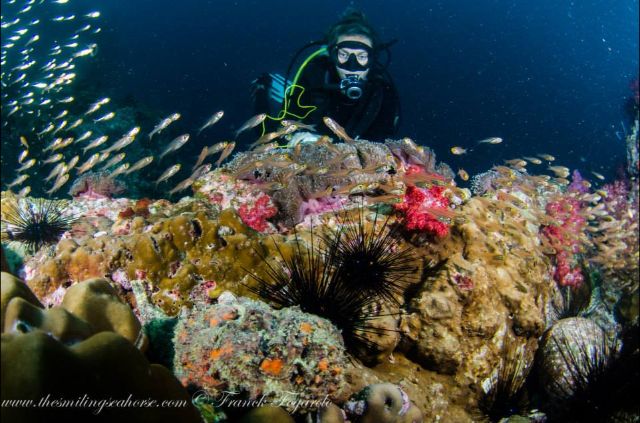
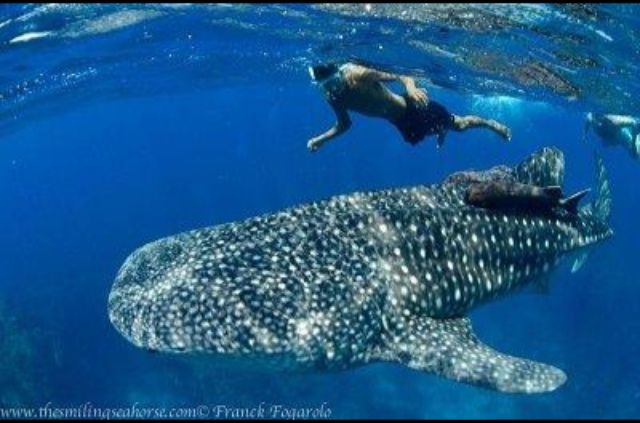
| 27. Sharks aren’t as bad as they seem: On average, sharks kill fewer than 20 people per year. Humans kill around 11,500 sharks every hour. So, who’s really to be feared? |
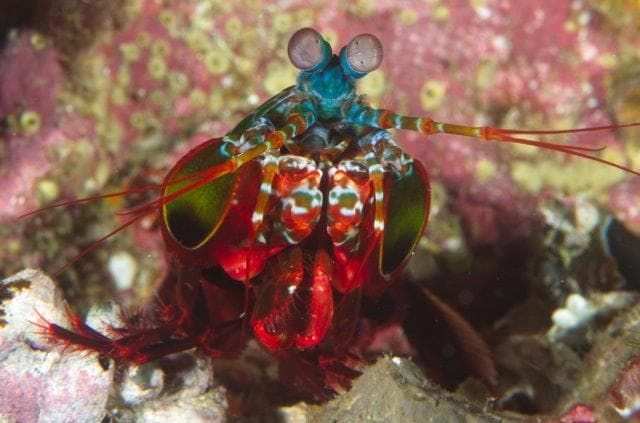
| 28. Mantis shrimps are super heroes: If your arms could move as fast as those of a mantis shrimp, you could send a ball to the moon with a single throw. Easy! It is believed that the strike of a smashing mantis shrimp is as fast as a .22-caliber bullet. The blow is so fast that it makes the water boil on impact, creating a shockwave powerful enough to kill its prey even if it manages to avoid the direct hit. 29. When they hatch, baby octopuses are smaller their your pinky finger– and they are that cute! |
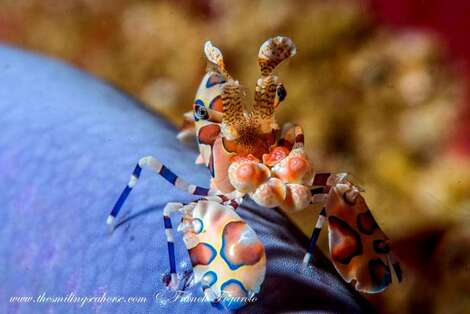
| 30. Harlequin shrimps: They feed on sea stars, and once they find one—which can be up to 100 times their size—they turn it over so it can’t escape and slowly devour it. They have even been observed feeding their “hostage” to keep it alive longer! |





10 Responses
Very interesting and great for studying the marine life and environment
These are very interesting and fun-to-share facts. There are many typos throughout this article however, which diminish the reader’s trust a bit in the factualness of the statements. Proof reading, asking others to help proof read, and/or using a grammar-check tool would help increase integrity.
very intresting facts enjoyed very much.thankyu expecting more intresting ones…..
please add marine biology facts
Good facts and very good explanations
Very good
I want to learn marine biology can you research 30 more fun
facts please
good
it is so cute and cuddly i want to have the baby octopuses
Can you give me some of this