diving in thailand
Fun diving in Thailand in 2026-2027: we answer your questions
As a dive operator, we are very lucky to be based on the west coast of Thailand and able to offer scuba diving cruises in Thailand as well as Myanmar.
Ranong is a small border city and a major fishing and trading port in Southern Thailand. The city is an attractive spot for growing numbers of travelers who want to explore a pair of exceptionally laid-back nearby Thai islands of Koh Phayam and Koh Chang Noi.
Burma being out of reach at the moment, we are reorienting all our cruises to the top diving sites in Thailand until further notice and have planned the next season with many cool cruises both in the North Andaman Islands and South Andaman!
Dive in Thailand? FAQ:
Why should you consider diving in Thailand in 2026-2027?
Thailand has some of the best dive sites in the world and is a world-famous destination to learn how to dive and explore the wealth of the underwater world in tropical waters.
Thailand is bordered by 2 seas: the Gulf of Thailand on the east and the Andaman Sea on the west. The country has a very strong tourism infrastructure able to cater to the large number of divers usually flowing into the country every year.
Where to dive in Thailand?
I suppose it all depends on what you are looking for…
If you have never dived and want a cheap PADI or SSI Open Water certification, Koh Tao is one of the cheapest places in the world to take a scuba diving course and offer easy diving and great learning conditions.
If you are looking for a day trip from Bangkok, Pattaya is the most accessible diving destination, just an hour’s drive from Bangkok, and is quite good for wreck diving, but don’t expect good visibility or marine life; you may be disappointed.
If you are looking for exceptional diving, the best dive spots are incontestably to be found on the West Coast, with usually a better visibility and wealth of marine life in its beautiful Marine National Parks.
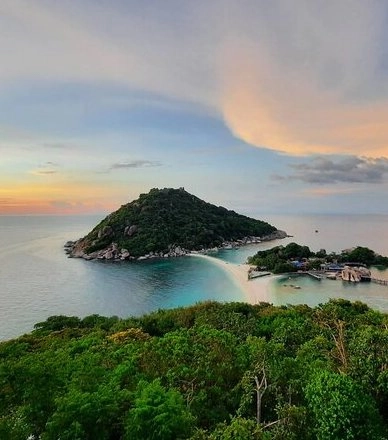
Thailand offers some of the best diving in the world in the Andaman Sea, both north and south of the Andaman Sea.
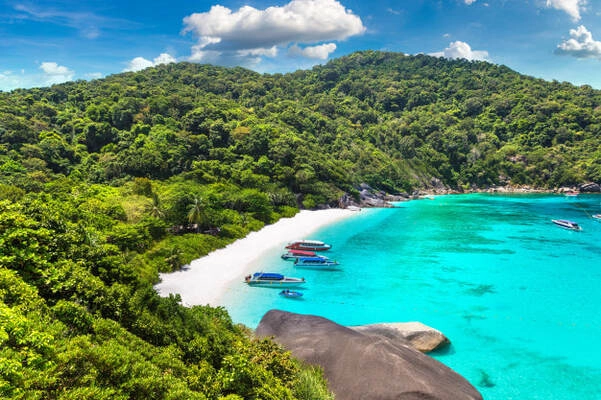
The North Andaman (on the west coast of Thailand) is home to the Similan Islands and Surin National Parks, both popular for diving in Thailand.
The most famous one is for sure the Similan Islands National Park. But many divers don’t know that a little bit further north lie the Surin Islands, less known and less traveled than the Similan but also offering excellent diving and snorkeling.
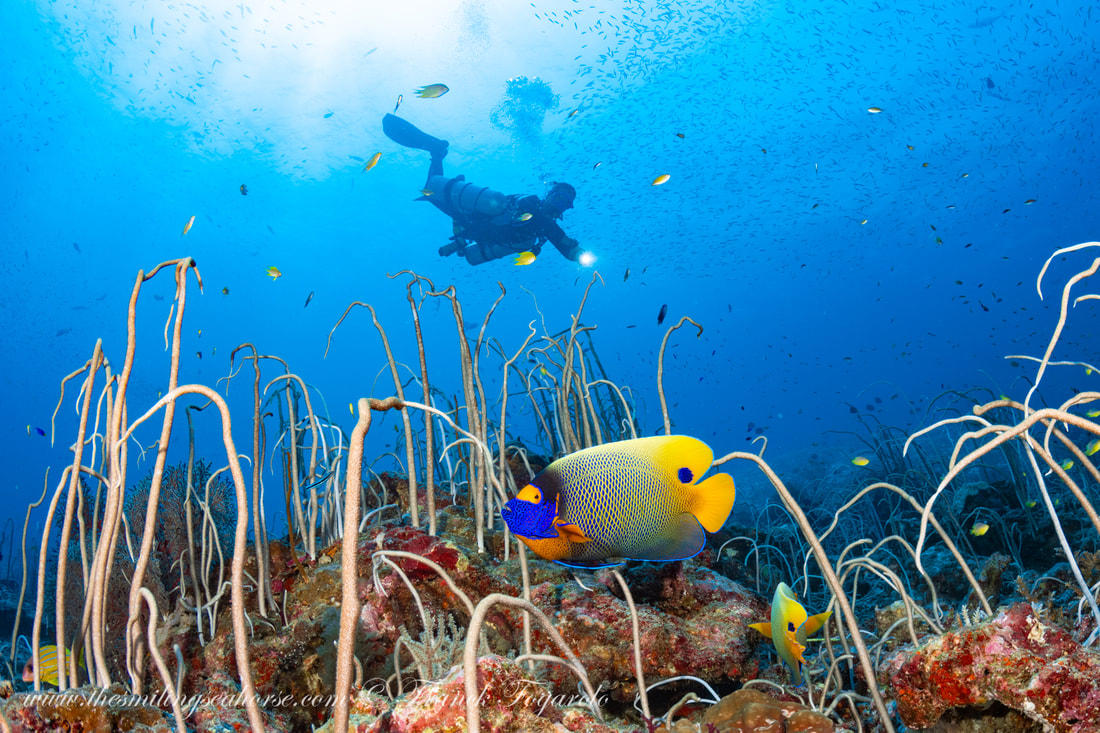
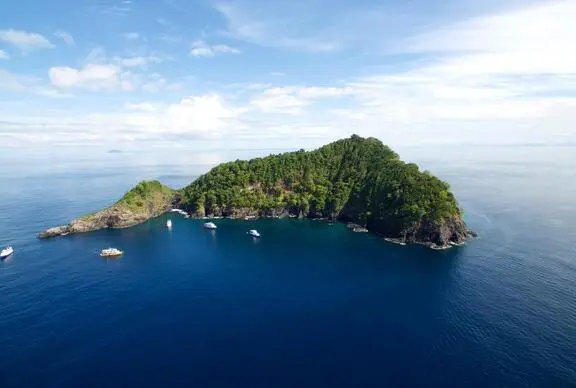
You may have heard about the world-famous Richelieu Rock; this dive site is still listed as one of the top 10 dive sites in the world. Richelieu Rock (part of Surin National Park) and Koh Tachai (in Similan NP) both offer good chances to spot whale sharks amongst other treasures!
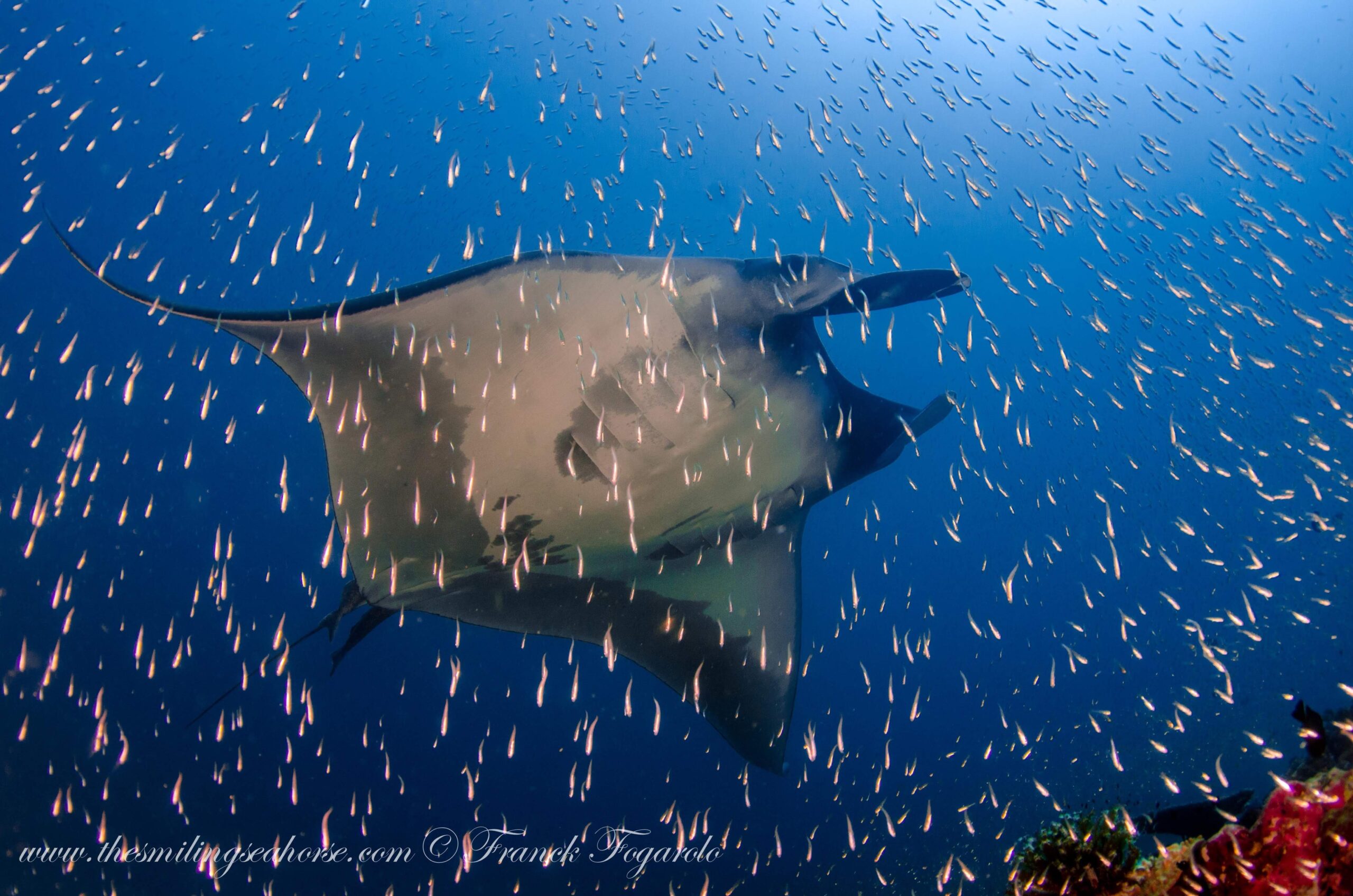
Thailand is also a great diving destination to dive with a giant oceanic manta ray, and Koh Bon is the diving spot in Thailand where these gentle giants are most often sighted.
The best dive sites in Thailand in 2026-2027 are surely Richelieu Rock, Koh Bon, and Koh Tachai.
When is the best season to dive in Thailand in 2026-2027?
Being a tropical country, Thailand has a dry and a rainy season; to make it simple, it rains on the West Coast during the summer months (May-October) and on the East during the winter (October-May).
The optimum diving season on the Andaman coast (west coast) is between November and May.
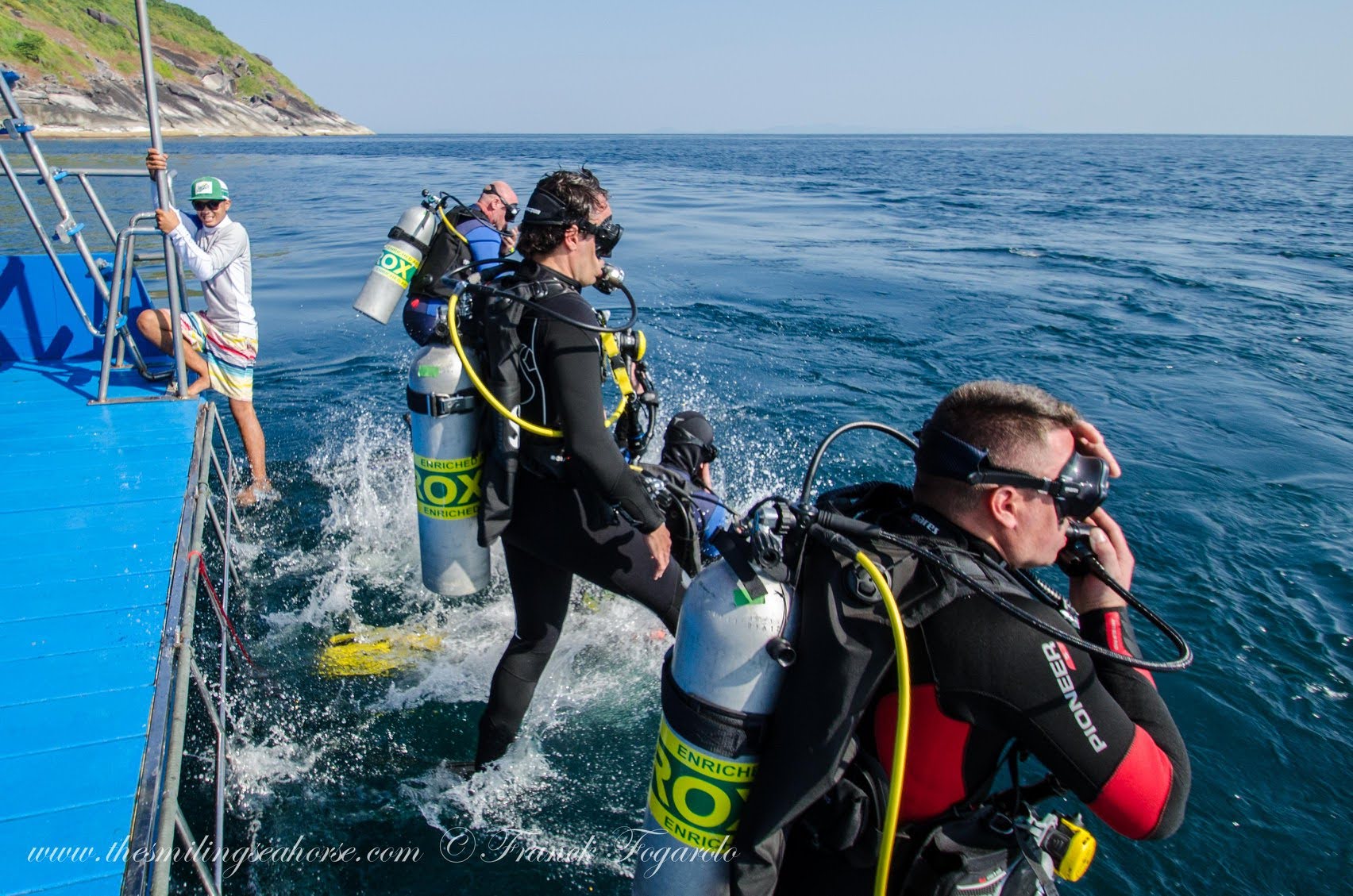
What is the best way to dive in Thailand? A liveaboard = dive, eat, sleep!
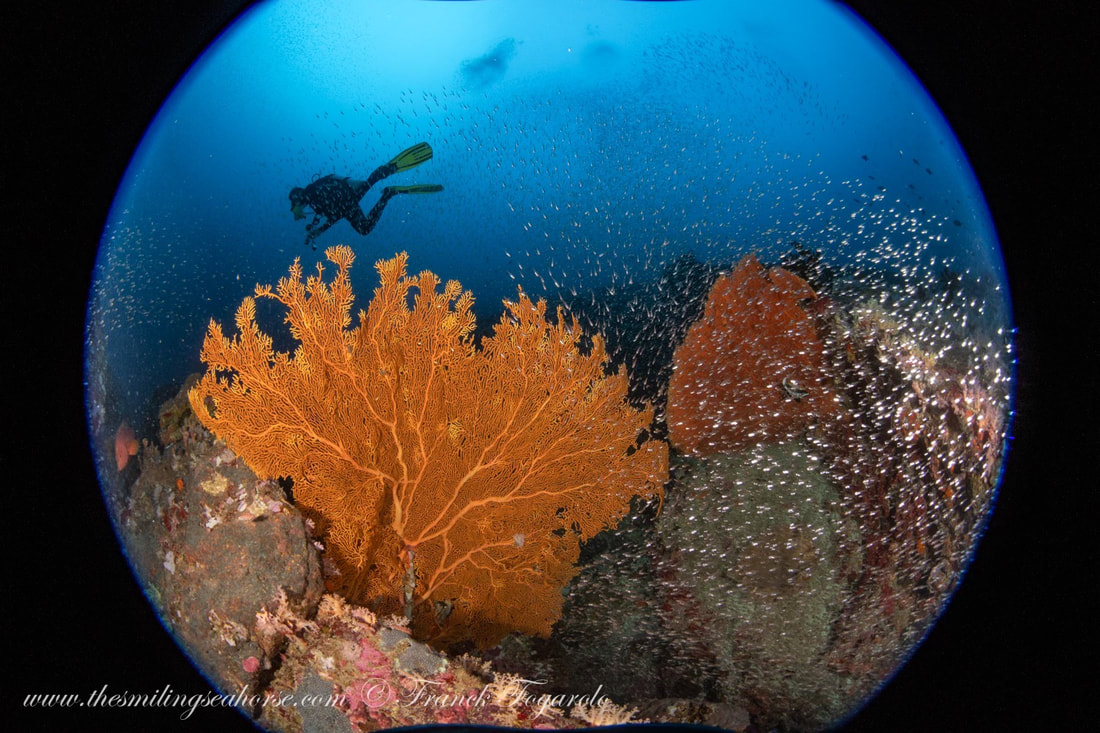
Taking a diving holiday on a Thai liveaboard is definitely the best option, as it allows you to dive up to 4 times a day and to experience early morning dives and night dives (which are two of the best times of the day to dive) and to visit the most remote and beautiful dive sites in Thailand.
In addition to having better dives, you also have a lot better time during your surface intervals:
Why would you sit on a small speedboat waiting for the next dive time when you could be relaxing in a hammock reading a good book? You want to rest and go to your comfortable cabin and bed for a real nap. Hungry? Liveaboards usually serve 4 delicious meals a day, and on our boat you also get a full buffet of snacks, fresh fruits, and drinks in the shaded lounge area. Still a lot of energy? Take the kayak around the island and hop on a beach.
Liveaboards are just more comfortable and a lot more FUN! The only way to truly enjoy a Thailand diving holiday is at the perfect rhythm of “Dive Eat Sleep“.
Where are the best departure points for a diving liveaboard in Thailand?
Khao Lak (and Tap Lamu Pier) has become the most common departure point for liveaboards in Thailand because it is the closest port to the Similan Islands.
Ranong, a bit further north, is a new departure point for dive cruises in Thailand (and the ultimate departure point for cruises in Myanmar). It is the closest departure point to dive Richelieu Rock, making it easier to dive Thailand’s best dive site on even the shortest cruise out of Ranong.
Phuket is the best departure point to reach the South Andaman on the route to Koh Lanta Marine National Park and Koh Lipe!
Reaching your liveaboard:
Ranong became a much more interesting departure point for dive cruises in Thailand since domestic low-cost airlines started flying to it from the local airport with 3 daily flights from Bangkok (DMK) to Ranong (UNN). Ranong Airport is only 20 minutes away from Ranong Pier!
Phuket Airport offers more flights and is an hour’s drive away from Khao Lak (tap Lamu Pier) or Chalong Pier.
And of course, in terms of boat, I’ll recommend you ours. But feel free to check online reviews and make your own choice:
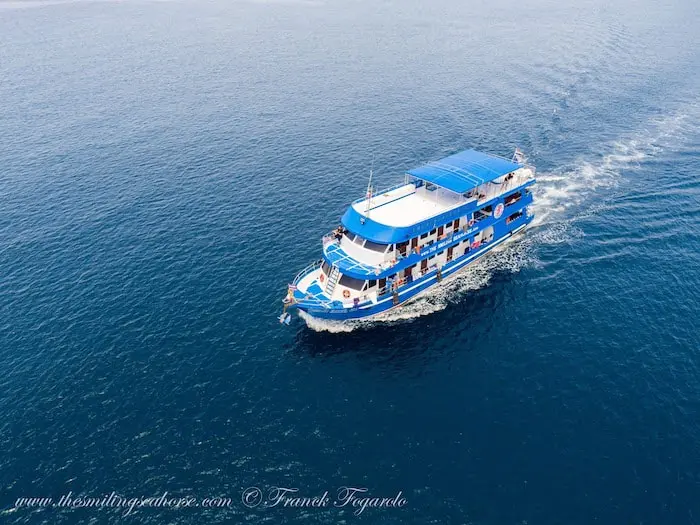
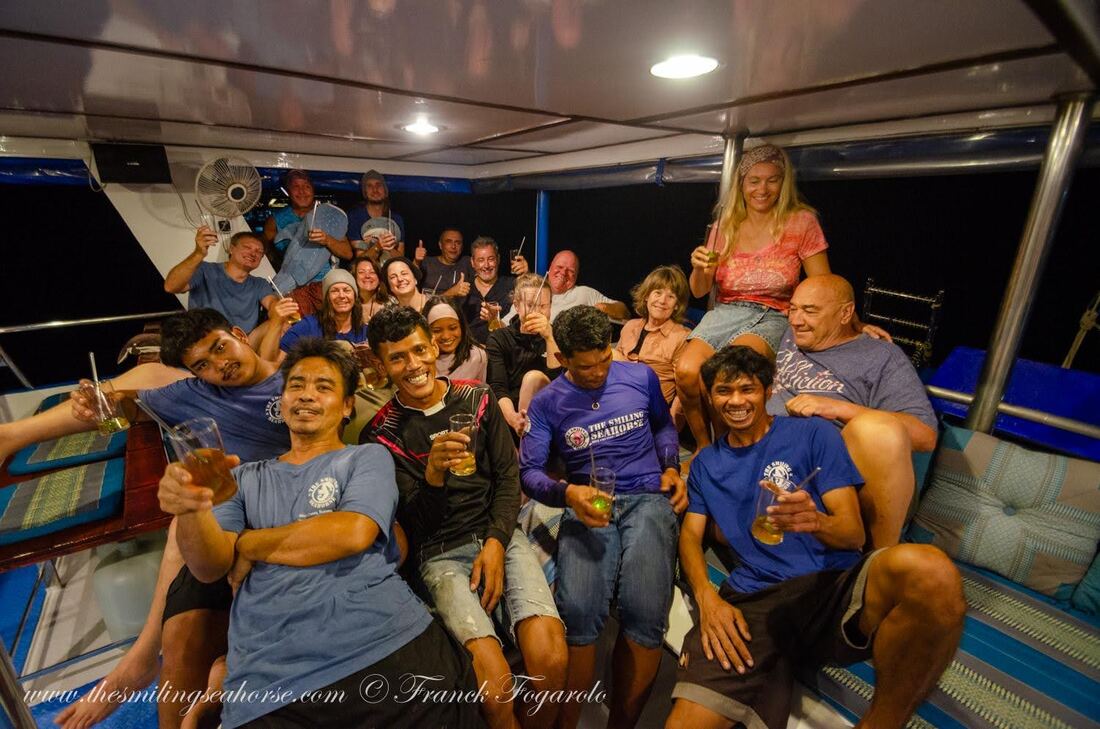
Our Boat, The Smiling Seahorse, is the newest diving boat in Thailand, built in 2018 by and for divers, and only take up to 16 lucky guests in 8 comfortable cabins. It is the only boat with a well-fitted camera room, no dorm cabins (only twin and doubles) and no guests in the hull; everyone has a door and windows to enjoy the ocean view and breeze.
Is there a fee to pay to dive in Thailand National Parks?
Yes, there are park fees to pay to visit and dive in Thailand Marine National Parks.
The Similan Islands, Surin Islands, Koh Lanta, and Tarutao National Parks are popular destinations for snorkeling & diving and charge a fee that depends on the length of your trip, activity, and nationality.
Foreign divers will pay national park fees between 2000 THB on the shortest cruises and up to 4400 THB for the longest cruises visiting 5 marine parks.
Thai nationals and snorkelers pay slightly less.
Update about Similan National Park: since 2019 you need to apply for a visit permit in advance, and the number of visitors has been limited. For this reason we need to collect your passport numbers in advance.
Can I go Scuba diving in Thailand without certification?
Thailand is a great diving destination for divers of all levels, but if you have never dived, you should get some training with a dive professional.
The first level of certification, called PADI OpenWater certification, allows you to dive without the supervision of a dive professional (as a buddy pair) to up to 18 meters deep.
There are many dive schools where you could learn how to dive. Thailand being the world’s number 1 destination for diving tourism and the country that annually produces the most PADI diving certifications in the world, the quality of diving training and facilities is very high.
You could take a PADI course on a Thai liveaboard, but note that taking an open water course in Similan National Park is not allowed.
Dive in Thailand vs. diving in Myanmar?
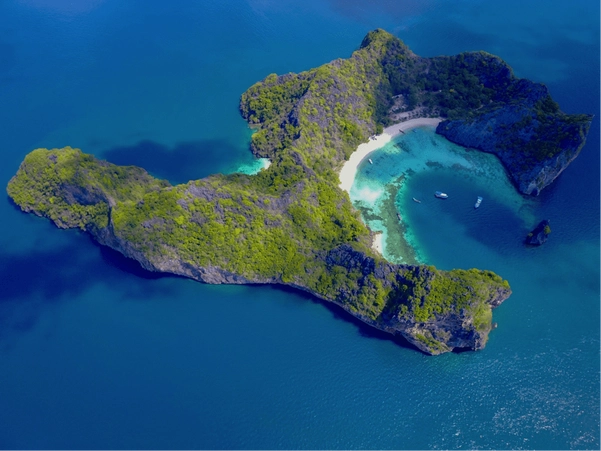
North of the Similan island in the Andaman Sea can be found 800 islands making up the Mergui Archipelago in Myanmar.
While very close and seemingly part of the same archipelago, diving in Thailand and Myanmar is very different.
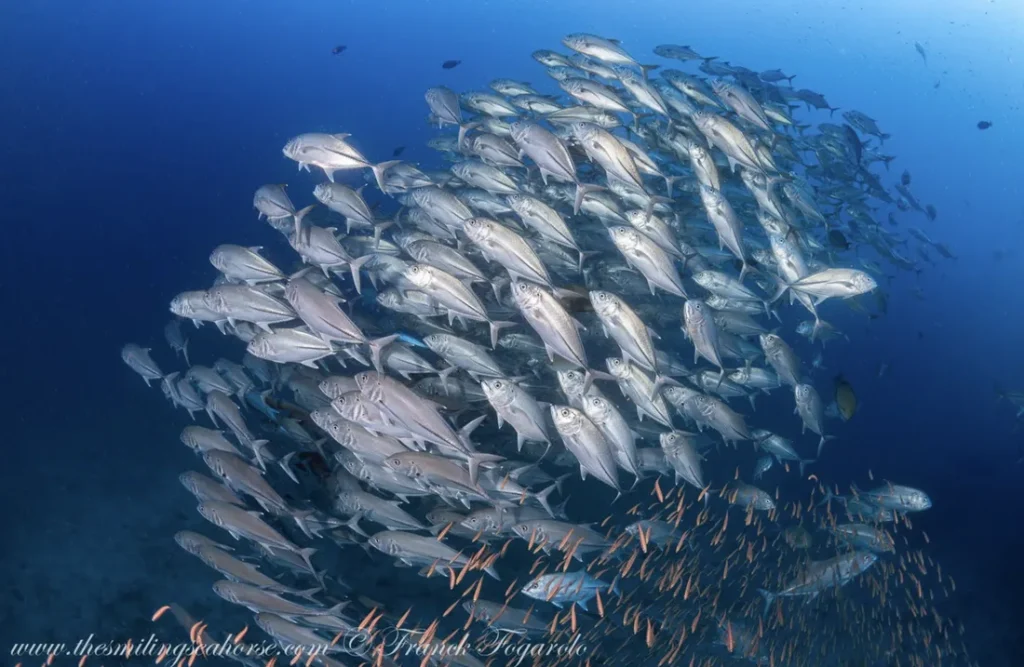
Thailand usually has bigger schools of fish such as barracuda, batfish, trevallies, and sweetlips, and the visibility is usually better there.
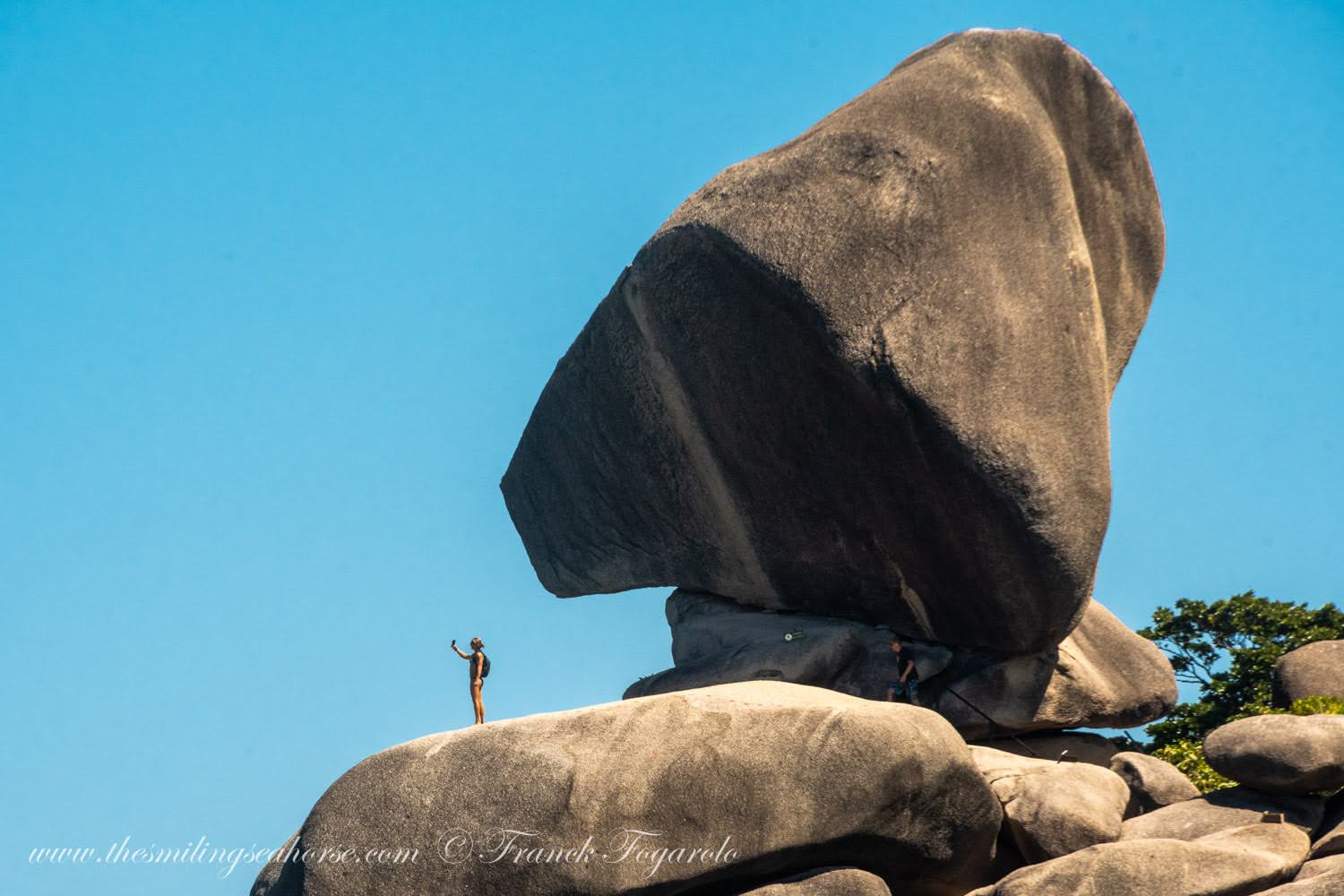
While Thai dive sites, especially those in the Similan Islands, are mostly coral-encrusted granite boulders, those in the Mergui are typically limestone islets, riddled with ledges and crevices, providing shelter for a wide range of rare macro life.
Richelieu Rock is the exception and looks more like Myanmar sites.
Diving in Myanmar tends to be slightly more challenging than diving in Thailand due to stronger currents and more swim-throughs but is a destination where you can be alone on every dive site.
Thailand offers more scenic dives appreciated by all, but Myanmar has more of the rare macro life searched for by very experienced divers.
What is the cost of diving in Thailand?
Thailand scuba diving is generally regarded as one of the best value in the world.
The price of a dive in Koh Tao can be as low as 800 THB these days, and prices of liveaboard are also seeing some unprecedented price cuts!
The price of your liveaboard in the Surin and Similan Islands will, of course, depend on the length of the trip, the dive sites you will visit, if you require dive courses or other options, and of course, the quality of your dive boat. Dive boats taking more divers are usually also cheaper because the running costs of the boat are cut in more parts, but these are also usually less service-oriented and enjoyable than smaller boats.
Dive cruises in Thailand in 2026 cost between 100 and 300 euros per day and per diver. The best value liveaboard in Thailand this season (2026-2027) is surely The Smiling Seahorse!
Are the cruises suitable for non-divers?
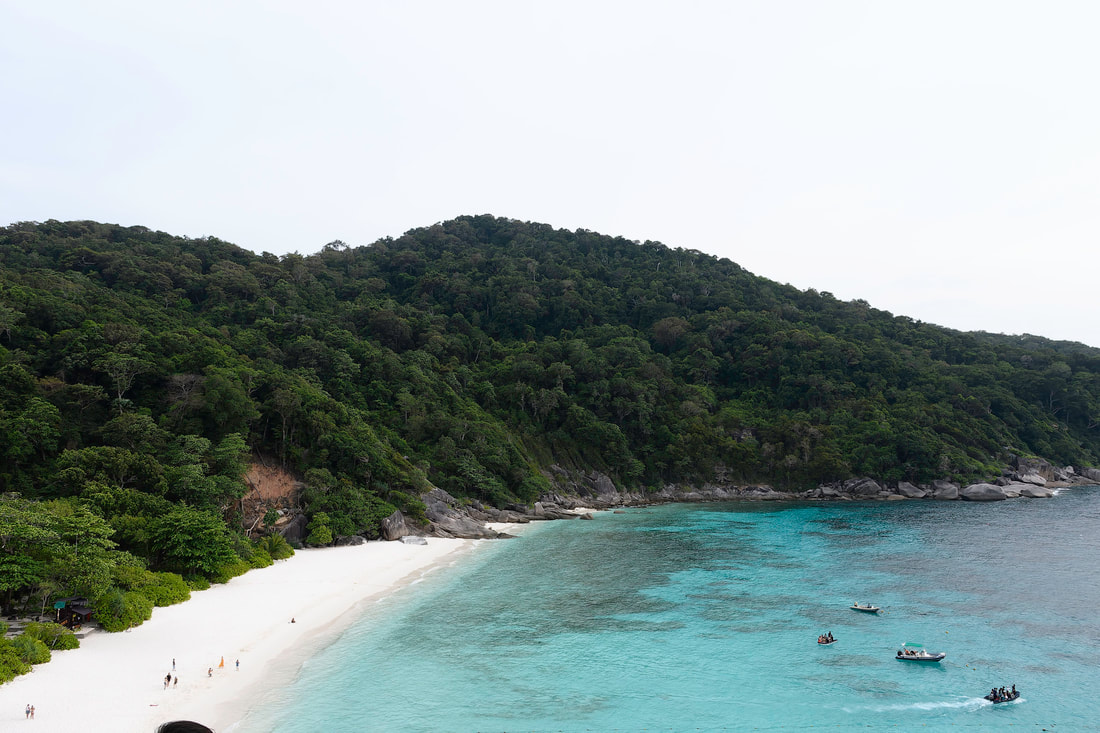
Non-divers are usually welcomed on all diving liveaboards and can equally enjoy the experience. There are untouched islands with wild sand beaches and clear water with great marine life and plenty of good snorkeling opportunities around Surin and Similan NPs. You can relax with a good book, go swimming, or use our kayak to explore the islands around.
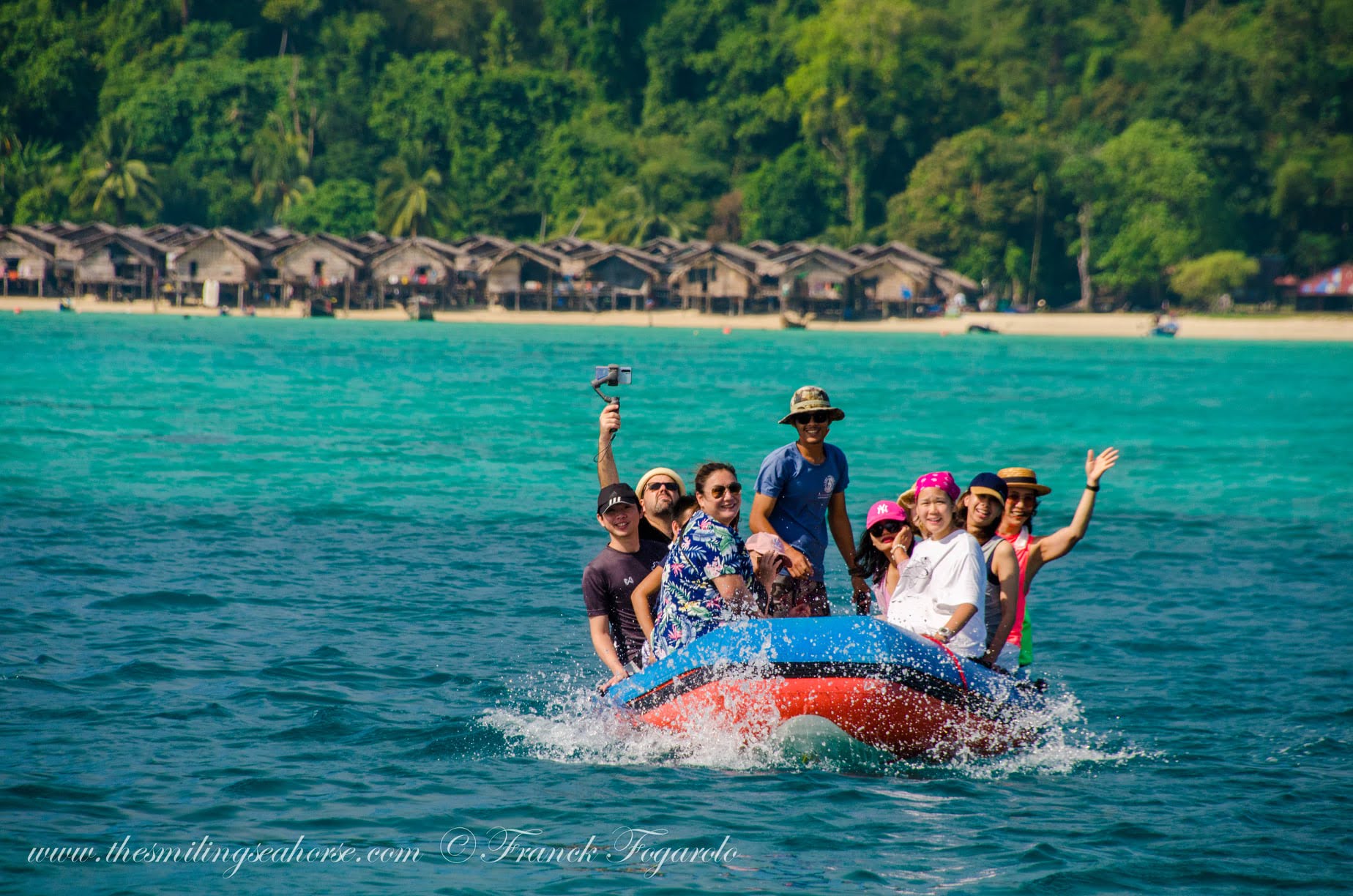
Non-divers cruises can also be arranged to visit more beaches and shallow snorkeling spots, sea gypsy villages, or other adventures. For example, you could rent MV Smiling Seahorse for your group of friends/ family.
Sometimes, a Video Is Worth a Thousand Words...


 Trustindex verifies that the original source of the review is Google.
 Trustindex verifies that the original source of the review is Google.
 Trustindex verifies that the original source of the review is Google.
 Trustindex verifies that the original source of the review is Google.
 Trustindex verifies that the original source of the review is Google.
 Trustindex verifies that the original source of the review is Google.
 Trustindex verifies that the original source of the review is Google.
 Trustindex verifies that the original source of the review is Google.
 Trustindex verifies that the original source of the review is Google.
 Trustindex verifies that the original source of the review is Google.


 Verified
 Verified
 Verified
 Verified
 Verified Verified
 Verified
 Verified Verified
 Verified