
10 Fascinating Marine Life Fun Facts You Won’t Believe
The ocean is one of the most mysterious places on Earth. Even today, scientists continue to discover new species and uncover surprising behaviors from marine animals we thought we already understood.
From clever survival strategies to bizarre biology, marine life is full of incredible surprises. Here are 10 fascinating marine life fun facts that will change the way you look at the ocean.
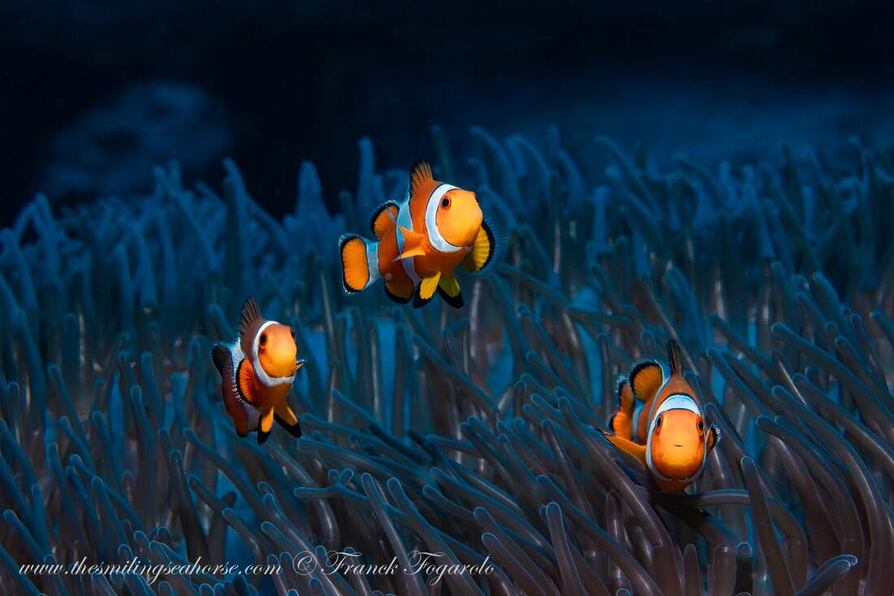
1. Clownfish Can Change Gender
Clownfish live in strict social groups inside sea anemones, where each individual has a very clear role in the hierarchy. A typical group is made up of a dominant female, a breeding male, and several smaller, non-breeding juveniles.
What makes clownfish truly fascinating is their ability to change sex during their lifetime. If the dominant female dies or disappears, the breeding male will undergo a remarkable biological transformation and become the new female of the group. One of the juveniles will then grow into the new breeding male.
This process, known as sequential hermaphroditism, ensures that the group always has a breeding pair, maximizing their chances of survival in a competitive reef environment.
This unique adaptation is one of the reasons clownfish are such a resilient and successful species—and one of the most iconic examples of marine life flexibility in the ocean.
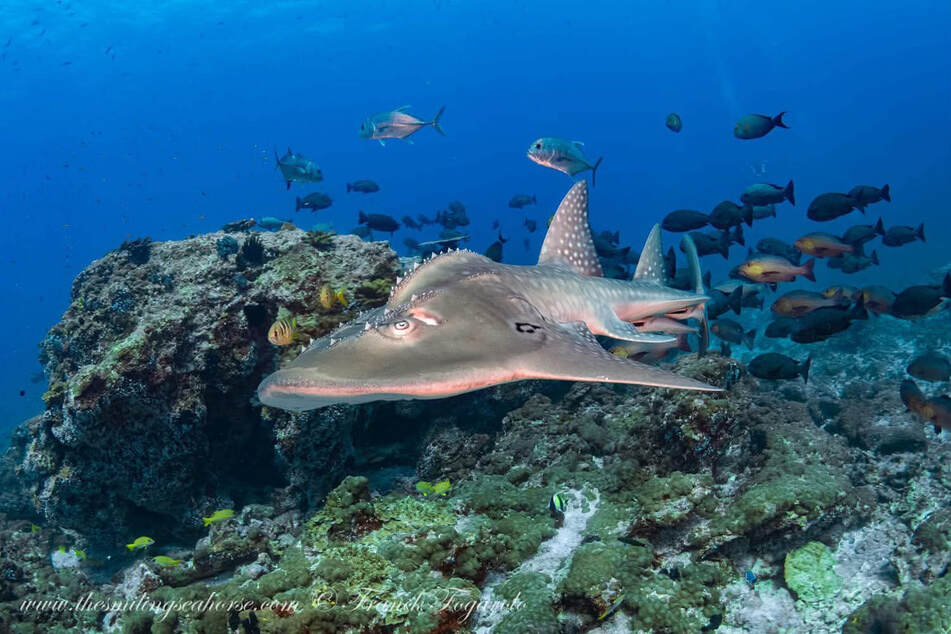
2. The Bowmouth Guitarfish Looks Like a Shark… But Isn’t One
The Bowmouth Guitarfish, also known as the shovelnose ray, is one of the most unusual and eye-catching marine animals you can encounter while diving in the Indo-Pacific, including parts of Thailand and Myanmar.
At first glance, it looks like a strange hybrid between a shark and a ray, with a heavy shark-like body and wing-shaped pectoral fins. However, despite its appearance, it is actually a species of ray closely related to stingrays.
Its name comes from its distinctive wide, “bow-shaped” mouth and its unique body structure, which gives it a very prehistoric and armored look. Many divers are surprised to learn that this animal is part of the ray family rather than a shark.
Although it may look intimidating due to its size and textured, thorny skin, the Bowmouth Guitarfish is completely harmless to divers. It spends most of its time near the seabed, slowly gliding over sandy or muddy bottoms in search of food.
Spotting one underwater is considered a rare and special encounter, making it a highlight for many divers exploring Indo-Pacific reef systems.
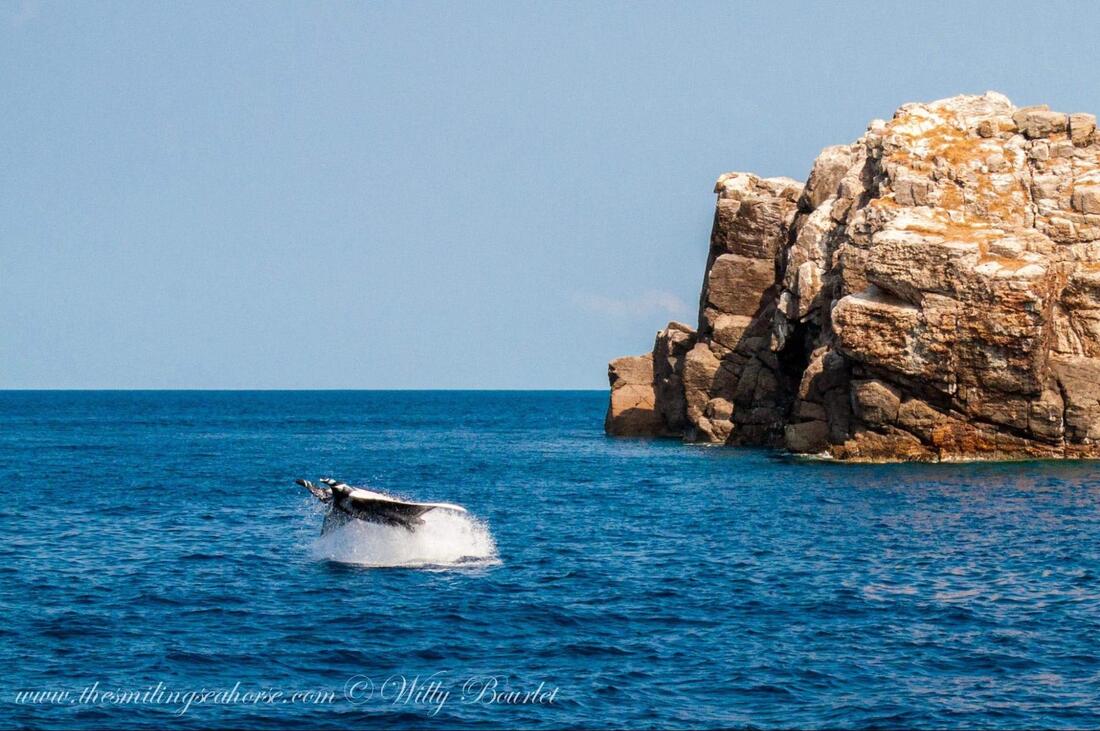
3. Manta Rays Can Leap Out of the Water
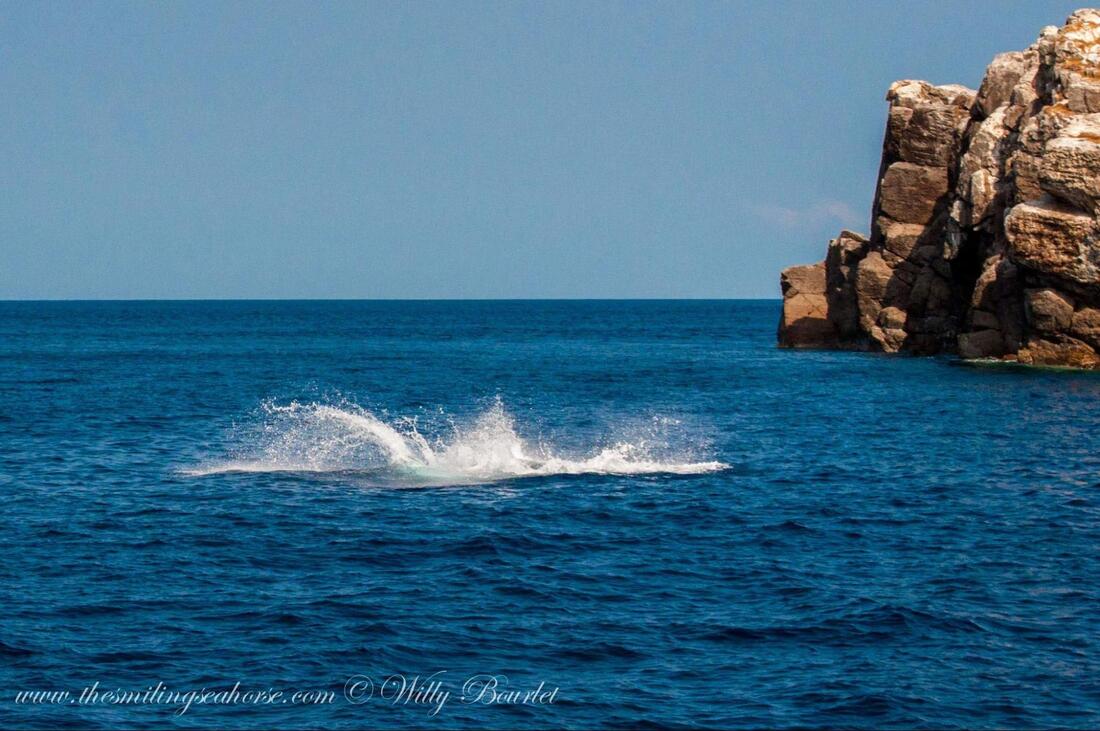
Manta rays are famous for their graceful underwater “flight,” gliding effortlessly through the ocean with their huge wing-like fins. But what many people don’t know is that these gentle giants are also capable of launching themselves completely out of the water in spectacular breaches.
Scientists are still not entirely sure why manta rays jump, but several interesting theories exist. It may help them remove parasites from their bodies, communicate with other mantas over long distances, or even be part of courtship and mating behavior. Some researchers also believe it could simply be a form of social interaction or playful behavior.
Seeing a manta ray breach the surface is an incredibly rare and unforgettable moment, whether you are diving, snorkelling, or simply watching from a boat. It’s one of those experiences that reminds us how little we still know about life in the ocean.
4. Mantis Shrimp Have One of the Fastest Punches in Nature
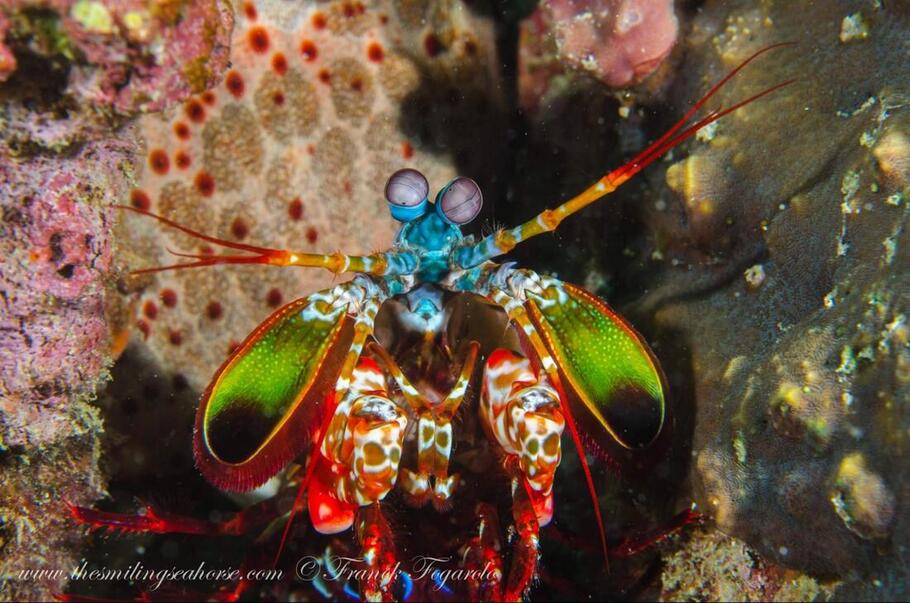
The peacock mantis shrimp is small, but it is one of the most powerful predators in the ocean. Despite usually measuring only a few centimetres long, it has an extraordinary hunting weapon that makes it famous among marine biologists and divers alike.
Its club-like claws can strike prey with an acceleration comparable to a bullet leaving a gun. The punch is so fast and powerful that it creates shockwaves in the water, capable of stunning or even breaking the shells of crabs and snails instantly.
If scaled to human size, a mantis shrimp’s strike could theoretically break steel. This incredible adaptation makes it one of the most fascinating and efficient hunters found on coral reefs.
5. Jellyfish Are Older Than Dinosaurs
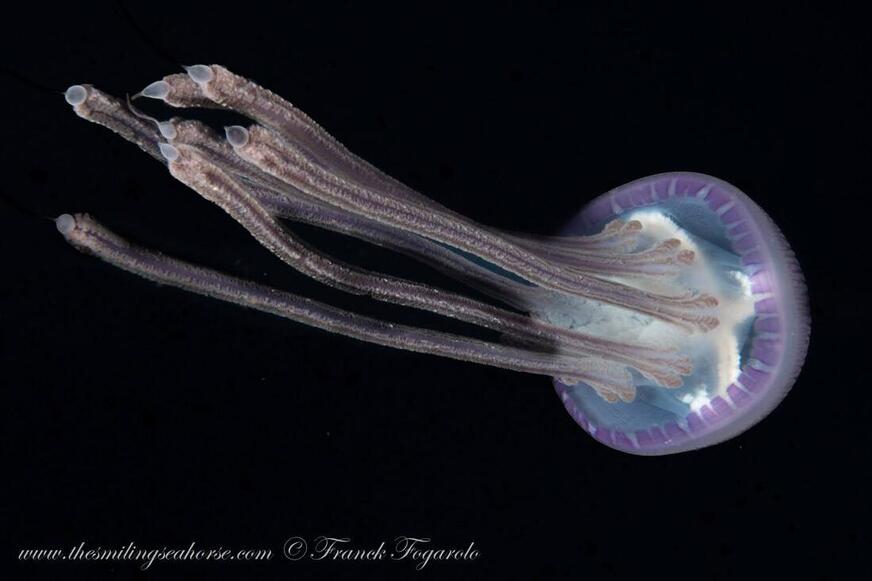
Jellyfish are among the oldest living creatures on Earth, having existed in the oceans for over 650 million years. This means they were already drifting through ancient seas long before dinosaurs appeared.
Despite their simple body structure—with no brain, heart, or bones—jellyfish are incredibly successful survivors. They have adapted to a wide range of ocean environments, from shallow tropical waters to the deep sea.
Their long evolutionary history makes them one of the most resilient life forms on the planet, silently pulsing through the oceans for hundreds of millions of years.
6. Dolphins Sleep With Half Their Brain Awake
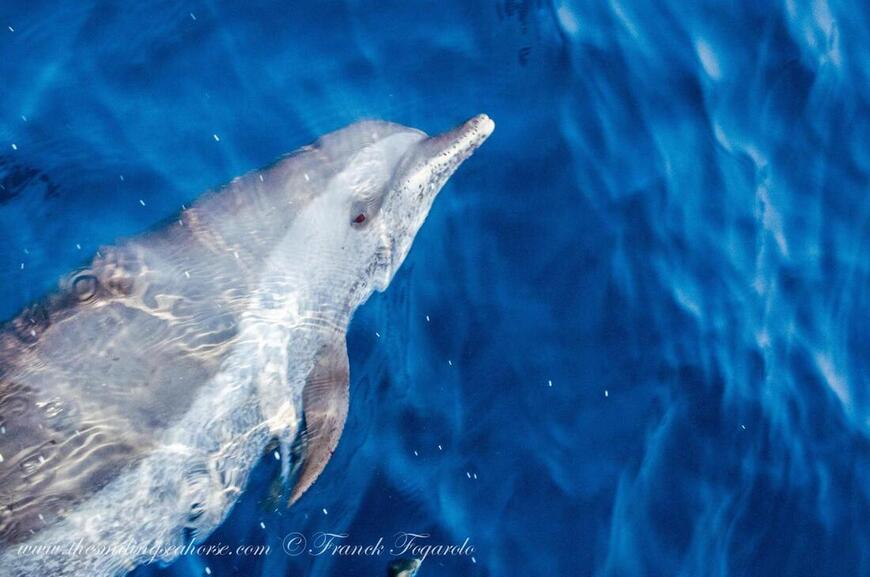
Dolphins have a very unique way of sleeping that allows them to survive in an environment where they must constantly stay alert. Instead of fully falling asleep like humans, they rest with only one half of their brain at a time.
While one hemisphere sleeps, the other remains active to control breathing, monitor the environment, and watch for predators or obstacles. This process is known as unihemispheric slow-wave sleep.
Because dolphins must consciously surface to breathe, this adaptation is essential for their survival. It also allows them to remain aware of their surroundings at all times, even while resting.
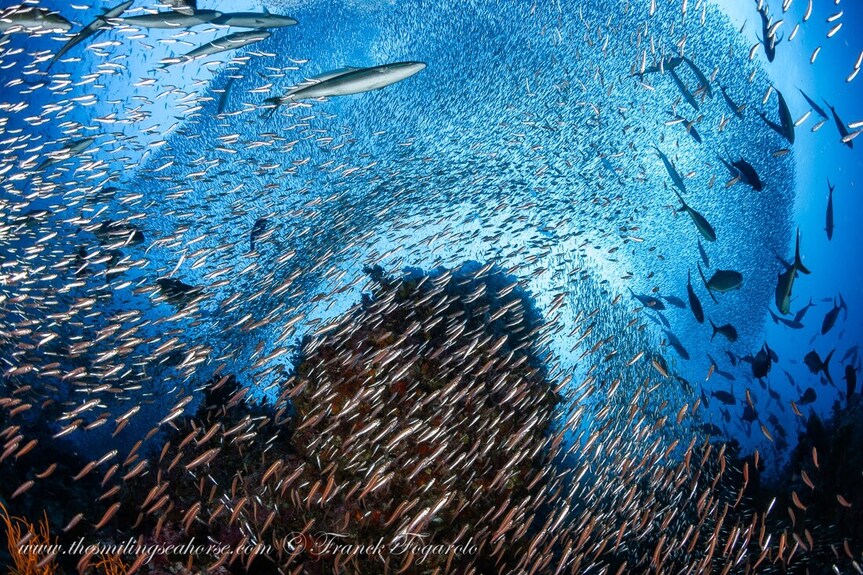
7. Schools of Fish Move Like One Living Organism
One of the most mesmerizing sights in the ocean is a large school of fish moving in perfect harmony, turning and shifting direction as if they share a single mind. This synchronized movement is made possible by a highly sensitive system called the lateral line, which allows fish to detect tiny changes in water pressure and movement around them.
Each fish responds instantly to its neighbours, creating a fluid, collective motion that protects them from predators and improves their chances of survival. The result is a living, shifting shape that moves through the ocean like a single intelligent organism, such as those seen around Richelieu Rock.
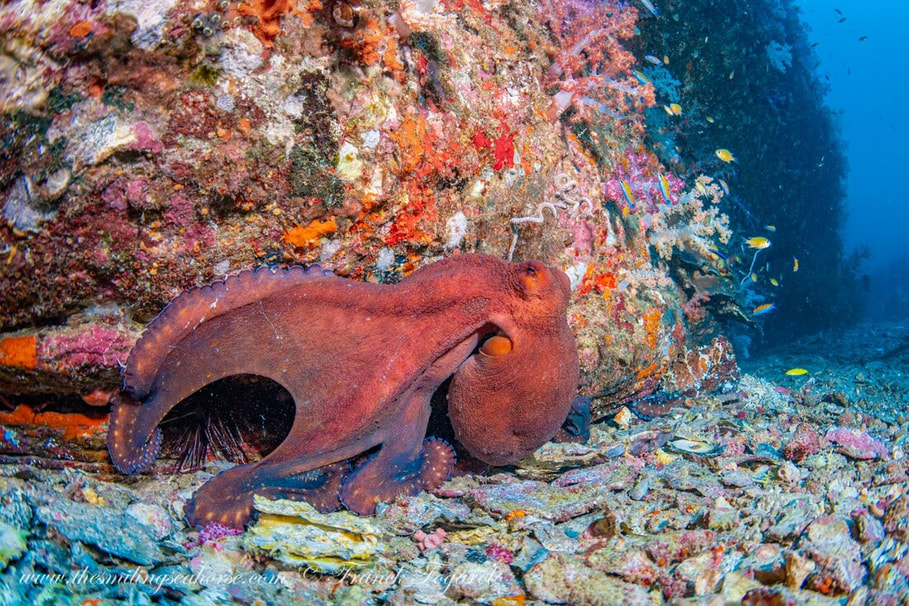
8. Octopuses Have Three Hearts and Blue Blood
Octopuses are among the most intelligent and mysterious creatures in the ocean, and their internal biology is just as extraordinary as their behavior.
They have three hearts: two pump blood to the gills to absorb oxygen, while the third circulates it throughout the rest of the body. However, when an octopus swims, the main heart temporarily stops beating, which is why they prefer crawling over swimming to conserve energy.
Even more unusual is their blue blood, which contains a copper-rich protein called hemocyanin instead of iron-based hemoglobin like humans. This adaptation allows them to survive in cold, low-oxygen environments.
These unique features make octopuses one of the most fascinating creatures you might encounter on a night dive or coral reef.
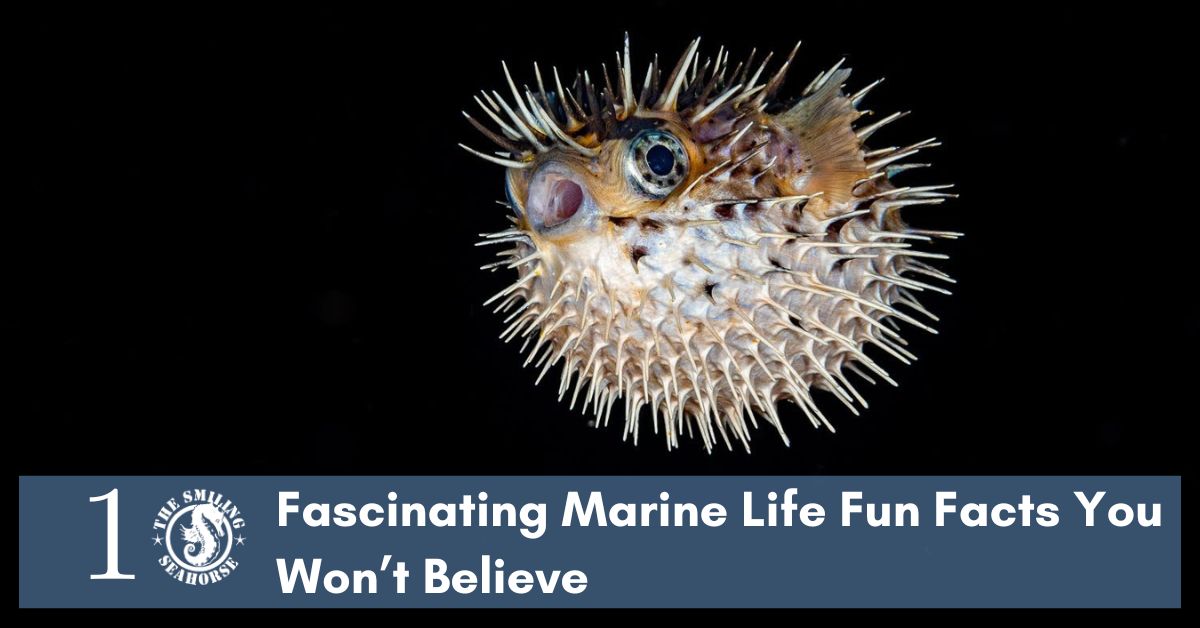
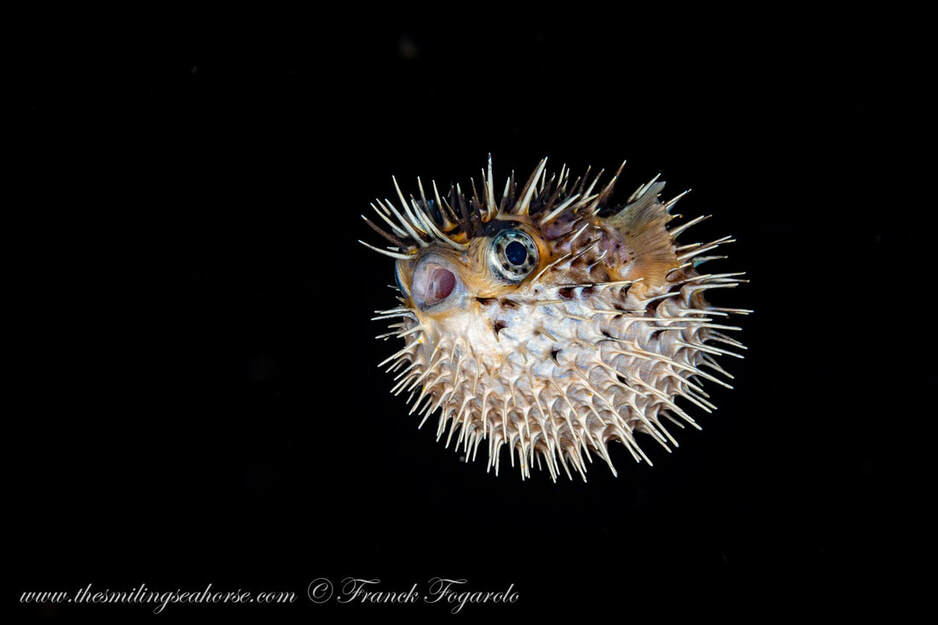
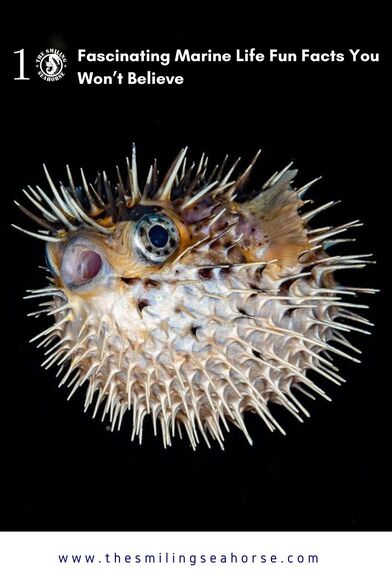
9. Pufferfish Inflate as a Powerful Defense Mechanism
Pufferfish have one of the most dramatic defense strategies in the ocean. When threatened, they rapidly inflate their bodies by swallowing water—or sometimes air—turning themselves into a much larger and more intimidating shape.
This sudden transformation makes them far more difficult for predators to swallow. Many species also have toxic compounds in their bodies, adding another layer of protection.
However, this defense mechanism is extremely stressful for the fish and can even be dangerous if triggered too often. In the wild, it is usually a last resort when escape is no longer possible.
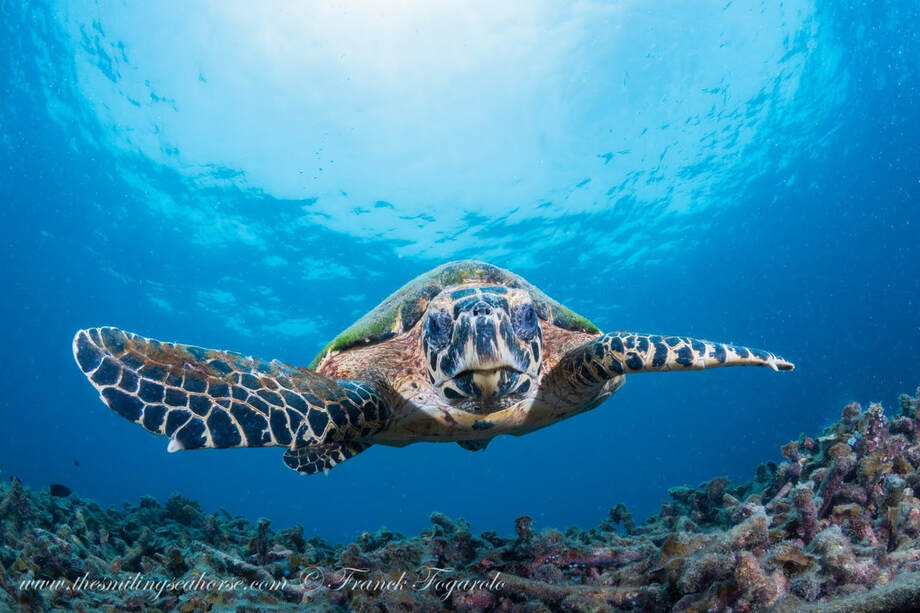
10. Sea Turtles “Cry” to Stay Healthy
Sea turtles are often seen shedding what looks like tears while resting on the surface or crawling on the beach. While this may look emotional, sea turtles are not actually crying in the human sense.
Instead, these “tears” are part of an important biological process. Sea turtles live in saltwater and constantly ingest small amounts of seawater while feeding. To survive in this environment, they rely on special salt glands located near their eyes to remove excess salt from their bodies.
These glands actively filter out salt from the bloodstream and expel it through fluid that drains near the eyes, creating the appearance of tears. This natural process helps sea turtles maintain a healthy internal salt balance, which is essential for their survival in the ocean.
So when a sea turtle looks like it’s crying, it is actually doing exactly what it needs to do to stay healthy in a marine environment.
Learn more about Hawksbill turtles and Green turtles.
Why Marine Life Facts Matter
Understanding marine life helps us appreciate how complex and fragile ocean ecosystems are. From coral reefs to open ocean predators, every species plays an important role in maintaining balance underwater. By learning more about marine life, we become more aware of how important it is to protect the oceans.
Experience Marine Life Firsthand
Reading about marine life is just the beginning. If you want to see these incredible creatures in their natural habitat, join us on a liveaboard diving adventure in Thailand and Myanmar with The Smiling Seahorse. You’ll explore remote dive sites, encounter extraordinary marine biodiversity, and witness these fascinating behaviors up close.
FAQ – Marine Life Fun Facts
- What is the most interesting marine animal fact? One of the most surprising facts is that clownfish can change sex depending on their social hierarchy.
- Are manta rays dangerous? No, manta rays are completely harmless to humans. They are gentle filter feeders.
- Why do pufferfish inflate? They inflate to scare predators and make themselves harder to swallow.
- How old is jellyfish evolution? Jellyfish have existed for over 650 million years, making them older than dinosaurs.
Final Thoughts
The ocean is full of extraordinary creatures with strange and fascinating behaviors. From colour-changing fish to ancient jellyfish, marine life continues to surprise us every day. Protecting these ecosystems ensures that future generations can continue to explore and admire them.
If you’re hungry for more fun facts, read this selection of Fun Facts posts.
Explore More of the Andaman Sea
- Thailand & Andaman marine life – discover the diverse species inhabiting local coral reefs.
- Myanmar marine fauna – explore the rich underwater ecosystem of Burma’s waters.
- Cruises, schedules & itineraries – plan your next liveaboard trip with us.




