If you’re planning an unforgettable underwater adventure, Thailand’s waters are home to an exceptional diversity of marine life, with something for everyone, whether you’re passionate about macro diving or dream of encounters with pelagic species.
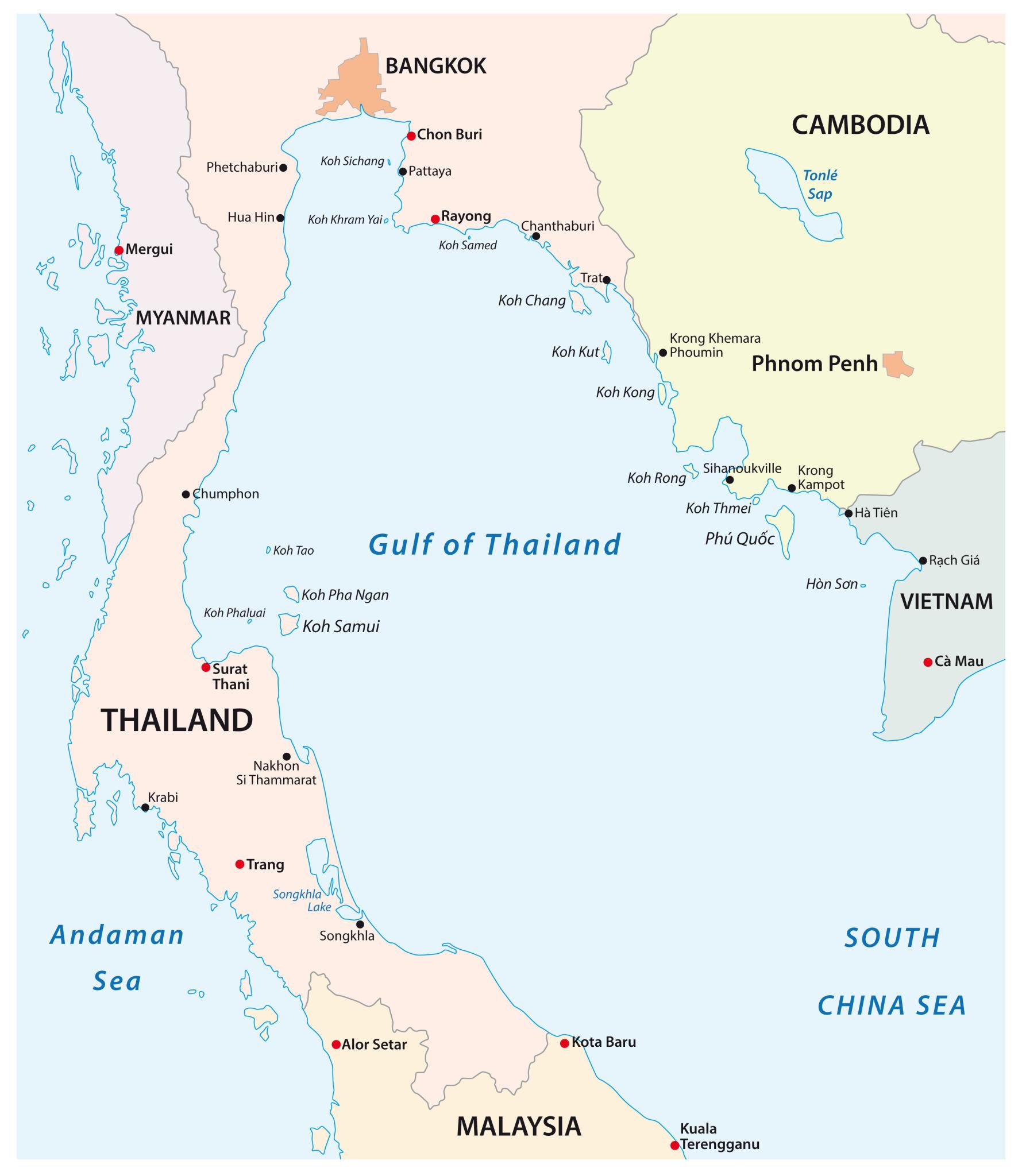
Thailand is a coastal country with 2,815 km of coastline: 1,878 km along the eastern coast, on the Gulf of Thailand, and 937 km along the western coast, on the Andaman Sea.
Part of the Indian Ocean, the Andaman Sea is roughly 1,200 km long and 650 km wide. It is bordered by the Gulf of Martaban to the north, the Malay Peninsula to the east, the Andaman and Nicobar Islands to the west, and the northern tip of Sumatra to the south.
As a semi-enclosed marginal sea, separated from the Bay of Bengal by the Andaman and Nicobar Islands, the Andaman Sea has developed a distinct marine environment. Its relatively isolated ecosystem supports a remarkable diversity of marine life, including a number of endemic species, making it an exceptional destination for diving and underwater exploration.
The Andaman Sea is a tropical haven very rich in marine life. Thailand has seen early the importance of protecting its marine biodiversity, and there are now 22 marine national parks in Thailand where fishes and reefs are protected from fisheries.
Marine life described below has been encountered in the 5 most beautiful Marine National Parks of Thailand: Surin Islands, Similan Islands, Phi Phi Islands, Tarutao, and Koh Lanta National Park all located in the Andaman Sea.
We have been diving in Thailand since 2012, and we wrote quite a few blogposts about the critters we encountered here. This page should serve as a menu to Thailand’s ultimate marine life guide to find these articles in a more “organised way”.
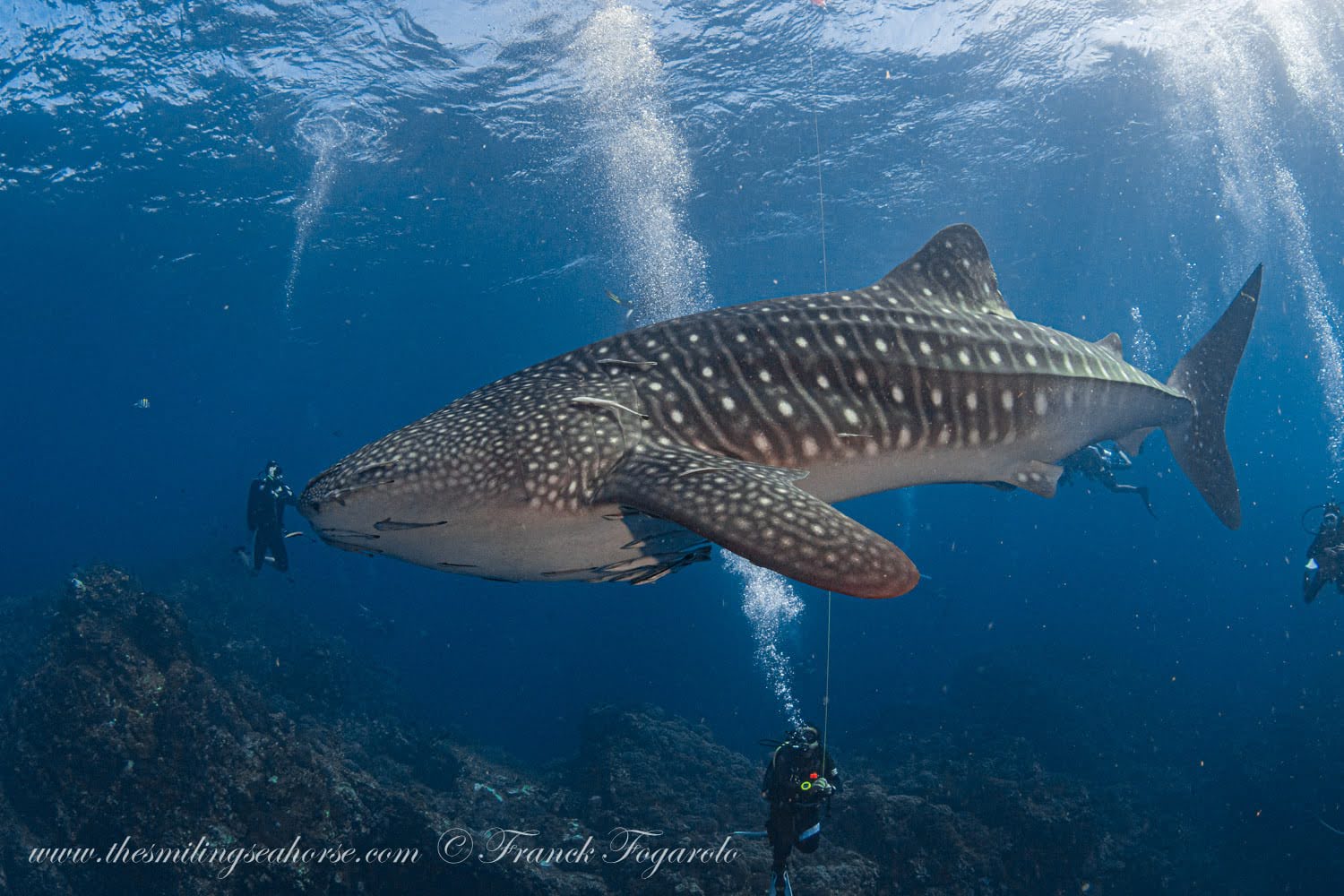
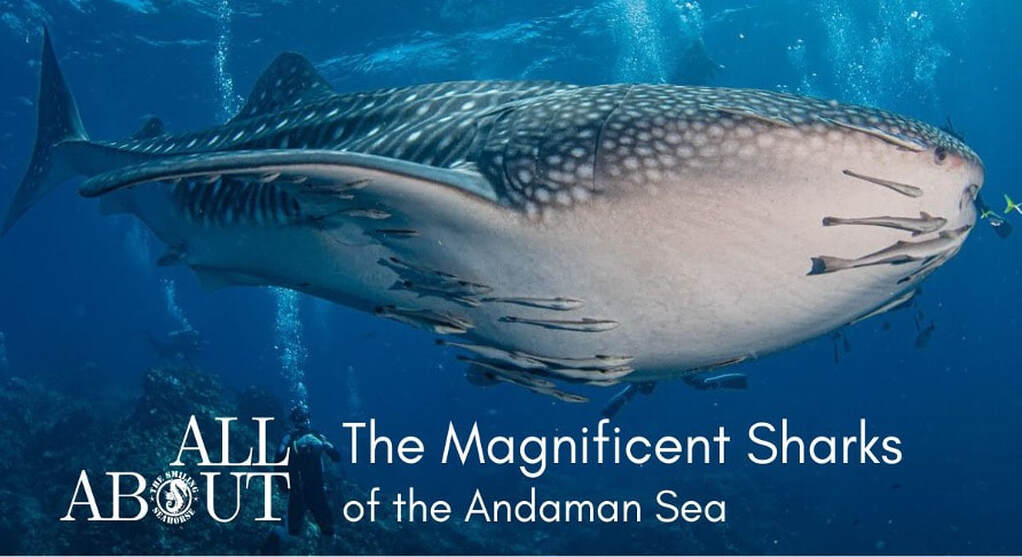
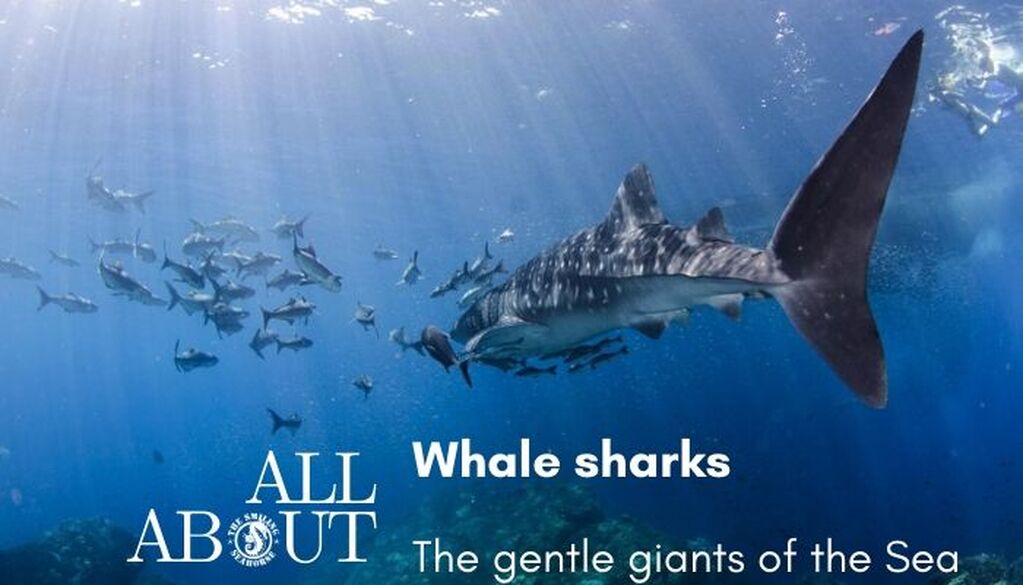
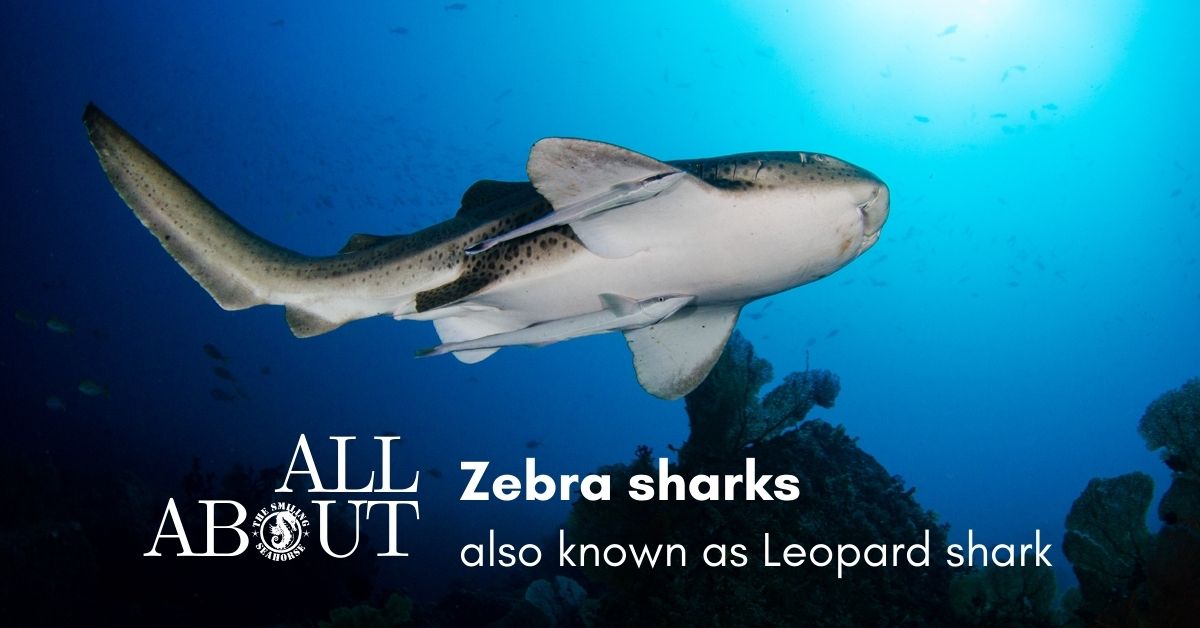
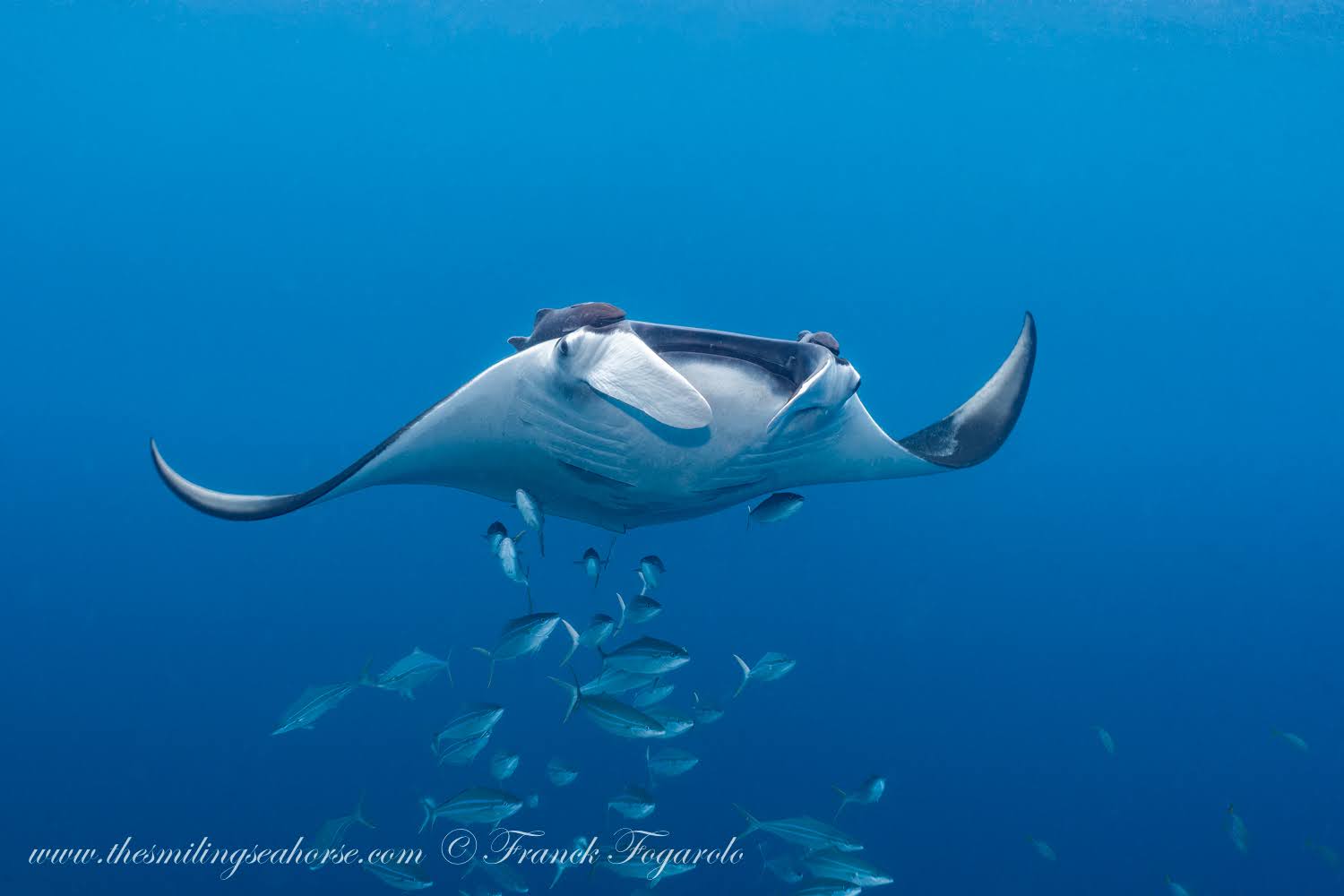
We have quite a few species of sharks in Thailand, including
Whale sharks—mostly spotted at Richelieu Rock and Koh Tachai
White-tip and black-tip reef sharks
Leopard zebra sharks—often sighted at the Koh Bon Pinnacle
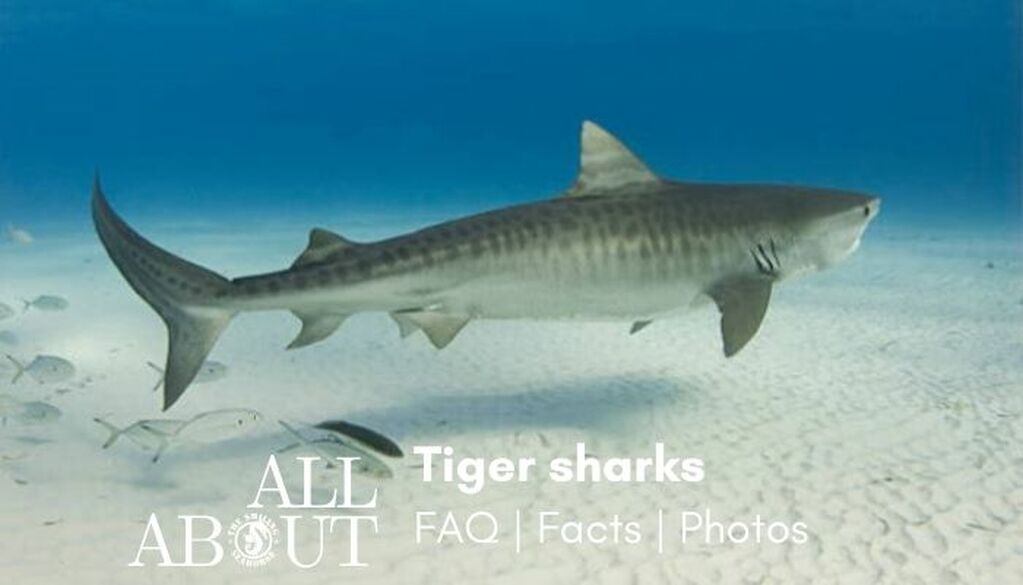
And, more recently, we were lucky enough to spot a tiger shark in the Similan Islands.
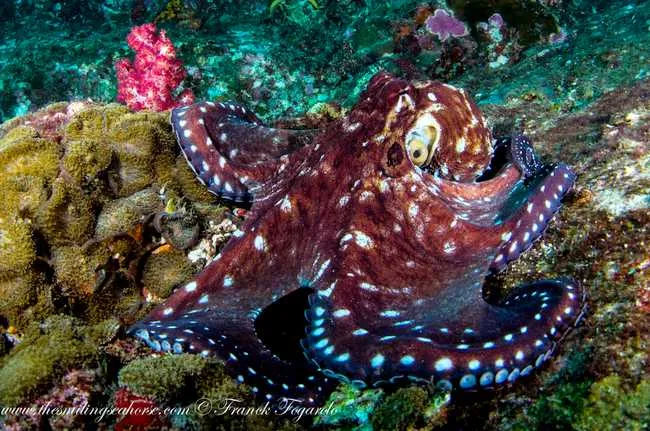
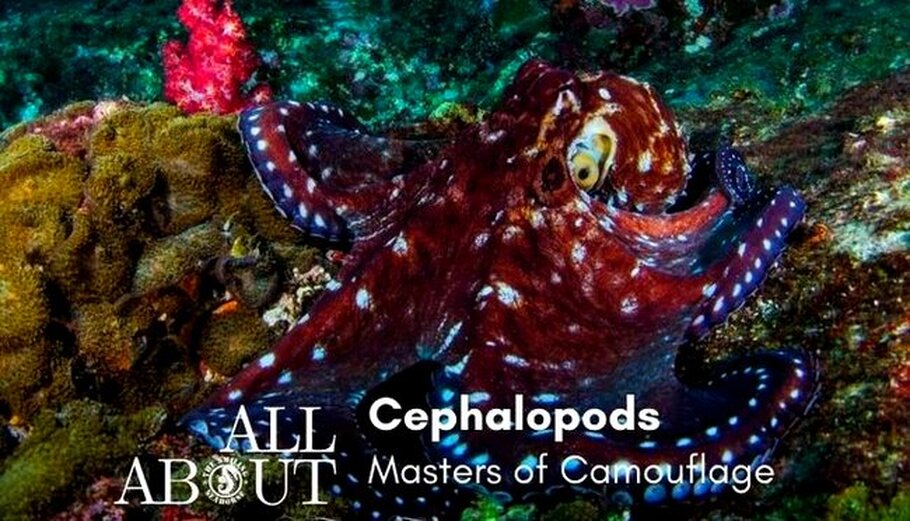
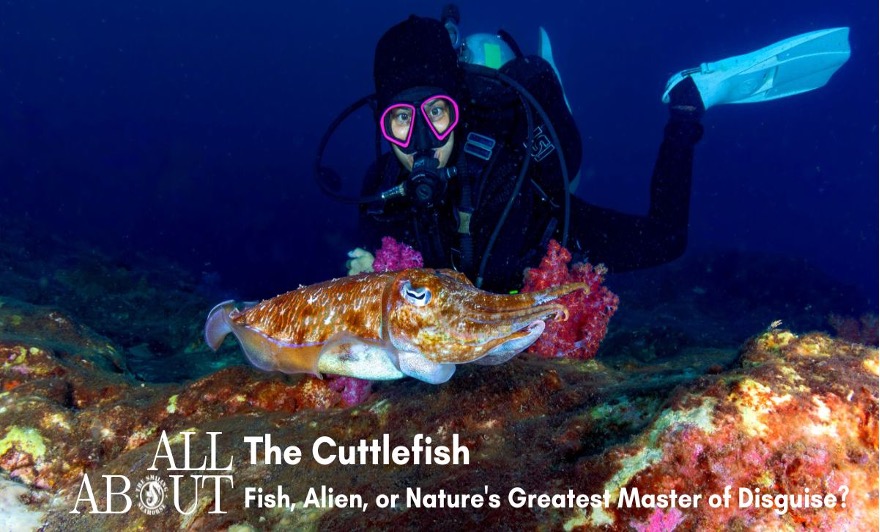
Several species of cephalopods can be seen in Thai waters, including
Pharaoh cuttlefish
Schooling squid
These are among the most commonly spotted cephalopods around the Surin and Similan Islands.
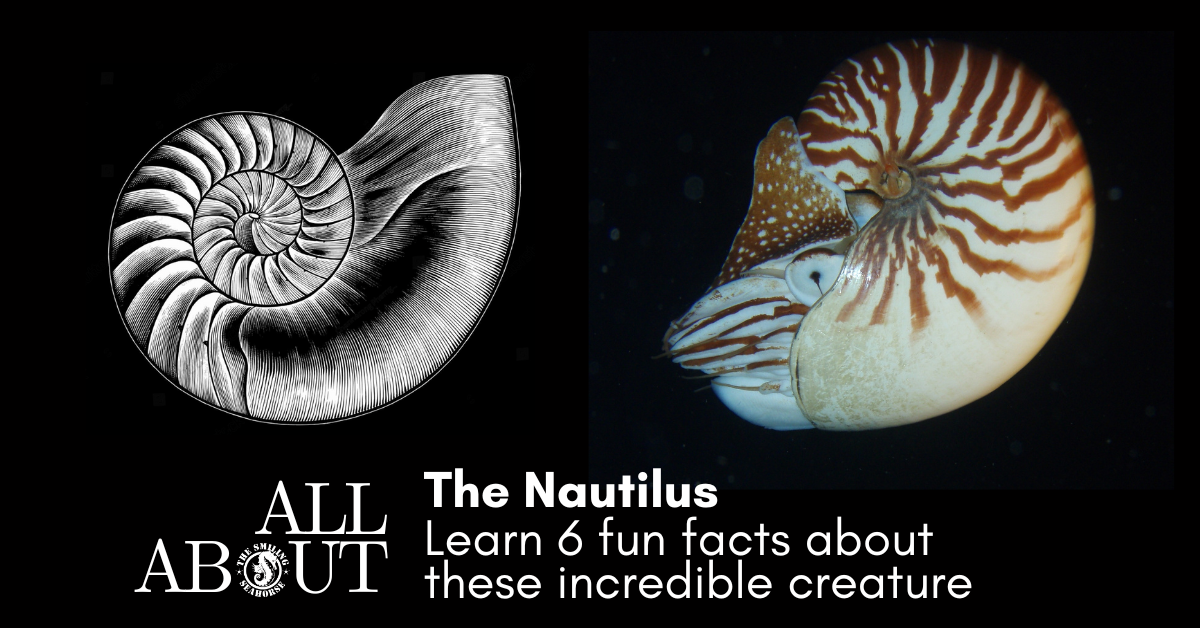
We recently had the exciting opportunity to spot a paper nautilus during a Blackwater dive!
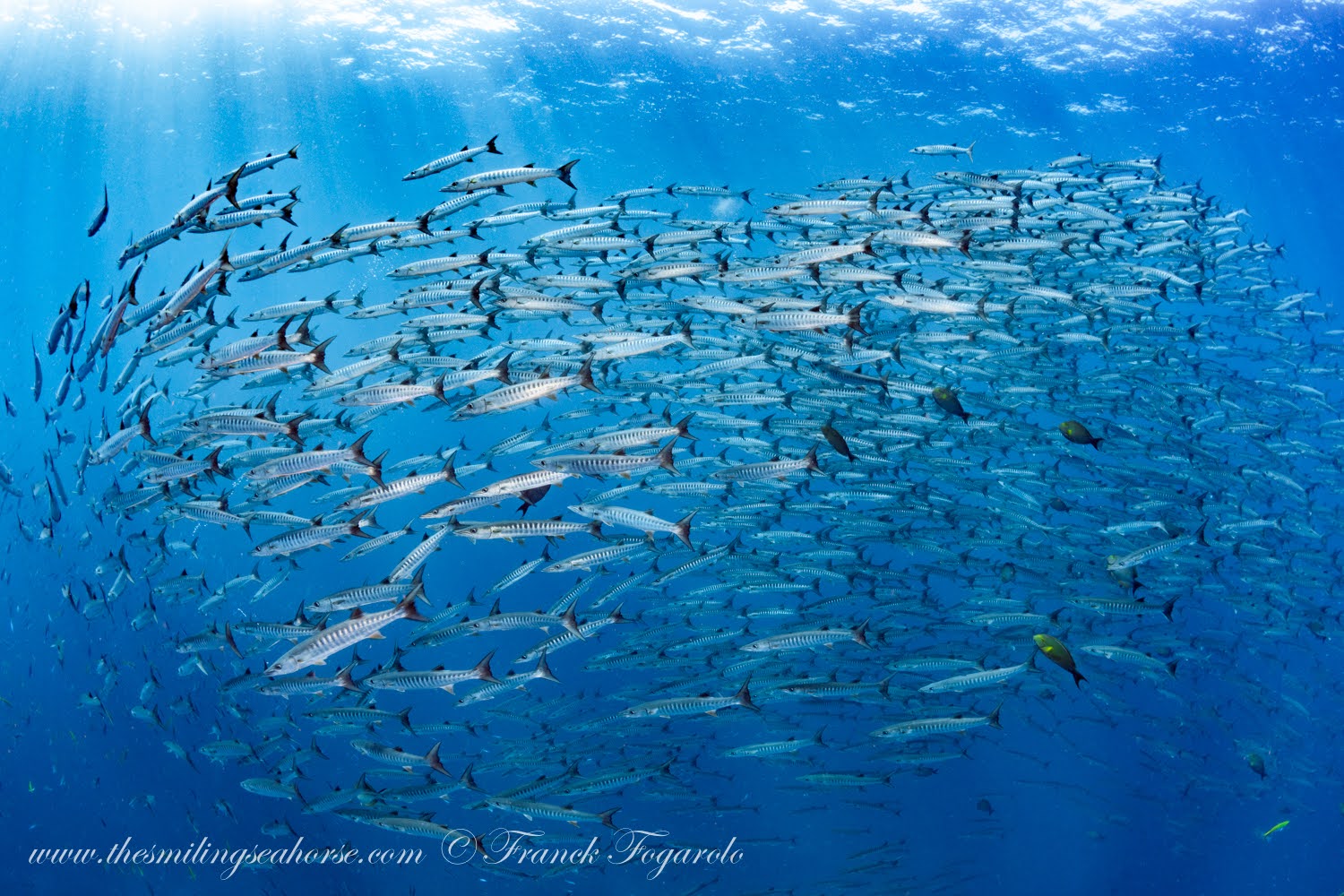
The Surin and Similan National Parks are home to many different species of schooling fish, including:
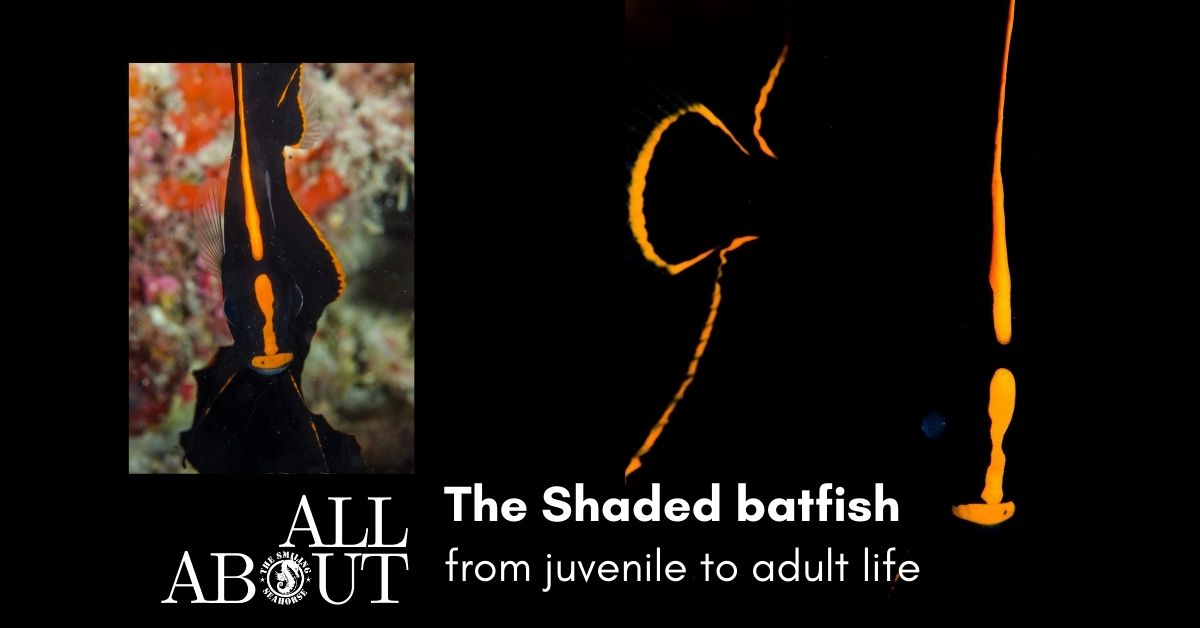
Barracudas and batfish (orbicular and shaded), often seen hunting alongside big-eyed trevallies
Yellowtail and yellowback fusiliers
Sergeant majors and goatfish
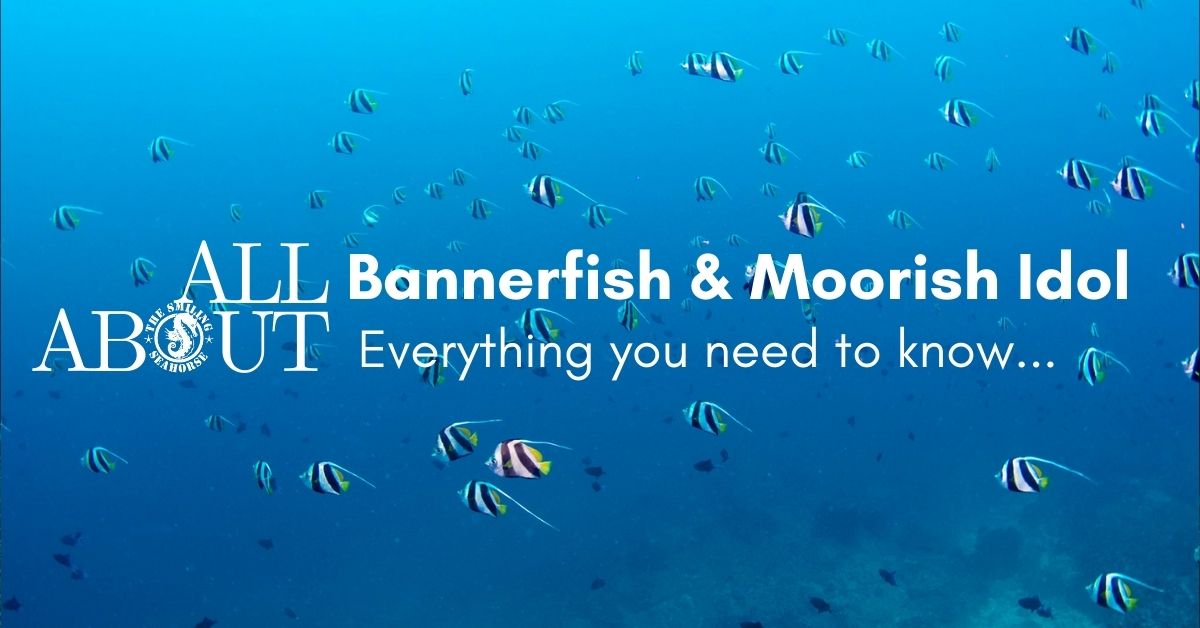
Rainbow runners and Moorish idols
Crocodile needlefish and rabbitfish
Surgeonfish and butterflyfish
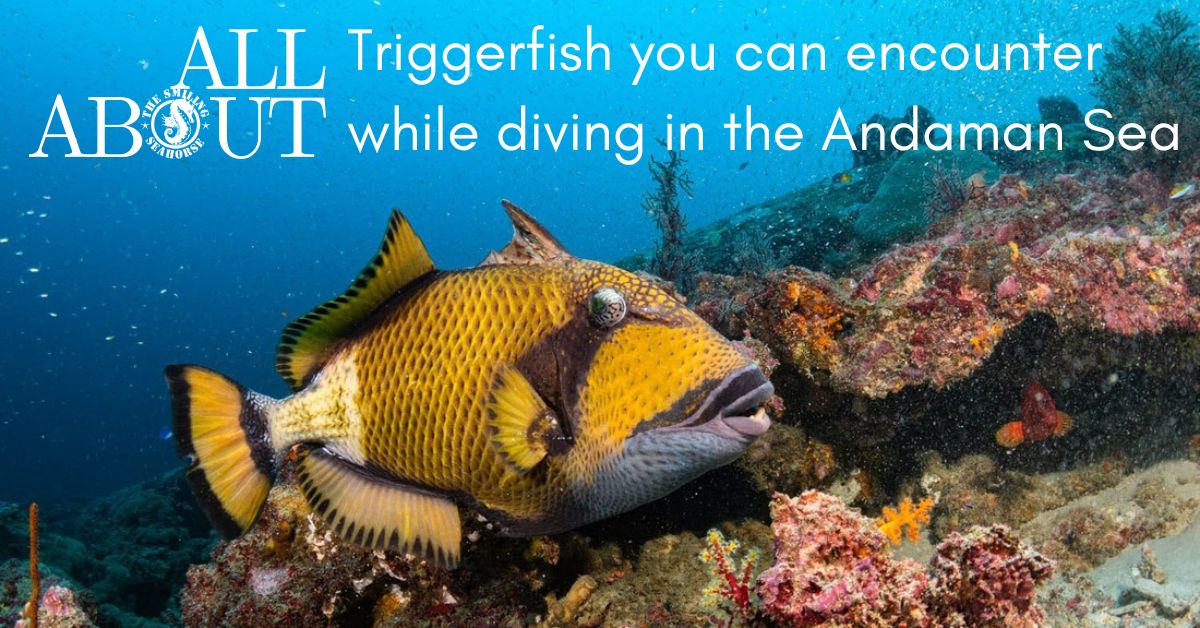
Triggerfish, including the beautiful clown triggerfish
Hundreds of species of snappers, emperors, squirrelfish, and parrotfish
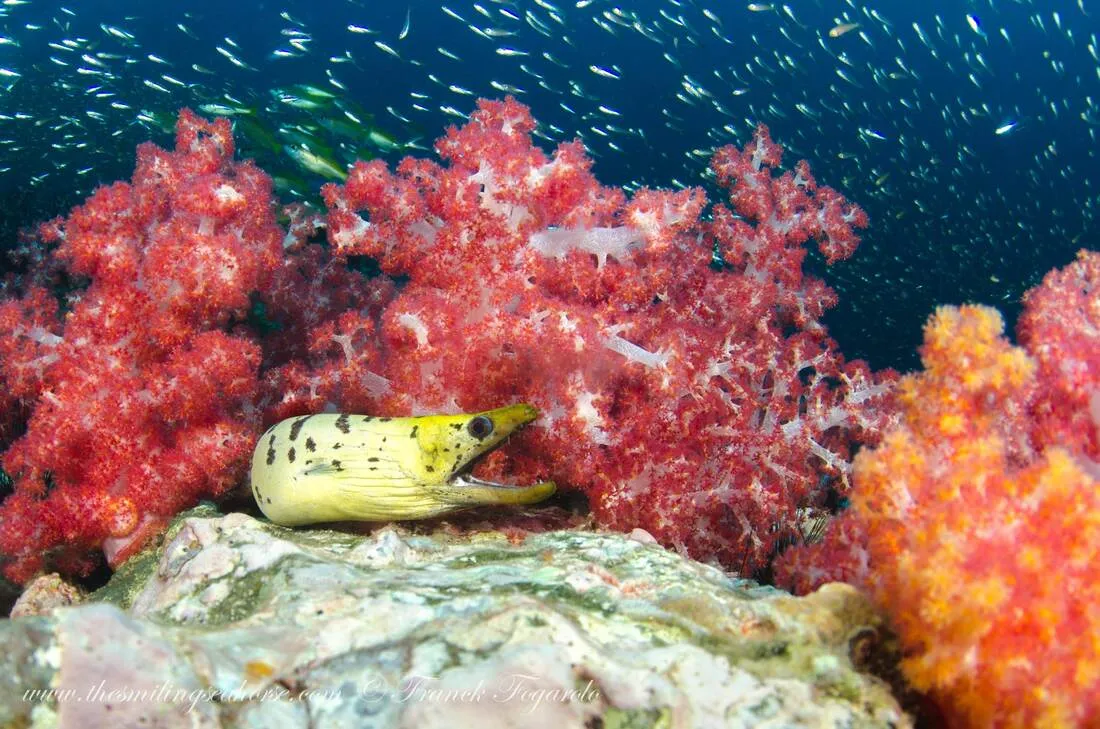
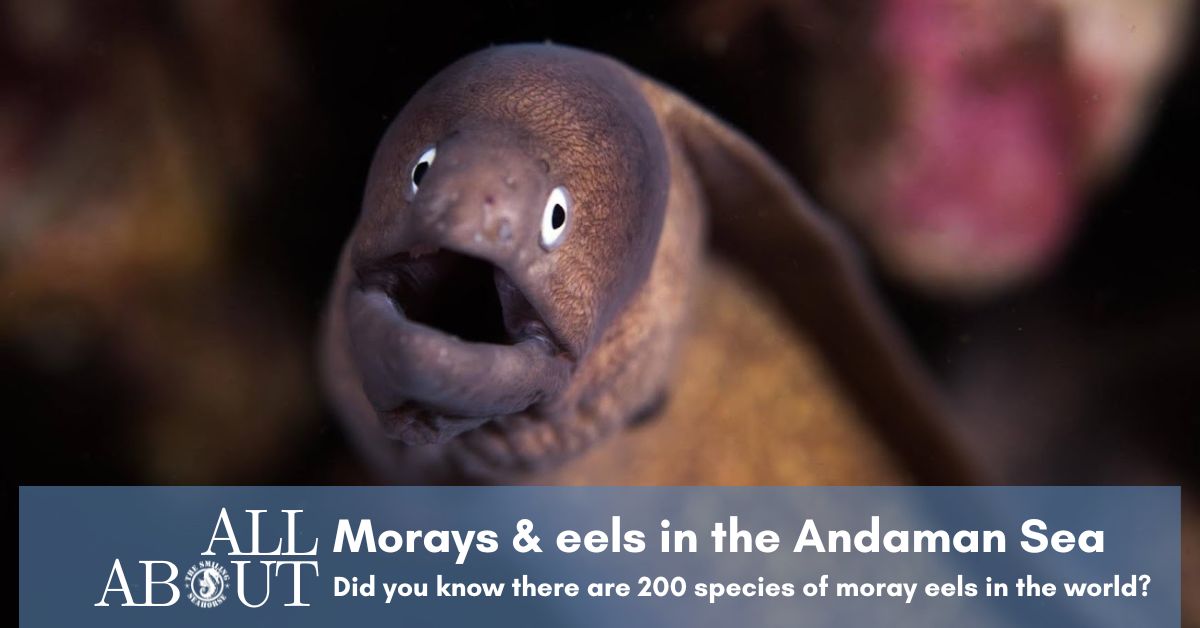
Moray eels are very common in the Andaman Sea, and you will most commonly see:
White-eyed morays
Fimbriated morays
Snowflake moray eels
Giant morays (some of them really huge!)
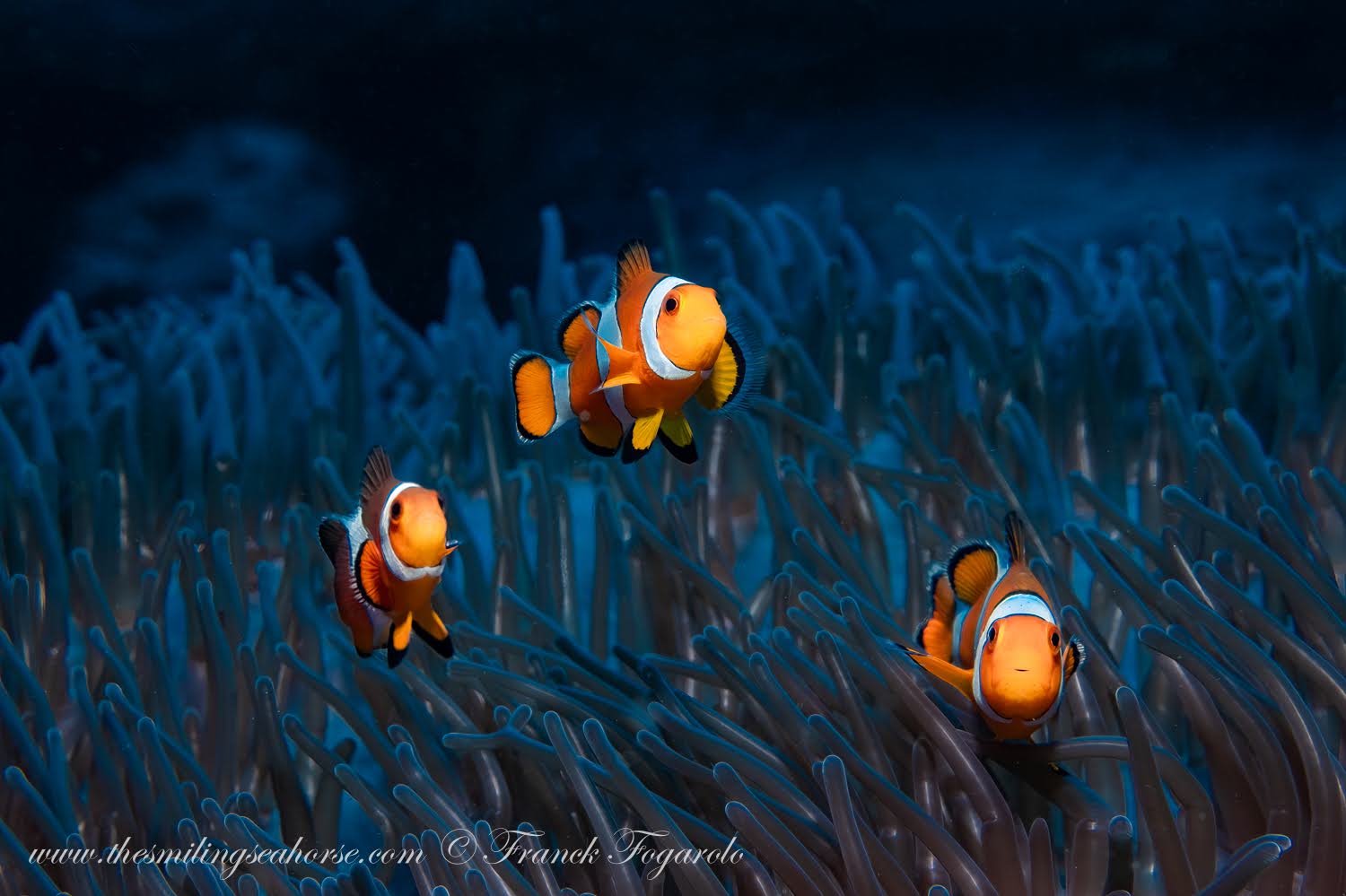
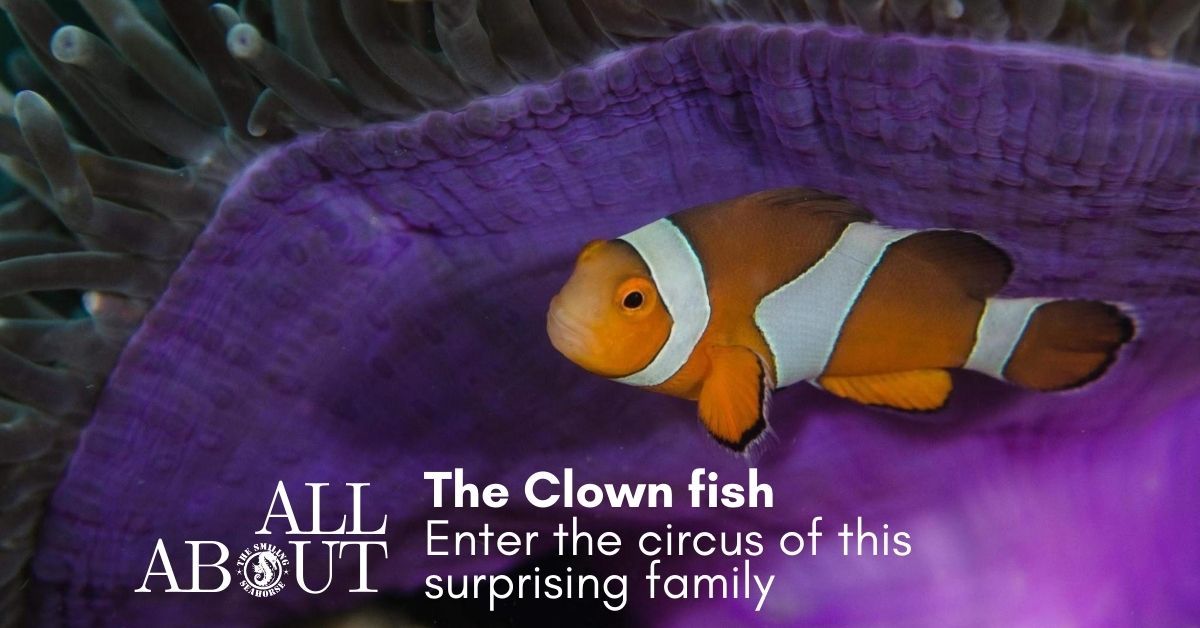
Many anemones are home to anemonefish, including tomato clownfish, false clownfish, and Clark’s anemonefish.
Other fish you may encounter include:
Golden, Humbug, and blue damselfish
Rounded and fine-spotted porcupinefish
Giant pufferfish
Hawkfish and trumpetfish
Razorfish, groupers, and boxfish
Emperor, regal, and Andaman angelfish
Lizardfish and crocodilefish
Cardinalfish and sweetlips
Many other species of wrasses, including the rarer pineapple fish
Many types of gobies and fairy basslets
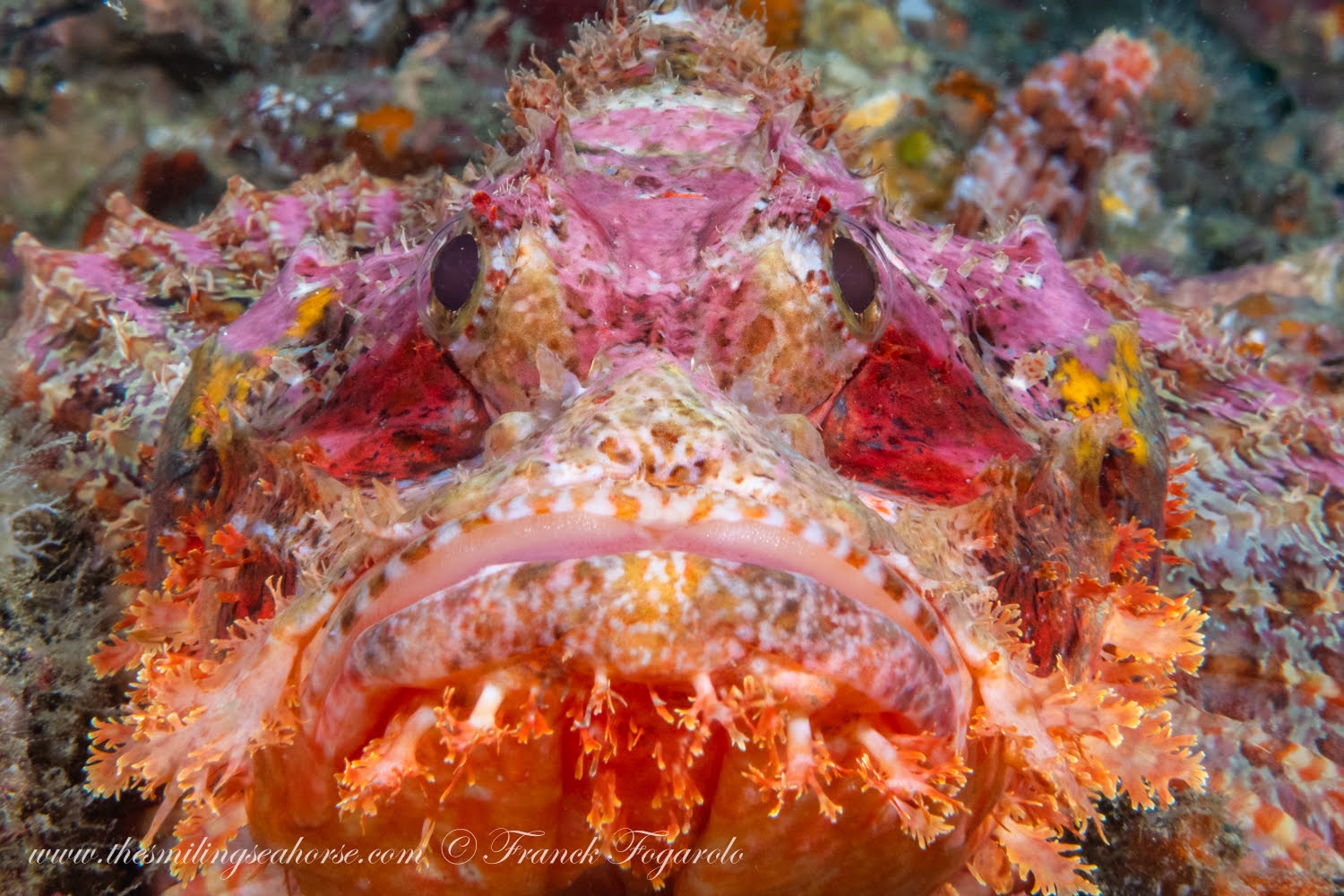
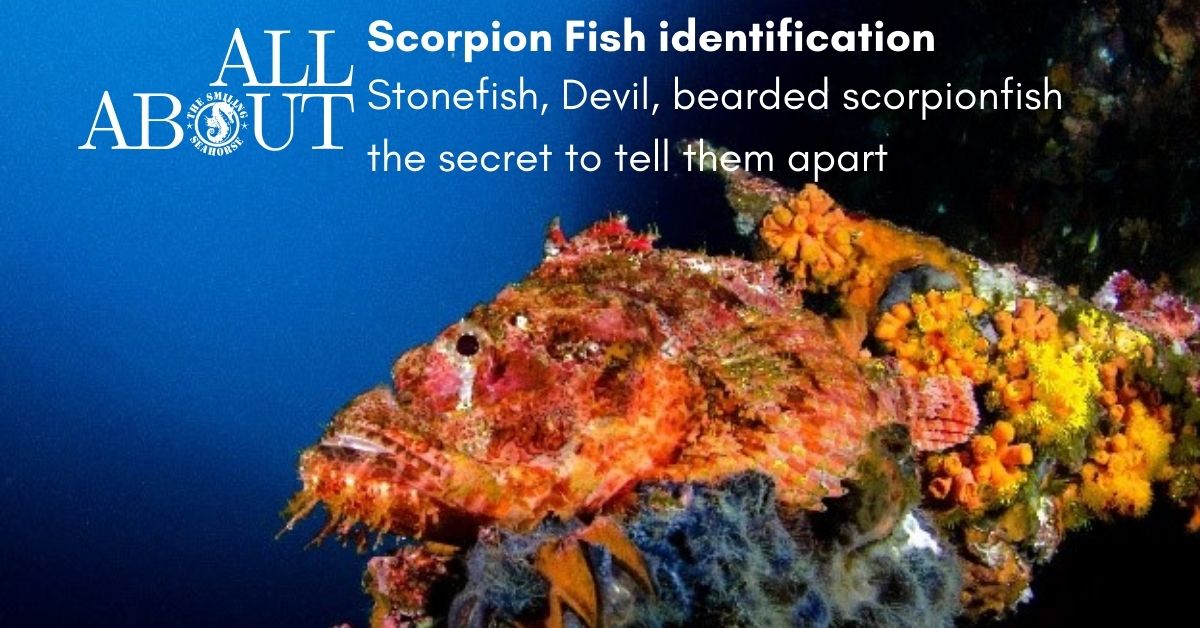
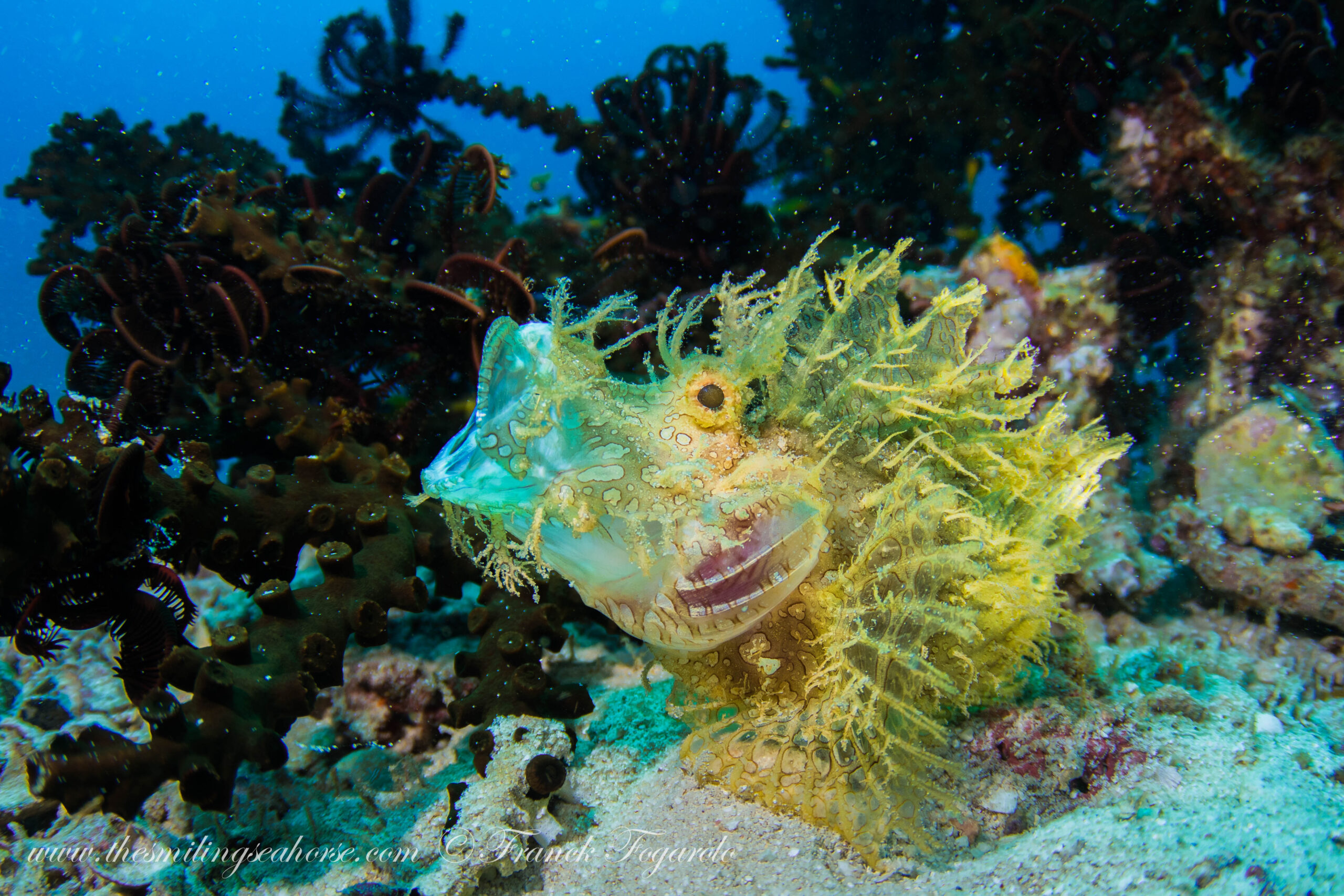
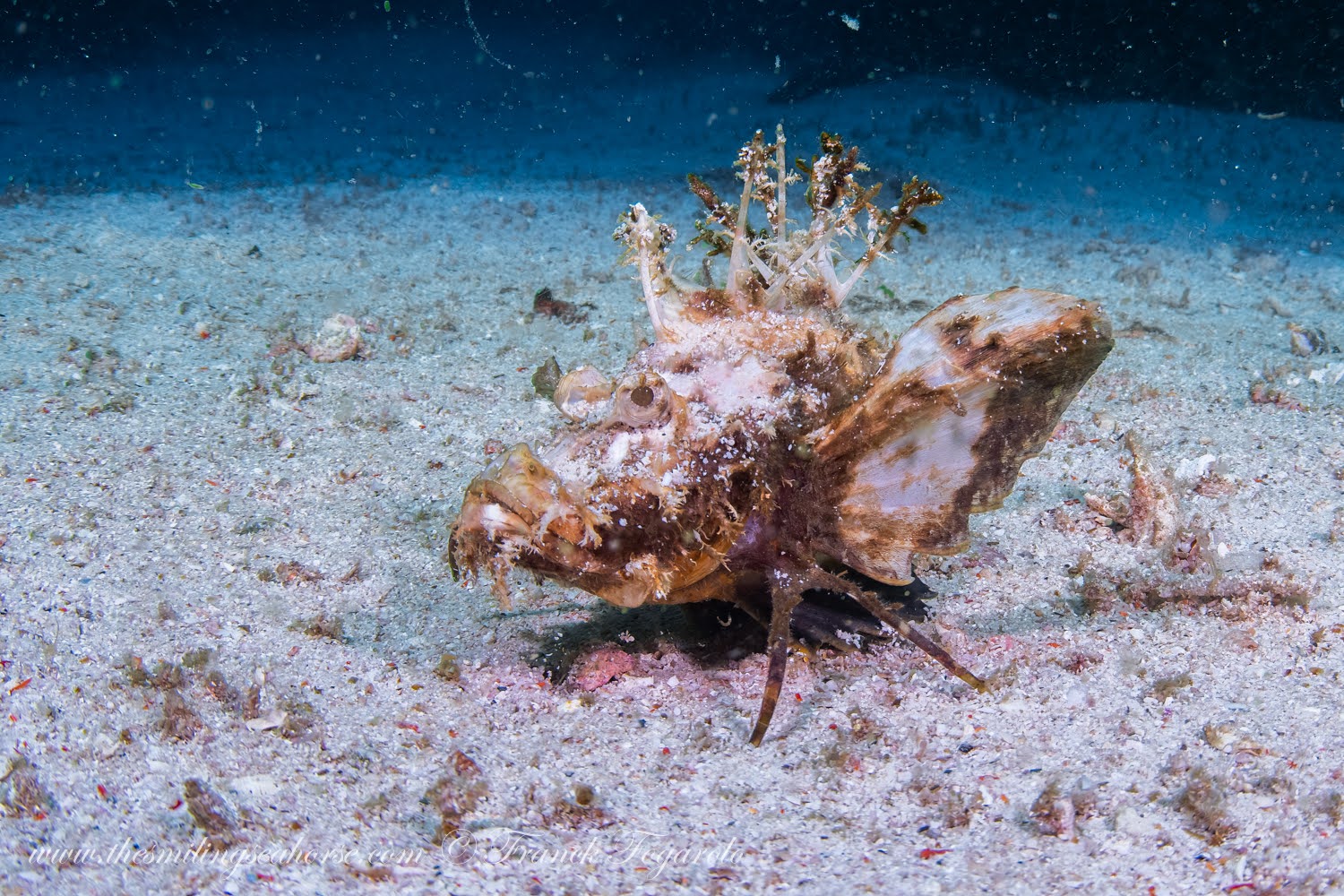
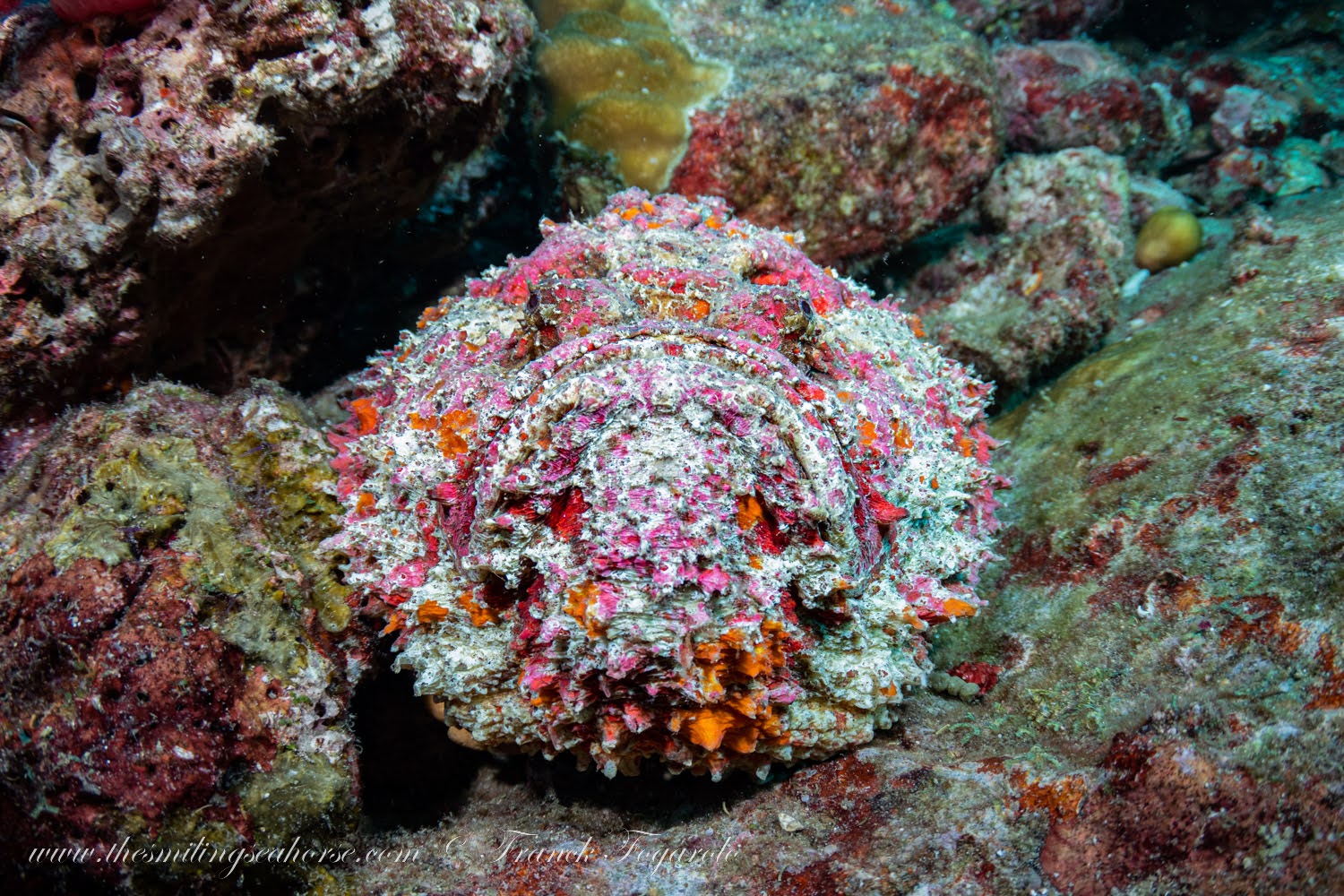
Scorpionfish are very common in Thailand. You will see several species of lionfish, including black and red lionfish, as well as plenty of bearded scorpionfish and devil scorpionfish.
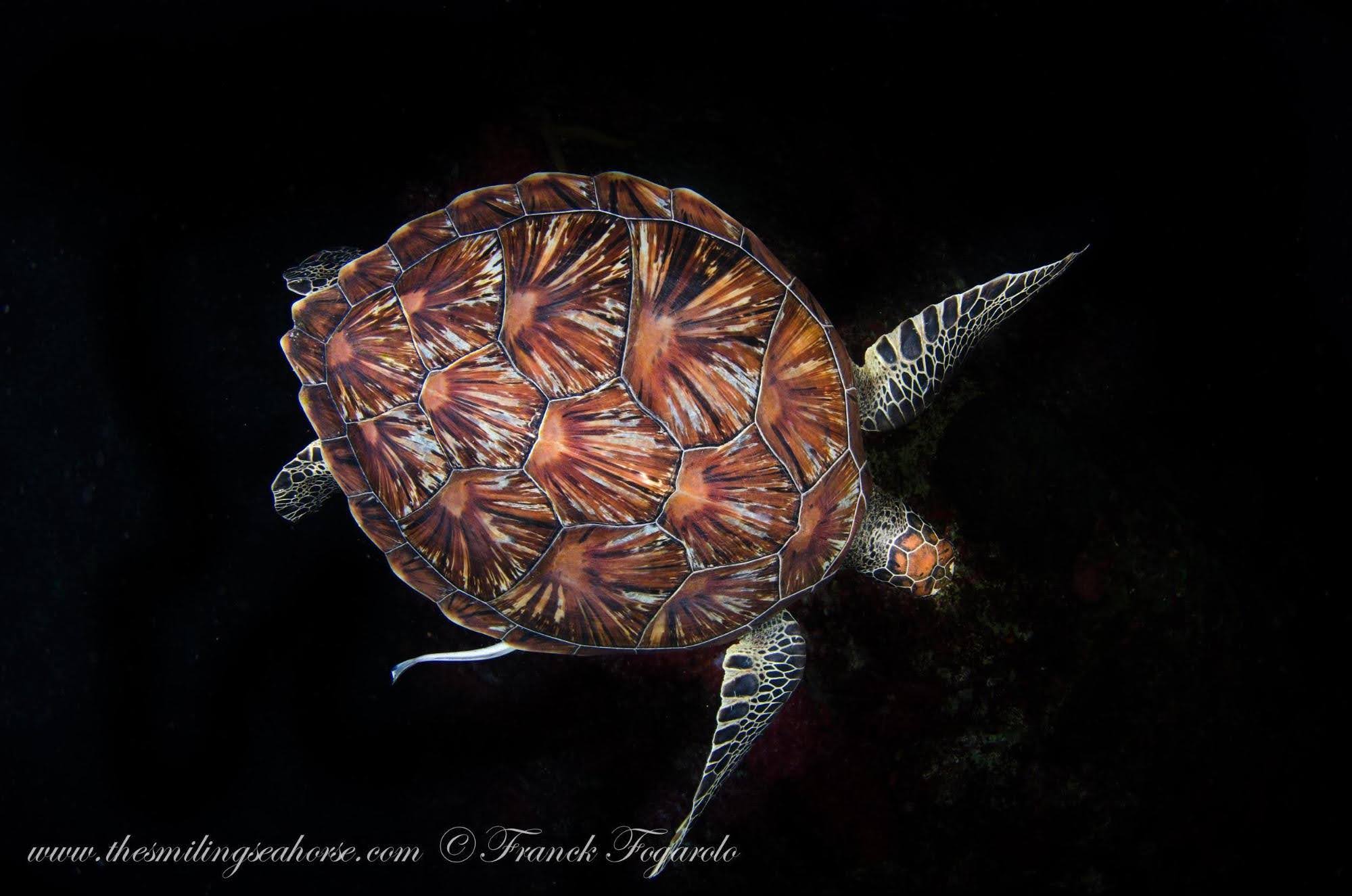
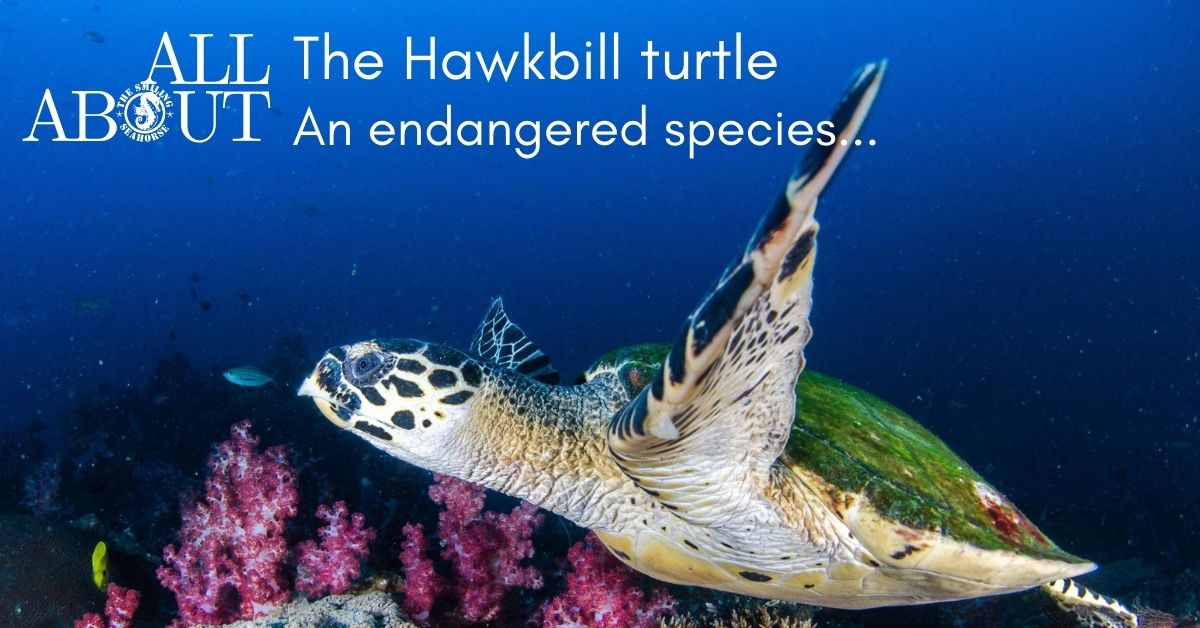
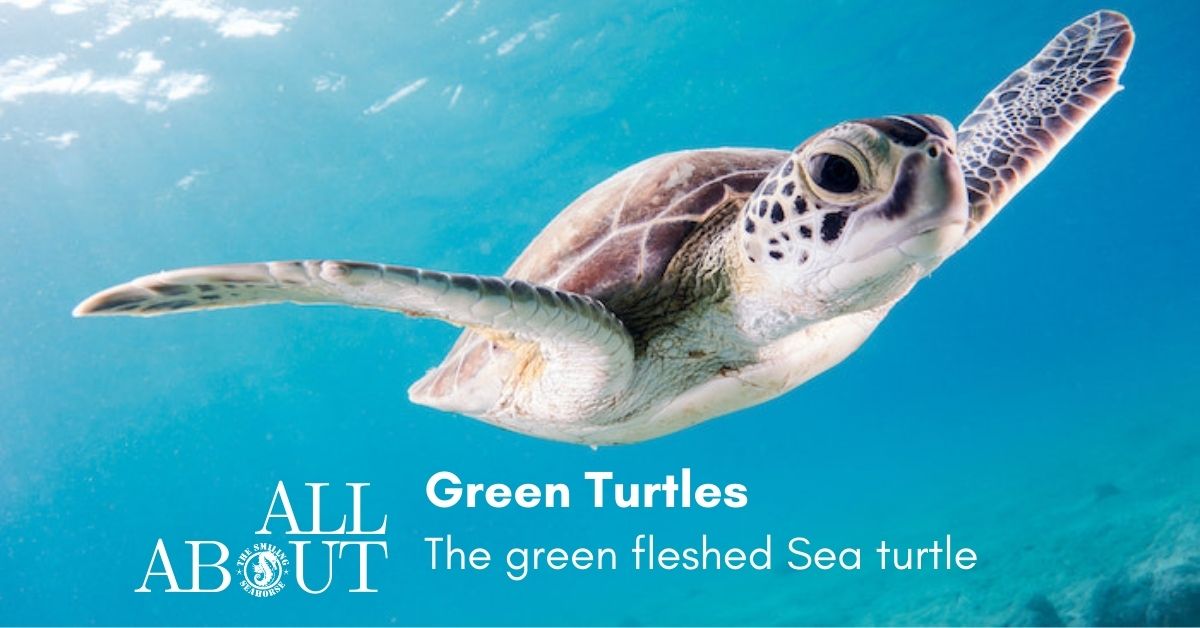
Hawksbill turtles and green turtles are the most commonly sighted sea turtles around Thailand’s Andaman Islands.
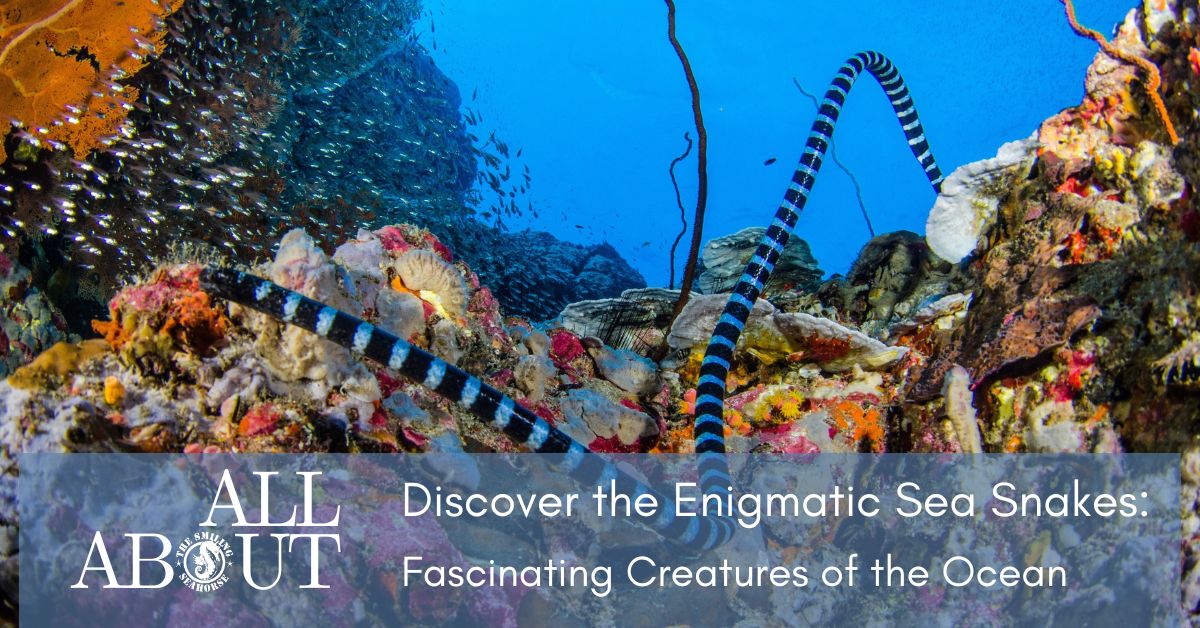
You can also regularly spot banded sea kraits, also known as sea snakes, in the Andaman Sea.
During our blackwater dives, we occasionally encounter pelagic sea snakes. These are a rare sighting, making it an especially exciting encounter when one appears in the darkness.
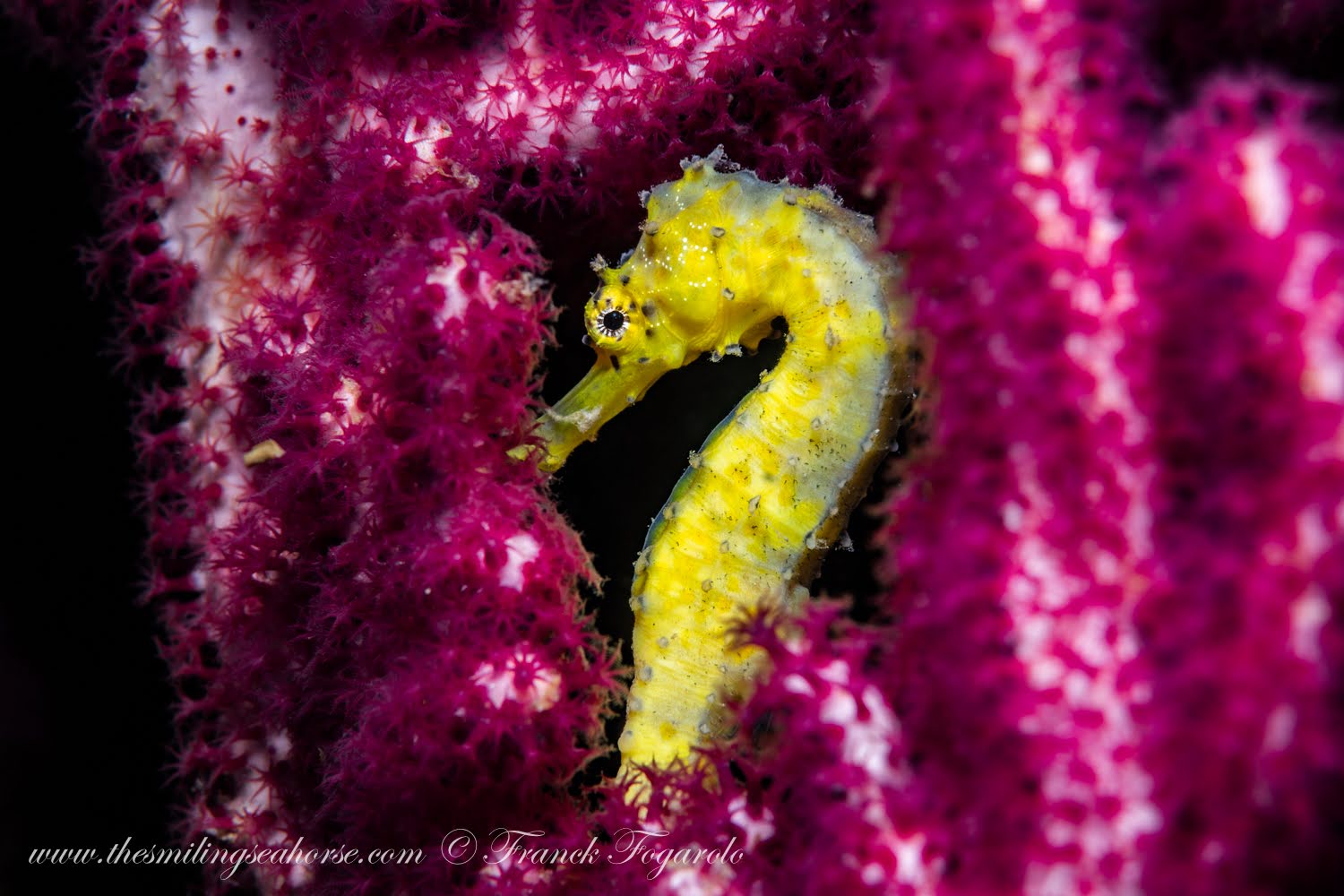
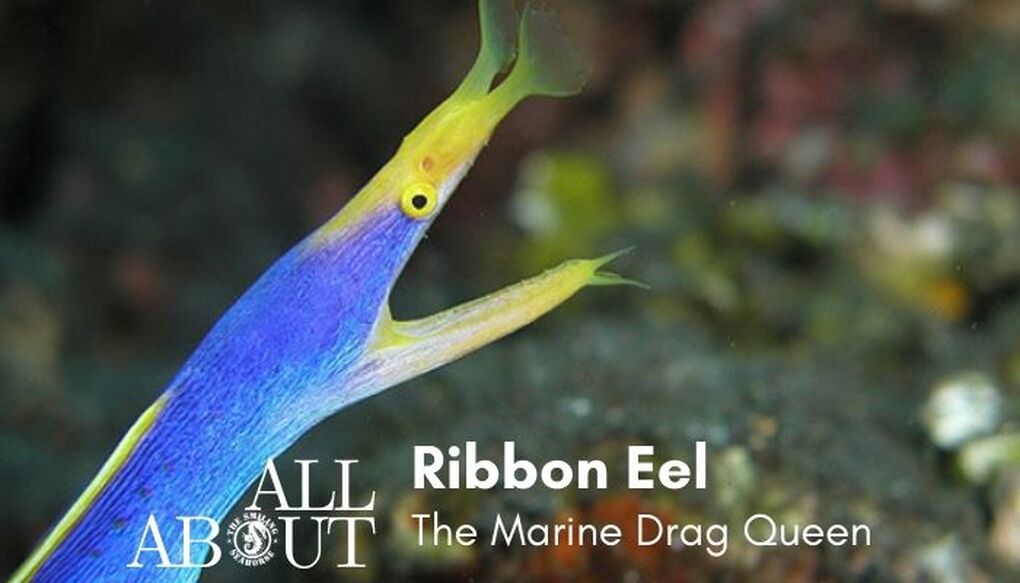
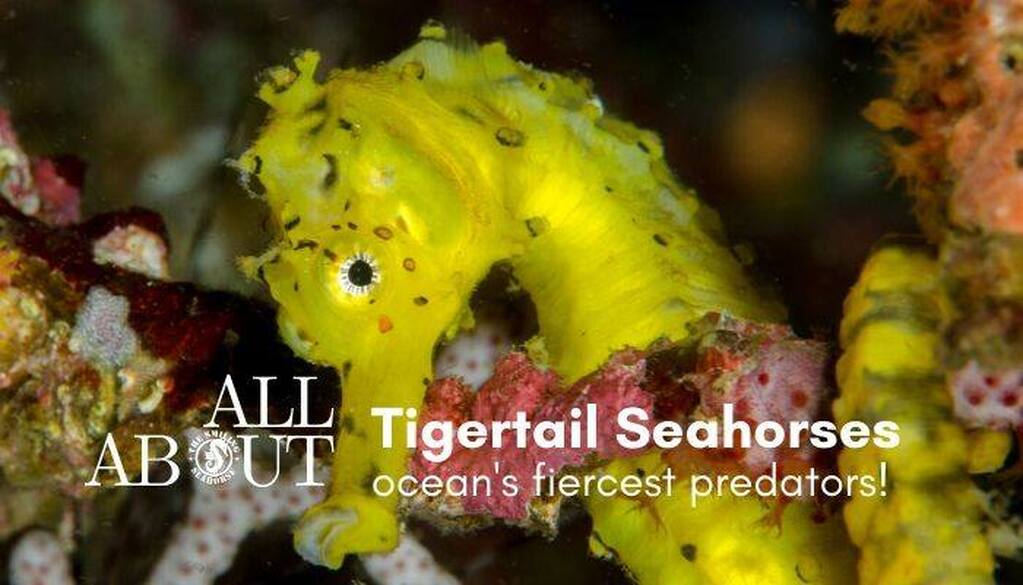
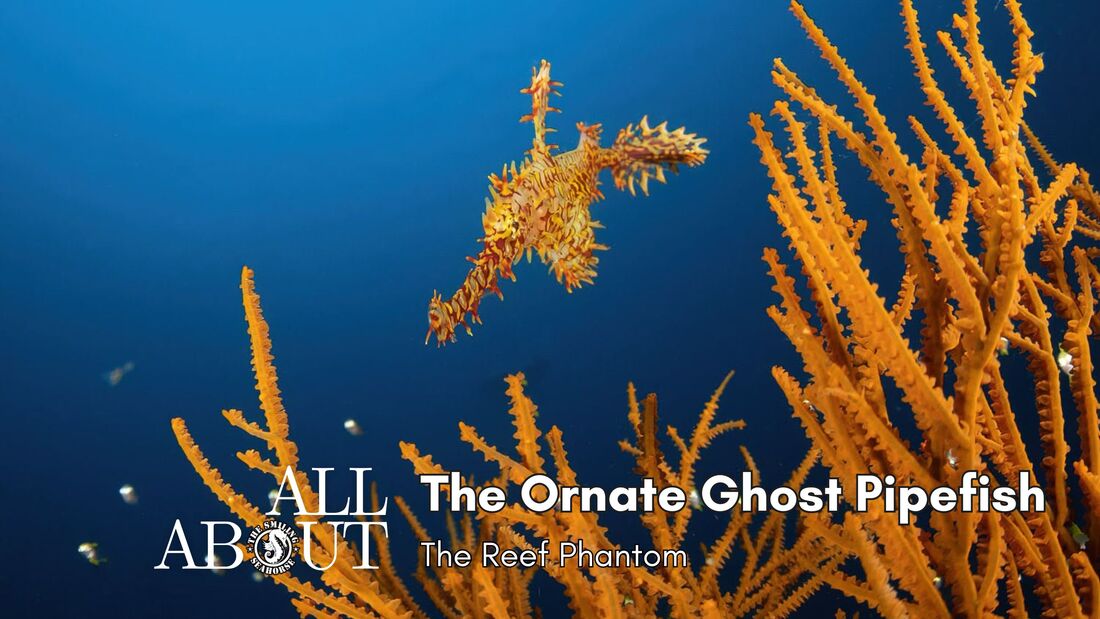
As you may have guessed from our name, we love seahorses and their close relatives, the pipefish.
Tiger-tail seahorses, spiny seahorses, ornate ghost pipefish, orange-spotted pipefish, bent-stick pipefish, cleaner pipefish, and many more…


 Trustindex verifies that the original source of the review is Google.
 Trustindex verifies that the original source of the review is Google.
 Trustindex verifies that the original source of the review is Google.
 Trustindex verifies that the original source of the review is Google.
 Trustindex verifies that the original source of the review is Google.
 Trustindex verifies that the original source of the review is Google.
 Trustindex verifies that the original source of the review is Google.
 Trustindex verifies that the original source of the review is Google.
 Trustindex verifies that the original source of the review is Google.
 Trustindex verifies that the original source of the review is Google.


 Verified
 Verified
 Verified
 Verified
 Verified Verified
 Verified
 Verified Verified
 Verified