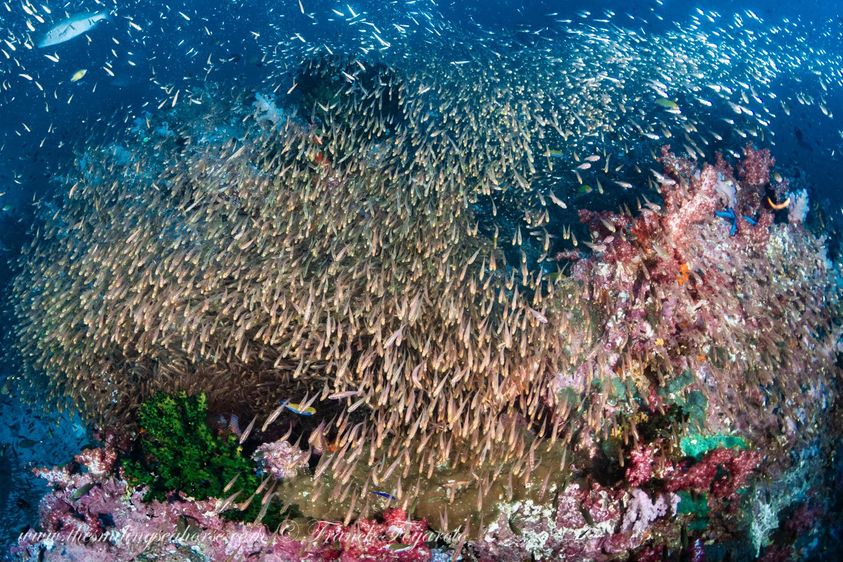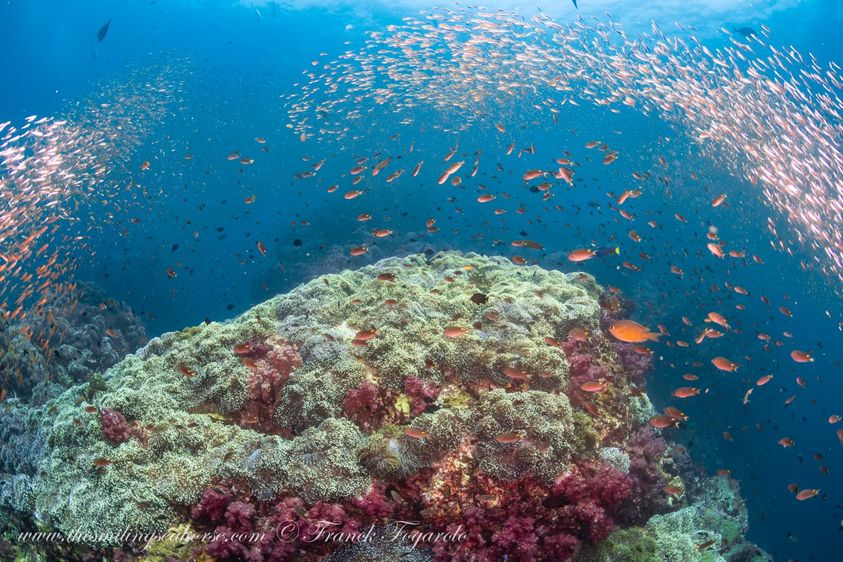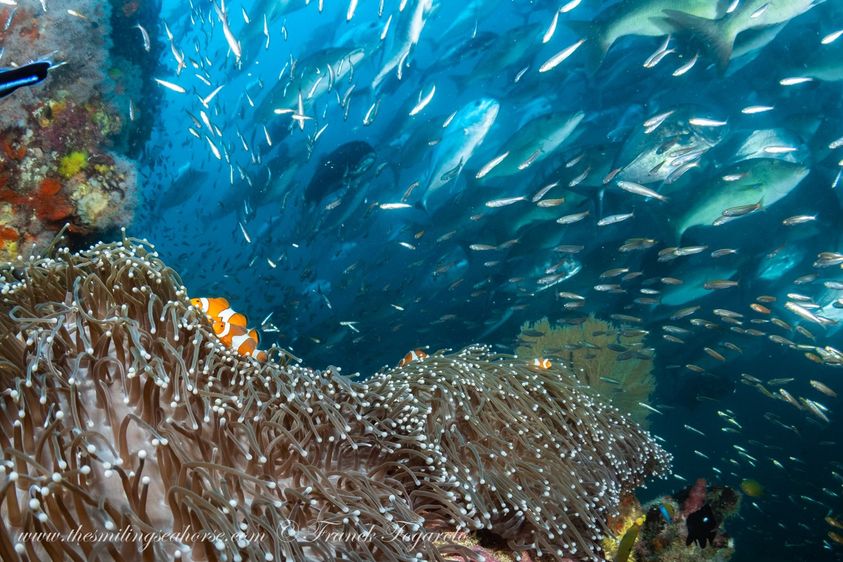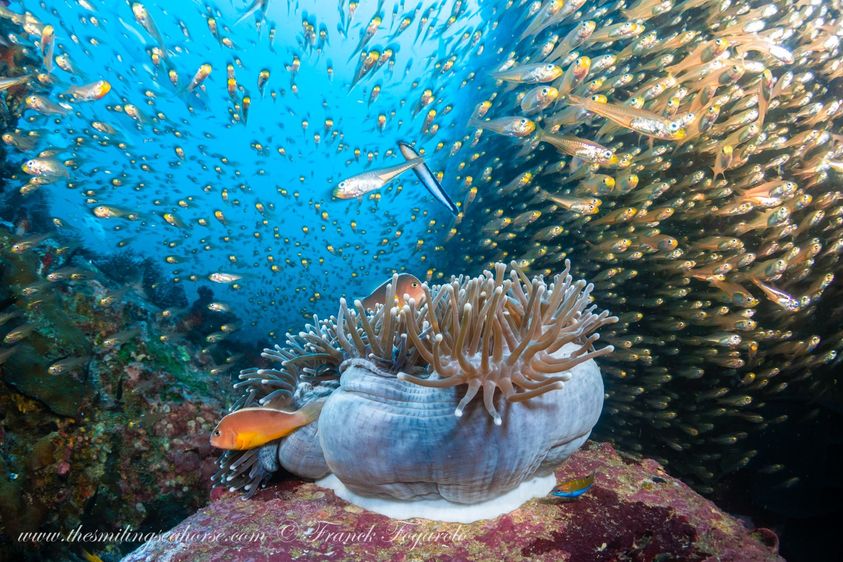
Diving liveaboard in Thailand and Myanmar
  • When & Where
    • Schedule and Prices
    • Destinations >
      • North Andaman Thailand >
        • Similan Islands
        • Surin Islands >
          • Richelieu Rock
        • The essential Underwater photo Guide to diving Thailand
      • South Andaman Thailand >
        • Phuket & Koh Phi Phi National Parks
        • Koh Lanta National Park
        • Koh Lipe and Tarutao National Park
      • Mergui Archipelago >
        • Liveaboard diving holiday in Myanmar
        • Burma's best dive sites
        • The Ultimate Underwater photo Guide to diving Burma
  • ABOUT
    • Our Boat >
      • DELICIOUS FOOD
    • Diving in Thailand in 2025-2026
    • Diving in Myanmar/Burma in 2025-2026
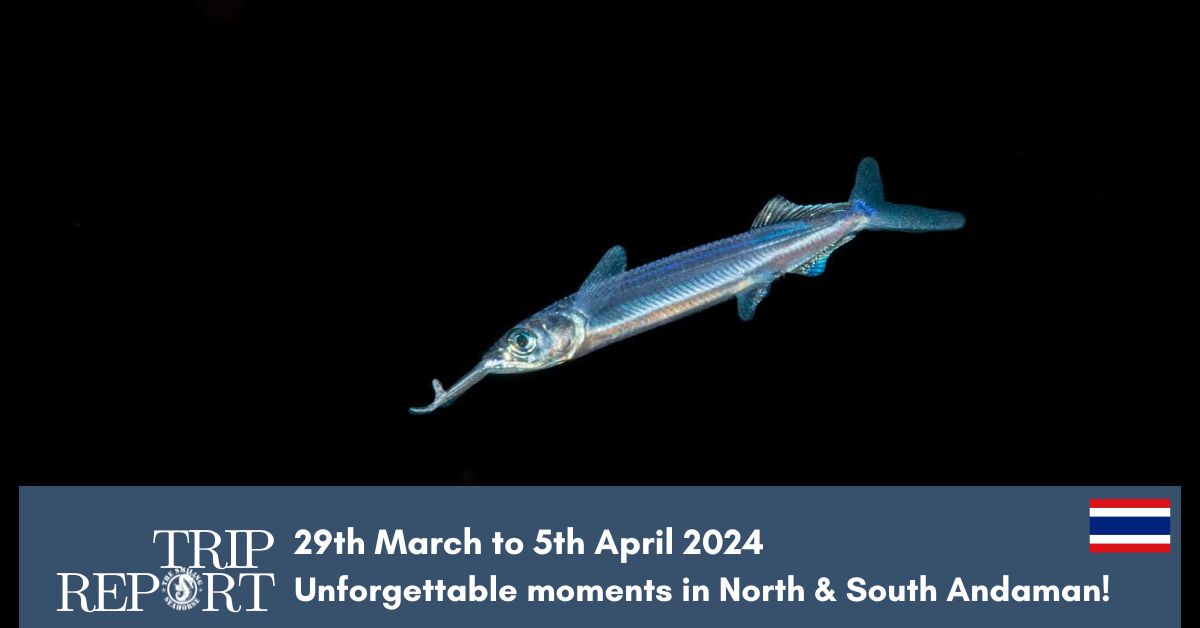
    • Blackwater diving in Thailand and Myannmar
    • Marine life in Thailand's Andaman Sea
    • Marine life in Mergui Archipelago
    • Dive Courses >
      • Learn to Dive
      • Continue diving education
      • Rescue diver
      • Professional Dive Courses
      • Hone your dive skills with a specialty course
      • Photo coaching in Thailand on the Smiling Seahorse
    • Guest Book
    • FAQ
  • Plan your trip
    • Our hotels recommendations
    • Khao Sok National Park
    • Taxi services >
      • Taxi services to and from Ranong
      • Taxi services to and from Phuket
      • Taxi services to Tap Lamu and Khao Lak
    • 10 things to do around Ranong
  • PROMO
    • HOT DEALS
    • Special Expeditions >
      • 8D Whale shark expedition - 20 March 2026 - North and South
  • gallery
    • Photos
    • Videos
  • CONTACT
  • BLOG
    • Most popular posts

Trip Report: Mergui Archipelago & Burma Banks, 21st-29th October 2025

31/10/2025

0 Comments

 
Picture
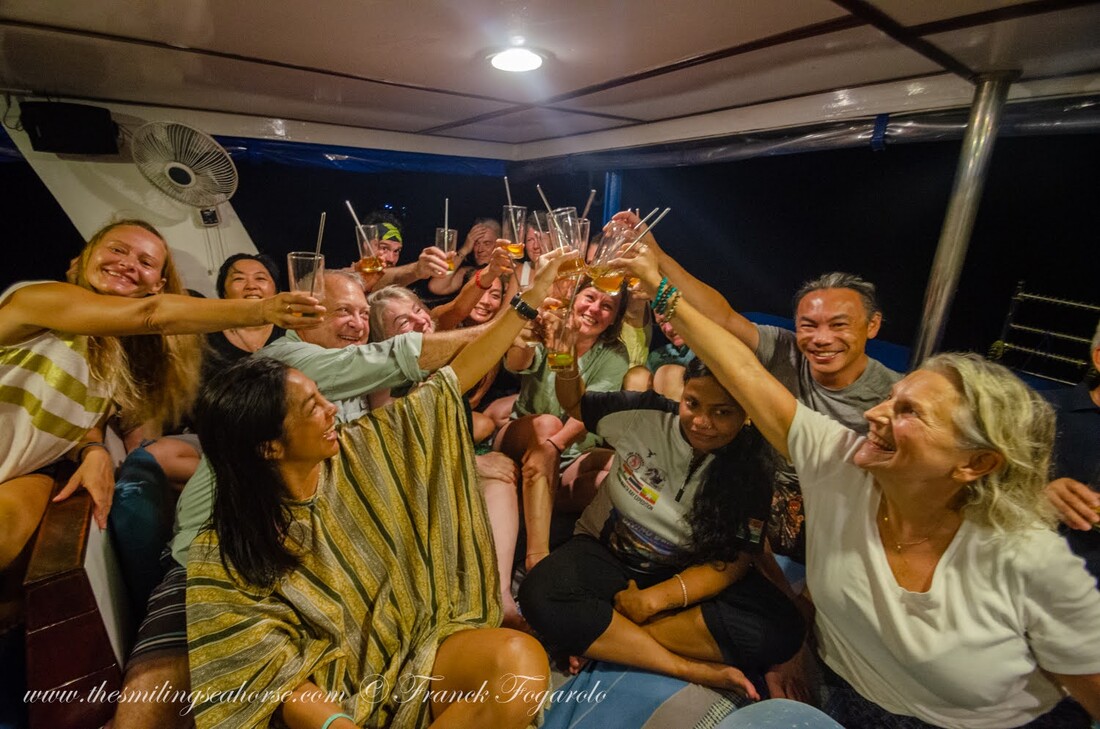
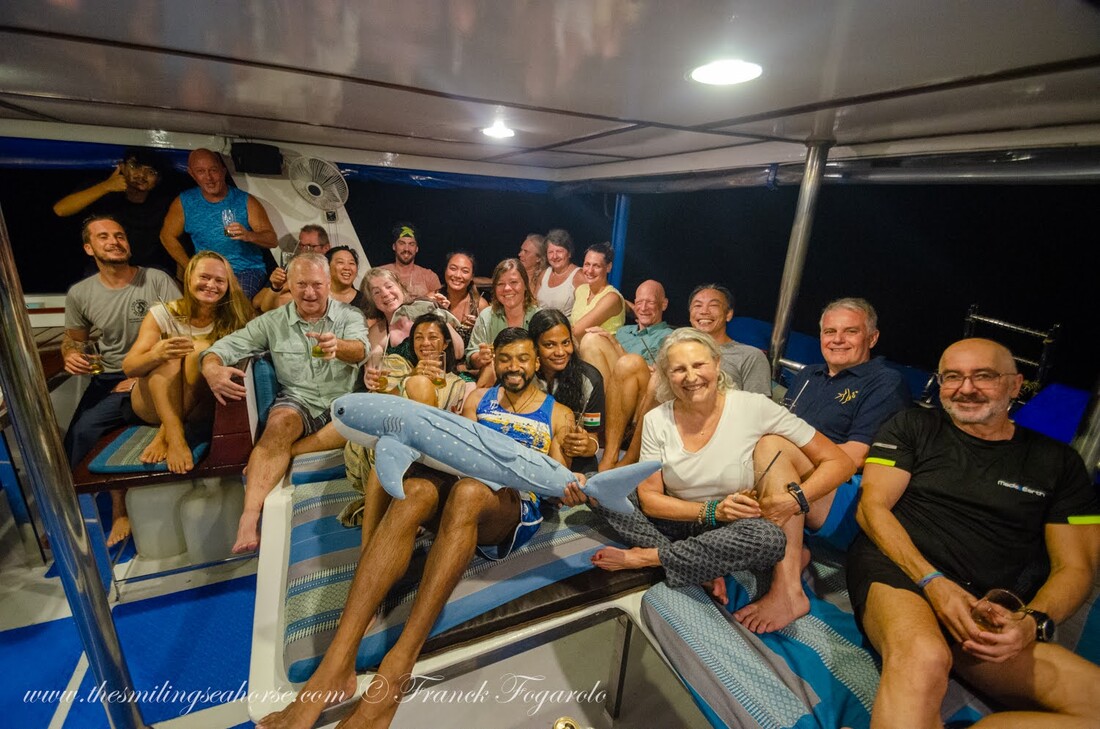
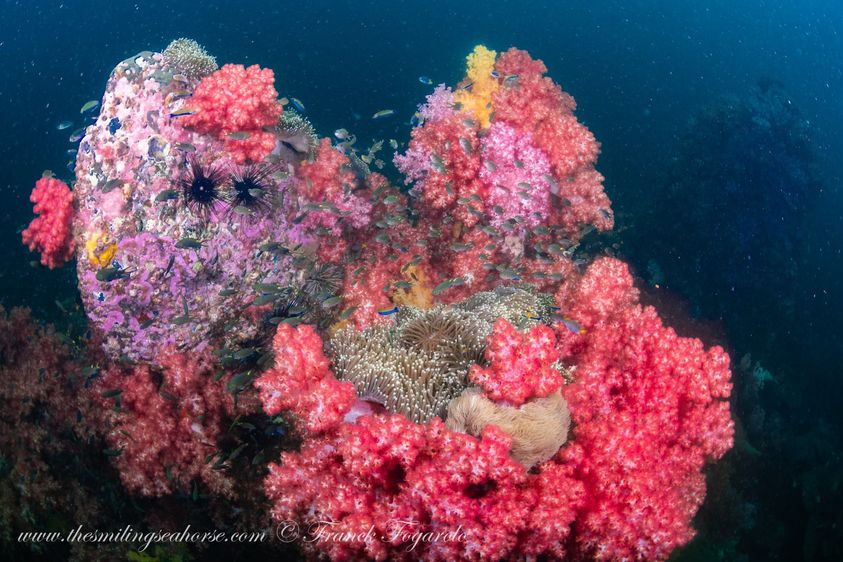
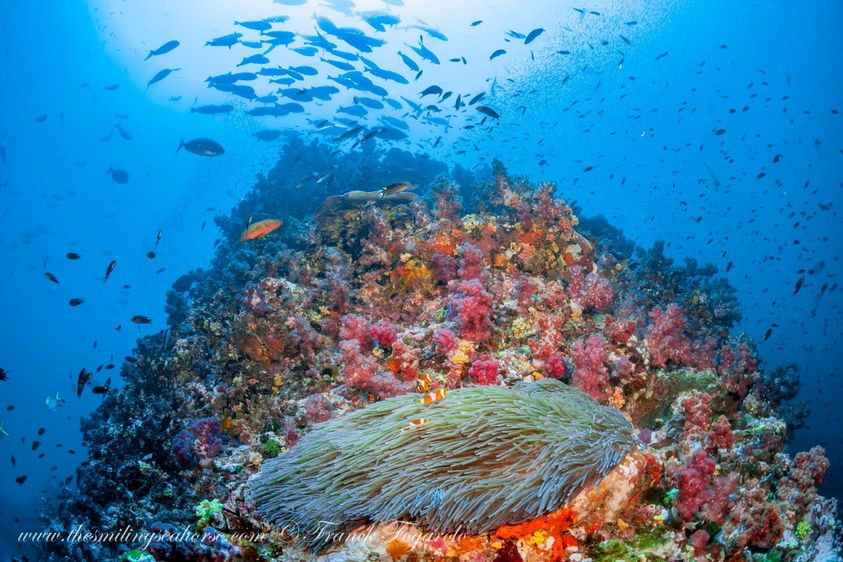
​The MV Smiling Seahorse kicked off the new diving season with a spectacular journey through the remote waters of Myanmar’s Mergui Archipelago and the legendary Burma Banks. Departing from Ranong, our first group of adventurers — joining us from France, Switzerland, Belgium, Ireland, the US, and the UK — gathered with excitement at the pier.
After check-in, we completed the usual immigration formalities in Ranong before crossing the border to Kawthung, Myanmar. With passports stamped and smiles all around, we set course toward the mysterious Mergui Archipelago — a place of dramatic limestone and granit boulder islands, lush jungle cliffs, and some of the most vibrant underwater life in the Andaman Sea.
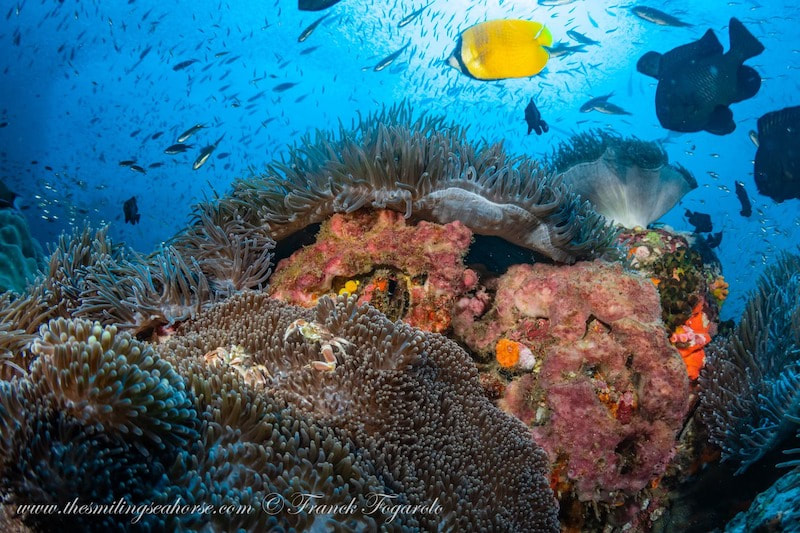
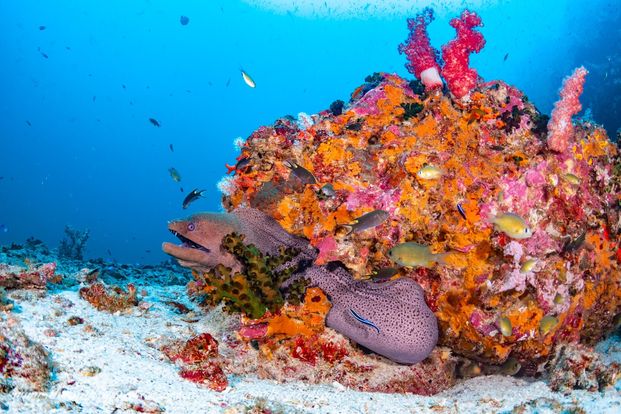
Beautiful underwater scene in Mergui Archipelago
vibrant underwater life in the Andaman Sea

Day 2 — Into the Blue

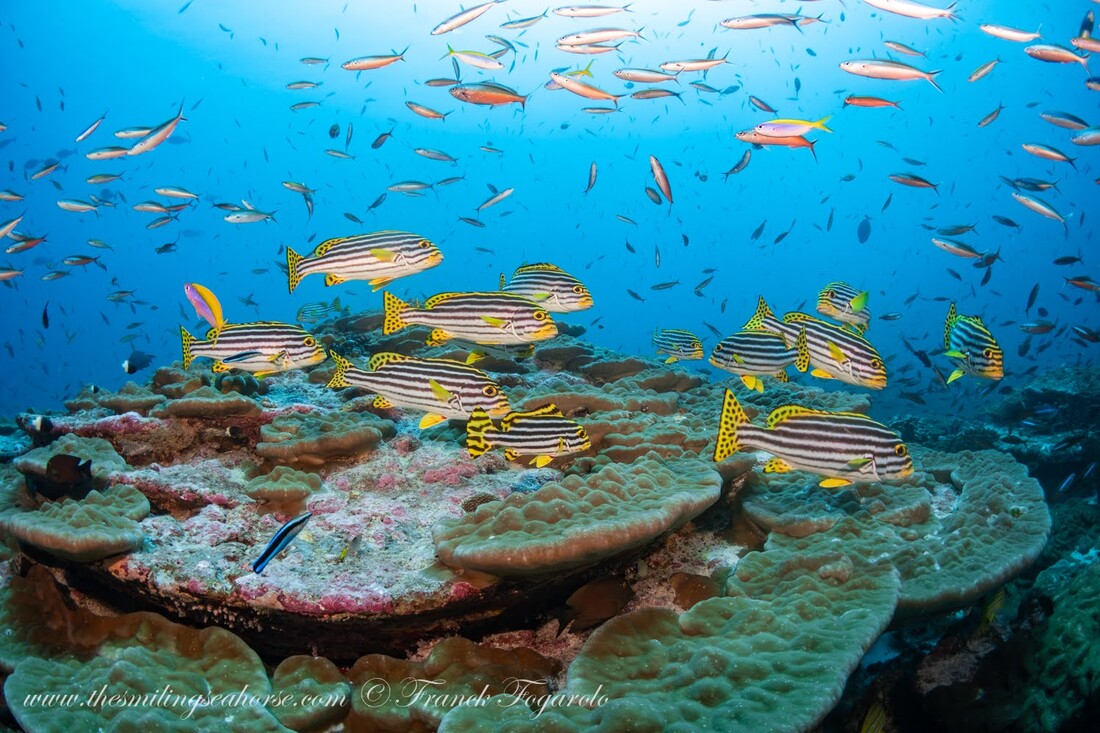
​Our check dive at High Rock was the perfect start, offering calm conditions and an easy descent into a thriving coral reef. Among the swaying soft corals, we spotted oriental sweetlips, butterflyfish, blue damsels, and curious bannerfish darting between the rocks — a beautiful welcome back to Burmese waters.
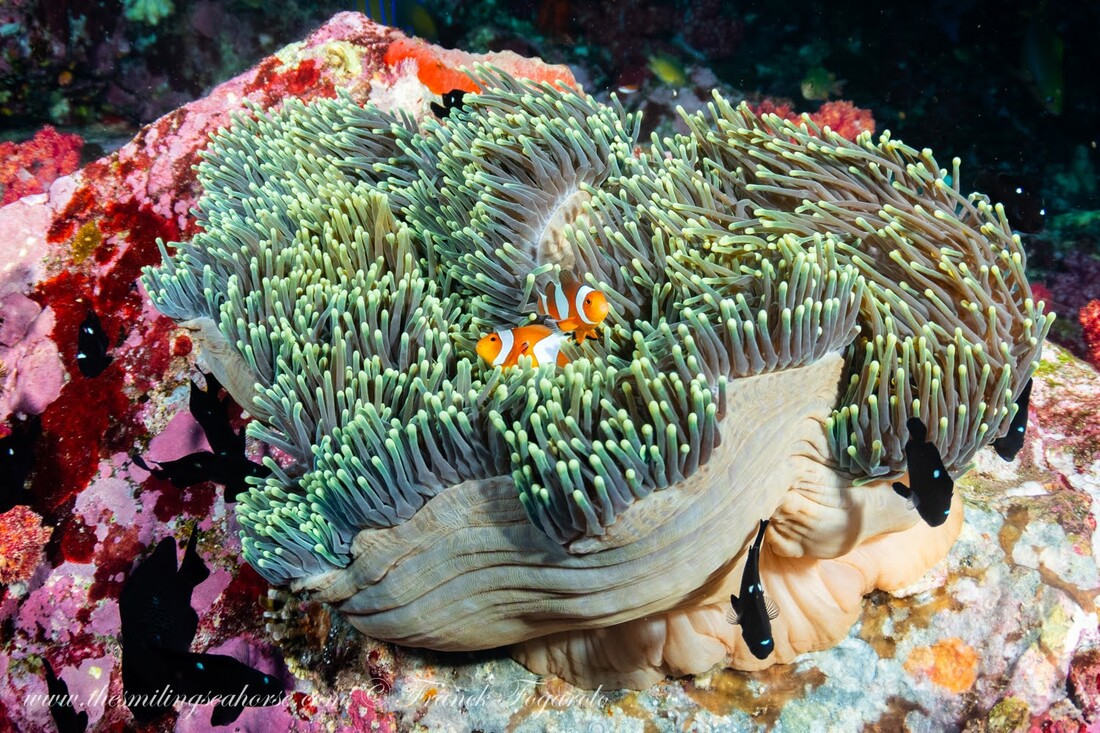
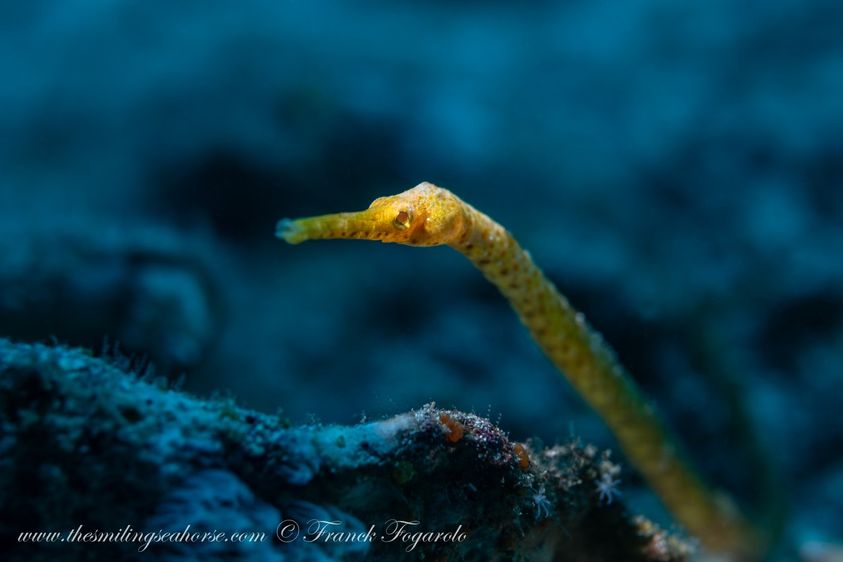
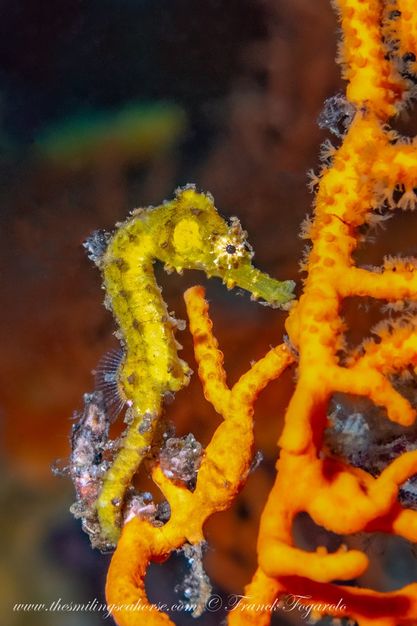
Our second dive took us to Three Islets (Square), alive with action! Schools of fusiliers and white tongue jacks swirled above the reef, while a tigertail seahorse and an orange-spotted pipefish delighted our macro enthusiasts. Blue-lined snappers, Moorish idols, and a few playful anemonefish added even more colour to the scene.
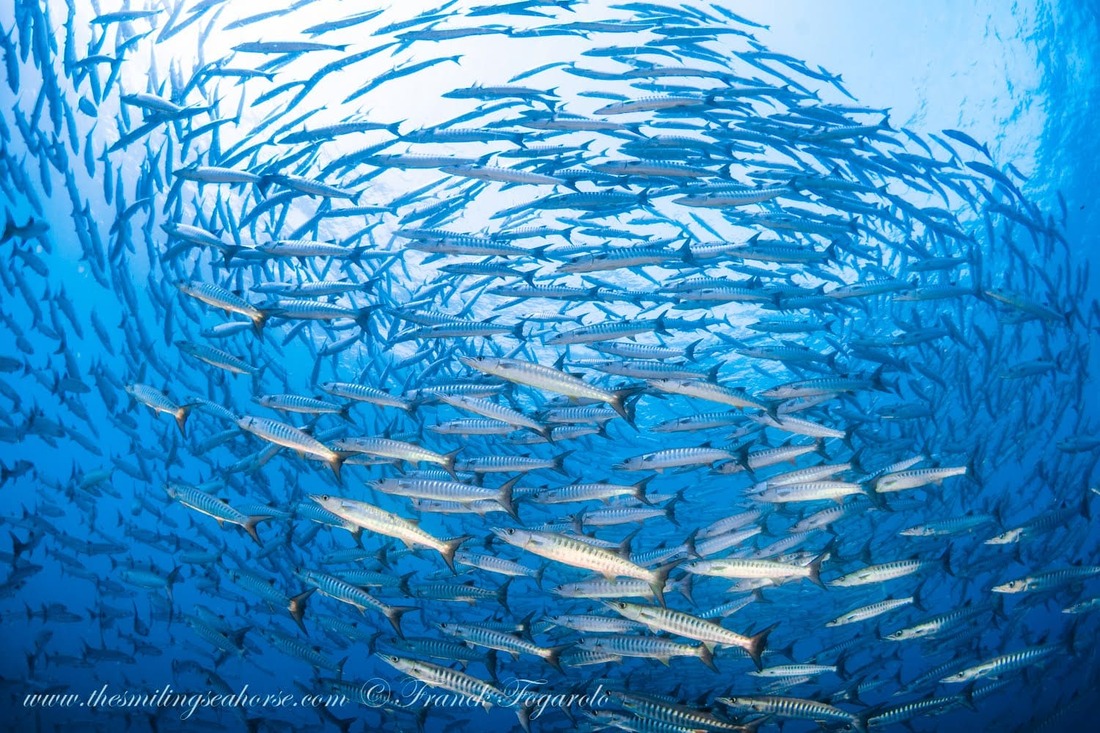
Dive three at Three Islets (Shark Cave) brought strong surges, so we explored around the island instead of entering the cave. The current carried schools of pickhandle barracudas past walls of soft corals where tomato anemonefish guarded their homes.
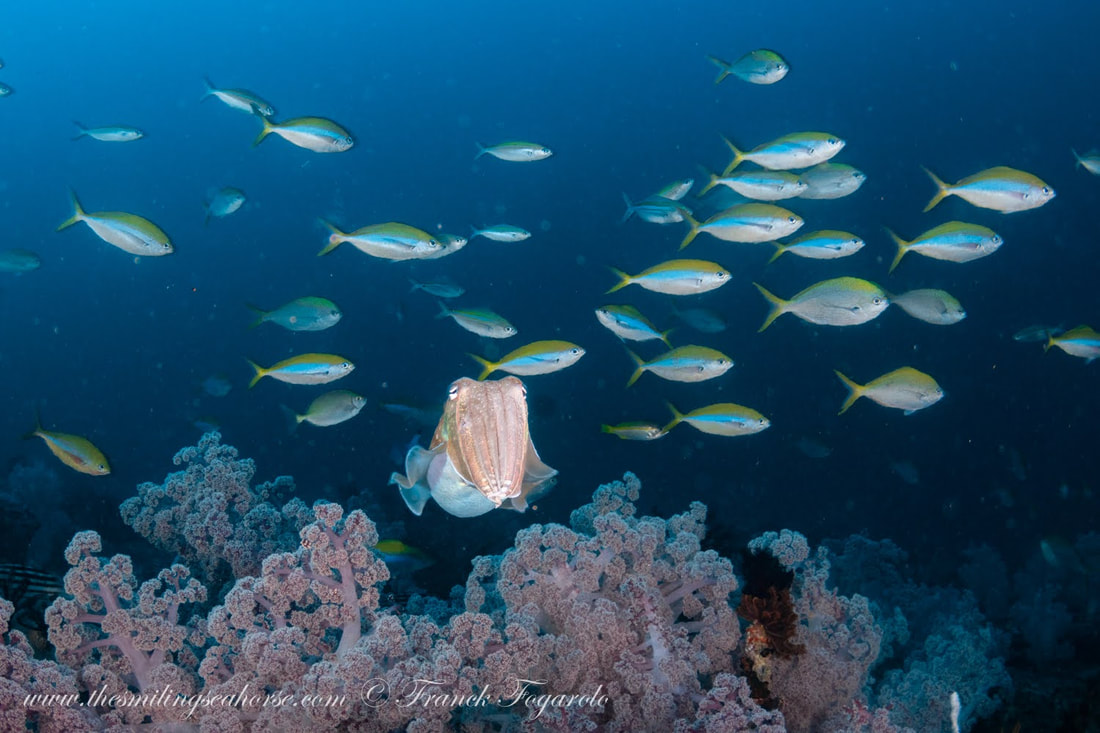
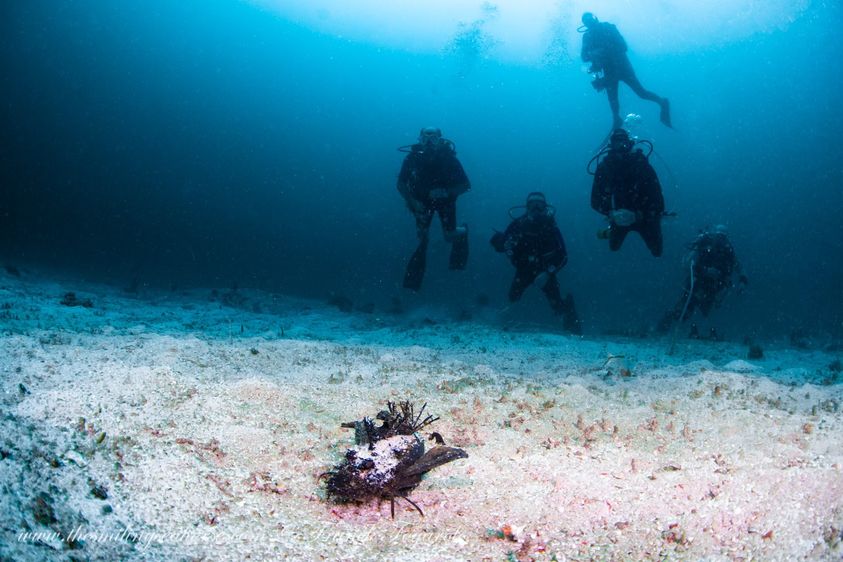
For the night dive, we returned to Shark Cave. Under torchlight, we found barracudas cruising the dark, parrotfish sleeping soundly in their mucus bubbles, a seal-face pufferfish tucked into a crack, and a curious pharaoh cuttlefish. We also encountered soldierfish, cardinalfish, and a few colourful wrasses hunting under the beams of our lights.
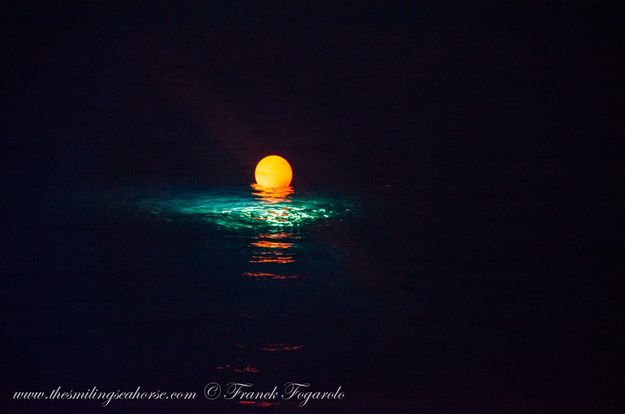
That night, we set sail toward the famous Black Rock.
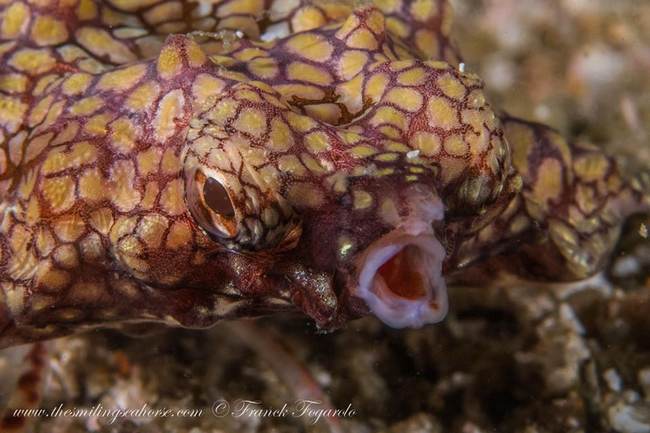
Leopard muray eel in Mergui Archipelago
Sea urchin eye
Blue Dragon nudibranche
Com jelly, ctenophore, Blackwater diving in Burma
Jellyfish, Blackwater diving in Myanmar

Day 3 — The Majesty of Black Rock

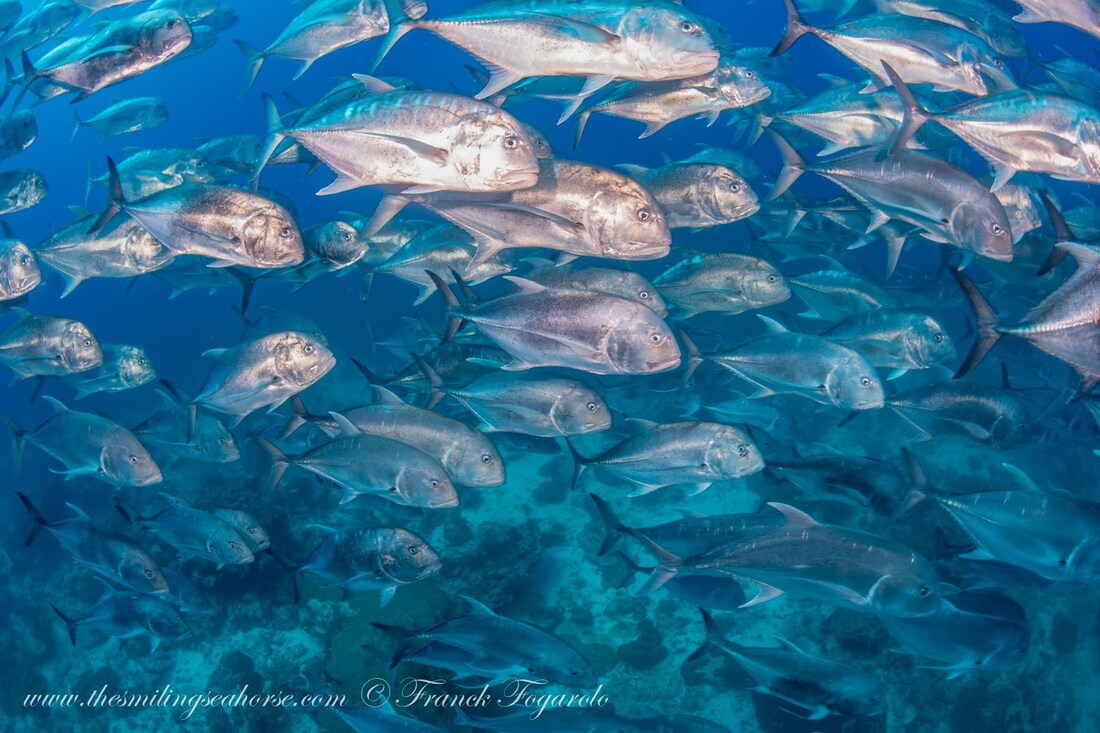
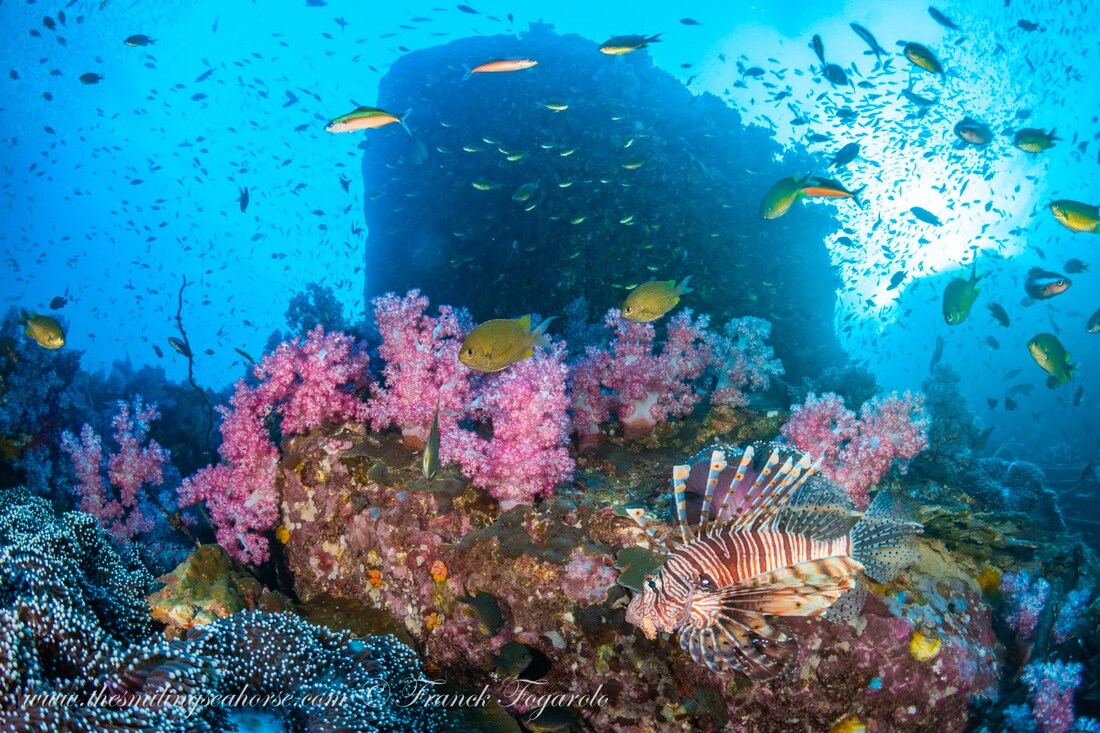
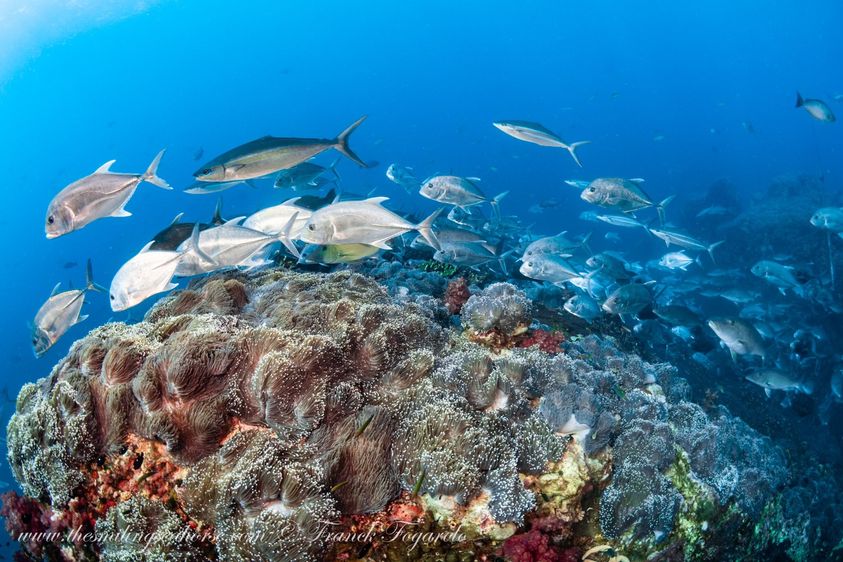
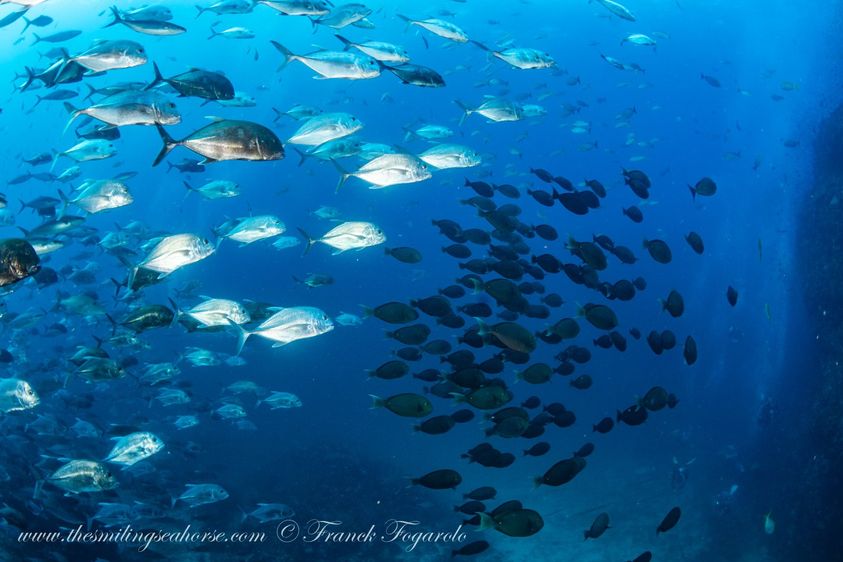
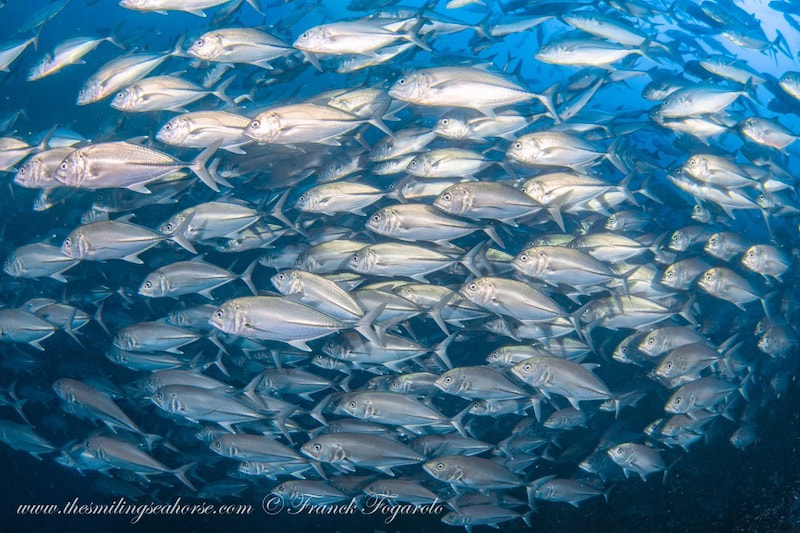
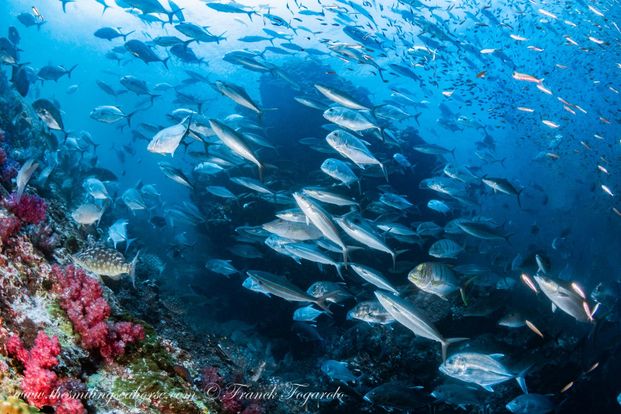
​At sunrise, we descended on Black Rock’s north side, greeted by schools of bigeye jacks, barracudas, lionfish, and snapper clouds drifting in the blue.
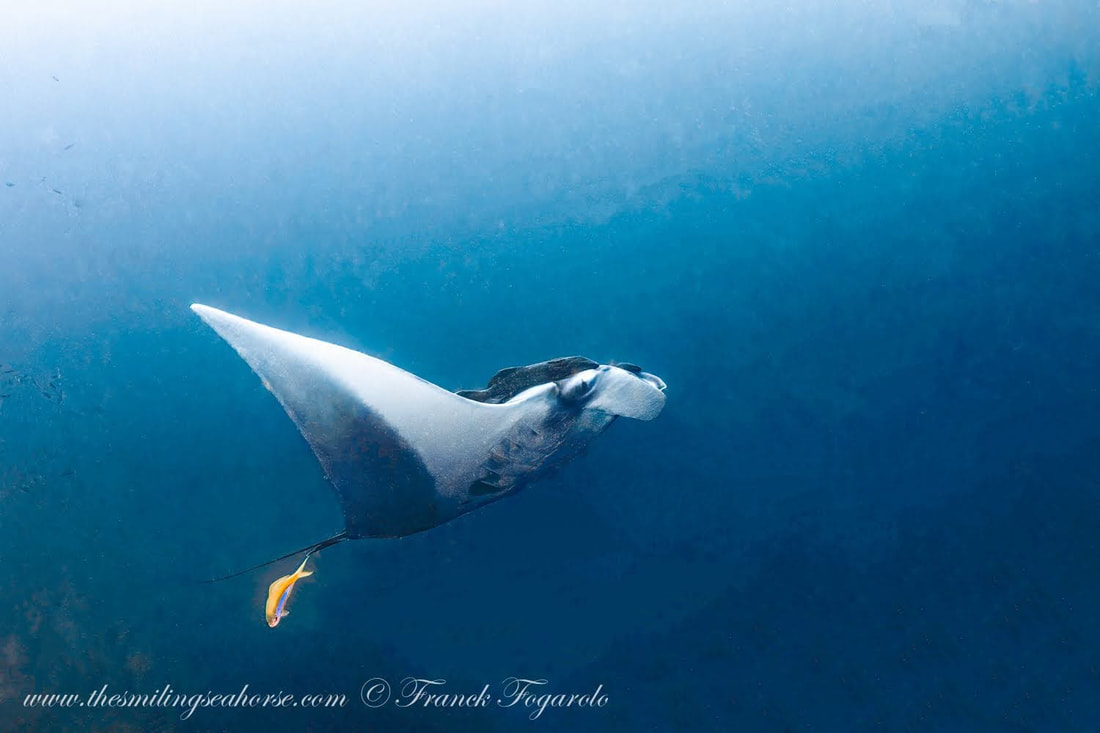
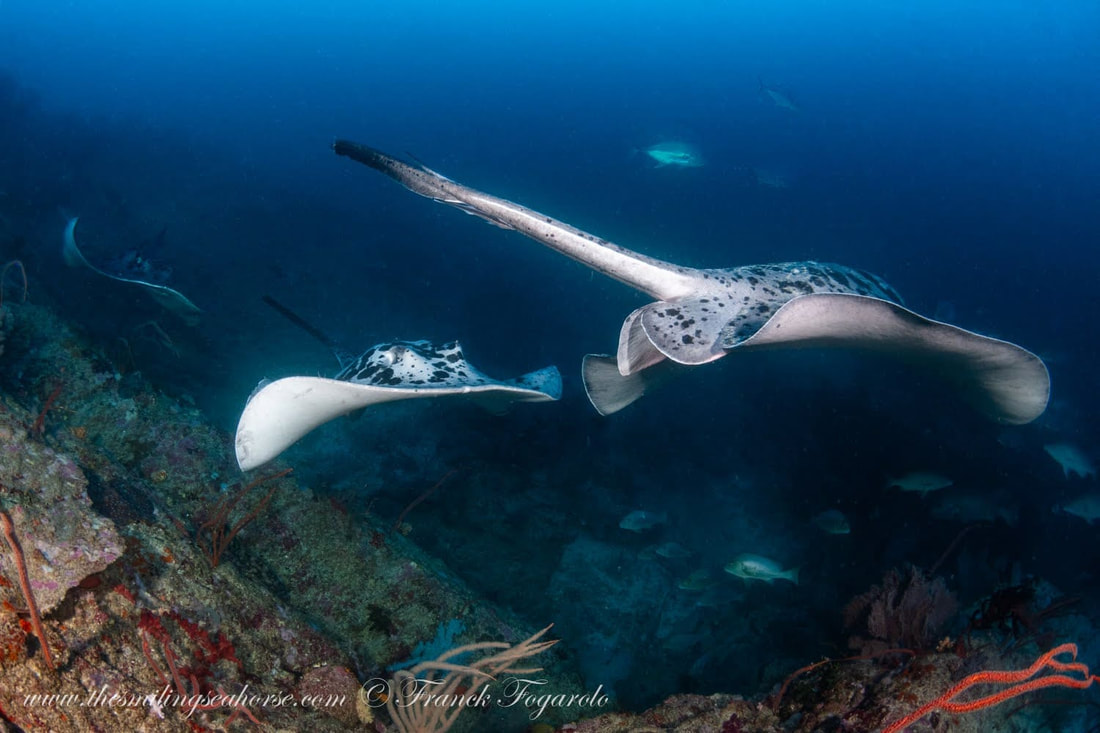
Our second dive on the south side was pure magic — mantas! Not one, but four graceful oceanic manta rays soared through the current, looping and gliding as dogtooth tunas patrolled below.
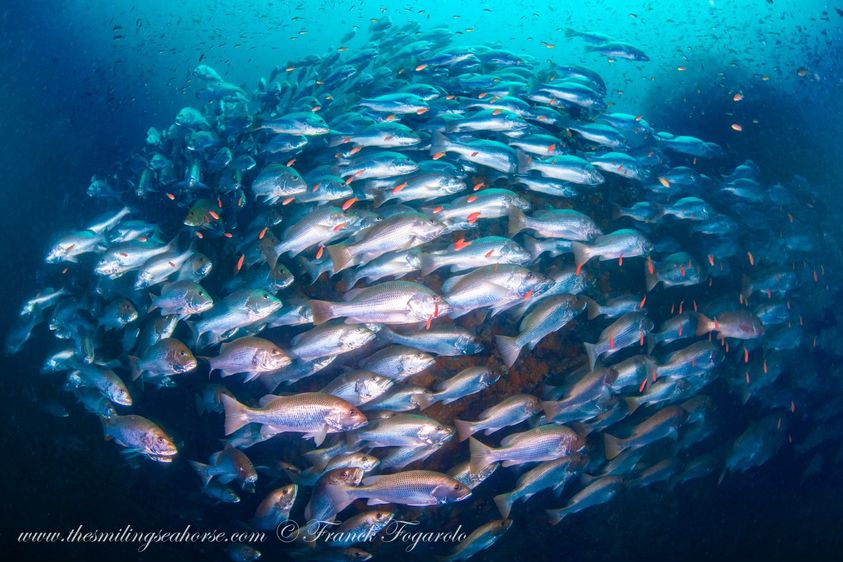
The third and fourth dives kept the action going, with dense schools of jacks, fusiliers, and surgeonfish swirling through the water column. A leopard moray eel peeked from a crevice during the sunset dive, a perfect finale to a spectacular day.
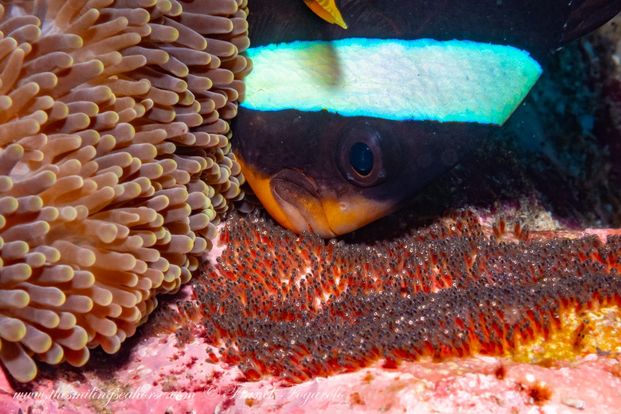
Clark clownfish, Amphiprion Clarkii
Sun corals, Tubastreaea sp, Andaman Sea liveaboard

Day 4 — North Twin Wonders

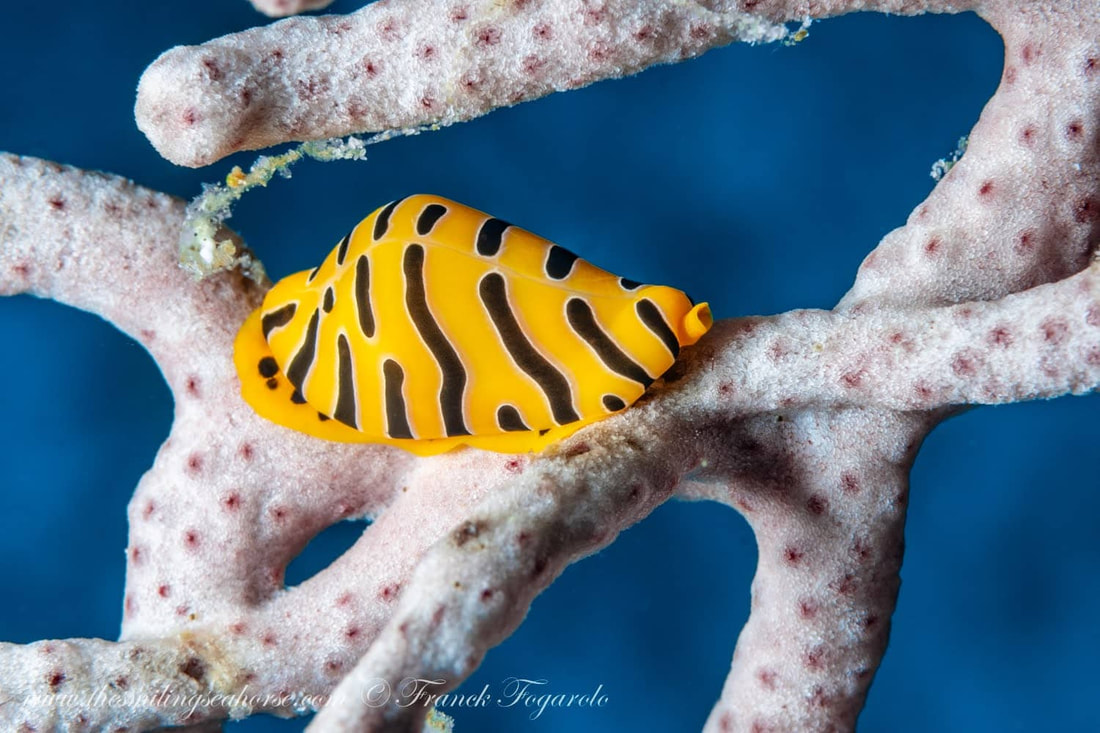
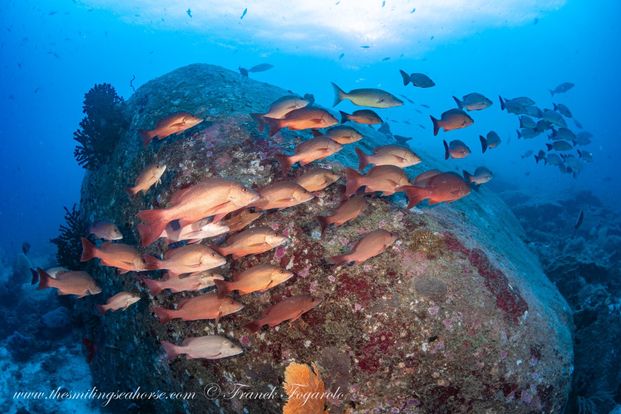
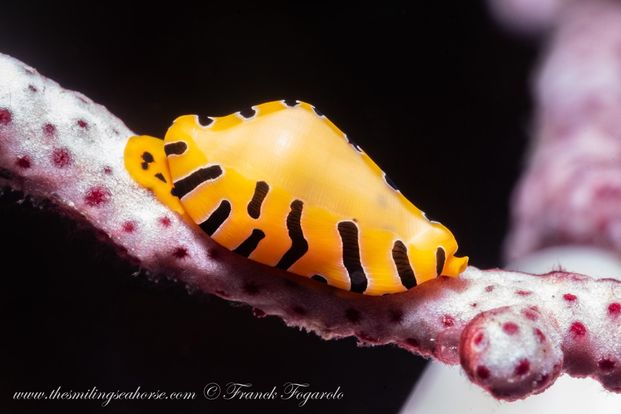
​North Twin Pinnacle — the current-fed site teeming with barracudas, fusiliers, and red snappers. We admired tiger  egg cowries, moray eels, and a few curious dogtooth tunas cruising by.
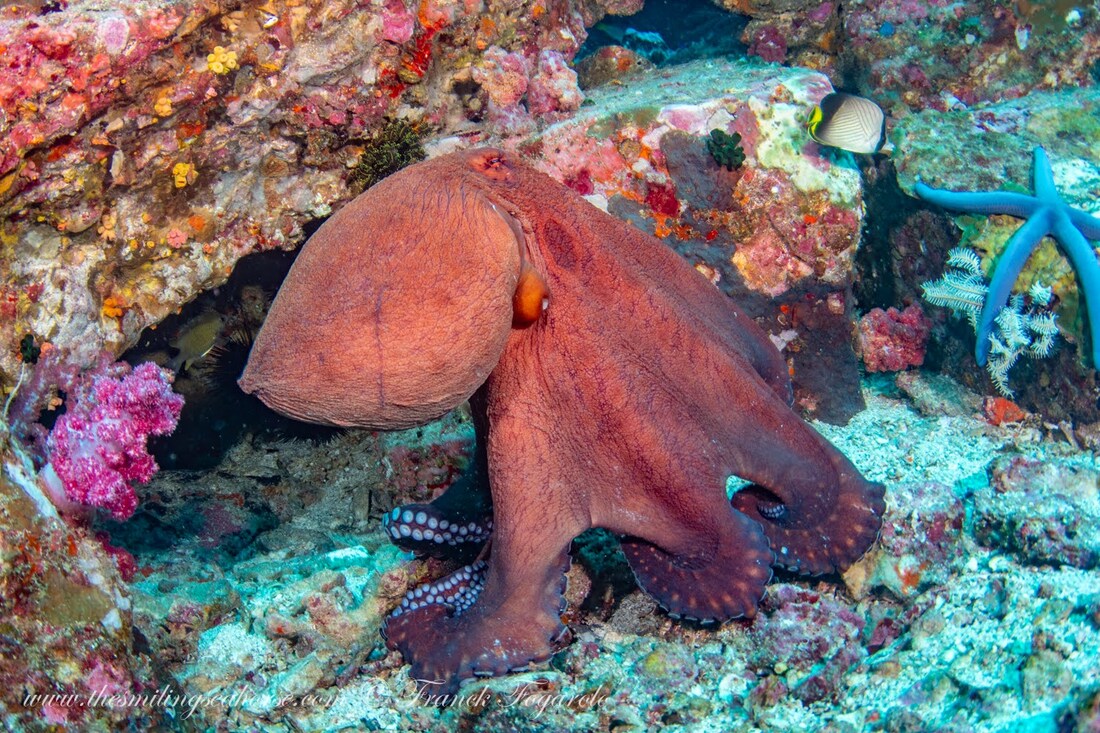
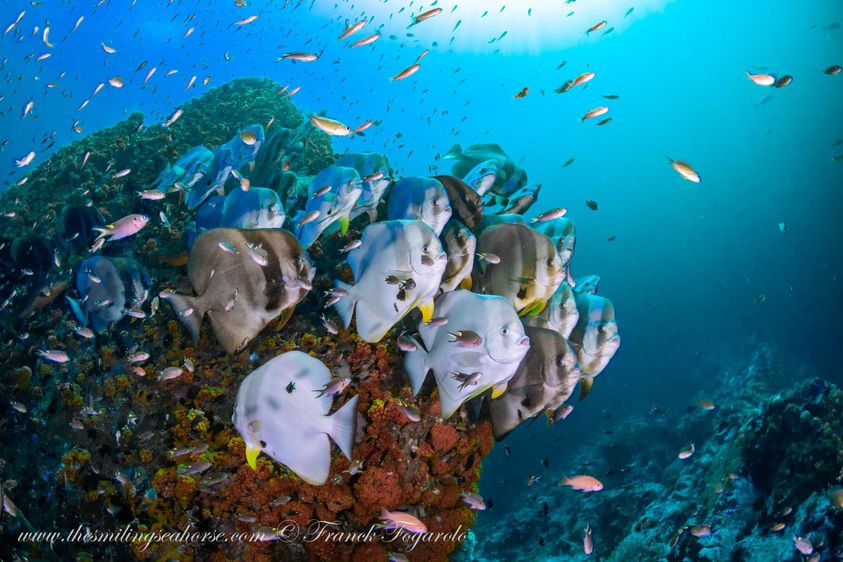
At North Twin Reef, we met a banded sea snake weaving through coral bommies, an octopus changing colours before our eyes, and a squad of batfish gliding gracefully in the blue. Mantis shrimps and lobsters completed the day’s macro highlights.
After our final dive, the Smiling Seahorse set course westward for the Burma Banks — a legendary chain of submerged plateaus rising from the depths of the Andaman Sea, located about 180 km offshore. These vast, remote reefs are known for their big pelagic life and pristine coral formations.
Porcelain crab in Mergui Archipelago, Myanmar
Blue bell tunicates, North Twin, Mergui Archipelago
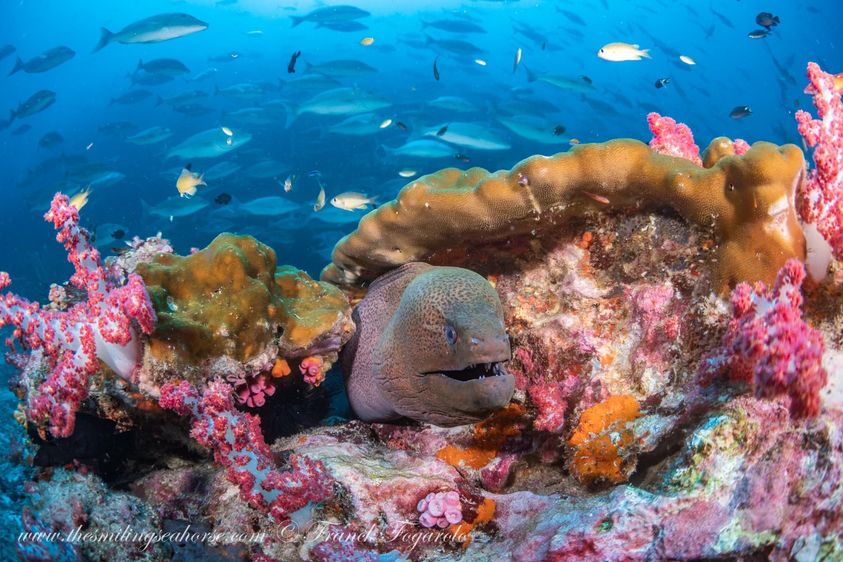
Giant moray eel in Mergui Archipelago, Burma

Day 5 — The Great Burma Banks

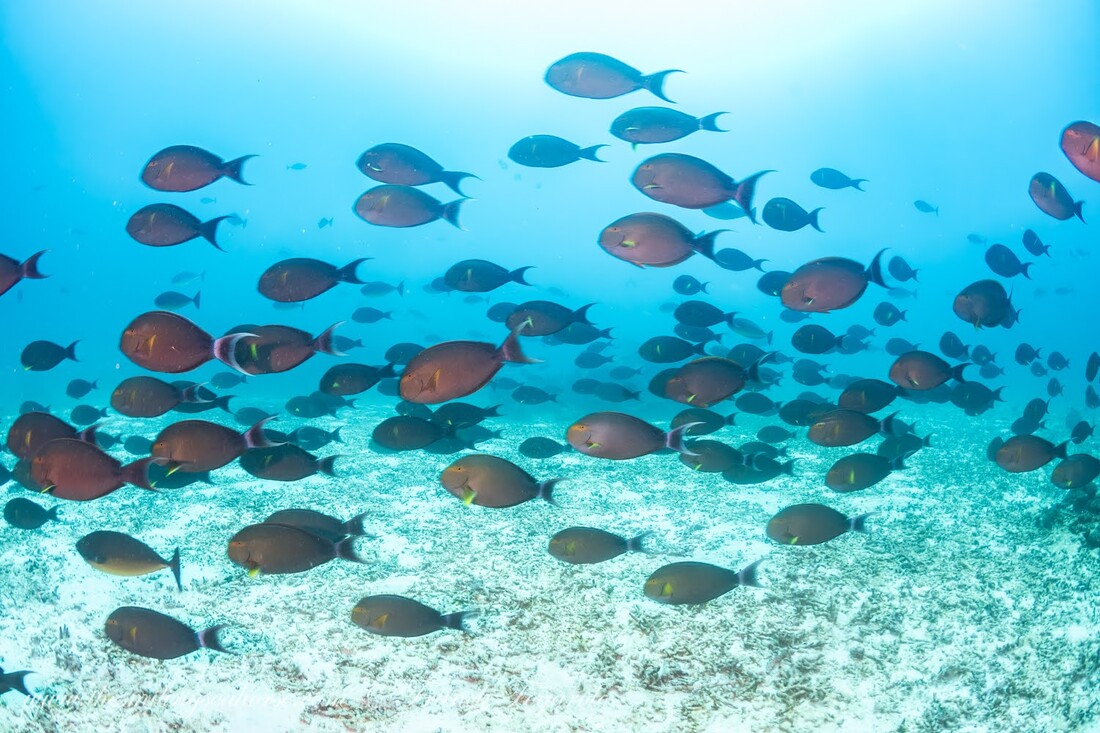
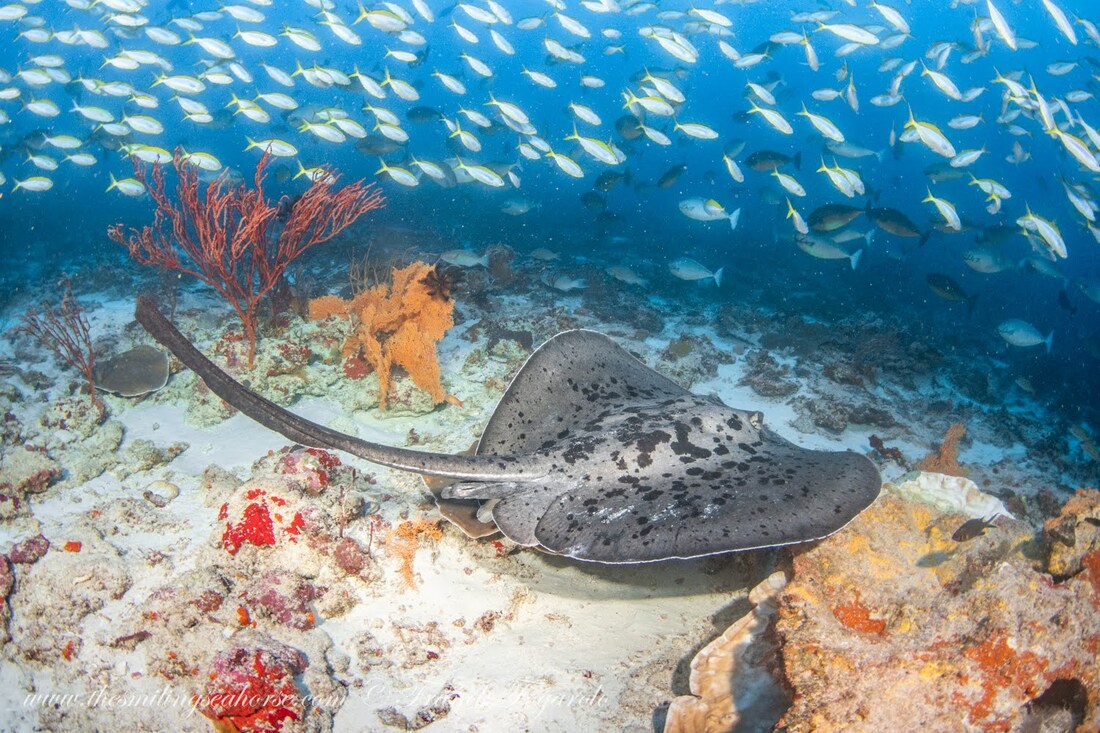
​Our first dives at Roe Bank revealed a world of giants — several nurse sharks resting on the sandy bottom, a mangrove whipray, and schooling black surgeonfish weaving around coral heads. Dogtooth tunas patrolled the outer slopes, keeping smaller reef fish in constant motion.
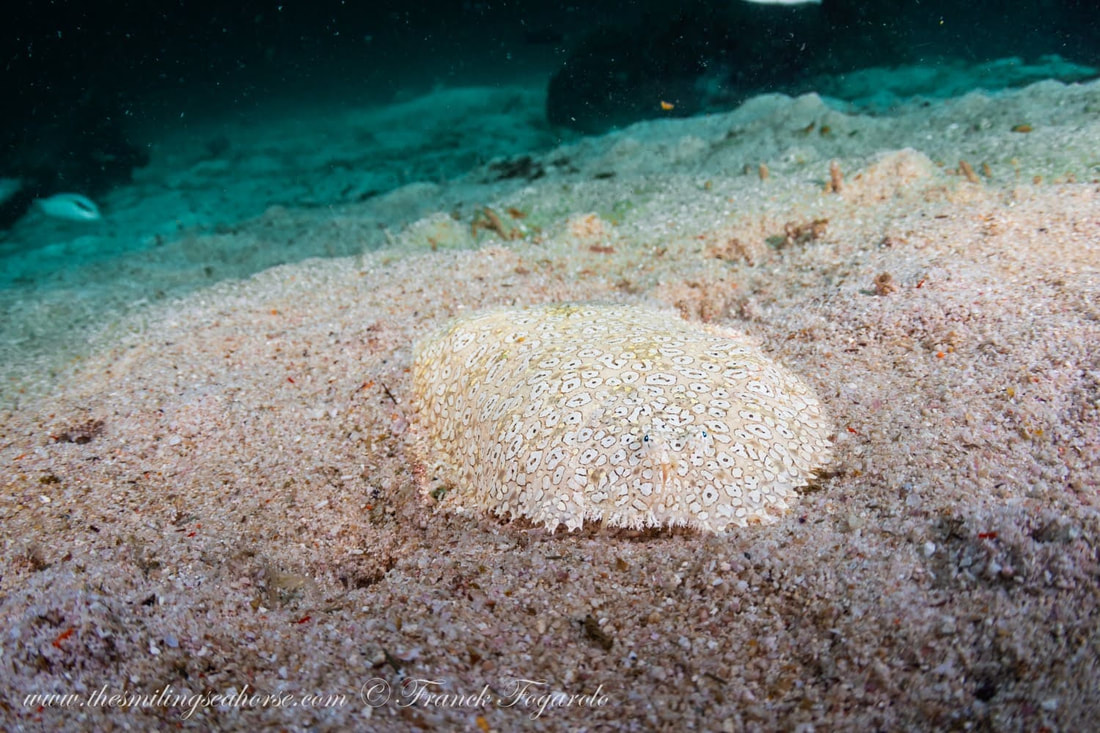
At Rainbow Bank, the spectacle continued — nurse sharks again, a stunning marble ray, three honeycomb moray eels, and a vibrant reef alive with emperor angelfish, surgeonfish, batfish, and butterflyfish. A Maldives sponge snail was spotted nestled among the corals — a treat for our keen-eyed photographers.
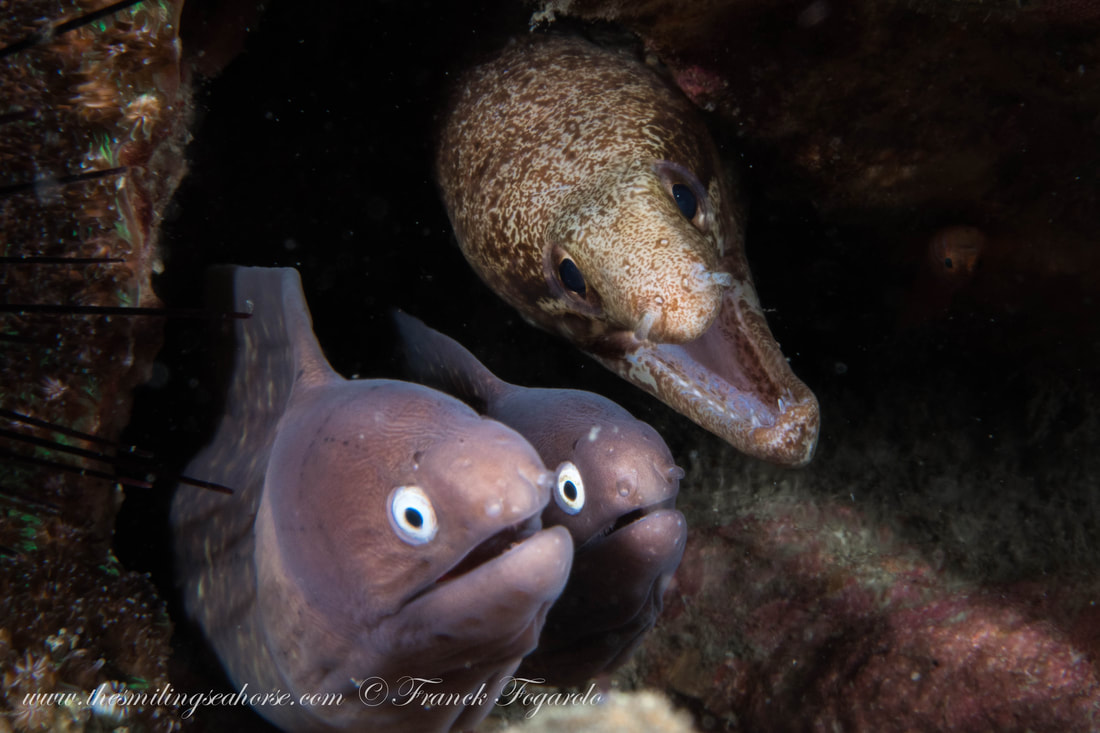
Honeycomb muray eel in Mergui Archipelago
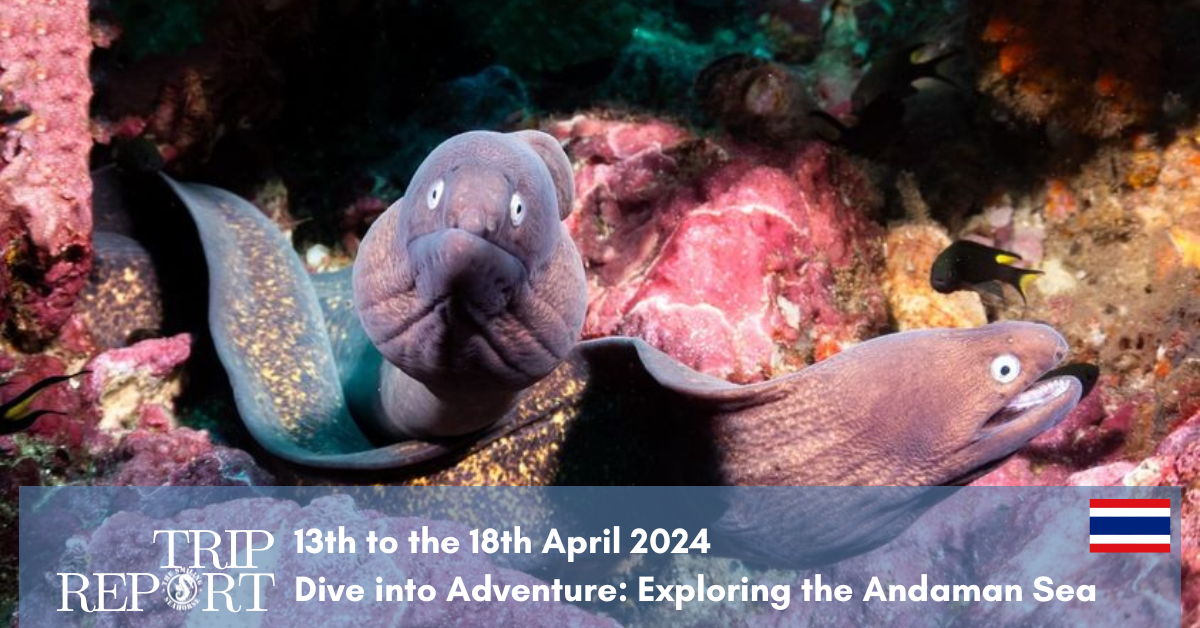
White eyes moray eels at Burma banks
Nurse shark in Burma Banks, Myanmar

Day 6 — Coral and Silvertip Banks

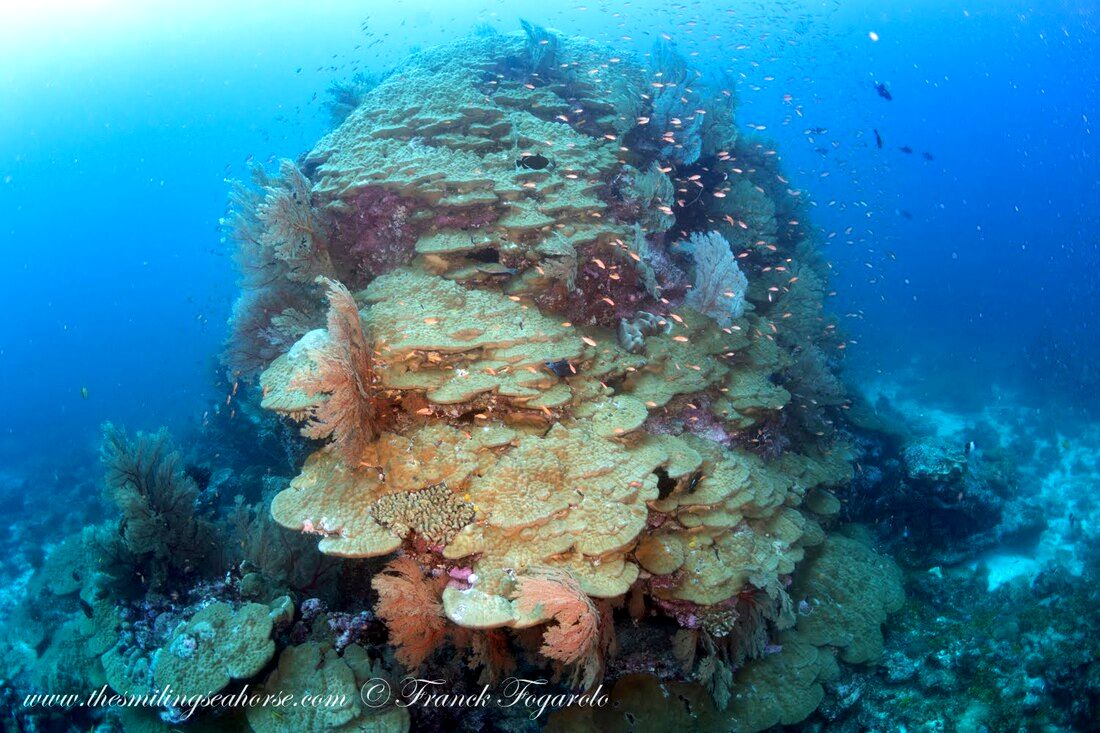
​The morning dives at Coral Bank lived up to its name — hard corals in excellent condition, surrounded by nurse sharks, whitetip reef sharks, and a flurry of wrasses, triggerfish, and parrotfish.
At Silvertip Banks, the energy was palpable. Grey reef sharks patrolled the plateau, nurse sharks lounged near coral heads, and a swimming zebra shark passed by trough clouds of anthias, surgeonfish, and bannerfish shimmered in the current.
Surgeonfish at Silvertip Banks
Anemone fish

Day 7 — Sea Fan Forest & Western Rocky

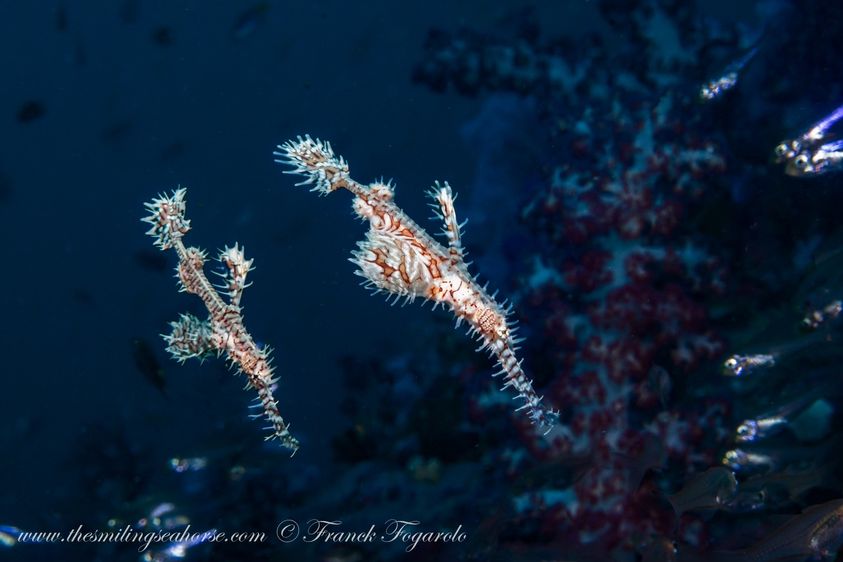
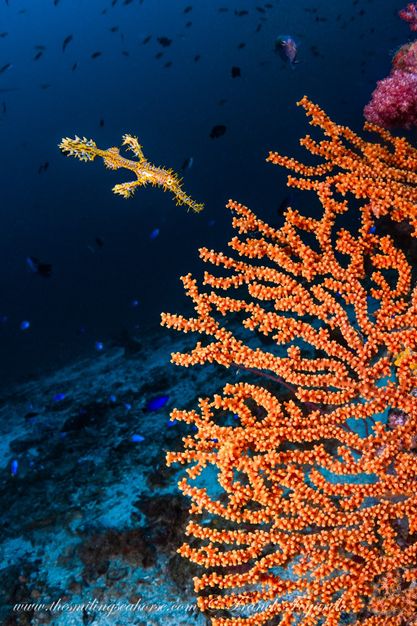
​Back among the islands, we explored Sea Fan Forest, where enormous gorgonian fans hosted ghost pipefish and schools of fusiliers and trevallies.
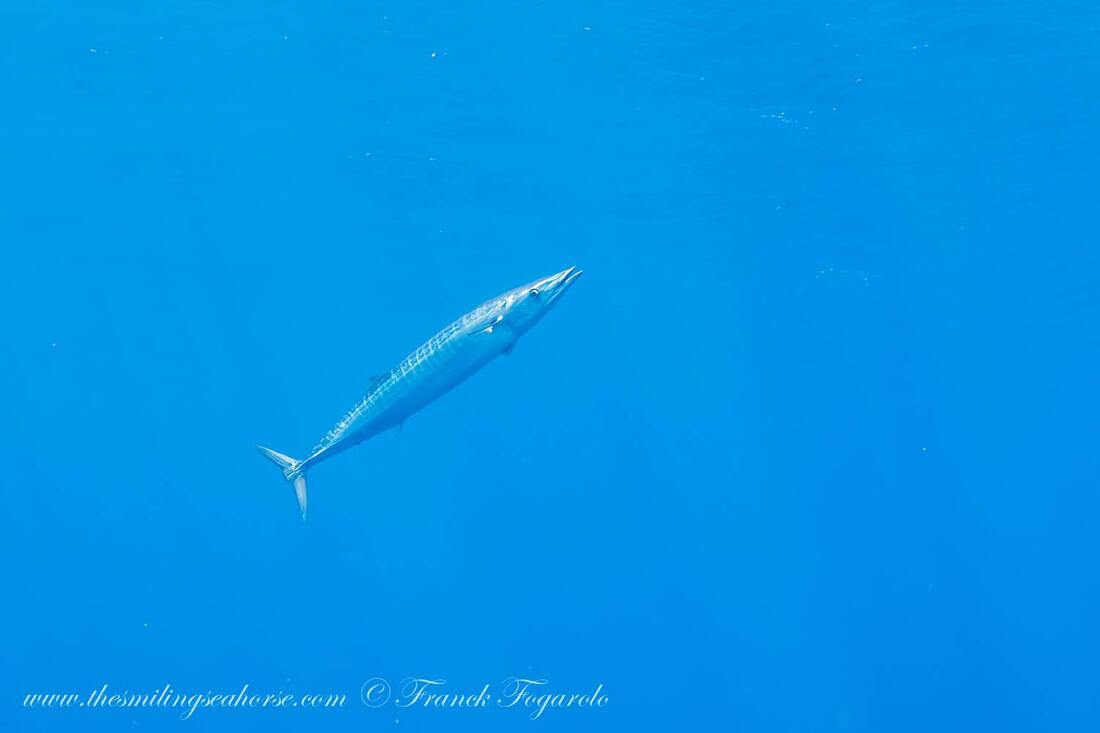
At Western Rocky Eagle Rock, large schools of white tongue trevallies and yellowfin barracudas filled the blue, while marble shrimps hid in the cracks.
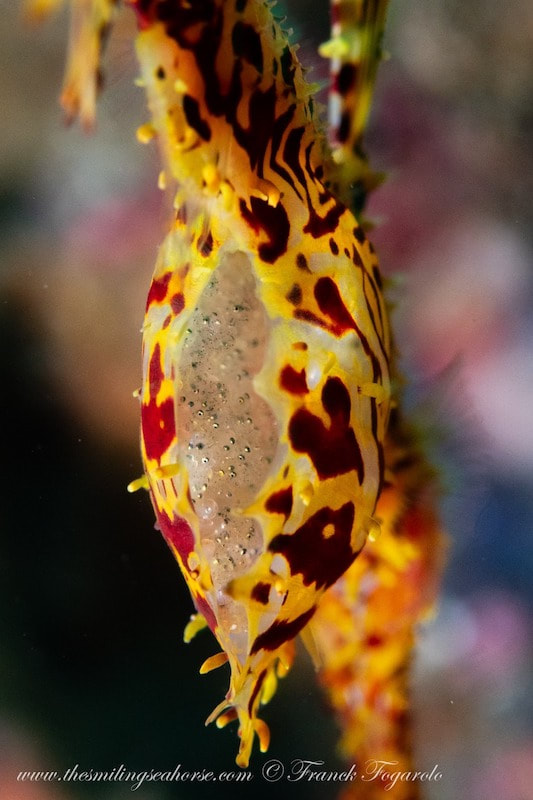
Our sunset dive in Western Rocky Cave brought us face to face with two Glossodoris nudibranch protecting its eggs, curious cuttlefish, and colourful reef fish preparing for nightfall.
enormous gorgonian fans hosted ghost pipefish
Golden mantis shrimp, Mergui Archipelago, Burma
Black tipped grouper, Mergui Archipelago
Glossodoris nudibranch in Western Rocky

Day 8 — Western Rocky Finale

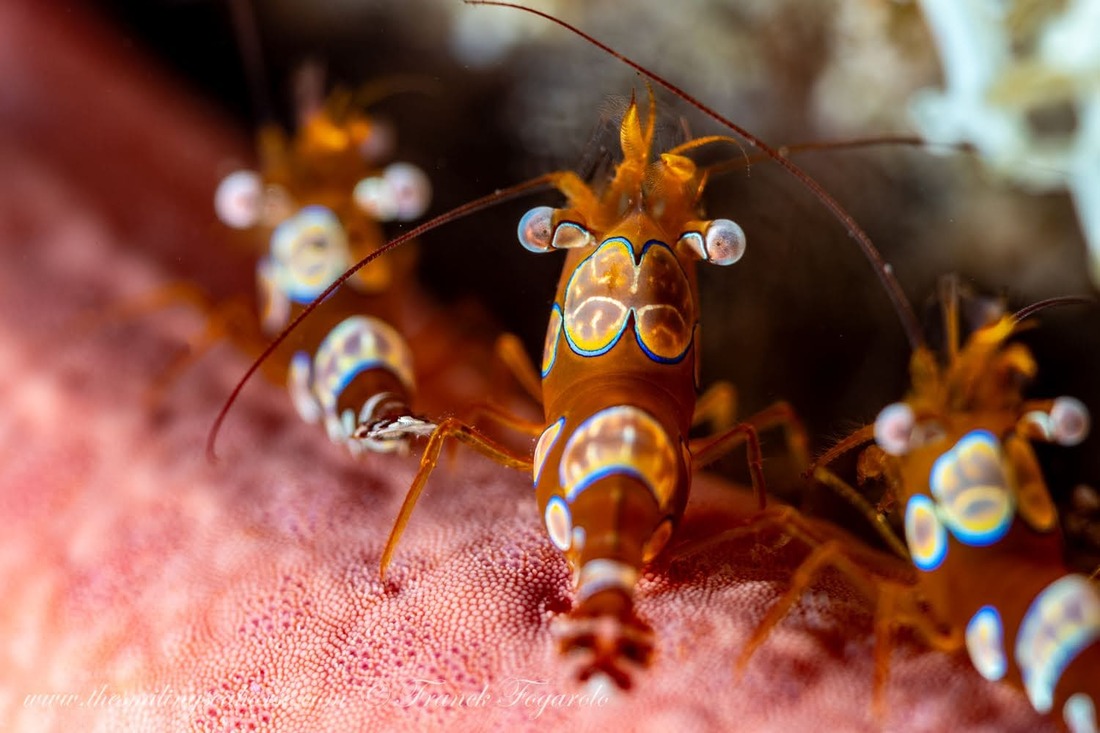
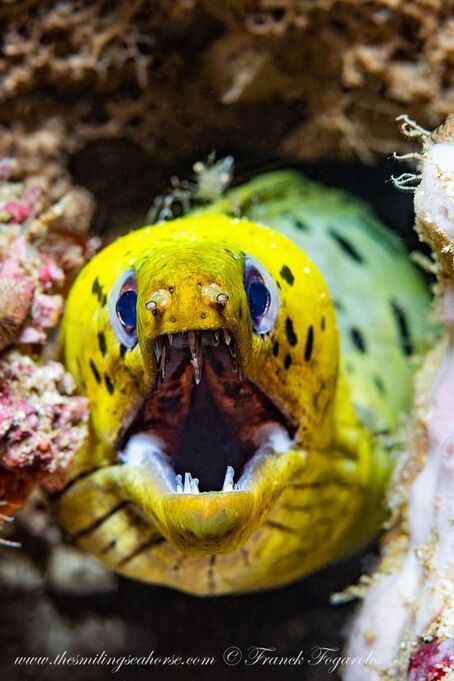
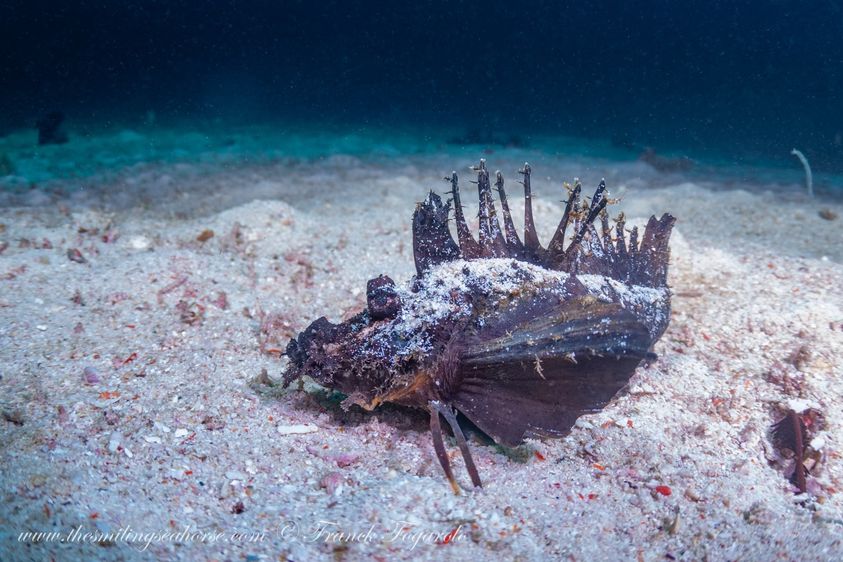
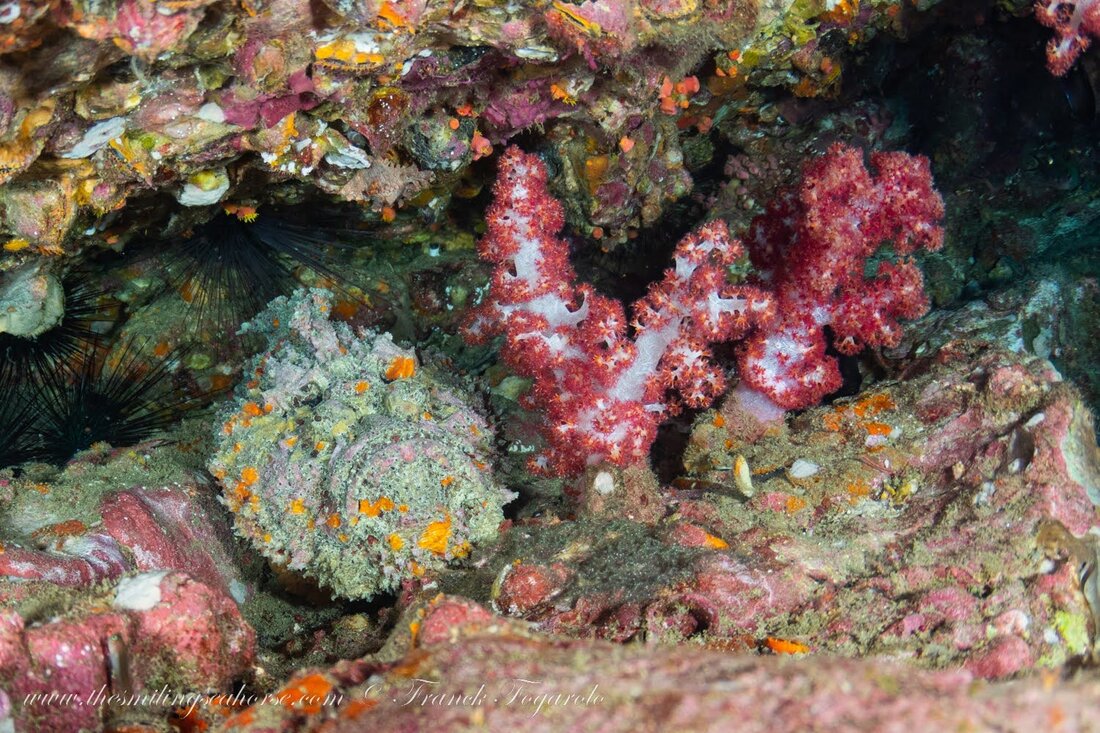
​We returned to Sea Fan Forest in the morning, spotting lionfish, devil scorpionfish, and a stunning fimbriated moray eel sharing a crevice with squat shrimps and a feisty spear mantis shrimp.
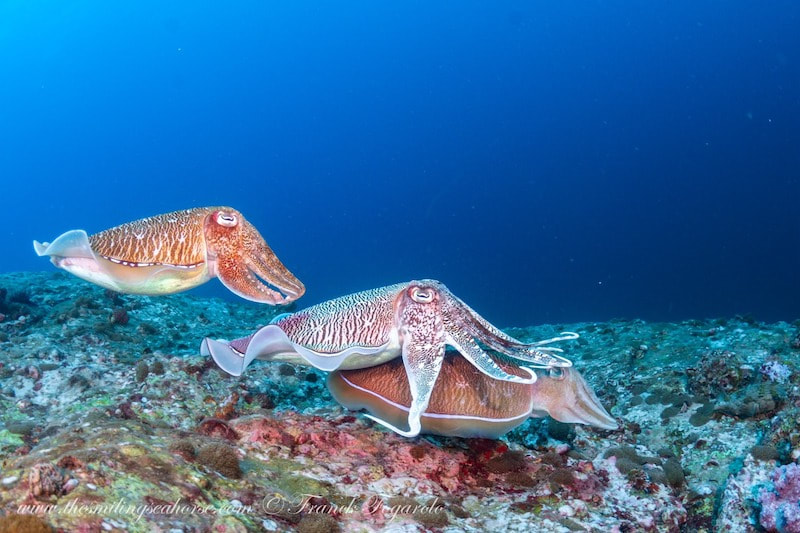
At Western Rocky Cave, a beautiful Chromodoris nudibranch added a pop of colour, while the final dives at Eagle Rock delivered dramatic cuttlefish mating and fighting scenes, plus a rare Pikachu nudibranch — the perfect finale for our photographers!
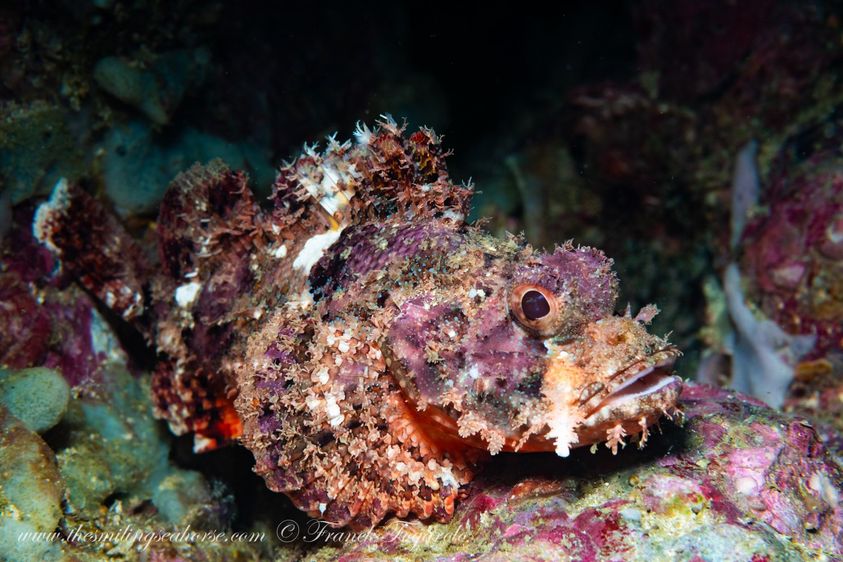
Devil scorpionfish in Sea Fan Forest, Mergui Archipelago
fimbriated moray eel in Mergui Archipelago, Burma
Lionfish, Mergui Archipelago, Myanmar
Beautiful cuttlefish in Myanmar
Chromodoris nudibranch in Western Rocky, Mergui Archipelago
Mantis shrimp in Western Rocky, Mergui Archipelago

Day 9 — Farewell Dive

Our last dive at Dendro’s Peak brought one more burst of colour — schools of snappers, fusiliers, yellowfin trevallies, and even a curious yellow boxfish to send us off.
With the dives complete, we headed back toward Kawthung for our traditional Burmese beers and final immigration clearance before returning to Ranong. The first trip of the season set the tone perfectly — thrilling dives, great company, and the magic of the Mergui Archipelago and Burma Banks welcoming us back once again.
See you underwater on our next adventure with MV Smiling Seahorse!
Spotted boxfish, Mergui Archipelago, Myanmar
Parrotfish eye
Picture
0 Comments

How do marine animals sleep under the sea?

2/10/2025

0 Comments

 
Picture

Exploring the Fascinating Sleep Patterns of Ocean Live

​The Ocean is home to a diverse array of creatures, each with its own unique behaviors and adaptations. While we often associate sleep with land-dwelling animals, marine life exhibits an intriguing variety of sleep patterns that are both fascinating and essential to their survival. From the depths of the ocean to coastal regions, understanding how these creatures rest provides a glimpse into the intricate balance of life underwater.
But before we speak about sleeping, let's speak first about breathing: among marine animals, you have to separate animals who can breathe underwater and animals who hold their breath… as that has a major impact on their napping habits!

1/ Animal that can breathe underwater

Parrotfish Create a Protective Sleeping Bag Out of Their Own Mucus and Rest Inside it
Fish can breathe underwater and don't need to reach the surface during their sleep!
​
Unlike humans, most fish do not have eyelids, making traditional sleep indicators challenging to identify, indeed you will never see a fish resting immobile with his eyes closed so scientific have studied their brain activity to determine sleep patterns.
Many species seek sheltered areas to rest, utilizing coral crevices, underwater caves, or even burying themselves in the sand. This behavior not only provides protection from predators but also offers a sense of security crucial for a restful slumber.
An interesting sleeping behavior that can be witnessed on most night dives in the Andaman Sea is the way parrotfish sleep at night: they produce a mucous membrane acting as their nocturnal sleeping bag, a smart way to get some defense against parasites who might want to attack overnight. On your next night dive, peek under rocks if you want to observe their slimy sleeping bags but remember that they do not have eyelids! Be a mindful night diver and avoid shining your lights directly at them as you might wake them up, and they will be protection less until the next day, as they will not have enough mucus to build a second sleeping bubble.
But not all species are able to get a good night rest, and some species are condemned to eternal insomnia:
Most Sharks and Rays need to keep on moving, day and night!
Manta Ray Photo: IC/ Franck Fogarolo
Oceanic Manta Ray sleep in mysterious ways...
​Most Sharks and Rays, aren't equipped with a swimming bladder and need to swim perpetually to avoid sinking to the bottom of the ocean and to keep on breathing.
Much like their cousins, the whale sharks, Manta rays are ram ventilators, a type of fish that relies on constant forward motion to force water containing oxygen into their mouths and over their gills.  Both of these ocean giants seem to vanish into the night, leaving researchers puzzled about their sleeping hideaways. Despite their large size and prominence during the day, these gentle giants manage to elude our understanding when night falls, sparking curiosity about their secret slumber spots and the unique way they navigate their rest in the mysterious depths of the ocean.
While it remains an untested hypothesis, some scientists believe that manta rays may be able to rest by shutting down one half of their brain while the other half remains active allowing them to continue swimming while still getting a form of rest.
 Their perpetual motion becomes a conscious journey that spans their impressive lifespans of 40-80 years, they might never experience sleep in their life!

2/Animals that hold their breath underwater

​Other popular animals that are constantly swimming are dolphins! These marine mammals cannot breathe underwater and need to come to the surface regularly to take a conscious breath of air!
Unlike humans (who continue breathing while sleeping), these marine mammals have voluntary breathing. They need to make a conscious decision to breathe. These creatures have a remarkable adaptation— unihemispheric slow-wave sleep. One hemisphere enters deep sleep for survival-related functions, while the other handles breathing and predator awareness. Unlike seals, cetaceans, including dolphins, are believed not to experience REM sleep, the dream phase.
  Dolphins can put half of their brain to sleep and keep on swimming
Dolphins can put half of their brain to sleep and keep on swimming
​Sperm whales are known to sleep vertically or in a near-vertical position in the water. They typically do this for short periods, usually lasting about 10 to 15 minutes. During this time, they are in a state of rest, characterized by a lowered metabolic rate and reduced activity.
Despite being asleep, they are semi-aware of their surroundings and maintain enough consciousness to continue breathing and avoid potential dangers. This state of rest allows them to rejuvenate and conserve energy while still being able to respond quickly to any threats in their environment.
​
Periodically, sperm whales need to come to the surface to breathe. They are mammals and, like other whales, are conscious breathers. They have blowholes located on top of their heads, which they use to exhale old air and inhale fresh air. Normally, they surface to breathe every 10 to 15 minutes. This surfacing behavior is not only for breathing but also coincides with their sleep patterns. They often rise to the surface to take a breath between their periods of logging.
This cycle of diving, logging, and surfacing is crucial for their survival, enabling them to balance the need for rest with the necessity of breathing and remaining alert to their surroundings in the vast ocean depths.
Sperm Whales logging: they go in a state of rest, but are never entirely unconscious. Photo: IC/James Ferrara
Reptiles, like sea turtles and sea snakes also need to come to the surface regularly to breathe, so what is their strategy to have a good night rest?
Hawksbill Turtle taking a snooze under a rock Photo: IC/ Franck Fogarolo
Hawksbill Turtle taking a snooze under a rock
​It is not uncommon while diving in the Andaman Sea to catch a hawksbill or green turtle, taking a snooze under a rock ledge during your dive. Indeed, studies have revealed that these magnificent sea turtles spend a significant portion of their time resting, amounting to about 11 hours a day, so you've got a 40% chance of seeing them asleep!
Sea turtles can sleep on the seabed thanks to their remarkable breath-holding ability and slowed metabolic rate, conserving oxygen during rest. Different species display varying sleeping styles—hawksbills and greens often revisiting the same sleeping spots, while Olive Ridleys may opt for sunbathing on beaches or floating on the surface while they sleep.

Conclusion

​Marine animals sleep in surprising ways. Some, like dolphins, keep one eye open while they snooze. Others, like green sea turtles, rest underwater for long stretches without needing to breathe. And as unbelievable as it may be, some marine creatures don't sleep at all!
Understanding these sleep patterns makes us wonder: How does the way they sleep help these animals survive in the ocean? Could their sleep secrets teach us more about how they live and adapt?
Exploring how marine animals sleep isn't just about bedtime stories. It's like opening a door to a world of mysteries hiding beneath the waves. As we learn more, we might uncover not just how they sleep, but also how their lives fit together in the big picture of ocean life.
0 Comments

10 Alien Creatures You’ll Only Encounter While Blackwater Diving

20/9/2025

0 Comments

 
Picture
​After sunset, the Andaman Sea between Thailand and Myanmar transforms into a mysterious, living galaxy. Beneath the surface, beyond coral reefs and moonlit shallows, unfolds the planet’s largest nightly migration — as billions of deep-sea creatures rise from the abyss in search of food.
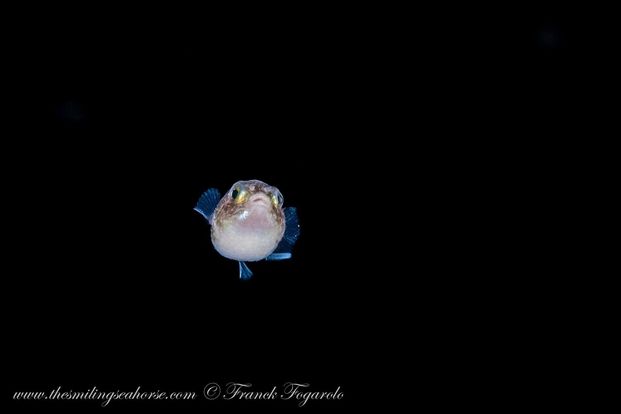
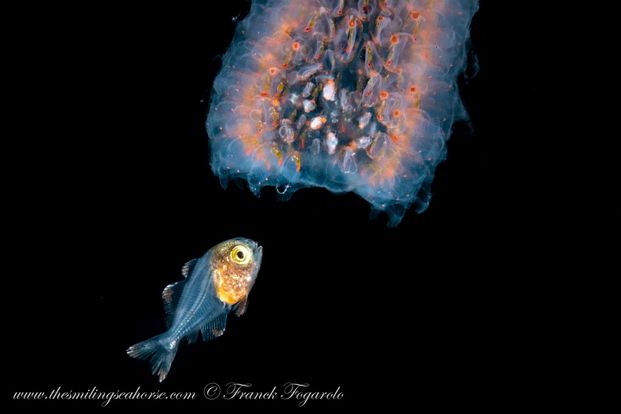
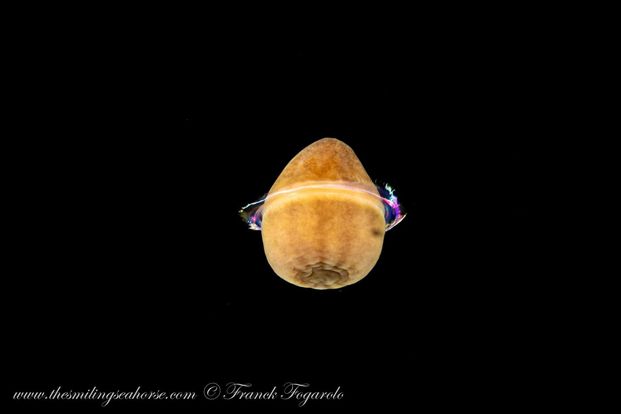
Blackwater diving offers a front-row seat to this breathtaking phenomenon. Suspended in the inky darkness by a tether line and surrounded by carefully placed lights, divers float above hundreds of meters of open ocean — face-to-face with glowing jellyfish, larval fish, paper-thin cephalopods, and other strange, rarely seen life forms.

What makes Blackwater Diving So Special?

Because it is offshore, ​Blackwater diving isn’t your regular night dive. It’s a window into the mesopelagic zone — the twilight zone of the ocean where light barely penetrates, and bioluminescence reigns supreme. Every night, marine larvae and deep-sea organisms make brief appearances near the water surface. Each dive is unpredictable, filled with fleeting encounters that might never happen again.
Whether you're in the Andaman Sea or Blackwater diving elsewhere, these are the 10 of the most extraordinary pelagic creatures divers may only encounter on blackwater dives.

​1. Blanket Octopus (Tremoctopus spp.)  

Picture
Picture
​The Blanket Octopus (Tremoctopus spp.) is a striking deep-sea cephalopod known for the large, web-like membranes that trail from the arms of females, resembling a flowing blanket. This structure is used for defense, making the octopus appear larger to predators. Females can grow over 2 meters long, while males are tiny, rarely exceeding a few centimeters—one of the most extreme examples of sexual size dimorphism in the animal kingdom. Found in warm open oceans worldwide, Blanket Octopuses are solitary and rarely seen. They are capable swimmers and can detach parts of their web to distract threats. Remarkably, some use the stinging tentacles of Portuguese man o’ war as tools for defense and hunting.

2. Ctenophores (Comb Jellies)

Picture
Picture
​Comb jellies are among the longest-roaming invertebrate marine creatures on planet Earth. These carnivorous and voracious predators are delicate and gelatinous in structure. They possess eight rows of cilia-bearing plates used for “combing” and propelling themselves through the water. These plates can also produce and refract low levels of light.
Their bodies are composed of more than 95% water and lack respiratory, circulatory, excretory, and skeletal systems. Some species, such as Beroe forskalii, have a mouth used for biting prey — often other ctenophores — and anal pores for excretion.
Other species feature two tentacles covered with sticky cells called colloblasts, which are used to snare prey and draw it toward their mouths. Digestion occurs when enzymes liquefy the captured prey, with the remains expelled either through the mouth or the anal pores.

3. Eel Larvea

Picture
Picture
Eel larvae, known as leptocephali, are the transparent, ribbon-like early life stage of many marine eel species. Unlike typical fish larvae, leptocephali are laterally compressed, leaf-shaped, and nearly invisible in the water, offering excellent camouflage in the open ocean. They drift with currents for extended periods—sometimes months or years—feeding on dissolved organic matter and marine snow. During this pelagic phase, they grow before undergoing metamorphosis into the more cylindrical "glass eel" stage. From there, they begin their migration toward coastal habitats. The leptocephalus stage reflects the eel’s complex life cycle and plays a key role in marine ecosystems as both predator and prey.

4. Paper Nautilus (Argonauta argo)

Picture
Picture
The Paper Nautilus (Argonauta argo) is a rare pelagic octopus known for the delicate, paper-thin shell produced by females. Unlike true nautiluses, this shell is not for protection but serves as an egg case and buoyancy aid. Females can grow up to 30 cm and are significantly larger than the tiny, shell-less males. A. argo lives near the ocean surface and is found in warm and temperate seas worldwide. It preys on small crustaceans and jellyfish, using its webbed arms to capture food. The species is known for its graceful movement and is often seen floating or drifting with ocean currents. Despite its fragile appearance, the Paper Nautilus is a highly adapted and mysterious cephalopod, captivating scientists and divers alike with its unique reproductive behavior and ephemeral beauty.

5. Tripod Fish Larvae

Picture
Tripod Fish
Youtube

Picture
Tripod fish larvae are the juvenile form of deep-sea tripod fish, typically belonging to the genus Bathypterois. Unlike their adult counterparts, which rest on the seafloor using elongated fin rays like stilts, the larvae are pelagic and drift in the open ocean. They are nearly transparent, with soft, delicate bodies adapted for life in the water column. As they develop, the characteristic elongated pelvic and caudal fin rays begin to form, eventually enabling the unique tripod stance seen in adults. These larvae feed on plankton and rely on ocean currents for transport. Their transition from free-floating juveniles to benthic ambush predators is one of the many fascinating adaptations of deep-sea life, reflecting the complexity of marine developmental stages in extreme environments.


6. Snake Blenny Larvae

Picture
Snake blennies 
Blackwater diving - YouTube
Picture
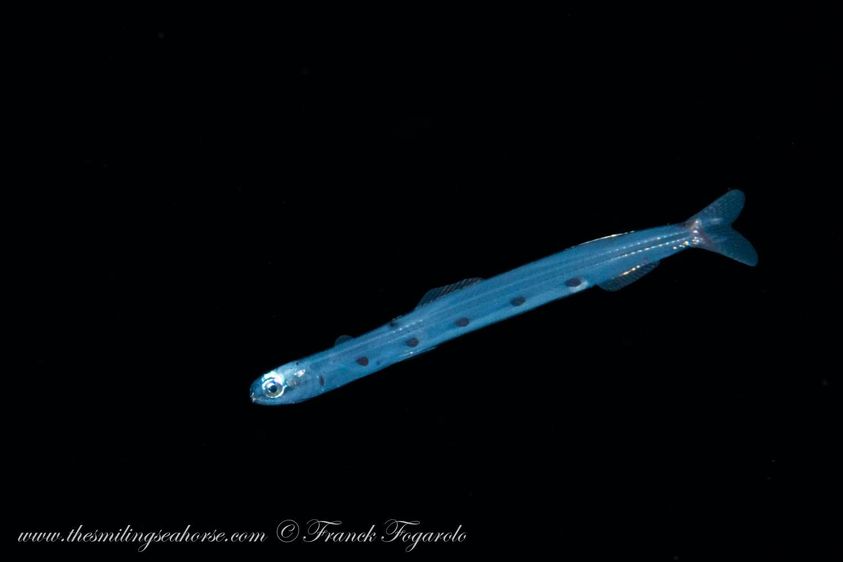
Snake blenny larvae are the early life stage of elongated, eel-like fish in the family Stichaeidae, found in cold and temperate marine waters. Unlike the benthic adults that dwell near rocky or sandy substrates, the larvae are pelagic, drifting in the upper ocean layers. They are nearly transparent, with slender, ribbon-like bodies that offer camouflage from predators. Their large eyes and minimal pigmentation help them navigate and feed on microscopic plankton. As they grow, they begin to develop the characteristic elongated dorsal and anal fins of adult snake blennies. This transformation from a drifting larva to a bottom-dwelling fish illustrates the complex life cycle of many marine species, adapted for survival in both pelagic and benthic zones.

7. Amphipods

Picture
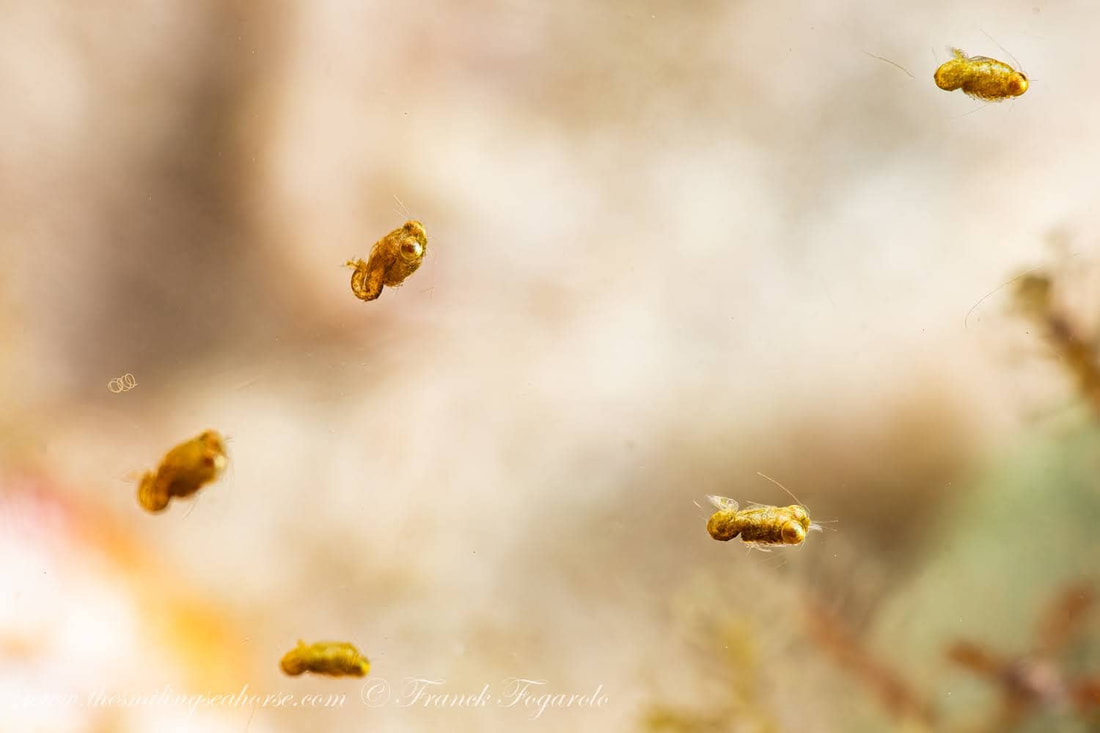
​Amphipods are small, shrimp-like crustaceans found in marine, freshwater, and even terrestrial environments. With laterally compressed bodies and no carapace, they range in size from a few millimeters to several centimeters. Amphipods are incredibly diverse, with over 10,000 known species, including pelagic, benthic, and parasitic forms. They play vital ecological roles as scavengers, herbivores, and prey for larger animals. Many species live among algae, sediment, or detritus, while others, like deep-sea amphipods, inhabit extreme environments. Their bodies are segmented, with distinct head, thorax, and abdomen regions, and equipped with specialized limbs for swimming, burrowing, or clinging. Amphipods are key contributors to nutrient cycling and food webs across ecosystems.

8. Pelagic Seahorses (Hippocampus spp.)

Picture
Pelagic Seahorse
Blackwater diving - YouTube
Picture
Pelagic seahorses (Hippocampus spp.) are a rare group of seahorses that live in the open ocean, drifting with currents rather than anchoring to reefs or vegetation like most of their relatives. These seahorses are often found clinging to floating debris, seaweed, or Sargassum, using their prehensile tails for stability. Their bodies are upright, armored with bony plates, and capable of subtle color changes for camouflage. Pelagic seahorses feed on tiny planktonic crustaceans, sucking them in through their tubular snouts. Males carry fertilized eggs in a specialized brood pouch until giving birth to fully formed young. Their life in the open sea makes them difficult to study, but they are a vital part of surface marine ecosystems.

9. Larval Flounder

Picture
Flounder
Blackwater diving - YouTube
Picture
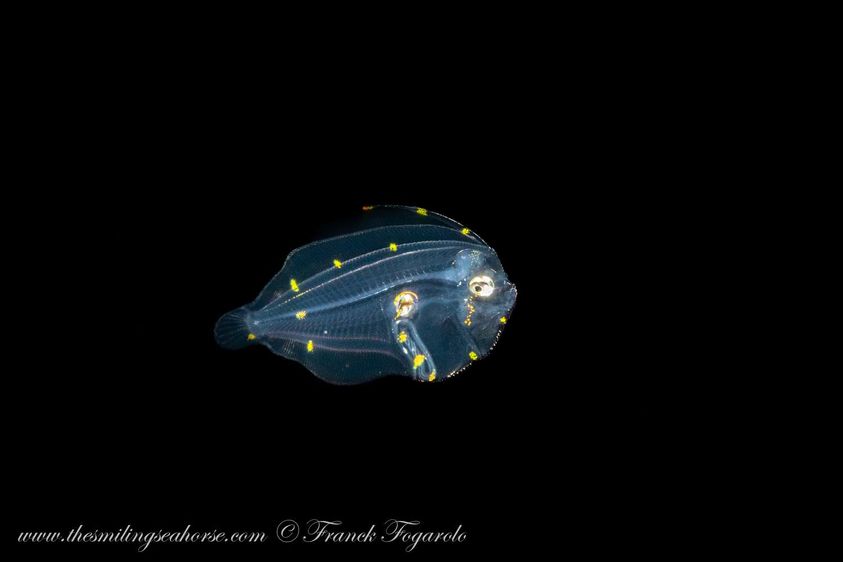
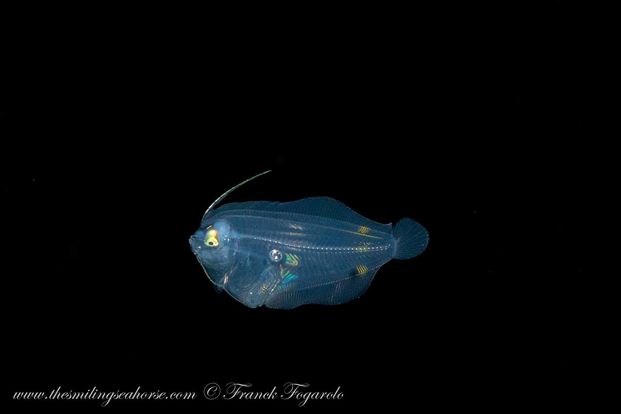
The larval stage of flounders marks a dramatic transformation in these flatfish. After hatching, flounder larvae are symmetrical and free-swimming, resembling typical fish with an eye on each side of the head. As they develop, a unique metamorphosis occurs: one eye migrates to the opposite side, and the body flattens to adapt to a benthic lifestyle. During this stage, larvae drift in the plankton-rich upper ocean, feeding on microscopic organisms. Their bodies are mostly transparent, aiding in camouflage from predators. Once metamorphosis is complete, the juvenile flounder settles on the seafloor, lying on its blind side. This complex development allows flounders to exploit both pelagic and benthic environments during their life cycle.

10. Squid Larvea

Picture
Inshore Squid
​Blackwater diving - YouTube
Picture
Squid larvae, also known as paralarvae, are the early life stage of squids, emerging from eggs as miniature, free-swimming versions of adults. They are planktonic, drifting in the upper layers of the ocean where they feed on microscopic organisms. These larvae are transparent or semi-transparent, aiding in camouflage, and possess large eyes and developing tentacles. Unlike true larvae, squid paralarvae do not undergo a complete metamorphosis but gradually grow into their adult form. As they mature, they develop the muscular mantle, chromatophores, and jet propulsion used in adult locomotion. Squid larvae play a vital role in marine food webs, serving as prey for fish and other predators while beginning their own journey as agile hunters.

Blackwater Dive Briefing – Safety, Awareness & Expectations

Picture
​Blackwater diving is a thrilling and unique experience, but it requires preparation, awareness, and respect for others in the water to ensure a smooth and enjoyable dive for everyone.
​
What to Expect:
 You’ll be tethered to a central downline, suspended in open water hundreds of meters deep, surrounded by darkness and illuminated only by strobes or torches. The environment can be disorienting at first, but it’s also incredibly exhilarating—offering glimpses of rare pelagic life.

​Safety & Prerequisites:
●  This dive is not for beginners—advanced certification and solid buoyancy control are essential.
●      Prior night diving experience is strongly recommended.
●      Always stay aware of your depth and proximity to the downline.
For underwater photography, use a red focus light to avoid scaring away the animals.

​Diver Etiquette & Spatial Awareness:
●   Be mindful of your light control—waving your torch around can disturb marine life and irritate other divers. Avoid shining it in other people's eyes, especially when pupils are fully dilated in the dark.
●     Always be conscious of your 3D space: move slowly, maintain vertical awareness, and never swim directly under another diver—your bubbles can scare off the subjects they’re observing.
●      It's helpful to coordinate depth zones among divers during the briefing, allowing everyone enough room and reducing overlap. Agreeing on a depth rotation plan can also enhance everyone’s experience.

Personal Tip:

Picture
There’s no perfect depth—what works for one diver may not work for another. I find it useful to explore away from the group and return regularly to the main line. This gives space for quiet observation while maintaining a safe reference point.
Stay calm, be respectful, and enjoy the mysterious magic of the blackwater world.
​

When and Where to Dive

Picture
In the Andaman Sea, between Thailand and Myanmar, we’ve been spotting more critters during the full moon — when tidal movement is at its peak.

​While blackwater diving is technically possible year-round, we only offer it during the national park season, which runs from October to May.

​All our cruises include one FREE blackwater dive
when conditions are safe and suitable!

Book Your Blackwater Adventure!

Ready to go beyond the reef and into the unknown? Blackwater diving is an unforgettable highlight of any dive trip — a surreal mix of science, mystery, and raw ocean wonder. Witness alien-like creatures rise from the depths in an experience like no other.
​
Check our cruise schedule and find the perfect departure to experience this one-of-a-kind dive...
0 Comments

Shoot schools of fish like a pro! UW photography guide

1/9/2025

0 Comments

 
How to shoot schools of fish like a pro
Photographing schools of fish is an exhilarating and captivating experience. Their synchronised movements create stunning patterns, and when captured well, these images can become mesmerizing pieces of art. However, shooting schooling fish presents unique challenges that require a blend of technical expertise, artistic vision, and patience.
​

Whether you are a novice or an experienced underwater photographer looking to enhance your skills, these seven essential tips will guide you in mastering the art of photographing schools of fish like a pro. By fine-tuning your equipment, learning fish behavior, and employing effective lighting and composition techniques, you can elevate your underwater photography game.

7 Essential Tips To Mastering The Art Of Photographing Schools Of Fish

1. Gear Up: Wide-Angle Lens and Proper Strobe Placement 

To effectively capture the dynamic nature of schooling fish, a wide-angle lens is indispensable. Wide-angle lenses allow you to capture the full scope of a school in one frame, giving your shots a sense of scale and grandeur. Popular choices among professionals include fisheye lenses, such as the Tokina 10-17mm, which provide a wide field of view with minimal distortion. This is particularly useful when you are working in close proximity to your subjects.

Lighting in wide-angle underwater photography poses a greater challenge than in macro photography due to the larger subjects or scenes you are working with. It can be difficult to fully illuminate a wide scene with just strobe light, and the added challenge comes from backscatter—the tiny white specks caused by light bouncing off particles in the water. This can ruin your shot, along with the possibility of creating distracting hot spots in your images from overly reflective fish.
​

To avoid these issues, position your strobes wide, slightly behind the housing of your camera, and angled outward. This technique helps minimize backscatter and prevents harsh reflections from highly reflective fish, allowing for a more balanced exposure that maintains the natural beauty of the scene
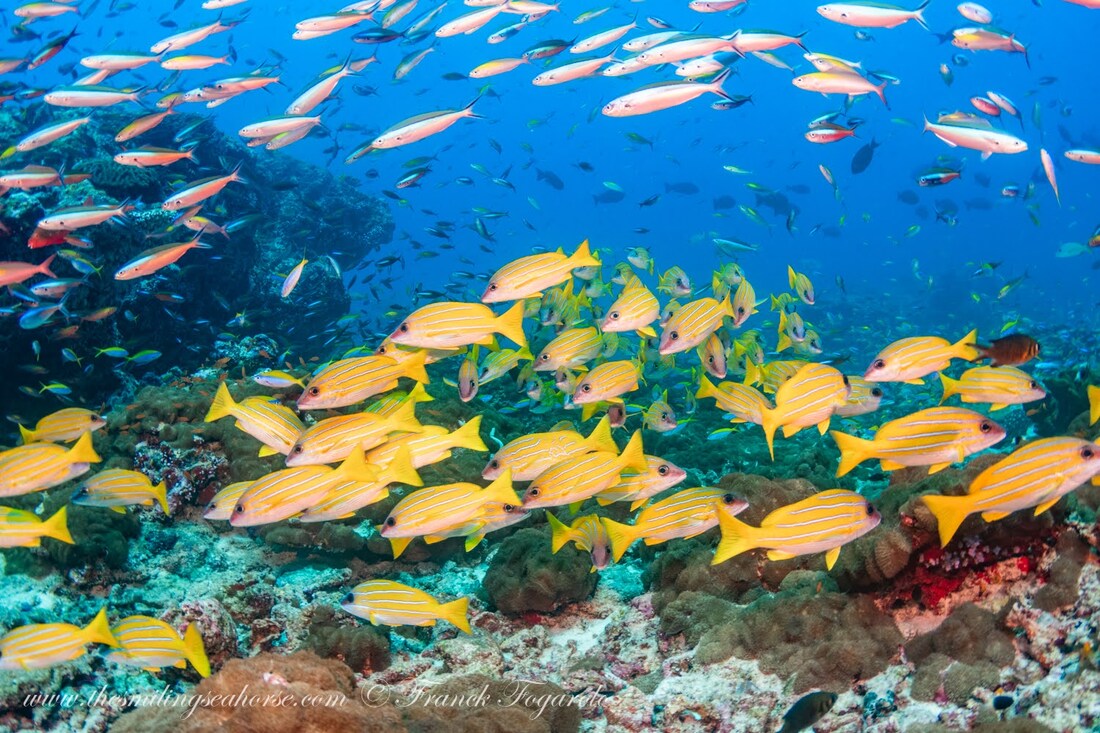
school of sweetlips

​2. Camera Settings: Shutter Speed, Aperture, and ISO

When adjusting your aperture, think about your distance from the school of fish.

For shots taken from a distance, an aperture of F5.6 is suitable; for mid-range subjects, F8 works well; and for close-ups in well-lit conditions, F11 will give you a sufficient depth of field to keep both the foreground and background sharp.
​

If you find yourself in low-light conditions or at deeper depths, you may need to increase your ISO to maintain proper exposure. Raising the ISO (up to 800 or higher, depending on your camera’s capabilities) helps balance the need for fast shutter speeds and smaller apertures without sacrificing image quality. This balance is critical for capturing well-exposed images in the often challenging underwater environment.
understanding aperture in underwater photography
Achieving the right camera settings is crucial for freezing action and ensuring sharpness in your images.

Schools of fish are often in constant motion, so you’ll want to use a fast shutter speed—at least 1/125th of a second, but preferably faster.

​For larger schools or particularly speedy species, consider increasing your shutter speed to 1/250th or even 1/500th to ensure you capture the action without motion blur.
understanding shutter speed in underwater photography

3. Composition: Create Depth with Strategic Framing

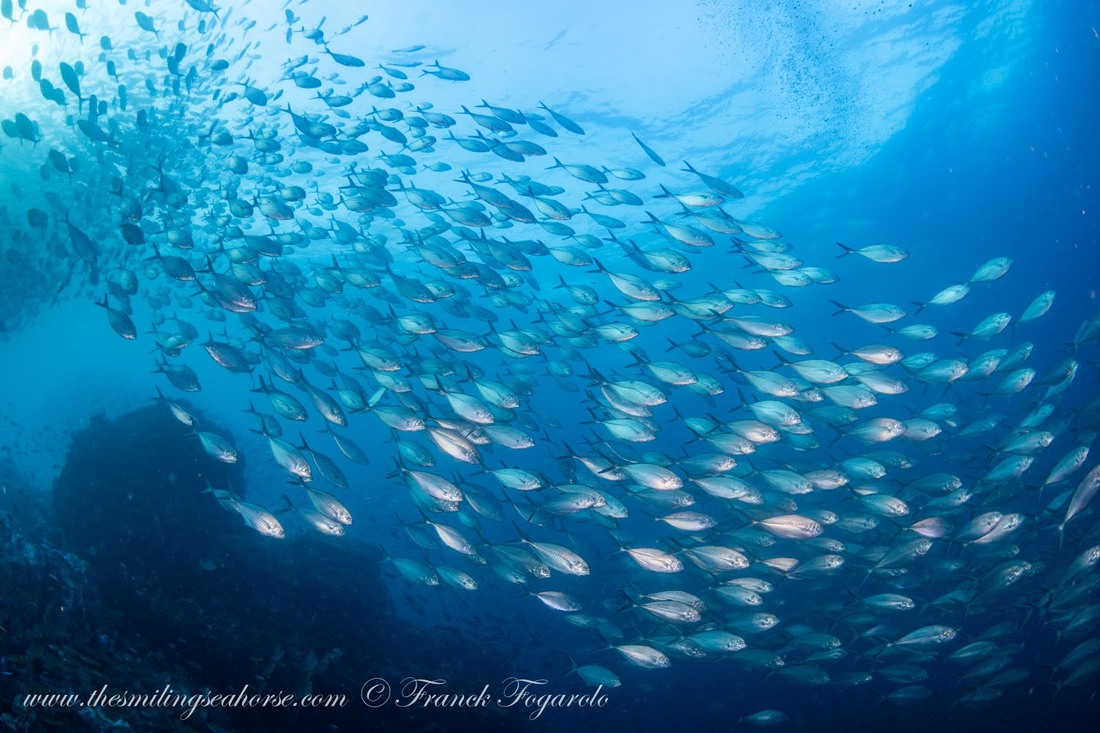
Capturing the grandeur of a school of fish requires more than just technical precision; it demands creative composition as well. One effective way to add depth to your shots is by positioning yourself below the school and shooting upward. This perspective gives a sense of scale and showcases the fish against the surface, often allowing for beautiful lighting or rippling water as a backdrop.
​

As schools of fish move together, they often form fascinating patterns such as circles, lines, or spirals. Use these natural formations to create leading lines in your composition. Leading lines guide the viewer's eye through the image, making it more visually engaging.
understanding compostion in underwater photography
create depth within your frame
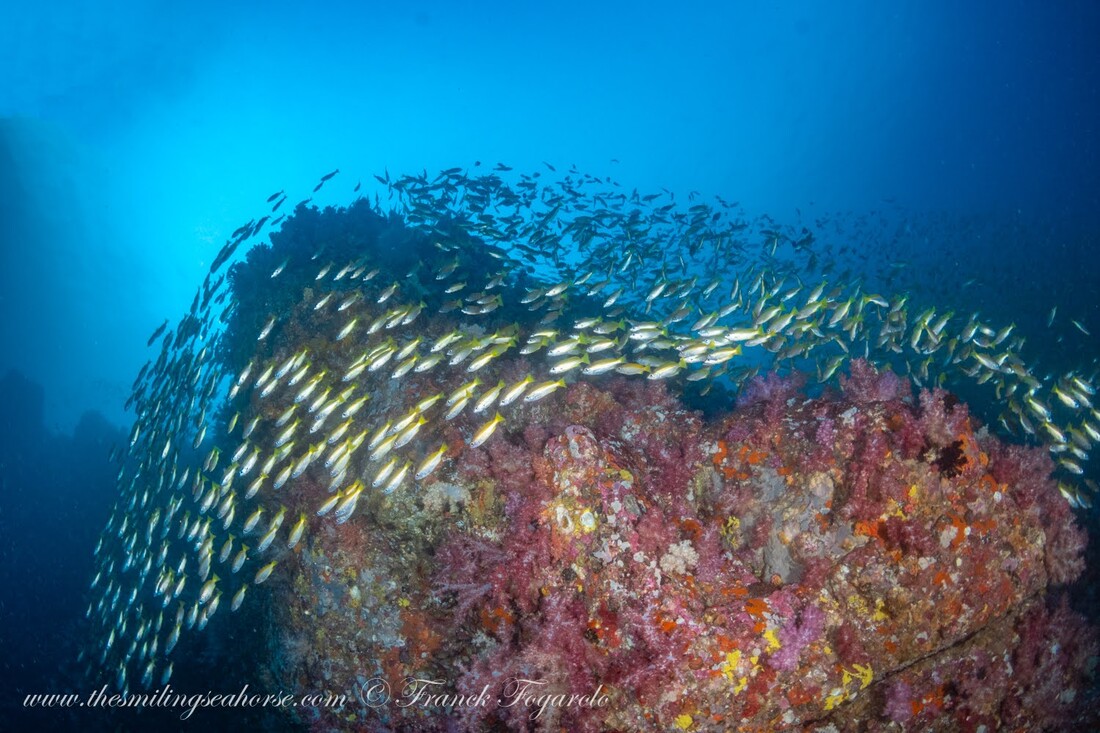
For even more dramatic results, frame the school against colorful coral reefs, sea fans, or other underwater elements.
frame the school of fish within a reef scene for more dramatic results
Another useful composition technique is to incorporate divers or larger marine animals into the frame. This approach provides a sense of scale and can make the image more immersive, helping viewers appreciate the size and movement of the school.
this trevalli give a better idea of the size of the school of glassfish
This trevalli gives a better sense of scale to this glassfish school

​4. Mastering Natural Light and Strobes

Understanding how light behaves underwater is essential for capturing stunning images.
​The quality of light changes dramatically as you descend, with colors fading and shifting at greater depths. Shallow waters often allow for vibrant colors and clear visibility, while deeper dives may require careful consideration of your lighting options. 
In shallow, clear waters, natural light can create beautiful effects, especially if you shoot upwards towards the surface.
understanding light in underwater phototgraphy
Sunlight create beautiful effects
lighting your subject underwater
​However, as you dive deeper, relying more on strobes becomes necessary to bring out the true colors of the fish and prevent a washed-out appearance in your images.
​

The key to effective strobe use lies in balancing artificial lighting with available ambient light. When photographing schools of silvery or reflective fish, it’s wise to turn down your strobe power to avoid hot spots and overexposure. Instead of directly front-lighting your subjects, try using side or backlighting. This technique creates shadows that emphasize the textures and shapes of the fish, enhancing the visual impact of your photos without overwhelming the viewer with bright reflections
the deeper you go the more artificial light you need

​5. Predict Fish Behavior: Anticipate Movement for Better Shots

Understanding fish behavior is critical for capturing compelling images. Schools of fish often change direction rapidly, and they may scatter if they sense a predator or diver approaching. Spend some time observing their movements before you begin shooting. This patience will allow you to anticipate where the school may move next, enabling you to position yourself effectively.
​

When approaching the school, try to do so slowly and quietly. The sound of your bubbles can easily startle fish and cause them to disperse. By holding your breath and moving gently, you can get closer to the school without disturbing their natural formation. If the fish do scatter, take a moment to wait and observe, as they will likely regroup and resume their previous behaviour.

It can also be helpful to use your dive buddy to your advantage. By coordinating with them, you can create a natural pathway for the fish to follow, leading them closer to you for the perfect shot.
predict behaviour for killer shots underwater
tell your diving story through photography

​6. Use Depth and Scale to Your Advantage

One of the most impressive aspects of a large school of fish is its sheer scale. To convey this sense of magnitude in your photographs, consider incorporating elements that provide context, such as a diver, a coral reef, or other marine life. This not only adds interest to the shot but also helps viewers appreciate the size and beauty of the school.
using depth of field in underwater photography of schooling fish
schooling barracudas in black and white effect
To create a sense of depth, experiment with layering your compositions. Place elements in the foreground, mid-ground, and background to draw the viewer’s eye through the image. For instance, shooting through a school of fish with a diver or coral in the foreground can create a more immersive experience.


​Additionally, consider using techniques like “panning” to convey movement and energy. Panning involves following the movement of the fish with your camera while using a slower shutter speed. This technique can create a beautiful blur effect, emphasizing the speed and grace of the schooling fish while keeping your subject relatively sharp.
underwater photography, understanding the panning effect

​7. Post-Processing Techniques for Stunning Results

Once you’ve captured your images, the work doesn’t end there. Post-processing is a crucial step in enhancing your underwater photography. Editing software like Adobe Lightroom or Photoshop can help you adjust exposure, contrast, and color balance to bring out the vibrant hues and details that may have been lost underwater.

Start by correcting any exposure issues. Adjust the brightness and contrast to enhance the depth of your images. Pay special attention to the colors; underwater photography often requires color correction due to the natural loss of reds and yellows in deeper waters. Use the white balance adjustment to bring back the warmth that might be lacking in your original shots.
​

In addition, consider cropping your images to improve composition. Sometimes, removing distractions from the edges of the frame can significantly enhance the focus on the school of fish. You can also use sharpening tools to accentuate the details of the fish and the surrounding environment, making your images more impactful.
Finally, explore creative options such as adding vignetting to focus attention on your subject or utilizing local adjustments to enhance specific areas of your image.
use lightroom or other software for post processing your diving photos

Species in the Andaman Sea and How to Photograph Them

The Andaman Sea offers a treasure trove of schooling fish, each species presenting unique photographic opportunities. Here’s a guide to some of the most iconic species and how to capture their beauty:
how to photographe big eye trevallis like a pro
  • Bigeye Trevally
Found in large, swirling schools, these silver fish reflect light beautifully. Position yourself at the edge of the school and shoot upward for a dynamic shot that emphasizes their synchronized movements. Use side lighting to highlight their metallic sheen.
how to photographe baracudas like a pro
  • Barracudas
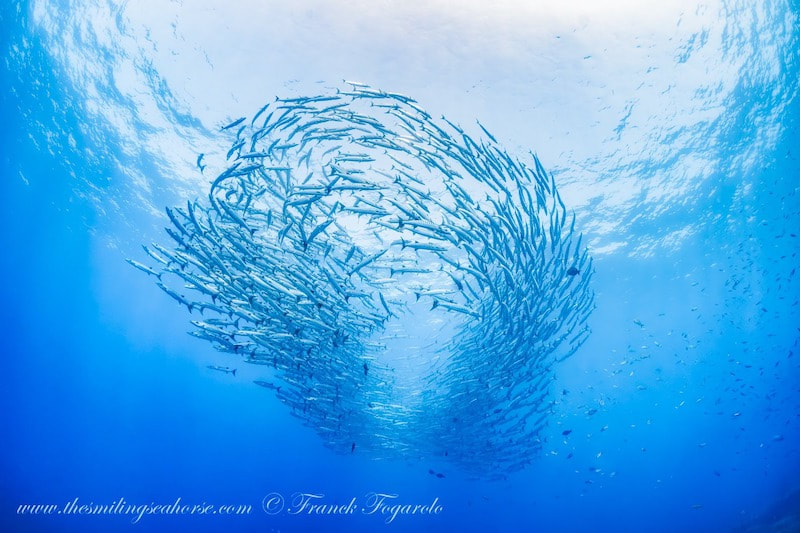
    Schools of chevron barracudas form striking, spiraling formations. A slow approach is essential to avoid scattering them. Wide-angle shots from below the school against the surface create dramatic compositions.
how to photograph fusiliers like a pro
  • Fusiliers
These small, yet colourful fish create vibrant, flowing ribbons of color. Look for schools near coral reefs and shoot mid-water with natural light to capture their iridescent hues. Experiment with slower shutter speeds to emphasize their motion.
how to photograph surgonfish like a pro
  • Unicornfish and Powder Blue Surgeonfish
    These species are often seen grazing on reefs or schooling near drop-offs. Their bright colors and unique shapes make them excellent subjects for close-up shots. Use a balanced strobe setup to highlight their vivid patterns without overexposing.
how to photograph snappers like a pro
  • Snappers
    These schools resemble curtains of golden-yellow hues. For a dramatic shot, frame them against a contrasting reef or open blue water. Approach slowly to avoid disturbing their tight formation.
how to photograph emperor fish like a pro
  • Emperor Fish and Feeding Frenzies
    Witnessing a feeding frenzy is a spectacular experience. Schools of emperor fish in a frenzy create chaotic yet mesmerizing scenes. Use a fast shutter speed to freeze the action and capture the energy.
how to photograph sweetlip like a pro
  • Sweetlips
    Sweetlips are perfect for head-on portraits. These fish face the current and hold their position, making them cooperative subjects. Approach slowly and use a medium aperture (around F8) for sharp, detailed shots of their faces.
how to photographe bannerfish like a pro
  • Schooling Bannerfish and Moorish Idols
    These colorful fish add vibrancy to any composition. Capture them against coral reefs for a burst of color, and use a wide aperture to blur the background slightly, making their patterns stand out.
how to photographe batfish schools like a pro
  • Batfish are also super photogenic species who often let photographers approach closely without scattering, making them ideal subjects. A diver positioned in the middle of a batfish school can beautifully demonstrate the size and density of the group. If visibility allows, this composition creates a striking contrast between the diver and the fish, giving a sense of awe and scale to your shot.

Understanding Fish Schooling

Fish school for protection, communication, and efficiency. Their synchronized movements deter predators and enable efficient foraging. Schools operate through decentralized decision-making, with individual fish reacting to their nearest neighbors. This complex yet instinctive behavior creates the mesmerizing patterns we observe.
Understanding this behaviour allows photographers to anticipate movements and position themselves for the perfect shot.

Conclusion: how to shoot schools of fish like a pro

Photographing schools of fish is a rewarding endeavor that combines technical skills with artistic expression. By understanding your equipment, mastering lighting techniques, predicting fish behavior, and employing effective composition strategies, you can capture stunning images that showcase the beauty and grace of these underwater wonders.
With practice, patience, and a willingness to experiment, you can create breathtaking photographs that tell a story and transport viewers into the vibrant world beneath the waves. Remember, every dive is an opportunity to learn and grow as a photographer, so embrace the journey and enjoy the beauty of the underwater realm.
how to photograph school of fish like a pro, pinterest pin it
0 Comments

SPANISH DANCER : Fun Facts You'll Love About The Most Flamenco Nudibranch

1/7/2025

0 Comments

 
All about the spanish dancer, the hexabranchus sanguineus

The Spanish Dancer (Hexabranchus sanguineus) : A Must-See for Nudi lovers!​

The Spanish Dancer (scientific name: Hexabranchus sanguineus) is one of the most fascinating marine animals found in tropical and subtropical seas. Known for its striking colours, graceful movements, and the distinctive shape of its body, the Spanish Dancer has captured the attention of divers, marine enthusiasts, and photographers alike.

Whether you’re an avid diver or a marine life enthusiast, this colourful nudi should be on your marine life bucket list!
Read on to find answers to the question you may have about this unique sea slug.
spanish Dancer FAQ
Picture of a young Spanish dancer on the reef - Hexobranchus Sanguineus

Spanish Dancer : FAQ

1. What's so special about them?
2. Where can you see Spanish Dancers?
3. What do they Eat?
4. How do they reproduce?
5. Are they rare?
6. Are they dangerous?
7. Can they really swim?

What's so special about Spanish Dancers?


​Nudibranchs, (literally means naked gills) are divided into two main groups:  dorids and aeolids.

Dorids breathe through feathery gill clusters on their backs, while aeolids have spike-like structures called 
cerata for respiration.

​Spanish Dancers are part of the dorid family, equipped with six fluffy tuft of gills which they can retract in individual pouches when they feel threatened.


The Spanish Dancer standout among nudibranchs for several reasons.

First, it is one of the rare nudibranch that can swim! When threatened, it unfurls its ruffled mantle in a graceful, undulating motion, much like a flamenco dancer’s skirt, which is how it earned its common name.

Its brilliant red, orange, and pink coloration isn’t just for show—it’s a warning signal to predators that the creature is toxic.

In addition to its dazzling appearance, it’s one of the largest nudibranchs, sometimes reaching impressive sizes (up to 90cm!) that make it a favorite subject for underwater photographers and marine enthusiasts alike.​
anatomy of nudibranch - Dorid VS Aeolid
Anatomy of nudibranch - Dorid VS Aeolid

Where can you see Spanish Dancers?

Spanish Dancers are typically found in warm reef environments at depths of 5 to 30 meters and are most common in tropical waters across the Indo-Pacific.

​Notable locations include the Philippines, Indonesia, Papua New Guinea, Australia, and Hawaii, as well as renowned dive sites like the Great Barrier Reef, Raja Ampat, Anilao, Maldives, and the Red Sea.

These creatures thrive in pristine, healthy reefs where temperature, salinity, and water quality are maintained—but they are highly sensitive to pollution and habitat degradation, which can severely impact their survival. Seeing them is one of the indicators of a healthy reef!

In the Andaman Sea these superbe nudibranchs are known to reside in shallow reefs—often hiding in crevices during the day and emerging at night.

More common in Mergui Archipelago, Myanmar but also often sighted in Thai Waters, diving here offers excellent opportunities to witness the Spanish Dancer in its natural habitat.
spanish dancer unfurling its mantle
Spanish Dancer Unfurling Its Mantle or Parapodia
Spanish dancers diet is carnivorous, they eat sponges and participate in the health of the reef
Spanish dancers are carnivorous sponge eaters

What do Spanish Dancers eat?

Spanish Dancers are carnivorous and primarily feed on various sponges—a diet that is essential for their survival.

​They are known to feed on species from the Halichondriidae family, among others, and in doing so, they accumulate chemical compounds that they later use as a defense mechanism. 

Their feeding habits not only sustain them but also help regulate sponge populations within the reef ecosystem.

How do Spanish Dancers reproduce?

Like most nudibranchs, the Spanish Dancer is a simultaneous hermaphrodite—meaning each individual possesses both male and female reproductive organs. When mating, two individuals exchange sperm, fertilizing each other’s eggs. Mating is an head to toa affair that can take hours or even days!!!

After fertilization, they separate and each with lay long, spiral-shaped egg ribbons after 1-4 days. These delicate egg masses are laid in a spiral pattern giving them a resemblance to a delicate rose in bloom and are commonly referred to as "ocean roses". This unique structure is a fascinating aspect of their reproductive process and it is more common to encounter the eggs than their parents, especially during the day dives.

These fancy egg ribbons also inherit some of the potent toxins from the nudibranch’s diet, offering them a chemical shield against potential predators. 
eggs of a spanish dancer aka ocean rose
Spanish Dancer lay they Eggs in a spiral pattern
spanish dancer reproduction
Spanish dancer's eggs are also called Ocean rose

Are Spanish Dancers Rare?

​While the Spanish Dancer is not commonly encountered on every dive, it isn’t classified as extremely rare either.
They are typically found in healthy coral reef ecosystems where sponges abound.

Their elusive nature—often hiding during daylight and emerging at night—means that spotting one during the day is very rare!

The best time to observe a Spanish Dancer is during a night dive. These nocturnal creatures become most active after sunset, emerging to feed, mate, and explore the reef. Watching them twirl through the water under the glow of a dive torch is an unforgettable experience for any underwater adventurer.
​
In Myanmar, we've got a dive site we nicknamed Spanish Garden because of the number of Spanish dancer we've met there!
big nudibranch on the reef
are spanish dancers dangerous?

Are Spanish Dancers Dangerous?

Spanish Dancers are not dangerous to humans and they do not possess a sting, nor are they venomous in the traditional sense.
Instead, they accumulate toxins from the sponges they consume. These toxins serve as a chemical defense making them less attractive to potential predators. While these compounds can deter natural enemies, divers can safely admire the Spanish Dancer without fear of being harmed. Bonus: These toxins are even passed to their eggs ribbons giving a better chance to young ones to hatch!

Can These Nudibranch really swim!?

Yes, the Spanish Dancer is one of the few nudibranchs with the ability to swim! Although they typically crawl along the seabed, when disturbed they extend their wide, flared mantle (called parapodium) and propel themselves through the water using rhythmic, undulating contractions.

​This dynamic swimming behavior, reminiscent of a flamenco dancer’s swirling skirt, is one of the features that makes them so captivating to watch underwater.

This graceful movement is both a survival tactic and a spectacle to witness. When disturbed, the Spanish Dancer can use this motion to quickly escape predators, making it one of the most agile nudibranchs in the ocean.
can nudibranch swim?
spanish dancer swimming
hexobranchus dancing nudibranch

Did you know? ​Emperor Shrimps: Hitchhiking in Style

In a fascinating underwater partnership, Emperor Shrimps can often be spotted riding atop a Spanish Dancer. 
​In this symbiotic relationship, the shrimp benefits from both transportation and protection while helping to keep the nudibranch clean by feeding on debris and parasites.
emperor shrimp on a spanish dancer
Emperor shrimp is the Spanish dancer's symbiotic partner
spanish dancer with 2 emperor shrimps
Spanish Dancer with 2 emperor partner shrimps
partner shrimp of a spanish dancer

Anatomy of the Spanish Dancer

Spanish dancers have a unique anatomy that helps them navigate and survive in their marine environment.

Their 6 gills, arranged in a circle around their anus, are located on the tail end of the upper side of their flattened bodies, allowing them to efficiently breathe underwater.

The rhynophore, a pair of antenna-like structures on their head, helps them detect chemicals and movement in the water, providing them with a sense of their surroundings.

Their mouth is equipped with oral tentacles, which they use to grasp and manipulate sponges they feed on.

A muscular foot on their underside allows them to crawl along the seafloor, while their mantle, a large, flared structure on their back, typically coils alongside their body.

When threatened, the parapodia, the extremity of the mantle, can unfurl, allowing them to "fly" away in the most elegant - flamenco dancing - manner.
infographic: Spanish dancer anatomy of a flamenco dorid nudibranch

Conclusion: A nudi to add on your night diving bucket list!

spanish dancer is one of the coolest nudibranch
Whether you’re cruising through the vibrant reefs off the coasts of Burma and Thailand or exploring the diverse underwater habitats of the Indo-Pacific, the Spanish Dancer offers a breathtaking glimpse into the wonders of marine life.

With its dazzling colors, graceful swimming, and intriguing reproductive habits, this nudibranch truly embodies the artistry of Mother Nature.

​So next time you go on a night dive, keep your eyes peeled for this marine marvel—you’re in for a show that’s as elegant as a flamenco performance!
0 Comments

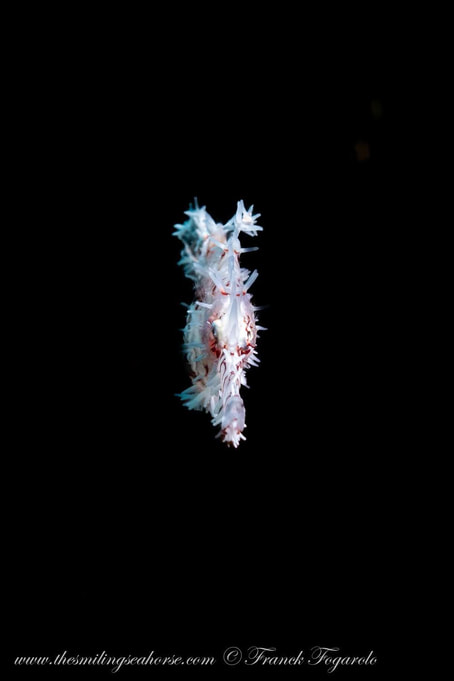
All about the Ornate Ghost Pipefish – The Reef Phantom

17/6/2025

0 Comments

 
Picture
So delicate, they vanish into coral shadows. So rare, even seasoned divers celebrate a glimpse. Meet the mysterious beauty haunting the reefs of the Andaman Sea: the Ornate Ghost Pipefish.

🎭 Master of Disguise: What Is an Ornate Ghost Pipefish?

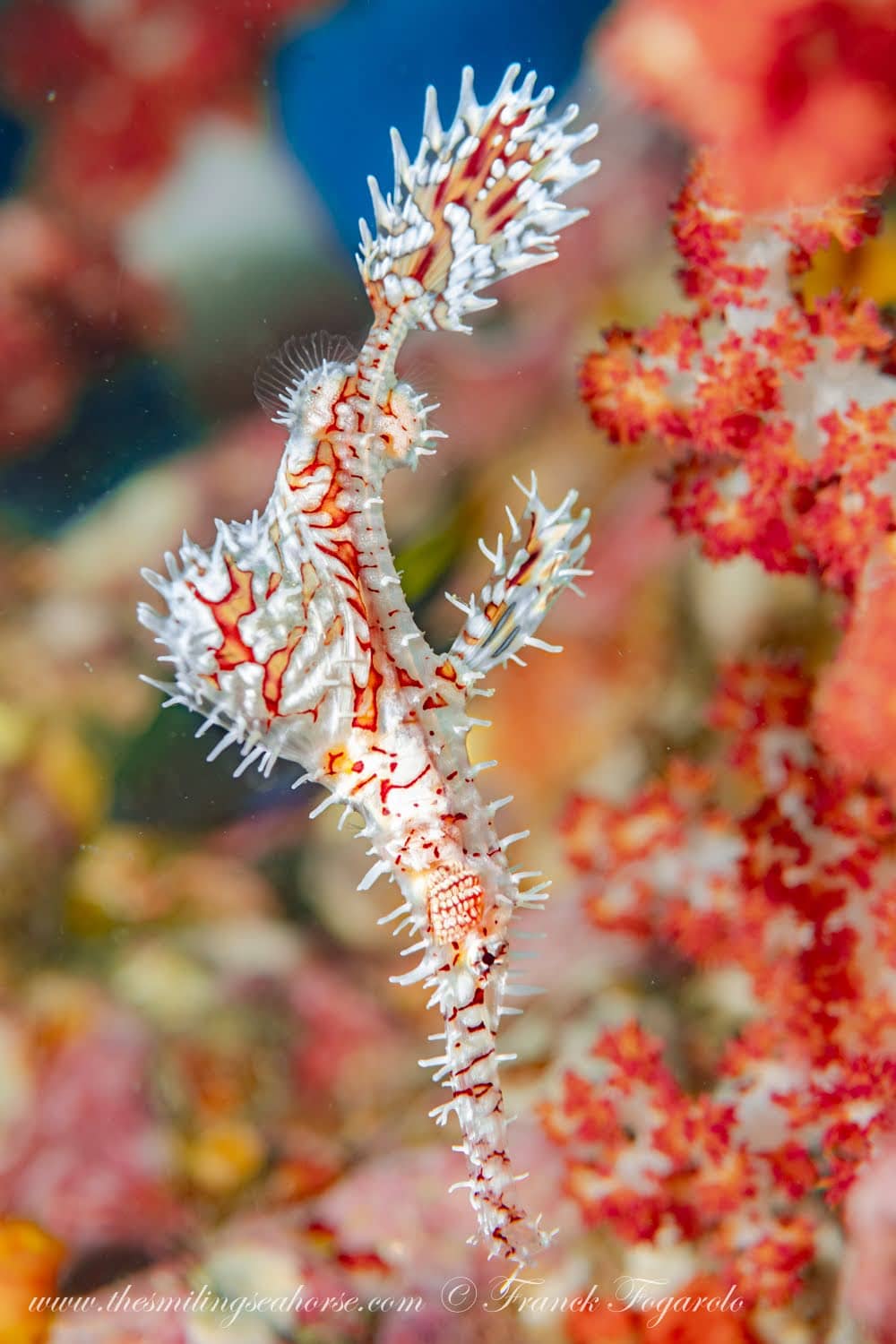
The Ornate Ghost Pipefish (Solenostomus paradoxus) is one of the ocean’s most captivating illusions. Though related to seahorses and pipefish, it belongs to a distinct family--Solenostomidae—and lives a life defined by camouflage, elegance, and enigma.
Ornate ghost pipefish in Andaman Sea, Thailand
often mimic crinoids (feather stars), soft corals, or seaweed
These reef phantoms range from 5–12 cm in length and sport a tubular snout, delicate fins, and intricate coloration that blends seamlessly with their environment. Their shape and texture often mimic crinoids (feather stars), soft corals, or seaweed, allowing them to vanish in plain sight.
Ornate ghost pipefish in Mergui Archipelago, Myanmar
Orange ornate ghost pipefish
What truly sets them apart, however, is how they float motionlessly, head-down, mimicking bits of drifting sea matter. To the untrained eye, they’re practically invisible.

🔍 Where to Spot One: Habitat & Behavior

Ornate ghost pipefish behind soft coral
​You’ll most likely find Ornate Ghost Pipefish in sheltered, sandy areas of coral reefs, especially:
​
  • Among crinoids, which they mimic with startling accuracy
  • Hanging near soft coral fans or gorgonians
  • Close to the reef bottom, where they can hover in the current unnoticed

​They prefer calm conditions and tend to show up in specific sites year after year, often returning to similar spots when conditions are right.

🌊 Top Dive Sites to See Them:
Shark Cave (Mergui Archipelago, Myanmar), Richelieu Rock, Hin Daeng, Hin Muang (Andaman Sea Thailand)
Ornate ghost pipefish almost invisible in front of seafan
2 ornate ghost pipefish approaching beautiful gorgonians
ghost pipefish, gorgonians and glass fish

📆 Best Time to See Them: November to April

Ornate Ghost Pipefish are seasonal, most commonly seen during the dry season in the Andaman Sea Thailand and Burma:

🗓
November – April


This period offers the
best visibility, warm waters, and calm seas—perfect for spotting elusive macro life.

Fascinating ornate ghost pipefish and beautiful gorgonians

🔬 The Life Cycle & Reproduction of a Ghost

What makes the Ornate Ghost Pipefish even more fascinating is its reproductive biology, which differs significantly from most reef fish.
Ornate ghost pipefish in Mergui Archipelago

beautiful ornate ghost pipefish portrait

💑 Courtship & Mating

During the breeding season, usually aligned with peak visibility months, males and females pair up and are often seen drifting side-by-side in gentle currents. Their courtship is subtle, consisting of synchronized movements and gentle displays.

🥚 Unique Egg-Carrying Behavior

The female takes on the primary reproductive role—not only producing the eggs but also carrying them.

  • Her pelvic fins fuse to form a specialized brood pouch—a kind of open "sac" where she stores fertilized eggs.
 
  • She can carry up to several dozen eggs at a time, offering them protection and oxygenation through gentle fin movement.

This behavior is rare in fish and more commonly associated with their relatives, the seahorses (where males carry eggs). In ghost pipefish, however, it’s the female who guards and nurtures the young.
Ornate ghost pipefish with eggs
Pregnant ornate ghost pipefish
Ornate ghost pipefish belly with eggs
Ghost pipefish with eggs

🐣 Hatching & Lifespan

After incubation (a period of roughly 1–2 weeks, depending on temperature), the tiny larvae are released into the water column. These larvae are planktonic—drifting with ocean currents, vulnerable to predators and the environment.
Juvenile ornate ghost pipefish
The Ornate Ghost Pipefish has a short lifespan, typically less than a year, which adds to their rarity and value for divers. You may spot juveniles in mid or late season, depending on water conditions and reproductive timing.
ornate ghost pipefish swimming near gorgonians

📸 Pro Tips for Divers & Underwater Photographers

Ornate ghost pipefish head macro photography
  • Macro lens: A 60mm macro lens is a solid option. These fish are small and delicate—macro photography helps capture crisp, detailed shots.

  • Red focus light: If there isn’t enough natural light, avoid startling them with a strong white beam. Use a red focus light instead to reduce disturbance.

  • Buoyancy control: Stay still and patient; sudden movements can cause them to drift away or vanish behind coral fans.
​
Dive slowly: Follow your guide closely—they usually know where to find Ghost Pipefish and the crinoids they like to hide in.
Beautiful ornate ghost pipefish head by Franck Fogarolo
🤫 Did you know?
Ornate Ghost Pipefish often appear in pairs during mating season. If you spot one, look nearby—you may find its mate hovering in synchrony.
Perfectly camouflaged ornate ghost pipefish
Ornate ghost pipefish love...
A couple of ghost pipefish in the dark

🌊 Why Seeing One Is So Special

Ornate Ghost Pipefish don’t form large groups. They don’t build nests. They don’t even return year after year to the same exact reef. Their lives are brief and nomadic, and their success depends entirely on staying hidden.
The most commonly encountered ghost pipefish species in the Andaman Sea is the Ornate Ghost Pipefish
A couple of robust ghost pipefish
That’s why a sighting—especially of a gravid female carrying eggs—feels like finding a secret in the sea.
​

The most commonly encountered ghost pipefish species in the Andaman Sea is the Ornate Ghost Pipefish (Solenostomus paradoxus). However, the Robust Ghost Pipefish (Solenostomus cyanopterus) can also occasionally be found.

A robust ghost pipefish in the Andaman Sea

🎒 Dive Into the Mystery with The Smiling Seahorse

If you dream of encountering an Ornate Ghost Pipefish in the wild, your best bet is to join one of our liveaboard cruises. Our expert guides know exactly where these elusive creatures like to hide, and our small-group approach ensures a calm, respectful environment to truly appreciate their beauty.
🐟 Book your cruise now and dive with the reef’s most ghostly residents.
    Don’t miss your chance to meet some of the ocean’s rarest and most magical stars.

CRUISES SCHEDULE

The Smiling Seahorse

​By Clément 

0 Comments

Surin & Similan - 30th April to 7th of May 2025 - Trip Report

5/6/2025

0 Comments

 
Last trip of the season in surin and similan islands

Season Finale aboard MV Smiling Seahorse: ​
​Best of Similan & Surin – April 30 to May 7, 2025

Our final voyage of the season began with sunshine and calm seas as we welcomed our lovely guests from France, Austria and Koh Tao aboard the MV Smiling Seahorse. Departing from Phuket’s Marine Charter Pier, our 8-day journey would take us through the heart of Thailand’s most iconic dive destinations--Similan and Surin National Parks.
​

These two marine parks are crown jewels of the Andaman Sea. The Similan Islands, renowned for their dramatic granite boulders, swim-throughs, and endless schools of fusiliers, offer breathtaking topography and pelagic action. Further north, Surin National Park is home to colorful coral gardens, rare macro life, and the legendary Richelieu Rock—one of the best dive sites in Southeast Asia.

Day 1: Similan Beginnings

barracudas forming a tornado in thailand
We began with a check dive at Shark Fin Reef, where thousands of juvenile scissortail and yellowback fusiliers blanketed the water column in glimmering silver. Wrasses and rabbitfish busied themselves around the rocks, while starry dragonets tiptoed across sandy patches. Giant and bluefin trevallies flashed by, and a hawksbill turtle glided over the reef. Batfish and a great barracuda patrolled the boulders below.
At Boulder City, the massive sea fans created a forest beneath the sea. Squat shrimps and Durban dancing shrimps swayed with the current, while giant groupers hid in the crevices. Fusiliers flowed like rivers, and we were treated to a turtle sighting once more.
Statue Bay and Hideaway revealed the wreck and stunning hard coral formations shaped like layered flowers. Schools of yellowback fusiliers swirled around us, and we found a tiny juvenile sweetlips bobbing near the coral—an adorable reminder of reef life’s fragility. A giant moray peeked from his lair while an octopus changed color before our eyes.
We ended the day with a peaceful night dive at West of Eden, where the coral glowed under our lights and crustaceans crept out into the night.

​Day 2: Pinnacles and Swim-Throughs

At West of Eden again in the morning light, a hawksbill turtle passed by gently as  a pipehorse and multibar pipefish darted through soft corals. Blue dragons and oriental sweetlips brightened the boulders below, and a curious sea snake slithered through the reef.
Elephant Head Rock gave us both drama and beauty—giant sea fans waved beside the towering swim-throughs. Blacktip sharks cruised the deep, while batfish posed at safety stop depth. Schools of snappers, scissortail fusiliers, and trevallies zipped by. A pregnant pufferfish hovered in the current, accompanied by her always-alert boxfish companions.
The night dive at Donald Duck Bay was full of life: spiny lobsters, scallops pulsing open and shut, and a nail sea star caught mid-feeding.
Diving with turtles in thailand

​Day 3: Heading North

At North Point, we swam among oriental and harlequin sweetlips, longnose emperors, and more fusiliers than we could count. Giant seafans fanned gently in the current. Then at Three Trees, garden eels wavered in the sand while blue-spotted stingrays zipped by. Barrel sponges lined the seafloor, home to gobies and blennies, while yellowband fusiliers clouded the reef above.
En route to Koh Bon, we were met by a pod of dolphins—an incredible mid-ocean surprise.
At Koh Bon Ridge and Bay, we spotted a baby blacktip shark, potato groupers resting on the reef, and schools of longnose emperors hunting alongside giant sweetlips, redtooth triggerfish, coral groupers, and flocks of masked rabbitfish.
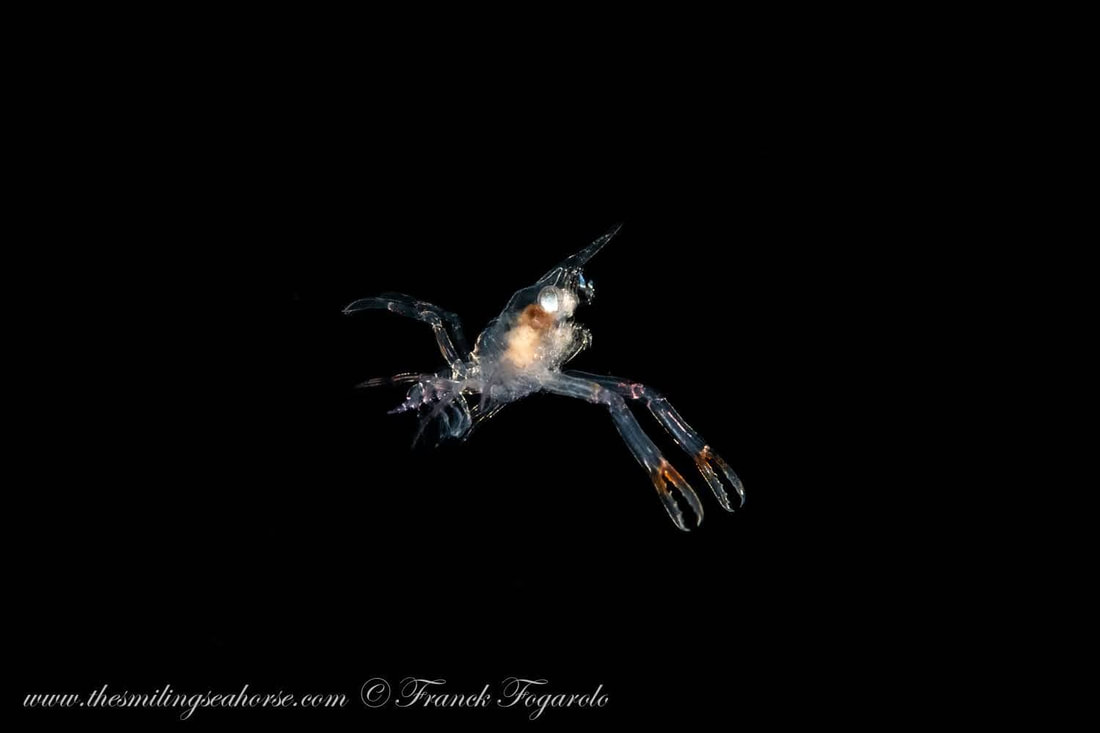
That night, the blackwater dive offered up the strange and wonderful: a blue-ring octopus, baby jacks hiding in salp chains, squid, and translucent larval crabs drifting in the dark.
clownfish in the Similan islands

​Day 4: Barracudas and Batfish

Koh Bon Pinnacle did not disappoint. Massive schools of fusiliers swirled around us as a great barracuda sat motionless at a cleaning station. Oriental sweetlips mingled with batfish and cleaner shrimps in every nook and cranny. A solitary eagle ray glided silently past us, giving the entire scene a dreamlike touch.
At Koh Tachai, the reef exploded with color. Blacktip sharks circled the pinnacle. Schools of barracuda glimmered beneath the sun’s rays. Bigeye jacks formed a living tornado, while lobsters filled every rocky crevice. Between enormous orange seafans and pink coral towers, we admired juvenile angelfish, bicolor cleaner wrasses, yellowtail wrasses, and tiny jewel fairy basslets fluttering among the purple soft corals. The third pinnacle glowed during our final dive, with batfish forming a stately procession across the reef top.
pretty reef scene in similan national park
giant grouper huntin with trevalli

​Day 5: Surin's Soft Side

We reached Rainbow Rock/Yellow Rock and found the colors mesmerizing: soft coral in every hue—yellow, pink, blue, and violet. A resting Jenkins ray sat camouflaged on the sand, and bluefin trevallies darted past schools of silver sweetlips. Hawksbill turtles grazed on sponge, while pipefish and nudibranchs (including a striking purple one) crept along the coral wall.
At Torinla Pinnacle, we found two elegant black ornate ghost pipefish dancing among the gorgonians. A baby white-tip reef shark rested beneath a ledge, and a giant pufferfish lazily floated by with its ever-present remora. Among the coral, a tiny Thecacera—or pikachu nudibranch—entertained macro photographers.
big eye trevalli in richelieu rock
diving with cobia in surin national park

Days 6 & 7: Richelieu Rock Grande Finale

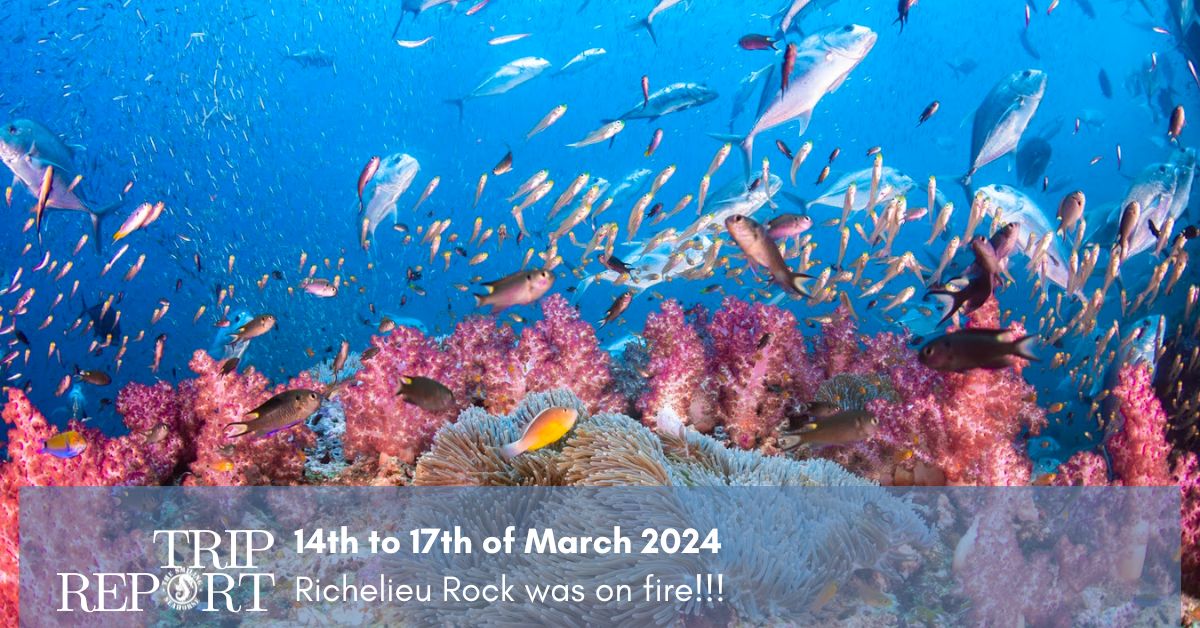
We saved the best for last. Richelieu Rock, a dive site that truly never ceases to amaze, gave us everything. Visibility was perfect. Glassfish, juvenile fusiliers, and baitballs were being chased in every direction by emperors, trevallies, rainbow runners, and snappers. It was chaos in the best possible way. Chevron and yellowtail barracudas swept in and out, and trumpetfish hunted vertically alongside scorpionfish hiding in coral heads.
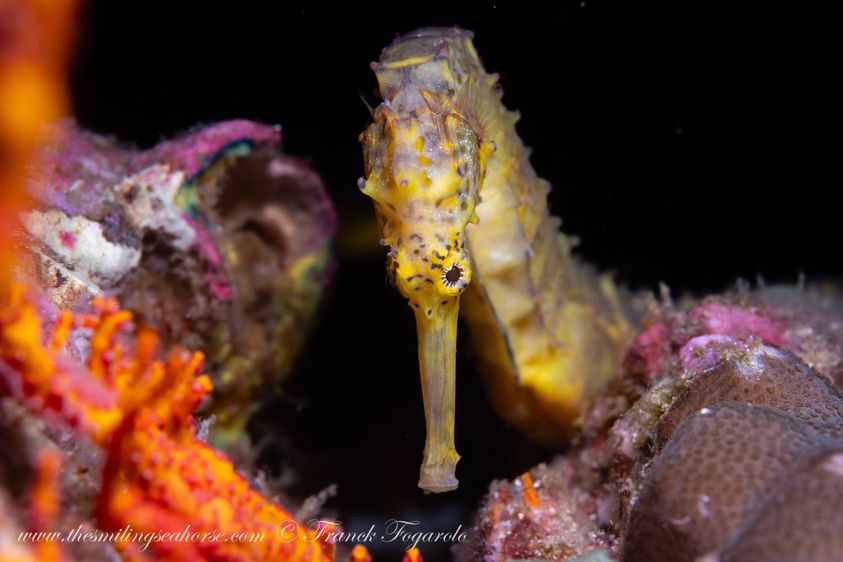
thailand tiger tail seahorse
fishy dive sites in Thailand's North Andaman
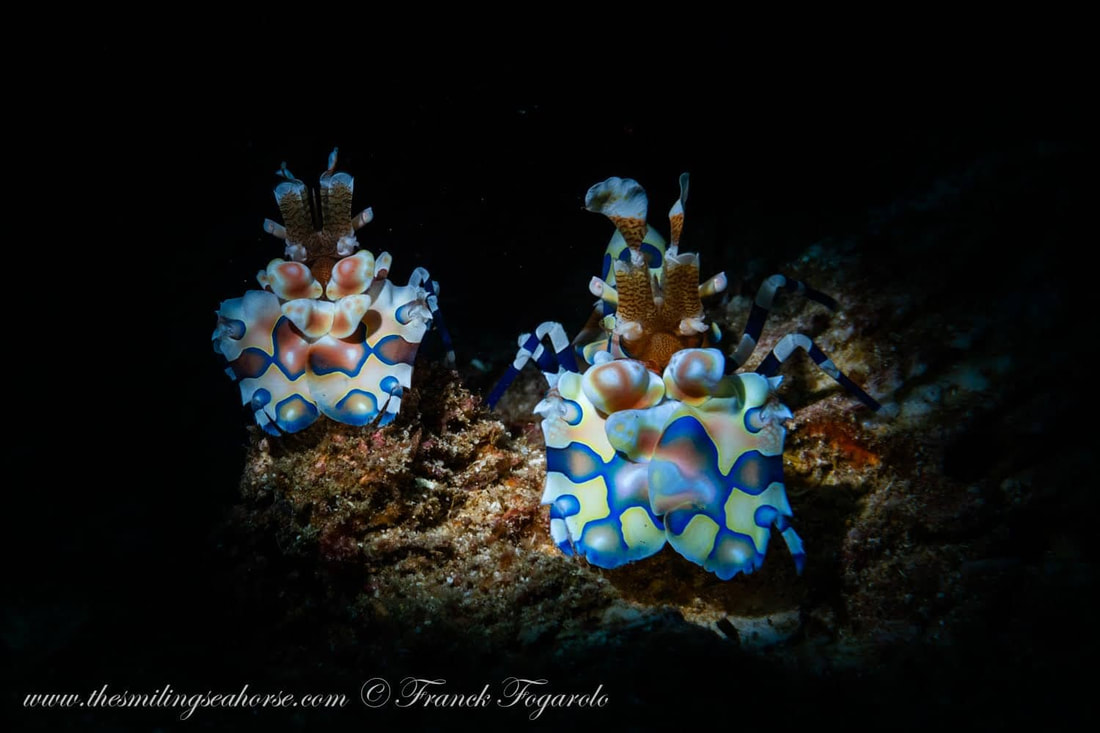
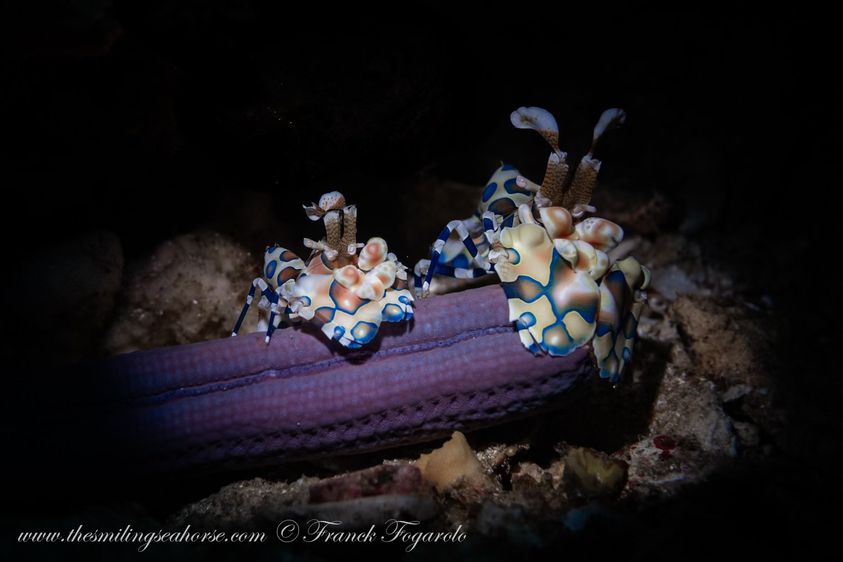
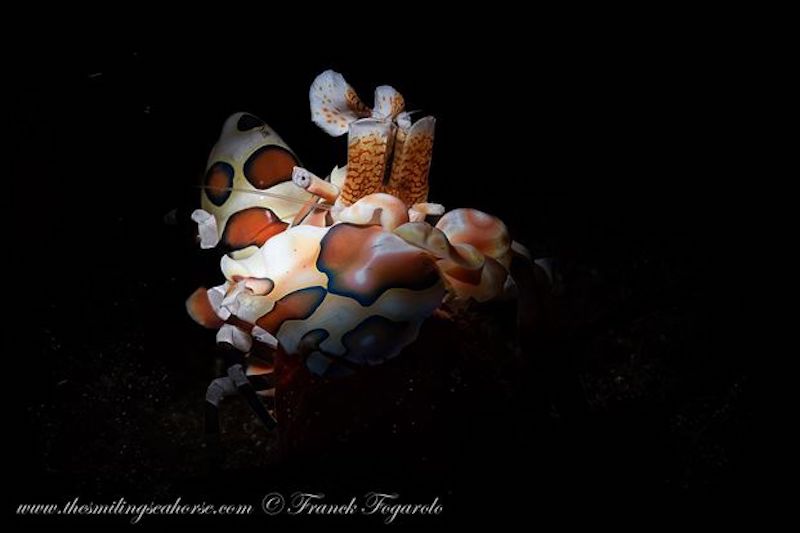
​In between the drama, macro life was thriving: the smallest harlequin shrimp we’ve ever seen balanced on a sea star, tiger tail seahorses swayed with the current, and ghost pipefish hovered delicately in their shadows. Moray eels—fimbriated, honeycomb, and giant—peered out from coral alcoves. We found butterflyfish, damsels guarding eggs, and even an elusive mimic blenny poking from the rubble.
These last dives were the perfect conclusion to our season—a celebration of life, color, and the unmatched magic of the Andaman Sea.
As we returned to Ranong, the sun dipped behind the mangroves and the MV Smiling Seahorse entered her summer rest. But in our minds, the ocean is still alive with swirling fish, curious sharks, and coral gardens dancing in the current.
Until next season, happy bubbles from all of us aboard!​

ghost pipe fish
harlequin shrimp in Richelieu rock, may 2025
0 Comments
<<Previous

    The Smiling Seahorse Diving Blog

    A blog about our diving adventures in Burma and Thailand. Diving trip reports, guest reviews, fishy stories, wildlife fun facts and much more...
    Search on this blog:

    Picture

    Authors

    ​The Smiling Seahorse has been running dive cruises from Ranong since 2012.
    Our team of instructors are reporting with a short blogpost after every trip.
    Camille, Franck and some guest writers also contribute during the off season writing on various topics.
    Keep tuned for more fishy stories :)
    Picture
    Want to receive the next articles via email?
    Picture

    Categories

    All
    Burma Banks
    Diving Burma/Myanmar
    Diving In Thailand
    Diving News
    Environment Protection
    Fun Facts
    In The Press
    Marine Life Fish ID
    Mergui Archipelago
    Most Popular
    North Andaman
    Reviews
    Richelieu Rock
    Scuba Diving Tips
    Similan Islands
    South Andaman
    Surin Islands
    Trip Reports
    Underwater Photography
    Underwater Photography Tips

    Archives

    October 2025
    September 2025
    July 2025
    June 2025
    May 2025
    April 2025
    March 2025
    February 2025
    January 2025
    December 2024
    November 2024
    October 2024
    September 2024
    June 2024
    May 2024
    April 2024
    March 2024
    February 2024
    January 2024
    December 2023
    November 2023
    October 2023
    September 2023
    August 2023
    July 2023
    June 2023
    May 2023
    April 2023
    March 2023
    February 2023
    January 2023
    December 2022
    November 2022
    October 2022
    September 2022
    May 2022
    April 2022
    March 2022
    January 2022
    December 2021
    November 2021
    October 2021
    September 2021
    August 2021
    July 2021
    June 2021
    May 2021
    April 2021
    March 2021
    February 2021
    January 2021
    December 2020
    November 2020
    October 2020
    September 2020
    August 2020
    July 2020
    June 2020
    May 2020
    April 2020
    March 2020
    February 2020
    January 2020
    December 2019
    November 2019
    October 2019
    August 2019
    July 2019
    May 2019
    April 2019
    March 2019
    February 2019
    January 2019
    December 2018
    November 2018
    September 2018
    July 2018
    April 2018
    March 2018
    February 2018
    January 2018
    December 2017
    November 2017
    October 2017
    June 2017
    May 2017
    April 2017
    March 2017
    February 2017
    January 2017
    December 2016
    November 2016
    May 2016
    March 2016
    February 2016
    January 2016
    December 2015
    November 2015
    October 2015
    September 2015
    March 2015
    February 2015
    January 2015
    December 2014
    November 2014
    October 2014
    September 2014
    March 2014
    September 2013
    May 2013
    December 2012
    November 2012
    July 2012
    April 2012

    RSS Feed

    See also...

    - About Myanmar liveaboards
    ​- Best Burma dive sites
    ​- Marine life in Andaman Sea
    ​- The Mergui Archipelago
    ​
    - Best dive site in Thailand

The Smiling Seahorse

Our dive cruises

170 Ruangrat Rd, Tambon khao nivet, Mueang Ranong District, Ranong 85000​
Phone: +66860110614​
​Mail: [email protected]

www.thesmilingseahorse.com
Contact us on WhatsApp
Our schedule and prices
​Dive in Thailand
​Dive in Myanmar
​Discover our boat
Our blog
​
GCS

More information

Our guest book
​Our pictures
Our videos
​
In the press
Privacy policies
​Partners

  • TripAdvisor
Picture
Picture
TAT Licence number : 31/00935
© COPYRIGHT 2012-2025. 
​
The Smiling Seahorse ​
Responsible Manta Tourism Operator
Picture
  • When & Where
    • Schedule and Prices
    • Destinations >
      • North Andaman Thailand >
        • Similan Islands
        • Surin Islands >
          • Richelieu Rock
        • The essential Underwater photo Guide to diving Thailand
      • South Andaman Thailand >
        • Phuket & Koh Phi Phi National Parks
        • Koh Lanta National Park
        • Koh Lipe and Tarutao National Park
      • Mergui Archipelago >
        • Liveaboard diving holiday in Myanmar
        • Burma's best dive sites
        • The Ultimate Underwater photo Guide to diving Burma
  • ABOUT
    • Our Boat >
      • DELICIOUS FOOD
    • Diving in Thailand in 2025-2026
    • Diving in Myanmar/Burma in 2025-2026
    • Blackwater diving in Thailand and Myannmar
    • Marine life in Thailand's Andaman Sea
    • Marine life in Mergui Archipelago
    • Dive Courses >
      • Learn to Dive
      • Continue diving education
      • Rescue diver
      • Professional Dive Courses
      • Hone your dive skills with a specialty course
      • Photo coaching in Thailand on the Smiling Seahorse
    • Guest Book
    • FAQ
  • Plan your trip
    • Our hotels recommendations
    • Khao Sok National Park
    • Taxi services >
      • Taxi services to and from Ranong
      • Taxi services to and from Phuket
      • Taxi services to Tap Lamu and Khao Lak
    • 10 things to do around Ranong
  • PROMO
    • HOT DEALS
    • Special Expeditions >
      • 8D Whale shark expedition - 20 March 2026 - North and South
  • gallery
    • Photos
    • Videos
  • CONTACT
  • BLOG
    • Most popular posts