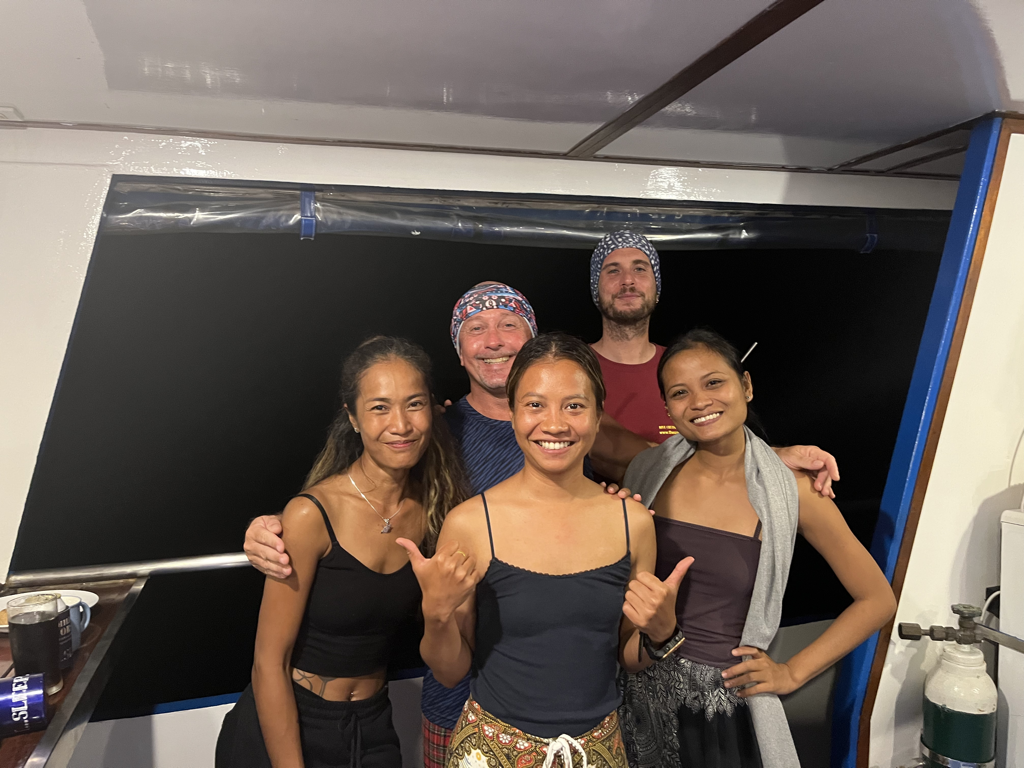
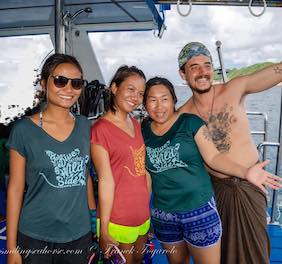
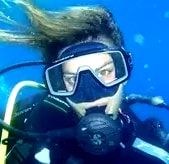
Another fantastic marine biologist onboard!
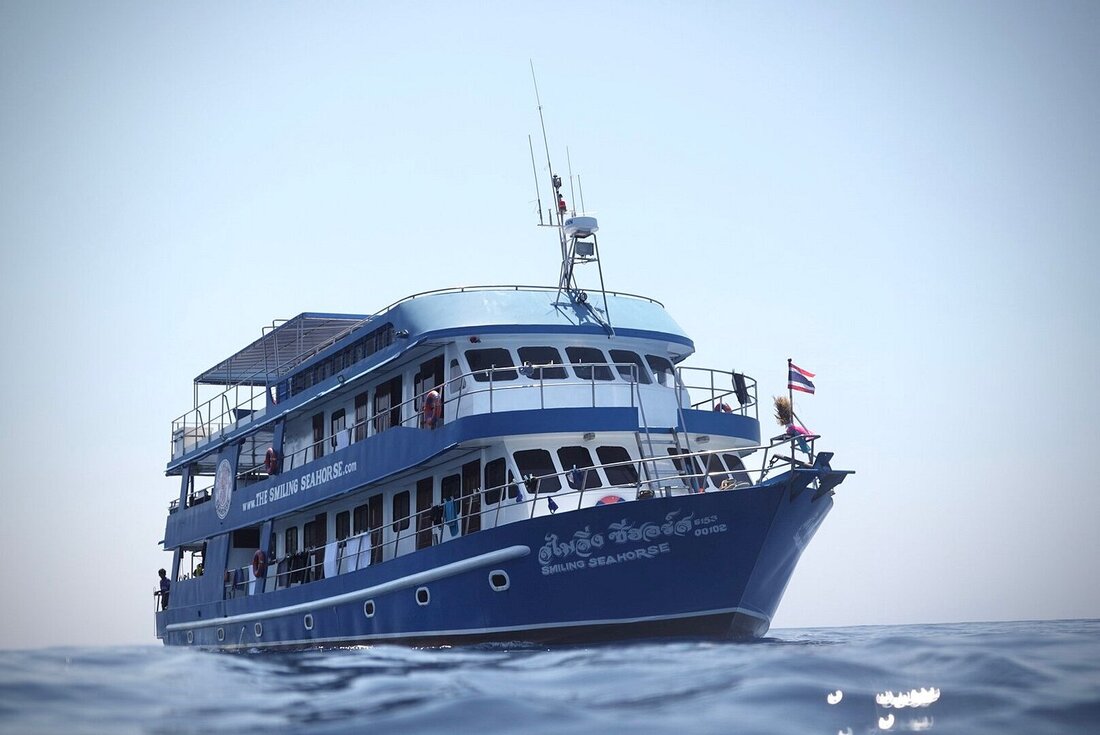
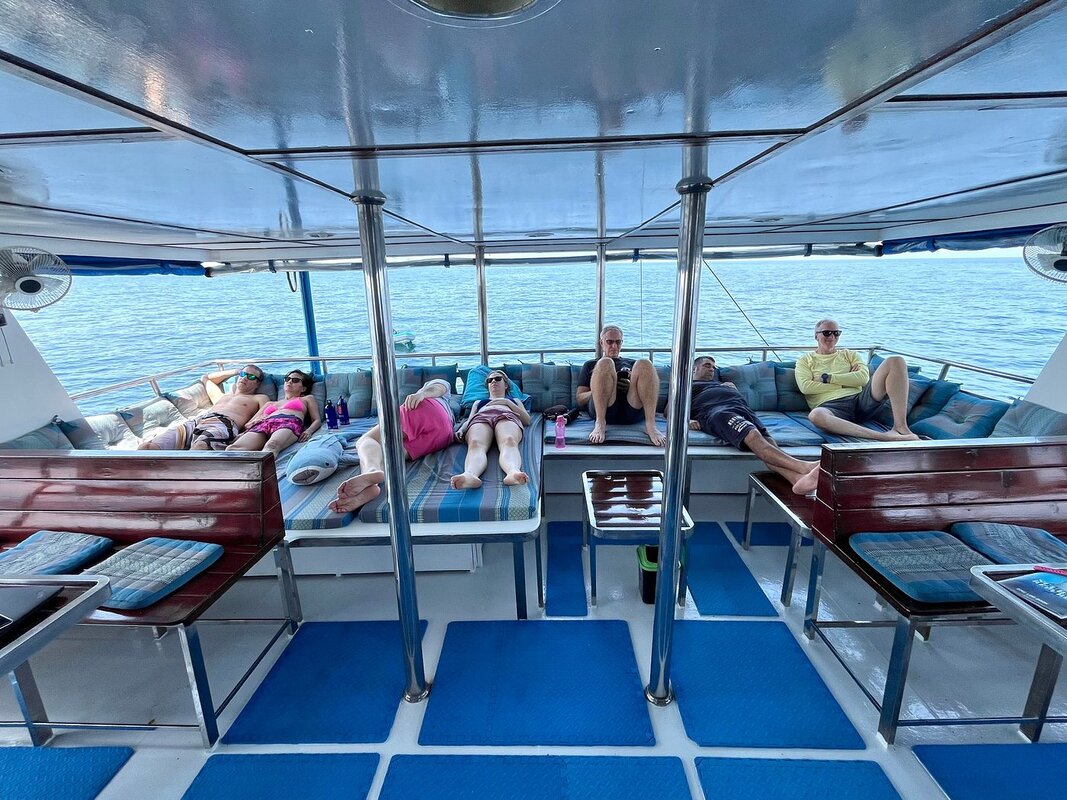
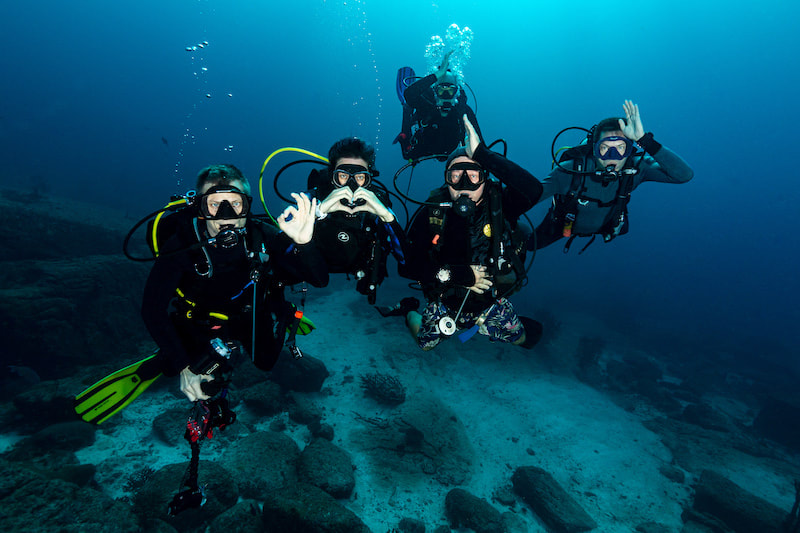
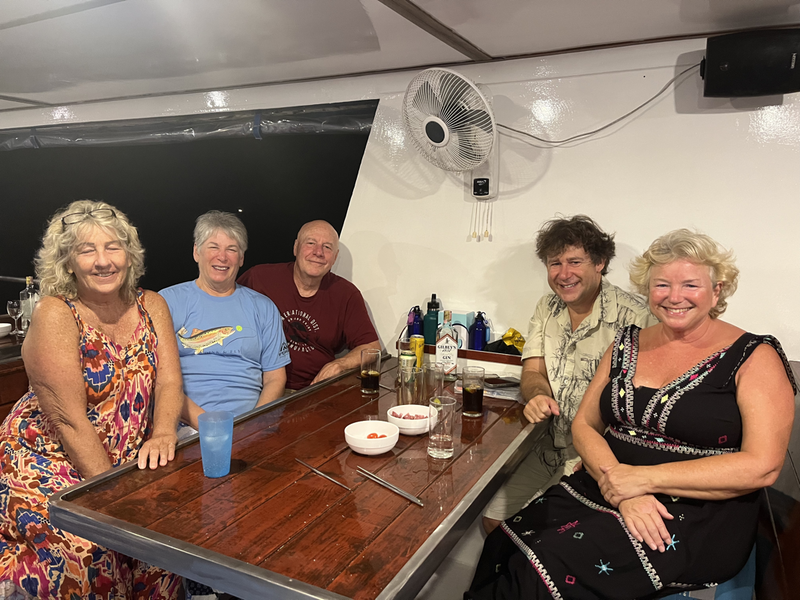
Our adventure set sail on a thrilling expedition dedicated to the majestic whale sharks of the Andaman Sea. With divers from England, France, and Brazil eagerly joining us onboard, the anticipation was palpable as we embarked on this special journey. We were honoured to have Kirsty Magson, a marine biologist based in Thailand who started Thai Whale sharks project in 2017 to identify and monitor these gentle giants. Kirsty joined us for the fourth time this year, enriching our experience with her invaluable knowledge and passion for these magnificent creatures through daily presentations about what scientists know of Whale sharks but also about the marine environment they live in.
Starting up in Surin national park and Richelieu rock
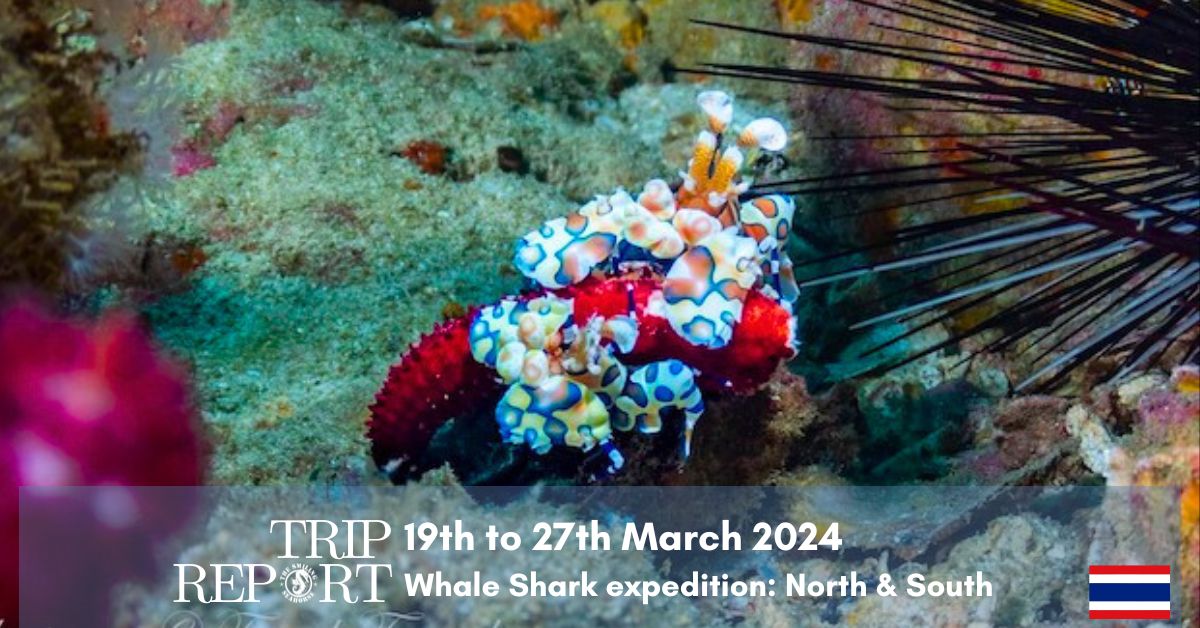
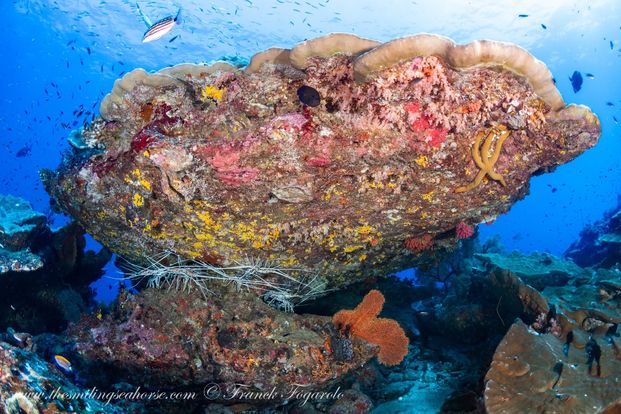
Our voyage began on the 19th of March as we bid farewell to Khao Lak and headed towards the Surin Islands National Park. Over the course of the first two days, we immersed ourselves in the underwater wonders of Richelieu Rock, renowned as one of the best dive sites worldwide and one of the best spots in Thailand to encounter Whale Sharks.
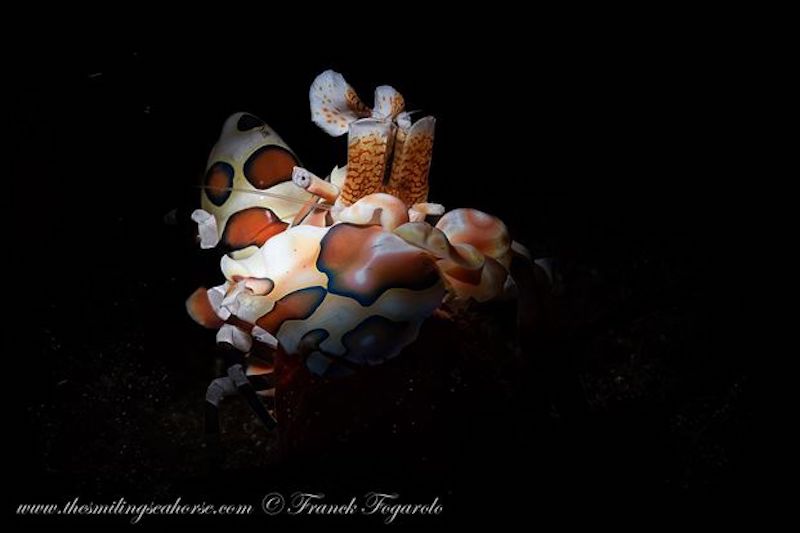
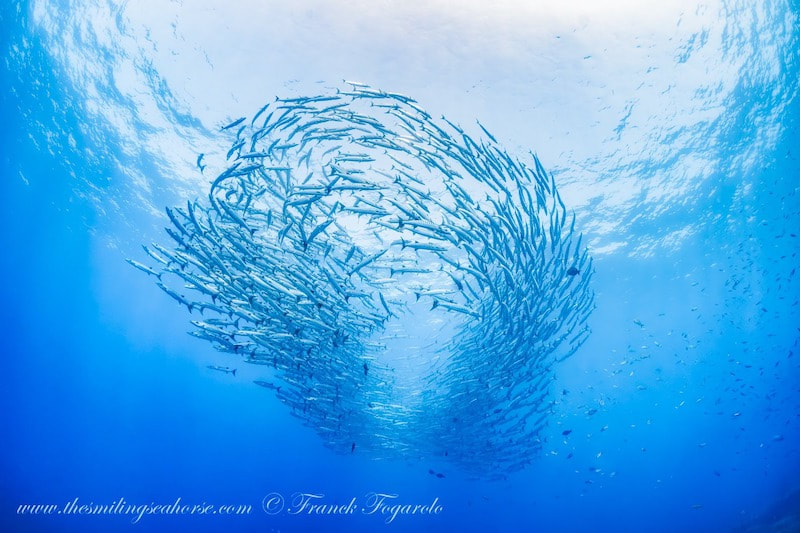
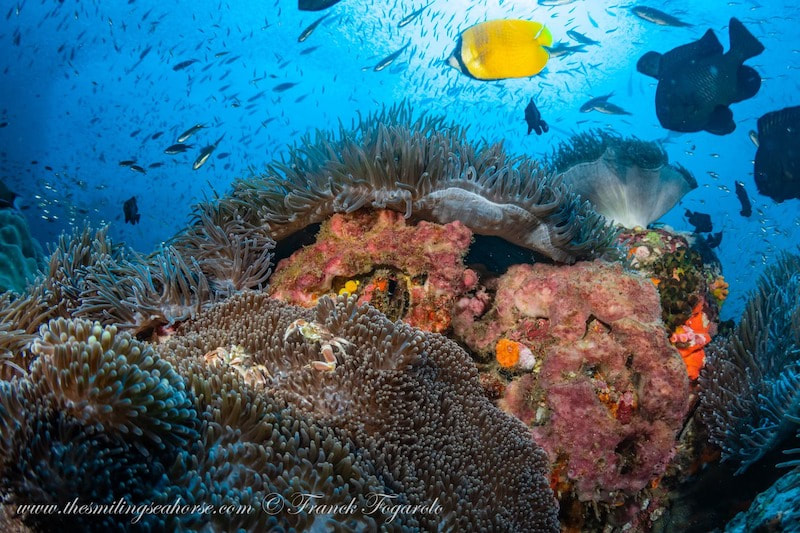
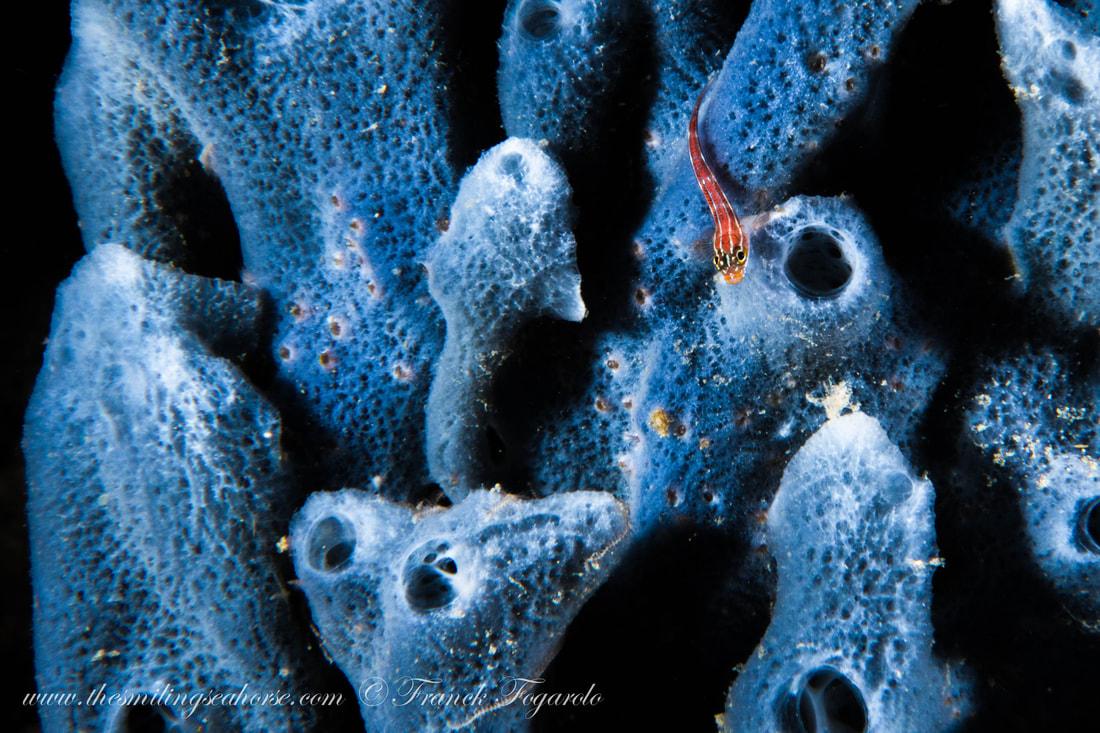
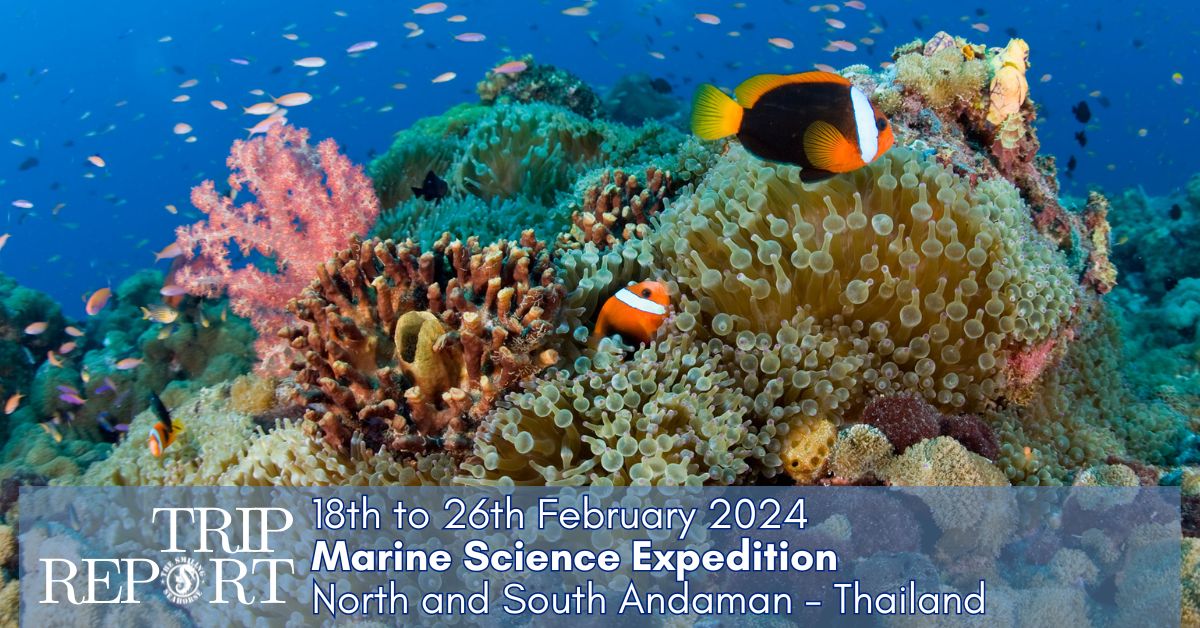
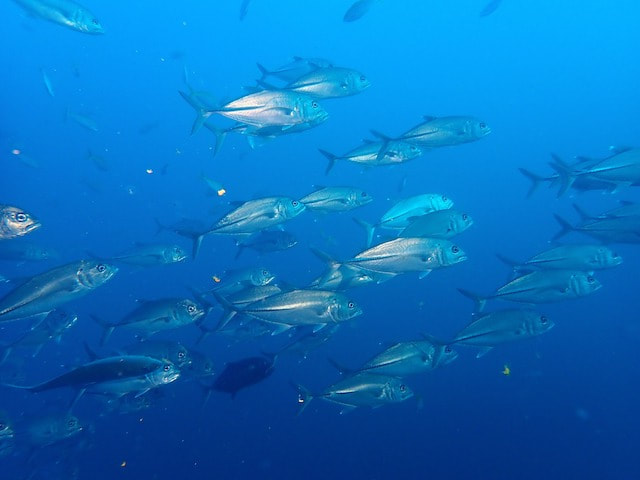
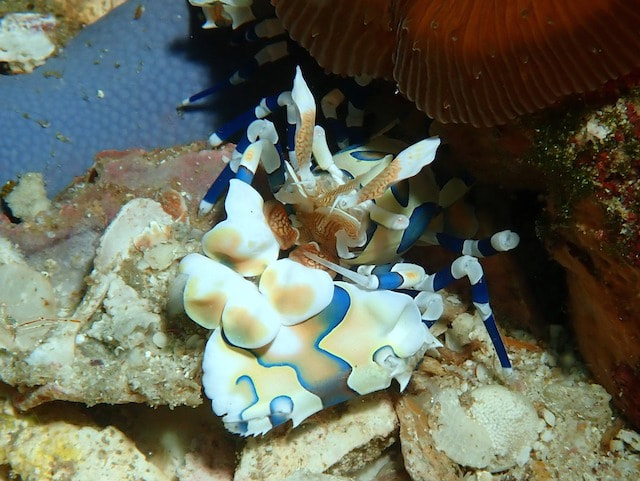
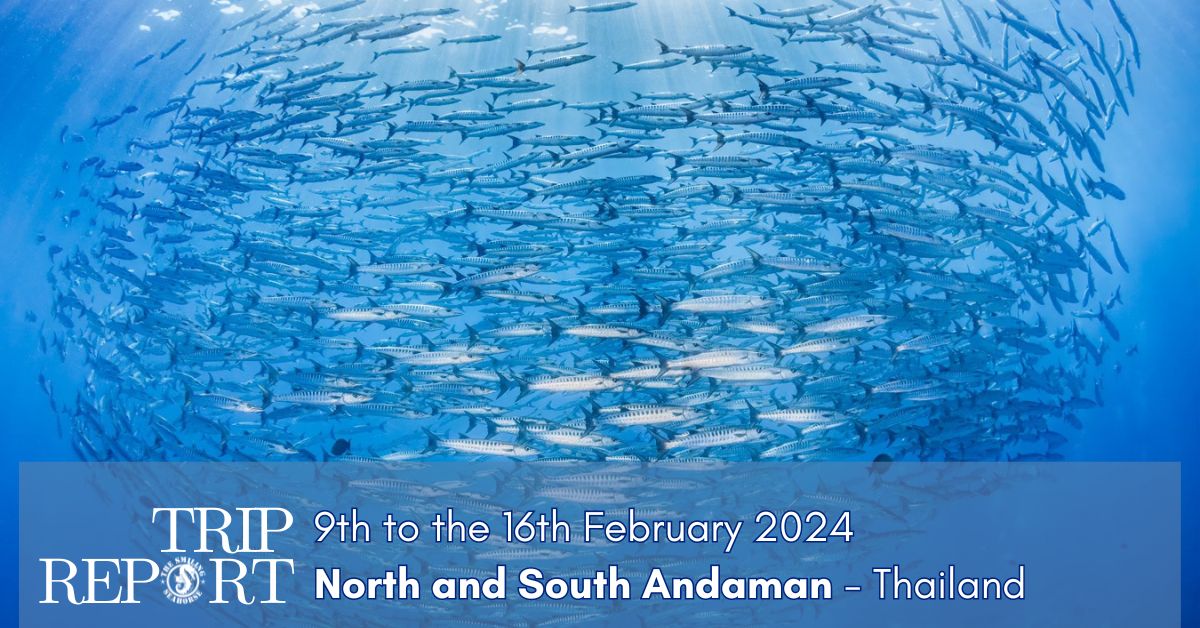
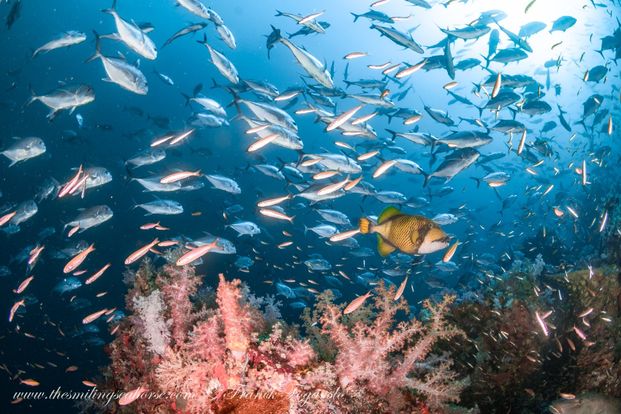
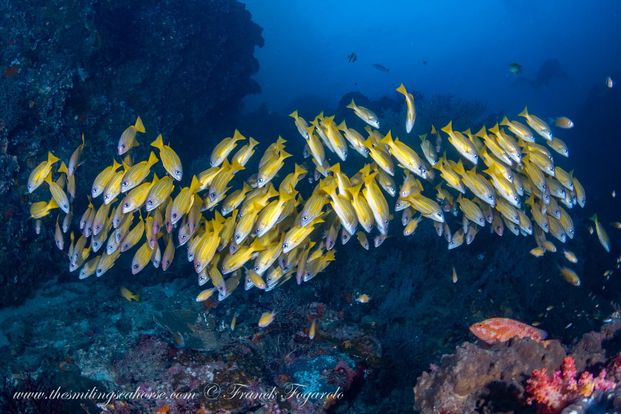
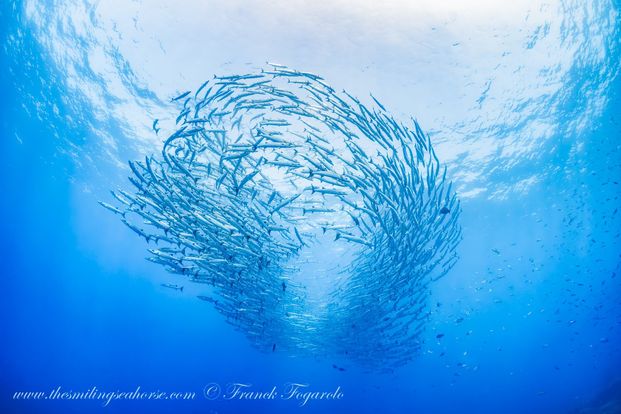
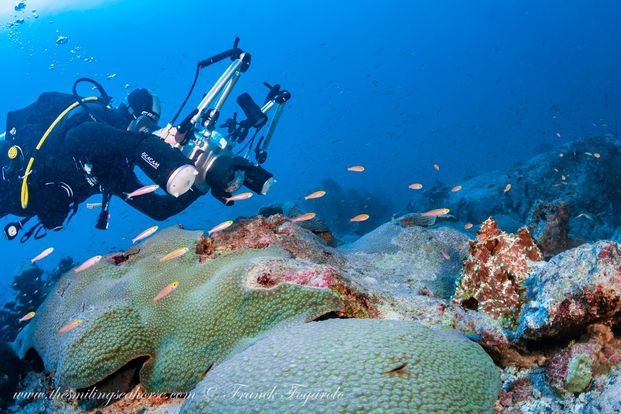
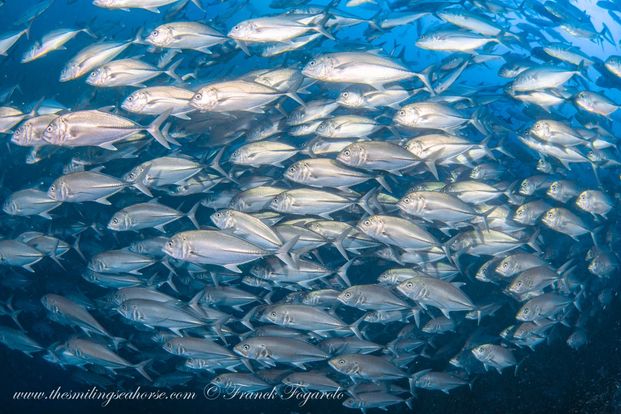
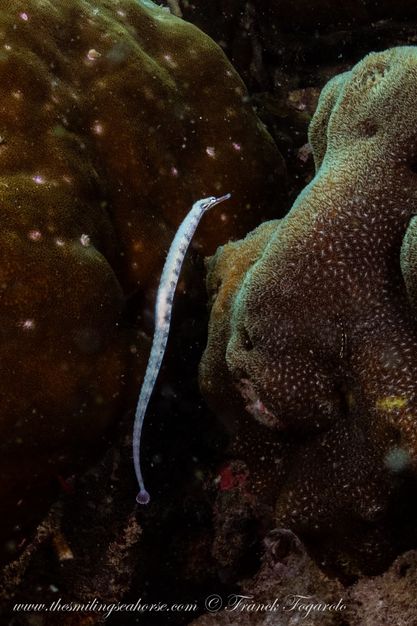
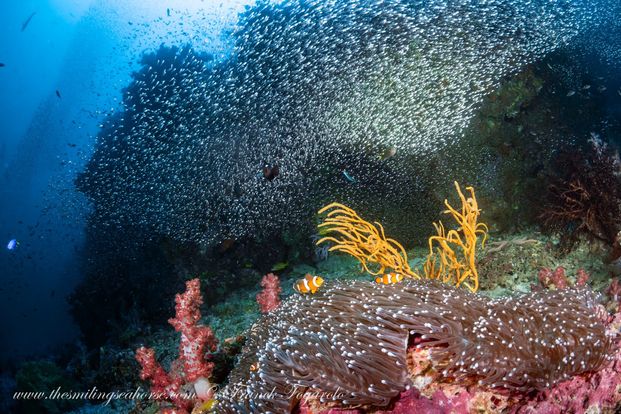
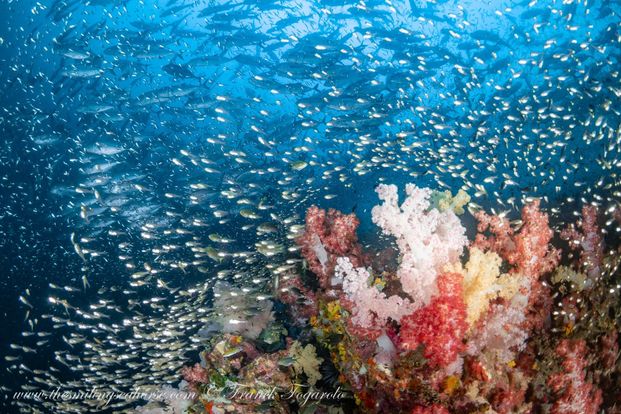
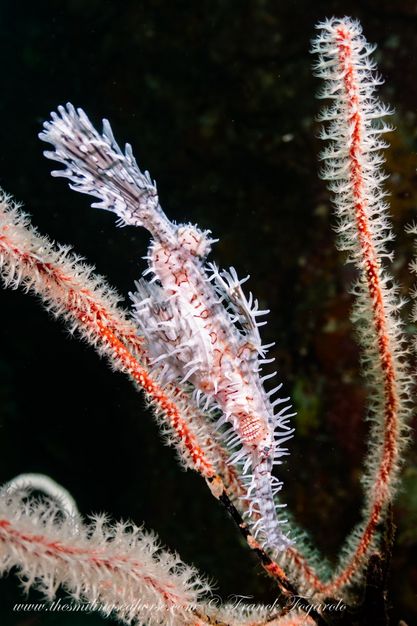
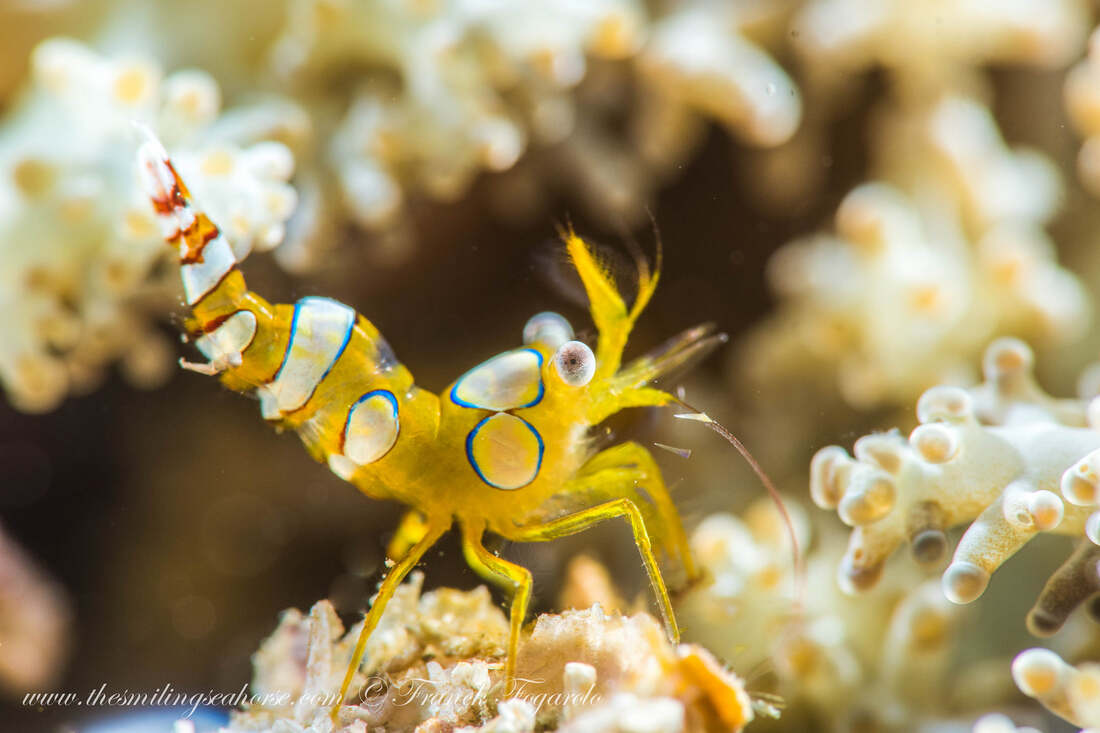
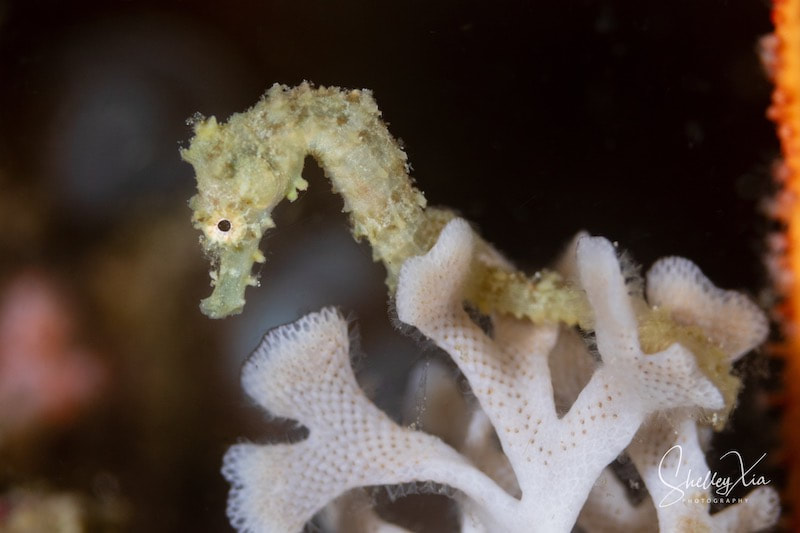
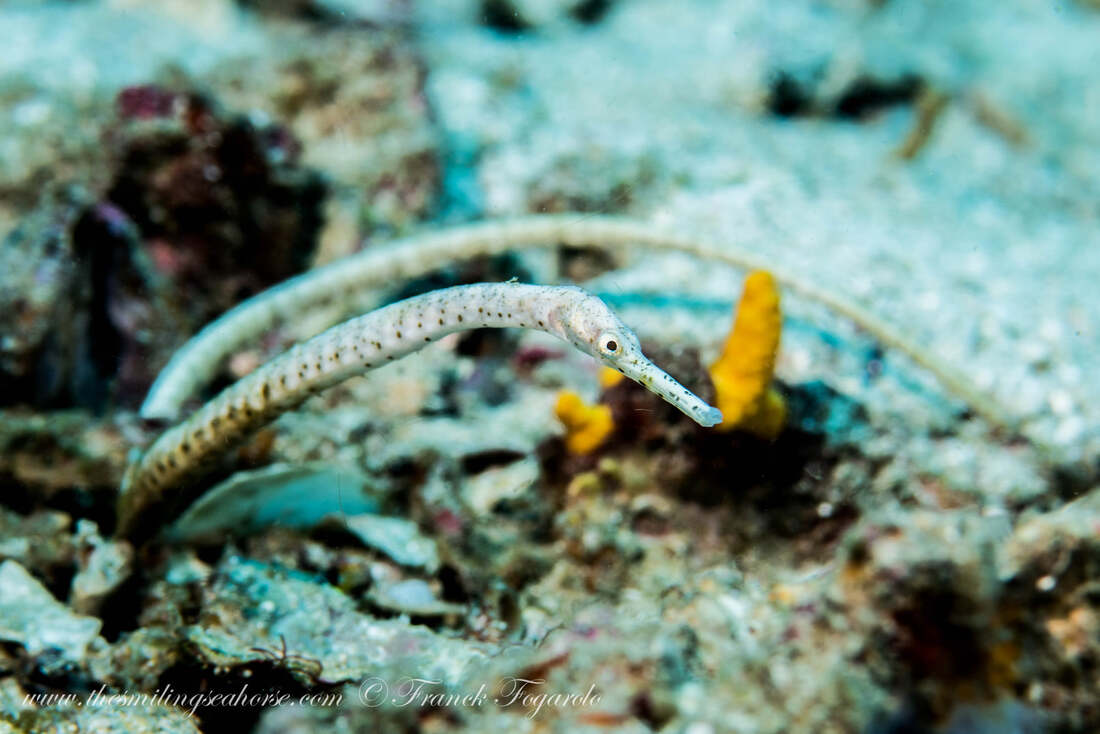
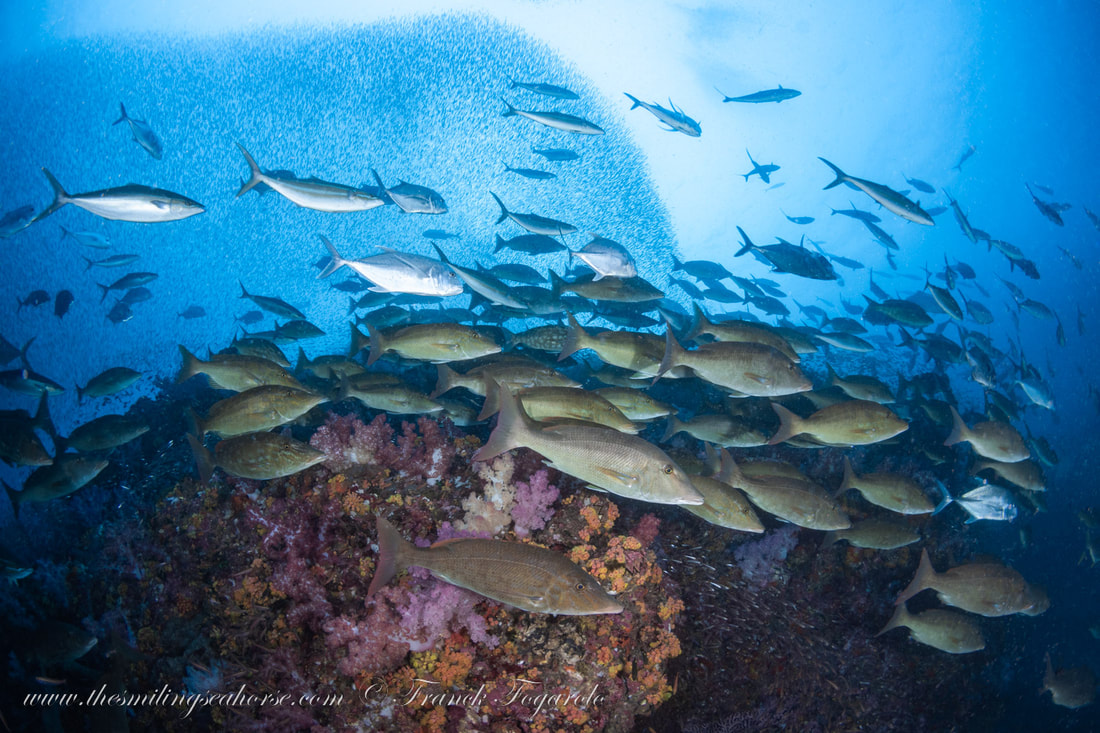
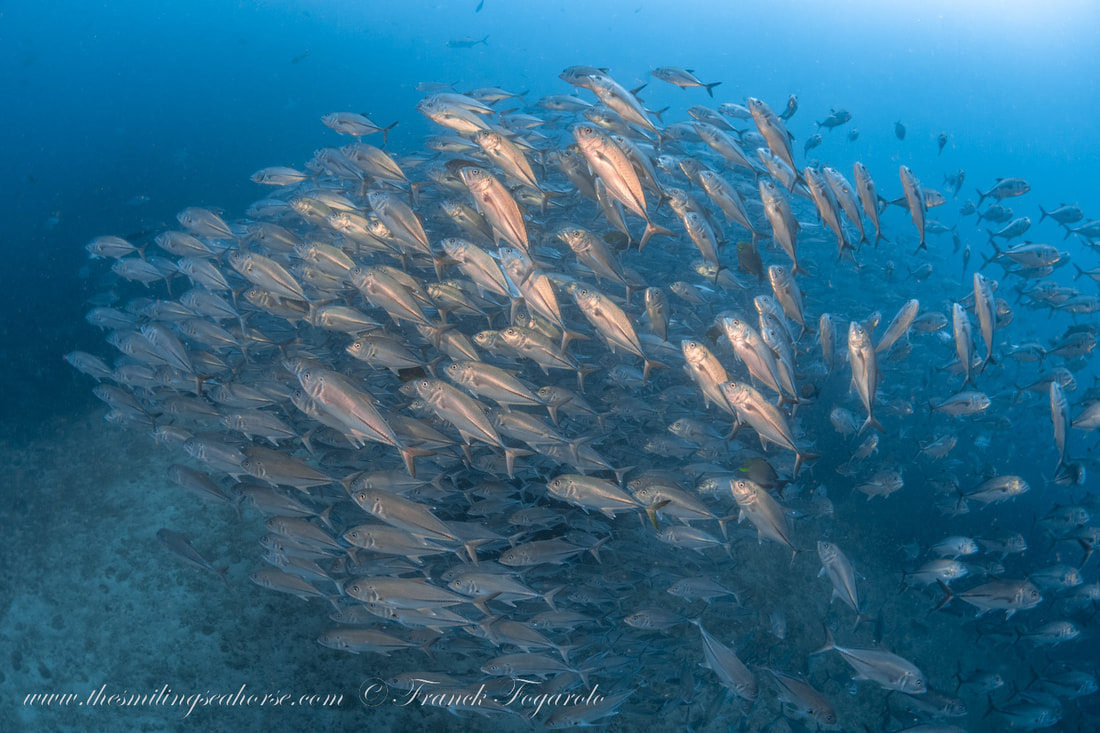
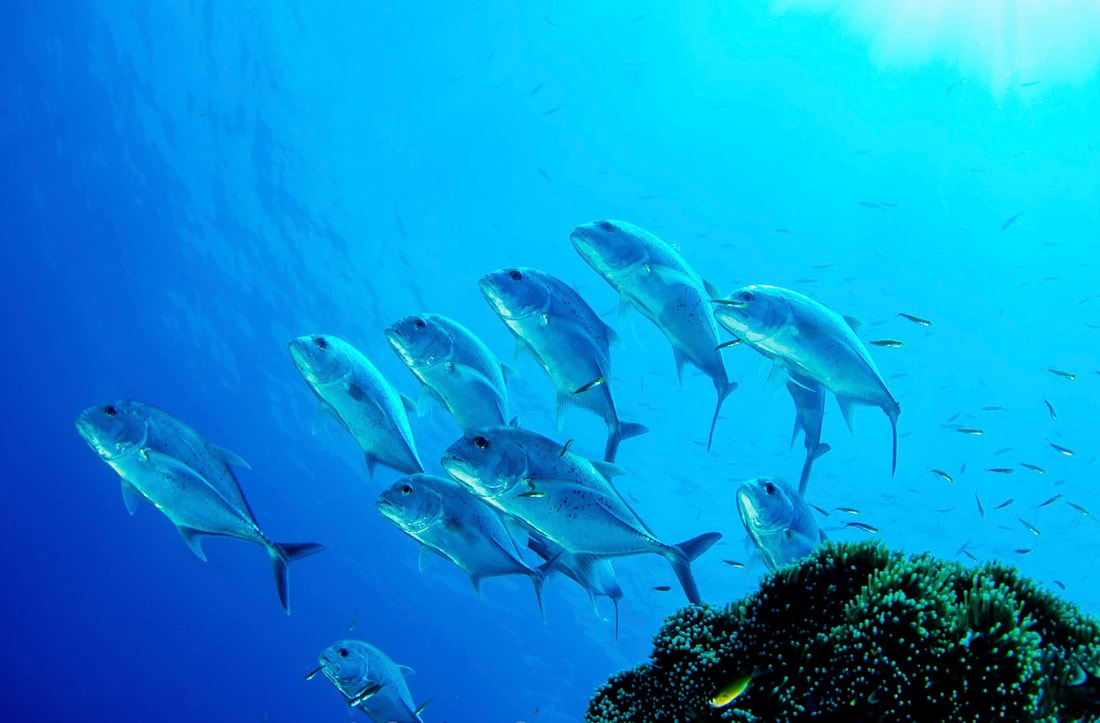
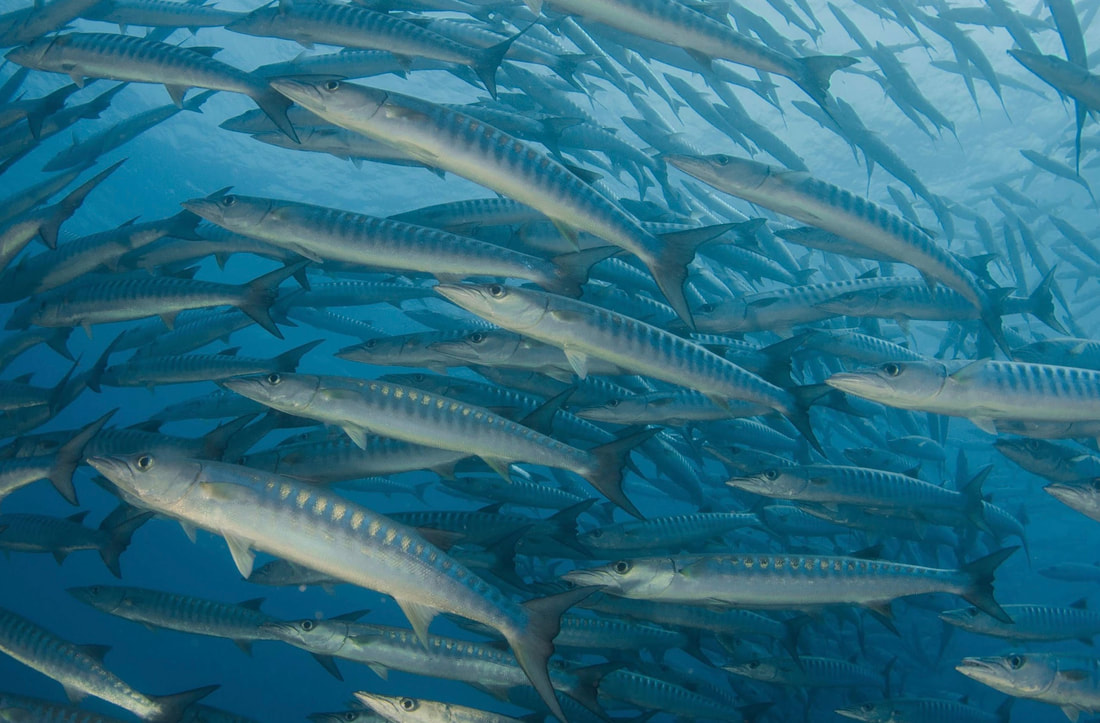
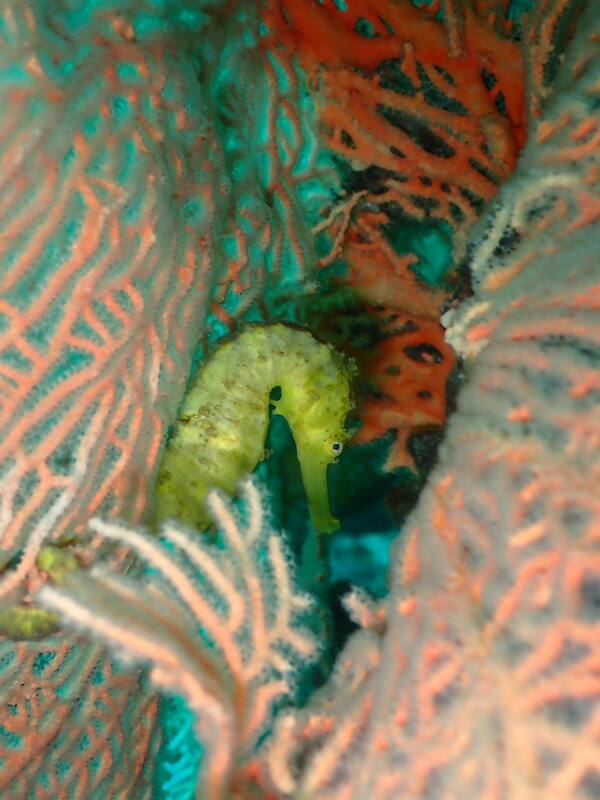
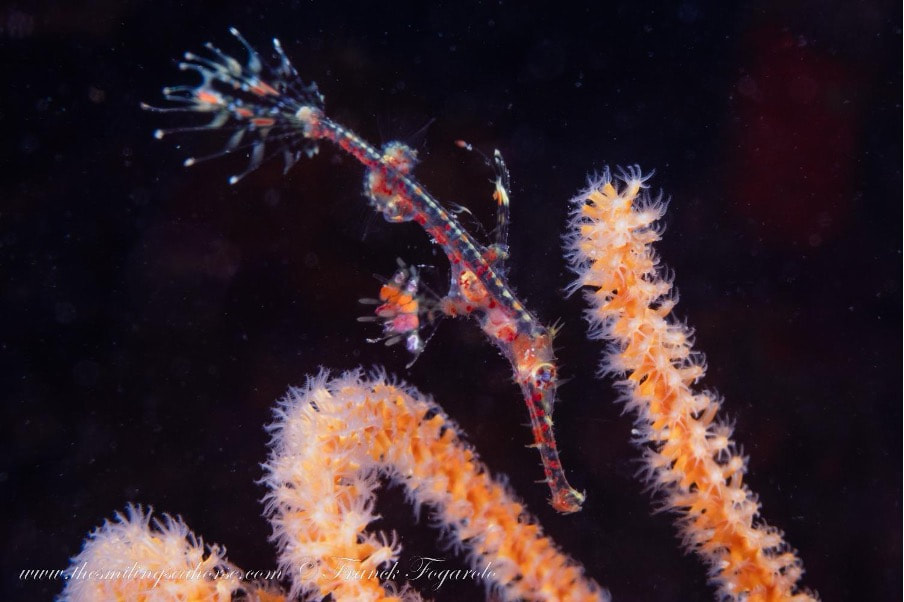
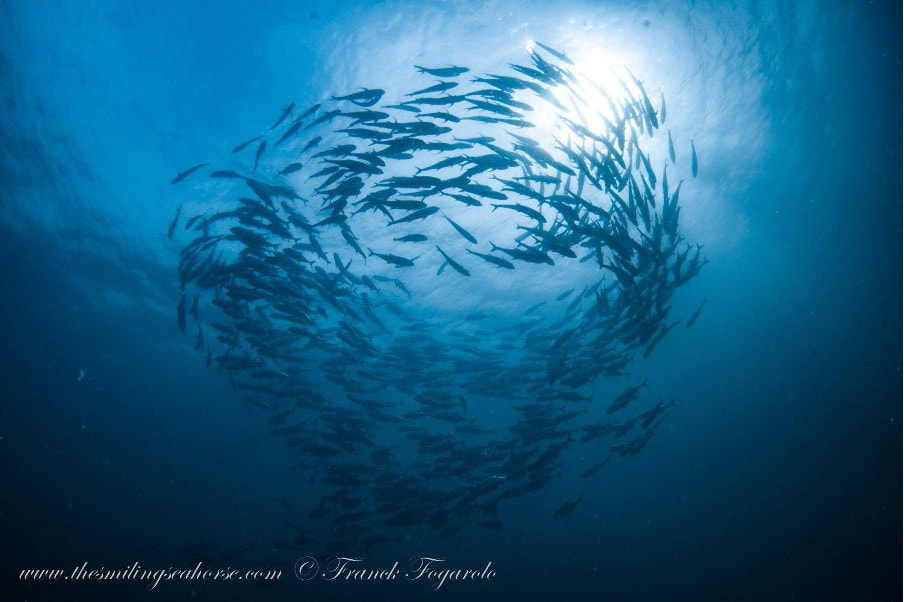
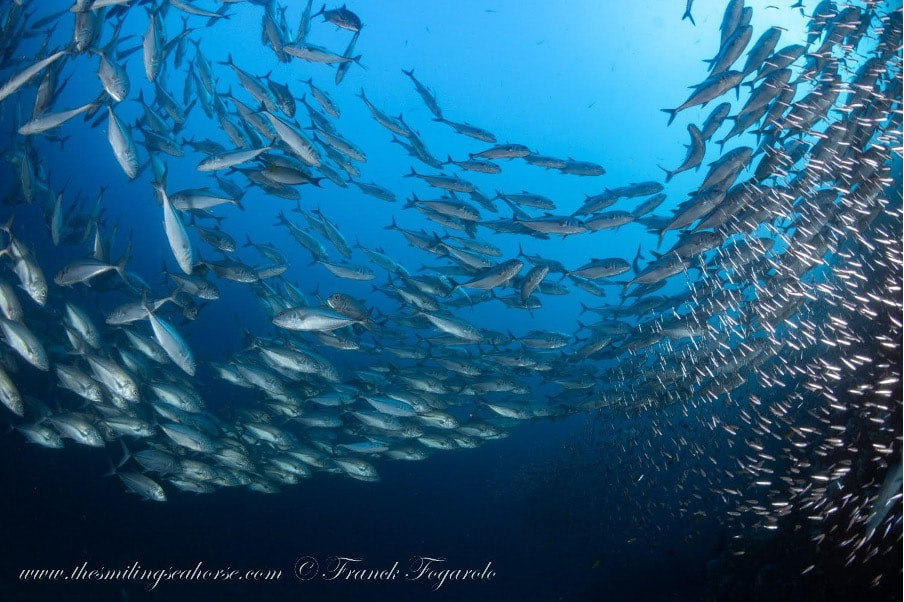
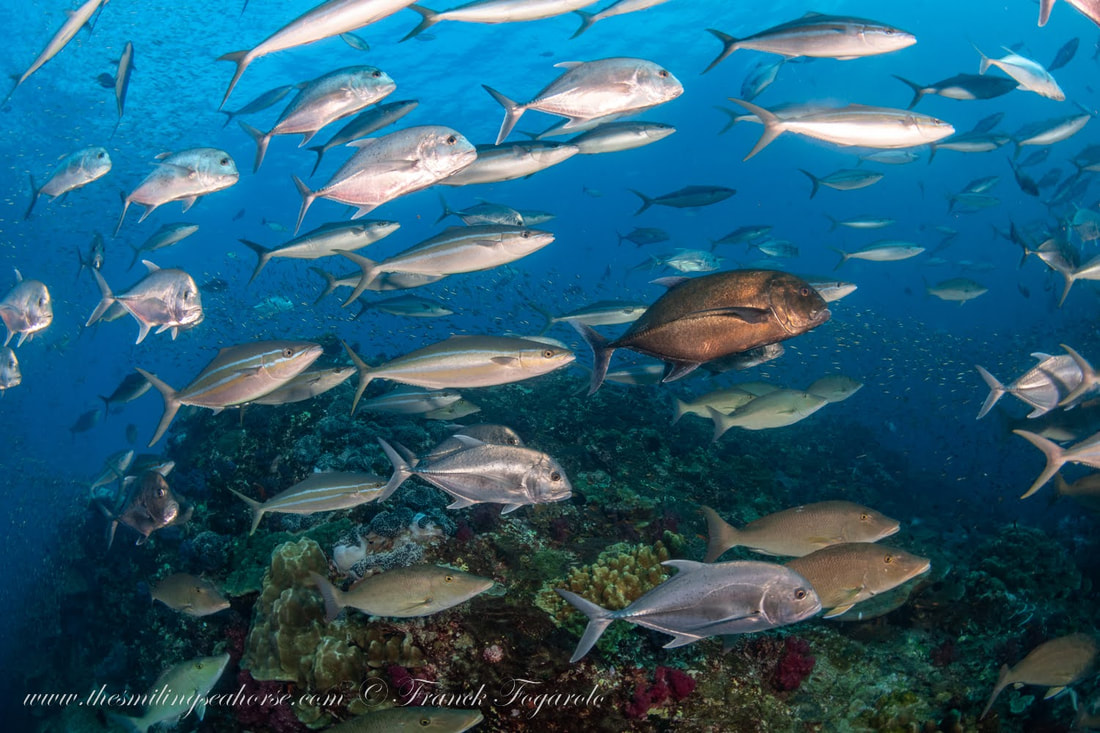
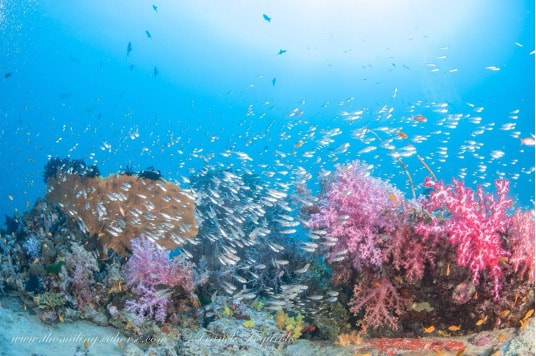
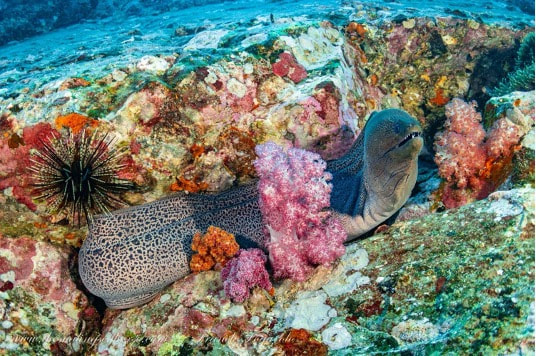
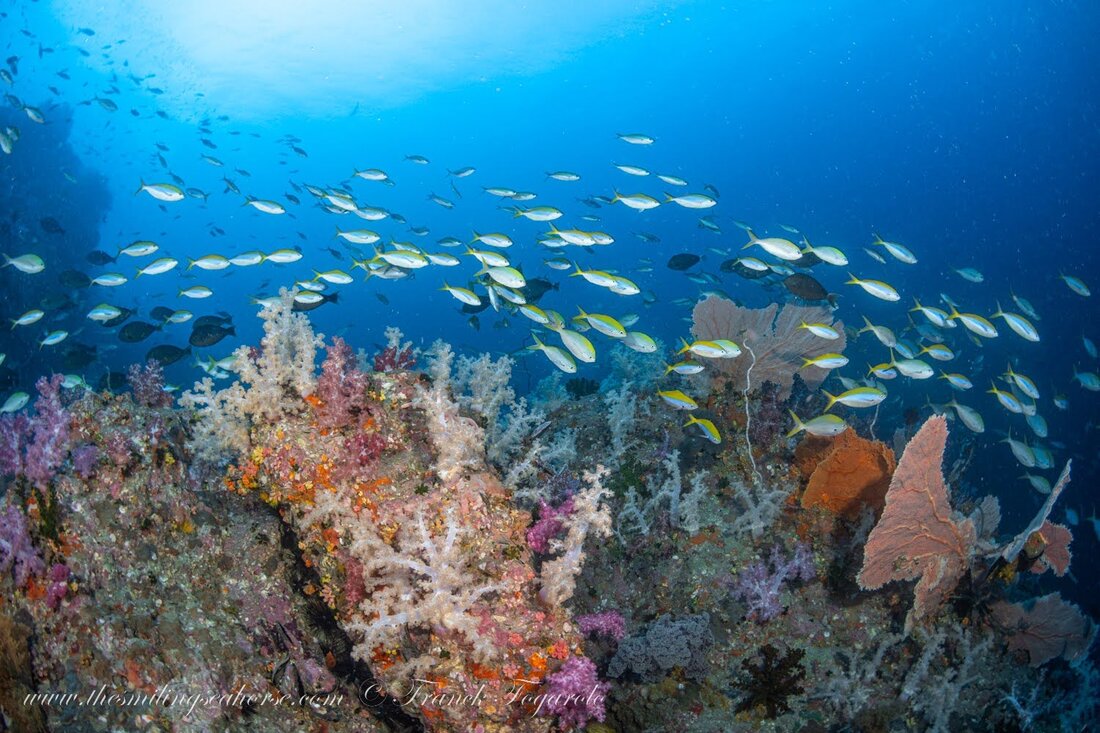
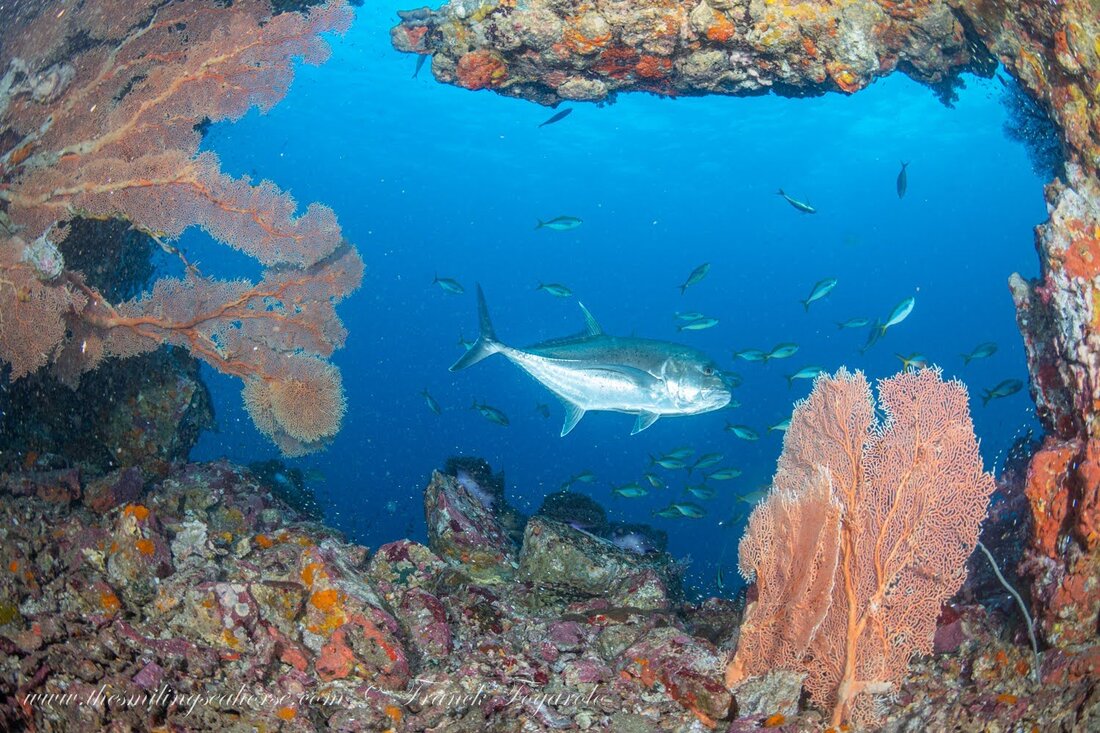
The conditions were ideal, and despite not encountering any shark, we witnessed a plethora of marine life in its colourful seascape: From schools of big-eyed trevally and chevron barracuda to solitary great barracuda and massive groupers, every dive was a mesmerizing encounter with the ocean's biodiversity. For macro enthusiasts, the discovery of a tiny baby tigertail seahorse, along with sightings of harlequin shrimp, ghost pipefish, and clownfish eggs, added an extra layer of excitement to our underwater explorations.
The conditions were ideal, and despite not encountering any shark, we witnessed a plethora of marine life in its colourful seascape: From schools of big-eyed trevally and chevron barracuda to solitary great barracuda and massive groupers, every dive was a mesmerizing encounter with the ocean's biodiversity. For macro enthusiasts, the discovery of a tiny baby tigertail seahorse, along with sightings of harlequin shrimp, ghost pipefish, and clownfish eggs, added an extra layer of excitement to our underwater explorations.
 |  |
Koh Bon and Koh Tachai
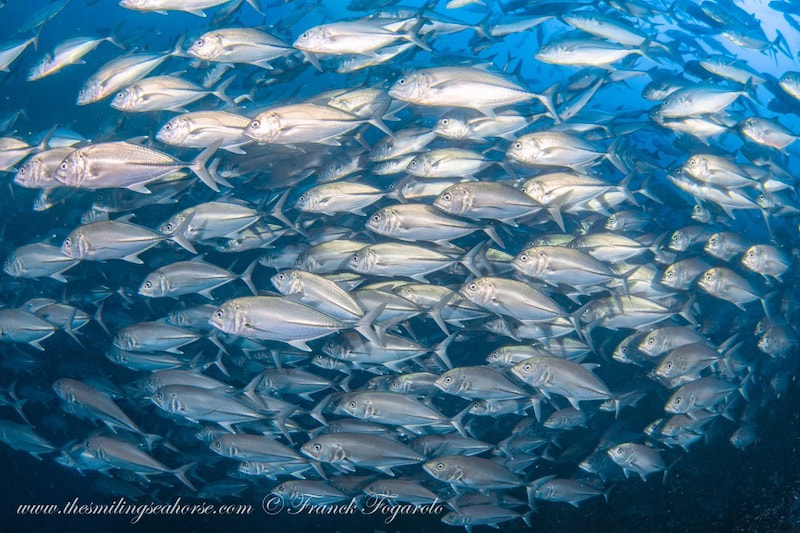
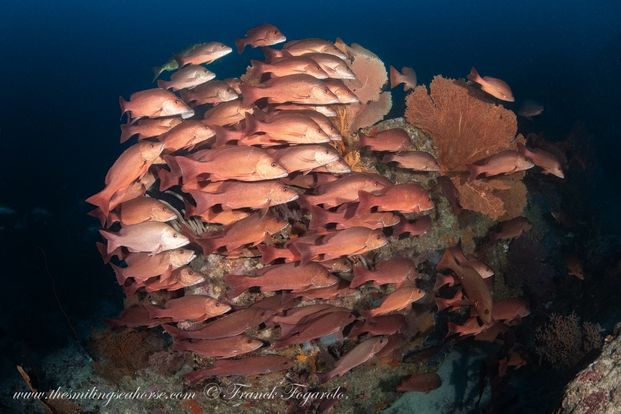
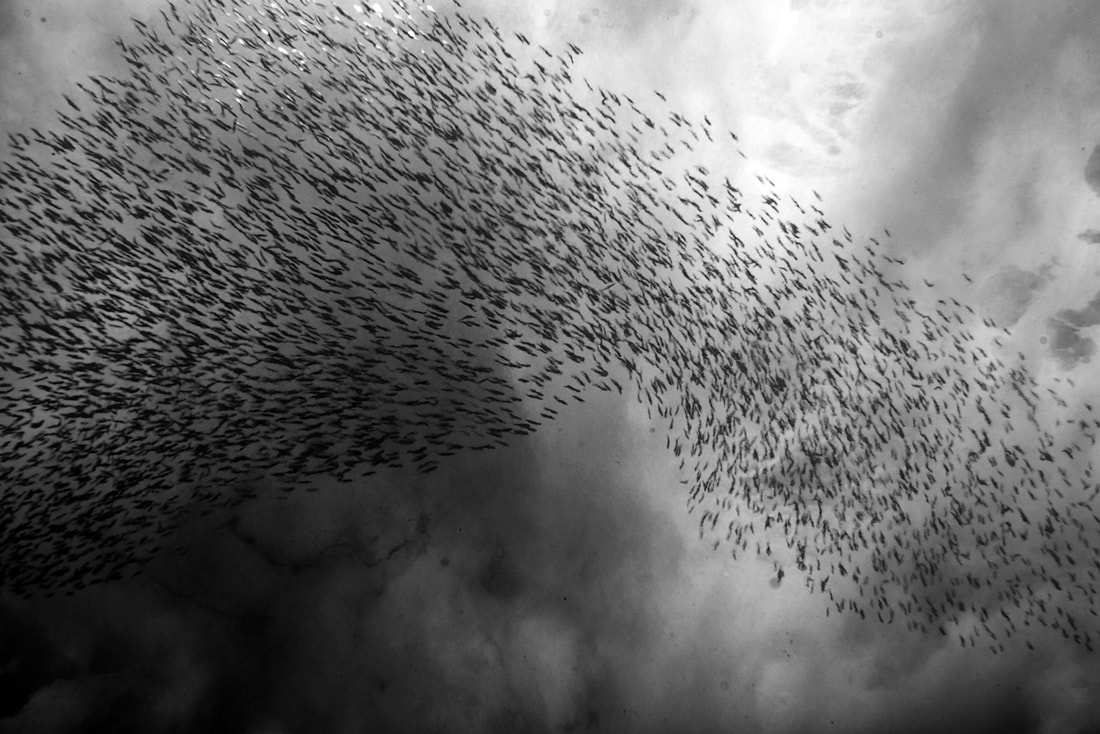
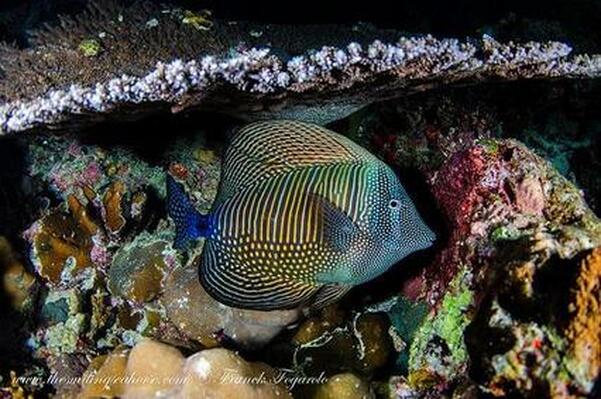
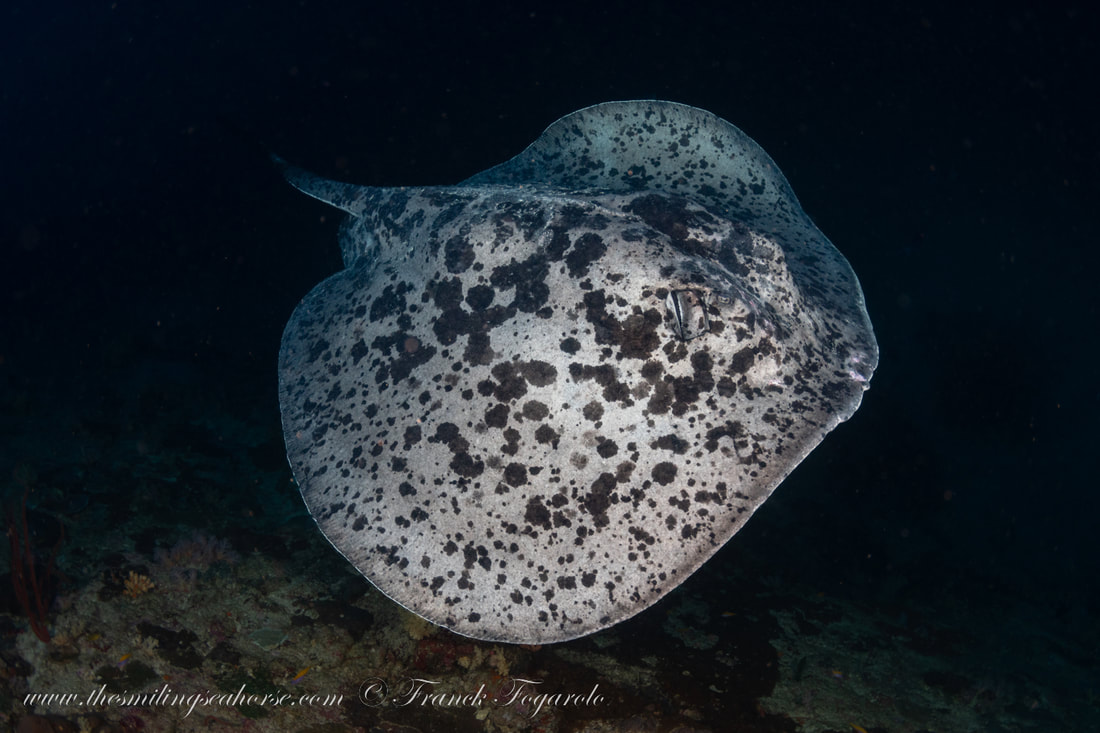
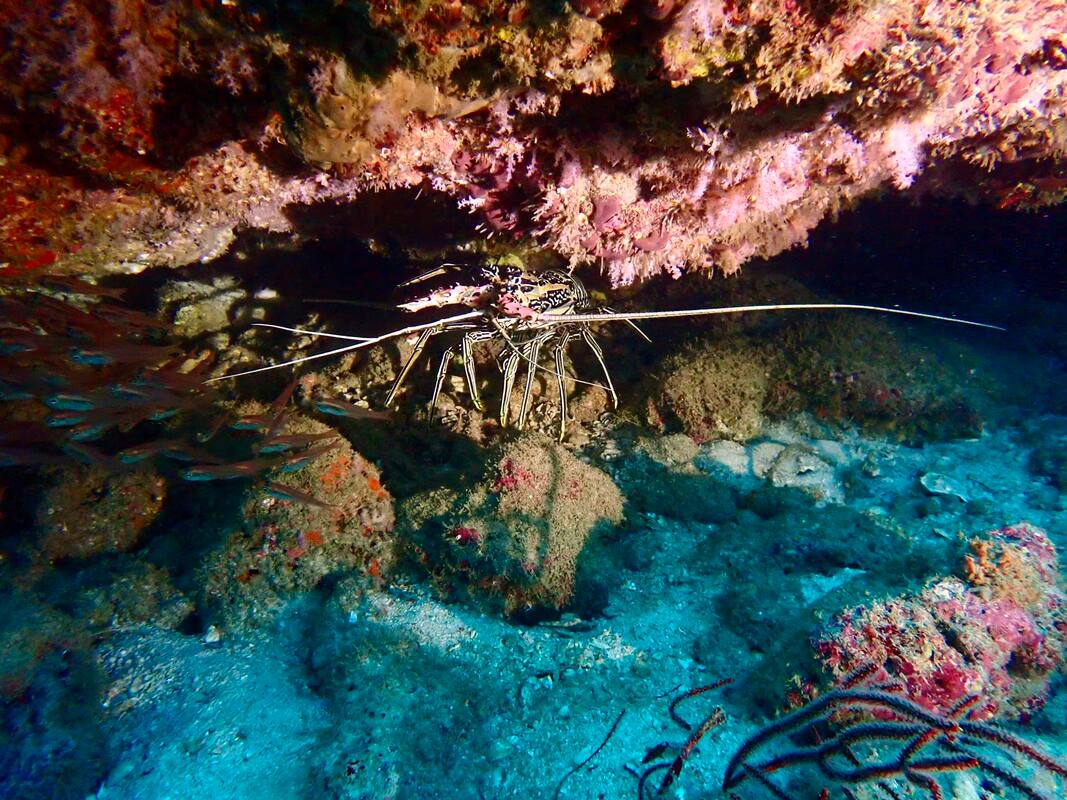
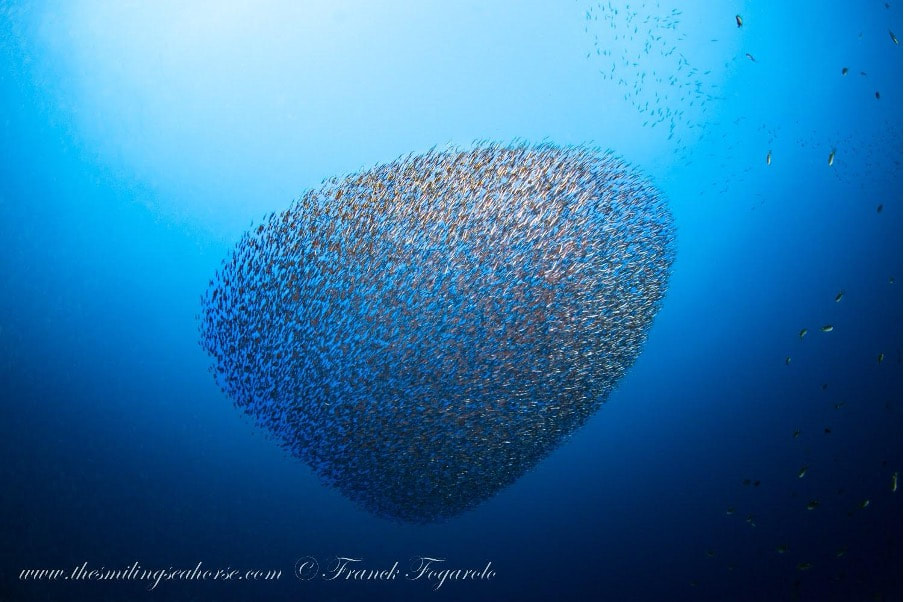
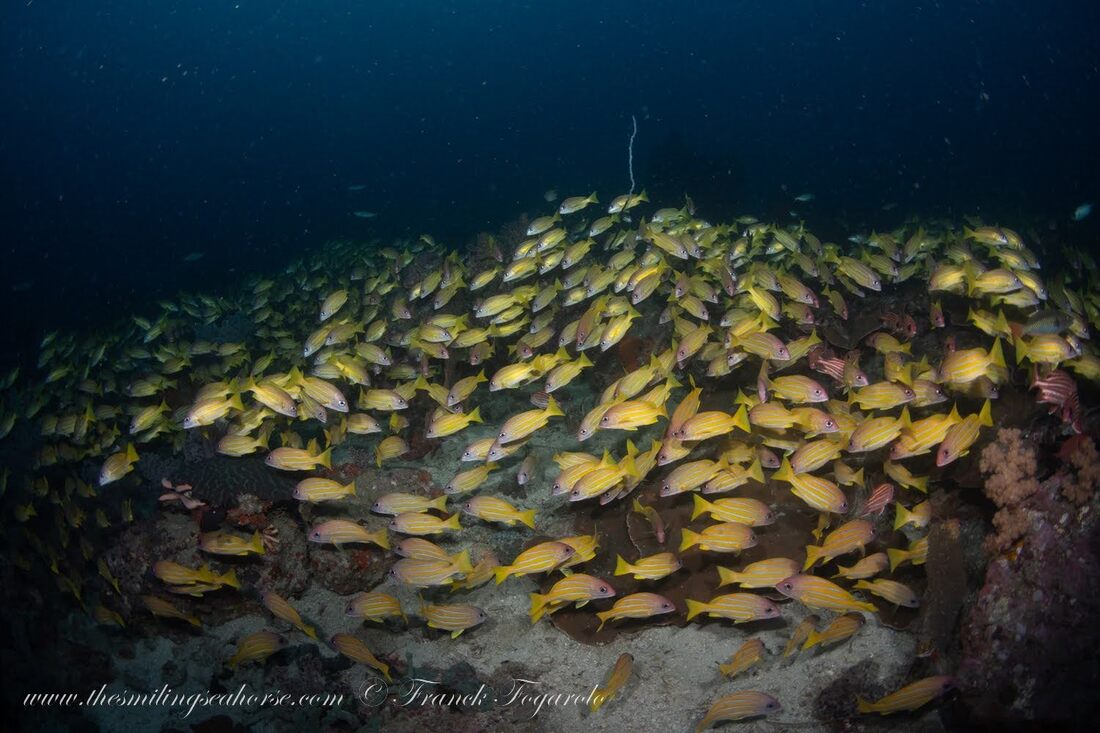
On Day 3, we found ourselves at Koh Tachai, diving amidst crystal-clear waters and vibrant marine ecosystems. Strong currents greeted us on our first dive, bringing with them an abundance of life in the blue depths. Chevron barracuda, batfish, and even a blacktip shark made appearances, offering thrilling encounters for our divers. The second dive, with calmer conditions, allowed us to leisurely explore the pinnacle, marveling at the diversity of marine life, from groupers and surgeonfish to butterflyfish and the intricate architecture of a lobster's nest. As the day progressed, we ventured deep into the Koh Bon pinnacle, where a massive school of big-eyed trevally mesmerized us with their synchronized movements.
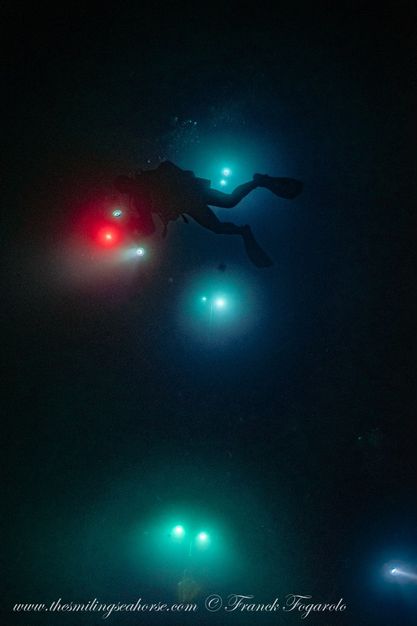
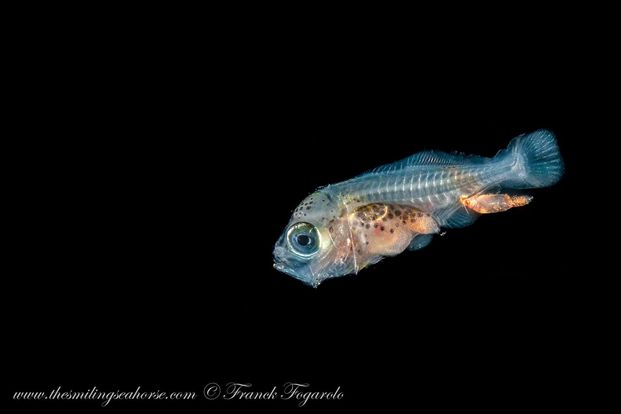
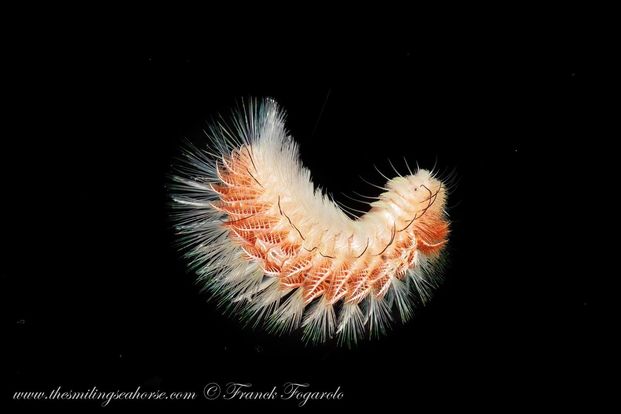
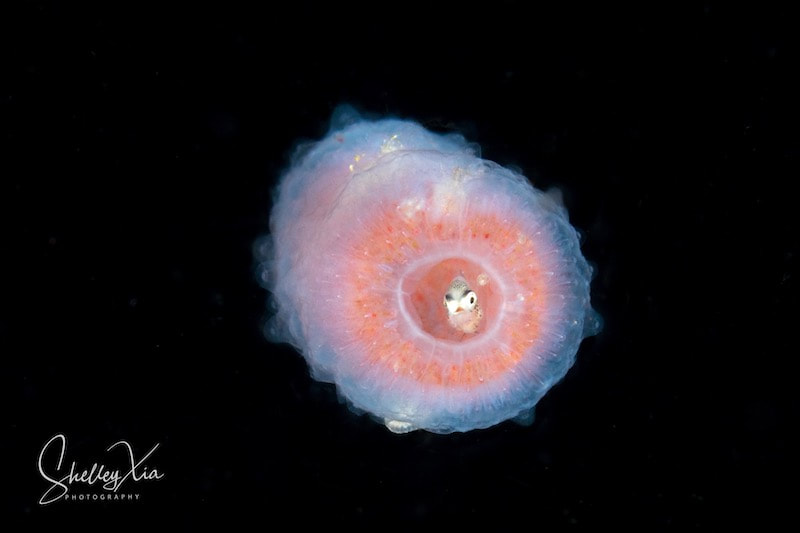
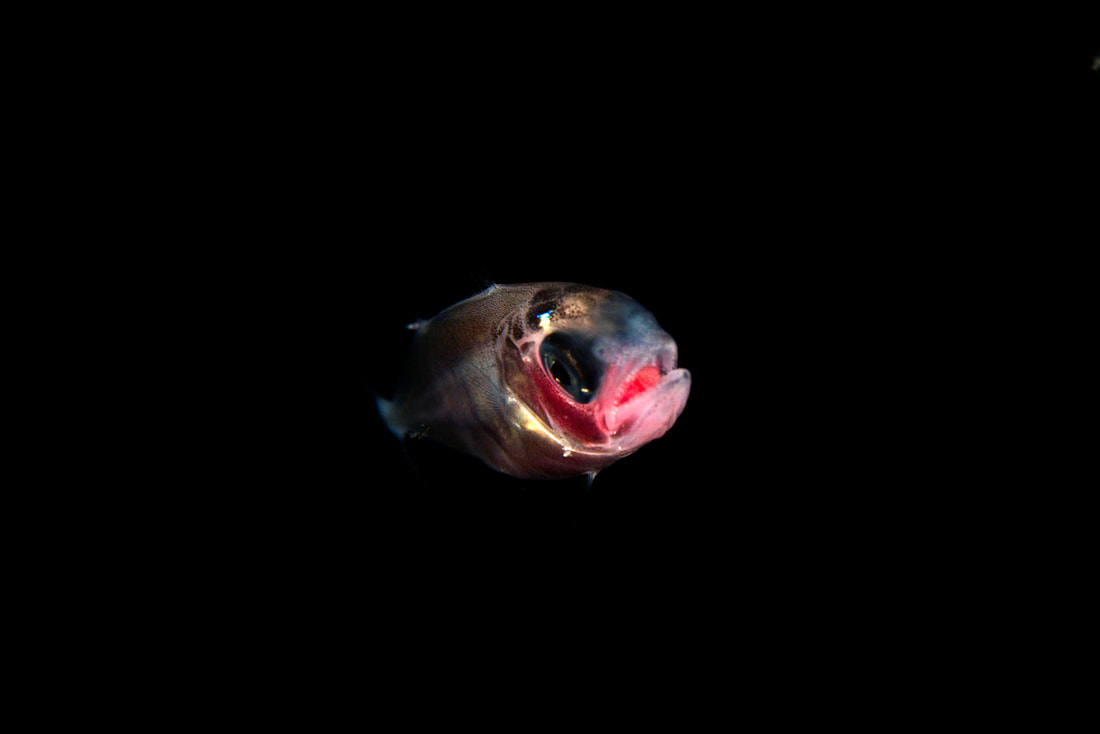
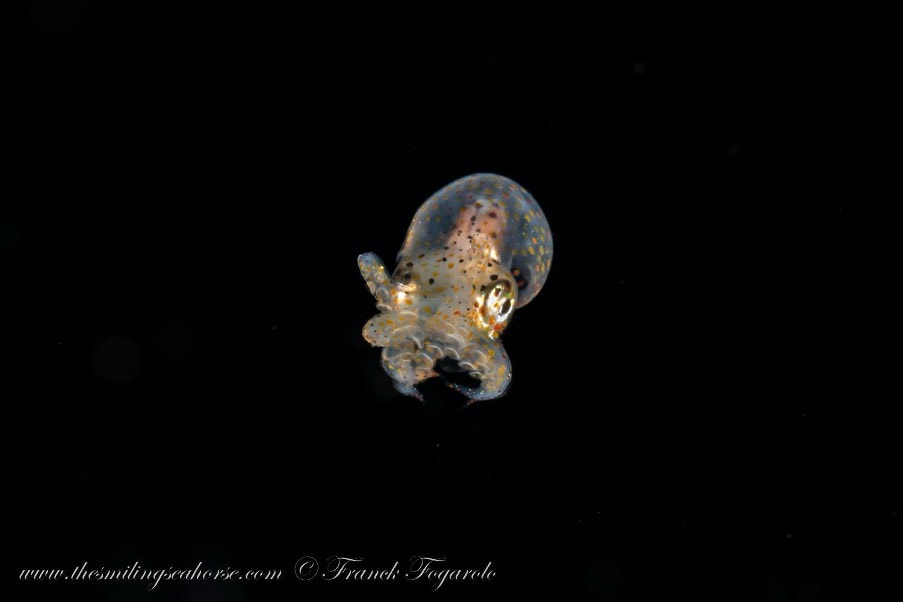
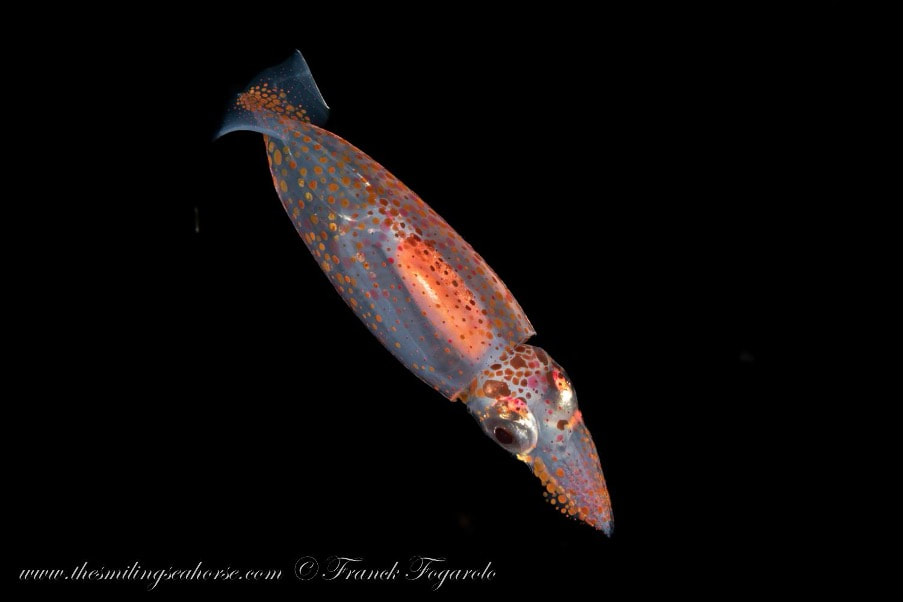
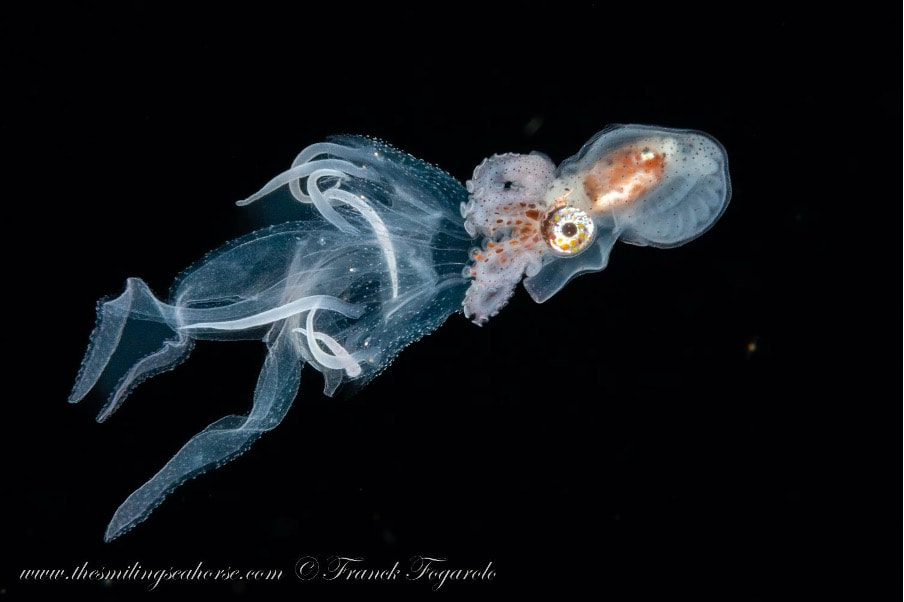
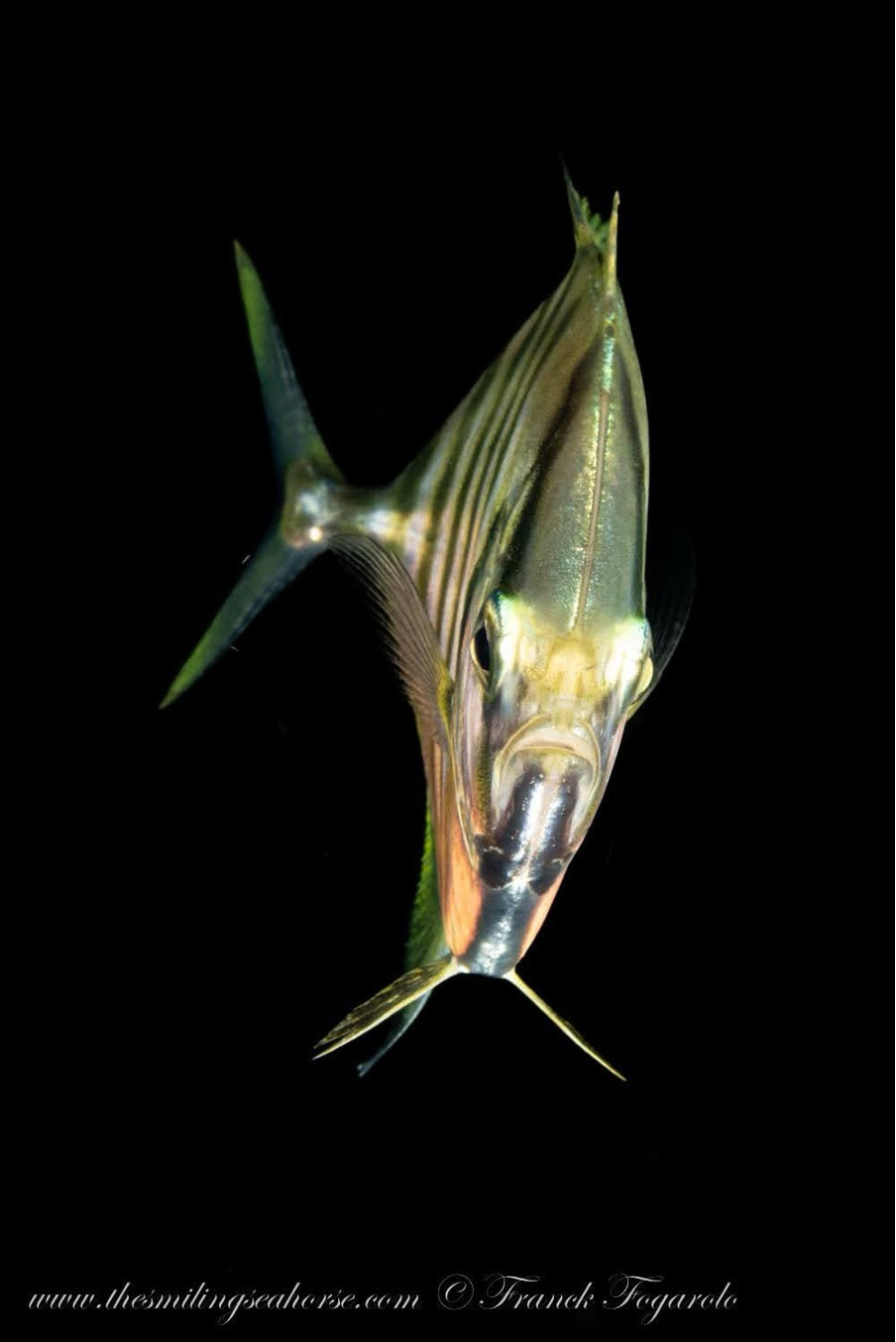
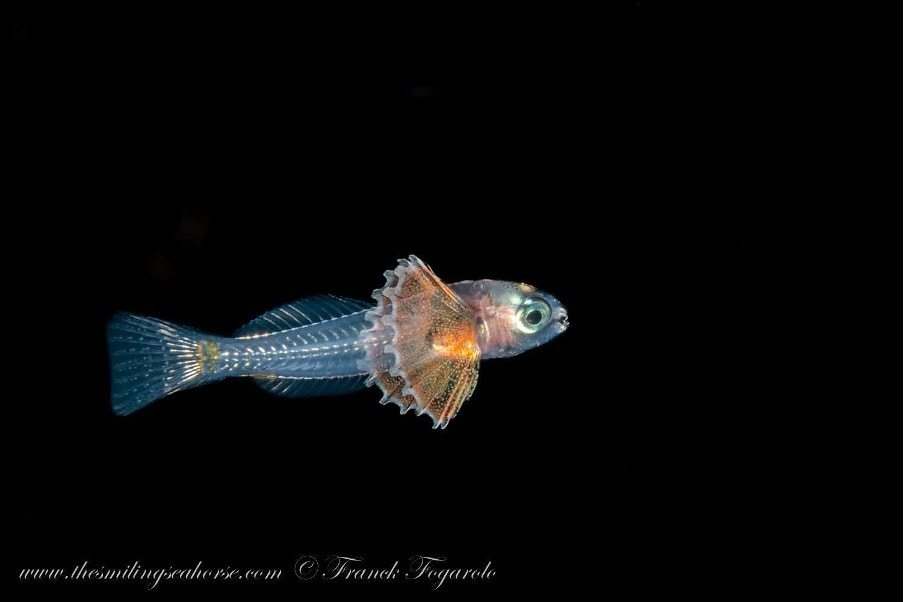
The highlight of the day awaited us as we delved into the mysterious world of Black Water Diving. Setting our boat at a depth of 100 meters, we created a vertical line with lights, inviting our guests to witness the mesmerizing spectacle of the ocean's nighttime migration. Over the course of an hour, we were treated to sightings of rare and peculiar creatures, providing a glimpse into the enigmatic depths of the ocean.
The highlight of the day awaited us as we delved into the mysterious world of Black Water Diving. Setting our boat at a depth of 100 meters, we created a vertical line with lights, inviting our guests to witness the mesmerizing spectacle of the ocean's nighttime migration. Over the course of an hour, we were treated to sightings of rare and peculiar creatures, providing a glimpse into the enigmatic depths of the ocean.
 |  |
Similan islands
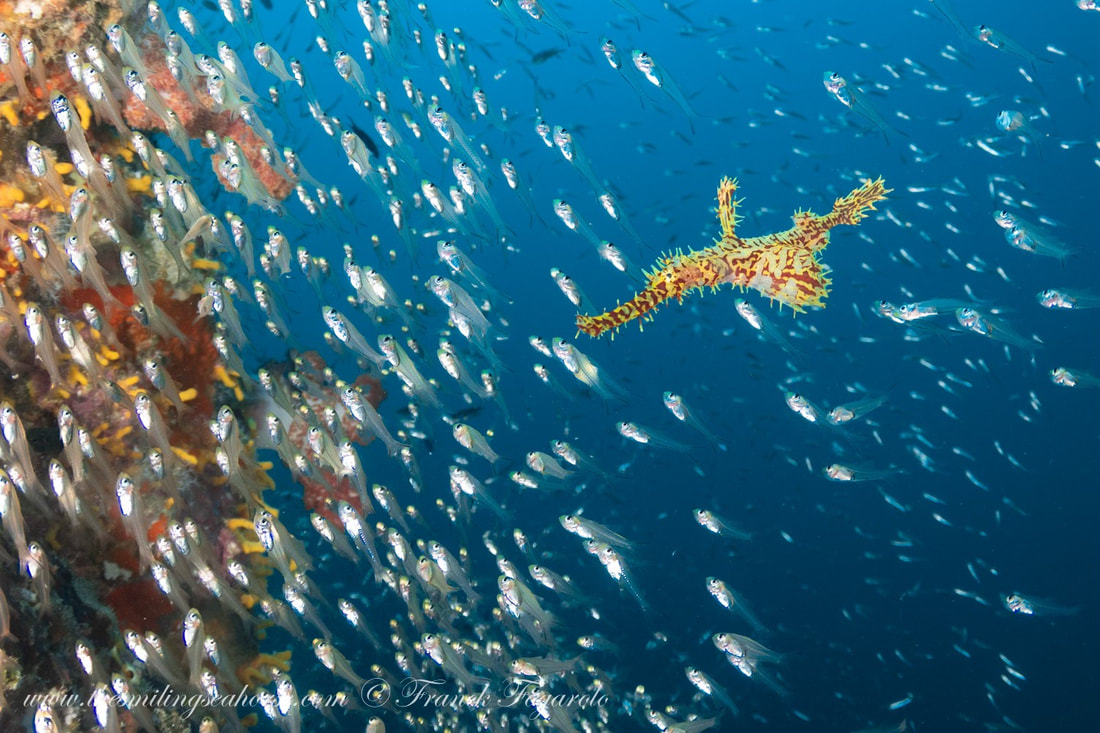
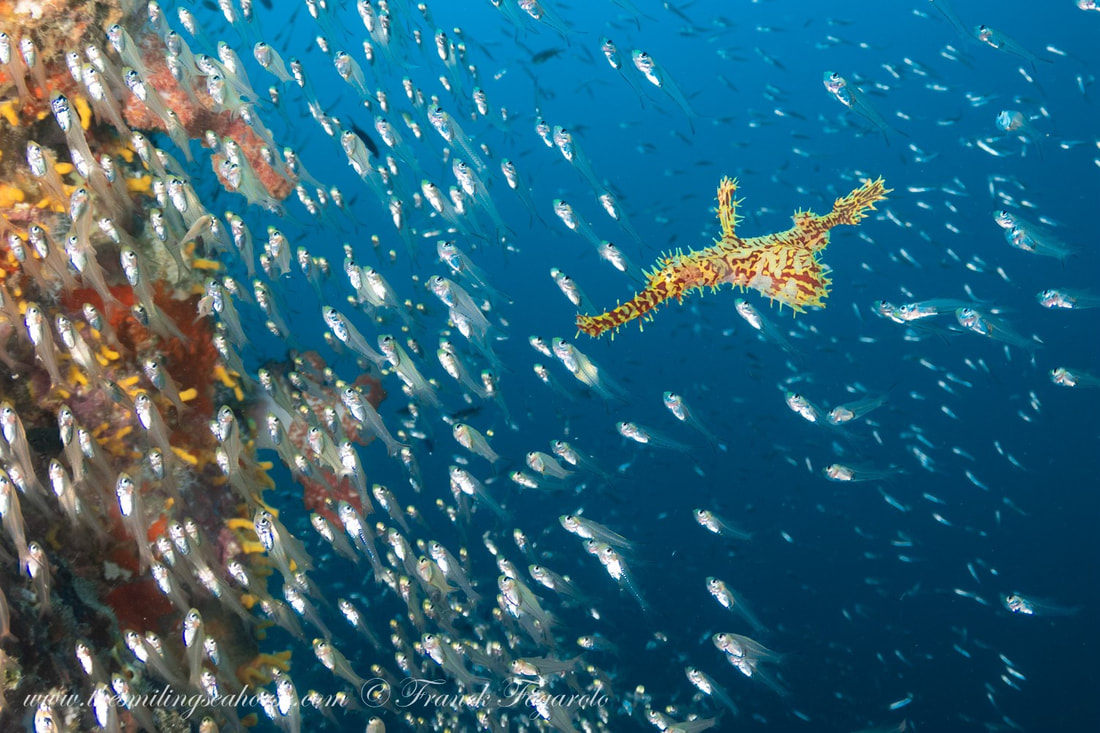
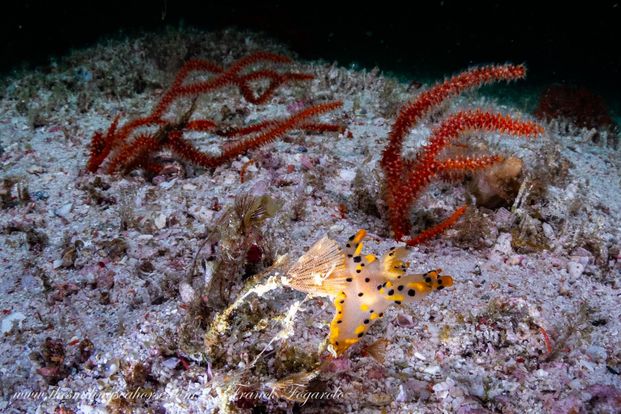
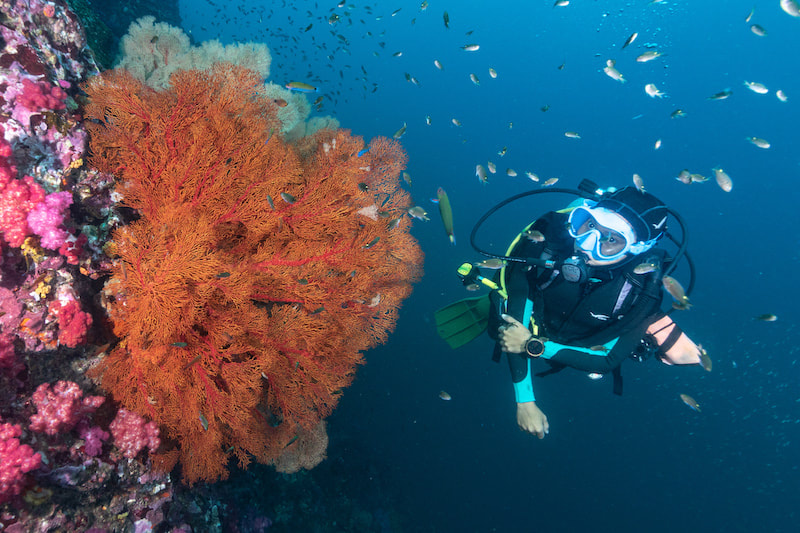
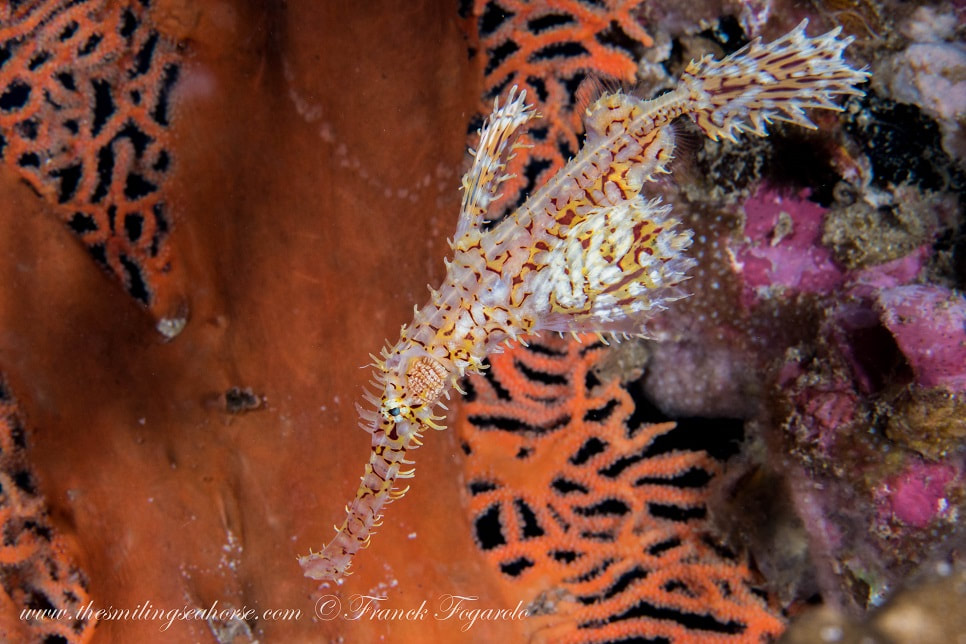
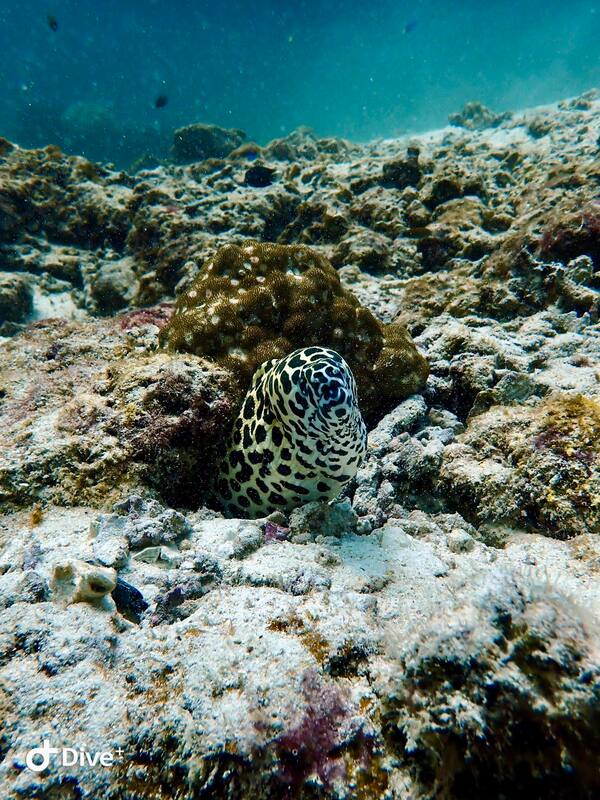
Our expedition continued with exploration of the Similan Islands on Day 4. Diving in the clear and warm waters of Three Trees, Elephant Head, and West of Eden, we were fortunate to encounter turtles, ribbon eels, ghost pipefish, and even the elusive pegasus sea moth. The sighting of the pegasus sea moth was particularly special, as it is rarely seen in these waters. We've seen them in Mergui Archipelago and Koh Lipe before but only James, who has been diving the Similan islands for the past 22 years, had seen them in the similan islands before and he had been waiting 10 years to witness this remarkable creature again.
 | 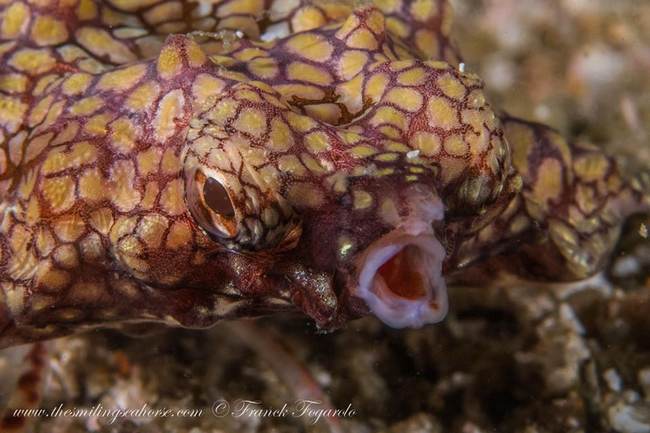 Seamoths “walk” along the bottom with modified pelvic fins and use their toothless, tube-like mouths mouths to suck up worms and other invertebrates. |
South Andaman
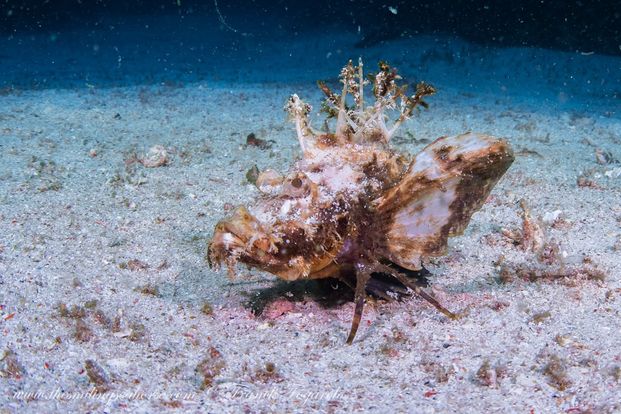
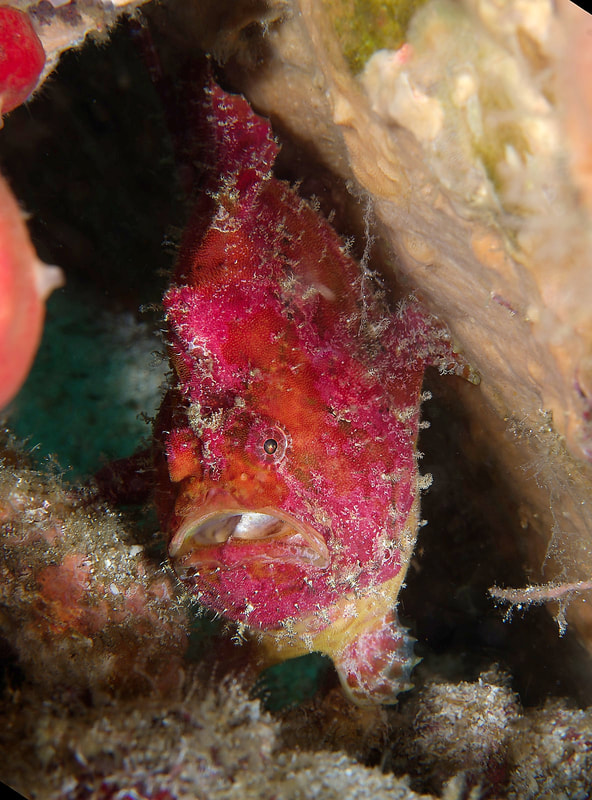
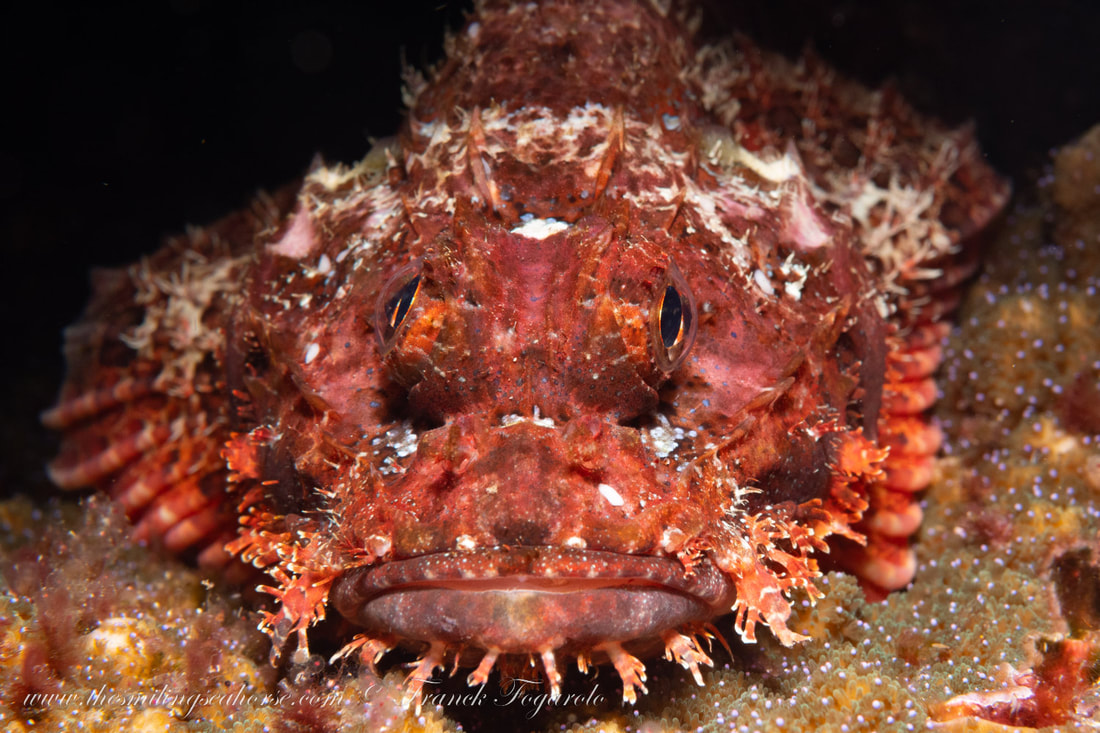
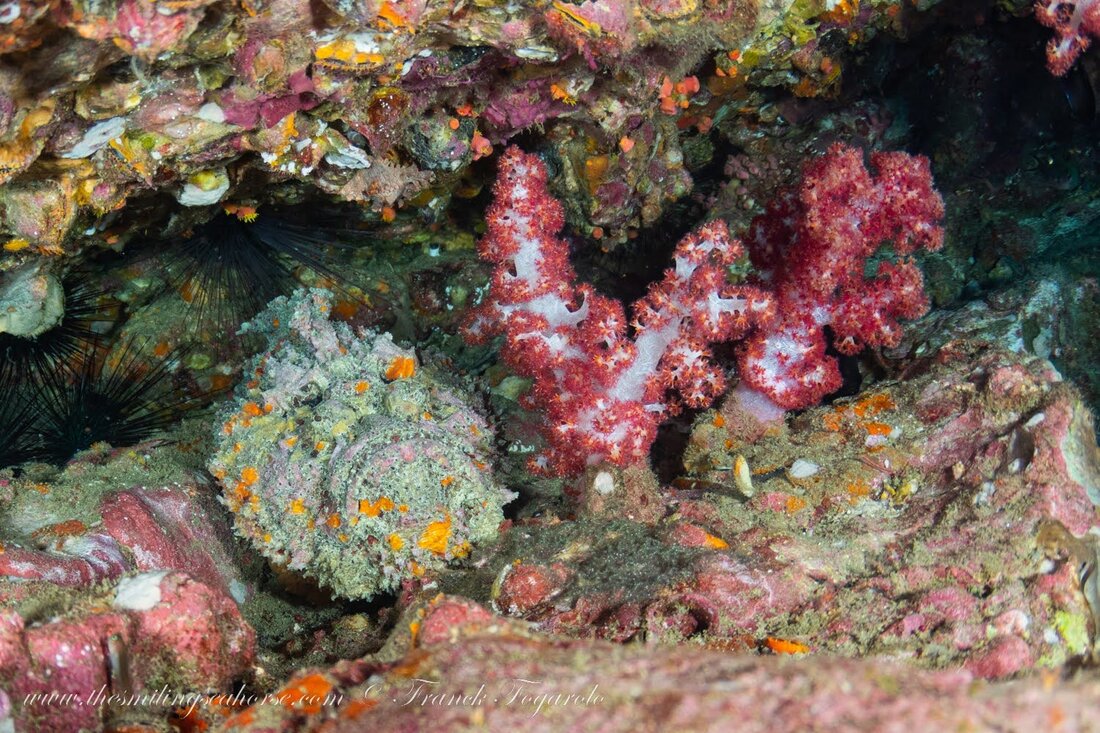
On Day 5, we ventured to Hin Deang and Hin Muang, where we encountered stonefish and ghostfish, adding to the intrigue of our underwater adventures. Day 6 brought us to the Koh Lipe area, where we were treated to sightings of a frogfish and seahorse at 8 miles, along with exploring dive sites like Stonehenge, Honeycomb, and Koh Taru.
Want to know how to differentiate a stone fish from other scorpionfish? Read this article!
Want to know how to differentiate a stone fish from other scorpionfish? Read this article!
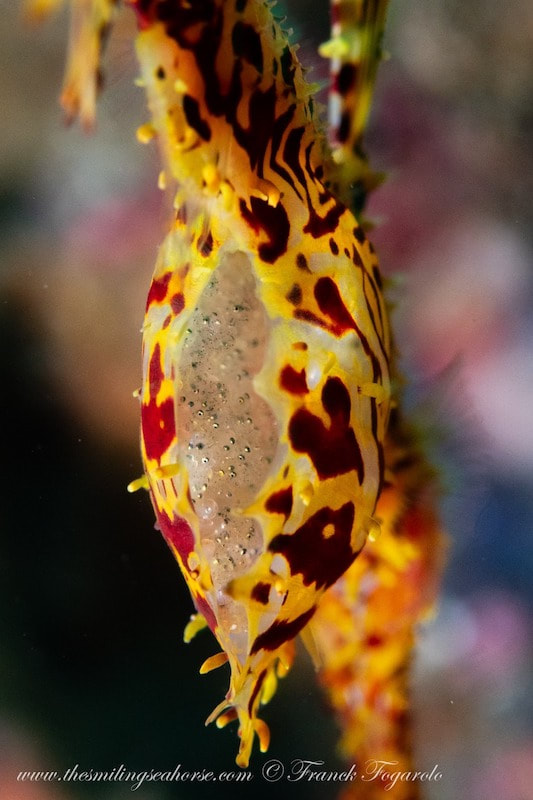 eggs of a harlequin ghost pipe fish | 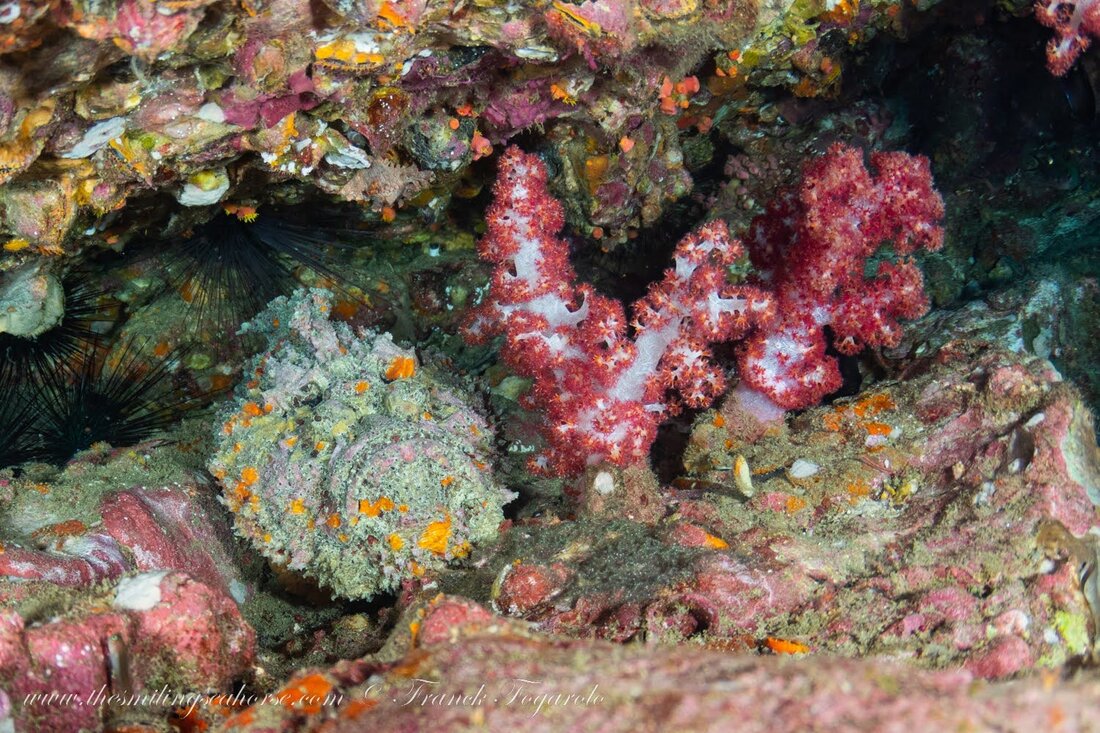 Stonefish |
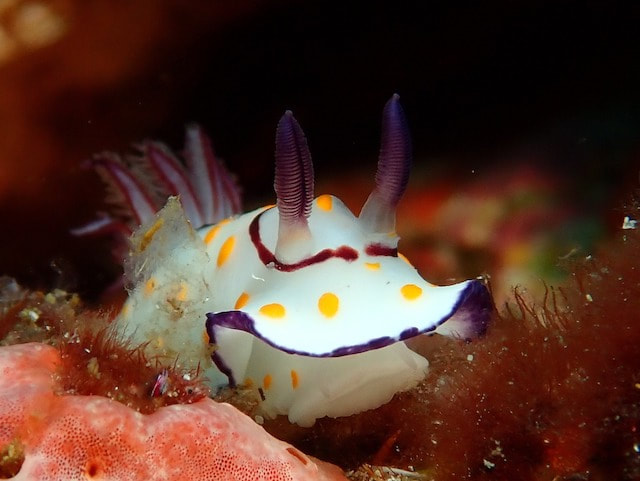
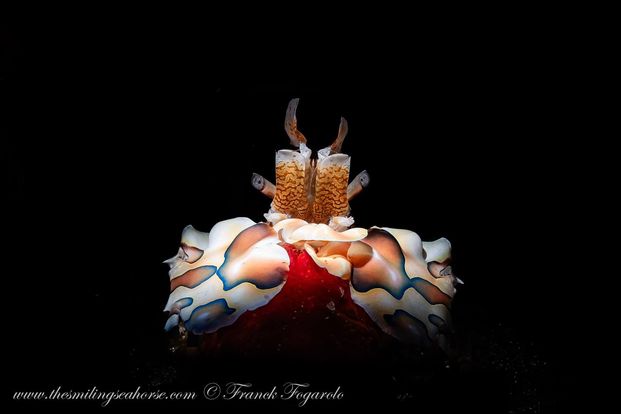
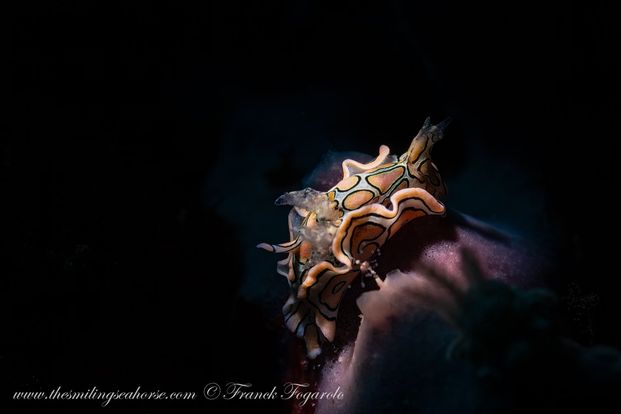
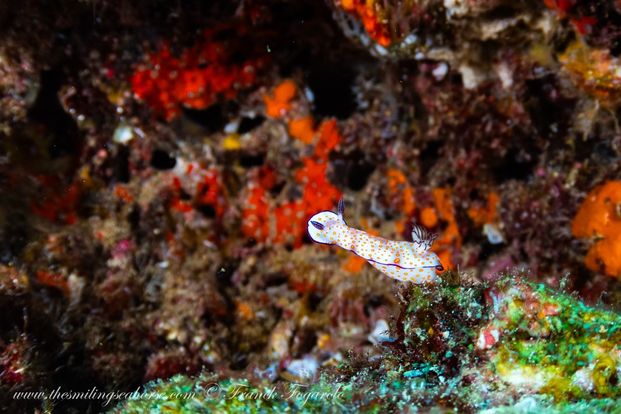
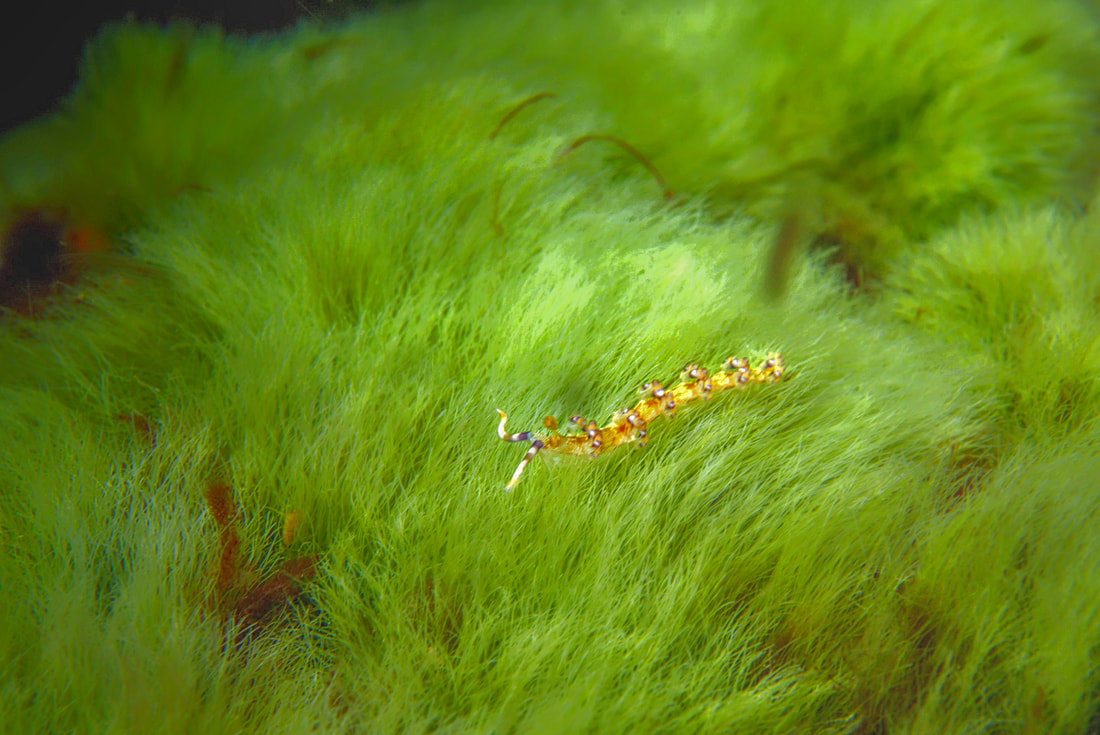
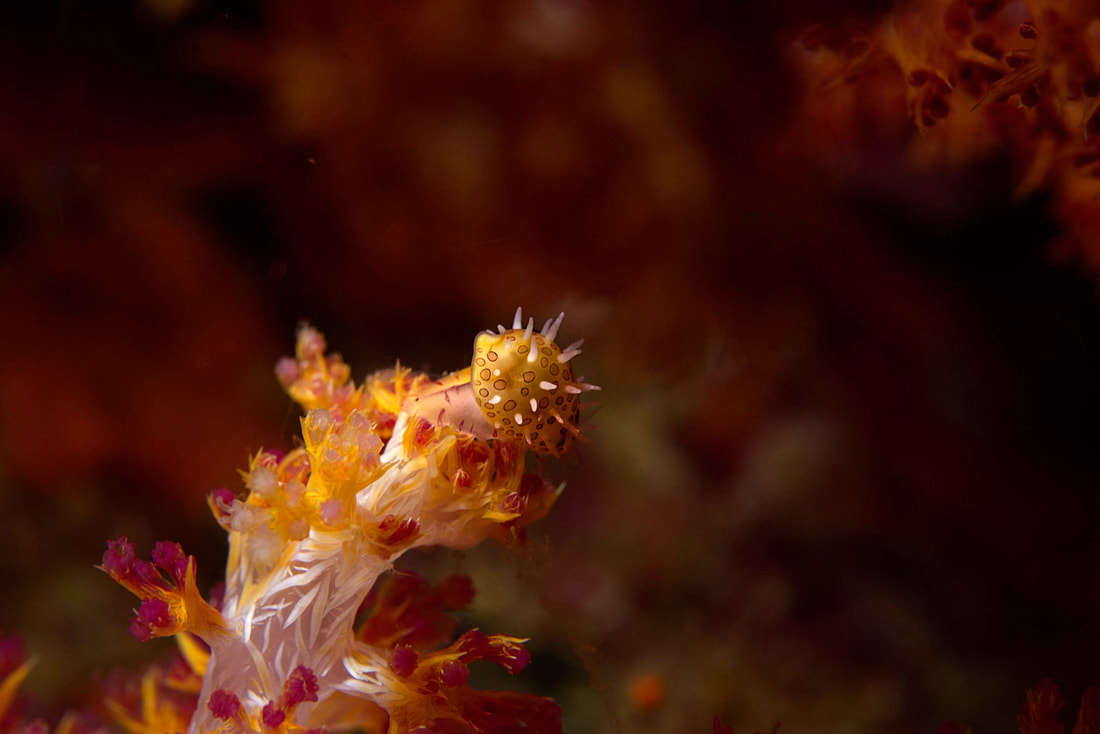
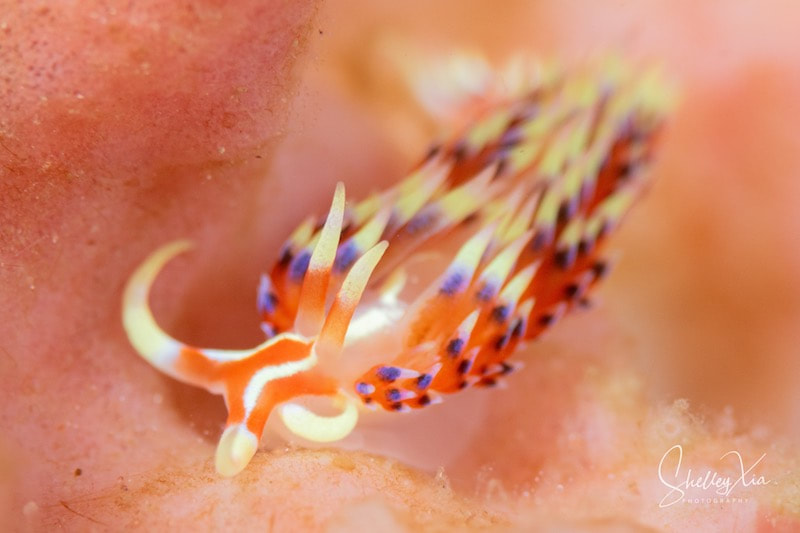
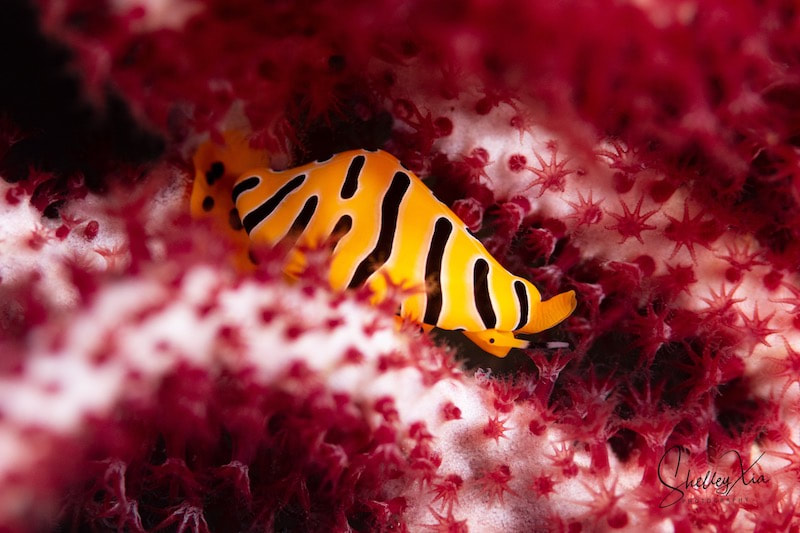
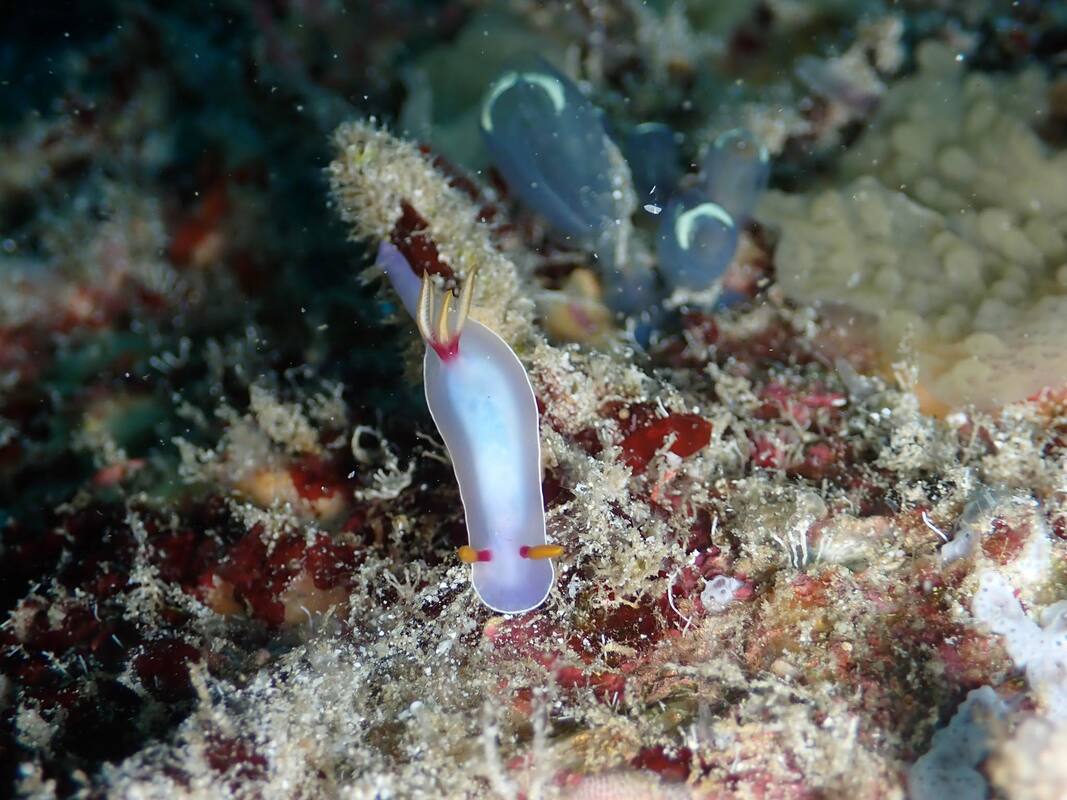
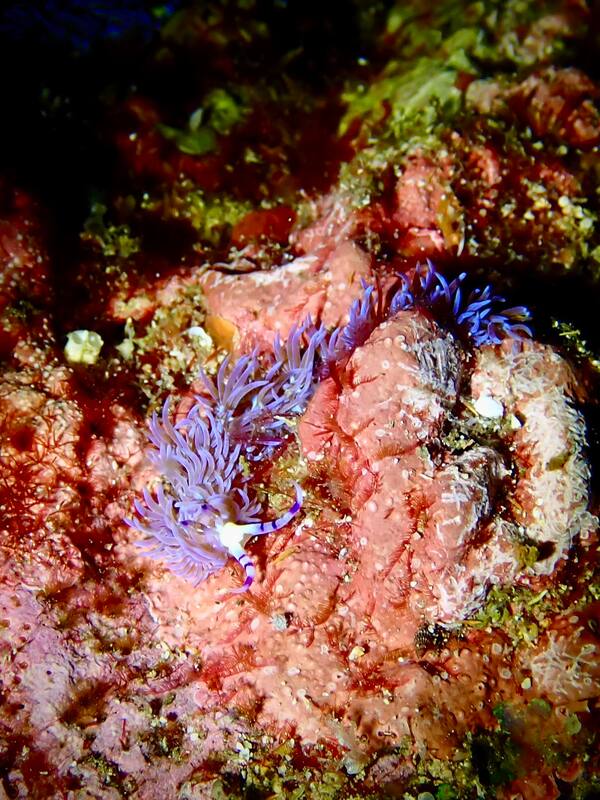
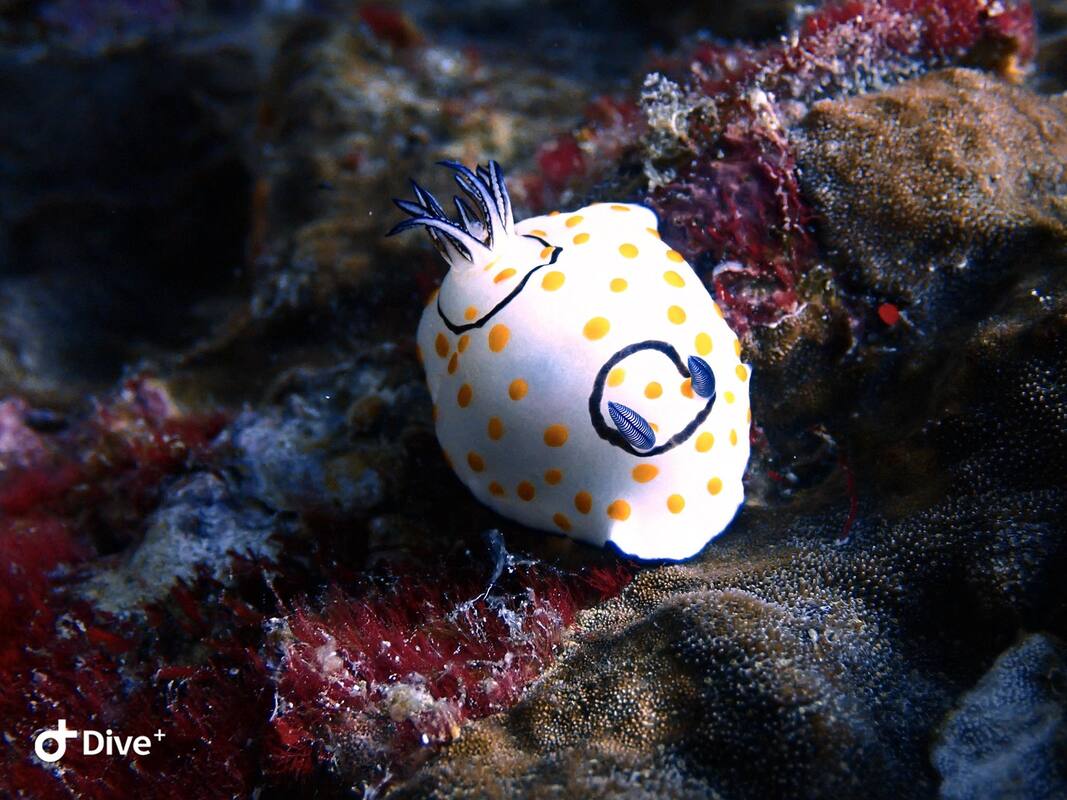
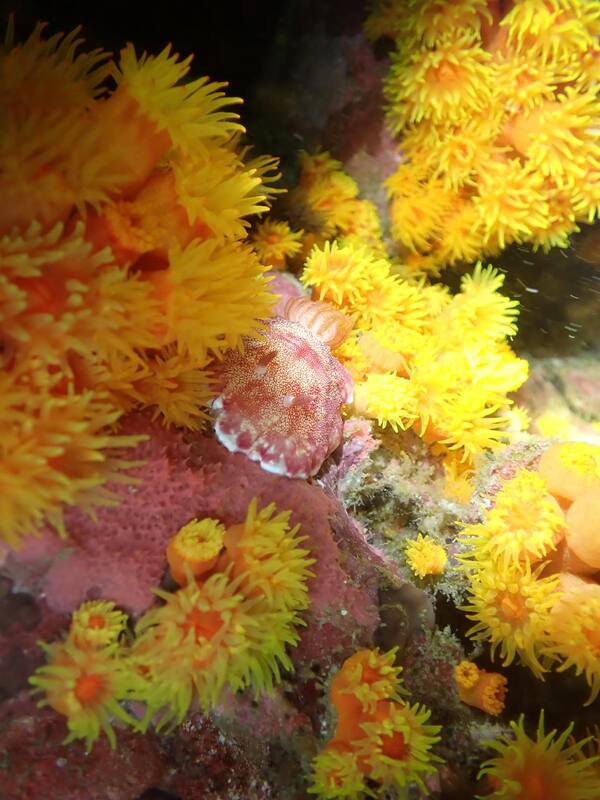
As our expedition drew to a close, we spent Day 7 exploring the wonders of Koh Haa, including the Cathedral dive site where we witnessed a vibrant Nudi festival, showcasing a variety of nudibranch species. The Chimney dive site provided further excitement with its unique underwater formations.
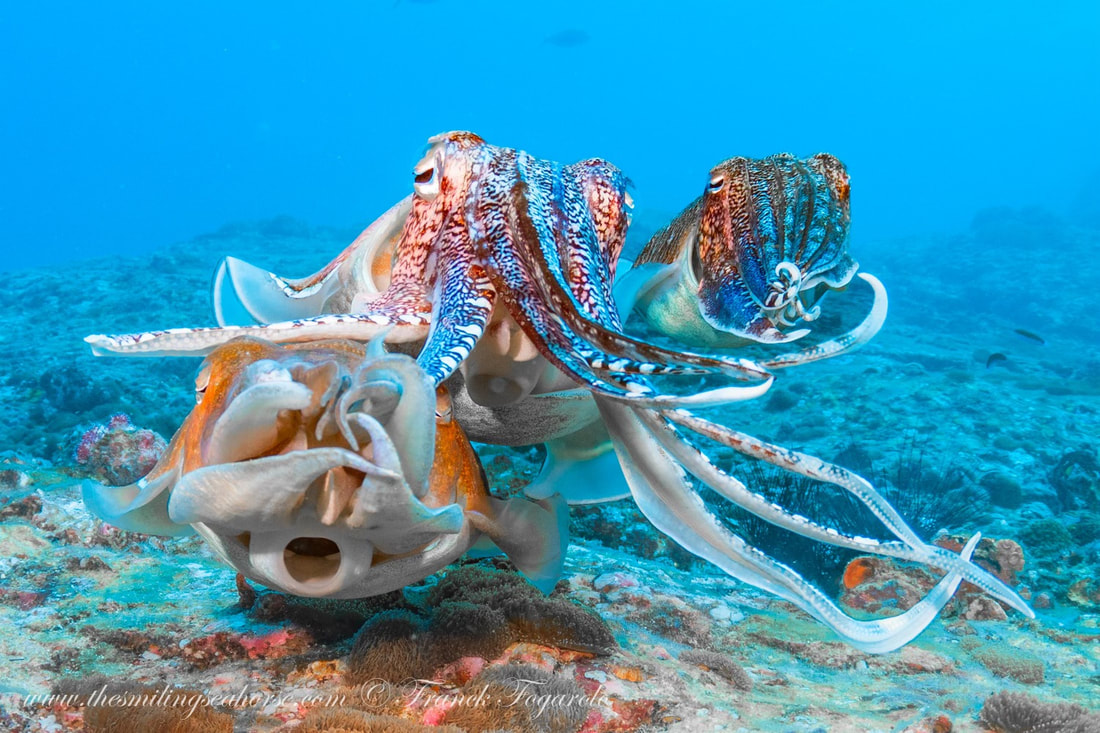
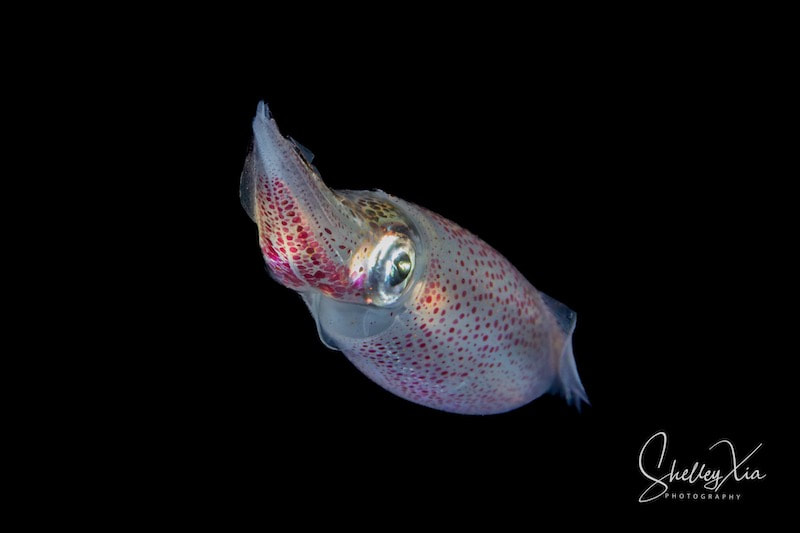
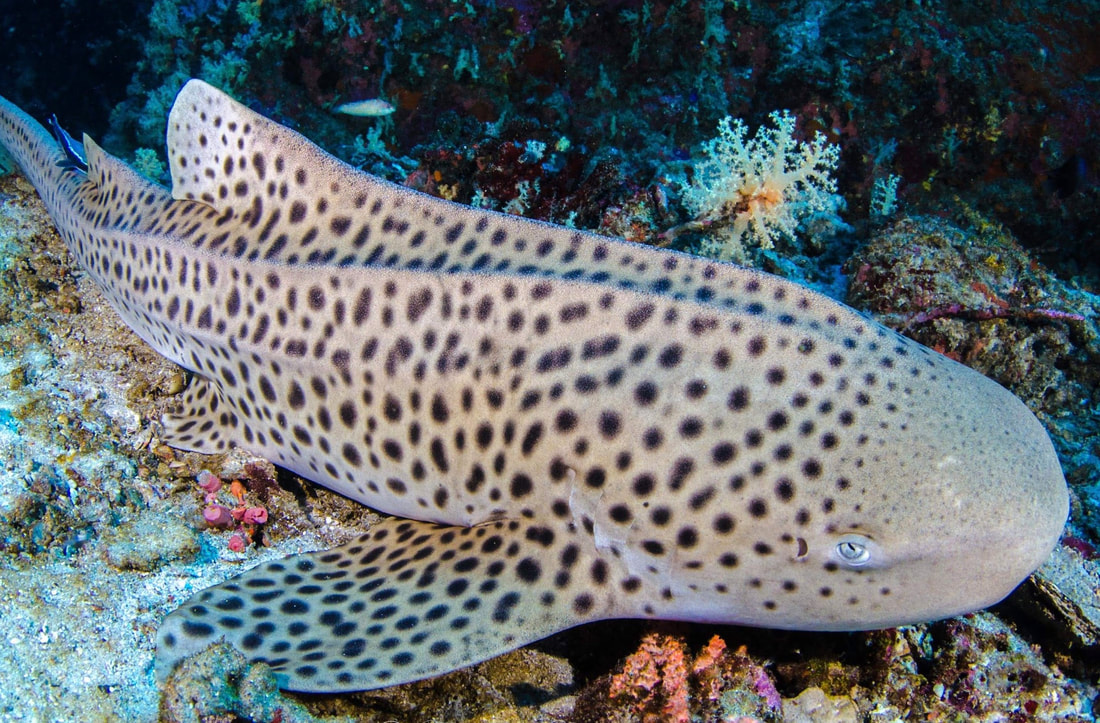
On Day 8, our final day of diving, we visited Bida Nok and Shark Point, where we encountered an array of marine life, including blacktip sharks, sea snakes, cuttlefish, and a mesmerizing school of squid. As we bid farewell to the Andaman Sea, our hearts were filled with gratitude for the unforgettable experiences shared and the incredible diversity of marine life encountered during our expedition.
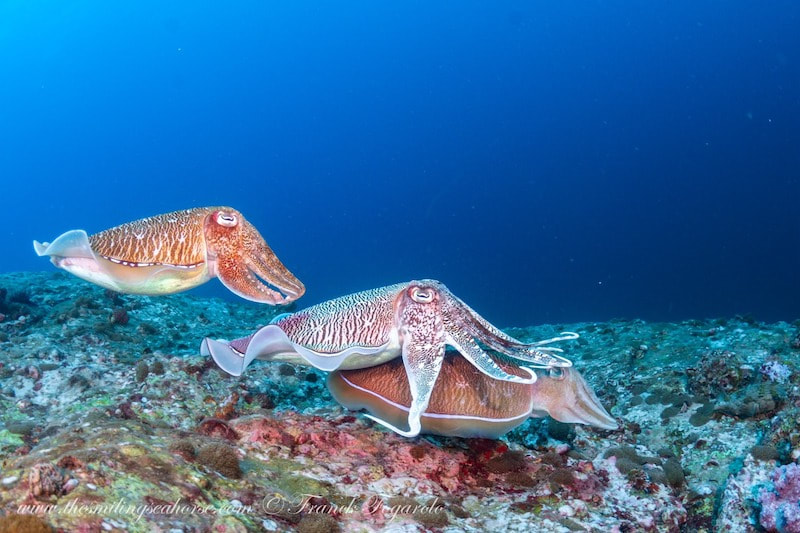 | 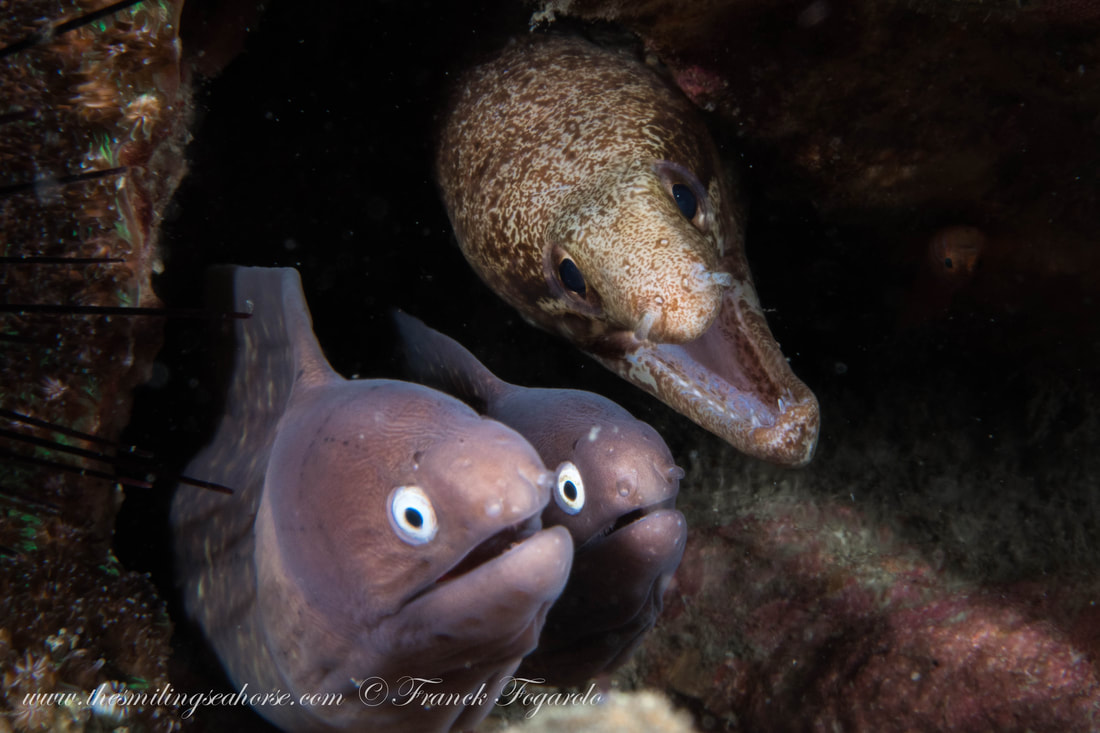 |
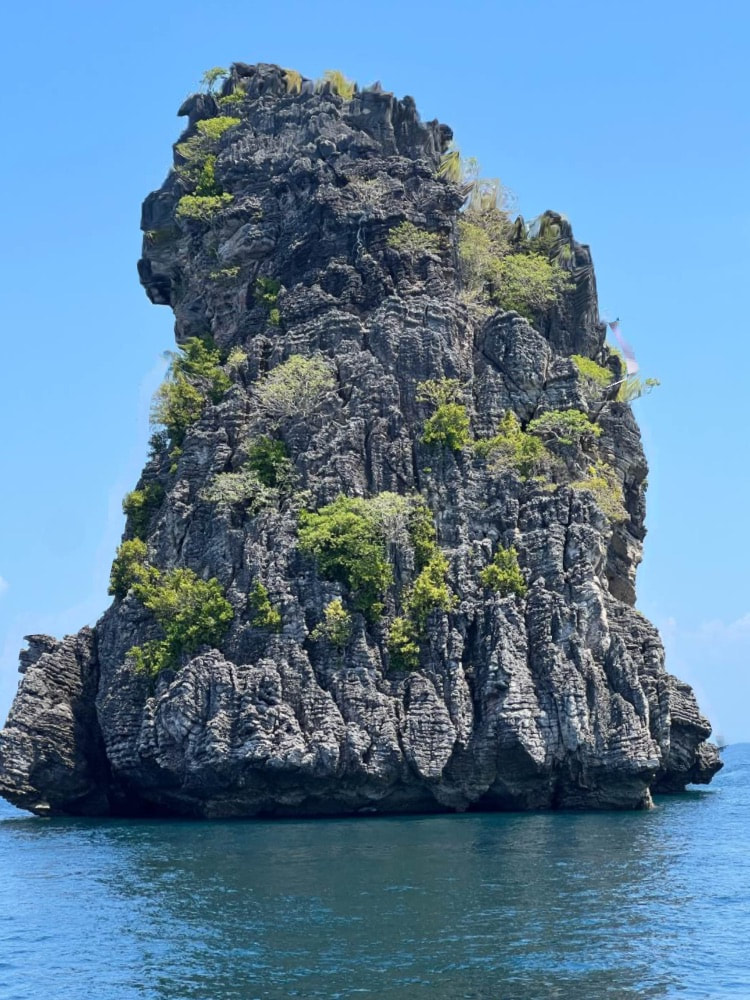
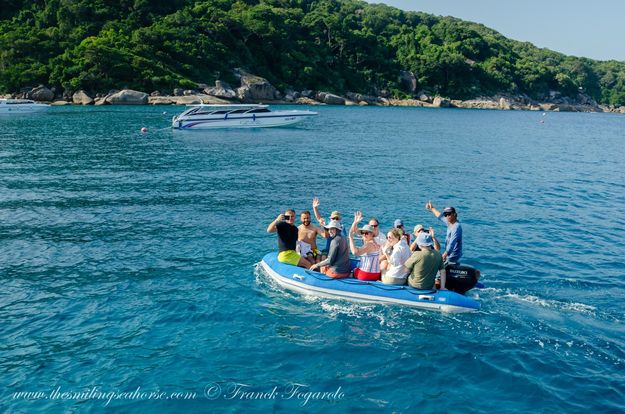
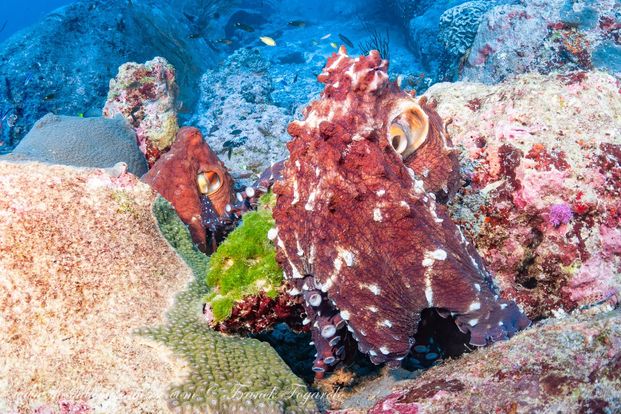
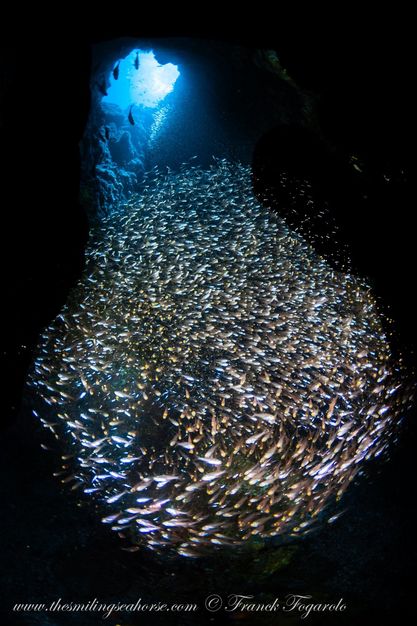
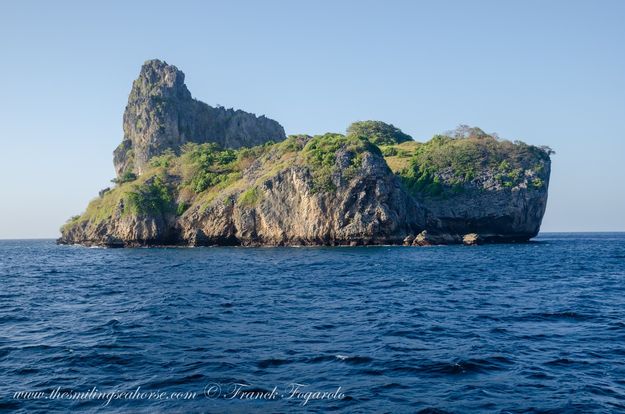
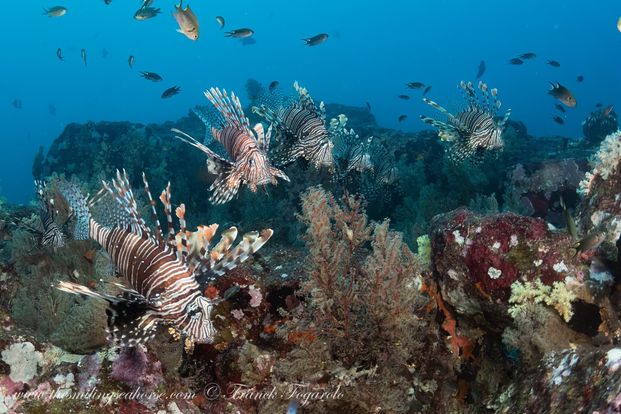
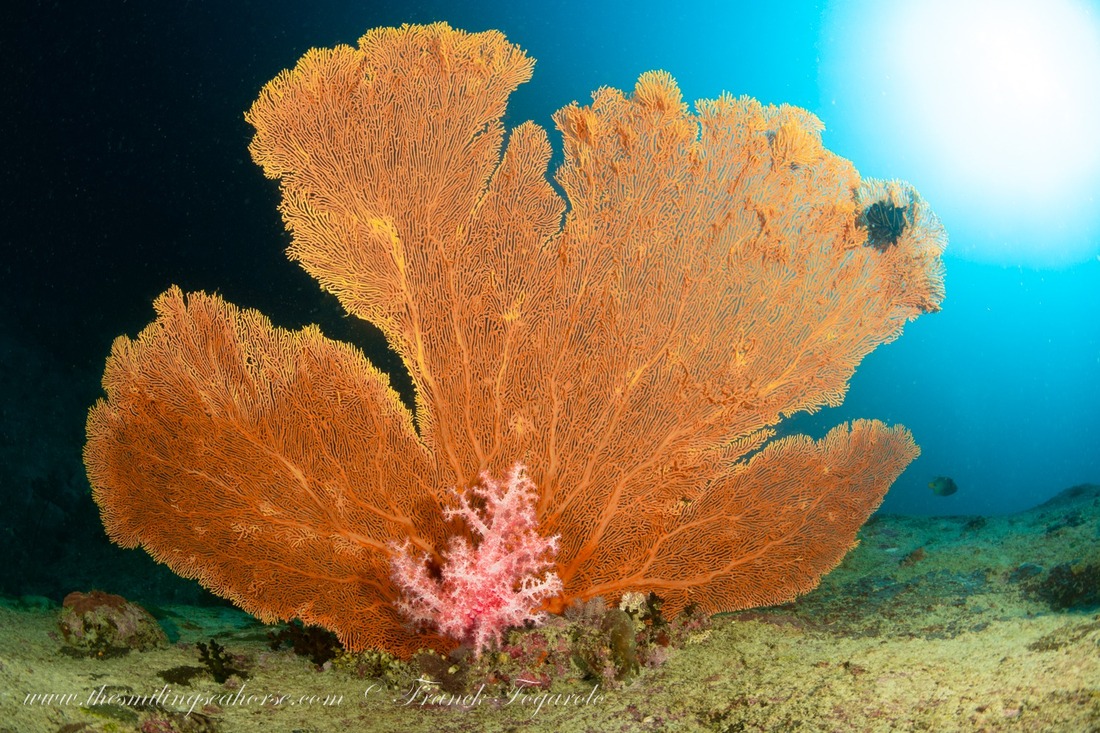
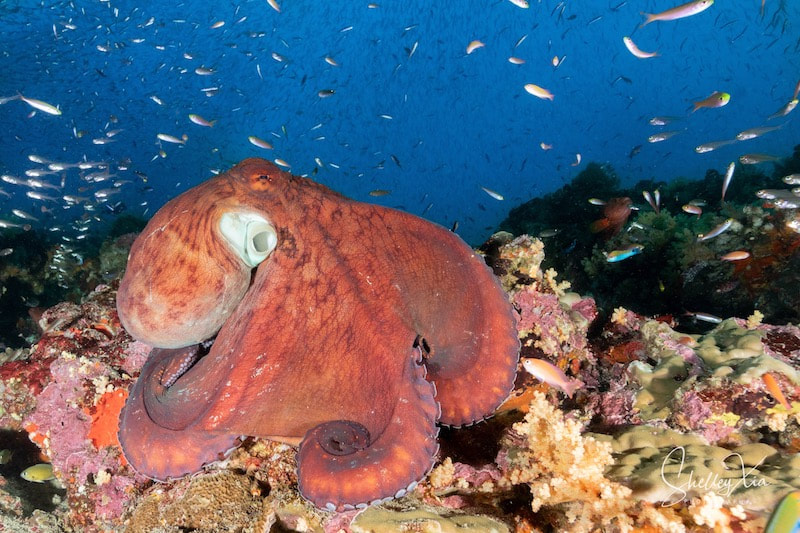
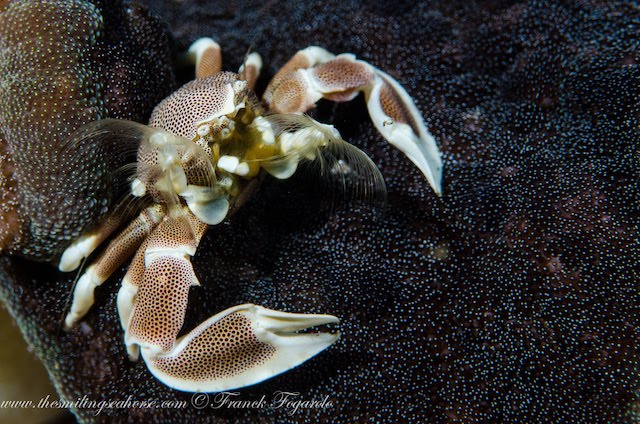
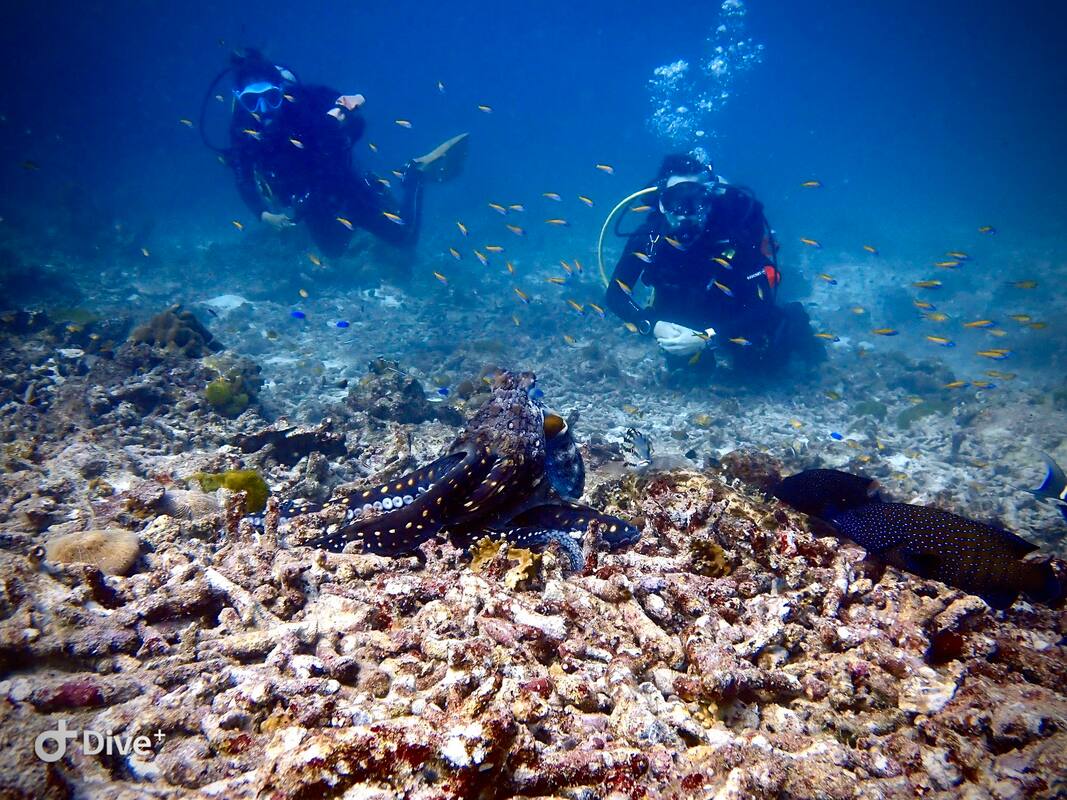
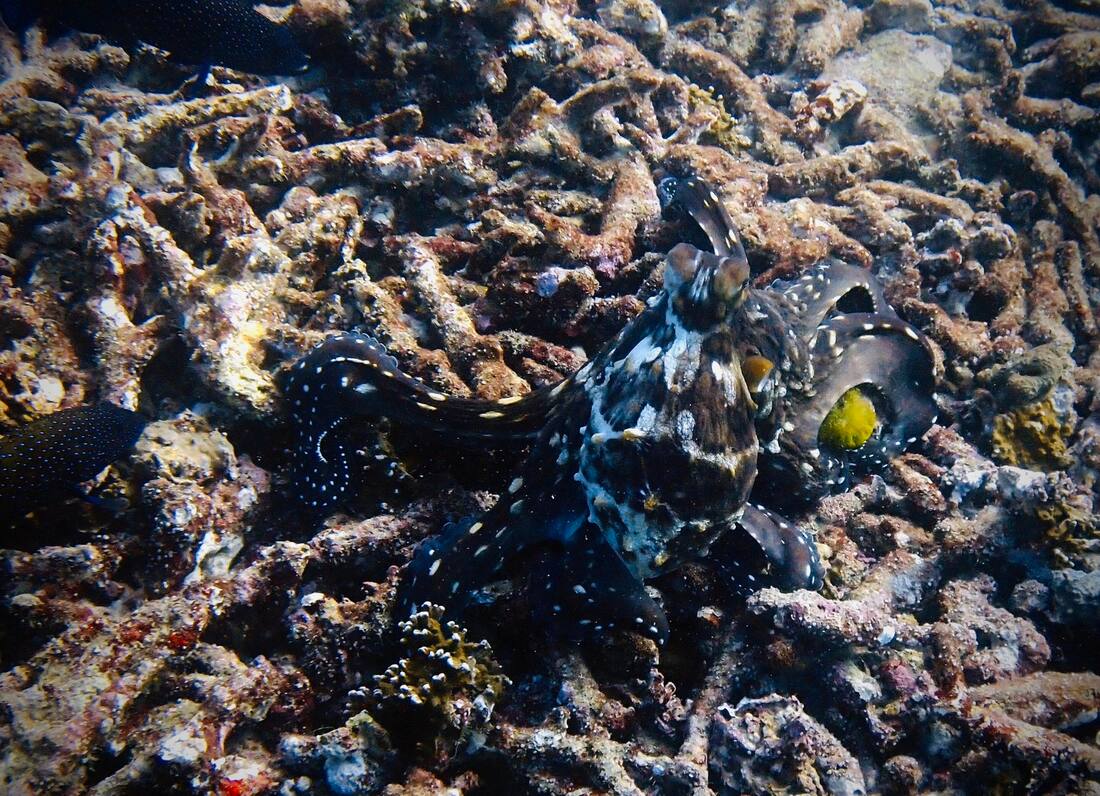
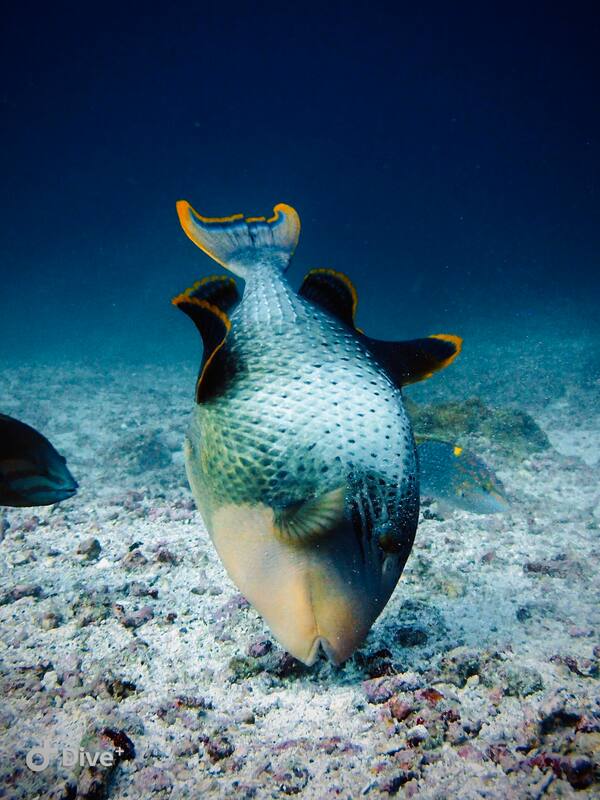
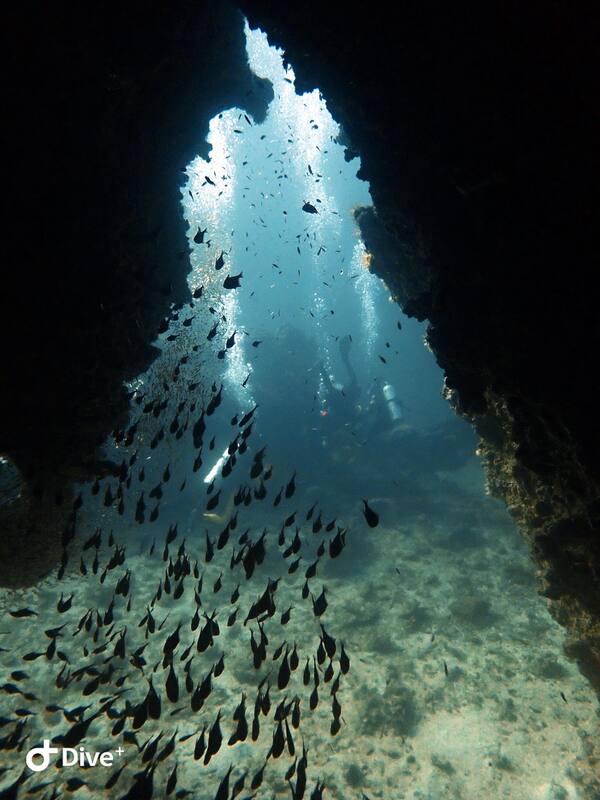
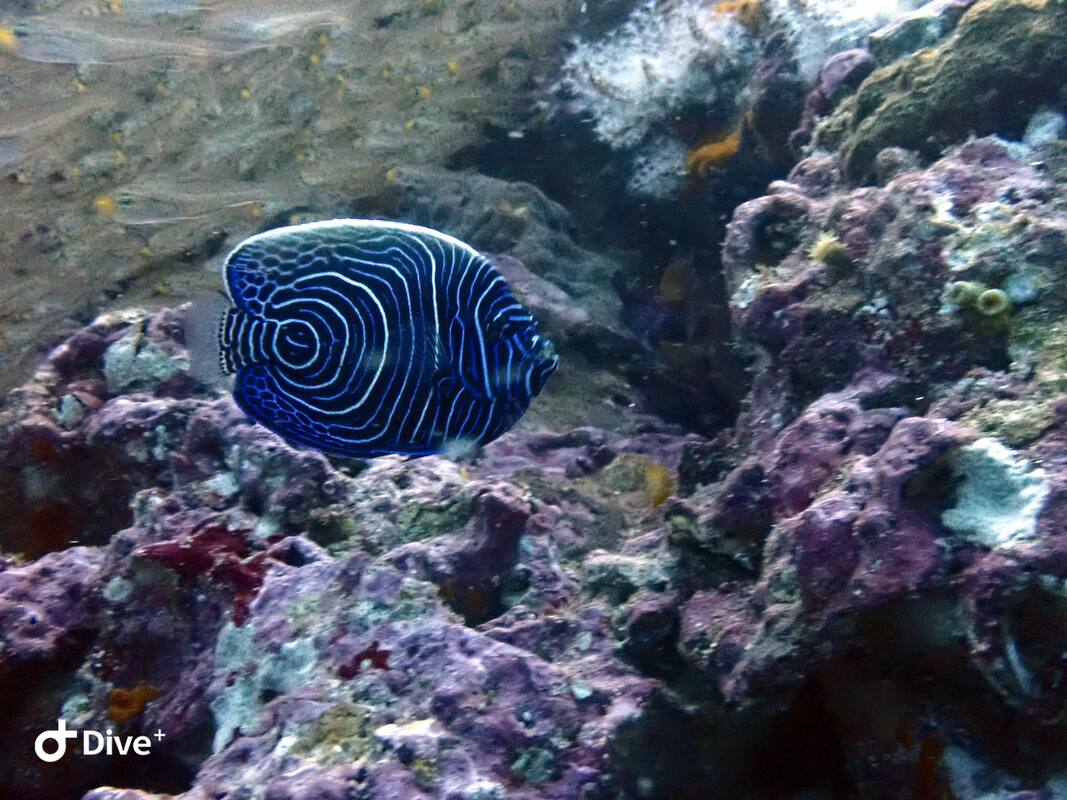
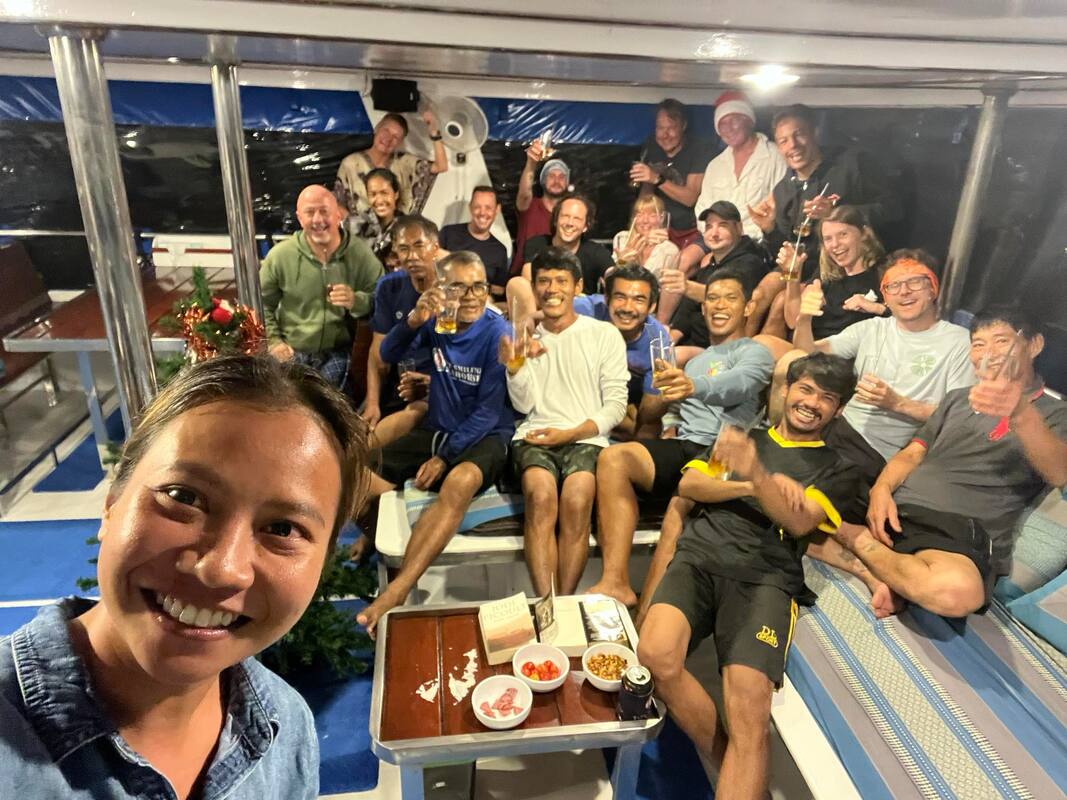
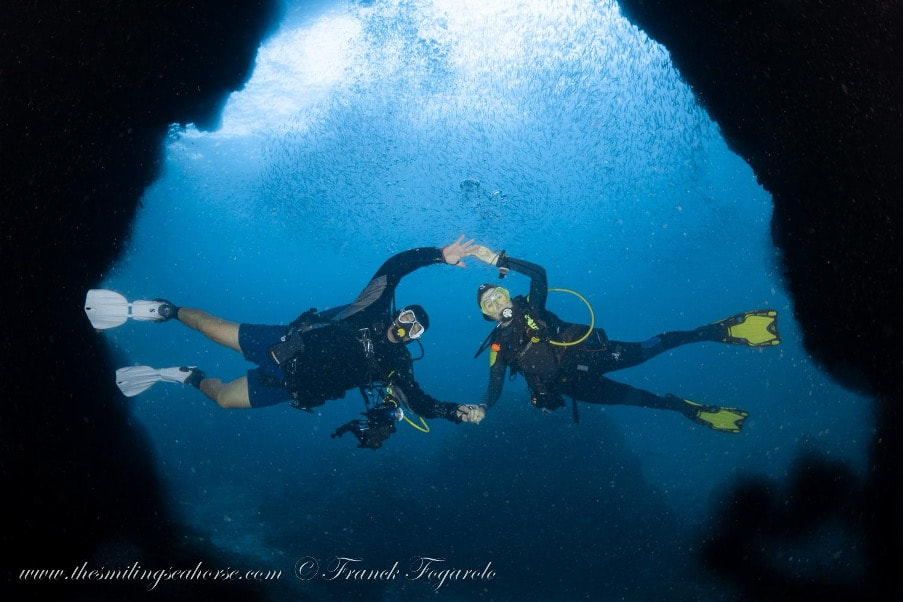
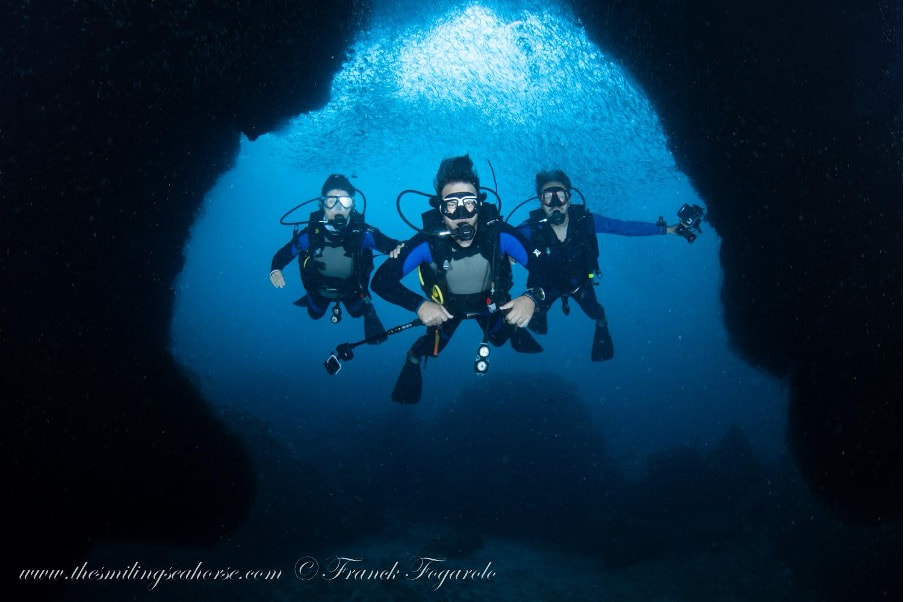
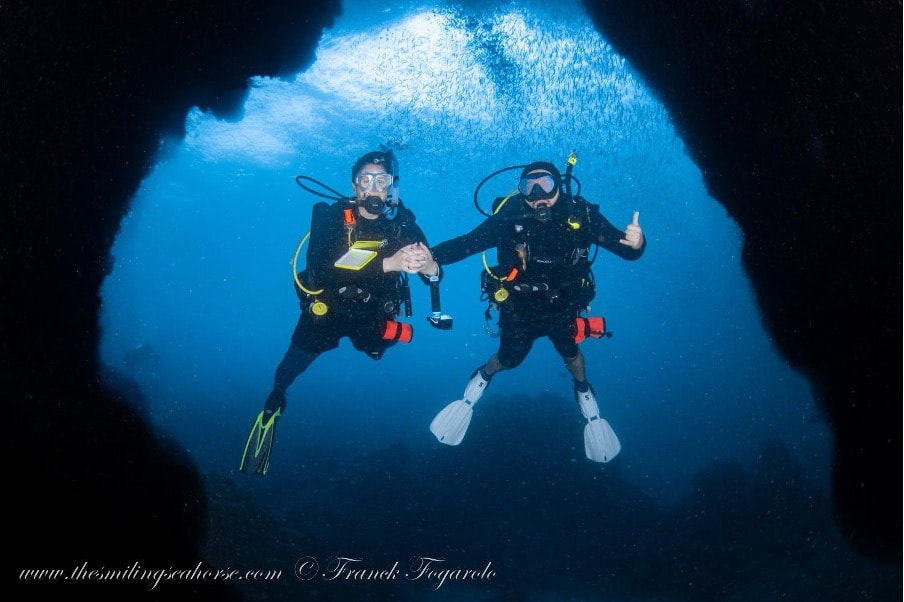
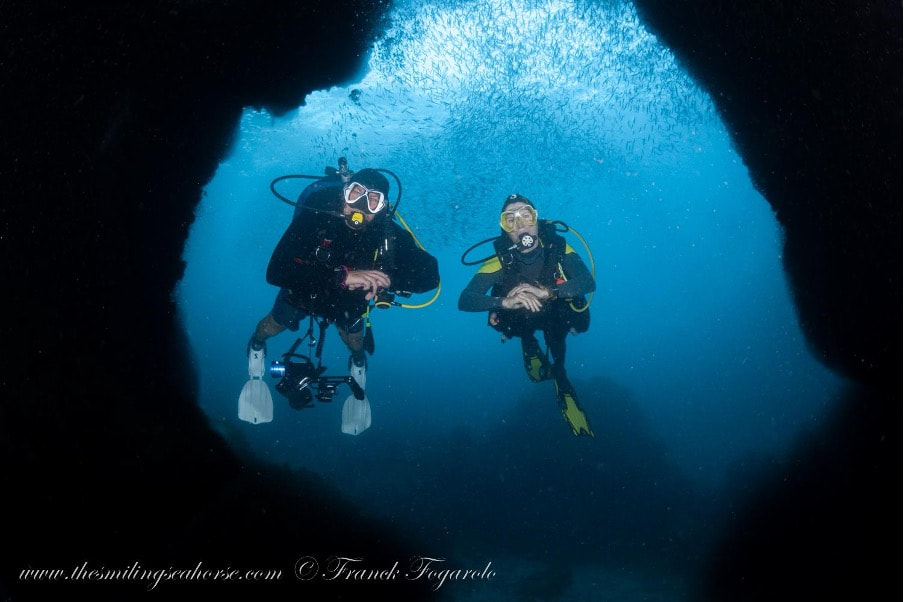
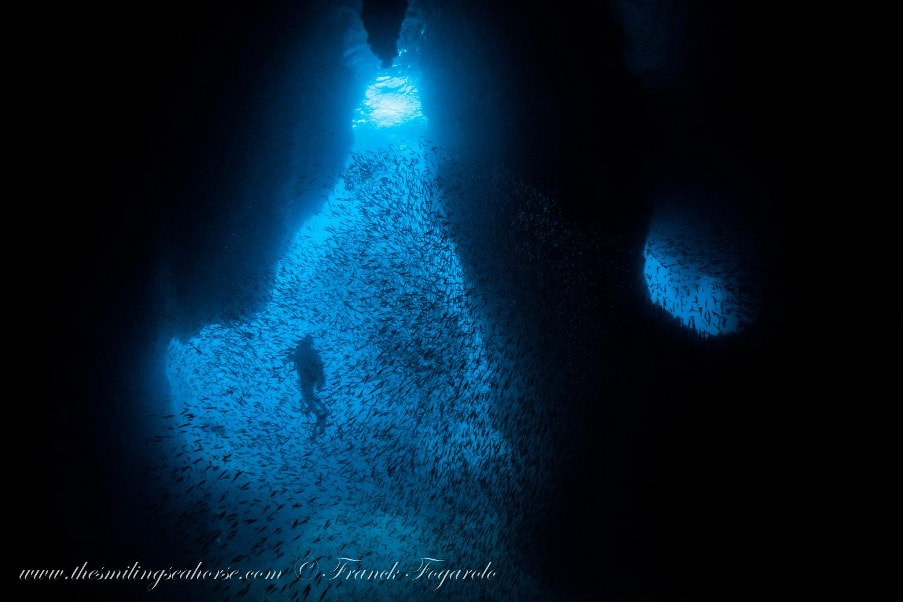
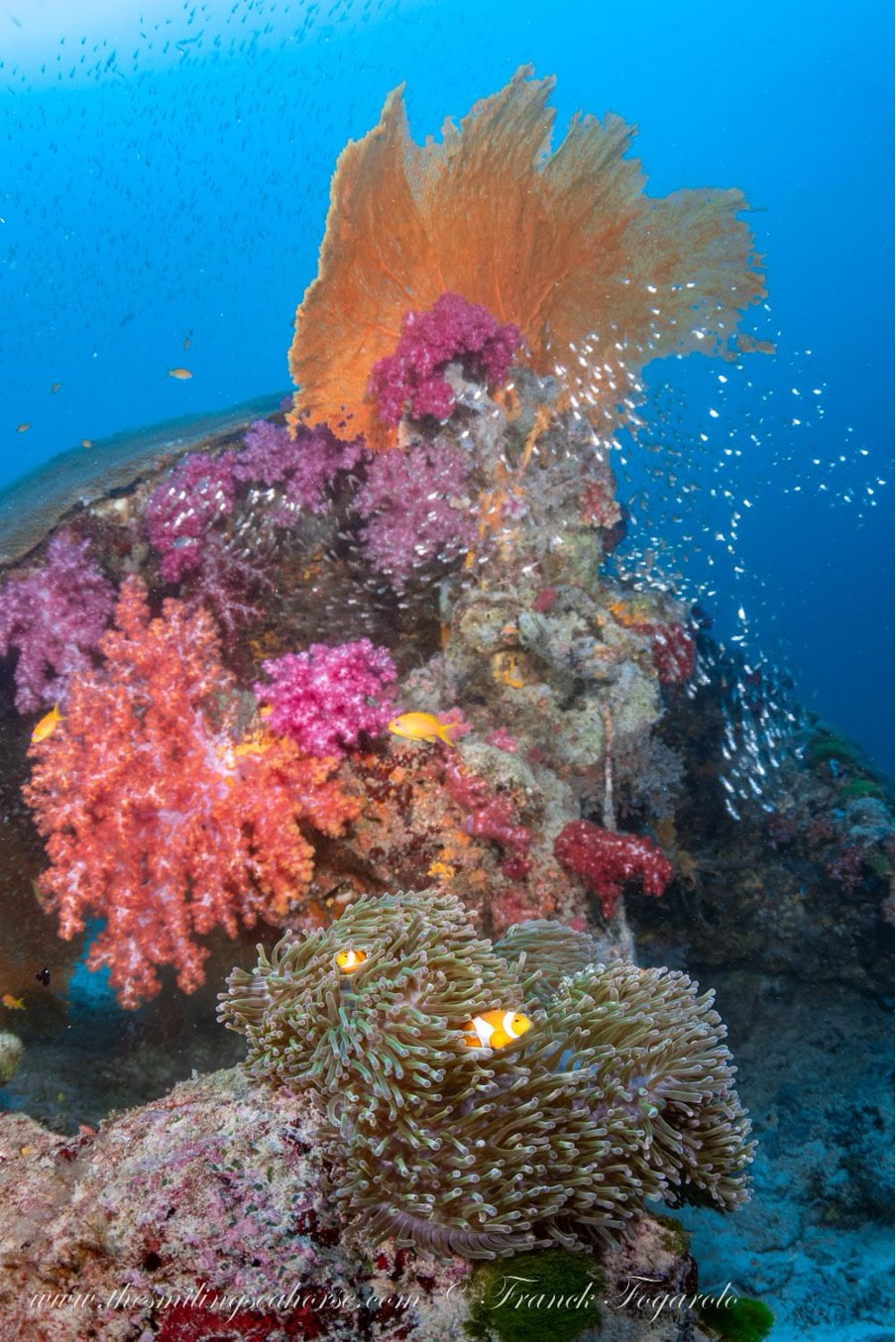
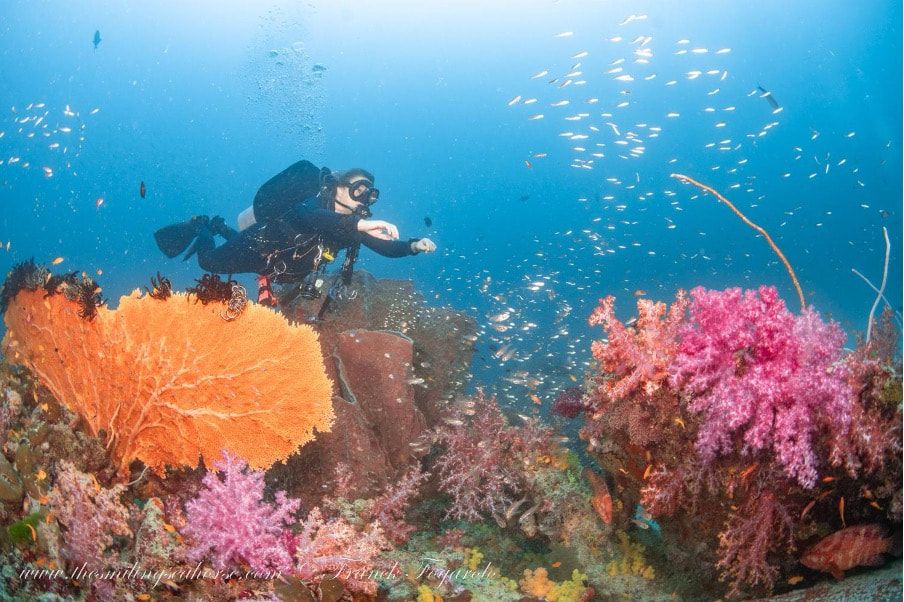
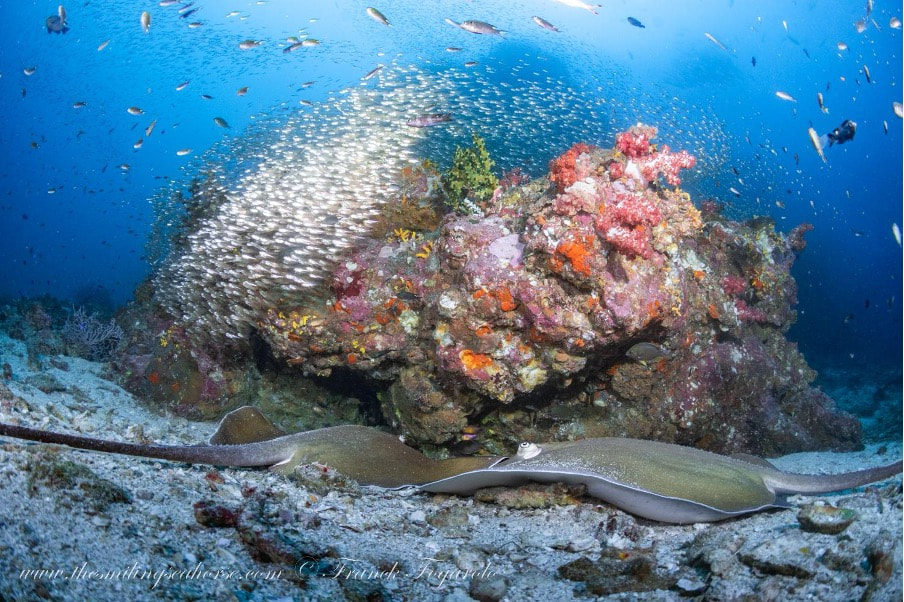
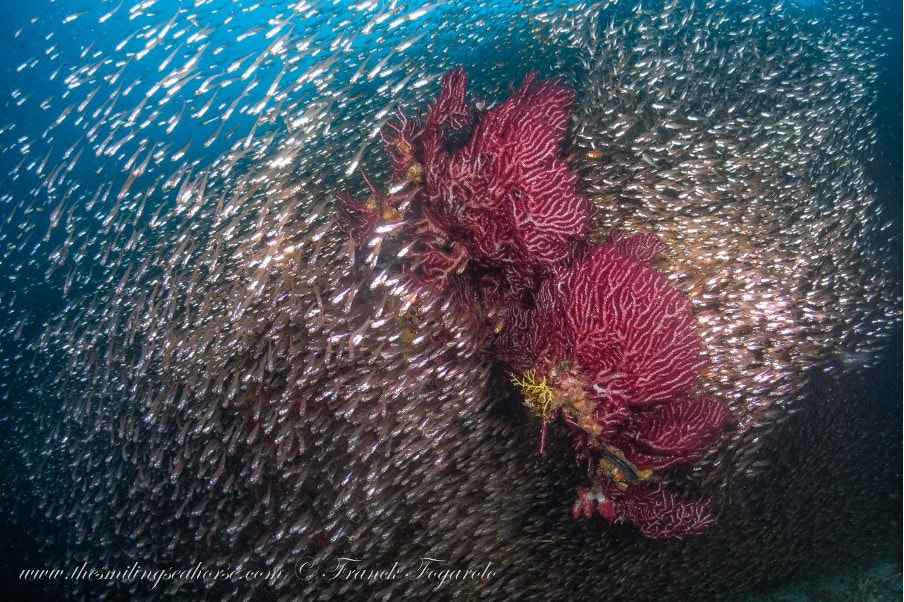
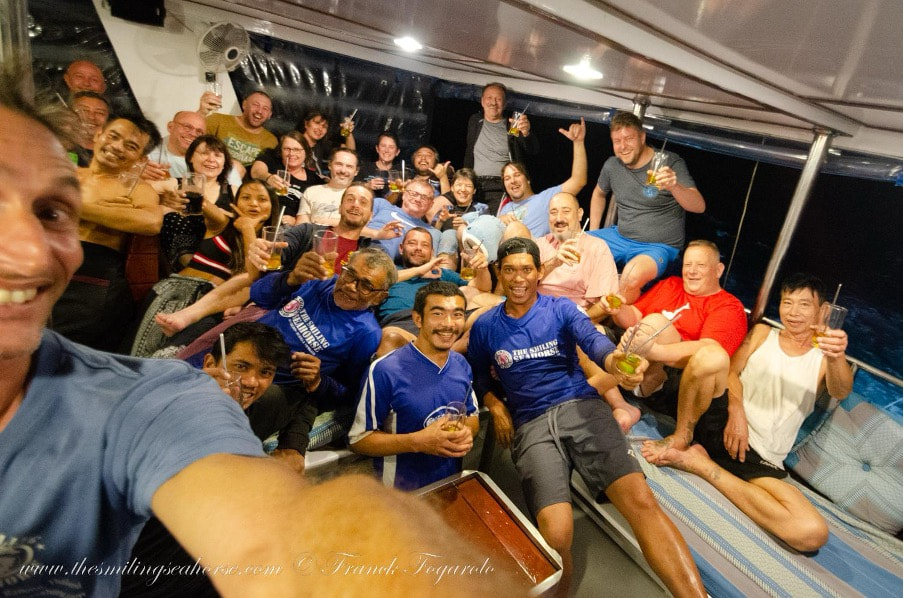
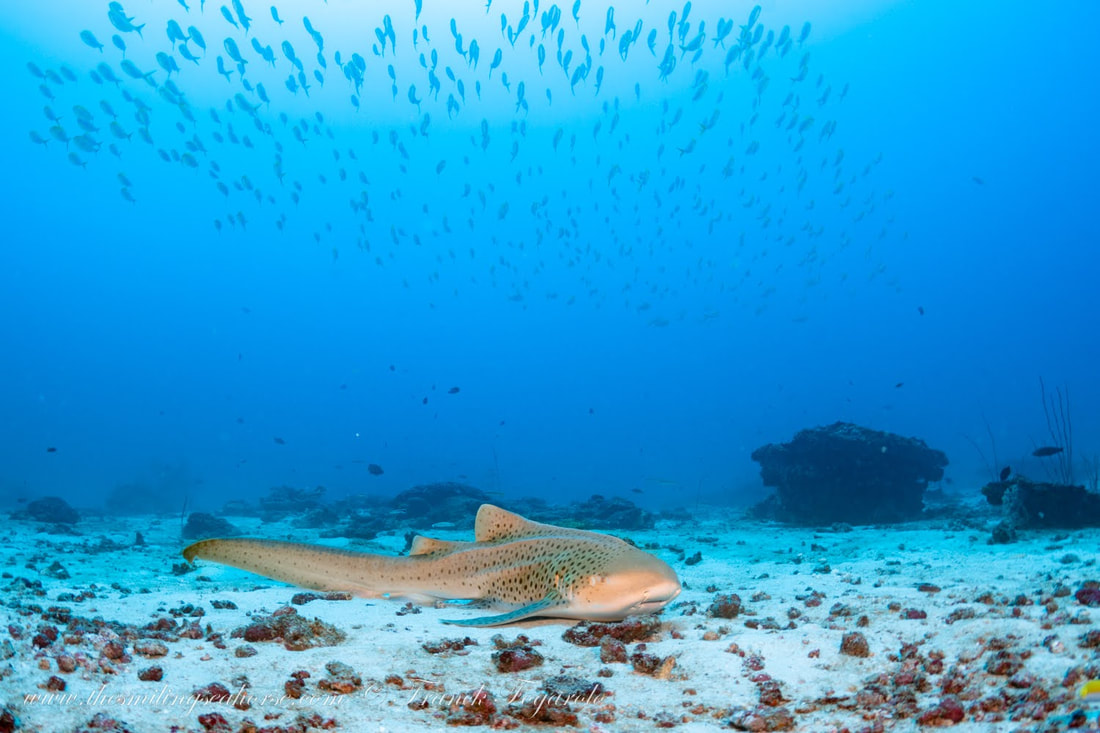
Unfortunately Franck, owner and onboard photographer wasn't onboard on this trip so I took the liberty to use some older photos to illustrate the article with what was seen this week. I hope you'll like this article and feel free to share it or leave us a comment below! Follow us for more fishy stories :)
 RSS Feed